SHENANDOAH TELECOMMUNICATIONS CO/VA/
10-Ks and 10-Qs
|
|
|
|
|
|
|
|
|
|
|
|
|
|
|
|
|
|
|
|
|
|
|
|
|
|
|
|
|
|
|
|
|
|
|
|
|
|
|
|
|
|
|
|
|
|
|
|
|
|
|
|
|
|
|
|
UNITED STATES OF AMERICA
SECURITIES AND EXCHANGE COMMISSION
Washington, D. C. 20549
FORM 10-Q
(Mark One)
|
☒
|
QUARTERLY REPORT PURSUANT TO SECTION 13 OR 15(d) OF THE SECURITIES EXCHANGE ACT OF 1934
|
|
For the quarterly period ended September 30, 2018
|
|
|
☐
|
TRANSITION REPORT PURSUANT TO SECTION 13 OR 15(d) OF THE SECURITIES EXCHANGE ACT OF 1934
|
|
For the transition period from__________ to __________
|
|
Commission File No.: 000-09881

SHENANDOAH TELECOMMUNICATIONS COMPANY
(Exact name of registrant as specified in its charter)
|
VIRGINIA
|
|
54-1162807
|
|
(State or other jurisdiction of incorporation or organization)
|
|
(I.R.S. Employer Identification No.)
|
500 Shentel Way, Edinburg, Virginia 22824
(Address of principal executive offices) (Zip Code)
(540) 984-4141
(Registrant's telephone number, including area code)
Indicate by check mark whether the registrant (1) has filed all reports required to be filed by Section 13 or 15(d) of the Securities Exchange Act of 1934 during the preceding 12 months (or for such shorter period that the registrant was required to file such reports), and (2) has been subject to such filing requirements for the past 90 days. Yes ☑ No ☐
Indicate by check mark whether the registrant has submitted electronically and posted on its corporate Web site, if any, every Interactive Data File required to be submitted and posted pursuant to Rule 405 of Regulation S-T (§232.405 of this chapter) during the preceding 12 months (or for such shorter period that the registrant was required to submit and post such files). Yes ☑ No ☐
Indicate by check mark whether the registrant is a large accelerated filer, an accelerated filer, a non-accelerated filer, smaller reporting company, or an emerging growth company. See the definitions of “large accelerated filer,” “accelerated filer,” “smaller reporting company,” and "emerging growth company" in Rule 12b-2 of the Exchange Act.
|
Large accelerated filer ☑
|
Accelerated filer ☐
|
Non-accelerated filer ☐
|
|
Smaller reporting company☐
|
Emerging growth company☐
|
|
If an emerging growth company, indicate by check mark if the registrant has elected not to use the extended transition period for complying with any new or revised financial accounting standards provided pursuant to Section 13(a) of the Exchange Act. ☐
Indicate by check mark whether the registrant is a shell company (as defined in Rule 12b-2 of the Exchange Act).
Yes ☐ No ☑
The number of shares of the registrant’s common stock outstanding on
November 2, 2018
was
49,558,663
.
SHENANDOAH TELECOMMUNICATIONS COMPANY
INDEX
|
|
|
Page
Numbers
|
||
|
PART I.
|
FINANCIAL INFORMATION
|
|
||
|
|
|
|
||
|
Item 1.
|
Financial Statements
|
|
||
|
|
|
|
||
|
|
||||
|
|
|
|
||
|
|
||||
|
|
|
|
||
|
|
||||
|
|
|
|
||
|
|
||||
|
|
|
|
||
|
|
-
|
|||
|
|
|
|
||
|
Item 2.
|
-
|
|||
|
|
|
|
||
|
Item 3.
|
||||
|
|
|
|
||
|
Item 4.
|
||||
|
|
|
|||
|
PART II.
|
OTHER INFORMATION
|
|||
|
|
|
|||
|
Item 1A.
|
||||
|
|
|
|||
|
Item 2.
|
||||
|
|
|
|||
|
Item 6.
|
||||
|
|
|
|||
|
|
||||
|
|
|
|||
|
SHENANDOAH TELECOMMUNICATIONS COMPANY AND SUBSIDIARIES
|
||||||||
|
UNAUDITED CONDENSED CONSOLIDATED BALANCE SHEETS
|
||||||||
|
(in thousands)
|
||||||||
|
September 30,
2018 |
December 31, 2017
|
|||||||
|
ASSETS
|
||||||||
|
Current assets:
|
||||||||
|
Cash and cash equivalents
|
$
|
75,207
|
|
$
|
78,585
|
|
||
|
Accounts receivable, net
|
59,968
|
|
54,184
|
|
||||
|
Income taxes receivable
|
2,545
|
|
17,311
|
|
||||
|
Inventory, net
|
4,962
|
|
5,704
|
|
||||
|
Prepaid expenses and other
|
63,383
|
|
17,111
|
|
||||
|
Total current assets
|
206,065
|
|
172,895
|
|
||||
|
Investments
|
12,296
|
|
11,472
|
|
||||
|
Property, plant and equipment, net
|
669,709
|
|
686,327
|
|
||||
|
Other assets:
|
||||||||
|
Intangible assets, net
|
381,537
|
|
380,979
|
|
||||
|
Goodwill
|
146,497
|
|
146,497
|
|
||||
|
Deferred charges and other assets, net
|
53,723
|
|
13,690
|
|
||||
|
Total assets
|
$
|
1,469,827
|
|
$
|
1,411,860
|
|
||
|
LIABILITIES AND SHAREHOLDERS’ EQUITY
|
||||||||
|
Current liabilities:
|
||||||||
|
Current maturities of long-term debt, net of unamortized loan fees
|
$
|
84,743
|
|
$
|
64,397
|
|
||
|
Accounts payable
|
23,868
|
|
28,953
|
|
||||
|
Advanced billings and customer deposits
|
7,415
|
|
21,153
|
|
||||
|
Accrued compensation
|
6,833
|
|
9,167
|
|
||||
|
Accrued liabilities and other
|
14,756
|
|
13,914
|
|
||||
|
Total current liabilities
|
137,615
|
|
137,584
|
|
||||
|
Long-term debt, less current maturities, net of unamortized loan fees
|
694,045
|
|
757,561
|
|
||||
|
Other long-term liabilities:
|
||||||||
|
Deferred income taxes
|
120,846
|
|
100,879
|
|
||||
|
Deferred lease
|
22,162
|
|
15,782
|
|
||||
|
Asset retirement obligations
|
22,372
|
|
21,211
|
|
||||
|
Retirement plan obligations
|
13,235
|
|
13,328
|
|
||||
|
Other liabilities
|
14,567
|
|
15,293
|
|
||||
|
Total other long-term liabilities
|
193,182
|
|
166,493
|
|
||||
|
Shareholders’ equity:
|
||||||||
|
Common stock, no par value, authorized 96,000; 49,559 and 49,328 issued and outstanding at September 30, 2018 and December 31, 2017, respectively
|
—
|
|
—
|
|
||||
|
Additional paid in capital
|
47,350
|
|
44,787
|
|
||||
|
Retained earnings
|
385,045
|
|
297,205
|
|
||||
|
Accumulated other comprehensive income (loss), net of taxes
|
12,590
|
|
8,230
|
|
||||
|
Total shareholders’ equity
|
444,985
|
|
350,222
|
|
||||
|
Total liabilities and shareholders’ equity
|
$
|
1,469,827
|
|
$
|
1,411,860
|
|
||
See accompanying notes to unaudited condensed consolidated financial statements.
3
|
SHENANDOAH TELECOMMUNICATIONS COMPANY AND SUBSIDIARIES
|
|||||||||||||||
|
UNAUDITED CONDENSED CONSOLIDATED STATEMENTS OF OPERATIONS AND COMPREHENSIVE INCOME (LOSS)
|
|||||||||||||||
|
(in thousands, except per share amounts)
|
|||||||||||||||
|
Three Months Ended
September 30, |
Nine Months Ended
September 30, |
||||||||||||||
|
Operating revenue:
|
2018
|
2017
|
2018
|
2017
|
|||||||||||
|
Service revenue and other
|
$
|
142,768
|
|
$
|
149,788
|
|
$
|
419,819
|
|
$
|
450,617
|
|
|||
|
Equipment revenue
|
15,963
|
|
1,994
|
|
49,551
|
|
8,303
|
|
|||||||
|
Total operating revenue
|
158,731
|
|
151,782
|
|
469,370
|
|
458,920
|
|
|||||||
|
Operating expenses:
|
|||||||||||||||
|
Cost of services
|
47,886
|
|
48,552
|
|
146,362
|
|
145,744
|
|
|||||||
|
Cost of goods sold
|
15,036
|
|
7,282
|
|
46,007
|
|
17,232
|
|
|||||||
|
Selling, general and administrative
|
27,452
|
|
42,199
|
|
86,117
|
|
125,374
|
|
|||||||
|
Acquisition, integration and migration expenses
|
—
|
|
1,706
|
|
—
|
|
9,873
|
|
|||||||
|
Depreciation and amortization
|
40,028
|
|
42,568
|
|
124,632
|
|
132,297
|
|
|||||||
|
Total operating expenses
|
130,402
|
|
142,307
|
|
403,118
|
|
430,520
|
|
|||||||
|
Operating income (loss)
|
28,329
|
|
9,475
|
|
66,252
|
|
28,400
|
|
|||||||
|
Other income (expense):
|
|||||||||||||||
|
Interest expense
|
(9,001
|
)
|
(9,823
|
)
|
(27,184
|
)
|
(28,312
|
)
|
|||||||
|
Gain (loss) on investments, net
|
88
|
|
202
|
|
112
|
|
395
|
|
|||||||
|
Non-operating income (loss), net
|
966
|
|
1,003
|
|
2,770
|
|
3,482
|
|
|||||||
|
Income (loss) before income taxes
|
20,382
|
|
857
|
|
41,950
|
|
3,965
|
|
|||||||
|
Income tax expense (benefit)
|
4,848
|
|
(2,677
|
)
|
10,207
|
|
(1,830
|
)
|
|||||||
|
Net income (loss)
|
15,534
|
|
3,534
|
|
31,743
|
|
5,795
|
|
|||||||
|
Other comprehensive income (loss):
|
|||||||||||||||
|
Unrealized gain (loss) on interest rate hedge, net of tax
|
465
|
|
6
|
|
4,360
|
|
(770
|
)
|
|||||||
|
Comprehensive income (loss)
|
$
|
15,999
|
|
$
|
3,540
|
|
$
|
36,103
|
|
$
|
5,025
|
|
|||
|
Net income (loss) per share, basic and diluted:
|
|||||||||||||||
|
Basic net income (loss) per share
|
$
|
0.31
|
|
$
|
0.07
|
|
$
|
0.64
|
|
$
|
0.12
|
|
|||
|
Diluted net income (loss) per share
|
$
|
0.31
|
|
$
|
0.07
|
|
$
|
0.63
|
|
$
|
0.12
|
|
|||
|
Weighted average shares outstanding, basic
|
49,559
|
|
49,133
|
|
49,527
|
|
49,100
|
|
|||||||
|
Weighted average shares outstanding, diluted
|
50,117
|
|
49,959
|
|
50,044
|
|
49,869
|
|
|||||||
See accompanying notes to unaudited condensed consolidated financial statements.
4
|
SHENANDOAH TELECOMMUNICATIONS COMPANY AND SUBSIDIARIES
|
|||||||||||||||||||
|
UNAUDITED CONDENSED CONSOLIDATED STATEMENTS OF SHAREHOLDERS' EQUITY
|
|||||||||||||||||||
|
(in thousands, except share amounts)
|
|||||||||||||||||||
|
Shares of Common Stock (no par value)
|
Additional Paid in Capital
|
Retained Earnings
|
Accumulated Other Comprehensive Income (Loss)
|
Total
|
|||||||||||||||
|
Balance, December 31, 2017
|
49,328
|
|
$
|
44,787
|
|
$
|
297,205
|
|
$
|
8,230
|
|
$
|
350,222
|
|
|||||
|
Change in accounting principle - adoption of accounting standard (Note 2)
|
—
|
|
—
|
|
56,097
|
|
—
|
|
56,097
|
|
|||||||||
|
Net income (loss)
|
—
|
|
—
|
|
31,743
|
|
—
|
|
31,743
|
|
|||||||||
|
Other comprehensive gain (loss), net of tax of $1,441
|
—
|
|
—
|
|
—
|
|
4,360
|
|
4,360
|
|
|||||||||
|
Stock based compensation
|
206
|
|
4,578
|
|
—
|
|
—
|
|
4,578
|
|
|||||||||
|
Stock options exercised
|
15
|
|
104
|
|
—
|
|
—
|
|
104
|
|
|||||||||
|
Common stock issued
|
—
|
|
18
|
|
—
|
|
—
|
|
18
|
|
|||||||||
|
Shares retired for settlement of employee taxes upon issuance of vested equity awards
|
(66
|
)
|
(2,137
|
)
|
—
|
|
—
|
|
(2,137
|
)
|
|||||||||
|
Common stock issued to acquire non-controlling interest in nTelos
|
76
|
|
—
|
|
—
|
|
—
|
|
—
|
|
|||||||||
|
Balance, September 30, 2018
|
49,559
|
|
$
|
47,350
|
|
$
|
385,045
|
|
$
|
12,590
|
|
$
|
444,985
|
|
|||||
See accompanying notes to unaudited condensed consolidated financial statements.
5
|
SHENANDOAH TELECOMMUNICATIONS COMPANY AND SUBSIDIARIES
|
||||||||
|
UNAUDITED CONDENSED CONSOLIDATED STATEMENTS OF CASH FLOWS
|
||||||||
|
(in thousands)
|
||||||||
|
Nine Months Ended
September 30, |
||||||||
|
2018
|
2017
|
|||||||
|
Cash flows from operating activities:
|
||||||||
|
Net income (loss)
|
$
|
31,743
|
|
$
|
5,795
|
|
||
|
Adjustments to reconcile net income (loss) to net cash provided by operating activities:
|
||||||||
|
Depreciation
|
106,002
|
|
113,437
|
|
||||
|
Amortization
|
18,630
|
|
18,860
|
|
||||
|
Amortization reflected as rent expense in cost of services
|
372
|
|
2,173
|
|
||||
|
Bad debt expense
|
1,362
|
|
1,479
|
|
||||
|
Stock based compensation expense, net of amount capitalized
|
4,578
|
|
3,053
|
|
||||
|
Waived management fee
|
28,164
|
|
27,068
|
|
||||
|
Deferred income taxes
|
(1,989
|
)
|
(12,251
|
)
|
||||
|
(Gain) loss on investments
|
(112
|
)
|
(308
|
)
|
||||
|
Net (gain) loss from patronage and equity investments
|
(2,300
|
)
|
(2,315
|
)
|
||||
|
Amortization of long-term debt issuance costs
|
3,472
|
|
3,572
|
|
||||
|
Accrued interest and other
|
205
|
|
1,633
|
|
||||
|
Changes in assets and liabilities:
|
||||||||
|
Accounts receivable
|
(5,492
|
)
|
6,418
|
|
||||
|
Inventory, net
|
741
|
|
31,604
|
|
||||
|
Income taxes receivable
|
14,932
|
|
(8,704
|
)
|
||||
|
Other assets
|
(13,393
|
)
|
(162
|
)
|
||||
|
Accounts payable
|
(1,913
|
)
|
(30,795
|
)
|
||||
|
Income taxes payable
|
—
|
|
(435
|
)
|
||||
|
Deferred lease
|
4,159
|
|
3,729
|
|
||||
|
Other deferrals and accruals
|
(361
|
)
|
(5,146
|
)
|
||||
|
Net cash provided by (used in) operating activities
|
188,800
|
|
158,705
|
|
||||
|
Cash flows from investing activities:
|
||||||||
|
Acquisition of property, plant and equipment
|
(92,309
|
)
|
(109,435
|
)
|
||||
|
Proceeds from sale of assets
|
540
|
|
356
|
|
||||
|
Cash distributions (contributions) from investments and other
|
(1
|
)
|
4
|
|
||||
|
Sprint expansion
|
(52,000
|
)
|
(6,000
|
)
|
||||
|
Net cash provided by (used in) investing activities
|
(143,770
|
)
|
(115,075
|
)
|
||||
|
Cash flows from financing activities:
|
||||||||
|
Principal payments on long-term debt
|
(46,375
|
)
|
(24,250
|
)
|
||||
|
Proceeds from revolving credit facility borrowings
|
15,000
|
|
—
|
|
||||
|
Proceeds from credit facility borrowings
|
—
|
|
25,000
|
|
||||
|
Principal payments on revolving credit facility
|
(15,000
|
)
|
—
|
|
||||
|
Taxes paid for equity award issuances
|
(2,033
|
)
|
(5,106
|
)
|
||||
|
Net cash provided by (used in) financing activities
|
(48,408
|
)
|
(4,356
|
)
|
||||
|
Net increase (decrease) in cash and cash equivalents
|
(3,378
|
)
|
39,274
|
|
||||
|
Cash and cash equivalents, beginning of period
|
78,585
|
|
36,193
|
|
||||
|
Cash and cash equivalents, end of period
|
$
|
75,207
|
|
$
|
75,467
|
|
||
|
|
|
|||||||
|
Supplemental Disclosures of Cash Flow Information
|
||||||||
|
Cash payments for:
|
||||||||
|
Interest, net of capitalized interest of $1,187 and $1,266, respectively
|
$
|
25,067
|
|
$
|
25,934
|
|
||
|
Income tax (refunds received) payments, net
|
$
|
(2,736
|
)
|
$
|
19,567
|
|
||
|
Capital expenditures payable
|
$
|
11,919
|
|
$
|
3,800
|
|
||
See accompanying notes to unaudited condensed consolidated financial statements.
6
SHENANDOAH TELECOMMUNICATIONS COMPANY AND SUBSIDIARIES
NOTES TO UNAUDITED CONDENSED CONSOLIDATED FINANCIAL STATEMENTS
The interim condensed consolidated financial statements of Shenandoah Telecommunications Company and Subsidiaries (collectively, the “Company”) are unaudited. In the opinion of management, all adjustments necessary for a fair presentation of the interim results have been reflected therein in accordance with accounting principles generally accepted in the United States ("GAAP") for interim financial reporting and as required by Rule 10-01 of Regulation S-X. Accordingly, the unaudited condensed consolidated financial statements may not include all of the information and notes required by GAAP for audited financial statements. The information contained herein should be read in conjunction with the audited financial statements included in the Company's Annual Report on Form 10-K for the year ended
December 31, 2017
.
Immaterial Prior Period Adjustment
.
During the three months ended September 30, 2018, the Company determined that the unaudited condensed consolidated financial statements for the three months ended March 31, 2018, and the three and six months ended June 30, 2018, contained an immaterial misstatement. Excess amortization of deferred contract costs that are recognized as a reduction of revenue, as described in Note 2, resulted in an understatement of revenue for the three months ended March 31, 2018, and the three and six months ended June 30, 2018. Additionally, amounts recorded upon the adoption of ASU No. 2014-09,
Revenue from Contracts with Customers
("Topic 606", or "the new revenue recognition standard"), on January 1, 2018 were misstated. The Company evaluated the materiality of the prior period adjustment quantitatively and qualitatively, under the SEC’s authoritative guidance on materiality, and concluded that the prior period adjustment was not material to the financial statements of any of the impacted unaudited 2018 periods. The Company elected to correct the prior period adjustment by revising the prior period financial statements.
The cumulative effect of the adjustment made to the consolidated January 1, 2018 balance sheet for the adoption of the new revenue recognition standard was as follows:
|
As of January 1, 2018
|
|||||||||||
|
(in thousands)
|
As Reported
|
Correction of Error
|
As Adjusted
|
||||||||
|
Prepaid expenses and other
|
$
|
53,688
|
|
$
|
(6,701
|
)
|
$
|
46,987
|
|
||
|
Deferred charges and other assets, net
|
29,797
|
|
14,964
|
|
44,761
|
|
|||||
|
Deferred income taxes
|
119,030
|
|
2,201
|
|
121,231
|
|
|||||
|
Retained earnings
|
347,240
|
|
6,062
|
|
353,302
|
|
|||||
The following table presents the effects of the immaterial prior period adjustment on the unaudited condensed consolidated balance sheet as of March 31, 2018 and June 30, 2018:
|
As of March 31, 2018
|
|||||||||||
|
(in thousands)
|
As Reported
|
Correction of Error
|
As Adjusted
|
||||||||
|
Prepaid expenses and other
|
$
|
64,200
|
|
$
|
(5,741
|
)
|
$
|
58,459
|
|
||
|
Deferred charges and other assets, net
|
33,934
|
|
16,410
|
|
50,344
|
|
|||||
|
Deferred income taxes
|
115,809
|
|
2,853
|
|
118,662
|
|
|||||
|
Retained earnings
|
352,069
|
|
7,816
|
|
359,885
|
|
|||||
|
As of June 30, 2018
|
|||||||||||
|
(in thousands)
|
As Reported
|
Correction of Error
|
As Adjusted
|
||||||||
|
Prepaid expenses and other
|
$
|
64,163
|
|
$
|
(4,756
|
)
|
$
|
59,407
|
|
||
|
Deferred charges and other assets, net
|
34,021
|
|
17,896
|
|
51,917
|
|
|||||
|
Deferred income taxes
|
111,125
|
|
3,522
|
|
114,647
|
|
|||||
|
Retained earnings
|
359,893
|
|
9,618
|
|
369,511
|
|
|||||
7
The following tables present the effects of the immaterial prior period adjustment on the unaudited condensed consolidated statements of operations and comprehensive income (loss) for the three months ended March 31, 2018 and the three and six months ended June 30, 2018:
|
For the Three Months Ended March 31, 2018
|
|||||||||||
|
(in thousands)
|
As Reported
|
Correction of Error
|
As Adjusted
|
||||||||
|
Service revenue and other
|
$
|
134,153
|
|
$
|
2,406
|
|
$
|
136,559
|
|
||
|
Income tax expense (benefit)
|
1,176
|
|
652
|
|
1,828
|
|
|||||
|
Net income (loss)
|
4,829
|
|
1,754
|
|
6,583
|
|
|||||
|
Earnings per share - basic
|
$
|
0.10
|
|
$
|
0.03
|
|
$
|
0.13
|
|
||
|
Earnings per share - diluted
|
$
|
0.10
|
|
$
|
0.03
|
|
$
|
0.13
|
|
||
|
For the Three Months Ended June 30, 2018
|
|||||||||||
|
(in thousands)
|
As Reported
|
Correction of Error
|
As Adjusted
|
||||||||
|
Service revenue and other
|
$
|
138,021
|
|
$
|
2,471
|
|
$
|
140,492
|
|
||
|
Income tax expense (benefit)
|
2,862
|
|
669
|
|
3,531
|
|
|||||
|
Net income (loss)
|
7,824
|
|
1,802
|
|
9,626
|
|
|||||
|
Earnings per share - basic
|
$
|
0.16
|
|
$
|
0.03
|
|
$
|
0.19
|
|
||
|
Earnings per share - diluted
|
$
|
0.16
|
|
$
|
0.03
|
|
$
|
0.19
|
|
||
|
For the Six Months Ended June 30, 2018
|
|||||||||||
|
(in thousands)
|
As Reported
|
Correction of Error
|
As Adjusted
|
||||||||
|
Service revenue and other
|
$
|
272,174
|
|
$
|
4,877
|
|
$
|
277,051
|
|
||
|
Income tax expense (benefit)
|
4,038
|
|
1,321
|
|
5,359
|
|
|||||
|
Net income (loss)
|
12,653
|
|
3,556
|
|
16,209
|
|
|||||
|
Earnings per share - basic
|
$
|
0.26
|
|
$
|
0.07
|
|
$
|
0.33
|
|
||
|
Earnings per share - diluted
|
$
|
0.25
|
|
$
|
0.07
|
|
$
|
0.32
|
|
||
Adoption of New Accounting Principles
There have been no developments related to recently issued accounting standards, including the expected dates of adoption and estimated effects on the Company's unaudited condensed consolidated financial statements and note disclosures, from those disclosed in the Company's
2017
Annual Report on Form 10-K, that would be expected to impact the Company except for the topics discussed below.
The Company adopted ASU No. 2014-09,
Revenue from Contracts with Customers
("
Topic 606", or "the new revenue recognition standard"
), and all related amendments, effective January 1, 2018, using the modified retrospective method as discussed in Note 2
, Revenue from Contracts with Customers.
The Company recognized the cumulative effect of applying the new revenue recognition standard as an adjustment to the opening balance of retained earnings. The comparative information has not been retrospectively modified and continues to be reported under the accounting standards in effect for those periods.
In February 2016, the Financial Accounting Standards Board (FASB) issued ASU No. 2016-02,
Leases
(
Topic 842
), which requires lessees to recognize a right-of-use asset and a lease liability for all leases with terms greater than 12 months. The standard also requires disclosures by lessees and lessors about the amount, timing and uncertainty of cash flows arising from leases, as well as changes in the categorization of rental costs, from rent expense to interest and depreciation expense. Other effects may occur depending on the types of leases and the specific terms of them utilized by particular lessees. The ASU is effective for the Company on January 1, 2019, and early application is permitted. Modified retrospective application is required. The Company expects that the most notable impact to its financial statements upon the adoption of this ASU will be the recognition of a material right-of-use asset and a lease liability for its real estate and equipment leases. The Company is continuing to assess potential impacts that the standard may have on our consolidated financial statements.
8
In February 2018, the FASB issued ASU No. 2018-02,
Income Statement - Reporting Comprehensive Income (Topic 220): Reclassification of Certain Tax Effects from Accumulated Other Comprehensive Income
. Under existing U.S. GAAP, the effects of changes in tax rates and laws on deferred tax balances are recorded as a component of income tax expense in the period in which the law was enacted. When deferred tax balances related to items originally recorded in accumulated other comprehensive income are adjusted, certain tax effects become stranded in accumulated other comprehensive income. The amendments in ASU No. 2018-02 allow a reclassification from accumulated other comprehensive income to retained earnings for stranded tax effects resulting from the 2017 Tax Cuts and Jobs Act. The amendments in this ASU also require certain disclosures about stranded tax effects. The guidance is effective for fiscal years beginning after December 15, 2018, and interim periods within those fiscal years. Early adoption in any period is permitted. The Company is currently evaluating the impact of adopting ASU No. 2018-02.
The Company earns revenue primarily through the sale of our wireless telecommunications services, wireless equipment, and business, residential, and enterprise cable and wireline services that include video, internet, voice, and data services. Revenue earned for the
three months ended September 30, 2018
was as follows:
|
(in thousands)
|
Wireless
|
Cable
|
Wireline
|
Consolidated
|
||||||||||||
|
Wireless service
|
$
|
96,299
|
|
$
|
—
|
|
$
|
—
|
|
$
|
96,299
|
|
||||
|
Equipment
|
15,666
|
|
234
|
|
63
|
|
15,963
|
|
||||||||
|
Business, residential and enterprise
|
—
|
|
29,334
|
|
10,702
|
|
40,036
|
|
||||||||
|
Tower and other
|
4,134
|
|
2,614
|
|
8,857
|
|
15,605
|
|
||||||||
|
Total revenue
|
116,099
|
|
32,182
|
|
19,622
|
|
167,903
|
|
||||||||
|
Internal revenue
|
(1,263
|
)
|
(1,266
|
)
|
(6,643
|
)
|
(9,172
|
)
|
||||||||
|
Total operating revenue
|
$
|
114,836
|
|
$
|
30,916
|
|
$
|
12,979
|
|
$
|
158,731
|
|
||||
Revenue earned for the
nine months ended September 30, 2018
was as follows:
|
(in thousands)
|
Wireless
|
Cable
|
Wireline
|
Consolidated
|
||||||||||||
|
Wireless service
|
$
|
284,154
|
|
$
|
—
|
|
$
|
—
|
|
$
|
284,154
|
|
||||
|
Equipment
|
48,859
|
|
537
|
|
155
|
|
49,551
|
|
||||||||
|
Business, residential and enterprise
|
—
|
|
87,931
|
|
31,906
|
|
119,837
|
|
||||||||
|
Tower and other
|
10,643
|
|
7,536
|
|
26,380
|
|
44,559
|
|
||||||||
|
Total revenue
|
343,656
|
|
96,004
|
|
58,441
|
|
498,101
|
|
||||||||
|
Internal revenue
|
(3,746
|
)
|
(3,394
|
)
|
(21,591
|
)
|
(28,731
|
)
|
||||||||
|
Total operating revenue
|
$
|
339,910
|
|
$
|
92,610
|
|
$
|
36,850
|
|
$
|
469,370
|
|
||||
Wireless service
The majority of the Company's revenue is earned through providing network access to Sprint under the affiliate agreement, which represents approximately
61%
of consolidated revenues for the
nine months ended September 30, 2018
. Wireless service revenue is variable based on billed revenue to Sprint’s subscribers in the Company's affiliate area, less applicable fees retained by Sprint.
The Company's revenue related to Sprint’s postpaid customers is the amount that Sprint bills its postpaid subscribers, reduced by customer credits, write-offs of receivables, and
8%
management and
8.6%
service fees. The Company is also charged for the costs of subsidized handsets sold through Sprint’s national channels as well as commissions paid by Sprint to third-party resellers in the Company's service territory.
The Company's revenue related to Sprint’s prepaid customers is the amount that Sprint bills its prepaid subscribers, reduced by costs to acquire and support the customers, based on national averages for Sprint’s prepaid programs, and a
6%
management fee.
The Company considers Sprint, rather than Sprint's subscribers, to be the customer under the new revenue recognition standard and the Company's performance obligation is to provide Sprint a series of continuous network access services. The reimbursement to Sprint for the costs of handsets sold through Sprint’s national channels, as well as commissions paid by Sprint to third-party resellers in our service territory represent consideration payable to a customer. These reimbursements are initially recorded as a contract asset and are subsequently recognized as a reduction of revenue over the expected benefit period between
21
and
53
months. Historically, under ASC 605 the customer was considered the subscriber rather than Sprint and as a result, reimbursement
9
payments to Sprint for costs of handsets and commissions were recorded as operating expenses in the period incurred. During
2017
, these costs totaled
$63.5 million
recorded in cost of goods and services, and
$16.9 million
recorded in selling, general and administrative costs.
On January 1, 2018, upon adoption, the Company recorded a wireless contract asset of approximately
$51.1 million
. During the
three months ended September 30, 2018
, payments that increased the wireless contract asset balance totaled
$16.4 million
and amortization reflected as a reduction of revenue totaled approximately
$11.9 million
. During the
nine months ended September 30, 2018
, payments that increased the wireless contract asset balance totaled
$44.8 million
and amortization reflected as a reduction of revenue totaled approximately
$34.1 million
. The wireless contract asset balance as of
September 30, 2018
was approximately
$61.8 million
.
Wireless equipment
The Company owns and operates Sprint-branded retail stores within their geographic territory from which the Company sells equipment, primarily wireless handsets, and service to Sprint subscribers. The Company's equipment is predominantly sold to subscribers through Sprint's equipment financing plans. Under the equipment financing plans, Sprint purchases the equipment from the Company and resells the equipment to their subscribers. Historically, under ASC 605, the Company concluded that it was the agent in these equipment financing transactions and recorded revenues net of related handset costs which were approximately
$63.8 million
in
2017
. Under Topic 606 the Company concluded that it is the principal in these equipment financing transactions, as the Company controls and bears the risk of ownership of the inventory prior to sale, and accordingly, revenues and handset costs are recorded on a gross basis, the corresponding cost of the equipment is recorded separately to cost of goods sold.
Business, residential and enterprise
The Company earns revenue in the Cable and Wireline segments from business, residential, and enterprise customers where the performance obligations are to provide cable and telephone network services, sell and lease equipment and wiring services, and lease fiber-optic cable capacity. The Company's arrangements are generally composed of contracts that are cancellable at the customer’s discretion without penalty at any time. As there are multiple performance obligations in these arrangements, the Company recognizes revenue based on the standalone selling price of each distinct good or service. The Company generally recognizes these revenues over time as customers simultaneously receive and consume the benefits of the service, with the exception of equipment sales and home wiring which are recognized as revenue at a point in time when control transfers and when installation is complete, respectively.
Under the new revenue recognition standard, the Company concluded that installation services do not represent a separate performance obligation. Accordingly, installation fees are allocated to services and are recognized ratably over the longer of the contract term or the period the unrecognized portion of the fee remains material to the contract, typically
10
and
11
months for cable and wireline customers, respectively. Historically, the Company deferred these fees over the estimated customer life of
42
months. Additionally, the Company incurs commission and installation costs related to in-house and third-party vendors that were previously expensed as incurred. Under Topic 606, the Company capitalizes and amortizes these commission and installation costs over the expected benefit period which is approximately
44
months,
72
months, and
46
months, for cable, wireline, and enterprise business, respectively.
Tower / Other
Tower revenues consist primarily of tower space leases accounted for under Topic 840,
Leases
, and Other revenues include network access-related charges for service provided to customers across the segments.
The cumulative effect of the changes made to the consolidated January 1, 2018 balance sheet for the adoption of the new revenue recognition standard were as follows:
10
|
(in thousands)
|
Balance at December 31, 2017
|
Adjustments due to Topic 606
|
Balance at January 1, 2018
|
|||||||||
|
Assets
|
||||||||||||
|
Prepaid expenses and other
|
$
|
17,111
|
|
$
|
29,876
|
|
$
|
46,987
|
|
|||
|
Deferred charges and other assets, net
|
13,690
|
|
31,071
|
|
44,761
|
|
||||||
|
Liabilities
|
||||||||||||
|
Advanced billing and customer deposits
|
21,153
|
|
(14,302
|
)
|
6,851
|
|
||||||
|
Deferred income taxes
|
100,879
|
|
20,352
|
|
121,231
|
|
||||||
|
Other long-term liabilities
|
15,293
|
|
(1,200
|
)
|
14,093
|
|
||||||
|
Retained earnings
|
297,205
|
|
56,097
|
|
353,302
|
|
||||||
The impact of the adoption of the new revenue recognition standard on the condensed consolidated statements of operations and comprehensive income (loss) and condensed consolidated balance sheets was as follows:
|
Three Months Ended September 30, 2018
|
||||||||||||
|
(in thousands)
|
As Reported
|
Balances without Adoption of Topic 606
|
Effect of Change Higher/(Lower)
|
|||||||||
|
Operating revenue:
|
||||||||||||
|
Service revenue and other
|
$
|
142,768
|
|
$
|
161,076
|
|
$
|
(18,308
|
)
|
|||
|
Equipment revenue
|
15,963
|
|
2,178
|
|
13,785
|
|
||||||
|
Operating expenses:
|
||||||||||||
|
Cost of services
|
47,886
|
|
48,001
|
|
(115
|
)
|
||||||
|
Cost of goods sold
|
15,036
|
|
7,870
|
|
7,166
|
|
||||||
|
Selling, general and administrative
|
27,452
|
|
44,164
|
|
(16,712
|
)
|
||||||
|
Nine Months Ended September 30, 2018
|
||||||||||||
|
(in thousands)
|
As Reported
|
Balances without Adoption of Topic 606
|
Effect of Change Higher/(Lower)
|
|||||||||
|
Operating revenue:
|
||||||||||||
|
Service revenue and other
|
$
|
419,819
|
|
$
|
471,155
|
|
$
|
(51,336
|
)
|
|||
|
Equipment revenue
|
49,551
|
|
6,036
|
|
43,515
|
|
||||||
|
Operating expenses:
|
||||||||||||
|
Cost of services
|
146,362
|
|
146,199
|
|
163
|
|
||||||
|
Cost of goods sold
|
46,007
|
|
20,316
|
|
25,691
|
|
||||||
|
Selling, general and administrative
|
86,117
|
|
132,711
|
|
(46,594
|
)
|
||||||
11
|
As of September 30, 2018
|
||||||||||||
|
(in thousands)
|
As Reported
|
Balances without Adoption of Topic 606
|
Effect of Change Higher/(Lower)
|
|||||||||
|
Assets
|
||||||||||||
|
Prepaid expenses and other
|
$
|
63,383
|
|
$
|
27,765
|
|
$
|
35,618
|
|
|||
|
Deferred charges and other assets, net
|
53,723
|
|
17,496
|
|
36,227
|
|
||||||
|
Liabilities
|
||||||||||||
|
Advanced billing and customer deposits
|
7,415
|
|
23,744
|
|
(16,329
|
)
|
||||||
|
Deferred income taxes
|
120,846
|
|
97,029
|
|
23,817
|
|
||||||
|
Other long-term liabilities
|
14,567
|
|
15,759
|
|
(1,192
|
)
|
||||||
|
Retained earnings
|
385,045
|
|
319,496
|
|
65,549
|
|
||||||
Future performance obligations
On
September 30, 2018
, the Company had approximately
$3.1 million
of transaction price allocated to unsatisfied performance obligations, which is exclusive of contracts with original expected duration of one year or less. The Company expects to recognize approximately
$0.2 million
of this amount as revenue during the remainder of 2018,
$0.6 million
in 2019, an additional
$0.6 million
by 2020, and the balance thereafter.
Contract acquisition costs and costs to fulfill contracts
Capitalized contract costs represent contract fulfillment costs and contract acquisition costs which include commissions and installation costs in our Cable and Wireline segments. Capitalized contract costs are amortized on a straight line basis over the contract term plus expected renewals. The Company elected to apply the practical expedient to expense contract acquisition costs when incurred, if the amortization period would be twelve months or less. The amortization of these costs is included in cost of services, and selling, general and administrative expenses. Amounts capitalized were approximately
$10.0 million
as of
September 30, 2018
of which
$4.6 million
is presented as prepaid expenses and other and
$5.4 million
is presented as deferred charges and other assets, net. Amortization recognized during the
nine months ended September 30, 2018
was approximately
$4.1 million
.
Sprint Territory Expansion:
Effective February 1, 2018, the Company signed an expansion agreement with Sprint to expand its wireless service coverage area to include certain areas in Kentucky, Pennsylvania, Virginia and West Virginia, (the “Expansion Area”). The agreement includes certain network build out requirements in the Expansion Area, and the ability to utilize Sprint’s spectrum in the Expansion Area. Pursuant to the expansion agreement, Sprint agreed to, among other things, transition the provision of network coverage in the Expansion Area from Sprint to the Company. The expansion agreement required a payment of
$52.0 million
for the right to service the Expansion Area pursuant to the Affiliate Agreements plus an additional payment of up to
$5.0 million
after acceptance of certain equipment at the Sprint cell sites in the Expansion Area. The transaction was accounted for as an asset acquisition.
The Company recorded the following in the wireless segment:
|
($ in thousands)
|
Estimated Useful Life (in years)
|
February 1, 2018
|
||||
|
Affiliate contract expansion
|
12
|
$
|
45,148
|
|
||
|
Prepayment of tangible assets
|
0
|
6,497
|
|
|||
|
Off-market leases - favorable
|
16.5
|
3,665
|
|
|||
|
Off-market leases - unfavorable
|
4.2
|
(3,310
|
)
|
|||
|
Total
|
$
|
52,000
|
|
|||
Estimated useful lives are approximate and represent the average of the remaining useful lives as of the acquisition date.
The Company allocated the purchase price to the components identified in the table above based on the relative fair value of each component. The fair value of the components was determined using an income and cost approach.
12
The affiliate contract expansion asset is classified as "Intangible assets, net". The prepayment of tangible assets are classified as "Prepaid expenses and other" within current assets on the Company's balance sheet. The off-market leases - favorable and off-market leases - unfavorable, are classified as "Intangible assets, net" and "Deferred lease", respectively, on the Company's balance sheet.
Significant Contractual Relationship:
In 1999, the Company executed a Management Agreement (the “Agreement”) with Sprint whereby the Company committed to construct and operate a personal communications service (PCS) network using CDMA air interface technology. The Agreement has been amended numerous times. Under the amended Agreement, the Company is the exclusive PCS Affiliate of Sprint providing wireless mobility communications network products and services on the
800
MHz,
1900
MHz and 2.5 GHz spectrum ranges in its territory across a multi-state area covering large portions of central and western Virginia, south-central Pennsylvania, West Virginia, and portions of Maryland, North Carolina, Kentucky, and Ohio. The Company is authorized to use the Sprint brand in its territory, and operate its network under Sprint’s radio spectrum licenses. As an exclusive PCS Affiliate of Sprint, the Company has the exclusive right to build, own and maintain its portion of Sprint’s nationwide PCS network, in the aforementioned areas, to Sprint’s specifications. The initial term of the Agreement extends through November
2029
, with
two
successive
10
-year renewal periods, unless terminated by either party under provisions outlined in the Agreement. Upon non-renewal, the Company may cause Sprint to buy or Sprint may cause the Company to sell, the business at
90%
of “Entire Business Value” (EBV) as defined in the Agreement. EBV is defined as i) the fair market value of a going concern paid by a willing buyer to a willing seller; ii) valued as if the business will continue to utilize existing brands and operate under existing agreements; and, iii) valued as if Manager (Shentel) owns the spectrum. Determination of EBV is made by an independent appraisal process.
Amendment to the Affiliate agreement related to the acquisition of the Expansion Area
:
Effective with the acquisition of the Expansion Area on February 1, 2018, the Company amended its Agreement with Sprint to expand its wireless service area to include certain areas in Kentucky, Pennsylvania, Virginia and West Virginia. The agreement includes certain network build out requirements in the Expansion Area, and the ability to utilize Sprint’s spectrum in the Expansion Area along with certain other amendments to the Affiliate Agreements. Pursuant to the Expansion Agreement, Sprint agreed to, among other things, transition the provision of network coverage in the Expansion Area from Sprint to the Company.
Basic EPS was computed by dividing net income or loss by the weighted average number of shares of common stock outstanding during the period. Diluted net income (loss) per share was computed under the treasury stock method, assuming the conversion as of the beginning of the period, for all dilutive stock options. Diluted EPS was computed by dividing net income by the sum of the weighted average number of shares of common stock outstanding and potentially dilutive securities outstanding during the period under the treasury stock method. Potentially dilutive securities include stock options and restricted stock units and shares that the Company is contractually obligated to issue in the future.
The following table indicates the computation of basic and diluted earnings per share:
|
Three Months Ended
September 30, |
Nine Months Ended
September 30, |
|||||||||||||||
|
(in thousands, except per share amounts)
|
2018
|
2017
|
2018
|
2017
|
||||||||||||
|
Calculation of net income (loss) per share:
|
||||||||||||||||
|
Net income (loss)
|
$
|
15,534
|
|
$
|
3,534
|
|
$
|
31,743
|
|
$
|
5,795
|
|
||||
|
Weighted average shares outstanding
|
49,559
|
|
49,133
|
|
49,527
|
|
49,100
|
|
||||||||
|
Basic income (loss) per share
|
$
|
0.31
|
|
$
|
0.07
|
|
$
|
0.64
|
|
$
|
0.12
|
|
||||
|
Effect of stock options outstanding:
|
||||||||||||||||
|
Basic weighted average shares outstanding
|
49,559
|
|
49,133
|
|
49,527
|
|
49,100
|
|
||||||||
|
Effect from dilutive shares and options outstanding
|
558
|
|
826
|
|
517
|
|
769
|
|
||||||||
|
Diluted weighted average shares outstanding
|
50,117
|
|
49,959
|
|
50,044
|
|
49,869
|
|
||||||||
|
Diluted income (loss) per share
|
$
|
0.31
|
|
$
|
0.07
|
|
$
|
0.63
|
|
$
|
0.12
|
|
||||
13
The computation of diluted EPS does not include certain unvested awards, on a weighted average basis, because their inclusion would have an anti-dilutive effect on EPS. The awards excluded because of their anti-dilutive effect were as follows:
|
Three Months Ended
September 30, |
Nine Months Ended
September 30, |
|||||||||||
|
(in thousands)
|
2018
|
2017
|
2018
|
2017
|
||||||||
|
Awards excluded from the computation of diluted net income per share because their inclusion would have been anti-dilutive
|
13
|
|
—
|
|
60
|
|
94
|
|
||||
Other investments, comprised of equity securities which do not have readily determinable fair values, consist of the following:
|
(in thousands)
|
9/30/2018
|
12/31/2017
|
|||||
|
Cost method:
|
|||||||
|
CoBank
|
$
|
7,441
|
|
$
|
6,818
|
|
|
|
Other – equity in other telecommunications partners
|
784
|
|
811
|
|
|||
|
8,225
|
|
7,629
|
|
||||
|
Equity method:
|
|||||||
|
Other
|
575
|
|
564
|
|
|||
|
575
|
|
564
|
|
||||
|
Total other investments
|
$
|
8,800
|
|
$
|
8,193
|
|
|
The CoBank investment is primarily related to patronage distributions of restricted equity and is a required investment related to the Credit Facility. Refer to Note 12,
Long-Term Debt
, for additional information.
The Company's investments carried at fair value consisted of:
|
(in thousands)
|
9/30/2018
|
12/31/2017
|
|||||
|
Cash and Equivalents
|
$
|
1,408
|
|
$
|
—
|
|
|
|
Domestic equity funds
|
1,675
|
|
2,856
|
|
|||
|
International equity funds
|
413
|
|
423
|
|
|||
|
Total investments carried at fair value
|
$
|
3,496
|
|
$
|
3,279
|
|
|
Investments carried at fair value were acquired under a rabbi trust arrangement related to the Company’s Supplemental Executive Retirement Plan (SERP). The Company purchases investments in the trust to mirror the investment elections of participants in the SERP. The Company recorded net gains of
$0.1 million
in both the
three months ended September 30, 2018
and
2017
. The Company recorded net gains of
$0.1 million
and
$0.3 million
in the
nine months ended September 30, 2018
and
September 30, 2017
, respectively. Fair values for these investments are determined using net asset value per share and are not classified in the fair value hierarchy. Gains and losses on the investments in the trust are reflected as increases or decreases in the liability owed to the participants. The increases or decreases to the liability are recorded as pension expense included within "Non-operating income (loss), net" in the Company's consolidated statements of operations.
The following tables present the hierarchy for financial assets and liabilities measured at fair value on a recurring basis:
14
|
(in thousands)
|
September 30, 2018
|
||||||||||||||
|
Balance sheet location:
|
Level 1
|
Level 2
|
Level 3
|
Total
|
|||||||||||
|
Prepaid expenses and other:
|
|||||||||||||||
|
Interest rate swaps
|
$
|
—
|
|
$
|
5,447
|
|
$
|
—
|
|
$
|
5,447
|
|
|||
|
Deferred charges and other assets, net:
|
|||||||||||||||
|
Interest rate swaps
|
—
|
|
13,541
|
|
—
|
|
13,541
|
|
|||||||
|
Total
|
$
|
—
|
|
$
|
18,988
|
|
$
|
—
|
|
$
|
18,988
|
|
|||
|
(in thousands)
|
December 31, 2017
|
||||||||||||||
|
Balance sheet location:
|
Level 1
|
Level 2
|
Level 3
|
Total
|
|||||||||||
|
Cash equivalents:
|
|||||||||||||||
|
Money market funds
|
$
|
150
|
|
$
|
—
|
|
$
|
—
|
|
$
|
150
|
|
|||
|
Prepaid expenses and other:
|
|||||||||||||||
|
Interest rate swaps
|
—
|
|
2,411
|
|
—
|
|
2,411
|
|
|||||||
|
Deferred charges and other assets, net:
|
|||||||||||||||
|
Interest rate swaps
|
—
|
|
10,776
|
|
—
|
|
10,776
|
|
|||||||
|
Total
|
$
|
150
|
|
$
|
13,187
|
|
$
|
—
|
|
$
|
13,337
|
|
|||
Level 1- Financial assets and liabilities whose values are based on unadjusted quoted prices in active markets for identical assets or liabilities that the reporting entity can access at the measurement date.
Level 2 - Financial assets and liabilities whose values are based on inputs other than quoted prices included within Level 1 that are observable for the asset or liability, either directly or indirectly.
Level 3 - Financial assets and liabilities whose values are based on unobservable inputs for the asset or liability.
Financial instruments are defined as cash, or other financial instruments to a third party. The carrying amounts of cash and cash equivalents, accounts receivable, other current assets, investments carried at fair value, accounts payable and accrued liabilities approximate fair value due to their short-term nature. The Company's long-term debt and interest rate swaps approximate fair value because of their floating rate structure.
Derivative financial instruments are recognized as assets or liabilities in the financial statements and measured at fair value on a recurring basis. See Note 10,
Derivatives and Hedging
, for additional information. The Company measures its interest rate swaps at fair value and recognizes such derivative instruments as either assets or liabilities on the Company’s consolidated balance sheet. Changes in the fair value of swaps are recognized in other comprehensive income, as the Company has designated these swaps as cash flow hedges for accounting purposes. The Company entered into these swaps to manage a portion of its exposure to interest rate movements by converting a portion of its variable rate long-term debt to fixed rate debt.
The Company determines the fair value of its security holdings based on pricing from its vendors. The valuation techniques used to measure the fair value of financial instruments having Level 2 inputs were derived from non-binding consensus prices that are corroborated by observable market data or quoted market prices for similar instruments. Such market prices may be quoted prices in active markets for identical assets (Level 1 inputs) or pricing determined using inputs other than quoted prices that are observable either directly or indirectly (Level 2 inputs).
The Company has certain non-marketable long-term investments for which it is not practicable to estimate fair value, refer to Note 6,
Investments
, for additional information.
15
Property, plant and equipment consisted of the following:
|
(in thousands)
|
Estimated Useful Lives
|
September 30, 2018
|
December 31, 2017
|
|||||||
|
Land
|
$
|
6,568
|
|
$
|
6,418
|
|
||||
|
Buildings and structures
|
10 - 40 years
|
207,647
|
|
195,540
|
|
|||||
|
Cable and wire
|
4 - 40 years
|
302,592
|
|
286,999
|
|
|||||
|
Equipment and software
|
2 - 17 years
|
763,089
|
|
730,228
|
|
|||||
|
Plant in service
|
1,279,896
|
|
1,219,185
|
|
||||||
|
Plant under construction
|
74,422
|
|
62,202
|
|
||||||
|
Total property, plant and equipment
|
1,354,318
|
|
1,281,387
|
|
||||||
|
Less accumulated amortization and depreciation
|
684,609
|
|
595,060
|
|
||||||
|
Property, plant and equipment, net
|
$
|
669,709
|
|
$
|
686,327
|
|
||||
Goodwill consisted of the following:
|
(in thousands)
|
September 30, 2018
|
December 31, 2017
|
|||||
|
Goodwill - wireless
|
$
|
146,383
|
|
$
|
146,383
|
|
|
|
Goodwill - cable
|
104
|
|
104
|
|
|||
|
Goodwill - wireline
|
10
|
|
10
|
|
|||
|
Goodwill
|
$
|
146,497
|
|
$
|
146,497
|
|
|
Intangible assets consisted of the following:
16
|
|
September 30, 2018
|
December 31, 2017
|
|||||||||||||||||||||
|
(in thousands)
|
Gross
Carrying Amount |
Accumulated Amortization and Other
|
Net
|
Gross
Carrying Amount |
Accumulated Amortization and Other
|
Net
|
|||||||||||||||||
|
Non-amortizing intangibles:
|
|||||||||||||||||||||||
|
Cable franchise rights
|
$
|
64,334
|
|
$
|
—
|
|
$
|
64,334
|
|
$
|
64,334
|
|
$
|
—
|
|
$
|
64,334
|
|
|||||
|
Railroad crossing rights
|
141
|
|
—
|
|
141
|
|
141
|
|
—
|
|
141
|
|
|||||||||||
|
Total non-amortizing intangibles
|
64,475
|
|
—
|
|
64,475
|
|
64,475
|
|
—
|
|
64,475
|
|
|||||||||||
|
Finite-lived intangibles:
|
|||||||||||||||||||||||
|
Affiliate contract expansion - wireless
|
455,305
|
|
(152,603
|
)
|
302,702
|
|
410,157
|
|
(105,964
|
)
|
304,193
|
|
|||||||||||
|
Favorable leases - wireless
|
15,816
|
|
(1,754
|
)
|
14,062
|
|
13,103
|
|
(1,222
|
)
|
11,881
|
|
|||||||||||
|
Acquired subscribers - cable
|
25,265
|
|
(25,213
|
)
|
52
|
|
25,265
|
|
(25,100
|
)
|
165
|
|
|||||||||||
|
Other intangibles
|
464
|
|
(218
|
)
|
246
|
|
463
|
|
(198
|
)
|
265
|
|
|||||||||||
|
Total finite-lived intangibles
|
496,850
|
|
(179,788
|
)
|
317,062
|
|
448,988
|
|
(132,484
|
)
|
316,504
|
|
|||||||||||
|
Total intangible assets
|
$
|
561,325
|
|
$
|
(179,788
|
)
|
$
|
381,537
|
|
$
|
513,463
|
|
$
|
(132,484
|
)
|
$
|
380,979
|
|
|||||
Affiliate contract expansion is amortized over the expected benefit period and is further reduced by the amount of waived management fees received from Sprint which were
$9.6 million
and
$28.2 million
for the
three and nine
months ended
September 30, 2018
, respectively. Since May 6, 2016, the date of the non-monetary exchange, waived management fees received from Sprint totaled
$88.8 million
.
The gross carrying amount of certain intangibles was affected by the expansion of the Company's wireless service coverage area with Sprint. See Note 3,
Acquisition
for additional information.
The table below presents the fair value of the Company’s derivative financial instruments as well as its classification on the consolidated balance sheet:
|
(in thousands)
|
September 30,
2018 |
December 31,
2017 |
||||||
|
Balance sheet location of derivative financial instruments:
|
||||||||
|
Prepaid expenses and other
|
$
|
5,447
|
|
$
|
2,411
|
|
||
|
Deferred charges and other assets, net
|
13,541
|
|
10,776
|
|
||||
|
Total derivatives designated as hedging instruments
|
$
|
18,988
|
|
$
|
13,187
|
|
||
The table below summarizes changes in accumulated other comprehensive income (loss) by component:
|
Nine Months Ended September 30, 2018
|
|||||||||||
|
(in thousands)
|
Gains (Losses) on
Cash Flow Hedges |
Income Tax
(Expense) Benefit |
Accumulated
Other Comprehensive Income (Loss), net of taxes |
||||||||
|
Balance as of December 31, 2017
|
$
|
13,187
|
|
$
|
(4,957
|
)
|
$
|
8,230
|
|
||
|
Net change in unrealized gain (loss)
|
5,801
|
|
(1,441
|
)
|
4,360
|
|
|||||
|
Net current period other comprehensive income (loss)
|
5,801
|
|
(1,441
|
)
|
4,360
|
|
|||||
|
Balance as of September 30, 2018
|
$
|
18,988
|
|
$
|
(6,398
|
)
|
$
|
12,590
|
|
||
The outstanding notional amounts of the cash flow hedge were
$395.1 million
and
$418.3 million
as of
September 30, 2018
and
December 31, 2017
, respectively. See Note 7,
Fair Value Measurements
, for additional information.
17
Prepaid expenses and other, classified as current assets, included the following:
|
(in thousands)
|
September 30, 2018
|
December 31, 2017
|
||||||
|
Prepaid rent
|
$
|
10,058
|
|
$
|
10,519
|
|
||
|
Prepaid maintenance expenses
|
3,546
|
|
3,062
|
|
||||
|
Interest rate swaps
|
5,447
|
|
2,411
|
|
||||
|
Deferred contract asset
|
35,617
|
|
—
|
|
||||
|
Other
|
8,715
|
|
1,119
|
|
||||
|
Prepaid expenses and other
|
$
|
63,383
|
|
$
|
17,111
|
|
||
Deferred contract and other costs include amounts reimbursed to Sprint for commissions and device costs, and commissions and installation costs in the Company’s Cable and Wireline segments. The deferred contract and other costs increased due to the adoption of Topic 606. Refer to Note 2,
Revenue from Contracts with Customers
, for additional information.
Deferred charges and other assets, classified as long-term assets, included the following:
|
(in thousands)
|
September 30, 2018
|
December 31, 2017
|
||||||
|
Interest rate swaps
|
$
|
13,541
|
|
$
|
10,776
|
|
||
|
Deferred contract asset
|
36,260
|
|
—
|
|
||||
|
Other
|
3,922
|
|
2,914
|
|
||||
|
Deferred charges and other assets, net
|
$
|
53,723
|
|
$
|
13,690
|
|
||
Deferred contract and other costs include amounts reimbursed to Sprint for commissions and device costs, and commissions and installation costs in the Company’s Cable and Wireline segments. The deferred contract and other costs increased due to the adoption of Topic 606. Refer to Note 2,
Revenue from Contracts with Customers
, for additional information.
Accrued liabilities and other, classified as current liabilities, included the following:
|
(in thousands)
|
September 30, 2018
|
December 31, 2017
|
||||||
|
Sales and property taxes payable
|
$
|
3,513
|
|
$
|
3,872
|
|
||
|
Severance accrual
|
—
|
|
1,028
|
|
||||
|
Asset retirement obligations
|
582
|
|
492
|
|
||||
|
Accrued programming costs
|
2,927
|
|
2,805
|
|
||||
|
Other current liabilities
|
7,734
|
|
5,717
|
|
||||
|
Accrued liabilities and other
|
$
|
14,756
|
|
$
|
13,914
|
|
||
Other liabilities, classified as long-term liabilities, included the following:
|
(in thousands)
|
September 30, 2018
|
December 31, 2017
|
||||||
|
Non-current portion of deferred revenues
|
$
|
12,659
|
|
$
|
14,030
|
|
||
|
Other
|
1,908
|
|
1,263
|
|
||||
|
Other liabilities
|
$
|
14,567
|
|
$
|
15,293
|
|
||
The Company's asset retirement obligations are included in the balance sheet captions "Asset retirement obligations" and "Accrued liabilities and other". The Company records the fair value of an asset retirement obligation as a liability in the period in which it incurs a legal obligation associated with the retirement and removal of leasehold improvements or equipment. The Company also records a corresponding asset, which is depreciated over the life of the leasehold improvement or equipment. Subsequent to the initial measurement of the asset retirement obligation, the obligation is adjusted at the end of each period to reflect the passage of time and changes in the estimated future cash flows underlying the obligation. The terms associated with its operating leases, and applicable zoning ordinances of certain jurisdictions, define the Company’s obligations which are estimated and vary based on the size and types of the towers.
18
Total debt as of
September 30, 2018
and
December 31, 2017
consisted of the following:
|
(in thousands)
|
September 30, 2018
|
December 31, 2017
|
||||||
|
Term loan A-1
|
$
|
400,125
|
|
$
|
436,500
|
|
||
|
Term loan A-2
|
390,000
|
|
400,000
|
|
||||
|
790,125
|
|
836,500
|
|
|||||
|
Less: unamortized loan fees
|
11,337
|
|
14,542
|
|
||||
|
Total debt, net of unamortized loan fees
|
$
|
778,788
|
|
$
|
821,958
|
|
||
|
Current maturities of long-term debt, net of current unamortized loan fees
|
$
|
84,743
|
|
$
|
64,397
|
|
||
|
Long-term debt, less current maturities, net of unamortized loan fees
|
$
|
694,045
|
|
$
|
757,561
|
|
||
As of
September 30, 2018
, the Company's indebtedness totaled approximately
$778.8 million
, net of unamortized loan fees of
$11.3 million
, with an annualized overall weighted average interest rate of approximately
4.11%
. As of
September 30, 2018
, the Term Loan A-1 bears interest at one-month LIBOR plus a margin of
2.25%
, while the Term Loan A-2 bears interest at one-month LIBOR plus a margin of
2.50%
. For
September 2018
, one-month LIBOR was
2.08%
. LIBOR resets monthly.
The Term Loan A-1 required quarterly principal repayments of
$6.1 million
, which began on September 30, 2016 and continued through June 30, 2017, increased to
$12.1 million
quarterly from September 30, 2017 through June 30, 2020; then increases to
$18.2 million
quarterly from September 30, 2020 through March 31, 2021, with the remaining balance due June 30, 2021. The Term Loan A-2 requires quarterly principal repayments of
$10.0 million
which began on
September 30, 2018
and continue through
March 31, 2023
, with the remaining balance due
June 30, 2023
.
The 2016 credit agreement also requires the Company to enter into one or more hedge agreements to manage its exposure to interest rate movements. The Company elected to hedge the minimum required under the 2016 credit agreement, and entered into a pay-fixed, receive-variable swap on
50%
of the aggregate expected principal balance of the term loans outstanding. The Company will receive one month LIBOR and pay a fixed rate of
1.16%
, in addition to the
2.25%
initial spread on Term Loan A-1 and the
2.50%
initial spread on Term Loan A-2.
The 2016 credit agreement contains affirmative and negative covenants customary to secured credit facilities, including covenants restricting the ability of the Company and its subsidiaries, subject to negotiated exceptions, to incur additional indebtedness and additional liens on their assets, engage in mergers or acquisitions or dispose of assets, pay dividends or make other distributions, voluntarily prepay other indebtedness, enter into transactions with affiliated persons, make investments, and change the nature of the Company’s and its subsidiaries’ businesses.
Indebtedness outstanding under any of the facilities may be accelerated by an Event of Default, as defined in the 2016 credit agreement.
The Facilities are secured by a pledge by the Company of its stock and membership interests in its subsidiaries, a guarantee by the Company’s subsidiaries other than Shenandoah Telephone Company, and a security interest in substantially all of the assets of the Company and the guarantors.
The Company is subject to certain financial covenants to be measured on a trailing twelve month basis each calendar quarter unless otherwise specified. These covenants include:
|
•
|
a limitation on the Company’s total leverage ratio, defined as indebtedness divided by earnings before interest, taxes, depreciation and amortization, or EBITDA, of less than or equal to
3.75
to 1.00 from the closing date through December 30, 2018, then
3.25
to 1.00 through December 30, 2019, and
3.00
to 1.00 thereafter;
|
|
•
|
a minimum debt service coverage ratio, defined as EBITDA minus certain cash taxes divided by the sum of all scheduled principal payments on the Term Loans and scheduled principal payments on other indebtedness plus cash interest expense, greater than
2.00
to 1.00; and
|
19
|
•
|
maintain a minimum liquidity balance of greater than
$25 million
. The balance includes amounts available under the revolver facility plus unrestricted cash and cash equivalents on deposit in a deposit account for which a control agreement has been delivered to the administrative agent under the 2016 credit agreement.
|
As shown below, as of
September 30, 2018
, the Company was in compliance with the covenants in its credit agreements.
|
Actual
|
Covenant Requirement
|
|||||
|
Total leverage ratio
|
2.61
|
|
3.75 or Lower
|
|||
|
Debt service coverage ratio
|
3.25
|
|
2.00 or Higher
|
|||
|
Minimum liquidity balance (in millions)
|
$
|
149.1
|
|
$25.0 or Higher
|
||
Credit Facility Modification:
On February 16, 2018, the Company, entered into a Second Amendment to Credit Agreement (the “Second Amendment”) with CoBank, ACB, as administrative agent of its Credit Agreement and the various financial institutions party thereto (the “Lenders”), which modifies the Credit Agreement by (i) reducing the interest rate paid by the Company by 50 basis points with respect to certain loans made by the Lenders to the Company under the Credit Agreement, and (ii) allowing the Company to make charitable contributions to the Shentel Foundation, a Virginia nonstock corporation, of up to
$1.5 million
in any fiscal year.
The Company files U.S. federal income tax returns and various state and local income tax returns.
The net operating losses acquired in the nTelos acquisition are open to examination from 2002 forward. Income tax filings prior to 2014, excluding the acquired net operating losses, are no longer subject to examination. The Company is not subject to any state or federal income tax audits as of
September 30, 2018
.
The effective tax rate has fluctuated in recent periods due to the minimal base of pre-tax earnings or losses and has been further impacted by share based compensation tax benefits which are recognized as incurred under the provisions of ASC 740, "
Income Taxes
".
On December 22, 2017, the Tax Cuts and Jobs Act (the “2017 Tax Act”) was enacted, substantially changing the U.S. tax system. The 2017 Tax Act includes a number of changes to existing U.S. tax laws that impact the Company, most notably a reduction of the U.S. corporate income tax rate from 35 percent to 21 percent for tax years beginning after December 31, 2017. The 2017 Tax Act also provides immediate expensing for certain qualified assets acquired and placed into service after September 27, 2017 as well as prospective changes beginning in 2018, including acceleration of tax revenue recognition, additional limitations on deductibility of executive compensation and limitations on the deductibility of interest.
On December 22, 2017, the SEC staff issued Staff Accounting Bulletin No. 118 (SAB 118) to address the application of U.S. GAAP in situations when a registrant does not have the necessary information available, prepared, or analyzed in reasonable detail to complete the accounting for certain income tax effects of the 2017 Tax Act. The Company recognized the income tax effects of the 2017 Tax Act in its 2017 consolidated financial statements in accordance with SAB No. 118.
As of
September 30, 2018
, the Company is continuing to evaluate the provisional amounts recorded related to the 2017 Tax Act at
December 31, 2017
, for related state and local municipality tax matters.
20
Three Months Ended September 30, 2018
|
(in thousands)
|
Wireless
|
Cable
|
Wireline
|
Other
|
Eliminations
|
Consolidated
|
||||||||||||||||||
|
External revenue
|
||||||||||||||||||||||||
|
Service revenue
|
$
|
96,299
|
|
$
|
28,578
|
|
$
|
5,443
|
|
$
|
—
|
|
$
|
—
|
|
$
|
130,320
|
|
||||||
|
Equipment revenue
|
15,666
|
|
234
|
|
63
|
|
—
|
|
—
|
|
15,963
|
|
||||||||||||
|
Other
|
2,871
|
|
2,104
|
|
7,473
|
|
—
|
|
—
|
|
12,448
|
|
||||||||||||
|
Total external revenue
|
114,836
|
|
30,916
|
|
12,979
|
|
—
|
|
—
|
|
158,731
|
|
||||||||||||
|
Internal revenue
|
1,263
|
|
1,266
|
|
6,643
|
|
—
|
|
(9,172
|
)
|
—
|
|
||||||||||||
|
Total operating revenue
|
116,099
|
|
32,182
|
|
19,622
|
|
—
|
|
(9,172
|
)
|
158,731
|
|
||||||||||||
|
Operating expenses
|
||||||||||||||||||||||||
|
Cost of services
|
32,253
|
|
14,837
|
|
9,266
|
|
(12
|
)
|
(8,458
|
)
|
47,886
|
|
||||||||||||
|
Cost of goods sold
|
14,940
|
|
78
|
|
19
|
|
(1
|
)
|
—
|
|
15,036
|
|
||||||||||||
|
Selling, general and administrative
|
11,191
|
|
5,331
|
|
1,780
|
|
9,864
|
|
(714
|
)
|
27,452
|
|
||||||||||||
|
Depreciation and amortization
|
30,363
|
|
6,102
|
|
3,435
|
|
128
|
|
—
|
|
40,028
|
|
||||||||||||
|
Total operating expenses
|
88,747
|
|
26,348
|
|
14,500
|
|
9,979
|
|
(9,172
|
)
|
130,402
|
|
||||||||||||
|
Operating income (loss)
|
$
|
27,352
|
|
$
|
5,834
|
|
$
|
5,122
|
|
$
|
(9,979
|
)
|
$
|
—
|
|
$
|
28,329
|
|
||||||
Three Months Ended September 30, 2017
|
(in thousands)
|
Wireless
|
Cable
|
Wireline
|
Other
|
Eliminations
|
Consolidated
|
||||||||||||||||||
|
External revenue
|
||||||||||||||||||||||||
|
Service revenue
|
$
|
107,395
|
|
$
|
26,934
|
|
$
|
5,126
|
|
$
|
—
|
|
$
|
—
|
|
$
|
139,455
|
|
||||||
|
Equipment revenue
|
1,742
|
|
219
|
|
33
|
|
—
|
|
—
|
|
1,994
|
|
||||||||||||
|
Other
|
2,129
|
|
1,937
|
|
6,267
|
|
—
|
|
—
|
|
10,333
|
|
||||||||||||
|
Total external revenue
|
111,266
|
|
29,090
|
|
11,426
|
|
—
|
|
—
|
|
151,782
|
|
||||||||||||
|
Internal revenue
|
1,239
|
|
999
|
|
8,425
|
|
—
|
|
(10,663
|
)
|
—
|
|
||||||||||||
|
Total operating revenue
|
112,505
|
|
30,089
|
|
19,851
|
|
—
|
|
(10,663
|
)
|
151,782
|
|
||||||||||||
|
Operating expenses
|
||||||||||||||||||||||||
|
Cost of services
|
33,825
|
|
14,858
|
|
9,796
|
|
—
|
|
(9,927
|
)
|
48,552
|
|
||||||||||||
|
Cost of goods sold
|
7,216
|
|
55
|
|
11
|
|
—
|
|
—
|
|
7,282
|
|
||||||||||||
|
Selling, general and administrative
|
30,099
|
|
5,358
|
|
1,706
|
|
5,772
|
|
(736
|
)
|
42,199
|
|
||||||||||||
|
Acquisition, integration and migration expenses
|
1,691
|
|
—
|
|
—
|
|
15
|
|
—
|
|
1,706
|
|
||||||||||||
|
Depreciation and amortization
|
32,929
|
|
6,192
|
|
3,249
|
|
198
|
|
—
|
|
42,568
|
|
||||||||||||
|
Total operating expenses
|
105,760
|
|
26,463
|
|
14,762
|
|
5,985
|
|
(10,663
|
)
|
142,307
|
|
||||||||||||
|
Operating income (loss)
|
$
|
6,745
|
|
$
|
3,626
|
|
$
|
5,089
|
|
$
|
(5,985
|
)
|
$
|
—
|
|
$
|
9,475
|
|
||||||
21
Nine Months Ended September 30, 2018
|
(in thousands)
|
Wireless
|
Cable
|
Wireline
|
Other
|
Eliminations
|
Consolidated
|
||||||||||||||||||
|
External revenue
|
||||||||||||||||||||||||
|
Service revenue
|
$
|
284,154
|
|
$
|
85,797
|
|
$
|
16,052
|
|
$
|
—
|
|
$
|
—
|
|
$
|
386,003
|
|
||||||
|
Equipment revenue
|
48,859
|
|
537
|
|
155
|
|
—
|
|
—
|
|
49,551
|
|
||||||||||||
|
Other
|
6,897
|
|
6,276
|
|
20,643
|
|
—
|
|
—
|
|
33,816
|
|
||||||||||||
|
Total external revenue
|
339,910
|
|
92,610
|
|
36,850
|
|
—
|
|
—
|
|
469,370
|
|
||||||||||||
|
Internal revenue
|
3,746
|
|
3,394
|
|
21,591
|
|
—
|
|
(28,731
|
)
|
—
|
|
||||||||||||
|
Total operating revenue
|
343,656
|
|
96,004
|
|
58,441
|
|
—
|
|
(28,731
|
)
|
469,370
|
|
||||||||||||
|
Operating expenses
|
||||||||||||||||||||||||
|
Cost of services
|
99,491
|
|
45,118
|
|
28,441
|
|
—
|
|
(26,688
|
)
|
146,362
|
|
||||||||||||
|
Cost of goods sold
|
45,749
|
|
197
|
|
61
|
|
—
|
|
—
|
|
46,007
|
|
||||||||||||
|
Selling, general and administrative
|
35,693
|
|
14,940
|
|
5,183
|
|
32,344
|
|
(2,043
|
)
|
86,117
|
|
||||||||||||
|
Depreciation and amortization
|
95,853
|
|
18,305
|
|
10,069
|
|
405
|
|
—
|
|
124,632
|
|
||||||||||||
|
Total operating expenses
|
276,786
|
|
78,560
|
|
43,754
|
|
32,749
|
|
(28,731
|
)
|
403,118
|
|
||||||||||||
|
Operating income (loss)
|
$
|
66,870
|
|
$
|
17,444
|
|
$
|
14,687
|
|
$
|
(32,749
|
)
|
$
|
—
|
|
$
|
66,252
|
|
||||||
Nine Months Ended September 30, 2017
|
(in thousands)
|
Wireless
|
Cable
|
Wireline
|
Other
|
Eliminations
|
Consolidated
|
||||||||||||||||||
|
External revenue
|
||||||||||||||||||||||||
|
Service revenue
|
$
|
323,262
|
|
$
|
80,229
|
|
$
|
15,301
|
|
$
|
—
|
|
$
|
—
|
|
$
|
418,792
|
|
||||||
|
Equipment revenue
|
7,666
|
|
547
|
|
90
|
|
—
|
|
—
|
|
8,303
|
|
||||||||||||
|
Other
|
7,467
|
|
5,736
|
|
18,622
|
|
—
|
|
—
|
|
31,825
|
|
||||||||||||
|
Total external revenue
|
338,395
|
|
86,512
|
|
34,013
|
|
—
|
|
—
|
|
458,920
|
|
||||||||||||
|
Internal revenue
|
3,707
|
|
2,153
|
|
24,568
|
|
—
|
|
(30,428
|
)
|
—
|
|
||||||||||||
|
Total operating revenue
|
342,102
|
|
88,665
|
|
58,581
|
|
—
|
|
(30,428
|
)
|
458,920
|
|
||||||||||||
|
Operating expenses
|
||||||||||||||||||||||||
|
Cost of services
|
100,745
|
|
44,956
|
|
28,357
|
|
—
|
|
(28,314
|
)
|
145,744
|
|
||||||||||||
|
Cost of goods sold
|
17,084
|
|
96
|
|
52
|
|
—
|
|
—
|
|
17,232
|
|
||||||||||||
|
Selling, general and administrative
|
88,201
|
|
15,083
|
|
5,065
|
|
19,139
|
|
(2,114
|
)
|
125,374
|
|
||||||||||||
|
Acquisition, integration and migration expenses
|
9,607
|
|
—
|
|
—
|
|
266
|
|
—
|
|
9,873
|
|
||||||||||||
|
Depreciation and amortization
|
104,231
|
|
18,070
|
|
9,536
|
|
460
|
|
—
|
|
132,297
|
|
||||||||||||
|
Total operating expenses
|
319,868
|
|
78,205
|
|
43,010
|
|
19,865
|
|
(30,428
|
)
|
430,520
|
|
||||||||||||
|
Operating income (loss)
|
$
|
22,234
|
|
$
|
10,460
|
|
$
|
15,571
|
|
$
|
(19,865
|
)
|
$
|
—
|
|
$
|
28,400
|
|
||||||
22
A reconciliation of the total of the reportable segments’ operating income (loss) to consolidated income (loss) before taxes is as follows:
|
|
Three Months Ended
September 30, |
Nine Months Ended
September 30, |
||||||||||||||
|
(in thousands)
|
2018
|
2017
|
2018
|
2017
|
||||||||||||
|
Total consolidated operating income (loss)
|
$
|
28,329
|
|
$
|
9,475
|
|
$
|
66,252
|
|
$
|
28,400
|
|
||||
|
Interest expense
|
(9,001
|
)
|
(9,823
|
)
|
(27,184
|
)
|
(28,312
|
)
|
||||||||
|
Gain (loss) on investments, net
|
88
|
|
202
|
|
112
|
|
395
|
|
||||||||
|
Non-operating income (loss), net
|
966
|
|
1,003
|
|
2,770
|
|
3,482
|
|
||||||||
|
Income (loss) before income taxes
|
$
|
20,382
|
|
$
|
857
|
|
$
|
41,950
|
|
$
|
3,965
|
|
||||
As of January 1, 2018, the Company records stock compensation expense to the Other segment. Previously, stock compensation expense was allocated among all of the segments.
On October 30, 2018, the Company's Board of Directors approved a dividend of
$0.27
per common share to be paid on November 30, 2018 to shareholders of record as of the close of business on November 12, 2018. Before dividend reinvestments, the total payout is expected to be approximately
$13.4 million
.
23
|
ITEM 2.
|
MANAGEMENT'S DISCUSSION AND ANALYSIS OF FINANCIAL CONDITION AND RESULTS OF OPERATIONS
|
This management’s discussion and analysis includes “forward-looking statements” within the meaning of Section 27A of the Securities Act of 1933 and Section 21E of the Securities Exchange Act of 1934. When used in this report, the words “anticipate,” “believe,” “estimate,” “expect,” “intend,” “plan” and similar expressions as they relate to Shenandoah Telecommunications Company or its management are intended to identify these forward-looking statements. All statements regarding Shenandoah Telecommunications Company’s expected future financial position and operating results, business strategy, financing plans, forecasted trends relating to the markets in which Shenandoah Telecommunications Company operates and similar matters are forward-looking statements. We cannot assure you that the Company’s expectations expressed or implied in these forward-looking statements will turn out to be correct. The Company’s actual results could be materially different from its expectations because of various factors, including those discussed below and under the caption “Risk Factors” in the Company’s Annual Report on Form 10-K for its fiscal year ended
December 31, 2017
. The following management’s discussion and analysis should be read in conjunction with the Company’s Annual Report on Form 10-K for its fiscal year ended
December 31, 2017
, including the consolidated financial statements and related notes included therein.
General
Overview.
Shenandoah Telecommunications Company, (the "Company", "we", "our", or "us"), is a diversified telecommunications company providing integrated voice, video and data communication services including both regulated and unregulated telecommunications services through its wholly owned subsidiaries. These subsidiaries provide wireless personal communications services as a Sprint PCS affiliate, and local exchange telephone services, video, internet and data services, long distance services, fiber optics facilities and leased tower facilities. We organize and strategically manage our operations under the Company's reportable segments that include: Wireless, Cable, Wireline, and Other. See Note 14,
Segment Reporting,
included with the notes to our consolidated financial statements provided within our 2017 Annual Report on Form 10-K for further information regarding our segments.
Basis of Presentation
The Company adopted ASU No. 2014-09,
Revenue from Contracts with Customers
(“Topic 606”), effective January 1, 2018, using the modified retrospective method as discussed in Note 2
, Revenue from Contracts with Customers.
The following tables identify the impact of applying Topic 606 to the Company for the
three and nine
months ended
September 30, 2018
:
|
Three Months Ended September 30, 2018
|
|||||||||||||||
|
Topic 606 Impact - CONSOLIDATED
|
|||||||||||||||
|
($ in thousands, except per share amounts)
|
Prior to Adoption of Topic 606
|
Changes in Presentation (1)
|
Equipment Revenue (2)
|
Deferred Costs (3)
|
As Reported 09/30/2018
|
||||||||||
|
Service revenue and other
|
$
|
161,076
|
|
$
|
(23,174
|
)
|
$
|
—
|
|
$
|
4,866
|
|
$
|
142,768
|
|
|
Equipment revenue
|
2,178
|
|
—
|
|
13,785
|
|
—
|
|
15,963
|
|
|||||
|
Total operating revenue
|
163,254
|
|
(23,174
|
)
|
13,785
|
|
4,866
|
|
158,731
|
|
|||||
|
Cost of services
|
48,001
|
|
—
|
|
—
|
|
(115
|
)
|
47,886
|
|
|||||
|
Cost of goods sold
|
7,870
|
|
(6,619
|
)
|
13,785
|
|
—
|
|
15,036
|
|
|||||
|
Selling, general & administrative
|
44,164
|
|
(16,555
|
)
|
—
|
|
(157
|
)
|
27,452
|
|
|||||
|
Depreciation and amortization
|
40,028
|
|
—
|
|
—
|
|
—
|
|
40,028
|
|
|||||
|
Total operating expenses
|
140,063
|
|
(23,174
|
)
|
13,785
|
|
(272
|
)
|
130,402
|
|
|||||
|
Operating income (loss)
|
23,191
|
|
—
|
|
—
|
|
5,138
|
|
28,329
|
|
|||||
|
Other income (expense)
|
(7,947
|
)
|
—
|
|
—
|
|
—
|
|
(7,947
|
)
|
|||||
|
Income tax expense (benefit)
|
3,486
|
|
—
|
|
—
|
|
1,362
|
|
4,848
|
|
|||||
|
Net income (loss)
|
$
|
11,758
|
|
$
|
—
|
|
$
|
—
|
|
$
|
3,776
|
|
$
|
15,534
|
|
|
Earnings (loss) per share
|
|||||||||||||||
|
Basic
|
$
|
0.24
|
|
$
|
0.07
|
|
$
|
0.31
|
|
||||||
|
Diluted
|
$
|
0.23
|
|
$
|
0.08
|
|
$
|
0.31
|
|
||||||
|
Weighted average shares outstanding, basic
|
49,559
|
|
49,559
|
|
|||||||||||
|
Weighted average shares outstanding, diluted
|
50,117
|
|
50,117
|
|
|||||||||||
24
|
Nine Months Ended September 30, 2018
|
|||||||||||||||
|
Topic 606 Impact - CONSOLIDATED
|
|||||||||||||||
|
($ in thousands, except per share amounts)
|
Prior to Adoption of Topic 606
|
Changes in Presentation (1)
|
Equipment Revenue (2)
|
Deferred Costs (3)
|
As Reported 09/30/2018
|
||||||||||
|
Service revenue and other
|
$
|
471,155
|
|
$
|
(64,069
|
)
|
$
|
—
|
|
$
|
12,733
|
|
$
|
419,819
|
|
|
Equipment revenue
|
6,036
|
|
—
|
|
43,515
|
|
—
|
|
49,551
|
|
|||||
|
Total operating revenue
|
477,191
|
|
(64,069
|
)
|
43,515
|
|
12,733
|
|
469,370
|
|
|||||
|
Cost of services
|
146,199
|
|
—
|
|
—
|
|
163
|
|
146,362
|
|
|||||
|
Cost of goods sold
|
20,316
|
|
(17,824
|
)
|
43,515
|
|
—
|
|
46,007
|
|
|||||
|
Selling, general & administrative
|
132,711
|
|
(46,245
|
)
|
—
|
|
(349
|
)
|
86,117
|
|
|||||
|
Depreciation and amortization
|
124,632
|
|
—
|
|
—
|
|
—
|
|
124,632
|
|
|||||
|
Total operating expenses
|
423,858
|
|
(64,069
|
)
|
43,515
|
|
(186
|
)
|
403,118
|
|
|||||
|
Operating income (loss)
|
53,333
|
|
—
|
|
—
|
|
12,919
|
|
66,252
|
|
|||||
|
Other income (expense)
|
(24,302
|
)
|
—
|
|
—
|
|
—
|
|
(24,302
|
)
|
|||||
|
Income tax expense (benefit)
|
6,740
|
|
—
|
|
—
|
|
3,467
|
|
10,207
|
|
|||||
|
Net income (loss)
|
$
|
22,291
|
|
$
|
—
|
|
$
|
—
|
|
$
|
9,452
|
|
$
|
31,743
|
|
|
Earnings (loss) per share
|
|||||||||||||||
|
Basic
|
$
|
0.45
|
|
$
|
0.19
|
|
$
|
0.64
|
|
||||||
|
Diluted
|
$
|
0.45
|
|
$
|
0.18
|
|
$
|
0.63
|
|
||||||
|
Weighted average shares outstanding, basic
|
49,527
|
|
49,527
|
|
|||||||||||
|
Weighted average shares outstanding, diluted
|
50,044
|
|
50,044
|
|
|||||||||||
______________________________________________________
(1)
Amounts payable to Sprint for the reimbursement of costs incurred by Sprint in their national sales channel for commissions and device costs for both postpaid and prepaid, and to provide on-going support to their prepaid customers in our territory were historically recorded as expense when incurred. Under Topic 606, these amounts represent consideration payable to our customer, Sprint, and are recorded as a reduction of revenue. In 2017, these amounts were approximately $44.8 million for the postpaid national commissions, previously recorded in selling, general and administrative, $18.7 million for national device costs previously recorded in cost of goods and services, and $16.9 million for the on-going service to Sprint's prepaid customers, previously recorded in selling, general and administrative.
(2)
Costs incurred by the Company for the sale of devices under Sprint’s device financing and lease programs were previously recorded net against revenue. Under Topic 606, the revenue and related costs from device sales are recorded gross. These amounts were approximately $63.8 million in 2017.
(3)
Amounts payable to Sprint for the reimbursement of costs incurred by Sprint in their national sales channel for commissions and device costs, which historically have been expensed when incurred, are deferred and amortized against revenue over the expected period of benefit of approximately 21 to 53 months.
In Cable and Wireline, installation revenues are recognized over a period of approximately 10-11 months. The deferred balance as of
September 30, 2018
is approximately
$71.9 million
and is classified on the balance sheet as current and non-current assets, as applicable.
2018
Developments
Credit Facility Modification:
On February 16, 2018, the Company, entered into a Second Amendment to Credit Agreement (the “Second Amendment”) with CoBank, ACB, as administrative agent of its Credit Agreement, described more fully in Note 12,
Long-Term Debt
, and the various financial institutions party thereto (the “Lenders”), which modifies the Credit Agreement by (i) reducing the interest rate paid by the Company by 50 basis points with respect to certain loans made by the Lenders to the Company under the Credit Agreement, and (ii) allowing the Company to make charitable contributions to Shentel Foundation, a Virginia nonstock corporation, of up to $1.5 million in any fiscal year.
Sprint Territory Expansion:
Effective February 1, 2018, we signed the Expansion Agreement with Sprint to expand our wireless network coverage area to include certain portions of Kentucky, Pennsylvania, Virginia and West Virginia, (the “Expansion Area”), effectively adding a population (POPs) of approximately 1.1 million. The agreement includes certain network build out requirements in the Expansion Area, and the ability to utilize Sprint’s spectrum in the Expansion Area along with certain other amendments to the Affiliate Agreements. Pursuant to the Expansion Agreement, Sprint agreed to, among other things, transition the provision of network coverage in the Expansion Area from Sprint to us. The Expansion Agreement required a payment of
$52.0 million
to Sprint for the right to service the Expansion Area pursuant to the Affiliate Agreements plus an additional payment of up to
$5.0 million
after acceptance of certain equipment at the Sprint cell sites in the Expansion Area. A map of our territory, reflecting the new expansion area, is provided below:
25
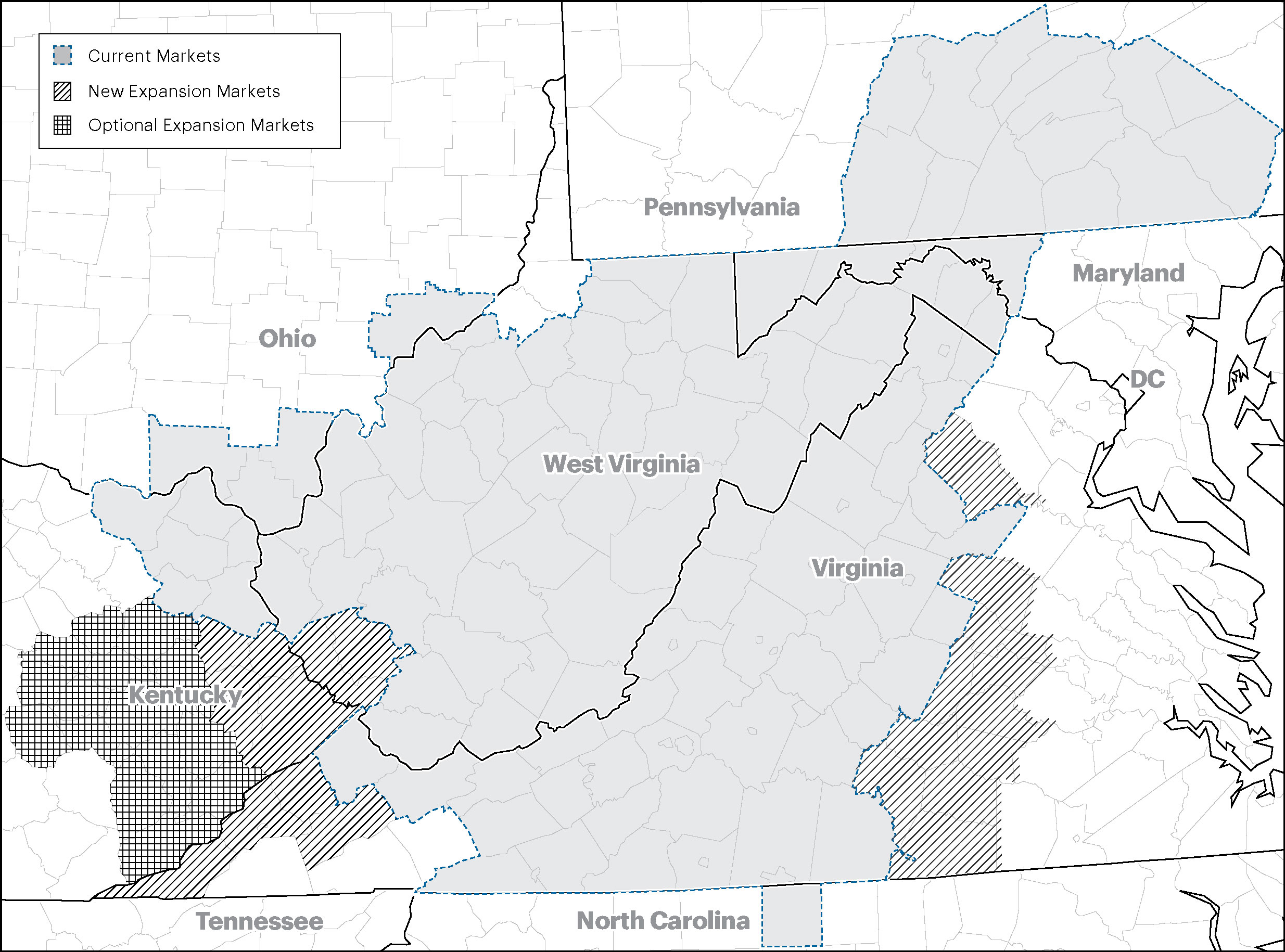
Results of Operations
Three Months Ended September 30, 2018
Compared with the
Three Months Ended September 30, 2017
Our consolidated results for the
third
quarter of
2018
and
2017
are summarized as follows:
|
Three Months Ended
September 30, |
Change
|
||||||||||||||||||
|
($ in thousands)
|
2018
|
% of Revenue
|
2017
|
% of Revenue
|
$
|
%
|
|||||||||||||
|
Operating revenue
|
$
|
158,731
|
|
100.0
|
|
$
|
151,782
|
|
100.0
|
|
$
|
6,949
|
|
4.6
|
|
||||
|
Operating expenses
|
130,402
|
|
82.2
|
|
142,307
|
|
93.8
|
|
(11,905
|
)
|
(8.4
|
)
|
|||||||
|
Operating income (loss)
|
28,329
|
|
17.8
|
|
9,475
|
|
6.2
|
|
18,854
|
|
199.0
|
|
|||||||
|
Interest expense
|
(9,001
|
)
|
(5.7
|
)
|
(9,823
|
)
|
(6.5
|
)
|
822
|
|
8.4
|
|
|||||||
|
Other income (expense), net
|
1,054
|
|
0.7
|
|
1,205
|
|
0.8
|
|
(151
|
)
|
(12.5
|
)
|
|||||||
|
Income (loss) before taxes
|
20,382
|
|
12.8
|
|
857
|
|
0.6
|
|
19,525
|
|
2,278.3
|
|
|||||||
|
Income tax expense (benefit)
|
4,848
|
|
3.1
|
|
(2,677
|
)
|
(1.8
|
)
|
7,525
|
|
(281.1
|
)
|
|||||||
|
Net income (loss)
|
$
|
15,534
|
|
9.8
|
|
$
|
3,534
|
|
2.3
|
|
$
|
12,000
|
|
339.6
|
|
||||
Operating revenue
During the
three months ended September 30, 2018
, operating revenue
increased
$6.9 million
, or
4.6%
, compared with the
three months ended September 30, 2017
. Excluding the impact of adopting Topic 606, operating revenue
increased
approximately
$11.5 million
, or
7.6%
, driven by the Wireless and Cable operations.
26
Operating expenses
During the
three months ended September 30, 2018
, operating expenses
decreased
approximately
$11.9 million
, or
8.4%
, compared with the
three months ended September 30, 2017
. Excluding the impact of adopting Topic 606, operating expenses
decreased
approximately
$2.2 million
, or
1.6%
, primarily due to the absence of acquisition, integration and migration costs related to the completion of the transformation of the nTelos network in 2017.
In 2018, the Company's stock compensation expense was recorded in the Other operations. In prior years this expense was allocated among Wireless, Cable, Wireline and Other. Stock compensation expense for the
three months ended September 30, 2018
was approximately
$1.2 million
compared with approximately
$0.6 million
for the
three months ended September 30, 2017
.
Interest expense
During the
three months ended September 30, 2018
, interest expense
decreased
approximately
$0.8 million
, or
8.4%
, compared with the
three months ended September 30, 2017
. The decrease in interest expense was primarily attributable to an amendment to the Credit Facility Agreement, that occurred during 2018, that reduced the base rate of the Credit Facility by 50 basis points, and a reduction in the outstanding principal of our credit facility, partially offset by the effect of increases in the London Interbank Offered Rate ("LIBOR").
Other income (expense), net
During the
three months ended September 30, 2018
, other income, net
decreased
approximately
$0.2 million
, or
12.5%
, compared with the
three months ended September 30, 2017
. The decrease in other income, net was primarily attributable to lower interest income derived from our investments.
Income tax expense (benefit)
During the
three months ended September 30, 2018
, income tax expense
increased
approximately
$7.5 million
, compared with the
three months ended September 30, 2017
. The increase was primarily attributable to growth in our income before taxes and was partially offset by reduction in the federal tax rate related to the 2017 Tax Act that was enacted during December 2017. The Company’s effective tax rate
increased
to
23.8%
for the
three months ended September 30, 2018
, from a 312.4% tax benefit for the three months ended September 30, 2017. This was primarily due to the recognition of $2.8 million of excess tax benefits during 2017 that were derived from exercises of stock options and vesting of restricted stock. During the same period of 2018, the Company did not recognize any benefits.
Nine Months Ended September 30, 2018
Compared with the
Nine Months Ended September 30, 2017
Our consolidated results for the first
nine
months of
2018
and
2017
are summarized as follows:
|
Nine Months Ended
September 30, |
Change
|
||||||||||||||||||
|
($ in thousands)
|
2018
|
% of Revenue
|
2017
|
% of Revenue
|
$
|
%
|
|||||||||||||
|
Operating revenue
|
$
|
469,370
|
|
100.0
|
|
$
|
458,920
|
|
100.0
|
|
$
|
10,450
|
|
2.3
|
|
||||
|
Operating expenses
|
403,118
|
|
85.9
|
|
430,520
|
|
93.8
|
|
(27,402
|
)
|
(6.4
|
)
|
|||||||
|
Operating income (loss)
|
66,252
|
|
14.1
|
|
28,400
|
|
6.2
|
|
37,852
|
|
133.3
|
|
|||||||
|
Interest expense
|
(27,184
|
)
|
(5.8
|
)
|
(28,312
|
)
|
(6.2
|
)
|
1,128
|
|
4.0
|
|
|||||||
|
Other income (expense), net
|
2,882
|
|
0.6
|
|
3,877
|
|
0.8
|
|
(995
|
)
|
(25.7
|
)
|
|||||||
|
Income (loss) before taxes
|
41,950
|
|
8.9
|
|
3,965
|
|
0.9
|
|
37,985
|
|
958.0
|
|
|||||||
|
Income tax expense (benefit)
|
10,207
|
|
2.2
|
|
(1,830
|
)
|
(0.4
|
)
|
12,037
|
|
(657.8
|
)
|
|||||||
|
Net income (loss)
|
$
|
31,743
|
|
6.8
|
|
$
|
5,795
|
|
1.3
|
|
$
|
25,948
|
|
447.8
|
|
||||
Operating revenue
During the
nine months ended September 30, 2018
, operating revenue
increased
approximately
$10.5 million
, or
2.3%
, compared with the
nine months ended September 30, 2017
. Excluding the impact of adopting Topic 606, operating revenue
increased
approximately
$18.3 million
, or
4.0%
, driven by the Wireless and Cable operations.
Operating expenses
During the
nine months ended September 30, 2018
, operating expenses
decreased
approximately
$27.4 million
, or
6.4%
, compared with the
nine months ended September 30, 2017
. Excluding the impact of adopting Topic 606, operating expenses
decreased
27
approximately
$6.7 million
, or
1.5%
, primarily due to the absence of acquisition, integration and migration costs related to the completion of the transformation of the nTelos network in 2017, partially offset by our investment in infrastructure in the Other operations necessary to support our growth.
In 2018, the Company's stock compensation expense was recorded in the Other operations. In prior years this expense was allocated among Wireless, Cable, Wireline and Other. Stock compensation expense for the
nine months ended September 30, 2018
was approximately
$4.6 million
compared with approximately
$3.1 million
for the
nine months ended September 30, 2017
.
Interest expense
During the
nine months ended September 30, 2018
, interest expense
decreased
approximately
$1.1 million
, or
4.0%
, compared with the
nine months ended September 30, 2017
. The decrease in interest expense was primarily attributable to an amendment to the Credit Facility Agreement that reduced the base rate of the Credit Facility by 50 basis points and a reduction in the outstanding principal of our credit facility, partially offset by the effect of increases in LIBOR.
Other income (expense), net
During the
nine months ended September 30, 2018
, other income, net
decreased
approximately
$1.0 million
, or
25.7%
, compared with the
nine months ended September 30, 2017
. The decrease in other income, net was primarily attributable to lower interest income derived from our investments.
Income tax expense (benefit)
During the
nine months ended September 30, 2018
, income tax expense
increased
approximately
$12.0 million
compared with the
nine months ended September 30, 2017
. The increase is primarily attributable to growth in our income before taxes and was partially offset by a reduction in the federal tax rate related to the 2017 Tax Act that was enacted during December 2017. The Company’s effective tax rate
increased
to
24.3%
for the
nine months ended September 30, 2018
from a
46.2%
tax benefit for the
nine months ended September 30, 2017
, primarily due to a reduction in share based compensation tax benefits recognized during the 2018 period.
28
Wireless
Wireless earns revenue from Sprint for their postpaid and prepaid subscribers usage of our Wireless network in our Wireless network coverage area, net of customer credits, account write-offs and other billing adjustments.
The following tables identify the impact of Topic 606 on the Company's Wireless operations for the
three and nine
months ended
September 30, 2018
:
|
Three Months Ended September 30, 2018
|
|||||||||||||||
|
Topic 606 Impact - WIRELESS
|
|||||||||||||||
|
($ in thousands)
|
Prior to Adoption of Topic 606
|
Changes in Presentation (1)
|
Equipment Revenue (2)
|
Deferred Costs (3)
|
As Reported 09/30/2018
|
||||||||||
|
Service revenue
|
$
|
114,615
|
|
$
|
(23,174
|
)
|
$
|
—
|
|
$
|
4,858
|
|
$
|
96,299
|
|
|
Equipment revenue
|
1,881
|
|
—
|
|
13,785
|
|
—
|
|
15,666
|
|
|||||
|
Tower and other revenue
|
4,134
|
|
—
|
|
—
|
|
—
|
|
4,134
|
|
|||||
|
Total operating revenue
|
120,630
|
|
(23,174
|
)
|
13,785
|
|
4,858
|
|
116,099
|
|
|||||
|
Cost of services
|
32,253
|
|
—
|
|
—
|
|
—
|
|
32,253
|
|
|||||
|
Cost of goods sold
|
7,774
|
|
(6,619
|
)
|
13,785
|
|
—
|
|
14,940
|
|
|||||
|
Selling, general & administrative
|
27,746
|
|
(16,555
|
)
|
—
|
|
—
|
|
11,191
|
|
|||||
|
Depreciation and amortization
|
30,363
|
|
—
|
|
—
|
|
—
|
|
30,363
|
|
|||||
|
Total operating expenses
|
98,136
|
|
(23,174
|
)
|
13,785
|
|
—
|
|
88,747
|
|
|||||
|
Operating income (loss)
|
$
|
22,494
|
|
$
|
—
|
|
$
|
—
|
|
$
|
4,858
|
|
$
|
27,352
|
|
|
Nine Months Ended September 30, 2018
|
|||||||||||||||
|
Topic 606 Impact - WIRELESS
|
|||||||||||||||
|
($ in thousands)
|
Prior to Adoption of Topic 606
|
Changes in Presentation (1)
|
Equipment Revenue (2)
|
Deferred Costs (3)
|
As Reported 09/30/2018
|
||||||||||
|
Service revenue
|
$
|
335,548
|
|
$
|
(64,069
|
)
|
$
|
—
|
|
$
|
12,675
|
|
$
|
284,154
|
|
|
Equipment revenue
|
5,344
|
|
—
|
|
43,515
|
|
—
|
|
48,859
|
|
|||||
|
Tower and other revenue
|
10,643
|
|
—
|
|
—
|
|
—
|
|
10,643
|
|
|||||
|
Total operating revenue
|
351,535
|
|
(64,069
|
)
|
43,515
|
|
12,675
|
|
343,656
|
|
|||||
|
Cost of services
|
99,491
|
|
—
|
|
—
|
|
—
|
|
99,491
|
|
|||||
|
Cost of goods sold
|
20,058
|
|
(17,824
|
)
|
43,515
|
|
—
|
|
45,749
|
|
|||||
|
Selling, general & administrative
|
81,938
|
|
(46,245
|
)
|
—
|
|
—
|
|
35,693
|
|
|||||
|
Depreciation and amortization
|
95,853
|
|
—
|
|
—
|
|
—
|
|
95,853
|
|
|||||
|
Total operating expenses
|
297,340
|
|
(64,069
|
)
|
43,515
|
|
—
|
|
276,786
|
|
|||||
|
Operating income (loss)
|
$
|
54,195
|
|
$
|
—
|
|
$
|
—
|
|
$
|
12,675
|
|
$
|
66,870
|
|
______________________________________________________
(1)
Amounts payable to Sprint for the reimbursement of costs incurred by Sprint in their national sales channel for commissions and device costs for both postpaid and prepaid, and to provide on-going support to their prepaid customers in our territory were historically recorded as expense when incurred. Under Topic 606, these amounts represent consideration payable to our customer, Sprint, and are recorded as a reduction of revenue. In 2017, these amounts were approximately $44.8 million for the postpaid national commissions, previously recorded in selling, general and administrative, $18.7 million for national device costs previously recorded in cost of goods and services, and $16.9 million for the on-going service to Sprint's prepaid customers, previously recorded in selling, general and administrative.
(2)
Costs incurred by the Company for the sale of devices under Sprint’s device financing and lease programs were previously recorded net against revenue. Under Topic 606, the revenue and related costs from device sales are recorded gross. These amounts were approximately $63.8 million in 2017.
(3)
Amounts payable to Sprint for the reimbursement of costs incurred by Sprint in their national sales channel for commissions and device costs, which historically have been expensed when incurred, are deferred and amortized against revenue over the expected period of benefit of approximately 21 to 53 months.
The deferred balance as of
September 30, 2018
is approximately
$71.9
million and is classified on the balance sheet as current and non-current assets, as applicable.
29
Under our amended affiliate agreement, Sprint agreed to waive the Management Fees charged on both postpaid and prepaid revenue, up to approximately
$4.2 million
per month, until the total amount waived reaches approximately
$255.6 million
, which is expected to occur in 2022. The cash flow savings of the waived management fee waiver has been incorporated into the fair value of the affiliate contract expansion intangible, which is reduced, in part, as credits are received from Sprint.
The following tables indicate selected operating statistics of Wireless, including Sprint subscribers:
|
September 30, 2018 (3)
|
December 31, 2017 (4)
|
September 30, 2017 (4)
|
|||||||
|
Retail PCS subscribers - postpaid
|
785,537
|
|
736,597
|
|
727,954
|
|
|||
|
Retail PCS subscribers - prepaid (1)
|
255,462
|
|
225,822
|
|
224,609
|
|
|||
|
PCS market POPS (000) (2)
|
7,024
|
|
5,942
|
|
6,047
|
|
|||
|
PCS covered POP (000) (2)
|
5,921
|
|
5,272
|
|
5,157
|
|
|||
|
CDMA base stations (sites)
|
1,788
|
|
1,623
|
|
1,544
|
|
|||
|
Towers owned
|
193
|
|
192
|
|
201
|
|
|||
|
Non-affiliate cell site leases
|
192
|
|
192
|
|
192
|
|
|||
_______________________________________________________
|
(1)
|
As of September 2017, the Company is no longer including Lifeline subscribers to be consistent with Sprint's policy. Historical customer counts have been adjusted accordingly.
|
|
(2)
|
"POPS" refers to the estimated population of a given geographic area. Market POPS are those within a market area which we are authorized to serve under our Sprint PCS affiliate agreements, and Covered POPS are those covered by our network. As of December 31, 2017, the data source for POPS is U.S. census data. Historical periods previously referred to other third party population data and have been recast to refer to U.S. census data.
|
|
(3)
|
Beginning February 1, 2018 includes Richmond Expansion Area.
|
|
(4)
|
Beginning April 6, 2017 includes Parkersburg Expansion Area.
|
|
Three Months Ended
September 30, |
Nine Months Ended
September 30, |
|||||||||||
|
2018
|
2017
|
2018
|
2017
|
|||||||||
|
Gross PCS subscriber additions - postpaid
|
48,111
|
|
43,320
|
|
135,817
|
|
122,429
|
|
||||
|
Net PCS subscriber additions (losses) - postpaid
|
4,879
|
|
(4,710
|
)
|
48,940
|
|
5,392
|
|
||||
|
Gross PCS subscriber additions - prepaid (1)
|
38,486
|
|
37,653
|
|
112,437
|
|
112,201
|
|
||||
|
Net PCS subscriber additions (losses) - prepaid (1)
|
3,408
|
|
2,571
|
|
29,640
|
|
17,937
|
|
||||
|
PCS average monthly retail churn % - postpaid
|
1.84
|
%
|
2.19
|
%
|
1.80
|
%
|
2.08
|
%
|
||||
|
PCS average monthly retail churn % - prepaid (1)
|
4.62
|
%
|
5.25
|
%
|
4.42
|
%
|
5.06
|
%
|
||||
_______________________________________________________
|
(1)
|
As of September 2017, the Company is no longer including Lifeline subscribers to be consistent with Sprint's policy. Historical customer counts and churn % have been adjusted accordingly.
|
The subscriber statistics shown above, excluding gross additions, include the following:
|
February 1, 2018
|
April 6, 2017
|
May 6, 2016
|
|||||||
|
Richmond Expansion Area
|
Parkersburg Expansion Area
|
nTelos Area
|
|||||||
|
PCS subscribers - postpaid
|
38,343
|
|
19,067
|
|
404,965
|
|
|||
|
PCS subscribers - prepaid (1)
|
15,691
|
|
4,517
|
|
154,944
|
|
|||
|
Acquired PCS market POPS (000)
|
1,082
|
|
511
|
|
3,099
|
|
|||
|
Acquired PCS covered POPS (000)
|
602
|
|
244
|
|
2,298
|
|
|||
|
Acquired CDMA base stations (sites) (2)
|
105
|
|
—
|
|
868
|
|
|||
|
Towers
|
—
|
|
—
|
|
20
|
|
|||
|
Non-affiliate cell site leases
|
—
|
|
—
|
|
10
|
|
|||
_______________________________________________________
|
(1)
|
Excludes Lifeline subscribers.
|
|
(2)
|
As of
September 30, 2018
we have shut down
107
overlap sites associated with the nTelos Area.
|
30
Three Months Ended September 30, 2018
Compared with the
Three Months Ended September 30, 2017
|
Three Months Ended
September 30, |
Change
|
||||||||||||||||
|
($ in thousands)
|
2018
|
% of Revenue
|
2017
|
% of Revenue
|
$
|
%
|
|||||||||||
|
Wireless operating revenue
|
|||||||||||||||||
|
Wireless service revenue
|
$
|
96,299
|
|
82.9
|
$
|
107,395
|
|
95.5
|
$
|
(11,096
|
)
|
(10.3
|
)
|
||||
|
Tower lease revenue
|
2,902
|
|
2.5
|
2,933
|
|
2.6
|
(31
|
)
|
(1.1
|
)
|
|||||||
|
Equipment revenue
|
15,666
|
|
13.5
|
1,742
|
|
1.5
|
13,924
|
|
799.3
|
|
|||||||
|
Other revenue
|
1,232
|
|
1.1
|
435
|
|
0.4
|
797
|
|
183.2
|
|
|||||||
|
Total wireless operating revenue
|
116,099
|
|
100.0
|
112,505
|
|
100.0
|
3,594
|
|
3.2
|
|
|||||||
|
Wireless operating expenses
|
|||||||||||||||||
|
Cost of services
|
32,253
|
|
27.8
|
33,825
|
|
30.1
|
(1,572
|
)
|
(4.6
|
)
|
|||||||
|
Cost of goods sold
|
14,940
|
|
12.9
|
7,216
|
|
6.4
|
7,724
|
|
107.0
|
|
|||||||
|
Selling, general and administrative
|
11,191
|
|
9.6
|
30,099
|
|
26.8
|
(18,908
|
)
|
(62.8
|
)
|
|||||||
|
Acquisition, integration and migration expenses
|
—
|
|
—
|
1,691
|
|
1.5
|
(1,691
|
)
|
(100.0
|
)
|
|||||||
|
Depreciation and amortization
|
30,363
|
|
26.2
|
32,929
|
|
29.3
|
(2,566
|
)
|
(7.8
|
)
|
|||||||
|
Total wireless operating expenses
|
88,747
|
|
76.4
|
105,760
|
|
94.0
|
(17,013
|
)
|
(16.1
|
)
|
|||||||
|
Wireless operating income (loss)
|
$
|
27,352
|
|
23.6
|
$
|
6,745
|
|
6.0
|
$
|
20,607
|
|
305.5
|
|
||||
Operating Revenue
During the
three months ended September 30, 2018
, wireless operating revenue
increased
approximately
$3.6 million
, or
3.2%
, compared with the
three months ended September 30, 2017
. Excluding the impact of adopting Topic 606, wireless operating revenue
increased
approximately
$8.1 million
, or
7.2%
. This increase was driven by growth in postpaid and prepaid PCS subscribers, improvements in PCS average monthly churn, an increase in prepaid average revenue per subscriber, and was partially offset by a decline in postpaid average revenue per subscriber primarily related to promotions and discounts.
As a result of the adoption of Topic 606 and in the
three months ended September 30, 2018
, wireless service revenue was reduced by approximately
$23.2 million
of expenses payable to our customer, Sprint, for the reimbursement of costs incurred for national sales channel commissions and device costs, and to provide ongoing support to Sprint's prepaid customers in our territory. Commissions, device costs and costs for ongoing support of Sprint's prepaid customers were previously recorded as operating expenses. Additionally, we recorded approximately
$13.8 million
of equipment revenue and cost of goods sold for the sale of devices under Sprint’s device financing and lease programs. Prior to the adoption of Topic 606, equipment costs were netted and presented within equipment revenue.
31
The table below provides additional detail for Wireless service revenue.
|
Three Months Ended
September 30, |
Change
|
||||||||||||||
|
($ in thousands)
|
2018
|
2017
|
$
|
%
|
|||||||||||
|
Wireless service revenue:
|
|||||||||||||||
|
Postpaid billings (1)
|
$
|
96,813
|
|
$
|
94,013
|
|
$
|
2,800
|
|
3.0
|
|
||||
|
Amortization of deferred contract and other costs (3)
|
(4,708
|
)
|
—
|
|
(4,708
|
)
|
—
|
|
|||||||
|
Management fee
|
(7,763
|
)
|
(7,460
|
)
|
(303
|
)
|
(4.1
|
)
|
|||||||
|
Net service fee
|
(8,345
|
)
|
(7,872
|
)
|
(473
|
)
|
(6.0
|
)
|
|||||||
|
Total postpaid service revenue
|
75,997
|
|
78,681
|
|
(2,684
|
)
|
(3.4
|
)
|
|||||||
|
Prepaid billings (2)
|
28,460
|
|
24,155
|
|
4,305
|
|
17.8
|
|
|||||||
|
Amortization of deferred contract and other costs (3)
|
(13,594
|
)
|
—
|
|
(13,594
|
)
|
100.0
|
|
|||||||
|
Sprint management fee
|
(1,795
|
)
|
(1,502
|
)
|
(293
|
)
|
(19.5
|
)
|
|||||||
|
Total prepaid service revenue
|
13,071
|
|
22,653
|
|
(9,582
|
)
|
(42.3
|
)
|
|||||||
|
Travel and other revenue (2)
|
7,231
|
|
6,061
|
|
1,170
|
|
19.3
|
|
|||||||
|
Total service revenue
|
$
|
96,299
|
|
$
|
107,395
|
|
$
|
(11,096
|
)
|
(10.3
|
)
|
||||
_______________________________________________________
|
(1)
|
Postpaid net billings are defined under the terms of the affiliate contract with Sprint to be the gross billings to customers within our wireless network coverage area less billing credits and adjustments and allocated write-offs of uncollectible accounts.
|
|
(2)
|
The Company includes Lifeline subscribers revenue within travel and other revenue to be consistent with Sprint. The above table reflects the reclassification of the related Assurance Wireless prepaid revenue from prepaid gross billings to travel and other revenue.
|
|
(3)
|
Due to the adoption of Topic 606, costs reimbursed to Sprint for commission and acquisition cost incurred in their national sales channel are recorded as a reduction of revenue and amortized over the period of benefit. Additionally, costs reimbursed to Sprint for the support of their prepaid customer base are recorded as a reduction of revenue. These costs were previously recorded in cost of goods sold, and selling, general and administrative.
|
The decline in postpaid service revenue during the
three months ended September 30, 2018
, was primarily the result of the adoption of Topic 606. Excluding the impact of adopting Topic 606, postpaid service revenue increased approximately
$2.0 million, or 2.6%
, due to growth of approximately
57.6 thousand
postpaid PCS retail subscribers, and improvements in postpaid PCS average monthly retail churn, partially offset by a decline in average revenue per subscriber. The growth in our postpaid PCS retail subscribers includes approximately
38.3 thousand
subscribers acquired with the Richmond Expansion Area. Postpaid service revenue was further reduced by approximately
$0.5 million
due to an increase in net service fee as nTelos subscribers were migrated to Sprint’s billing and back-office systems. The migration of these subscribers resulted in the elimination of costs to run the nTelos back-office systems which were recorded in selling, general and administrative.
The decline in prepaid service revenue during the
three months ended September 30, 2018
, was primarily the result of the adoption of Topic 606. Excluding the impact of adopting Topic 606, prepaid service revenue increased approximately
$4.0 million or 17.7%
due to growth of approximately
30.9 thousand
prepaid PCS retail subscribers, and improvements in prepaid PCS average monthly retail churn and average revenue per subscriber. The growth in our prepaid PCS retail subscribers includes approximately
15.7 thousand
subscribers acquired with the Richmond Expansion Area.
Cost of services
During the
three months ended September 30, 2018
, cost of services
decreased
approximately
$1.6 million
or
4.6%
, compared with the
three months ended September 30, 2017
. The decline in cost of services was primarily attributable to repricing Wireless backhaul circuits to market rates and migrating Wireless voice traffic from traditional circuit-switched facilities to more cost effective VoIP facilities.
Cost of goods sold
During the
three months ended September 30, 2018
, cost of goods sold
increased
approximately
$7.7 million
, or
107.0%
, compared with the
three months ended September 30, 2017
. The increase in cost of goods sold was primarily the result of the reclassification of approximately
$13.8 million
of expenses for equipment costs, which were previously classified as reductions of revenue, partially offset by approximately
$6.6 million
of costs incurred for subsidy loss reimbursements that are now presented within revenue, driven by the adoption of Topic 606. Excluding the impact of the adoption of Topic 606, cost of goods sold
increased
approximately
$0.6 million
, or
7.7%
.
32
Selling, general and administrative
During the
three months ended September 30, 2018
, selling, general and administrative costs
decreased
approximately
$18.9 million
, or
62.8%
, compared with the
three months ended September 30, 2017
. The decrease in selling, general and administrative costs was primarily attributable to the reclassification of approximately
$16.6 million
of commissions and subscriber acquisition costs to reductions of revenue as required by the adoption of Topic 606. Excluding the impact of adopting Topic 606, selling, general and administrative costs would have
decreased
approximately
$2.4 million
, or
7.8%
primarily due to a reduction of back-office expenses required to support former nTelos subscribers that migrated to the Sprint back-office during 2017.
Acquisition, integration and migration expenses
Acquisition and integration costs were not incurred during the
three months ended September 30, 2018
, as the completion of integration and migration activities related to the acquisition of nTelos was completed during 2017.
Depreciation and amortization
During the
three months ended September 30, 2018
, depreciation and amortization
decreased
approximately
$2.6 million
, or
7.8%
, compared with the
three months ended September 30, 2017
.
The decrease in depreciation and amortization was primarily attributable to the retirement of assets acquired in the nTelos acquisition.
Nine Months Ended September 30, 2018
Compared with the
Nine Months Ended September 30, 2017
|
Nine Months Ended
September 30, |
Change
|
||||||||||||||||
|
($ in thousands)
|
2018
|
% of Revenue
|
2017
|
% of Revenue
|
$
|
%
|
|||||||||||
|
Wireless operating revenue
|
|||||||||||||||||
|
Wireless service revenue
|
$
|
284,154
|
|
82.7
|
$
|
323,262
|
|
94.5
|
$
|
(39,108
|
)
|
(12.1
|
)
|
||||
|
Tower lease revenue
|
8,676
|
|
2.5
|
8,676
|
|
2.5
|
—
|
|
—
|
|
|||||||
|
Equipment revenue
|
48,859
|
|
14.2
|
7,666
|
|
2.2
|
41,193
|
|
537.3
|
|
|||||||
|
Other revenue
|
1,967
|
|
0.6
|
2,498
|
|
0.8
|
(531
|
)
|
(21.3
|
)
|
|||||||
|
Total wireless operating revenue
|
343,656
|
|
100.0
|
342,102
|
|
100.0
|
1,554
|
|
0.5
|
|
|||||||
|
Wireless operating expenses
|
|||||||||||||||||
|
Cost of services
|
99,491
|
|
29.0
|
100,745
|
|
29.4
|
(1,254
|
)
|
(1.2
|
)
|
|||||||
|
Cost of goods sold
|
45,749
|
|
13.3
|
17,084
|
|
5.0
|
28,665
|
|
167.8
|
|
|||||||
|
Selling, general and administrative
|
35,693
|
|
10.4
|
88,201
|
|
25.8
|
(52,508
|
)
|
(59.5
|
)
|
|||||||
|
Acquisition, integration and migration expenses
|
—
|
|
—
|
9,607
|
|
2.8
|
(9,607
|
)
|
(100.0
|
)
|
|||||||
|
Depreciation and amortization
|
95,853
|
|
27.9
|
104,231
|
|
30.5
|
(8,378
|
)
|
(8.0
|
)
|
|||||||
|
Total wireless operating expenses
|
276,786
|
|
80.5
|
319,868
|
|
93.5
|
(43,082
|
)
|
(13.5
|
)
|
|||||||
|
Wireless operating income (loss)
|
$
|
66,870
|
|
19.5
|
$
|
22,234
|
|
6.5
|
$
|
44,636
|
|
200.8
|
|
||||
Operating revenue
During the
nine months ended September 30, 2018
, wireless operating revenue
increased
approximately
$1.6 million
, or
0.5%
, compared with the
nine months ended September 30, 2017
, due primarily to the adoption of Topic 606. Excluding the impacts of Topic 606, wireless operating revenue
increased
approximately
$9.4 million
, or
2.8%
. This increase was driven by growth in postpaid and prepaid PCS subscribers, improvements in average monthly churn, and was partially offset by a decline in postpaid average revenue per subscriber primarily related to promotional discounts.
As a result of the adoption of Topic 606 in the
nine months ended September 30, 2018
, wireless service revenue was reduced by approximately
$64.1 million
of expenses payable to Sprint, our customer, related to the reimbursement to Sprint for costs incurred in their national sales channel for commissions and device costs for both postpaid and prepaid, and to provide ongoing support to their prepaid customers in our territory. Commissions, device costs and costs for ongoing support of Sprint's prepaid customers were previously recorded as operating expenses. Additionally, we recorded
$43.5 million
of equipment revenue and cost of goods sold for the sale of devices under Sprint’s device financing and lease programs. Prior to the adoption of Topic 606, equipment costs were netted and presented within equipment revenue.
33
The table below provides additional detail for Wireless service revenue.
|
Nine Months Ended
September 30, |
Change
|
||||||||||||||
|
($ in thousands)
|
2018
|
2017
|
$
|
%
|
|||||||||||
|
Wireless service revenue:
|
|||||||||||||||
|
Postpaid billings (1)
|
$
|
286,230
|
|
$
|
280,724
|
|
$
|
5,506
|
|
2.0
|
|
||||
|
Amortization of deferred contract and other costs (3)
|
(13,788
|
)
|
—
|
|
(13,788
|
)
|
100.0
|
|
|||||||
|
Management fee
|
(22,966
|
)
|
(22,465
|
)
|
(501
|
)
|
(2.2
|
)
|
|||||||
|
Net service fee
|
(24,603
|
)
|
(22,852
|
)
|
(1,751
|
)
|
(7.7
|
)
|
|||||||
|
Total postpaid service revenue
|
224,873
|
|
235,407
|
|
(10,534
|
)
|
(4.5
|
)
|
|||||||
|
Prepaid billings (2)
|
82,716
|
|
74,609
|
|
8,107
|
|
10.9
|
|
|||||||
|
Amortization of deferred contract and other costs (3)
|
(39,258
|
)
|
—
|
|
(39,258
|
)
|
100.0
|
|
|||||||
|
Sprint management fee
|
(5,198
|
)
|
(4,622
|
)
|
(576
|
)
|
(12.5
|
)
|
|||||||
|
Total prepaid service revenue
|
38,260
|
|
69,987
|
|
(31,727
|
)
|
(45.3
|
)
|
|||||||
|
Travel and other revenue (2)
|
21,021
|
|
17,868
|
|
3,153
|
|
17.6
|
|
|||||||
|
Total service revenue
|
$
|
284,154
|
|
$
|
323,262
|
|
$
|
(39,108
|
)
|
(12.1
|
)
|
||||
_______________________________________________________
|
(1)
|
Postpaid net billings are defined under the terms of the affiliate contract with Sprint to be the gross billings to customers within our wireless network coverage area less billing credits and adjustments and allocated write-offs of uncollectible accounts.
|
|
(2)
|
The Company includes Lifeline subscribers revenue within travel and other revenue to be consistent with Sprint. The above table reflects the reclassification of the related Assurance Wireless prepaid revenue from prepaid gross billings to travel and other revenue.
|
|
(3)
|
Due to the adoption of Topic 606, costs reimbursed to Sprint for commission and acquisition cost incurred in their national sales channel are recorded as a reduction of revenue and amortized over the period of benefit. Additionally, costs reimbursed to Sprint for the support of their prepaid customer base are recorded as a reduction of revenue. These costs were previously recorded in cost of goods sold, and selling, general and administrative.
|
During the
nine months ended September 30, 2018
, the decline in postpaid service revenue was primarily the result of the adoption of Topic 606. Excluding the impact of adopting Topic 606, postpaid service revenue increased approximately
$1.6 million or 0.7%
, primarily due to growth of approximately
57.6 thousand
postpaid PCS retail subscribers and an improvement in postpaid PCS average monthly retail churn, partially offset by a decline in average revenue per subscriber. The growth in our postpaid PCS retail subscribers includes approximately
38.3 thousand
acquired with the Richmond Expansion Area. Postpaid service revenue was further reduced by approximately
$1.8 million
due to an increase in net service fee as nTelos subscribers were migrated to Sprint’s billing and back-office systems. The migration of these subscribers resulted in the elimination of costs to run the nTelos back-office systems which were recorded in selling, general and administrative.
The decline in prepaid service revenue during the
nine months ended September 30, 2018
, was primarily the result of the adoption of Topic 606. Excluding the impact of adopting Topic 606, prepaid service revenue increased approximately
$7.5 million or 10.8%
due to growth of approximately
30.9 thousand
prepaid PCS retail subscribers, improvements in prepaid PCS average monthly retail churn and average revenue per subscriber. The growth in our prepaid PCS retail subscribers includes approximately
15.7 thousand
subscribers acquired with the Richmond Expansion Area.
Cost of services
During the
nine months ended September 30, 2018
, cost of services
decreased
approximately
$1.3 million
, or
1.2%
, compared with the
nine months ended September 30, 2017
. The decline in cost of services was primarily attributable to repricing Wireless backhaul circuits to market rates and migrating Wireless voice traffic from traditional circuit-switched facilities to more cost effective VoIP facilities.
Cost of goods sold
During the
nine months ended September 30, 2018
, cost of goods sold
increased
approximately
$28.7 million
, or
167.8%
, compared with the
nine months ended September 30, 2017
. The increase in costs of goods sold was primarily the result of the reclassification of approximately
$43.5 million
of expenses for equipment costs, which were previously classified as reductions of revenue, and was partially offset by
$17.8 million
of costs incurred for subsidy loss reimbursements that are now presented within revenue, driven by the adoption of Topic 606. Excluding the impact of the adoption of Topic 606, cost of goods sold would have
increased
approximately
$3.0 million
, or
17.4%
.
34
Selling, general and administrative
During the
nine months ended September 30, 2018
, selling, general and administrative costs
decreased
approximately
$52.5 million
, or
59.5%
, compared with the
nine months ended September 30, 2017
. The decrease in selling, general and administrative was primarily attributable to the reclassification of approximately
$46.2 million
of commissions and subscriber acquisition costs to reductions of revenue as required by the adoption of Topic 606. Excluding the impact of Topic 606, selling, general and administrative costs
decreased
approximately
$6.3 million
, or
7.1%
primarily due to a reduction of back-office expenses required to support former nTelos subscribers that migrated to the Sprint back-office during 2017.
Acquisition, integration and migration expenses
Acquisition and integration costs were not incurred during the
nine months ended September 30, 2018
, as the completion of integration and migration activities related to the acquisition of nTelos was completed during 2017.
Depreciation and amortization
During the
nine months ended September 30, 2018
, depreciation and amortization
decreased
approximately
$8.4 million
, or
8.0%
, compared with the
nine months ended September 30, 2017
.
The decrease in depreciation and amortization was primarily attributable to the retirement of assets acquired in the nTelos acquisition.
35
Cable
Cable provides video, internet and voice services in franchise areas in portions of Virginia, West Virginia and western Maryland, and leases fiber optic facilities throughout its service area. It does not include video, internet and voice services provided to customers in Shenandoah County, Virginia, which are included in Wireline. The following table indicates selected operating statistics of Cable:
|
September 30, 2018
|
December 31, 2017
|
September 30, 2017
|
|||||||
|
Homes passed (1)
|
185,119
|
|
184,910
|
|
184,881
|
|
|||
|
Customer relationships (2)
|
|||||||||
|
Video users
|
41,807
|
|
44,269
|
|
45,290
|
|
|||
|
Non-video customers
|
37,619
|
|
33,559
|
|
32,663
|
|
|||
|
Total customer relationships
|
79,426
|
|
77,828
|
|
77,953
|
|
|||
|
Video
|
|||||||||
|
Customers (3)
|
44,093
|
|
46,613
|
|
47,379
|
|
|||
|
Penetration (4)
|
23.8
|
%
|
25.2
|
%
|
25.6
|
%
|
|||
|
Digital video penetration (5)
|
77.8
|
%
|
76.2
|
%
|
76.0
|
%
|
|||
|
Broadband
|
|||||||||
|
Available homes (6)
|
185,119
|
|
184,910
|
|
184,881
|
|
|||
|
Users (3)
|
67,089
|
|
63,918
|
|
63,442
|
|
|||
|
Penetration (4)
|
36.2
|
%
|
34.6
|
%
|
34.3
|
%
|
|||
|
Voice
|
|||||||||
|
Available homes (6)
|
185,119
|
|
182,379
|
|
182,350
|
|
|||
|
Users (3)
|
23,268
|
|
22,555
|
|
22,419
|
|
|||
|
Penetration (4)
|
12.6
|
%
|
12.4
|
%
|
12.3
|
%
|
|||
|
Total revenue generating units (7)
|
134,450
|
|
133,086
|
|
133,240
|
|
|||
|
Fiber route miles
|
3,436
|
|
3,356
|
|
3,340
|
|
|||
|
Total fiber miles (8)
|
134,411
|
|
122,011
|
|
121,331
|
|
|||
|
Average revenue generating units
|
133,617
|
|
132,759
|
|
132,704
|
|
|||
_______________________________________________________
|
(1)
|
Homes and businesses are considered passed (“homes passed”) if we can connect them to our distribution system without further extending the transmission lines. Homes passed is an estimate based upon the best available information.
|
|
(2)
|
Customer relationships represent the number of billed customers who receive at least one of our services.
|
|
(3)
|
Generally, a dwelling or commercial unit with one or more television sets connected to our distribution system counts as one video customer. Where services are provided on a bulk basis, such as to hotels and some multi-dwelling units, the revenue charged to the customer is divided by the rate for comparable service in the local market to determine the number of customer equivalents included in the customer counts shown above.
|
|
(4)
|
Penetration is calculated by dividing the number of users by the number of homes passed or available homes, as appropriate.
|
|
(5)
|
Digital video penetration is calculated by dividing the number of digital video users by total video users. Digital video users are video customers who receive any level of video service via digital transmission. A dwelling with one or more digital set-top boxes or digital adapters counts as one digital video user.
|
|
(6)
|
Homes and businesses are considered available (“available homes”) if we can connect them to our distribution system without further extending the transmission lines and if we offer the service in that area.
|
|
(7)
|
Revenue generating units are the sum of video, voice and high-speed internet users.
|
|
(8)
|
Total fiber miles are measured by taking the number of fiber strands in a cable and multiplying that number by the route distance. For example, a 10 mile route with 144 fiber strands would equal 1,440 fiber miles.
|
36
Three Months Ended September 30, 2018
Compared with the
Three Months Ended September 30, 2017
|
Three Months Ended
September 30, |
Change
|
||||||||||||||||
|
($ in thousands)
|
2018
|
% of Revenue
|
2017
|
% of Revenue
|
$
|
%
|
|||||||||||
|
Cable operating revenue
|
|||||||||||||||||
|
Service revenue
|
$
|
28,578
|
|
88.8
|
$
|
26,934
|
|
89.5
|
$
|
1,644
|
|
6.1
|
|
||||
|
Equipment revenue
|
234
|
|
0.7
|
219
|
|
0.7
|
15
|
|
6.8
|
|
|||||||
|
Other revenue
|
3,370
|
|
10.5
|
2,936
|
|
9.8
|
434
|
|
14.8
|
|
|||||||
|
Total cable operating revenue
|
32,182
|
|
100.0
|
30,089
|
|
100.0
|
2,093
|
|
7.0
|
|
|||||||
|
Cable operating expenses
|
|||||||||||||||||
|
Cost of services
|
14,837
|
|
46.1
|
14,858
|
|
49.4
|
(21
|
)
|
(0.1
|
)
|
|||||||
|
Cost of goods sold
|
78
|
|
0.2
|
55
|
|
0.2
|
23
|
|
(41.8
|
)
|
|||||||
|
Selling, general, and administrative
|
5,331
|
|
16.6
|
5,358
|
|
17.8
|
(27
|
)
|
(0.5
|
)
|
|||||||
|
Depreciation and amortization
|
6,102
|
|
19.0
|
6,192
|
|
20.6
|
(90
|
)
|
(1.5
|
)
|
|||||||
|
Total cable operating expenses
|
26,348
|
|
81.9
|
26,463
|
|
87.9
|
(115
|
)
|
(0.4
|
)
|
|||||||
|
Cable operating income (loss)
|
$
|
5,834
|
|
18.1
|
$
|
3,626
|
|
12.1
|
$
|
2,208
|
|
60.9
|
|
||||
Service revenue
During the
three months ended September 30, 2018
, service revenue
increased
approximately
$1.6 million
, or
6.1%
, compared with the
three months ended September 30, 2017
. The increase in service revenue was primarily attributable to increases in broadband and voice subscribers, video rate increases, and customers selecting or upgrading to higher-speed data access packages.
Other revenue
During the
three months ended September 30, 2018
, other revenue
increased
approximately
$0.4 million
, or
14.8%
, compared with the
three months ended September 30, 2017
. The increase in other revenue was primarily attributable to installation services that were driven by growth in our customer base.
Operating expenses
During the
three months ended September 30, 2018
, total operating expenses were consistent with the
three months ended September 30, 2017
.
The impact of the adoption of Topic 606, which deferred incremental commission and installation costs over the life of the customer, did not have a significant impact on operating expenses.
37
Nine Months Ended September 30, 2018
Compared with the
Nine Months Ended September 30, 2017
|
Nine Months Ended
September 30, |
Change
|
||||||||||||||||
|
($ in thousands)
|
2018
|
% of Revenue
|
2017
|
% of Revenue
|
$
|
%
|
|||||||||||
|
Cable operating revenue
|
|||||||||||||||||
|
Service revenue
|
$
|
85,797
|
|
89.4
|
$
|
80,229
|
|
90.5
|
$
|
5,568
|
|
6.9
|
|
||||
|
Equipment revenue
|
537
|
|
0.6
|
547
|
|
0.6
|
(10
|
)
|
(1.8
|
)
|
|||||||
|
Other revenue
|
9,670
|
|
10.0
|
7,889
|
|
8.9
|
1,781
|
|
22.6
|
|
|||||||
|
Total cable operating revenue
|
96,004
|
|
100.0
|
88,665
|
|
100.0
|
7,339
|
|
8.3
|
|
|||||||
|
Cable operating expenses
|
|||||||||||||||||
|
Cost of services
|
45,118
|
|
47.0
|
44,956
|
|
50.7
|
162
|
|
0.4
|
|
|||||||
|
Cost of goods sold
|
197
|
|
0.2
|
96
|
|
0.1
|
101
|
|
105.2
|
|
|||||||
|
Selling, general, and administrative
|
14,940
|
|
15.6
|
15,083
|
|
17.0
|
(143
|
)
|
(0.9
|
)
|
|||||||
|
Depreciation and amortization
|
18,305
|
|
19.1
|
18,070
|
|
20.4
|
235
|
|
1.3
|
|
|||||||
|
Total cable operating expenses
|
78,560
|
|
81.8
|
78,205
|
|
88.2
|
355
|
|
0.5
|
|
|||||||
|
Cable operating income (loss)
|
$
|
17,444
|
|
18.2
|
$
|
10,460
|
|
11.8
|
$
|
6,984
|
|
66.8
|
|
||||
Service revenue
During the
nine months ended September 30, 2018
, service revenue
increased
approximately
$5.6 million
, or
6.9%
, compared with the
nine months ended September 30, 2017
. The increase in service revenue was primarily attributable to growth in our broadband and voice subscribers, video rate increases, and our customers selecting or upgrading to higher-speed data access packages.
Other revenue
During the
nine months ended September 30, 2018
, other revenue
increased
approximately
$1.8 million
, or
22.6%
, compared with the
nine months ended September 30, 2017
. The increase in other revenue was primarily attributable to new fiber contracts and installation services that were driven by growth in our customer base.
Operating expenses
During the
nine months ended September 30, 2018
, total operating expenses increased approximately
$0.4 million
compared with the
nine months ended September 30, 2017
.
The increase in total operating expenses was primarily attributable to our investment in infrastructure necessary to support the growth of the cable and fiber networks.
The impact of the adoption of Topic 606, which deferred incremental commission and installation costs over the life of the customer, did not have a significant impact on operating expenses.
38
Wireline
Wireline provides regulated and unregulated voice services, DSL internet access, and long distance access services throughout Shenandoah County and portions of Rockingham, Frederick, Warren and Augusta counties, Virginia. Wireline also provides video and cable modem internet access services in portions of Shenandoah County, and leases fiber optic facilities throughout the Shenandoah Valley region of Virginia, northern Virginia and portions of West Virginia, Maryland and Pennsylvania.
|
September 30, 2018
|
December 31, 2017
|
September 30, 2017
|
|||||||
|
Telephone access lines
|
17,786
|
|
17,933
|
|
18,006
|
|
|||
|
Long distance subscribers
|
9,107
|
|
9,078
|
|
9,107
|
|
|||
|
Video customers (1)
|
4,796
|
|
5,019
|
|
5,110
|
|
|||
|
Broadband customers
|
14,734
|
|
14,665
|
|
14,605
|
|
|||
|
Fiber route miles
|
2,112
|
|
2,073
|
|
2,040
|
|
|||
|
Total fiber miles (2)
|
158,526
|
|
154,165
|
|
149,944
|
|
|||
_______________________________________________________
|
(1)
|
Wireline’s video service passes approximately 16,500 homes.
|
|
(2)
|
Fiber miles are measured by taking the number of fiber strands in a cable and multiplying that number by the route distance. For example, a 10 mile route with 144 fiber strands would equal 1,440 fiber miles.
|
Three Months Ended September 30, 2018
Compared with the
Three Months Ended September 30, 2017
|
Three Months Ended
September 30, |
Change
|
||||||||||||||||
|
($ in thousands)
|
2018
|
% of Revenue
|
2017
|
% of Revenue
|
$
|
%
|
|||||||||||
|
Wireline operating revenue
|
|||||||||||||||||
|
Service revenue
|
$
|
5,824
|
|
29.7
|
$
|
5,724
|
|
28.8
|
$
|
100
|
|
1.7
|
|
||||
|
Carrier access and fiber revenue
|
13,019
|
|
66.3
|
13,217
|
|
66.6
|
(198
|
)
|
(1.5
|
)
|
|||||||
|
Equipment revenue
|
63
|
|
0.3
|
33
|
|
0.2
|
30
|
|
90.9
|
|
|||||||
|
Other revenue
|
716
|
|
3.7
|
877
|
|
4.4
|
(161
|
)
|
(18.4
|
)
|
|||||||
|
Total wireline operating revenue
|
19,622
|
|
100.0
|
19,851
|
|
100.0
|
(229
|
)
|
(1.2
|
)
|
|||||||
|
Wireline operating expenses
|
|||||||||||||||||
|
Cost of services
|
9,266
|
|
47.2
|
9,796
|
|
49.3
|
(530
|
)
|
(5.4
|
)
|
|||||||
|
Costs of goods sold
|
19
|
|
0.1
|
11
|
|
0.1
|
8
|
|
(72.7
|
)
|
|||||||
|
Selling, general, and administrative
|
1,780
|
|
9.1
|
1,706
|
|
8.6
|
74
|
|
4.3
|
|
|||||||
|
Depreciation and amortization
|
3,435
|
|
17.5
|
3,249
|
|
16.4
|
186
|
|
5.7
|
|
|||||||
|
Total wireline operating expenses
|
14,500
|
|
73.9
|
14,762
|
|
74.4
|
(262
|
)
|
(1.8
|
)
|
|||||||
|
Wireline operating income (loss)
|
$
|
5,122
|
|
26.1
|
$
|
5,089
|
|
25.6
|
$
|
33
|
|
0.6
|
|
||||
Operating revenue
During the
three months ended September 30, 2018
, total operating revenue decreased approximately
$0.2 million
, or
1.2%
, compared with the
three months ended September 30, 2017
. The decline in total operating revenue was primarily attributable to repricing Wireless backhaul circuits to market rates and migrating Wireless voice traffic from traditional circuit-switched facilities to more cost effective Voice Over IP ("VoIP") facilities.
Operating expenses
During the
three months ended September 30, 2018
, total operating expenses decreased approximately
$0.3 million
, or
1.8%
, compared with the
three months ended September 30, 2017
. The decline in total operating expenses was primarily attributable to a reduction in network costs.
The impact of the adoption of Topic 606, which deferred incremental commission and installation costs over the life of the customer, did not have a significant impact on operating expenses.
39
Nine Months Ended September 30, 2018
Compared with the
Nine Months Ended September 30, 2017
|
Nine Months Ended
September 30, |
Change
|
||||||||||||||||
|
($ in thousands)
|
2018
|
% of Revenue
|
2017
|
% of Revenue
|
$
|
%
|
|||||||||||
|
Wireline operating revenue
|
|||||||||||||||||
|
Service revenue
|
$
|
17,439
|
|
29.8
|
$
|
17,002
|
|
29.0
|
$
|
437
|
|
2.6
|
|
||||
|
Carrier access and fiber revenue
|
38,341
|
|
65.6
|
38,920
|
|
66.4
|
(579
|
)
|
(1.5
|
)
|
|||||||
|
Equipment revenue
|
155
|
|
0.3
|
90
|
|
0.2
|
65
|
|
72.2
|
|
|||||||
|
Other revenue
|
2,506
|
|
4.3
|
2,569
|
|
4.4
|
(63
|
)
|
(2.5
|
)
|
|||||||
|
Total wireline operating revenue
|
58,441
|
|
100.0
|
58,581
|
|
100.0
|
(140
|
)
|
(0.2
|
)
|
|||||||
|
Wireline operating expenses
|
|||||||||||||||||
|
Cost of services
|
28,441
|
|
48.7
|
28,357
|
|
48.4
|
84
|
|
0.3
|
|
|||||||
|
Costs of goods sold
|
61
|
|
0.1
|
52
|
|
0.1
|
9
|
|
17.3
|
|
|||||||
|
Selling, general, and administrative
|
5,183
|
|
8.9
|
5,065
|
|
8.6
|
118
|
|
2.3
|
|
|||||||
|
Depreciation and amortization
|
10,069
|
|
17.2
|
9,536
|
|
16.3
|
533
|
|
5.6
|
|
|||||||
|
Total wireline operating expenses
|
43,754
|
|
74.9
|
43,010
|
|
73.4
|
744
|
|
1.7
|
|
|||||||
|
Wireline operating income (loss)
|
$
|
14,687
|
|
25.1
|
$
|
15,571
|
|
26.6
|
$
|
(884
|
)
|
(5.7
|
)
|
||||
Operating revenue
During the
nine months ended September 30, 2018
, total operating revenue decreased approximately
$0.1 million
or
0.2%
, compared with the
nine months ended September 30, 2017
. The decrease in total operating revenue was primarily attributable to repricing Wireless backhaul circuits to market rates and migrating Wireless voice traffic from traditional circuit-switched facilities to more cost effective VoIP facilities.
Operating expenses
During the
nine months ended September 30, 2018
, total operating expenses
increased
approximately
$0.7 million
, or
1.7%
, compared with the
nine months ended September 30, 2017
. The increase in total operating expenses was primarily attributable to the expansion of the underlying network assets and investments in infrastructure necessary to support the growth in our fiber network.
The impact of the adoption of Topic 606, which deferred incremental commission and installation costs over the life of the customer, did not have a significant impact on operating expenses.
Non-GAAP Financial Measures
In managing our business and assessing our financial performance, management supplements the information provided by the financial statement measures prepared in accordance with GAAP with Adjusted OIBDA and Continuing OIBDA, which are considered “non-GAAP financial measures” under SEC rules.
Adjusted OIBDA is defined as operating income (loss) before depreciation and amortization, adjusted to exclude the effects of: certain non-recurring transactions; impairment of assets; gains and losses on asset sales; actuarial gains and losses on pension and other post-retirement benefit plans; and share-based compensation expense, amortization of deferred costs related to the impacts of the adoption of Topic 606, and adjusted to include the benefit received from the waived management fee by Sprint. Continuing OIBDA is defined as Adjusted OIBDA, less the benefit received from the waived management fee by Sprint. Adjusted OIBDA and Continuing OIBDA should not be construed as an alternative to operating income as determined in accordance with GAAP as a measure of operating performance.
In a capital-intensive industry such as telecommunications, management believes that Adjusted OIBDA and Continuing OIBDA and the associated percentage margin calculations are meaningful measures of our operating performance. We use Adjusted OIBDA and Continuing OIBDA as supplemental performance measures because management believes these measures facilitate comparisons of our operating performance from period to period and comparisons of our operating performance to that of our peers and other companies by excluding potential differences caused by the age and book depreciation of fixed assets (affecting relative depreciation expenses) as well as the other items described above for which additional adjustments were made. In the future, management expects that the Company may again report Adjusted OIBDA and Continuing OIBDA excluding these items
40
and may incur expenses similar to these excluded items. Accordingly, the exclusion of these and other similar items from our non-GAAP presentation should not be interpreted as implying these items are non-recurring, infrequent or unusual.
While depreciation and amortization are considered operating costs under generally accepted accounting principles, these expenses primarily represent the current period allocation of costs associated with long-lived assets acquired or constructed in prior periods, and accordingly may obscure underlying operating trends for some purposes. By isolating the effects of these expenses and other items that vary from period to period without any correlation to our underlying performance, or that vary widely among similar companies, management believes Adjusted OIBDA and Continuing OIBDA facilitates internal comparisons of our historical operating performance, which are used by management for business planning purposes, and also facilitates comparisons of our performance relative to that of our competitors. In addition, we believe that Adjusted OIBDA and Continuing OIBDA and similar measures are widely used by investors and financial analysts as measures of our financial performance over time, and to compare our financial performance with that of other companies in our industry.
Adjusted OIBDA and Continuing OIBDA have limitations as an analytical tool, and should not be considered in isolation or as a substitute for analysis of our results as reported under GAAP. These limitations include, but are not limited to, the following:
|
•
|
they do not reflect capital expenditures;
|
|
•
|
they do not reflect the impacts of adoption of Topic 606;
|
|
•
|
many of the assets being depreciated and amortized will have to be replaced in the future and Adjusted and Continuing OIBDA do not reflect cash requirements for such replacements;
|
|
•
|
they do not reflect costs associated with share-based awards exchanged for employee services;
|
|
•
|
they do not reflect interest expense necessary to service interest or principal payments on indebtedness;
|
|
•
|
they do not reflect gains, losses or dividends on investments;
|
|
•
|
they do not reflect expenses incurred for the payment of income taxes; and
|
|
•
|
other companies, including companies in our industry, may calculate Adjusted and Continuing OIBDA differently than we do, limiting its usefulness as a comparative measure.
|
In light of these limitations, management considers Adjusted OIBDA and Continuing OIBDA as a financial performance measure that supplements but does not replace the information reflected in our GAAP results.
The adoption of the new revenue recognition standard did not impact Adjusted OIBDA.
The following tables reconcile Adjusted OIBDA and Continuing OIBDA to operating income, which we consider to be the most directly comparable GAAP financial measure:
|
Three Months Ended September 30, 2018
|
||||||||||||||||||||
|
(in thousands)
|
Wireless
|
Cable
|
Wireline
|
Other
|
Consolidated
|
|||||||||||||||
|
Operating income
|
$
|
27,352
|
|
$
|
5,834
|
|
$
|
5,122
|
|
$
|
(9,979
|
)
|
$
|
28,329
|
|
|||||
|
Impact of ASC topic 606
|
(4,868
|
)
|
(172
|
)
|
(77
|
)
|
—
|
|
(5,117
|
)
|
||||||||||
|
Depreciation and amortization
|
30,363
|
|
6,102
|
|
3,435
|
|
128
|
|
40,028
|
|
||||||||||
|
Share-based compensation expense
|
—
|
|
—
|
|
—
|
|
1,171
|
|
1,171
|
|
||||||||||
|
Benefit received from the waived management fee (1)
|
9,558
|
|
—
|
|
—
|
|
—
|
|
9,558
|
|
||||||||||
|
Amortization of intangibles netted in rent expense
|
197
|
|
—
|
|
—
|
|
—
|
|
197
|
|
||||||||||
|
Actuarial (gains) losses on pension plans
|
—
|
|
—
|
|
—
|
|
(82
|
)
|
(82
|
)
|
||||||||||
|
Adjusted OIBDA
|
62,602
|
|
11,764
|
|
8,480
|
|
(8,762
|
)
|
74,084
|
|
||||||||||
|
Waived management fee
|
(9,558
|
)
|
—
|
|
—
|
|
—
|
|
(9,558
|
)
|
||||||||||
|
Continuing OIBDA
|
$
|
53,044
|
|
$
|
11,764
|
|
$
|
8,480
|
|
$
|
(8,762
|
)
|
$
|
64,526
|
|
|||||
41
|
Three Months Ended September 30, 2017
|
||||||||||||||||||||
|
(in thousands)
|
Wireless
|
Cable
|
Wireline
|
Other
|
Consolidated
|
|||||||||||||||
|
Operating income
|
$
|
6,745
|
|
$
|
3,626
|
|
$
|
5,089
|
|
$
|
(5,985
|
)
|
$
|
9,475
|
|
|||||
|
Depreciation and amortization
|
32,929
|
|
6,192
|
|
3,249
|
|
198
|
|
42,568
|
|
||||||||||
|
(Gain) loss on asset sales
|
193
|
|
(19
|
)
|
—
|
|
(10
|
)
|
164
|
|
||||||||||
|
Share-based compensation expense
|
277
|
|
172
|
|
73
|
|
118
|
|
640
|
|
||||||||||
|
Benefit received from the waived management fee (1)
|
8,961
|
|
—
|
|
—
|
|
—
|
|
8,961
|
|
||||||||||
|
Amortization of intangibles netted in rent expense
|
1,580
|
|
—
|
|
—
|
|
—
|
|
1,580
|
|
||||||||||
|
Temporary back-office costs to support the billing operations through migration (2)
|
1,209
|
|
—
|
|
—
|
|
—
|
|
1,209
|
|
||||||||||
|
Integration and acquisition related expenses, and other
|
2,292
|
|
—
|
|
—
|
|
15
|
|
2,307
|
|
||||||||||
|
Adjusted OIBDA
|
54,186
|
|
9,971
|
|
8,411
|
|
(5,664
|
)
|
66,904
|
|
||||||||||
|
Waived management fee
|
(8,961
|
)
|
—
|
|
—
|
|
—
|
|
(8,961
|
)
|
||||||||||
|
Continuing OIBDA
|
$
|
45,225
|
|
$
|
9,971
|
|
$
|
8,411
|
|
$
|
(5,664
|
)
|
$
|
57,943
|
|
|||||
|
Nine Months Ended September 30, 2018
|
||||||||||||||||||||
|
(in thousands)
|
Wireless
|
Cable
|
Wireline
|
Other
|
Consolidated
|
|||||||||||||||
|
Operating income
|
$
|
66,870
|
|
$
|
17,444
|
|
$
|
14,687
|
|
$
|
(32,749
|
)
|
$
|
66,252
|
|
|||||
|
Impact of ASC topic 606
|
(11,022
|
)
|
(57
|
)
|
(139
|
)
|
—
|
|
(11,218
|
)
|
||||||||||
|
Depreciation and amortization
|
95,853
|
|
18,305
|
|
10,069
|
|
405
|
|
124,632
|
|
||||||||||
|
Share-based compensation expense
|
—
|
|
—
|
|
—
|
|
4,578
|
|
4,578
|
|
||||||||||
|
Benefit received from the waived management fee (1)
|
28,164
|
|
—
|
|
—
|
|
—
|
|
28,164
|
|
||||||||||
|
Amortization of intangibles netted in rent expense
|
372
|
|
—
|
|
—
|
|
—
|
|
372
|
|
||||||||||
|
Actuarial (gains) losses on pension plans
|
—
|
|
—
|
|
—
|
|
(247
|
)
|
(247
|
)
|
||||||||||
|
Adjusted OIBDA
|
180,237
|
|
35,692
|
|
24,617
|
|
(28,013
|
)
|
212,533
|
|
||||||||||
|
Waived management fee
|
(28,164
|
)
|
—
|
|
—
|
|
—
|
|
(28,164
|
)
|
||||||||||
|
Continuing OIBDA
|
$
|
152,073
|
|
$
|
35,692
|
|
$
|
24,617
|
|
$
|
(28,013
|
)
|
$
|
184,369
|
|
|||||
|
Nine Months Ended September 30, 2017
|
||||||||||||||||||||
|
(in thousands)
|
Wireless
|
Cable
|
Wireline
|
Other
|
Consolidated
|
|||||||||||||||
|
Operating income
|
$
|
22,234
|
|
$
|
10,460
|
|
$
|
15,571
|
|
$
|
(19,865
|
)
|
$
|
28,400
|
|
|||||
|
Depreciation and amortization
|
104,231
|
|
18,070
|
|
9,536
|
|
460
|
|
132,297
|
|
||||||||||
|
(Gain) loss on asset sales
|
208
|
|
(115
|
)
|
27
|
|
(40
|
)
|
80
|
|
||||||||||
|
Share-based compensation expense
|
1,354
|
|
766
|
|
319
|
|
614
|
|
3,053
|
|
||||||||||
|
Benefit received from the waived management fee (1)
|
27,068
|
|
—
|
|
—
|
|
—
|
|
27,068
|
|
||||||||||
|
Amortization of intangibles netted in rent expense
|
2,173
|
|
—
|
|
—
|
|
—
|
|
2,173
|
|
||||||||||
|
Temporary back-office costs to support the billing operations through migration (2)
|
5,495
|
|
—
|
|
—
|
|
1
|
|
5,496
|
|
||||||||||
|
Integration and acquisition related expenses, and other
|
11,062
|
|
—
|
|
—
|
|
266
|
|
11,328
|
|
||||||||||
|
Adjusted OIBDA
|
173,825
|
|
29,181
|
|
25,453
|
|
(18,564
|
)
|
209,895
|
|
||||||||||
|
Waived management fee
|
(27,068
|
)
|
—
|
|
—
|
|
—
|
|
(27,068
|
)
|
||||||||||
|
Continuing OIBDA
|
$
|
146,757
|
|
$
|
29,181
|
|
$
|
25,453
|
|
$
|
(18,564
|
)
|
$
|
182,827
|
|
|||||
(1) Under our amended affiliate agreement, Sprint agreed to waive the Management Fees charged on both postpaid and prepaid revenue, up to
$4.2 million
per month, until the total amount waived reaches approximately
$255.6 million
, which is expected to occur in 2022.
(2) Represents back-office expenses required to support former nTelos subscribers that migrated to the Sprint back-office.
Liquidity and Capital Resources
Sources and Uses of Cash
. The Company generated approximately
$188.8 million
of net cash from operations in the first
nine
months of
2018
, representing
an increase
from approximately
$158.7 million
in the first
nine
months of
2017
.
Indebtedness.
As of
September 30, 2018
, the Company’s gross indebtedness totaled
$790.1 million
, with an estimated annualized effective interest rate of
4.11%
after considering the impact of the interest rate swap contracts and unamortized loan costs, and is inclusive of the Credit Facility Modification that (a) was effective February 16, 2018 and (b) reduced the base rate of each term loan and the revolving facility by 50 basis points. The balance consisted of the
$400.1 million
Term Loan A-1 at a variable rate
42
(
4.33%
as of
September 30, 2018
) that resets monthly based on one month LIBOR plus a margin of
2.25%
, and the
$390.0 million
Term Loan A-2 at a variable rate (
4.58%
as of
September 30, 2018
) that resets monthly based on one month LIBOR plus a margin of
2.50%
. The Term Loan A-1 requires quarterly principal repayments of approximately
$12.1
million through June 2020, with further increases at that time through maturity in 2021. The Term Loan A-2 requires quarterly principal repayments of approximately
$10.0
million beginning September 30, 2018 through March 31, 2023, with the remaining balance due June 30, 2023.
The Company is subject to certain financial covenants measured on a trailing twelve month basis each calendar quarter unless otherwise specified. These covenants include:
|
•
|
a limitation on the Company’s total leverage ratio, defined as indebtedness divided by earnings before interest, taxes, depreciation and amortization, or EBITDA, of less than or equal to 3.75 to 1.00 from the closing date through December 30, 2018, then 3.25 to 1.00 through December 30, 2019, and 3.00 to 1.00 thereafter;
|
|
•
|
a minimum debt service coverage ratio, defined as EBITDA minus certain cash taxes divided by the sum of all scheduled principal payments on the Term Loans and other indebtedness plus cash interest expense, greater than 2.00 to 1.00; and
|
|
•
|
maintain a minimum liquidity balance of greater than $25 million. The balance includes amounts available under the revolver facility plus unrestricted cash and cash equivalents on deposit in a deposit account for which a control agreement has been delivered to the administrative agent under the 2016 credit agreement.
|
As of
September 30, 2018
, the Company was in compliance with the financial covenants in its credit agreements and ratios were as follows:
|
Actual
|
Covenant Requirement
|
||||
|
Total leverage ratio
|
2.61
|
|
3.75 or Lower
|
||
|
Debt service coverage ratio
|
3.25
|
|
2.00 or Higher
|
||
|
Minimum liquidity balance (in millions)
|
$149.1
|
$25.0 or Higher
|
|||
Capital Commitments.
Capital expenditures are expected to be between $145 million and $155 million for the full year
2018
depending on the timing of deliveries of equipment. Delays in equipment deliveries could shift spending into 2019.
The Company spent
$92.3 million
on capital projects in the first
nine
months of
2018
, compared to
$109.4 million
in the comparable
2017
period. Spending related to Wireless projects accounted for
$51.0 million
in the first
nine
months of
2018
, primarily for upgrades to the recently acquired expansion areas and continued expansion of coverage in the former nTelos territory. Spending related to Cable projects accounted for
$13.2 million
in the first
nine
months of
2018
, primarily for network and cable market expansion. Spending related to Wireline projects accounted for
$21.6 million
in the first
nine
months of
2018
, primarily for fiber builds and increased capacity projects. The remaining
$6.5 million
of capital expenditures is largely related to information technology projects and fleet vehicles.
We believe that cash on hand, cash flow from operations and borrowings expected to be available under our existing credit facilities will provide sufficient cash to enable us to fund planned capital expenditures, make scheduled principal and interest payments, meet our other cash requirements and maintain compliance with the terms of our financing agreements for at least the next twelve months. There can be no assurance that we will continue to generate cash flows at or above current levels or that we will be able to maintain our ability to borrow under our credit facilities. Thereafter, capital expenditures will likely be required to continue planned capital upgrades to the acquired wireless network and provide increased capacity to meet our expected growth in demand for our products and services. The actual amount and timing of our future capital requirements may differ materially from our estimate depending on the demand for our products, new market developments and expansion opportunities.
Our cash flows from operations could be adversely affected by events outside our control, including, without limitation, changes in overall economic conditions, regulatory requirements, changes in technologies, demand for our products, availability of labor resources and capital, changes in our relationship with Sprint, and other conditions. The Wireless segment’s operations are dependent upon Sprint’s ability to execute certain functions such as billing, customer care, and collections; our ability to develop and implement successful marketing programs and new products and services; and our ability to effectively and economically manage other operating activities under our agreements with Sprint. Our ability to attract and maintain a sufficient customer base, particularly in the acquired cable markets, is also critical to our ability to maintain a positive cash flow from operations. The foregoing events individually or collectively could affect our results.
43
Critical Accounting Policies
Critical accounting policies are those policies that affect our more significant judgments and estimates used in the preparation of our unaudited condensed consolidated financial statements. For a more detailed discussion of our critical accounting policies, please refer to our
2017
Form 10-K.
Recently Issued Accounting Standards
Recently issued accounting standards and their expected impact, if any, are discussed in Note 1,
Basis of Presentation,
of the notes to our unaudited condensed consolidated financial statements.
44
|
ITEM 3.
|
QUANTITATIVE AND QUALITATIVE DISCLOSURES ABOUT MARKET RISK
|
The Company’s market risks relate primarily to changes in interest rates on instruments held for other than trading purposes. The Company’s interest rate risk generally involves two components. The first component is outstanding debt with variable rates. As of
September 30, 2018
, the Company had
$790.1
million of gross variable rate debt outstanding, with unamortized loan fees and costs of
$11.3
million, bearing interest at a weighted average rate of
4.11%
as determined on a quarterly basis. An increase in market interest rates of 1.00% would add approximately
$7.6 million
to annual interest expense, excluding the effect of the interest rate swap. In May 2016, the Company entered into a pay-fixed, receive-variable interest rate swap with three counterparties totaling
$256.6 million
of notional principal (subject to change based upon expected draws under the delayed draw term loan and principal payments due under our debt agreements). These swaps, combined with the swap purchased in 2012, cover notional principal equal to approximately 50% of the outstanding variable rate debt through maturity in 2023. The Company is required to pay a combined fixed rate of approximately 1.16% and receive a variable rate based on one month LIBOR (
2.08%
for
September 2018
), to manage a portion of its interest rate risk. Changes in the net interest paid or received under the swaps would offset approximately 50% of the change in interest expense on the variable rate debt outstanding. The swap agreements currently reduce annual interest expense by approximately
$5.4 million
, based on the spread between the fixed rate and the variable rate currently in effect on our debt.
The second component of interest rate risk is marked increases in interest rates that may adversely affect the rate at which the Company may borrow funds for growth in the future. If the Company should borrow additional funds under any Incremental Term Loan Facility to fund its capital investment needs, repayment provisions would be agreed to at the time of each draw under the Incremental Term Loan Facility. If the interest rate margin on any draw exceeds by more than 0.25% the applicable interest rate margin on the Term Loan Facility, the applicable interest rate margin on the Term Loan Facility shall be increased to equal the interest rate margin on the Incremental Term Loan Facility. If interest rates increase generally, or if the rate applied under the Company’s Incremental Term Loan Facility causes the Company’s outstanding debt to be repriced, the Company’s future interest costs could increase.
Management views market risk as having a potentially significant impact on the Company's results of operations, as future results could be adversely affected if interest rates were to increase significantly for an extended period, or if the Company’s need for additional external financing resulted in increases to the interest rates applied to all of its new and existing debt. As of
September 30, 2018
, the Company has
$395.1 million
of variable rate debt with no interest rate protection. The Company’s investments in publicly traded stock and bond mutual funds under the rabbi trust, which are subject to market risks and could experience significant swings in market values, are offset by corresponding changes in the liabilities owed to participants in the Supplemental Executive Retirement Plan. General economic conditions affected by regulatory changes, competition or other external influences may pose a higher risk to the Company’s overall results.
45
|
ITEM 4.
|
CONTROLS AND PROCEDURES
|
Evaluation of Disclosure Controls and Procedures
Management, with the participation of our President and Chief Executive Officer, who is the principal executive officer, and the Senior Vice President - Finance and Chief Financial Officer, who is the principal financial officer, conducted an evaluation of our disclosure controls and procedures, (as defined by Rule 13a-15(e) under the Securities Exchange Act of 1934), as of the end of the period covered by this Quarterly report on Form 10-Q.
As disclosed in our Annual Report on Form 10-K for our fiscal year ended
December 31, 2017
, we identified material weaknesses in internal control over financial reporting. The material weaknesses will not be considered remediated until the applicable enhanced controls operate for a sufficient period of time and management has concluded, through testing, that these controls are operating effectively. As remediation has not yet been completed, our President and Chief Executive Officer and our Senior Vice President - Finance and Chief Financial Officer have concluded that our disclosure controls and procedures continued to be ineffective as of
September 30, 2018
.
Notwithstanding the material weaknesses, management has concluded that the unaudited condensed consolidated financial statements included in this Quarterly Report on Form 10-Q fairly state, in all material respects, our financial position, results of operations and cash flows for the periods presented.
Changes in Internal Control Over Financial Reporting
There have been no changes in the Company’s internal control over financial reporting (as defined in Rules 13a-15(f) and 15d-15(f) of the Exchange Act) as of
September 30, 2018
, that have materially affected or are reasonably likely to materially affect, the Company’s internal control over financial reporting.
Remediation Efforts
Management is continuing to implement the remediation plans as disclosed in our Annual Report on Form 10-K for our fiscal year ended
December 31, 2017
. We believe that these actions and the improvements we expect to achieve will effectively remediate the material weaknesses. However, these material weaknesses will not be considered remediated until the enhanced controls operate for a sufficient period of time and management has concluded that these controls are operating effectively.
46
|
|
OTHER INFORMATION
|
|
ITEM 1A.
|
Risk Factors
|
We discuss in our Annual Report on Form 10-K various risks that may materially affect our business. We use this section to update this discussion to reflect material developments since our Form 10-K was filed. As of
September 30, 2018
, the Company has not identified any needed updates to the risk factors included in our most recent Form 10-K.
|
ITEM 2.
|
Unregistered Sales of Equity Securities and Use of Proceeds
|
Unregistered Sales of Equity Securities
None.
Use of Proceeds from Registered Securities
None.
Purchases of Equity Securities by the Issuer or Affiliated Purchasers
None.
47
|
ITEM 6.
|
Exhibits
|
|
(a)
|
The following exhibits are filed with this Quarterly Report on Form 10-Q:
|
|
31.1*
|
Certification of President and Chief Executive Officer pursuant to Rule 13a-14(a) under the Securities Exchange Act of 1934.
|
||
|
|
|
||
|
31.2*
|
Certification of Vice President - Finance and Chief Financial Officer pursuant to Rule 13a-14(a) under the Securities Exchange Act of 1934.
|
||
|
|
|
||
|
32**
|
Certifications pursuant to Rule 13a-14(b) under the Securities Exchange Act of 1934 and 18 U.S.C. § 1350.
|
||
|
|
|
||
|
99.1**
|
Consultant Agreement
|
||
|
(101)
|
Formatted in XBRL (Extensible Business Reporting Language)
|
||
|
|
|
|
|
|
|
101.INS*
|
XBRL Instance Document
|
|
|
|
|
|
|
|
|
101.SCH*
|
XBRL Taxonomy Extension Schema Document
|
|
|
|
|
|
|
|
|
101.CAL*
|
XBRL Taxonomy Extension Calculation Linkbase Document
|
|
|
|
|
|
|
|
|
101.DEF*
|
XBRL Taxonomy Extension Definition Linkbase Document
|
|
|
|
|
|
|
|
|
101.LAB*
|
XBRL Taxonomy Extension Label Linkbase Document
|
|
|
|
|
|
|
|
|
101.PRE*
|
XBRL Taxonomy Extension Presentation Linkbase Document
|
|
* Filed herewith
|
**
|
This certification is deemed not filed for purposes of Section 18 of the Securities Exchange Act of 1934, as amended (Exchange Act), or otherwise subject to the liability of that section, nor shall it be deemed incorporated by reference into any filing under the Securities Act of 1933, as amended (Securities Act), or the Exchange Act.
|
48
EXHIBIT INDEX
|
Exhibit No.
|
Exhibit
|
|
|
31.1
*
|
Certification of President and Chief Executive Officer pursuant to Rule 13a-14(a) under the Securities Exchange Act of 1934.
|
|
|
|
|
|
|
31.2
*
|
Certification of Vice President - Finance and Chief Financial Officer pursuant to Rule 13a-14(a) under the Securities Exchange Act of 1934.
|
|
|
|
|
|
|
32
**
|
Certifications pursuant to Rule 13a-14(b) under the Securities Exchange Act of 1934 and 18 U.S.C. § 1350.
|
|
|
99.1
**
|
Consultant Agreement
|
|
|
|
|
|
|
(101)
|
Formatted in XBRL (Extensible Business Reporting Language)
|
|
|
|
|
|
|
|
101.INS
|
XBRL Instance Document
|
|
|
|
|
|
|
101.SCH
|
XBRL Taxonomy Extension Schema Document
|
|
|
|
|
|
|
101.CAL
|
XBRL Taxonomy Extension Calculation Linkbase Document
|
|
|
|
|
|
|
101.DEF
|
XBRL Taxonomy Extension Definition Linkbase Document
|
|
|
|
|
|
|
101.LAB
|
XBRL Taxonomy Extension Label Linkbase Document
|
|
|
|
|
|
|
101.PRE
|
XBRL Taxonomy Extension Presentation Linkbase Document
|
* Filed herewith
|
**
|
This certification is deemed not filed for purposes of Section 18 of the Securities Exchange Act of 1934, as amended (Exchange Act), or otherwise subject to the liability of that section, nor shall it be deemed incorporated by reference into any filing under the Securities Act of 1933, as amended (Securities Act), or the Exchange Act.
|
49
SIGNATURES
Pursuant to the requirements of the Securities Exchange Act of 1934, the registrant has duly caused this report to be signed on its behalf by the undersigned thereunto duly authorized.
|
|
SHENANDOAH TELECOMMUNICATIONS COMPANY
|
|
|
|
|
|
/s/JAMES F. WOODWARD
|
|
|
James F. Woodward
|
|
|
Senior Vice President – Finance and Chief Financial Officer
|
|
|
Date: November 6, 2018
|
50
TABLE OF CONTENTS
Note 1. Basis Of PresentationNote 2. Revenue From Contracts with CustomersNote 3. AcquisitionNote 4. Customer ConcentrationNote 5. Earnings (loss) Per Share (eps)Note 6. InvestmentsNote 7. Fair Value MeasurementsNote 8. Property, Plant and EquipmentNote 9. Goodwill and Other Intangible AssetsNote 10. Derivatives and HedgingNote 11. Other Assets and Accrued LiabilitiesNote 12. Long-term DebtNote 13. Income TaxesNote 14. Segment ReportingNote 15. Subsequent EventsItem 2. Management's Discussion and Analysis Of Financial Condition and Results Of OperationsItem 3. Quantitative and Qualitative Disclosures About Market RiskItem 4. Controls and ProceduresPart Ii.other InformationPart IIItem 1A. Risk FactorsItem 2. Unregistered Sales Of Equity Securities and Use Of ProceedsItem 6. Exhibits