20-F
As filed
with the Securities and Exchange Commission on June 28,
2010
UNITED STATES SECURITIES AND
EXCHANGE COMMISSION
Washington, D.C.
20549
Form 20-F
|
|
|
|
|
(Mark One)
|
|
|
|
o
|
|
REGISTRATION STATEMENT PURSUANT TO SECTION 12(b) OR
12(g) OF THE SECURITIES EXCHANGE ACT OF 1934
|
|
OR
|
|
þ
|
|
ANNUAL REPORT PURSUANT TO SECTION 13 OR 15(d) OF THE
SECURITIES EXCHANGE ACT OF 1934
|
|
|
|
For the fiscal year ended
December 31,
2009
|
|
OR
|
|
o
|
|
TRANSITION REPORT PURSUANT TO SECTION 13 OR 15(d) OF THE
SECURITIES EXCHANGE ACT OF 1934
|
|
|
|
For the transition period
from to
|
|
OR
|
|
o
|
|
SHELL COMPANY REPORT PURSUANT TO SECTION 13 OR 15(d) OF
THE SECURITIES EXCHANGE ACT OF 1934
|
|
|
|
Date of event requiring this
shell company report
|
Commission File Number:
001-31798
Shinhan Financial Group Co.,
Ltd.
(Exact name of registrant as
specified in its charter)
|
|
|
|
|
N/A
|
|
The Republic of Korea
|
(Translation of
registrant’s
name into English)
|
|
(Jurisdiction of
incorporation
or organization)
|
120, 2-Ga, Taepyung-Ro,
Jung-Gu
Seoul
100-102,
Korea
(Address of principal
executive offices)
Sung Hun Yu, +822 6360 3071(T),
irshy@shinhan.com
, +822 6360 3082 (F), 120, 2- Ga,
Taepyung-Ro, Jung-Gu, Seoul
100-102
Korea
(Name, Telephone,
E-mail
and/or Facsimile number and Address of Company Contact
Person))
Securities registered or to be
registered pursuant to Section 12(b) of the Act:
|
|
|
|
|
Title of Each Class:
|
|
Name of Each Exchange on Which Registered:
|
|
|
|
Common stock, par value Won 5,000 per share
|
|
New York Stock Exchange*
|
|
American depositary shares
|
|
New York Stock Exchange
|
|
|
|
|
|
*
|
|
Not for trading, but only in
connection with the listing of American depositary shares on the
New York Stock Exchange, pursuant to the requirements of the
Securities and Exchange Commission.
|
Securities registered or to be
registered pursuant to Section 12(g) of the Act:
None
Securities for which there is a
reporting obligation pursuant to Section 15(d) of the
Act:
None
Indicate the number of outstanding shares of each of Shinhan
Financial Group’s classes of capital or common stock as of
the close of the last full fiscal year covered by this Annual
Report: 474,199,587 shares of common stock, par value of
Won 5,000 per share.
Indicate by check mark if the registrant is a well-known
seasoned issuer, as defined in Rule 405 of the Securities
Act:
Yes
þ
No
o
If this report is an annual or transition report, indicate by
check mark if the registrant is not required to file reports
pursuant to Section 13 or 15(d) of the Securities Exchange
Act of
1934:
Yes
o
No
þ
Note — Checking the box above will not relieve any
registrant required to file reports pursuant to Section 13
or 15(d) of the Securities Exchange Act of 1934 from their
obligations under those sections.
Indicate by check mark whether the registrant: (1) has
filed all reports required to be filed by Section 13 or
15(d) of the Securities Exchange Act of 1934 during the
preceding 12 months (or for such shorter period that the
registrant was required to file such reports), and (2) has
been subject to such filing requirements for the past
90 days.
Yes
þ
No
o
Indicate by check mark whether the registrant has submitted
electronically and posted on its corporate Web site, if any,
every Interactive Data File required to be submitted and posted
pursuant to Rule 405 of
Regulation S-T
during the preceding 12 months (or for such shorter period
that the registrant was required to submit and post such
files).
Yes
o
No
o
Indicate by check mark whether the registrant is a large
accelerated filer, an accelerated filer, a non-accelerated
filer, or a smaller reporting company. See the definitions of
“large accelerated filer,” “accelerated
filer” and “smaller reporting company” in Rule
12b-2
of the
Exchange Act. (Check one):
|
|
|
|
|
Large
accelerated
filer
þ
|
Accelerated
filer
o
|
Non-accelerated
filer
o
|
Indicate by check mark which basis of accounting the
registrant has used to prepare the financial statements included
in this filing:
U.S. GAAP
þ
International
Financial Reporting Standards as issued by the International
Accounting Standards Board
o
Other
o
If “Other” has been checked in response to the
previous question, indicate by check mark which financial
statement item the registrant has elected to
follow:
Item 17
o
Item 18
o
If this is an annual report, indicate by check mark whether
the registrant is a shell company (as defined in
Rule 12b-2)
of the Exchange
Act:
Yes
o
No
þ
(APPLICABLE ONLY TO ISSUERS INVOLVED IN BANKRUPTCY
PROCEEDINGS DURING THE PAST FIVE YEARS)
Indicate by check mark whether the registrant has filed all
documents and reports required to be filed by Section 12,
13 or 15(d) of the Securities Exchange Act of 1934 subsequent to
the distribution of securities under a plan confirmed by a
court:
Yes
o
No
o
EXPLANATORY
NOTE
Acquisition
of LG Card
On March 19, 2007, we acquired the controlling equity
interest in LG Card, the largest credit card company in Korea.
Effective as of September 21, 2007, we completed the
acquisition of the remaining LG Card shares, and LG Card became
our wholly-owned subsidiary. On October 1, 2007, LG Card
assumed all of the assets, liabilities, and contracts of the
former Shinhan Card, our then-existing credit card subsidiary,
and changed its name to “Shinhan Card.” On the same
date, the former Shinhan Card changed its name to “SHC
Management Co., Ltd.” SHC Management Co., Ltd. is currently
in liquidation proceedings. Unless otherwise indicated,
statistical and financial information relating to Shinhan Card
for the year ended December 31, 2007 include the
corresponding information of the former Shinhan Card for the
period from January 1, 2007 through September 30, 2007
and the corresponding information of LG Card (renamed Shinhan
Card on October 1, 2007) for the period from
March 1, 2007 through December 31, 2007. See
“Item 5. Operating and Financial Review and
Prospects — Acquisition of LG Card.”
CERTAIN
DEFINED TERMS, CONVENTIONS AND CURRENCY OF
PRESENTATION
Unless otherwise specified or the context otherwise requires:
|
|
|
|
|
|
•
|
the terms “we,” “us,” “our,”
“Shinhan Financial Group,” “SFG” and the
“Group” mean Shinhan Financial Group Co., Ltd. and its
consolidated subsidiaries;
|
|
|
|
|
•
|
the terms “Shinhan Financial Group Co., Ltd.”,
“our company” and “our holding company” mean
Shinhan Financial Group Co., Ltd.
|
All references to “Korea” or the “Republic”
contained in this annual report mean The Republic of Korea. All
references to the “Government” mean the government of
The Republic of Korea. The “Financial Supervisory
Service” is the executive body of the Financial Services
Commission (“FSC”). References to “MOSF” are
to the Ministry of Strategy and Finance.
Our fiscal year ends on December 31 of each year. All references
to a particular year are to the year ended December 31 of that
year.
The currency of the primary economic environment in which we
operate is Korean Won.
In this annual report, unless otherwise indicated, all
references to “Won” or
‘‘
W
” are to the currency of The
Republic of Korea, and all references to
“U.S. Dollars,” “Dollars,”
“$” or “US$” are to the currency of the
United States of America. Unless otherwise indicated, all
translations from Won to Dollars were made at
W
1163.65 to US$1.00, which was the noon buying
rate in the City of New York on December 31, 2009 for cable
transfers according to the H.10 statistical release of the
Federal Reserve Board (the “Noon Buying Rate”). On
June 11, 2010, the Noon Buying Rate was
W
1,245.9 to US$1.00. The Noon Buying Rate has
been volatile recently and the U.S. Dollar amounts referred
to in this report should not be relied upon as an accurate
reflection of our results of operations. We expect this
volatility to continue in the near future. No representation is
made that the Won or U.S. Dollar amounts referred to in
this report could have been or could be converted into Dollars
or Won, as the case may be, at any particular rate or at all.
Unless otherwise indicated, the financial information presented
in this annual report has been prepared in accordance with
accounting principles generally accepted in the United States of
America (“U.S. GAAP”).
Any discrepancies in the tables included herein between totals
and sums of the amounts listed are due to rounding.
1
FORWARD
LOOKING STATEMENTS
This annual report includes “forward-looking
statements,” as defined in Section 27A of the
U.S. Securities Act, as amended, and Section 21E of
the U.S. Securities Exchange Act of 1934, as amended (the
“Exchange Act”), including statements regarding our
expectations and projections for future operating performance
and business prospects. The words “believe,”
“expect,” “anticipate,”
“estimate,” “project” and similar words used
in connection with any discussion of our future operating or
financial performance identify forward-looking statements. In
addition, all statements other than statements of historical
facts included in this annual report are forward-looking
statements.
Although we believe that the expectations reflected in the
forward-looking statements are reasonable, we can give no
assurance that such expectations will prove to be correct. All
forward-looking statements are management’s present
expectations of future events and are subject to a number of
factors and uncertainties that could cause actual results to
differ materially from those described in the forward-looking
statements. This annual report discloses, under the caption
“Item 3.D. Risk Factors” and elsewhere, important
factors that could cause actual results to differ materially
from our expectations (“Cautionary Statements”).
Included among the factors discussed under the caption
“Item 3.D. Risk Factors” are the followings risks
related to our business, which could cause actual results to
differ materially from those described in the forward-looking
statements: the risk of adverse impacts from an economic
downturn; increased competition; market volatility in securities
and derivatives markets, interest or foreign exchange rates or
indices; other factors impacting our operational plans; or
legislative or regulatory developments. We caution you not to
place undue reliance on the forward-looking statements, which
speak only as of the date of this annual report. All subsequent
written and oral forward-looking statements attributable to us
or persons acting on our behalf are expressly qualified in their
entirety by the Cautionary Statements.
2
|
|
|
|
ITEM 1.
|
IDENTITY
OF DIRECTORS, SENIOR MANAGEMENT AND ADVISERS
|
Not applicable.
|
|
|
|
ITEM 2.
|
OFFER
STATISTICS AND EXPECTED TIMETABLE
|
Not applicable.
|
|
|
|
ITEM 3.A.
|
Selected
Financial Data
|
The selected consolidated income statement and balance sheet
data set forth below for the years ended December 31, 2005,
2006, 2007, 2008 and 2009 have been derived from our
consolidated financial statements which have been prepared in
accordance with U.S. GAAP. Our consolidated financial
statements as of and for the years ended December 31, 2005,
2006, 2007, 2008 and 2009 have been audited by independent
registered public accounting firm KPMG Samjong Accounting Corp.
You should read the following data with the more detailed
information contained in “Item 5. Operating and
Financial Review and Prospects” and our consolidated
financial statements included in “Item 18. Financial
Statements”. Historical results do not necessarily predict
future results.
Consolidated
Income Statement Data
|
|
|
|
|
|
|
|
|
|
|
|
|
|
|
|
|
|
|
|
|
|
|
|
|
|
|
|
|
Year Ended December 31,
|
|
|
|
|
2005
|
|
|
2006
|
|
|
2007
|
|
|
2008
|
|
|
2009
|
|
|
2009
|
|
|
|
|
(In billions of Won and millions of US$, except per common
share data)
|
|
|
|
|
Interest and dividend income
|
|
W
|
7,488
|
|
|
W
|
8,893
|
|
|
W
|
12,149
|
|
|
W
|
14,734
|
|
|
W
|
12,597
|
|
|
$
|
10,826
|
|
|
Interest expense
|
|
|
4,014
|
|
|
|
4,912
|
|
|
|
6,979
|
|
|
|
8,955
|
|
|
|
7,376
|
|
|
|
6,339
|
|
|
|
|
|
|
|
|
|
|
|
|
|
|
|
|
|
|
|
|
|
|
|
|
|
|
|
|
Net interest income
|
|
|
3,474
|
|
|
|
3,981
|
|
|
|
5,170
|
|
|
|
5,779
|
|
|
|
5,221
|
|
|
|
4,487
|
|
|
Provision (reversal) for credit losses
|
|
|
(183
|
)
|
|
|
226
|
|
|
|
81
|
|
|
|
1,437
|
|
|
|
2,201
|
|
|
|
1,892
|
|
|
Noninterest income
|
|
|
2,945
|
|
|
|
3,786
|
|
|
|
4,738
|
|
|
|
4,572
|
|
|
|
5,685
|
|
|
|
4,885
|
|
|
Noninterest expense
|
|
|
3,641
|
|
|
|
5,308
|
|
|
|
6,745
|
|
|
|
6,726
|
|
|
|
7,137
|
|
|
|
6,134
|
|
|
Income tax expense
|
|
|
1,015
|
|
|
|
650
|
|
|
|
1,057
|
|
|
|
695
|
|
|
|
424
|
|
|
|
364
|
|
|
Income before extraordinary item and effect of accounting change
|
|
|
1,946
|
|
|
|
1,583
|
|
|
|
2,025
|
|
|
|
1,493
|
|
|
|
1,144
|
|
|
|
982
|
|
|
Cumulative effect of a change in accounting principle, net of
taxes
|
|
|
—
|
|
|
|
(10
|
)
|
|
|
—
|
|
|
|
—
|
|
|
|
—
|
|
|
|
—
|
|
|
|
|
|
|
|
|
|
|
|
|
|
|
|
|
|
|
|
|
|
|
|
|
|
|
|
|
Net income
|
|
W
|
1,946
|
|
|
W
|
1,573
|
|
|
W
|
2,025
|
|
|
W
|
1,493
|
|
|
W
|
1,144
|
|
|
$
|
982
|
|
|
Net Income attributable to noncontrolling interest
|
|
|
16
|
|
|
|
18
|
|
|
|
95
|
|
|
|
12
|
|
|
|
10
|
|
|
|
8
|
|
|
|
|
|
|
|
|
|
|
|
|
|
|
|
|
|
|
|
|
|
|
|
|
|
|
|
|
Net income attributable to the Group
|
|
W
|
1,930
|
|
|
W
|
1,555
|
|
|
W
|
1,930
|
|
|
W
|
1,481
|
|
|
W
|
1,134
|
|
|
$
|
974
|
|
|
|
|
|
|
|
|
|
|
|
|
|
|
|
|
|
|
|
|
|
|
|
|
|
|
|
|
Net income per common shares (in currency unit):
|
|
|
|
|
|
|
|
|
|
|
|
|
|
|
|
|
|
|
|
|
|
|
|
|
|
Net income — basic(1)(3)(4)
|
|
W
|
5,467
|
|
|
W
|
3,964
|
|
|
W
|
4,250
|
|
|
W
|
2,993
|
|
|
W
|
1,957
|
|
|
$
|
1.68
|
|
|
Net income — diluted(2)(3)(4)
|
|
|
5,157
|
|
|
|
3,964
|
|
|
|
4,172
|
|
|
|
2,955
|
|
|
|
1,955
|
|
|
|
1.67
|
|
|
Weighted average common shares outstanding-basic (in thousands
of common shares)
|
|
|
351,496
|
|
|
|
392,340
|
|
|
|
403,475
|
|
|
|
417,673
|
|
|
|
461,500
|
|
|
|
—
|
|
|
Weighted average common shares outstanding-diluted (in thousands
of common shares)
|
|
|
374,212
|
|
|
|
392,340
|
|
|
|
417,228
|
|
|
|
432,394
|
|
|
|
476,221
|
|
|
|
—
|
|
3
Notes:
|
|
|
|
|
(1)
|
|
Basic earnings per share are calculated by dividing the net
income available to holders of our common shares by the weighted
average number of common shares issued and outstanding for the
relevant period.
|
|
|
|
(2)
|
|
Dilutive earnings per share are calculated in a manner
consistent with that of basic earnings per share, while giving
effect to the potential dilution that could occur if convertible
securities, options or other contracts to issue common shares
were converted into or exercised for common shares. We have two
categories of potentially dilutive common shares:
(i) shares issuable upon the exercise of stock options and
(ii) shares issuable upon conversion of the redeemable
convertible preferred shares. In 2006, there was no dilutive
effect on earnings per share due to a change in accounting
policy in 2006 which resulted in the use of the number of the
outstanding shares as of the beginning of the year and the
election by us to grant cash in lieu of stock upon the exercise
of stock options by our employees. We may in the future grant
shares in lieu of cash upon the exercise of stock options by our
employees, which may impact the dilutive earnings per share in
the future.
|
|
|
|
(3)
|
|
We applied the equity method of accounting for the previous
ownership interest of 7.15% in LG Card in conformity with
ASC 323 (formerly APB opinion No. 18). Accordingly,
the investment, our results of operation and retained earnings
were retroactively adjusted as we acquired control over LG Card
in 2007.
|
|
|
|
(4)
|
|
The computations of basic and diluted earnings per share
(“EPS”) were adjusted retrospectively to include the
effects of a discount offered to shareholders in connection with
the rights offering in March 2009, which was due to the fact
that the shares offered in the rights offering were issued and
sold at a discount to the market price.
|
4
Consolidated
Balance Sheet Data
|
|
|
|
|
|
|
|
|
|
|
|
|
|
|
|
|
|
|
|
|
|
|
|
|
|
|
|
|
As of December 31,
|
|
|
|
|
2005
|
|
|
2006
|
|
|
2007
|
|
|
2008
|
|
|
2009
|
|
|
2009
|
|
|
|
|
(In billions of Won and millions of US$, except per common
share data)
|
|
|
|
|
Assets:
|
|
|
|
|
|
|
|
|
|
|
|
|
|
|
|
|
|
|
|
|
|
|
|
|
|
Cash and cash equivalents
|
|
W
|
2,434
|
|
|
W
|
1,691
|
|
|
W
|
3,580
|
|
|
W
|
1,365
|
|
|
W
|
4,363
|
|
|
$
|
3,750
|
|
|
Restricted cash
|
|
|
3,644
|
|
|
|
6,758
|
|
|
|
4,745
|
|
|
|
7,049
|
|
|
|
7,974
|
|
|
|
6,853
|
|
|
Interest-bearing deposits
|
|
|
627
|
|
|
|
725
|
|
|
|
1,094
|
|
|
|
1,627
|
|
|
|
2,164
|
|
|
|
1,860
|
|
|
Call loans and securities purchased under resale agreements
|
|
|
1,499
|
|
|
|
1,243
|
|
|
|
802
|
|
|
|
3,066
|
|
|
|
1,346
|
|
|
|
1,157
|
|
|
Trading assets:
|
|
|
|
|
|
|
|
|
|
|
|
|
|
|
|
|
|
|
|
|
|
|
|
|
|
Trading securities and other
|
|
|
3,573
|
|
|
|
3,474
|
|
|
|
8,220
|
|
|
|
6,724
|
|
|
|
6,681
|
|
|
|
5,741
|
|
|
Derivatives assets
|
|
|
934
|
|
|
|
1,363
|
|
|
|
1,962
|
|
|
|
11,977
|
|
|
|
4,617
|
|
|
|
3,967
|
|
|
Securities:
|
|
|
|
|
|
|
|
|
|
|
|
|
|
|
|
|
|
|
|
|
|
|
|
|
|
Available-for-sale
securities
|
|
|
21,100
|
|
|
|
16,894
|
|
|
|
22,626
|
|
|
|
29,016
|
|
|
|
27,612
|
|
|
|
23,729
|
|
|
Held-to-maturity
securities
|
|
|
2,963
|
|
|
|
7,581
|
|
|
|
8,224
|
|
|
|
8,696
|
|
|
|
12,794
|
|
|
|
10,994
|
|
|
Loans (net of allowance for loan losses of
W
1,512 billion in 2005,
W
1,575 billion in 2006,
W
2,099 billion in 2007,
W
3,201 billion in 2008 and
W
3,638 billion in 2009)
|
|
|
104,447
|
|
|
|
120,989
|
|
|
|
149,723
|
|
|
|
167,308
|
|
|
|
165,594
|
|
|
|
142,305
|
|
|
Customers’ liability on acceptances
|
|
|
1,879
|
|
|
|
1,417
|
|
|
|
1,701
|
|
|
|
2,433
|
|
|
|
2,780
|
|
|
|
2,389
|
|
|
Premises and equipment, net
|
|
|
1,876
|
|
|
|
2,097
|
|
|
|
2,455
|
|
|
|
2,412
|
|
|
|
2,437
|
|
|
|
2,094
|
|
|
Goodwill and intangible assets
|
|
|
2,957
|
|
|
|
2,584
|
|
|
|
6,160
|
|
|
|
5,571
|
|
|
|
5,072
|
|
|
|
4,359
|
|
|
Security deposits
|
|
|
1,078
|
|
|
|
1,108
|
|
|
|
1,294
|
|
|
|
1,334
|
|
|
|
1,323
|
|
|
|
1,138
|
|
|
Other assets
|
|
|
6,068
|
|
|
|
7,163
|
|
|
|
9,036
|
|
|
|
12,395
|
|
|
|
10,153
|
|
|
|
8,725
|
|
|
|
|
|
|
|
|
|
|
|
|
|
|
|
|
|
|
|
|
|
|
|
|
|
|
|
|
Total assets
|
|
W
|
155,079
|
|
|
W
|
175,087
|
|
|
W
|
221,622
|
|
|
W
|
260,973
|
|
|
W
|
254,910
|
|
|
$
|
219,061
|
|
|
|
|
|
|
|
|
|
|
|
|
|
|
|
|
|
|
|
|
|
|
|
|
|
|
|
|
Liabilities and Equity
|
|
|
|
|
|
|
|
|
|
|
|
|
|
|
|
|
|
|
|
|
|
|
|
|
|
Liabilities:
|
|
|
|
|
|
|
|
|
|
|
|
|
|
|
|
|
|
|
|
|
|
|
|
|
|
Deposits:
|
|
|
|
|
|
|
|
|
|
|
|
|
|
|
|
|
|
|
|
|
|
|
|
|
|
Interest-bearing
|
|
W
|
83,278
|
|
|
W
|
91,578
|
|
|
W
|
103,241
|
|
|
W
|
119,762
|
|
|
W
|
140,809
|
|
|
$
|
121,006
|
|
|
Non-interest-bearing
|
|
|
3,143
|
|
|
|
3,918
|
|
|
|
3,162
|
|
|
|
2,942
|
|
|
|
2,890
|
|
|
|
2,483
|
|
|
Trading liabilities
|
|
|
1,048
|
|
|
|
1,611
|
|
|
|
2,509
|
|
|
|
11,831
|
|
|
|
4,565
|
|
|
|
3,923
|
|
|
Acceptances outstanding
|
|
|
1,879
|
|
|
|
1,417
|
|
|
|
1,701
|
|
|
|
2,433
|
|
|
|
2,780
|
|
|
|
2,389
|
|
|
Short-term borrowings
|
|
|
11,968
|
|
|
|
10,995
|
|
|
|
15,801
|
|
|
|
23,225
|
|
|
|
9,715
|
|
|
|
8,349
|
|
|
Secured borrowings
|
|
|
7,502
|
|
|
|
8,103
|
|
|
|
11,452
|
|
|
|
10,226
|
|
|
|
7,944
|
|
|
|
6,827
|
|
|
Long-term debt
|
|
|
26,172
|
|
|
|
32,574
|
|
|
|
46,496
|
|
|
|
49,652
|
|
|
|
44,795
|
|
|
|
38,495
|
|
|
Future policy benefit
|
|
|
4,778
|
|
|
|
5,683
|
|
|
|
6,769
|
|
|
|
7,260
|
|
|
|
8,310
|
|
|
|
7,142
|
|
|
Accrued expenses and other liabilities
|
|
|
7,078
|
|
|
|
9,244
|
|
|
|
13,369
|
|
|
|
15,678
|
|
|
|
12,553
|
|
|
|
10,787
|
|
|
|
|
|
|
|
|
|
|
|
|
|
|
|
|
|
|
|
|
|
|
|
|
|
|
|
|
Total liabilities
|
|
|
146,846
|
|
|
|
165,123
|
|
|
|
204,500
|
|
|
|
243,009
|
|
|
|
234,361
|
|
|
|
201,401
|
|
|
|
|
|
|
|
|
|
|
|
|
|
|
|
|
|
|
|
|
|
|
|
|
|
|
|
|
Redeemable convertible preferred stock
|
|
|
368
|
|
|
|
—
|
|
|
|
—
|
|
|
|
—
|
|
|
|
—
|
|
|
|
—
|
|
|
Redeemable preferred stock
|
|
|
—
|
|
|
|
—
|
|
|
|
—
|
|
|
|
—
|
|
|
|
—
|
|
|
|
—
|
|
|
Equity:
|
|
|
|
|
|
|
|
|
|
|
|
|
|
|
|
|
|
|
|
|
|
|
|
|
|
Common stock
|
|
|
1,795
|
|
|
|
1,908
|
|
|
|
1,981
|
|
|
|
1,981
|
|
|
|
2,371
|
|
|
|
2,038
|
|
|
Redeemable convertible preferred stock
|
|
|
—
|
|
|
|
—
|
|
|
|
74
|
|
|
|
74
|
|
|
|
74
|
|
|
|
63
|
|
|
Redeemable preferred stock
|
|
|
—
|
|
|
|
—
|
|
|
|
145
|
|
|
|
145
|
|
|
|
145
|
|
|
|
125
|
|
|
Additional paid-in capital
|
|
|
2,407
|
|
|
|
2,710
|
|
|
|
7,147
|
|
|
|
7,147
|
|
|
|
8,038
|
|
|
|
6,907
|
|
|
Retained earnings
|
|
|
3,928
|
|
|
|
5,205
|
|
|
|
6,801
|
|
|
|
7,710
|
|
|
|
8,621
|
|
|
|
7,409
|
|
|
Accumulated other comprehensive income, net of taxes
|
|
|
(100
|
)
|
|
|
141
|
|
|
|
762
|
|
|
|
595
|
|
|
|
969
|
|
|
|
833
|
|
|
Less: treasury stock, at cost
|
|
|
(245
|
)
|
|
|
(162
|
)
|
|
|
—
|
|
|
|
—
|
|
|
|
—
|
|
|
|
—
|
|
|
|
|
|
|
|
|
|
|
|
|
|
|
|
|
|
|
|
|
|
|
|
|
|
|
|
|
Total Group stockholders’ equity
|
|
|
7,785
|
|
|
|
9,802
|
|
|
|
16,910
|
|
|
|
17,652
|
|
|
|
20,218
|
|
|
|
17,375
|
|
|
|
|
|
|
|
|
|
|
|
|
|
|
|
|
|
|
|
|
|
|
|
|
|
|
|
|
Noncontrolling interest
|
|
|
80
|
|
|
|
162
|
|
|
|
212
|
|
|
|
312
|
|
|
|
331
|
|
|
|
285
|
|
|
|
|
|
|
|
|
|
|
|
|
|
|
|
|
|
|
|
|
|
|
|
|
|
|
|
|
Total equity
|
|
|
7,865
|
|
|
|
9,964
|
|
|
|
17,122
|
|
|
|
17,964
|
|
|
|
20,549
|
|
|
|
17,660
|
|
|
|
|
|
|
|
|
|
|
|
|
|
|
|
|
|
|
|
|
|
|
|
|
|
|
|
|
Total liabilities, Redeemable Convertible Preferred Stock and
equity
|
|
W
|
155,079
|
|
|
W
|
175,087
|
|
|
W
|
221,622
|
|
|
W
|
260,973
|
|
|
W
|
254,910
|
|
|
$
|
219,061
|
|
|
|
|
|
|
|
|
|
|
|
|
|
|
|
|
|
|
|
|
|
|
|
|
|
|
|
5
Dividends
|
|
|
|
|
|
|
|
|
|
|
|
|
|
|
|
|
|
|
|
|
|
|
|
|
Year Ended December 31,
|
|
|
|
|
2005(1)
|
|
|
2006(1)
|
|
|
2007(1)
|
|
|
2008(1)
|
|
|
2009(1)
|
|
|
|
|
(In Won and US$, except ratios)
|
|
|
|
|
U.S. GAAP:
|
|
|
|
|
|
|
|
|
|
|
|
|
|
|
|
|
|
|
|
|
|
Cash dividends per share of common stock:
|
|
|
|
|
|
|
|
|
|
|
|
|
|
|
|
|
|
|
|
|
|
In Korean Won
|
|
W
|
750
|
|
|
W
|
800
|
|
|
W
|
900
|
|
|
W
|
900
|
|
|
W
|
—
|
|
|
In U.S. dollars
|
|
$
|
0.74
|
|
|
$
|
0.86
|
|
|
$
|
0.96
|
|
|
$
|
0.71
|
|
|
$
|
—
|
|
|
Cash dividends per share of preferred stock
|
|
|
|
|
|
|
|
|
|
|
|
|
|
|
|
|
|
|
|
|
|
In Korean Won
|
|
W
|
365
|
|
|
W
|
365
|
|
|
W
|
—
|
|
|
W
|
4,928
|
|
|
W
|
5,275
|
|
|
In U.S. dollars
|
|
$
|
0.36
|
|
|
$
|
0.36
|
|
|
$
|
—
|
|
|
$
|
3.91
|
|
|
$
|
4.53
|
|
|
Korean GAAP:
|
|
|
|
|
|
|
|
|
|
|
|
|
|
|
|
|
|
|
|
|
|
Cash dividends per share of common stock:
|
|
|
|
|
|
|
|
|
|
|
|
|
|
|
|
|
|
|
|
|
|
In Korean Won
|
|
W
|
750
|
|
|
W
|
800
|
|
|
W
|
900
|
|
|
W
|
900
|
|
|
W
|
—
|
|
|
In U.S. dollars
|
|
$
|
0.74
|
|
|
$
|
0.86
|
|
|
$
|
0.96
|
|
|
$
|
0.71
|
|
|
$
|
—
|
|
|
Dividend ratio(2)
|
|
|
15.00
|
%
|
|
|
16.00
|
%
|
|
|
18.00
|
%
|
|
|
18.00
|
%
|
|
|
—
|
|
|
Cash dividends per share of preferred stock:
|
|
|
|
|
|
|
|
|
|
|
|
|
|
|
|
|
|
|
|
|
|
In Korean Won
|
|
W
|
1,183
|
|
|
W
|
1,427
|
|
|
W
|
1,389
|
|
|
W
|
3,558
|
|
|
W
|
3,925
|
|
|
In U.S. dollars
|
|
$
|
1.17
|
|
|
$
|
1.54
|
|
|
$
|
1.48
|
|
|
$
|
2.82
|
|
|
$
|
3.37
|
|
|
Dividend ratio(3)
|
|
|
23.66
|
%
|
|
|
28.54
|
%
|
|
|
27.78
|
%
|
|
|
71.16
|
%
|
|
|
78.51
|
%
|
Notes:
|
|
|
|
|
(1)
|
|
Represents dividends paid on the common shares of Shinhan
Financial Group.
|
|
|
|
(2)
|
|
Represents dividends paid as a percentage of par value of
W
5,000 per common share of Shinhan Financial
Group.
|
|
|
|
(3)
|
|
Represents dividends paid as a percentage of par value of
W
5,000 per preferred share of Shinhan Financial
Group.
|
Selected
Statistical Information
Profitability
Ratios
|
|
|
|
|
|
|
|
|
|
|
|
|
|
|
|
|
|
|
|
|
|
|
|
|
Year Ended December 31,
|
|
|
|
|
2005
|
|
|
2006
|
|
|
2007
|
|
|
2008
|
|
|
2009
|
|
|
|
|
(Percentages)
|
|
|
|
|
Net income attributable to the Group as a percentage of:
|
|
|
|
|
|
|
|
|
|
|
|
|
|
|
|
|
|
|
|
|
|
Average total assets(1)
|
|
|
1.29
|
%
|
|
|
0.93
|
%
|
|
|
0.91
|
%
|
|
|
0.60
|
%
|
|
|
0.43
|
%
|
|
Average total Group stockholders’ equity(1)(2)
|
|
|
33.78
|
|
|
|
17.55
|
|
|
|
9.73
|
|
|
|
7.13
|
|
|
|
5.21
|
|
|
Including redeemable convertible preferred shares(3)
|
|
|
30.64
|
|
|
|
17.17
|
|
|
|
9.73
|
|
|
|
7.13
|
|
|
|
5.21
|
|
|
Dividend payout ratio(4)
|
|
|
14.41
|
|
|
|
21.66
|
|
|
|
18.48
|
|
|
|
—
|
|
|
|
37.24
|
|
|
Net interest spread(5)
|
|
|
2.64
|
|
|
|
2.55
|
|
|
|
2.49
|
|
|
|
2.38
|
|
|
|
1.99
|
|
|
Net interest margin(6)
|
|
|
2.70
|
|
|
|
2.75
|
|
|
|
2.82
|
|
|
|
2.74
|
|
|
|
2.31
|
|
|
Efficiency ratio(7)
|
|
|
56.72
|
|
|
|
68.34
|
|
|
|
68.08
|
|
|
|
64.98
|
|
|
|
65.44
|
|
|
Cost-to-average
assets ratio(8)
|
|
|
2.44
|
|
|
|
3.18
|
|
|
|
3.17
|
|
|
|
2.71
|
|
|
|
2.68
|
|
|
Equity to average asset ratio(9):
|
|
|
3.83
|
|
|
|
5.31
|
|
|
|
9.32
|
|
|
|
8.37
|
|
|
|
8.16
|
|
|
Including redeemable convertible preferred shares(3)
|
|
|
4.22
|
|
|
|
5.43
|
|
|
|
9.32
|
|
|
|
8.36
|
|
|
|
8.15
|
|
6
Notes:
|
|
|
|
|
(1)
|
|
Average balances are based on (a) daily balances for
Shinhan Bank and Jeju Bank and (b) quarterly balances for
other subsidiaries.
|
|
|
|
(2)
|
|
Does not include the redeemable preferred shares or the
redeemable convertible preferred shares, other than the
Series 10 redeemable preferred shares and the
Series 11 redeemable convertible preferred shares, which
were issued in January 2007 partly as funding for the LG Card
acquisition. The information for the Series 10 and
Series 11 preferred shares is included in the information
for 2007. The terms of the Series 10 redeemable preferred
shares are different from those of other redeemable preferred
shares issued by us, and the terms of the Series 11
redeemable convertible preferred shares are different from those
of other redeemable convertible preferred shares issued by us.
Unlike the other preferred shares, the Series 10 and
Series 11 preferred shares are treated as
stockholders’ equity under U.S. GAAP. For a description of
the Series 10 and Series 11 preferred shares, see
“Item 10.B. Memorandum and Articles of
Incorporation — Description of Preferred
Stock — Redeemable Preferred Stock
(Series 10)” and “— Redeemable
Convertible Preferred Stock (Series 11).”
|
|
|
|
(3)
|
|
Prior to the issuance of the Series 10 redeemable preferred
shares and the Series 11 redeemable convertible preferred
shares, we issued several other series of redeemable preferred
shares and redeemable convertible preferred shares in August
2003, as part of the funding for the Chohung Bank acquisition.
The redeemable preferred shares other than the Series 10
redeemable preferred shares are treated as debt under U.S. GAAP,
and their effects on the profitability ratio are not presented
in the table. The redeemable convertible preferred shares other
than the Series 11 redeemable convertible preferred shares
have characteristics of mezzanine securities and are treated as
neither debt nor stockholders’ equity under U.S. GAAP, and
their effects on the profitability ratio are shown in the table
above for comparative purposes. For a description of these
preferred shares, see “Item 10.B. Memorandum and
Articles of Incorporation — Description of Preferred
Stock.”
|
|
|
|
(4)
|
|
Represents the ratio of total dividends declared on common stock
as a percentage of net income attributable to the Group.
|
|
|
|
(5)
|
|
Represents the difference between the yield on average
interest-earning assets and the cost of average interest-bearing
liabilities.
|
|
|
|
(6)
|
|
Represents the ratio of net interest income to average
interest-earning assets.
|
|
|
|
(7)
|
|
Represents the ratio of noninterest expense to the sum of net
interest income and noninterest income, a measure of efficiency
for banks and financial institutions. Efficiency ratio may be
reconciled to comparable line-items in our income statements for
the periods indicated as follows:
|
|
|
|
|
|
|
|
|
|
|
|
|
|
|
|
|
|
|
|
|
|
|
|
|
|
Year Ended December 31,
|
|
|
|
2005
|
|
2006
|
|
2007
|
|
2008
|
|
2009
|
|
|
|
(In billions of Won, except percentages)
|
|
|
|
Non-interest expense(A)
|
|
W
|
3,641
|
|
|
W
|
5,308
|
|
|
W
|
6,745
|
|
|
W
|
6,726
|
|
|
W
|
7,137
|
|
|
Divided by
|
|
|
|
|
|
|
|
|
|
|
|
|
|
|
|
|
|
|
|
|
|
The sum of net interest income and noninterest income(B)
|
|
|
6,419
|
|
|
|
7,767
|
|
|
|
9,908
|
|
|
|
10,351
|
|
|
|
10,906
|
|
|
Net interest income
|
|
|
3,474
|
|
|
|
3,981
|
|
|
|
5,170
|
|
|
|
5,779
|
|
|
|
5,221
|
|
|
Noninterest income
|
|
|
2,945
|
|
|
|
3,786
|
|
|
|
4,738
|
|
|
|
4,572
|
|
|
|
5,685
|
|
|
Efficiency ratio ((A) as a percentage of(B))
|
|
|
56.72
|
%
|
|
|
68.34
|
%
|
|
|
68.08
|
%
|
|
|
64.98
|
%
|
|
|
65.44
|
%
|
|
|
|
|
|
(8)
|
|
Represents the ratio of noninterest expense to average total
assets.
|
|
|
|
(9)
|
|
Represents the ratio of average stockholders’ equity (not
including the redeemable preferred shares or the redeemable
convertible preferred shares, other than the Series 10
redeemable preferred shares and the Series 11 redeemable
convertible preferred shares) to average total assets.
|
7
Asset
Quality Ratios
|
|
|
|
|
|
|
|
|
|
|
|
|
|
|
|
|
|
|
|
|
|
|
|
|
As of December 31,
|
|
|
|
|
2005
|
|
|
2006
|
|
|
2007
|
|
|
2008
|
|
|
2009
|
|
|
|
|
(In billions of Won, except percentages)
|
|
|
|
|
Total gross loans
|
|
W
|
105,848
|
|
|
W
|
122,446
|
|
|
W
|
151,818
|
|
|
W
|
170,541
|
|
|
W
|
169,255
|
|
|
Total allowance for loan losses
|
|
|
1,512
|
|
|
|
1,575
|
|
|
|
2,099
|
|
|
|
3,201
|
|
|
|
3,638
|
|
|
Allowance for loan losses as a percentage of total loans
|
|
|
1.43
|
%
|
|
|
1.29
|
%
|
|
|
1.38
|
%
|
|
|
1.88
|
%
|
|
|
2.15
|
%
|
|
Total non-performing loans(1)
|
|
W
|
1,594
|
|
|
W
|
1,253
|
|
|
W
|
1,322
|
|
|
W
|
1,357
|
|
|
W
|
1,415
|
|
|
Non-performing loans as a percentage of total loans
|
|
|
1.51
|
%
|
|
|
1.02
|
%
|
|
|
0.87
|
%
|
|
|
0.80
|
%
|
|
|
0.84
|
%
|
|
Non-performing loans as a percentage of total assets
|
|
|
1.03
|
%
|
|
|
0.72
|
%
|
|
|
0.60
|
%
|
|
|
0.52
|
%
|
|
|
0.56
|
%
|
|
Impaired loans(2)
|
|
W
|
2,285
|
|
|
W
|
1,375
|
|
|
W
|
1,487
|
|
|
W
|
2,178
|
|
|
W
|
2,326
|
|
|
Allowance for impaired loans
|
|
|
704
|
|
|
|
865
|
|
|
|
909
|
|
|
|
1,181
|
|
|
|
1,350
|
|
|
Impaired loans as a percentage of total loans
|
|
|
2.16
|
%
|
|
|
1.12
|
%
|
|
|
0.98
|
%
|
|
|
1.28
|
%
|
|
|
1.37
|
%
|
|
Allowance for impaired loans as a percentage of impaired loans
|
|
|
30.81
|
%
|
|
|
62.91
|
%
|
|
|
61.13
|
%
|
|
|
54.22
|
%
|
|
|
58.04
|
%
|
Notes:
|
|
|
|
|
(1)
|
|
Non-performing loans are defined as loans, whether corporate or
consumer, that are past due more than 90 days.
|
|
|
|
(2)
|
|
Impaired loans include loans that are classified as
“substandard” or below according to the asset
classification guidelines of the Financial Services Commission,
loans that are past due more than 90 days and loans that
qualify as “troubled debt restructurings” under U.S.
GAAP.
|
Capital
Ratios
|
|
|
|
|
|
|
|
|
|
|
|
|
|
|
|
|
|
|
|
|
|
|
|
|
As of December 31,
|
|
|
|
|
2005
|
|
|
2006
|
|
|
2007
|
|
|
2008
|
|
|
2009
|
|
|
|
|
|
|
|
(Percentages)
|
|
|
|
|
|
|
|
|
|
|
Requisite capital ratio(1)
|
|
|
132.81
|
%
|
|
|
139.28
|
%
|
|
|
N/A
|
|
|
|
N/A
|
|
|
|
N/A
|
|
|
BIS ratio(1)
|
|
|
N/A
|
|
|
|
N/A
|
|
|
|
9.85
|
%
|
|
|
10.19
|
%
|
|
|
12.60
|
%
|
|
Total capital adequacy ratio of Shinhan Bank(2)
|
|
|
12.23
|
|
|
|
12.01
|
|
|
|
12.09
|
|
|
|
13.43
|
|
|
|
15.13
|
|
|
Tier I capital adequacy ratio
|
|
|
8.16
|
|
|
|
7.81
|
|
|
|
7.64
|
|
|
|
9.30
|
|
|
|
11.61
|
|
|
Tier II capital adequacy ratio
|
|
|
4.07
|
|
|
|
4.20
|
|
|
|
4.45
|
|
|
|
4.13
|
|
|
|
3.52
|
|
|
Adjusted equity capital ratio of Shinhan Card(3)
|
|
|
17.68
|
|
|
|
17.47
|
|
|
|
25.31
|
|
|
|
20.32
|
|
|
|
26.73
|
|
|
Solvency ratio for Shinhan Life Insurance(4)
|
|
|
232.12
|
|
|
|
232.60
|
|
|
|
226.05
|
|
|
|
209.47
|
|
|
|
212.40
|
|
N/A = Not available
Notes:
|
|
|
|
|
(1)
|
|
We were restructured as a financial holding company on
September 1, 2001, and until 2006, were required to
maintain minimum capital as measured by the requisite capital
ratio as set forth under the guidelines issued by the Financial
Services Commission applicable to financial holding companies.
For 2005 and 2006, the minimum requisite capital ratio
applicable to us as a holding company was 100%. Starting 2007,
under the revised guidelines, the minimum requisite capital
ratio applicable to us changed to the Bank for International
Settlement (“BIS”) ratio of 8%. The requisite capital
ratio is computed as the ratio of the net aggregate amount of
our equity capital to the aggregate amounts of requisite
capital. This computation is based on our consolidated financial
statements in accordance with Korean GAAP. See
“Item 4.B. Business Overview —
|
8
|
|
|
|
|
|
|
Supervision and Regulation — Principal Regulations
Applicable to Financial Holding Companies — Capital
Adequacy.”
|
|
|
|
(2)
|
|
For 2005, represents information of former Shinhan Bank prior to
its merger into Chohung Bank in 2006. For 2005, the total
capital adequacy ratio, Tier I capital adequacy ratio and
Tier II capital adequacy ratio of Chohung Bank was 10.94%,
6.52% and 4.42%, respectively. The information for 2006 and
thereafter represents the information of the surviving entity
following the merger.
|
|
|
|
(3)
|
|
Represents the ratio of total adjusted shareholders’ equity
to total adjusted assets and is computed in accordance with the
guidelines issued by the Financial Services Commission for
credit card companies. Under these guidelines, a credit card
company is required to maintain a minimum adjusted equity
capital ratio of 8%. This computation is based on the
nonconsolidated financial statements of the credit card company
prepared in accordance with Korean GAAP. See
“Item 4.B. Business Overview — Supervision
and Regulation — Principal Regulations Applicable to
Financial Holding Companies — Capital Adequacy.”
|
|
|
|
|
|
The information as of December 31, 2005 includes the
information of former Shinhan Card and does not include the
information of the credit card division of Chohung Bank. The
information as of December 31, 2006 represents the
information of former Shinhan Card (including that of the credit
card division of Chohung Bank, which was split-merged into
former Shinhan Card on April 3, 2006). The information as
of December 31, 2007 represents the information for LG
Card, renamed as Shinhan Card on October 1, 2007 (including
that of the assets and liabilities of former Shinhan Card, which
were transferred to LG Card on October 1, 2006). This
information as of December 31, 2008 and 2009 represents the
information of Shinhan Card.
|
|
|
|
|
|
For comparison, the adjusted equity capital ratio of LG Card as
of December 31, 2005 and 2006 was 25.55% and 34.25%,
respectively.
|
|
|
|
(4)
|
|
Solvency ratio is the ratio of the solvency margin to the
standard amount of solvency margin as defined and computed in
accordance with the guidelines issued by the Financial Services
Commission for life insurance companies. Under these guidelines,
Shinhan Life Insurance is required to maintain a minimum
solvency ratio of 100%. Shinhan Life Insurance’s solvency
ratio as of the end of its latest fiscal year on March 31,
2010 was 223.1%. See “Item 4.B. Business
Overview — Supervision and Regulation —
Principal Regulations Applicable to Financial Holding
Companies — Capital Adequacy.”
|
The Financial Services Commission regulations require that the
computation of the capital ratios be based on our consolidated
financial statements under Korean GAAP and regulatory
guidelines, which vary in certain significant respects from
U.S. GAAP. The following table sets forth our capital
ratios computed on the basis of our consolidated financial
statements under Korean GAAP and the regulatory guidelines of
the Financial Services Commission.
|
|
|
|
|
|
|
|
|
|
|
|
|
|
|
|
|
As of December 31,
|
|
|
|
|
2007
|
|
|
2008
|
|
|
2009
|
|
|
|
|
(In millions of Won, except percentages)
|
|
|
|
|
Risk-weighted assets
|
|
W
|
161,849,385
|
|
|
W
|
183,741,412
|
|
|
W
|
179,083,070
|
|
|
Tier 1 capital
|
|
|
8,334,072
|
|
|
|
9,822,433
|
|
|
|
14,087,789
|
|
|
Tier 2 capital
|
|
|
8,334,072
|
|
|
|
9,822,433
|
|
|
|
9,520,300
|
|
|
|
|
|
|
|
|
|
|
|
|
|
|
|
|
Adjustment(1)
|
|
|
(852,710
|
)
|
|
|
(921,405
|
)
|
|
|
(1,035,959
|
)
|
|
|
|
|
|
|
|
|
|
|
|
|
|
|
|
Total risk-adjusted capital
|
|
W
|
15,815,434
|
|
|
W
|
18,723,461
|
|
|
W
|
22,572,130
|
|
|
|
|
|
|
|
|
|
|
|
|
|
|
|
|
Capital adequacy ratio (%)
|
|
|
9.77
|
%
|
|
|
10.19
|
%
|
|
|
12.60
|
%
|
|
Tier 1 capital ratio (%)
|
|
|
5.15
|
%
|
|
|
5.35
|
%
|
|
|
7.87
|
%
|
Note:
|
|
|
|
|
(1)
|
|
Represents the subtraction from the capital line item of capital
contributions to Shinhan Life Insurance and Cardif Life
Insurance Company pursuant to the Financial Supervisory Service
guidelines.
|
9
Exchange
Rates
The following table sets forth, for the periods and dates
indicated, certain information concerning the Noon Buying Rate
in Won per US$1.00.
|
|
|
|
|
|
|
|
|
|
|
|
|
|
|
|
|
|
|
|
|
At End of
|
|
|
|
|
|
|
|
|
|
|
|
Year Ended December 31,
|
|
Period
|
|
|
Average(1)
|
|
|
High
|
|
|
Low
|
|
|
|
|
(Won per US$1.00)
|
|
|
|
|
2005
|
|
|
1,010.0
|
|
|
|
1,023.2
|
|
|
|
1,059.8
|
|
|
|
997.0
|
|
|
2006
|
|
|
930.0
|
|
|
|
950.1
|
|
|
|
1,002.9
|
|
|
|
913.7
|
|
|
2007
|
|
|
935.8
|
|
|
|
928.0
|
|
|
|
950.2
|
|
|
|
903.2
|
|
|
2008
|
|
|
1,262.0
|
|
|
|
1,105.3
|
|
|
|
1,507.9
|
|
|
|
935.2
|
|
|
2009
|
|
|
1,163.7
|
|
|
|
1,270.0
|
|
|
|
1,532.8
|
|
|
|
1,163.7
|
|
|
2010 (through June 11)
|
|
|
1,245.9
|
|
|
|
1,148.2
|
|
|
|
1,253.2
|
|
|
|
1,104.0
|
|
|
January
|
|
|
1,158.7
|
|
|
|
1,138.2
|
|
|
|
1,163.1
|
|
|
|
1,120.0
|
|
|
February
|
|
|
1,159.0
|
|
|
|
1,155.7
|
|
|
|
1,170.0
|
|
|
|
1,144.0
|
|
|
March
|
|
|
1,131.2
|
|
|
|
1,136.1
|
|
|
|
1,153.0
|
|
|
|
1,128.0
|
|
|
April
|
|
|
1,108.0
|
|
|
|
1,115.5
|
|
|
|
1,126.3
|
|
|
|
1,104.0
|
|
|
May
|
|
|
1,194.5
|
|
|
|
1,164.8
|
|
|
|
1,253.2
|
|
|
|
1,115.0
|
|
|
June (through June 11)
|
|
|
1,245.9
|
|
|
|
1,227.3
|
|
|
|
1,250.4
|
|
|
|
1,198.5
|
|
|
|
|
|
Source:
|
Federal Reserve Bank of New York (for the periods ended on or
prior to December 31, 2008) and Federal Reserve Board
(for the period since January 1, 2009)
|
Note:
|
|
|
|
|
(1)
|
|
Represents the average of the Noon Buying Rates on the last day
of each month during the relevant period.
|
We have translated certain amounts in Korean Won, which appear
in this annual report, into dollars for convenience. This does
not mean that the Won amounts referred to could have been, or
could be, converted into U.S. dollars at any particular
rate, the rates stated above, or at all. Unless otherwise
stated, translations of Won amounts to U.S. dollars are
based on the Noon Buying Rate in effect on December 31,
2009, which was
W
1,163.65 to US$1.00. On
June 11, 2010, the Noon Buying Rate in effect was
W
1,245.9 to US$1.00.
|
|
|
|
ITEM 3.B.
|
Capitalization
and Indebtedness
|
Not applicable.
|
|
|
|
ITEM 3.C.
|
Reasons
for the Offer and Use of Proceeds
|
Not applicable.
An investment in the American depositary shares representing
our common shares involves a number of risks. You should
carefully consider the following information about the risks we
face, together with the other information contained in this
annual report, in evaluating us and our business.
Risks
Relating to the Recent Economic and Market Crisis
Difficult
conditions and turbulence in the Korean and global economy and
financial markets may adversely affect our business, asset
quality, capital adequacy and earnings.
Most of our assets are located in, and we generate most of our
income from, Korea. Accordingly, our business and profitability
are largely dependent on the general economic and social
conditions in Korea, including interest rates, inflation,
exports, personal expenditures and consumption, unemployment,
demand for business products and
10
services, debt service burden of households and businesses, the
general availability of credit, the asset value of real estate
and securities and other factors affecting the financial
well-being of our corporate and retail customers.
The Korean economy is closely integrated with, and is
significantly affected by, developments in the global economy
and financial markets. In recent years, the global economy and
financial markets experienced hardship, which also had a
significant adverse impact on the Korean economy and in turn on
our business and profitability. During the second and third
quarters of 2007, credit markets in the United States and
globally began to experience significant difficulties and
turbulence as a result of uncertainties in the
U.S. subprime mortgage market, which then spread to markets
involving highly leveraged structured financial products. In
September and October 2008, liquidity concerns increased
dramatically with the bankruptcy or acquisition of,
and/or
government assistance to, several major financial institutions
based in the United States and Europe, including Lehman
Brothers. These developments led to reduced liquidity in the
credit markets, greater volatility in financial markets in
general and an economic downturn in many of the world’s
major economies, including Korea. In response to such adversity,
governments in the United States, Europe and many other
countries, including Korea, have implemented a number of
initiatives designed to stabilize the financial markets and the
economy in general, including fiscal stimulus measures,
reduction of base interest rates and direct and indirect
assistance to distressed financial institutions. In part due to
such initiatives, the Korean and global economy have shown
growing signs of recovery since the second half of 2009.
However, there can be no assurance that there will not be
further difficulties resulting from the recent financial and
economic crisis. For example, in November 2009, the Dubai
government announced a moratorium on the outstanding debt of
Dubai World, a government-affiliated investment company. In
addition, many governments worldwide, in particular in Greece,
Spain, Hungary and other countries in Europe, are showing
increasing signs of fiscal stress and difficulties meeting debt
burdens, which have resulted in turbulences in the financial
markets in Europe and elsewhere in the world. The stability of
Korean financial markets is also affected in part by the actual
and perceived military threats from North Korea. In March 2010,
a Korean navy ship sunk allegedly as a result of a covert attack
by a North Korean submarine, and this incident has further
escalated the level of political and military tension in the
Korean peninsula and added to the volatility of the Korean
financial markets. Any of these or other developments could
potentially trigger another financial and economic crisis, which
could have a material impact on our business and profitability.
Furthermore, while many governments worldwide are considering or
are in the process of implementing “exit” strategies
in the form of reduced government spending, higher interest
rates or otherwise, there can be no guarantee that such
strategies will have the desired effect, and such strategies
may, for reasons related to timing, magnitude or other factors,
have the unintended consequences of prolonging or worsening
economic and financial difficulties. In light of the high level
of interdependence of the global economy, any of the foregoing
developments could have a material adverse effect on the Korean
economy and financial markets, and in turn on our business and
profitability.
In particular, difficulties in financial and economic conditions
could result in significant deterioration in the quality of our
assets and accumulation of higher provisioning, allowances for
loan losses and charge-offs as an increasing number of our
corporate and retail customers declare bankruptcy or insolvency
or otherwise face increasing difficulties in meeting their debt
obligations. During the recent global financial crisis, our
delinquent and non-performing loans increased significantly
before returning largely to pre-crisis levels due in part to our
preemptive measures and improvements in the general economy. For
example, Shinhan bank’s delinquent loans (loans with
principal payments overdue by one day or more or interest
payments overdue for 14 days or more) under Korean GAAP
increased during the recent global crisis but decreased as the
economy showed signs of recovery, and likewise, Shinhan
Bank’s delinquency ratio (total delinquent loans to total
outstanding loans) under Korean GAAP increased from 0.62% in
2007 to 0.79% in 2008 but decreased to 0.59% in 2009. However,
as was the case during the recent global financial crisis,
depending on the nature of the difficulties in the financial
markets and general economy, we may be forced to scale back
certain of our core lending activities and other operations
and/or
borrow money at a higher funding cost or face a tightening in
the net interest spread, any of which may have a negative impact
on our earnings and profitability. Furthermore, while we and our
principal subsidiaries currently maintain a capital adequacy
ratio at a level higher than the required regulatory minimum,
there is no guarantee that an even higher capital requirement
will not be imposed by the Government in case of a deepening or
renewed crisis.
In addition, given the highly integrated nature of financial
systems and economic relationships worldwide, there may be
other, unanticipated systemic or other risks that may not be
presently predictable. Any of these risks if
11
materialized may have a material adverse effect on our business,
liquidity, financial condition and results of operations.
Risks
Relating to Our Overall Business
Competition
in the Korean financial services industry is intense, and may
further intensify as a result of recent
deregulation.
Competition in the Korean financial services industry is, and is
likely to remain, intense. In the banking sector, Shinhan Bank
competes principally with other major Korean commercial banks
and major global banks operating in Korea, as well as
Government-run banks, specialized banks and regional banks. In
the credit card services factor, Shinhan Card competes
principally with existing “monoline” credit card
companies, credit card divisions of commercial banks, consumer
finance companies, other financial institutions and, recently,
mobile telecommunications service providers in Korea. In other
financial services sectors, our other subsidiaries also compete
in a highly fragmented market. Some of our competitors,
particularly the major global financial institutions, have
greater experience and resources than we do.
In the small- and medium-sized enterprise and retail banking
segments, which have been Shinhan Bank’s traditional core
businesses, competition has increased significantly and is
expected to increase further. Most Korean banks have been
focusing on small- and medium-sized enterprises and retail
customers in recent years through aggressive marketing campaigns
and other investments, although they have begun to increase
their exposure to large corporate borrowers and focus on
developing fee income businesses, including bancassurance and
investment products, as increasingly important sources of
revenue. The competition and market saturation resulting from
this common focus may make it more difficult for Shinhan Bank to
secure retail and small- and medium-sized corporate customers
with the credit quality and on credit terms necessary to
maintain or increase its income and profitability. In
particular, Shinhan Bank has been pursuing, and intends to
continue to pursue, a strategy of maintaining or enhancing its
margins where possible and avoid, to the extent possible,
entering into price competition. If other banks and financial
institutions adopt a strategy of expanding market share through
interest rate competition, Shinhan Bank may suffer customer
attrition. In addition, Shinhan Bank may in the future decide to
compete to a greater extent based on interest rates, which could
lead to a decrease in its net interest margins. Any future
decline in Shinhan Bank’s customer base or its net interest
margins as a result of its future competition strategy could
have an adverse effect on its results of operations and
financial condition.
In the credit card sector, competition has been intensifying and
the market has seen further signs of saturation as existing and
new credit card service providers have made significant
investments and engaged in aggressive marketing campaigns and
promotions to acquire new customers and target customers with
high credit quality. In addition, other credit card issuers may
compete with Shinhan Card for customers by offering lower
interest rates and fees, higher credit limits and more
attractive promotions and incentives. As a result, Shinhan Card
may experience customer attrition or lose service opportunities
to competing credit card issuers
and/or
incur
higher marketing expenses. Customer attrition, together with any
lowering of interest rates or fees
and/or
more
extensive marketing and promotional campaigns that Shinhan Card
might implement to acquire and retain customers, could reduce
its revenues and earnings.
Potential consolidation among our rival institutions may make
the competitive landscape more adverse to us. For example, in
June 2008, the Government announced its plans to privatize Korea
Development Bank, one of the Government’s key policy banks,
and in January 2010, the Government announced that it intends to
sell its controlling stake in Woori Financial Group, one of the
top three financial holding companies in Korea in terms of
assets as of December 31, 2009, to another major bank or
financial holding company. If Woori Financial Group were to be
acquired by one of our major competitors, the consolidated
entity will have a greater scale of operations, including a
larger customer base, and financial resources than us, which may
hurt our ability to compete effectively. Moreover, Lone Star
Funds is seeking to sell its controlling stake in Korea Exchange
Bank, potentially to a major domestic or international financial
institution, and there are market rumors related to a potential
merger among our rival financial institutions. Any of these
developments, if materialized, may place us at a competitive
disadvantage.
Furthermore, as the Korean economy further develops and new
business opportunities arise, more competitors may enter the
financial services industry. For example, in 2009, SK Telecom
acquired an equity interest in Hana
12
Card and Korea Telecom has expressed an interest in acquiring an
equity interest in BC Card and both SK Telecom and Korea Telecom
have begun to actively provide mobile phone payment services
using advanced mobile phone technology. As these two companies
are the two largest telecommunications service providers in
Korea serving a substantial majority of the Korean population, a
widespread consumer acceptance of mobile phone payment services
in lieu of credit card services could pose a serious competitive
threat to the existing credit card service providers, including
our credit card subsidiary.
Competition in the Korean financial services industry may also
further intensify as a result of deregulation. For example, the
Financial Investment Services and Capital Markets Act
(“FSCMA”), which became effective in February 2009,
permits a wider range of financial services providers to engage
in a broader sphere of financial activities, including
depositary services, and has to a significant extent removed
regulatory barriers among securities brokerage, asset
management, derivative financial services and trust services in
favor of creating financial investment companies that may engage
in all of the foregoing activities. Accordingly, the FSCMA
enables the creation of large financial institutions that can
offer both commercial and investment banking services modeled
after the major global financial institutions in the United
States and Europe. Recently, in light of the recent global
financial crisis, the Government has subjected Korean financial
institutions to stricter regulatory requirements and guidelines
in areas of asset quality, capital adequacy, liquidity and
residential and other lending practices, which has had a
dampening effect on competition. However, there is no assurance
that these measures will continue to curb competition or that
the Government will not reverse or reduce such measures or
introduce other deregulatory measures, which may further
intensify competition in the Korean financial services industry.
If we are unable to compete effectively in the changing business
and regulatory environment, our profit margin and market share
may erode and our further growth opportunities may become
limited, which could adversely affect our business, results of
operation and financial condition.
We and
our subsidiaries need to maintain our capital ratios above
minimum required levels, and the failure to so maintain could
result in the suspension of some or all of our
operations.
We and our subsidiaries in Korea are required to maintain
specified capital adequacy ratios. For example, we and our
banking subsidiaries in Korea are required to maintain a minimum
Tier I capital adequacy ratio of 4.0% and a BIS ratio of
8.0%, each on a consolidated Korean GAAP basis. These ratios
measure the respective regulatory capital as a percentage of
risk-weighted assets on a consolidated basis and are determined
based on guidelines of the Financial Services Commission. In
addition, our subsidiaries Shinhan Card, Shinhan Life Insurance
and Shinhan Investment are required to maintain a consolidated
adjusted equity capital ratio of 8.0%, a solvency ratio of 100%
and a net operating capital ratio of 150%, respectively.
While we and our subsidiaries currently maintain capital
adequacy ratios in excess of the respective required regulatory
minimum levels, we or our subsidiaries may not be able to
continue to satisfy the capital adequacy requirements for a
number of reasons, including an increase in risky assets and
provisioning expenses, substitution costs related to the
disposal of problem loans, declines in the value of securities
portfolio, adverse changes in foreign currency exchange rates,
changes in the capital ratio requirements, the guidelines
regarding the computation of capital ratios, or the framework
set by the Basel Committee on Banking Supervision upon which the
guidelines of the Financial Services Commission are based, or
other adverse developments affecting our asset quality or equity
capital or due to other reasons.
Specifically, beginning on January 1, 2008, the Financial
Supervisory Service implemented the new Basel Capital Accord,
commonly referred to as Basel II, in Korea, which has affected
the measurement of risk by Korean financial institutions,
including us and our subsidiaries. Building upon the initial
Basel Capital Accord of 1988, commonly referred to as
Basel I, which focused primarily on capital adequacy and
asset soundness as a measure of risk, Basel II expanded
this approach by considering additional risks such as
operational risk. Basel II also instituted new measures
that require us and our subsidiaries to take into account
individual borrower credit risk and operational risk when
calculating risk-weighted assets. Recently, in order to further
bolster the soundness of the banking sector in light of the
recent global financial crisis, the Basel Committee on Banking
Supervision has recently proposed measures, commonly known as
Basel III, to further enhance the Basel II framework. While
not finalized, these proposals, which are targeted to be
implemented by the end of 2012, include, among others,
13
narrowing the scope of Tier 1 capital, further
strengthening capital requirements and introducing leverage
ratio requirements. Our holding company is currently in
compliance with Basel I requirements and our banking
subsidiaries are currently in compliance with Basel II
requirements, and we and our banking subsidiaries are taking
active steps to comply with the additional requirements under
the more advanced Basel levels, as applicable. However, there
can be no assurance that the additional requirements under the
more advanced Basel level will not require in the future an
increase in our or our subsidiaries’ risk capital and
liquidity requirements, among others, which may require us or
our subsidiaries to improve asset quality or raise additional
capital.
If the capital adequacy ratios of us or our subsidiaries fall
below the required levels, the Financial Services Commission may
impose penalties ranging from a warning to suspension or
revocation of our or our subsidiaries’ business licenses.
In order to maintain the capital adequacy ratios above the
required levels, we or our subsidiaries may be required to raise
additional capital through equity financing, but there is no
assurance that we or our subsidiaries will be able to do so on
commercially favorable terms or at all and, even if successful,
any such capital raising may have a dilutive effect on our
shareholders with respect to their interest in us or on us with
respect to our interest in our subsidiaries.
Liquidity,
funding management and credit ratings are critical to our
ongoing performance.
Liquidity is essential to our business as a financial
intermediary, and we may seek additional funding in the near
future to satisfy liquidity needs, meet regulatory requirements,
enhance our capital levels or fund the growth of our operations
as opportunities arise. A substantial part of the liquidity and
funding requirements for our banking subsidiaries is met through
short-term customer deposits. While the volume of our customer
deposits has generally been stable over time, there have been
times when customer deposits declined substantially due to the
popularity of other, higher-yielding investment opportunities,
namely stocks and mutual funds, during times of bullish stock
markets. During such times, our banking subsidiaries were
required to obtain alternative funding at higher costs. In
addition, following the deregulation of depositary and
settlement services as a result of the Financial Investment
Services and Capital Markets Act, our banking subsidiaries may
experience a decrease in customer deposits due to intensified
competition. We and our subsidiaries also raise funds in the
capital markets and borrow from other financial institutions,
the cost of which depends on the market rates and the general
availability of credit and the terms of which may limit our
ability to pay dividends, make acquisitions or subject us to
other restrictive covenants. In addition, during times of sudden
and significant devaluations of Korean Won against the
U.S. dollar as was the case recently amid the global
liquidity crisis, Korean commercial banks, including our banking
and credit card subsidiaries, had temporary difficulties in
refinancing or obtaining optimal amounts of foreign
currency-denominated funding on terms commercially acceptable to
us. While our subsidiaries are not currently facing liquidity
difficulties in any material respect, if we or our subsidiaries
are unable to obtain the funding we need on terms commercially
acceptable to us for an extended period of time for reasons of
Won devaluation or otherwise, we may not be able to ensure our
financial viability, meet regulatory requirements, implement our
strategies or compete effectively.
Credit ratings affect the cost and other terms upon which we and
our subsidiaries are able to obtain funding. Domestic and
international rating agencies regularly evaluate us and our
subsidiaries and their ratings of our and our subsidiaries’
long-term debt are based on a number of factors, including our
financial strength as well as conditions affecting the financial
services industry generally and Korea. In light of the ongoing
difficulties in the financial services industry and the
financial markets, there can be no assurance that the rating
agencies will maintain our current ratings or outlooks.
Currently, Shinhan Bank maintains credit ratings of A2, A and A-
from Moody’s Investor Service (“Moody’s”),
Fitch and S&P, respectively, and Shinhan Card maintains
credit ratings of A- and BBB+ from Fitch and S&P,
respectively. There is no assurance that Shinhan Bank, Shinhan
Card, any of our major subsidiaries or our holding company will
not experience a downgrade in their respective credit ratings
and outlooks for reasons related to the general Korean economy
or reasons specific to such institutions. Additional downgrades
in the credit ratings and outlooks of us and our subsidiaries
will likely increase the cost of our funding, limit our access
to capital markets and other borrowings, and require us to post
additional collateral in financial transactions, any of which
could adversely affect our liquidity, net interest margins and
profitability, and in turn, our business, financial condition
and results of operation.
14
Changes
in interest rates, foreign exchange rates, bond and equity
prices, and other market factors have affected and will continue
to affect our business.
The most significant market risks we face are interest rate,
foreign exchange and bond and equity price risks. Changes in
interest rate levels, yield curves and spreads may affect the
interest rate margin realized between lending and borrowing
costs. Changes in currency rates, particularly in the Korean
Won-U.S. dollar exchange rates, affect the value of our
assets and liabilities denominated in foreign currencies, the
reported earnings of our non-Korean subsidiaries and income from
foreign exchange dealings. The performance of financial markets
may affect bond and equity prices and, therefore, cause changes
in the value of our investment and trading portfolios. While we
have implemented risk management systems to mitigate and control
these and other market risks to which we are exposed, it is
difficult to predict with accuracy changes in economic or market
conditions and to anticipate the effects that such changes could
have on our business, financial condition and results of
operation.
A
significant increase in interest rates could decrease the value
of our debt securities portfolio and raise our funding costs
while reducing loan demand and the repayment ability of our
borrowers, which could have a material adverse effect on our
asset quality and profitability.
Commencing in the second half of 2008, interest rates in Korea
have declined to historically low levels as the government has
sought to stimulate the economy through active rate-lowering
measures. However, as the Korean government is reportedly in
discussions to increase base interest rates as part of the exit
strategy from the recent global financial crisis, there is no
assurance that the market interest rates will not significantly
rise in the near future. The vast majority of debt securities we
hold pay interest at a fixed rate. However, a considerable
increase in interest rates in the future could lead to a decline
in the value of the debt securities in our portfolio. A
sustained increase in interest rates will also raise our funding
costs, while reducing loan demand, especially among consumers. A
considerable rise in interest rates may therefore require us to
rebalance our assets and liabilities in order to minimize the
risk of potential mismatches and maintain our profitability. In
addition, rising interest rate levels may adversely affect the
Korean economy and the financial condition of our corporate and
retail borrowers, including holders of our credit cards, which
in turn may lead to deterioration of our credit portfolio. Since
most of our retail and corporate loans bear interest at rates
that adjust periodically based on prevailing market rates, a
sustained increase in interest rate levels will increase the
interest costs of our retail and corporate borrowers and could
adversely affect their ability to make payments on their
outstanding loans.
We may
incur losses associated with our counterparty
exposures.
We face the risk that counterparties will be unable to honor
contractual obligations to us or our subsidiaries. These parties
may default on their obligations to us or our subsidiaries due
to bankruptcy, lack of liquidity, operational failure or other
reasons. This risk may arise, for example, from entering into
swaps or other derivative contracts under which counterparties
have obligations to make payments to us or our subsidiaries or
in executing currency or other trades that fail to settle at the
required time due to non-delivery by the counterparty or systems
failure by clearing agents, exchanges, clearing houses or other
financial intermediaries. Counterparty risk has increased
especially in light of the recent credit crisis and global
economic downturn. For example, Shinhan Investment, our
securities brokerage subsidiary, recorded losses of
W
91 billion in 2008 as a result of the
bankruptcy filing by Lehman Brothers. Similar losses in the
future may have a material adverse effect on our business,
financial condition and results of operation.
Risks
Relating to Our Banking Business
We
have significant exposure to small- and medium-sized
enterprises, and financial difficulties experienced by such
enterprises may result in a deterioration of our asset
quality.
Our banking activities are conducted primarily through our
wholly-owned subsidiary, Shinhan Bank. One of our core banking
businesses has historically been and continues to be lending to
small- and medium-sized enterprises (as defined in
“Item 4.B. Business Overview — Our Principal
Activities — Corporate Banking Services —
Small- and Medium-sized Enterprises Banking”). Our loans to
such enterprises increased from
W
62,296 billion as of December 31,
2007 to
W
71,212 billion as of
December 31, 2008 and
W
69,571 billion
15
as of December 31, 2009, representing 41.0%, 41.8% and
41.1%, respectively, of our total loan portfolio as of such
dates.
Compared to loans to large corporations, which tend to be better
capitalized and weather business downturns with greater ease, or
loans to individuals and households, which tend to be secured
with homes and with respect to which the borrowers are therefore
less willing to default, loans to small- and medium-sized
enterprises have historically had a relatively higher
delinquency ratio. In recent years, loans to such enterprises
have been the target of aggressive lending by Korean banks,
including Shinhan Bank, as part of their campaigns to increase
their respective market shares. As of December 31, 2007,
2008 and 2009, under Korean GAAP, Shinhan Bank’s delinquent
loans to small- and medium-sized enterprises were
W
453 billion,
W
820 billion and
W
578 billion, respectively, representing
delinquency ratios (net of charge-offs and loan sales) of 0.85%,
1.33% and 0.98%, respectively. If Korean or global economy were
to experience another economic downturn, the delinquency ratio
for our loans to the small- and medium-sized may rise
significantly.
Of particular concern is the significant exposure we have to
enterprises in the real estate and leasing industry and the
construction industry. As of December 31, 2009, our loans
to the real estate and leasing industry and the construction
industry was
W
18,530 billion and
W
6,675 billion, representing 10.9% and
3.9%, respectively, of our total loan portfolio. The enterprises
in the real estate development and construction industries are
concentrated in the housing market, which has been particularly
affected by declining asset prices largely as a result of
sustained efforts by the Government to stem speculation in the
housing market. We also have a limited exposure to real estate
project financing, particularly by construction companies that
have built residential units in provinces outside the
metropolitan Seoul area, which have experienced a relatively low
rate of pre-sales, the proceeds from which the construction
companies primarily rely on as a source for their liquidity and
cash flow. In addition, we also have a limited exposure to the
shipping and shipbuilding industries, which were
disproportionately hurt by the recent economic downturn
following a particularly robust period and are currently
experiencing slow recovery.
The delinquency ratio for the small- and medium-sized
enterprises in the construction, shipbuilding and shipping
industries may increase significantly if restructuring of
troubled companies in these industries intensifies as a result
of a Government initiative or concerted efforts by lending
institutions to improve their asset quality. Specifically, in
December 2008, the Government announced that it would promote
swift restructuring of troubled companies in certain industries
that have been disproportionately affected by the then ongoing
economic difficulties, such as construction and shipbuilding
industries. These restructurings have been supervised primarily
by major commercial banks that are creditor financial
institutions of such companies, with the Government having an
oversight role. In accordance with such program, 29 construction
companies and eight shipbuilding companies became subject to
workouts in February and March 2009, following review by their
creditor financial institutions (including Shinhan Bank) and the
Korean government. Currently, 10 construction companies and two
shipbuilding companies remain under our supervision in
connection with such program. In addition, on June 25,
2010, the Government announced that, following review of credit
risk relating to 1,985 companies in Korea with outstanding
debt of
W
50 billion or more, 65 of such
companies will be subject to restructuring in the form of
workout, liquidation or court receivership. Of the
65 companies, 16 are construction companies, three are
shipbuilding companies and one is a shipping company. According
to the Government’s announcement, such restructuring is
expected to have a limited impact on the asset quality of the
commercial banks in Korea given the relatively strong level of
capital adequacy and financial position of commercial banks in
Korea to absorb potential losses in respect of these troubled
companies, if any. However, there is no assurance that the
credit exposure to these trouble companies will not increase in
the future as a result of an economic downturn or for other
reasons, and additional restructuring may follow as a result of
a Government initiative or otherwise. Any of the foregoing
developments may result in deterioration in the asset quality of
Shinhan Bank.
We are taking active steps to curtail delinquency among our
small- and medium-sized enterprise customers, including by way
of strengthening loan application review processes and closely
monitoring borrowers in troubled sectors. Despite such efforts,
there is no assurance that the delinquency ratio for our loans
to the small- and medium-sized enterprises will not rise in the
future. The current adverse economic developments, which may
deepen in terms of length and severity, are likely to cause
deterioration in the liquidity and cash flow of these
enterprises and result in higher delinquency and impairment of
loans. Furthermore, adverse structural changes or macroeconomic
trends in the Korean economy may further hurt the ability of
such enterprises to generate revenues or service debt. A
16
significant rise in the delinquency ratios among these borrowers
would have a material adverse effect on our business, financial
condition and results of operation.
A
decline in the value of the collateral securing our loans or our
inability to fully realize the collateral value may adversely
affect our credit portfolio.
Most of our home and mortgage loans are secured by
borrowers’ homes, other real estate, other securities and
guarantees (which are principally provided by the Government and
other financial institutions), and a substantial portion of our
corporate loans are also secured, including by real estate. As
of December 31, 2009, under Korean GAAP, the secured
portion of Shinhan Bank’s loans amounted to
W
74,564 billion, or 61.3% of its total
loans. Shinhan Bank’s general policy for home and mortgage
loans is to lend up to 40% to 60% of the appraised value of
collateral and to periodically re-appraise its collateral.
However, in light of the sustained downturn in the residential
property market in Korea, the value of the collateral may fall
below the outstanding principal balance of the underlying loans.
Declines in real estate prices reduce the value of the
collateral securing our mortgage and home equity loans, and such
reduction in the value of collateral may result in our inability
to cover the uncollectible portion of our secured loans. A
decline in the value of the real estate or other collateral
securing our loans, or our inability to obtain additional
collateral in the event of such declines, may result in the
deterioration of our asset quality and require us to make
additional loan loss provisions. In Korea, foreclosure on
collateral generally requires a written petition to a Korean
court. Foreclosure procedures in Korea generally take seven
months to one year from initiation to collection depending on
the nature of the collateral, and foreclosure applications may
be subject to delays and administrative requirements, which may
result in a decrease in the recovery value of such collateral.
There can be no assurance that we will be able to realize the
full value of collateral as a result of, among others, delays in
foreclosure proceedings, defects in the perfection of collateral
and general declines in collateral value. Our failure to recover
the expected value of collateral could expose us to significant
losses.
Guarantees
received in connection with our real estate financing may not
provide sufficient coverage.
Primarily through Shinhan Bank, we, alone or together with other
financial institutions, provide financing to real estate
development projects, which are concentrated in the construction
of residential and, to a lesser extent, commercial complexes.
Developers in Korea commonly use project financing to acquire
land and pay for related project development costs. As a market
practice, lenders in project financing, including Shinhan Bank,
generally receive from general contractors a performance
guarantee for the completion of projects by the developers as
well as a payment guarantee for the loans raised by a special
purpose financing vehicle established by the developers in order
to procure the construction orders, as the developers tend to be
small and highly leveraged. While the general contractors tend
to be large and well-established construction companies, given
the sustained downturn in the real estate market and the
construction industry in general, there is no guarantee that
even such companies will have sufficient liquidity to back up
their guarantees made for the benefit of the developers if the
real estate development projects do not generate sufficient cash
flow from pre-sales of the residential or commercial units. This
is particularly the case for development projects outside the
Seoul metropolitan area, which have had lower than expected
levels of pre-sales. If defaults arise under our loans to real
development projects and the general contractors fail to pay the
guaranteed amount necessary to cover the amount of our
financings, this may have a material adverse effect on our
business, financial condition and results of operations.
A
limited portion of our credit exposure is concentrated in a
relatively small number of large corporate borrowers, and future
financial difficulties experienced by them may have an adverse
impact on us.
Of our 20 largest corporate exposures as of December 31,
2009, seven were companies that are or were members of the main
debtor groups identified by the Governor of the Financial
Supervisory Service, which are largely comprised of
chaebols
. As of such date, the total amount of our
exposures to the main debtor groups was
W
22,658 billion, or 6.33% of our total
exposure. As of that date, our single largest outstanding
chaebol
exposure amounted to
W
3,974 billion, or 1.1% of our total
exposures. See “Item 4.B. Business
Overview — Description of Assets and
Liabilities — Loans — Loan
Portfolio — Exposure to Main Debtor Groups.” If
the credit quality of our exposures to large corporations
declines, we may be required to record additional loan loss
provisions in respect of loans and impairment losses in respect
of securities, which would adversely affect our financial
condition, results of
17
operations and capital adequacy. We cannot assure you that the
allowances we have established against these exposures will be
sufficient to cover all future losses arising from such
exposures, especially in light of the possibility of another
economic downturn. Specifically, starting in April 2009, the
major creditor financial institutions to large corporations with
outstanding unsecured debt of
W
50 billion
conducted credit review on 433 such corporations under the
supervision of the Government as part of a campaign to promote
swift restructuring in the Korean corporate sector, and on
June 11, 2009, the Financial Supervisory Service reportedly
announced that, after the credit review, 22 and 11 of such
corporations will become subject to workouts and liquidation,
respectively.
In addition, the creditor financial institutions also entered
into agreements with nine main debtor groups, largely comprised
of
chaebols
, under which such groups will undertake plans
to improve their financial conditions, including through sale of
subsidiaries. Detailed information regarding the exposure to the
foregoing corporations and main debtor groups is not publicly
available. While Shinhan Bank is not the main creditor financial
institution to any of these main debtor groups, Shinhan Bank is
one of the creditor financial institutions and has exposure to a
limited number of such corporations and main debtor groups. In
particular, Shinhan Bank had significant exposure (including
loans and guarantees related to project financing) to Kumho
Asiana in the amount of
W
706 billion as of
December 31, 2009. Kumho Asiana, an airline company and a
flagship member of the Kumho group, recently faced liquidity
difficulties as a result of a put option which Kumho Industrial
Co. Ltd., also a member of the Kumho group, in a consortium with
Kumho Asiana provided to certain financial investors in
connection with the acquisition of Daewoo Construction in 2006.
Kumho Asiana is currently negotiating the terms of the put
option with the financial investors and the Kumho group is
currently negotiating with the creditors, led by Korea
Development Bank, as to the liquidity issues facing the Kumho
group, including Kumho Asiana, including an offer to sell
certain of the group’s core assets, but there is no
guarantee that such negotiations will be successfully completed.
If Kumho Asiana or other companies to which Shinhan Bank has
substantial exposure are in or in the future enter into a
workout, restructuring or liquidation, Shinhan Bank may not be
able to make full recoveries against such companies.
Bankruptcies or financial difficulties of large corporations,
including
chaebol
groups, may have the adverse ripple
effect of triggering delinquencies and impairment of our loans
to small- and medium-sized enterprises that supply parts or
labor to such corporations. If we experience future losses from
our exposures to large corporations, including
chaebol
groups, it may have a material adverse impact on our
business, financial condition and results of operation. See
“Item 4.B. Business Overview — Description
of Assets and Liabilities — Loans — Loan
Portfolio — Exposure to Main Debtor Groups.”
Any
deterioration in the asset quality of our guarantees and
acceptances will likely have a material adverse effect on our
financial condition and results of operations.
In the normal course of banking activities, we make various
commitments and incur certain contingent liabilities in the form
of guarantees and acceptances. Certain guarantees issued or
modified after December 31, 2002 which are not derivative
contracts have been recorded on our consolidated balance sheet
at their fair value at inception. Other guarantees are recorded
as off-balance sheet items in the footnotes to our financial
statements and those guarantees that we have confirmed to make
payments on become acceptances, which are recorded on the
balance sheet. As of December 31, 2009, we had aggregate
guarantees and acceptances of
W
17,823 billion, for which we provided
allowances for losses of
W
322 billion.
Such guarantees and acceptances include refund guarantees
provided by us to shipbuilding companies, which involve
guaranteeing a refund payment of the initial cash payment
(typically 25% of the contract amount for ship orders) received
by shipbuilders from buyers in the event that such shipbuilders
are unable to deliver the ships in time or otherwise default
under the shipbuilding contracts. Recently, small- and
medium-sized shipbuilding companies have faced increasing
financial difficulties due to the global economic downturn and
the resulting slowdown in shipbuilding orders, which has
increased the risk that they may default on their shipbuilding
contracts and we may have to make payments under the refund
guarantees. The refund guarantees provided by us to small- and
medium-sized shipbuilding companies amounted to approximately
W
950 billion as of December 31, 2009.
If there is significant deterioration in the quality of assets
underlying our guarantees and acceptances, our allowances may be
insufficient to cover actual losses resulting in respect of
these liabilities, or the losses we incur on the relevant
guarantees and acceptances may be larger than the outstanding
principal amount of the underlying loans.
18
Risks
Relating to Our Credit Card Business
Future
changes in market conditions as well as other factors may lead
to reduced revenues and deterioration in the asset quality of
credit card receivables.
As of December 31 2007, 2008 and 2009, Shinhan Card’s
credit card assets amounted to
W
8,600 billion,
W
8,578 billion and
W
10,941 billion, respectively, on a
reported basis and
W
14,066 billion,
W
14,011 billion and
W
14,569 billion, on a managed basis. Our
large exposure to credit card and other consumer debt means that
we are exposed to changes in economic conditions affecting
Korean consumers in general. For example, a rise in
unemployment, an increase in interest rates and other
difficulties affecting the Korean economy may lead Korean
consumers to reduce spending (a substantial portion of which is
conducted through credit card transactions), which in turn leads
to reduced earnings for our credit card business, as well as to
higher default rates on credit card loans, deterioration in the
quality of our credit card assets and increased difficulties in
recovering written-off assets from which a significant portion
of Shinhan Card’s revenues is derived. Any of these
developments could have a material adverse effect on our
business, financial condition and results of operation.
Growing
market saturation in the credit card sector may adversely affect
growth prospects and profitability of Shinhan
Card.
In recent years, substantially all commercial banks and
financial institutions in Korea have focused their businesses
on, and engaged in aggressive marketing campaigns in, the credit
card sector. The growth, market share and profitability of our
credit card subsidiary’s operations may decline or become
negative as a result of growing market saturation in this
sector, intensified interest rate competition, pressure to lower
the fee rates and incur higher marketing expenses, as well as
Government regulation and social and economic developments in
Korea, such as changes in consumer confidence levels, spending
patterns or public perception of credit card usage and consumer
debt. As the credit card market further saturates with
increasing maturation in terms of the number of cardholders and
transaction volume, it may become difficult for Shinhan Card to
attract and maintain qualified customers.
Shinhan Card’s ability to continue its asset growth in the
future will depend on, among others, its ability to develop and
market new products and services that are attractive to its
customers, to source sufficient funding on commercially
reasonable terms, to develop the personnel and systemic
infrastructure necessary to manage its growing and increasingly
diversified business operations and to more effectively handle
delinquencies. In addition, external factors such as competition
and Government regulation in Korea may limit Shinhan Card’s
ability to maintain its growth, and economic and social
developments in Korea, such as changes in consumer confidence
levels or spending patterns, as well as changes in the public
perception of credit card usage and consumer debt, could have an
adverse impact on the growth of Shinhan Card’s credit card
assets and the level of delinquency in its assets in the future,
any of which could have a material adverse affect on our
business, financial condition and results of operation.
Shinhan
Card may not be able to increase consumer and business spending
and borrowing on its card products or manage the costs of its
cardholder benefits intended to stimulate such
use.
Increasing consumer and corporate spending and borrowing through
credit cards depends in part on Shinhan Card’s ability to
develop and issue new or enhanced card and prepaid products and
increase revenue from such products and services. Shinhan
Card’s future earnings and profitability also depend on its
ability to attract new cardholders, reduce cardholder attrition,
increase merchant coverage and capture a greater share of
customers’ total credit card spending in Korea and
overseas. Shinhan Card may not be able to manage and expand
cardholder benefits in a cost-effective manner, and may
experience unprofitable growth in marketing, promotion and
reward expenses. If Shinhan Card is not successful in increasing
consumer and business spending or in properly managing costs or
cardholder benefits, its financial condition, results of
operation and cash flow could be negatively affected.
19
Risks
Relating to Our Other Businesses
We may
incur significant losses from our investments and, to a lesser
extent, trading activities due to market
fluctuations.
We enter into and maintain large investment positions in fixed
income products, primarily through our treasury and investment
operations. We describe these activities in “Item 4.B.
Business Overview — Our Principal
Activities — Treasury and Securities Investment.”
We also maintain smaller trading positions, including equity and
equity-linked securities and derivative financial instruments as
part of our operations. Taking these positions entails making
assessments about financial market conditions and trends. The
revenues and profits we derive from many of these positions and
related transactions are dependent on market prices, which are
beyond our control. When we own assets such as debt securities,
a decline in market prices, for example as a result of
fluctuating market interest rates, can expose us to trading and
valuation losses. In addition, when markets are volatile and
subject to rapid changes in the price directions, the actual
market prices may be contrary to our assessments and lead to
lower than anticipated revenues or profits, or even result in
losses, with respect to the related transactions and positions.
We may
generate losses from brokerage and other commission- and
fee-based business.
We through our investment and other subsidiaries currently
provide, and seek to increase the offerings of, brokerage and
other commission-and fee-based services. Downturns in stock
markets typically lead to a decline in the volume of
transactions that we execute for our customers and, therefore,
to a decline in our non-interest revenues. In addition, because
the fees that we charge for managing our clients’
portfolios are often based on the size of the assets under
management, a downturn in the stock market which has the effect
of reducing the value of our clients’ portfolios or
increasing the amount of withdrawals also generally reduces the
fees we receive from our securities brokerage, trust account
management and other asset management services. Even in the
absence of a market downturn, below-market performance by our
securities, trust account or asset management subsidiaries may
result in increased withdrawals and reduced cash inflows, which
would reduce the revenue we receive from these businesses. In
addition, protracted declines of asset prices can reduce
liquidity for assets held by us and lead to material losses if
we cannot close out or otherwise dispose of deteriorating
positions in a timely way or at commercially reasonable prices.
Other
Risks Relating to Us
Our
ability to continue to pay dividends and service debt will
depend on the level of profits and cash flows of our
subsidiaries.
We are a financial holding company with minimal operating assets
other than the shares of our subsidiaries. Our primary source of
funding and cash flow is dividends from, or disposition of our
interests in, our subsidiaries or our cash resources, most of
which are currently the result of borrowings. Since our
principal assets are the outstanding capital stock of our
subsidiaries, our ability to pay dividends on our common and
preferred shares and service debt will mainly depend on the
dividend payments from our subsidiaries.
Companies in Korea are subject to certain legal and regulatory
restrictions with respect to payment of dividends. For example,
under the Korean Commercial Code, dividends may only be paid out
of distributable income, which is calculated by subtracting the
aggregate amount of a company’s paid-in capital and certain
mandatory legal reserves from its net assets, in each case as of
the end of the prior fiscal year. In addition, financial
companies in Korea, including banks, credit card companies,
securities companies and life insurers, such as our
subsidiaries, must meet minimum capital requirements and capital
adequacy ratios applicable to their respective industries before
dividends can be paid. For example, under the Banking Act, a
bank also is required to credit at least 10% of its net profit
to a legal reserve each time it pays dividends on distributable
income until such time when this reserve equals the amount of
its total paid-in capital, and under the Banking Act, the
Specialized Credit Financial Business Act and the regulations
promulgated by the Financial Services Commission, if a bank or a
credit card company fails to meet its required capital adequacy
ratio or is otherwise subject to the management improvement
measures imposed by the Financial Services Commission, then the
Financial Services Commission may restrict the declaration and
payment of dividend by such a bank or credit card company. In
addition, if the capital adequacy
20
ratios of us or our subsidiaries fall below the required levels,
our ability to pay dividends may be restricted by the Financial
Services Commission.
Damage
to our reputation could harm our business.
We are one of the largest and most influential financial
institutions in Korea by virtue of our financial track records,
market share and the size of our operations and customer base.
Our reputation is critical in maintaining our relationships with
clients, investors, regulators and the general public. Our
reputation can be damaged in numerous ways, including, among
others, employee misconduct (including embezzlement),
litigation, compliance failures, failure to properly address
potential conflicts of interest, the activities of customers and
counterparties over which we have limited or no control,
prolonged or exacting scrutiny from regulatory authorities and
customers regarding our trade practices, or uncertainty about
our financial soundness and our reliability. If we are unable to
prevent or properly address these concerns, we could lose our
existing or prospective customers and investors, which could
adversely affect our business, financial condition and results
of operation.
Our
risk management policies and procedures may not be fully
effective at all times.
In the course of our operations, we must manage a number of
risks, such as credit risks, market risks and operational risks.
Although we devote significant resources to developing and
improving our risk management policies and procedures and expect
to continue to do so in the future, our risk management
techniques may not be fully effective at all times in mitigating
risk exposures in all market environments or against all types
of risk, including risks that are unidentified or unanticipated.
For example, from time to time, our and our subsidiaries’
employees have engaged in embezzlement of substantial amounts
for an extended period of time before such activities were
detected by our risk management systems. In response to these
incidents, we have strengthened our internal control procedures
by, among others, implementing a real-time monitoring system,
but there is no assurance that such measures will be sufficient
to prevent similar employee misconducts in the future.
Management of credit, market and operational risk requires,
among others, policies and procedures to record properly and
verify a large number of transactions and events, and we cannot
assure you that these policies and procedures will prove to be
fully effective at all times against all the risks we face.
Legal
claims and regulatory risks arise in the conduct of our
business.
In the ordinary course of our business, we are subject to
regulatory oversight and potential legal and administrative
liability. We are also subject to a variety of other claims,
disputes, legal proceedings and government investigations in
Korea and other jurisdictions where we are active. These types
of proceedings expose us to substantial monetary damages and
legal defense costs, injunctive relief, criminal and civil
penalties and the potential for regulatory restrictions on our
businesses. The outcome of these matters cannot be predicted and
they could adversely affect our future business.
In 2009, we became a defendant in individual and collective
lawsuits in connection with the sale of foreign currency
derivatives products known as “KIKOs,” which stands
for “knock-in knock-out,” to certain of our customers
comprised mostly of small- and medium-sized enterprises. The
KIKOs, which are intended to be hedging instruments, operate so
that if the value of Korean Won increases to a certain level,
then we are required to pay the purchasers a certain amount, and
if the value of Korean Won falls below a certain level, then the
purchasers of KIKOs are required to pay us a certain amount. As
the Korean Won significantly depreciated against the
U.S. dollar in the second half of 2008, purchasers of KIKOs
were required under the relevant contracts to make large
payments to us, and some of such purchasers have filed lawsuits
to nullify their obligations. The aggregate amount of such
claims as of December 31, 2009 was
W
21 billion, which may increase if the
Korean Won depreciates against the U.S. dollar. While we
have won a limited number of preliminary injunction cases at the
lower court level, other cases are pending and additional cases
may be filed against us. Other commercial banks facing similar
claims have lost some of their preliminary injunction cases. If
we lose any of these cases, the relevant court may nullify the
contracts under which KIKO products were sold and order us to
return payments received from the customers. On February 8,
2010, Woori Bank and Citibank won the first case on the merits
in respect of KIKOs. While the facts of the cases to which
Shinhan Bank is a party are similar to those of the case ruled
in favor of Woori Bank and Citibank, the actual outcomes of the
cases to which Shinhan Bank is a party remain uncertain. While
the final outcome of such
21
litigation is uncertain and we plan to rigorously defend our
position, the lawsuits, especially if the courts finally rule
against us, may have a material adverse effect on our business,
financial condition and results of operations.
In addition, due to the recent global economic slowdown and a
deteriorating Korean stock market in the second half of 2008,
investment funds whose performance was tied to domestic and
foreign stock market indexes experienced a sharp fall in their
rates of return. Consequently, investors in these funds brought
lawsuits against commercial banks in Korea that sold such
investment fund products based on the allegation that such banks
used defective sales practices in selling such funds, such as
failing to comply with disclosure requirements or unfairly
inducing them to invest in the funds. There have been cases in
which the courts required the banks to compensate their
customers for inadequate disclosure and unfair inducement. We
cannot assure you that, despite due training, all of our
employees in charge of such sales have not breached disclosure
requirements, engaged in unfair inducement or committed similar
acts or will not do the same in the future. As of
December 31, 2009, there were 32 cases filed against
Shinhan Bank in an aggregate amount of
W
5.0 billion. The total amount in dispute
may increase during the course of litigation and other lawsuits
may be brought against us based on similar allegations. While it
is difficult to predict the outcome of each lawsuit against us
as it will ultimately depend on the specific facts and
circumstances underlying such lawsuit, if the courts rule
against us, the lawsuits may have a material adverse effect on
our business, financial condition and results of operations.
We may
incur significant costs in preparing for and complying with the
new IFRS accounting standards, we may not be able to fully
comply with such standards within the prescribed timeline, and
the IFRS may significantly impact the results of our financial
reporting.
In March 2007, the Government announced that all companies
listed on the Korea Exchange, including us, would be required to
comply with the International Financial Reporting Standards
(“IFRS”) by 2011. The IFRS is the financial reporting
standard adopted in more than 110 countries and has requirements
that are substantially different from those under Korean GAAP or
U.S. GAAP. We have established a task force team and built
out a financial reporting system upgrade and other
infrastructure to assist in the preparation for our IFRS
compliance. Such preparation, as well as actual compliance with
IFRS, may result in significant costs for us and may have a
material adverse effect on our results of operations. In
addition, we may not be able to comply with the IFRS
requirements within the prescribed timeline, and such
non-compliance may result in regulatory sanctions and harm to
our reputation. Furthermore, compared to our current reporting
standards under Korean GAAP or U.S. GAAP, the IFRS provides
for differing reporting requirements with respect to the scope
of consolidation, goodwill valuation, allowance for losses,
revenue recognition and determination of employee compensation,
which may make it difficult for our shareholders and other
investors to compare our reported financial results under the
IFRS to our reported financial results under the existing Korean
GAAP or U.S. GAAP and thereby make their investment
decisions on a sufficiently informed basis.
We may
experience disruptions, delays and other difficulties relating
to our information technology systems.
We rely on our information technology systems for our daily
operations including billing, settling online and offline
financial transactions and record keeping. We also upgrade from
time to time our groupwide customer data-sharing and other
customer relations management systems. We may experience
disruptions, delays or other difficulties relating to our
information technology systems, and may not timely upgrade our
systems as needed. Any of these developments may have an adverse
effect on our business and adversely impact our customers’
confidence in us.
Risks
Relating to Law, Regulation and Government Policy
We are
a heavily regulated entity and operate in a legal and regulatory
environment that is subject to change, and violations could
result in penalties and other regulatory actions.
As a financial services provider, we are subject to a number of
regulations that are designed to maintain the safety and
soundness of Korea’s financial system, to ensure our
compliance with economic and other obligations and to limit our
risk exposure. These regulations may limit our activities, and
changes in these regulations may
22
increase our costs of doing business. Regulatory agencies
frequently review regulations relating to our business and
implement new regulatory measures, including increasing the
minimum required provisioning levels, capital ratios or capital
adequacy ratios applicable to us and our subsidiaries from time
to time. We expect the regulatory environment in which we
operate to continue to change. Changes to regulations applicable
to us and our business or changes in their implementation or
interpretation could affect us in unpredictable ways and could
adversely affect our business, results of operations and
financial conditions.
In addition, violations of law and regulations could expose us
to significant liabilities and sanctions. For example, If the
Financial Services Commission determines that our financial
condition, including the financial conditions of our operating
subsidiaries, is unsound, or if we or our operating subsidiaries
fail to meet the applicable requisite capital ratio or the
capital adequacy ratio, as the case may be, set forth under
Korean law, the Financial Services Commission may order, among
others, at the level of the holding company or that of the
relevant subsidiary, capital increases or reductions, stock
cancellations or consolidations, transfers of business, sales of
assets, closures of branch offices, mergers with other financial
institutions, or suspensions of a part or all of our business
operations. If any of such measures is imposed on us or on our
subsidiaries as a result of unsound financial condition or
failure to comply with minimum capital adequacy requirements or
for other reasons, it will have a material adverse effect on our
business, financial condition and results of operation.
For further details on the principal laws and regulations
applicable to us as a holding company and our principal
subsidiaries, see “Item 4.B. Business
Overview — Supervision and Regulation.”
Increased
government involvement in the economy and tighter regulation of
the financial services industry in Korea in response to a
financial crisis or economic downturn could impose greater
restrictions on our business and hurt our
profitability.
In response to the recent global financial crisis and the
ensuing economic downturn, many governments worldwide, including
the Government, have played a more active role in the economy
through a variety of fiscal and macroeconomic measures,
including increased government spending and lowering of base
interest rates. In addition, the governments at times became
directly involved in providing assistance, by direct investment
otherwise, to troubled financial institutions and corporations,
typically in exchange for increased government monitoring and
guidance of the operations of such entities. In Korea, for
example, in November 2008, in response to the high volatility in
foreign exchange rates, several major commercial banks,
including Shinhan Bank, entered into a memorandum of
understanding with the Government under which they would accept
greater government monitoring of their operations if they were
to receive government guarantees for foreign
currency-denominated borrowings. In addition, in the first half
of 2009, in response to the tightened market liquidity, several
major commercial banks, including Shinhan Bank, applied for a
Government-backed credit line designed to ensure greater
liquidity and capital adequacy, which however would impose, upon
a drawdown, greater Government scrutiny of bank operations and
conditionality on the use of proceeds. Shinhan Bank did not make
actual use of either program, and as the volatility in foreign
exchange rates and the liquidity crisis have abated to a large
extent, both programs have since been terminated. However, there
can be no assurance that if the Korean or global economy were to
experience another severe crisis, the commercial banks in Korea,
including Shinhan Bank, will not require similar or more
stringent forms of Government assistance, or that the Government
would be able or willing to provide assistance to the extent
required. In addition, even if available, receipt of Government
assistance may result in heightened Government scrutiny and
guidance of bank operations to the extent that it may have a
material adverse effect on Shinhan Bank’s business, results
of operations and financial condition.
Currently, as the global economy shows growing signs of
recovery, many governments worldwide, including the Korean
government, have implemented or are considering implementing
“exit” strategies, including reduced government
spending and an increase of base interest rates. There can be no
assurance that the implementation of such strategies will have
the desired effect on the economy, and depending on the timing
and magnitude, such strategies may result in a prolonged or more
severe economic downturn, which would have a material adverse
effect on our business, results of operations and financial
condition.
In light of the widely held perception that the recent global
liquidity crisis is at least partly attributable to deficiencies
in the risk management systems and capital adequacy of financial
institutions, many governments
23
worldwide have taken or are considering taking measures to
increase regulatory oversight in these and other areas. Examples
of such measures currently being considered by the Government
include proposals to further regulate capital and liquidity of
financial institutions in line with the additional requirements
established or being proposed to be established by the Basel
Committee. There can be no assurance that such measures will
have the desired consequences or not have untended adverse
consequences which could hurt our business, results of operation
and financial condition or profitability.
The
Korean government may encourage targeted lending to and
investment in certain sectors in furtherance of policy
initiatives, and we may take this factor into
account.
The Government has encouraged and may in the future encourage
lending to or investment in the securities of certain types of
borrowers and other financial institutions in furtherance of
government initiatives. The Government, through its regulatory
bodies such as the Financial Services Commission, has in the
past announced lending policies to encourage Korean banks and
financial institutions to lend to or invest in particular
industries or customer segments, and, in certain cases, has
provided lower cost funding through loans made by the Bank of
Korea for further lending to specific customer segments. While
all of our loans or securities investments are reviewed in
accordance with our credit review policies or internal
investment guidelines and regulations, we, on a voluntary basis,
may factor the existence of such policies and encouragements
into consideration in making loans or securities investments. In
addition, while the ultimate decision whether to make loans or
securities investments remains with us and is made based on our
internal credit approval procedures and risk management systems
independently of Government policies, the Government may in the
future request financial institutions in Korea, including us, to
make investments in or provide other forms of financial support
to particular sectors of the Korean economy as a matter of
policy, which financial institutions, including us, may be
required to make or may otherwise decide to accept. For example,
the Government took various initiatives to support small- and
medium-sized enterprises, which were disproportionately affected
by the recent downturn in the Korean and global economy. As part
of such initiatives, Shinhan Bank, like other commercial banks
in Korea, entered into a memorandum of understanding in April
2009 with the Government under which Shinhan Bank would make
efforts, among others, to provide greater liquidity into the
general economy by extending a sizable volume of loans to small-
to medium-sized enterprises. We may incur costs or losses as a
result of providing such financial support.
The
level and scope of government oversight of our lending business,
particularly regarding home equity and mortgage loans, may
change depending on the economic or political
climate.
Curtailing excessive speculation in the real estate market has
historically been a key policy initiative for the Government,
and it has in the past adopted several regulatory measures,
including in relation to retail banking, to effect such policy.
Some of the measures undertaken in the past include requiring
financial institutions to impose stricter
debt-to-income
ratio and
loan-to-value
ratio requirements for mortgage loans for real property located
in areas deemed to have engaged in high speculation, raising
property tax on real estate transactions for owners of multiple
residential units, adopting a ceiling on the sale price of newly
constructed housing units and recommending that commercial banks
restrain from making further mortgage and home equity lending,
among others.
In light of the deepening slump in the housing market, the
Government took or considered taking various initiatives to
support the economy, such as deregulating the real estate sector
and lowering tax rates. However, if the housing market shows
signs of recovery, the Government may from time to time take
measures to regulate the housing market in order to preempt
undue speculation, including by way of imposing restrictions on
retail lending, including mortgage and home equity lending. For
example, in September 2009, in light of the growing concerns
about the rising level of household debt in Korea, which is in
large part secured by residential property, the Financial
Supervisory Service announced that it will apply stricter
debt-to-income
ratios for mortgage and home equity lending. Any measures by the
Government that is designed to stimulate or curb growth in the
real property sector may be premature, result in unintended
consequences or contribute to substantial future declines in
real estate prices in Korea, which will reduce the value of the
collateral securing our mortgage and home equity loans. See
“— Risks Relating to Our Banking
Business — A decline in the value of the collateral
securing our loans or our inability to fully realize the
collateral value may adversely affect our credit
portfolio.” Such measures may also have the effect
24
of limiting the growth and profitability of our retail banking
business, especially in the area of mortgage and home equity
lending.
Korea’s
legislation allowing class action suits related to securities
transactions may expose us to additional litigation
risk.
The Act on Class Actions regarding Securities allows class
action suits to be brought by shareholders of companies listed
on the Korea Exchange, including ours, for losses incurred in
connection with the purchase and sale of securities and other
securities transactions arising from (i) false or
inaccurate statements provided in registration statements,
prospectuses and business reports; (ii) insider trading and
(iii) market manipulation. This law permits 50 or more
shareholders who collectively hold 0.01% or more of the shares
of a company at the time when the cause of such damages occurred
to bring a class action suit against, us and our subsidiaries
and its and their respective directors and officers. It is
uncertain how the courts will apply this law, however, as this
law has been enacted only recently and there are few precedents.
Litigation can be time-consuming and expensive to resolve, and
can divert valuable management time and attention from the
operation of a business. We are not aware of any basis for such
suit being brought against us, nor, to our knowledge, are there
any such suits pending or threatened. Any such litigation
brought against us could have a material adverse effect on our
business, financial condition and results of operations.
Risks
Relating to Korea
Unfavorable
financial and economic conditions in Korea and globally may have
a material adverse impact on our asset quality, liquidity and
financial performance.
We are incorporated in Korea, where most of our assets are
located and most of our income is generated. As a result, we are
subject to political, economic, legal and regulatory risks
specific to Korea, and our business, results of operation and
financial condition are substantially dependent on developments
relating to the Korean economy. As Korea’s economy is
highly dependent on the health and direction of the global
economy, and investor’s reactions to developments in one
country can have adverse effects on the securities price of
companies in other countries, we are also subject to the
fluctuations of the global economy and financial markets.
Factors that determine economic and business cycles in Korea and
globally are for the most part beyond our control and inherently
uncertain. In addition to discussions of recent developments
regarding the global economic and market uncertainties and the
risks relating to us as provided elsewhere in this section,
factors that could hurt Korea’s economy in the future
include, among others:
|
|
|
|
|
|
•
|
volatility in foreign currency reserve levels, commodity prices
(including oil prices), exchange rates (particularly against
U.S. dollar), interest rates and stock markets;
|
|
|
|
|
•
|
increased reliance on exports to service foreign currency debts,
which could cause friction with Korea’s trading partners;
|
|
|
|
|
•
|
adverse developments in the economies of countries to which
Korea exports goods and services (such as the United States,
China and Japan), or in emerging market economies in Asia or
elsewhere that could result in a loss of confidence in the
Korean economy;
|
|
|
|
|
•
|
the continued emergence of China, to the extent its benefits
(such as increased exports to China) are outweighed by its costs
(such as competition in export markets or for foreign investment
and relocation of the manufacturing base from Korea to China);
|
|
|
|
|
•
|
social and labor unrest or declining consumer confidence or
spending resulting from lay-offs, increasing unemployment and
lower levels of income;
|
|
|
|
|
•
|
uncertainty and volatility in real estate prices arising, in
part, from the Government’s policy-driven tax and other
regulatory measures;
|
|
|
|
|
•
|
a decrease in tax revenues and a substantial increase in the
Government’s expenditures for unemployment compensation and
other social programs that together could lead to an increased
Government budget deficit;
|
25
|
|
|
|
|
|
•
|
political uncertainty or increasing strife among or within
political parties in Korea, including as a result of the
increasing polarization of the positions of the ruling
conservative party and the progressive opposition;
|
|
|
|
|
•
|
a deterioration in economic or diplomatic relations between
Korea and its trading partners or allies, including such
deterioration resulting from trade disputes or disagreements in
foreign policy; and
|
|
|
|
|
•
|
any other developments that has a material adverse effect in the
global economy, such as an act of war, a terrorist act or a
breakout of an epidemic such as SARS, avian flu or swine flu.
|
Any future deterioration of the Korean economy could have an
adverse effect on our business, financial condition and results
of operation.
Tensions
with North Korea could have an adverse effect on us, the price
of our common stock and our American depositary
shares.
Relations between Korea and North Korea have been tense
throughout Korea’s modern history. The level of tension
between the two Koreas has fluctuated and may increase abruptly
as a result of current and future events. In recent years, there
have been heightened security concerns stemming from North
Korea’s nuclear weapons and long-range missile programs and
uncertainty regarding North Korea’s actions and possible
responses from the international community. In April 2009, after
launching a long-range rocket over the Pacific Ocean which led
to protests from the international community, North Korea
announced that it would permanently withdraw from the six-party
talks that began in 2003 to discuss Pyongyang’s path to
denuclearization. On May 25, 2009, North Korea conducted
its second nuclear testing by launching several short-ranged
missiles. In response to such actions, the Republic decided to
join the Proliferation Security Initiative, an international
campaign aimed at stopping the trafficking of weapons of mass
destruction, over Pyongyang’s harsh rebuke and threat of
war. After the United Nations Security Council passed a
resolution on June 12, 2009, to condemn North Korea’s
second nuclear test and impose tougher sanctions such as a
mandatory ban on arms exports, North Korea announced that it
would produce nuclear weapons and take “resolute military
actions” against the international community. In addition,
the military and political tension in the Korean peninsula may
further escalate as a result of allegations of a covert
involvement by a North Korean submarine in the sinking of a
Korean navy ship in March 2010.
There recently has been increased uncertainty about the future
of North Korea’s political leadership and its implications
for the economic and political stability of the region. In June
2009, American and South Korean officials announced that Kim
Jong-il, the North Korean ruler who reportedly suffered a stroke
in August 2008, designated his third son, who is reportedly to
be in his twenties, to become his successor. The succession
plan, however, remains uncertain. In addition, North
Korea’s economy faces severe challenges. For example, on
November 30, 2009, the North Korean government
redenominated its currency at a ratio of 100 to 1 in an attempt
to control inflation and reduce income gaps. In tandem with the
currency redenomination, the North Korean government banned the
use or possession of foreign currency by its residents and
closed down privately run markets, which led to severe inflation
and food shortages. Such developments may further aggravate
social and political tensions within North Korea, and in turn
the entire Korean peninsula.
There can be no assurance that the level of tension and
instability in the Korean peninsula will not escalate in the
future, or that the political regime in North Korea may not
suddenly collapse. Any further increase in tension or
uncertainty relating to the military or economic stability in
the Korean peninsula, including a breakdown of diplomatic
negotiations over the North Korean nuclear program, occurrence
of military hostilities or heightened concerns about the
stability of North Korea’s political leadership, could have
a material adverse effect on our business, financial condition
and results of operation and could lead to a decline in the
market value of our common shares and our American depositary
shares.
Risks
Relating to Our American Depositary Shares
There
are restrictions on withdrawal and deposit of common shares
under the depositary facility.
Under the deposit agreement, holders of shares of our common
stock may deposit those shares with the depositary bank’s
custodian in Korea and obtain American depositary shares, and
holders of American depositary shares may surrender American
depositary shares to the depositary bank and receive shares of
our common stock.
26
However, under current Korean laws and regulations, the
depositary bank is required to obtain our prior consent for the
number of shares to be deposited in any given proposed deposit
which exceeds the difference between (1) the aggregate
number of shares deposited by us for the issuance of American
depositary shares (including deposits in connection with the
initial and all subsequent offerings of American depositary
shares and stock dividends or other distributions related to
these American depositary shares) and (2) the number of
shares on deposit with the depositary bank at the time of such
proposed deposit. We have consented to the deposit of
outstanding shares of common stock as long as the number of
American depositary shares outstanding at any time does not
exceed 20,216,314. As a result, if you surrender American
depositary shares and withdraw shares of common stock, you may
not be able to deposit the shares again to obtain American
depositary shares.
The
value of your investment may be reduced by future conversion of
our redeemable convertible preferred shares.
As part of the financing for the LG Card acquisition, we issued
to 12 entities in Korea an aggregate of 14,721,000 redeemable
convertible preferred shares, which are convertible into 3.01%
of our total issued common shares on a fully diluted basis.
These redeemable convertible preferred shares may be converted
into our common shares at any time from January 26, 2008
through January 25, 2012. Currently, we do not know when or
what percentage of our redeemable convertible preferred shares
will be converted, or disposed of following the conversion.
Accordingly, we cannot currently predict the impact of such
conversion or disposal.
Ownership
of our shares is restricted under Korean law.
Under the Financial Holding Companies Act, any single
shareholder (together with certain persons in a special
relationship with such shareholder) may acquire beneficial
ownership of up to 10% of the total issued and outstanding
shares with voting rights of a bank holding company controlling
national banks such as us. In addition, any person, except for a
“non-financial business group company” (as defined
below), may acquire in excess of 10% of the total voting shares
issued and outstanding of a financial holding company which
controls a national bank, provided that a prior approval from
the Financial Services Commission is obtained each time such
person’s aggregate holdings exceed 10% (or 15% in the case
of a financial holding company controlling regional banks only),
25% or 33% of the total voting shares issued and outstanding of
such financial holding company. The Government and the Korea
Deposit Insurance Corporation are exempt from this limit.
Furthermore, certain non-financial business group companies
(i.e., (i) any same shareholder group with aggregate net
assets of all non-financial business companies belonging to such
group of not less than 25% of the aggregate net assets of all
members of such group; (ii) any same shareholder group with
aggregate assets of all non-financial business companies
belonging to such group of not less than
W
2
trillion; or (iii) any mutual fund in which a same
shareholder group identified in (i) or (ii) above owns
more than 4% of the total shares issued and outstanding of such
mutual fund) may not acquire beneficial ownership in us in
excess of 4% of our outstanding voting shares, provided that
such non-financial business group companies may acquire
beneficial ownership of up to 10% of our outstanding voting
shares with the approval of the Financial Services Commission
under the condition that such non-financial business group
companies will not exercise voting rights in respect of such
shares in excess of the 4% limit. See “Item 4.B.
Business Overview — Supervision and
Regulation — Principal Regulations Applicable to
Financial Holding Companies — Restrictions on
Financial Holding Company Ownership.” To the extent that
the total number of shares of our common stock that you and your
affiliates own together exceeds these limits, you will not be
entitled to exercise the voting rights for the excess shares,
and the Financial Services Commission may order you to dispose
of the excess shares within a period of up to six months.
Failure to comply with such an order would result in a fine of
up to
W
50 million, plus an additional
charge of up to 0.03% of the book value of such shares per day
until the date of disposal.
Holders
of our ADSs will not have preemptive rights in certain
circumstances.
The Korean Commercial Code and our articles of incorporation
require us, with some exceptions, to offer shareholders the
right to subscribe for new shares in proportion to their
existing ownership percentage whenever new shares are issued. If
we offer any rights to subscribe for additional shares of our
common stock or any rights of any other nature, the depositary
bank, after consultation with us, may make the rights available
to you or use
27
reasonable efforts to dispose of the rights on your behalf and
make the net proceeds available to you. The depositary bank,
however, is not required to make available to you any rights to
purchase any additional shares unless it deems that doing so is
lawful and feasible and:
|
|
|
|
|
|
•
|
a registration statement filed by us under the
U.S. Securities Act of 1933, as amended, is in effect with
respect to those shares; or
|
|
|
|
|
•
|
the offering and sale of those shares is exempt from or is not
subject to the registration requirements of the
U.S. Securities Act.
|
We are under no obligation to file any registration statement
with the U.S. Securities and Exchange Commission. If a
registration statement is required for you to exercise
preemptive rights but is not filed by us, you will not be able
to exercise your preemptive rights for additional shares and you
will suffer dilution of your equity interest in us.
The
market value of your investment in our ADSs may fluctuate due to
the volatility of the Korean securities market.
Our common stock is listed on the KRX KOSPI Division of the
Korea Exchange, which has a smaller market capitalization and is
more volatile than the securities markets in the United States
and many European countries. The market value of ADSs may
fluctuate in response to the fluctuation of the trading price of
shares of our common stock on the Stock Market Division of the
Korea Exchange. The Stock Market Division of the Korea Exchange
has experienced substantial fluctuations in the prices and
volumes of sales of listed securities and the Stock Market
Division of the Korea Exchange has prescribed a fixed range in
which share prices are permitted to move on a daily basis. Like
other securities markets, including those in developed markets,
the Korean securities market has experienced problems including
market manipulation, insider trading and settlement failures.
The recurrence of these or similar problems could have a
material adverse effect on the market price and liquidity of the
securities of Korean companies, including our common stock and
ADSs, in both the domestic and the international markets.
The Korean government has the potential ability to exert
substantial influence over many aspects of the private sector
business community, and in the past has exerted that influence
from time to time. For example, the Korean government has
promoted mergers to reduce what it considers excess capacity in
a particular industry and has also encouraged private companies
to publicly offer their securities. Similar actions in the
future could have the effect of depressing or boosting the
Korean securities market, whether or not intended to do so.
Accordingly, actions by the government, or the perception that
such actions are taking place, may take place or has ceased, may
cause sudden movements in the market prices of the securities of
Korean companies in the future, which may affect the market
price and liquidity of our common stock and ADSs.
Your
dividend payments and the amount you may realize upon a sale of
your ADSs will be affected by fluctuations in the exchange rate
between the Dollar and the Won.
Investors who purchase the American depositary shares will be
required to pay for them in U.S. dollars. Our outstanding
shares are listed on the Korea Exchange and are quoted and
traded in Won. Cash dividends, if any, in respect of the shares
represented by the American depositary shares will be paid to
the depositary bank in Won and then converted by the depositary
bank into Dollars, subject to certain conditions. Accordingly,
fluctuations in the exchange rate between the Won and the Dollar
will affect, among other things, the amounts a registered holder
or beneficial owner of the American depositary shares will
receive from the depositary bank in respect of dividends, the
Dollar value of the proceeds which a holder or owner would
receive upon sale in Korea of the shares obtained upon surrender
of American depositary shares and the secondary market price of
the American depositary shares.
If the
government deems that certain emergency circumstances are likely
to occur, it may restrict the depositary bank from converting
and remitting dividends in Dollars.
If the Government deems that certain emergency circumstances are
likely to occur, it may impose restrictions such as requiring
foreign investors to obtain prior Government approval for the
acquisition of Korean securities or
28
for the repatriation of interest or dividends arising from
Korean securities or sales proceeds from disposition of such
securities. These emergency circumstances include any or all of
the following:
|
|
|
|
|
|
•
|
sudden fluctuations in interest rates or exchange rates;
|
|
|
|
|
•
|
extreme difficulty in stabilizing the balance of
payments; and
|
|
|
|
|
•
|
a substantial disturbance in the Korean financial and capital
markets.
|
The depositary bank may not be able to secure such prior
approval from the government for the payment of dividends to
foreign investors when the Government deems that there are
emergency circumstances in the Korean financial markets.
Holders
of American depositary shares may be required to pay a Korean
securities transaction tax upon withdrawal of underlying common
shares or the transfer of American depositary
shares.
Under Korean tax law, a securities transaction tax (including an
agriculture and fishery special surtax) is imposed on transfers
of shares listed on the Korea Exchange, including our common
shares, at the rate of 0.3% of the sales price if traded on the
Korea Exchange. According to a tax ruling issued by Korean tax
authorities, securities transaction tax could be imposed on the
transfer of American depositary shares. In May 2007, the Seoul
Administrative Court held that depositary receipts do not
constitute share certificates subject to the securities
transaction tax. The case was upheld by the Seoul High Court,
and the Supreme Court in 2008 dismissed the tax
authorities’ appeal against the Seoul High Court decision,
rendering the Seoul High Court’s decision final. However,
having dismissed the tax authorities’ appeal without ruling
on the substantive law, it is unclear how much precedential
value the Supreme Court’s ruling will have on this subject.
Even if depositary receipts, including the ADSs, constitute
share certificates subject to securities transaction tax under
the Securities Transaction Tax Law, capital gains from a
transfer of depositary receipts listed on the New York Stock
Exchange, the NASDAQ National Market or other qualified foreign
exchanges are exempt from the securities transaction tax. See
“Item 10.E. Taxation — Korean Taxation.”
Other
Risks
We do
not prepare interim financial information on a U.S. GAAP
basis.
We, including our subsidiaries such as Shinhan Bank and Shinhan
Card, are not required to and do not prepare interim financial
information on a U.S. GAAP basis. U.S. GAAP differs in
significant respects from Korean GAAP, particularly with respect
to the establishment of provisions and loan loss allowance and
determination of the scope of consolidation. See
“Item 5.B. Liquidity and Capital Resources —
Selected Financial Information under Korean GAAP” and
“— Reconciliation with Korean Generally Accepted
Accounting Principles.”
We are
generally subject to Korean corporate governance and disclosure
standards, which differ in significant respects from those in
other countries.
Companies in Korea, including us, are subject to corporate
governance standards applicable to Korean public companies which
differ in many respects from standards applicable in other
countries, including the United States. As a reporting company
registered with the Securities and Exchange Commission and
listed on the New York Stock Exchange, we are, and in the future
will be, subject to certain corporate governance standards as
mandated by the Sarbanes-Oxley Act of 2002. However, foreign
private issuers, including us, are exempt from certain corporate
governance requirements under the Sarbanes-Oxley Act or under
the rules of the New York Stock Exchange. For significant
differences, see “Item 16G. Corporate
Governance.” There may also be less publicly available
information about Korean companies, such as us, than is
regularly made available by public or non-public companies in
other countries. Such differences in corporate governance
standards and less public information could result in less than
satisfactory corporate governance practices or disclosure to
investors in certain countries.
29
You
may not be able to enforce a judgment of a foreign court against
us.
We are a corporation with limited liability organized under the
laws of Korea. Substantially all of our directors and officers
and other persons named in this annual report reside in Korea,
and all or a significant portion of the assets of our directors
and officers and other persons named in this annual report and
substantially all of our assets are located in Korea. As a
result, it may not be possible for holders of the American
depository shares to effect service of process within the United
States, or to enforce against them or us in the United States
judgments obtained in United States courts based on the civil
liability provisions of the federal securities laws of the
United States. There is doubt as to the enforceability in Korea,
either in original actions or in actions for enforcement of
judgments of United States courts, of civil liabilities
predicated on the United States federal securities laws.
We may
become a passive foreign investment company (“PFIC”),
which could result in adverse U.S. tax consequences to U.S.
investors.
Based upon the past and projected composition of our income and
valuation of our assets, we do not believe that we were a PFIC
for 2009, and we do not expect to be a PFIC in 2010 or to become
one in the foreseeable future, although there can be no
assurance in this regard. If, however, we become a PFIC, such
characterization could result in adverse U.S. tax
consequences to you if you are a U.S. investor. For
example, if we become a PFIC, our U.S. investors will
become subject to increased tax liabilities under U.S. tax
laws and regulations and will become subject to burdensome
reporting requirements. Our PFIC status is determined on an
annual basis and depends on the composition of our income and
assets. Specifically, we will be classified as a PFIC for
U.S. tax purposes if either: (i) 75% or more of our
gross income in a taxable year is passive income, or
(ii) the average percentage of our assets by value in a
taxable year which produce or are held for the production of
passive income (which generally includes cash) is at least 50%.
Special rules treat certain income earned by a
non-U.S. corporation
engaged in the active conduct of a banking business as
non-passive income. We cannot assure you that we will not be a
PFIC for 2010 or any future taxable year.
|
|
|
|
ITEM 4.
|
INFORMATION
ON THE COMPANY
|
|
|
|
|
ITEM 4.A.
|
History
and Development of the Company
|
Introduction
Incorporated on September 1, 2001, Shinhan Financial Group
is the first privately-held financial holding company to be
established in Korea. Since inception, we have developed and
introduced a wide range of financial products and services in
Korea and aimed to deliver comprehensive financial solutions to
clients through a convenient one-portal network. According to
reports by the Financial Supervisory Service, we are one of the
three largest financial services providers in Korea as measured
by total assets as of December 31, 2009 and operate the
third largest banking business (as measured by total assets as
of December 31, 2009) and the largest credit card
business (as measured by the total credit purchase volume as of
December 31, 2009) in Korea.
We have experienced substantial growth through several mergers
and acquisitions. Most notably, our acquisition of Chohung Bank
in 2003 has enabled us to have one of the three largest banking
operations in Korea and enhanced our banking client base by
adding Chohung Bank’s large corporate clients to our
traditional client base of small- and medium-sized enterprises.
In addition, our acquisition in March 2007 of LG Card, the then
and now largest credit card company in Korea, has significantly
expanded our non-banking business capacity and helped us to
achieve a balanced business portfolio.
We currently have 12 direct subsidiaries and 20 indirect
subsidiaries offering a wide range of financial products and
services, including commercial banking, corporate banking,
private banking, credit card, asset management, brokerage and
insurance services. We believe that such breadth of services
will help us to meet the diversified needs of our present and
potential clients. We currently serve approximately
16.5 million active customers, which we believe is the
largest customer base through approximately
17,300 employees at approximately 1,400 network branches
groupwide. While substantially all of our revenues have been
historically derived from Korea, we aim to serve the needs of
our clients through a global network of our 52 offices in the
United States, Canada, the United
30
Kingdom, Japan, the People’s Republic of China, Germany,
India, Hong Kong, Vietnam, Cambodia, Kazakhstan and Singapore.
Our registered office and corporate headquarters are located at
120, 2-Ga, Taepyung-Ro, Jung-Gu, Seoul
100-102,
Korea, and our telephone number is +822 6360 3000.
Our
Strategy
Prior to the recent global financial crisis, we primarily
focused on increasing our market share in the domestic financial
services industry and achieving an economy of scale in our major
business operations, including through acquisition of Chohung
Bank and LG Card, and seeking synergy opportunities therefrom.
However, in the face of the recent global financial crisis, we
adopted a more conservative
“back-to-basics”
approach by strengthening our business fundamentals and
competitive sustainability, primarily through enhanced risk
management and programs designed to heighten customer retention.
We believe that the preemptive steps we undertook at the outset
of the recent global financial crisis have been instrumental to
our successfully overcoming the immediate challenges created by
the crisis. However, significant uncertainties remain in the
aftermath of the recent global financial crisis. While Korean
economy has experienced a relatively speedy recovery, there is
significant risk for another worldwide recession, including as a
result of the ongoing fiscal crisis in select European
countries. On the regulatory front, the recent global financial
crisis is likely to usher in heightened regulatory scrutiny over
key operational aspects of the financial sector as well as and
more stringent capital adequacy and liquidity requirements.
Furthermore, competition in the Korean financial services sector
may intensify as a result of further industry consolidation and
privatization in the banking sector and the introduction of
mobile phone payment services by leading telecommunication
companies in Korea, which services, if widely adopted, may
potentially replace existing credit card services.
Notwithstanding these and other challenges, we believe we must
cautiously realign our strategic priorities in order to capture
available opportunities and strengthen our platform for
sustained future growth so that we may attain our long-term
objectives of becoming the number-one leading financial brand in
Korea and a world-class financial service provider in terms of
customer value creation. More specifically, our realigned
strategic priorities include the following:
|
|
|
|
|
|
•
|
Secure the leading position in our core
businesses.
We plan to increase our market share
and otherwise achieve quantitative growth in our banking and
credit card businesses through quality customer service that is
tailored to meet the varying needs of our diverse customer
segments and is differentiated from that offered by our
competitors.
|
|
|
|
|
•
|
Strengthen non-interest income generating
businesses.
While we will continue to focus on
our core, interest-income generating businesses of banking and
credit card services, in order to attain a more balanced overall
business portfolio we plan to strengthen our non-interest income
generating businesses such as asset management, insurance and
securities investment by enhancing brand awareness, economy of
scale and product development and distribution capabilities with
respect to these businesses. We believe that this approach will
help us to generate our overall revenues and earnings more
consistently by reducing our interest rate exposure and we
believe that such approach is timely in light of the anticipated
impending end of the low interest rate environment as part of
the Government’s exit strategy, which development is likely
to drive up funding costs in general.
|
|
|
|
|
•
|
Enhance groupwide synergy with focus on the
customer.
In light of the wide range of financial
services offered by our many subsidiaries, we believe a key
driver to our future growth is to provide our customers with
enhanced access to our diverse product offerings and greater
incentives to use them through a more customer-friendly,
one-portal financial service platform. To that end, we are
developing a groupwide customer relationship management system
tailored to the lifestyle and spending patterns of each
customer, in order to facilitate the sharing of customer data
and product distribution channels among our member companies and
further strengthen our groupwide product recommendation systems
for cross-selling and up-selling opportunities such as wealth
management. We also seek to reduce cost at a groupwide level by
encouraging our operating subsidiaries to share a common
platform for general and administrative services.
|
31
|
|
|
|
|
|
•
|
Gain competitiveness in strategic growth
areas.
We intend to seek new business
opportunities by sharing management and other resources
groupwide to identify and develop potential strategic growth
areas. We also plan to enhance our competitiveness in the
investment banking business by redefining its business strategy
at the group level. To further strengthen our foundation to
become a leading global financial institution, we plan to
increase our presence in select Asian markets.
|
In order to achieve the foregoing strategic objectives, we plan
to continue to enhance our business fundamentals in the
following areas:
|
|
|
|
|
|
•
|
Operational management system.
We plan to
optimize the use of our groupwide resources by streamlining our
corporate governance and organizational structure and enhancing
our operational management system, establishing of a fairer and
more accurate performance-based compensation system and further
encouraging collaboration among our various business units.
|
|
|
|
|
•
|
Employee training.
In order to attract highly
qualified new recruits which are vital to sharpening our
competitive edge, we plan to enhance groupwide training programs
and introduce other career development programs such as the
accelerated promotion of local hires in our overseas offices.
|
|
|
|
|
•
|
Brand promotion and corporate culture.
In
order to further upgrade our brand image and foster a culture of
unity among our employees and synergy across our various
business units in servicing our common customers, we plan to
introduce a centralized brand management system, reinforce our
social responsibility initiatives and encourage greater
interaction and communication among staffs of our different
business units.
|
|
|
|
|
•
|
Balanced risk-return management.
In a
continuing effort to attain a healthy and balanced risk-return
profile, we will promote growth within the pre-defined risk
tolerance level by further fine-tuning our risk management
system, selectively seeking further business opportunities and
strengthening our capital adequacy and liquidity groupwide.
|
At the subsidiary level, the following outlines in greater
detail our specific strategies for our core business lines:
|
|
|
|
|
|
•
|
in commercial banking,
our primary objective is to
strengthen our competitive position and become the leading bank
in Korea through enhancing customer satisfaction, locking in the
loyalty of our existing banking customers and further enlarging
our customer base. To this end, we plan to fully leverage the
scale of our banking operation afforded by our extensive branch
network, emphasize cross-selling non-banking products at our
banking network, offer total financial service packages, bolster
our brand image and further upgrade our customer service
infrastructure, risk management systems and other operating
processes. We also intend to enter, on a selective basis, into
promising new businesses by strengthening our investment
banking, private banking and other fee-based businesses, making
significant inroads into the retirement pension market, and
offering differentiated wealth management strategies and
portfolios.
|
|
|
|
|
•
|
in credit card business,
our primary objective is to
further solidify our market leadership as the largest credit
card service provider in Korea through differentiated and
tailored customer service based on a strategy that emphasizes
“soft” and “smart” aspects of enhancing
customer loyalty, brand recognition and revenue expansion. We
will also emphasize further optimizing our risk management
through preemptive risk prevention, creating new synergy
opportunities through collaboration with our other Shinhan
affiliates and enhanced use of the groupwide customer
relationship management system, and identifying and developing
new potential growth areas.
|
|
|
|
|
•
|
in securities and asset management business,
our primary
objective is to establish a solid platform for providing leading
brokerage, financial advisory and asset management services in
Korea in light of the recent deregulations of the securities and
asset management industries in Korea. We aim to selectively
develop competitive business models and capture promising
business opportunities, including wealth management and
investment advisory services. We have recently merged our
investment advisory affiliates to promote economy of scale and
solidify our brand recognition in this market. Our near-term
strategic objective is to promote cross-selling, and in order to
achieve this end, we have implemented strategies to
|
32
|
|
|
|
|
|
|
enhance our research and preemptive risk management capabilities
and maximize our groupwide synergy base.
|
|
|
|
|
|
|
•
|
in insurance business,
our primary objective is to
enhance our market position as one of the leading insurers in
Korea. To that end, we aim to maximize the use of our groupwide
distribution channels, particularly in banking and credit card
businesses, in order to foster direct interaction with
customers. We also aim to train specialists and offer
differentiated products targeting the fast-growing senior
citizen population in Korea.
|
Our
History and Development
On September 1, 2001, we were formed as a financial holding
company under the Financial Holding Companies Act, as a result
of acquiring all of the issued shares of the following four
entities from their former shareholders in exchange for shares
of our common stock: (i) Shinhan Bank, a nationwide
commercial bank listed on the Korea Exchange, (ii) Shinhan
Securities Co., Ltd., a securities brokerage company listed on
the Korea Exchange, (iii) Shinhan Capital Co., Ltd., a
leasing company listed on the Korea Exchange Korean Securities
Dealers Automated Quotations (“KRX KOSDAQ”), and
(iv) Shinhan Investment Trust Management Co., Ltd., a
privately held investment trust management company. On
September 10, 2001, the common stock of our holding company
was listed on what is currently the KRX KOSPI Market.
Since our inception, we have expanded our operations, in large
part, through strategic acquisitions or formation of joint
ventures. Our key acquisitions and joint venture formations are
described as below:
|
|
|
|
|
|
|
|
|
|
|
|
|
Principal
|
|
Method of
|
|
Date of Acquisition
|
|
Entity
|
|
Activities
|
|
Establishment
|
|
|
|
April 2002
|
|
Jeju Bank
|
|
Regional banking
|
|
Acquisition from Korea Deposit Insurance Corporation
|
|
July 2002
|
|
Shinhan Investment Corp.(1)
|
|
Securities and investment
|
|
Acquisition from the SsangYong Group
|
|
August 2002
|
|
Shinhan BNP Paribas Investment Trust
Management Co., Ltd.(2)
|
|
Investment advisory
|
|
50:50 joint venture with
BNP Paribas
|
|
August 2003
|
|
Chohung Bank(3)
|
|
Commercial banking
|
|
Acquisition from creditors
|
|
December 2005
|
|
Shinhan Life Insurance
|
|
Life insurance services
|
|
Acquisition from shareholders
|
|
March 2007
|
|
LG Card(4)
|
|
Credit card services
|
|
Acquisition from creditors
|
Notes:
|
|
|
|
|
(1)
|
|
Renamed as Shinhan Investment Corp. from Goodmorning Shinhan
Securities Co., Ltd. effective August 2009.
|
|
|
|
(2)
|
|
In August 2002, we signed a joint venture agreement with BNP
Paribas Asset Management, the asset management arm of BNP
Paribas, in respect of Shinhan Investment Trust Management.
In October 2002, we sold to BNP Paribas Asset Management
3,999,999 shares of Shinhan Investment
Trust Management, representing 50% less one share, which
was subsequently renamed as Shinhan BNP Paribas Investment
Trust Management Co., Ltd. (“Shinhan BNP Paribas
Investment Trust Management”). In January 2009,
SH Asset Management Co., Ltd. (“SH Asset
Management”) and Shinhan BNP Paribas Investment
Trust Management merged to form Shinhan BNP Paribas
Asset Management Co., Ltd. (“Shinhan BNP Paribas Asset
Management”).
|
|
|
|
(3)
|
|
In August 2003, we acquired 80.04% of common shares of Chohung
Bank, a nationwide commercial bank in Korea. We subsequently
acquired the remaining interest in Chohung Bank through a series
of transactions and delisted Chohung Bank from the Korea
Exchange in July 2004. We merged former Shinhan Bank and Chohung
Bank in April 2006, with Chohung Bank becoming the legal
surviving entity. The newly merged bank then changed its name to
“Shinhan Bank.”
|
|
|
|
(4)
|
|
In June 2002, the credit card division of Shinhan Bank was split
off and established as our wholly-owned subsidiary, Shinhan Card
Co., Ltd. In April 2006, concurrently with the merger of former
Shinhan Bank and Chohung Bank, we also split off Chohung
Bank’s credit card business and merged it into the former
Shinhan
|
33
|
|
|
|
|
|
|
Card. In March 2007, we acquired from the creditor committee and
other shareholders of LG Card the controlling equity interest in
LG Card following a public tender offer. After our further
acquisition of shares in July 2007 following a second public
tender offer and a share swap with our shares in September 2007,
LG Card became our wholly-owned subsidiary. On October 1,
2007, LG Card assumed all of the assets and liabilities of
former Shinhan Card, and changed its name to Shinhan Card. On
the same date, former Shinhan Card changed its name to SHC
Management Co., Ltd. and commenced its liquidation process on
October 1, 2009.
|
We list below some of the recent developments relating to our
organizational structure.
|
|
|
|
|
|
•
|
In January 2009, Shinhan BNP Paribas Investment
Trust Management Co., Ltd. and SH Asset Management, two our
asset management subsidiaries, were merged, with Shinhan BNP
Paribas Investment Trust Management Co., Ltd. Being the
surviving legal entity and renamed as Shinhan BNP Paribas Asset
Management Co., Ltd. Shinhan BNP Paribas Investment
Trust Management was a 50:50 joint venture with BNP Paribas
S.A., and SH Asset Management was our wholly-owned subsidiary.
Following the merger, we and BNP Paribas own 65% and 35% equity
interest in Shinhan BNP Paribas Asset Management, respectively.
|
|
|
|
|
•
|
In June 2009, we sold 3,290,002 common shares, or approximately
35%, of Cardif Life Insurance Company (formerly SH&C Life
Insurance Co., Ltd.), a 50:50 joint venture with BNP Paribas
Assurance (formerly known as Cardif S.A.), to BNP Paribas
Assurance for
W
23 billion. Following this
transaction, BNP Paribas Assurance owns approximately 85% equity
interest in Cardif Life Insurance Company. In consideration of
our extensive business partnership with BNP Paribas and Shinhan
Bank’s role in selling the bancassurance products, we
transferred a 15% equity interest in Cardif Life Insurance
Company to Shinhan Bank for
W
7.26 billion.
Following this transaction, Cardif Life Insurance Company is no
longer our subsidiary.
|
|
|
|
|
•
|
In September 2009, Shinhan Bank established Shinhan Bank Japan
as its wholly-owned subsidiary to provide banking services in
Japan, which were formerly provided at a branch level.
|
|
|
|
|
•
|
In October 2009, Shinhan Bank established Shinhan Vietnam Bank
as its wholly-owned subsidiary to provide banking services in
Vietnam, which were formerly provided at a branch level.
|
|
|
|
|
•
|
In December, 2009, Shinhan Capital made a capital contribution
of
W
10 billion to form Petra PEF, a
private equity fund specializing in equity investments, in which
Shinhan Capital holds a 23.8% equity interest.
|
|
|
|
|
•
|
In January 2010, Shinhan Data System, an information technology
service provider which was formerly a subsidiary of Shinhan
Bank, became a direct subsidiary of Shinhan Financial Group in
order to integrate and promote efficiency in information
technology operations at the groupwide level.
|
|
|
|
|
•
|
On June 4, 2010, CHB Valuemeet 2001 First SPC, a special
purpose company wholly owned by Shinhan Bank, was disaffiliated
from Shinhan Financial Group. CHB Valuemeet 2001 First SPC was
established by Shinhan Bank to securitize its impaired loan
assets.
|
Rights
Offering
On February 2, 2009, our board of directors decided to
issue 78,000,000 new common shares, or approximately 19.7% of
our then outstanding common shares, to our existing shareholders
in order to, among others, enhance our capital position to
prepare for potential contingencies that might result from the
prevailing economic environment, notwithstanding that we and our
subsidiaries had fully satisfied (as also is the case now) the
capital adequacy ratios required under applicable laws and
regulations and were not (as also is the case now) facing any
significant liquidity constraints or financial distress. The
subscription price per share was determined as
W
16,800 based on a pricing formula prescribed
by the rules of the Financial Services Commission. On
March 19, 2009, the offering was completed with
substantially all of the rights shares subscribed by our
existing shareholders, and following settlement on
March 24, 2009, the newly issued shares were listed on the
Korea Exchange on March 30, 2009. The aggregate proceeds
from the rights offering was approximately
W
1,310,400,000,000 (prior to adjustments for
underwriting commissions and other offering expenses). The
rights offering resulted in a capital increase by approximately
16.4%. The proceeds from the rights offering were used to
support our existing business operations and other general
corporate purposes.
34
|
|
|
|
ITEM 4.B.
|
Business
Overview
|
Unless otherwise specifically mentioned, the following
business overview is presented on a consolidated basis under
U.S. GAAP.
Our
Principal Activities
We provide comprehensive financial services, principally
consisting of the following:
|
|
|
|
|
|
•
|
commercial banking services, consisting of:
|
|
|
|
|
|
|
•
|
retail banking services;
|
|
|
|
|
•
|
corporate banking services, primarily consisting of:
|
|
|
|
|
|
|
|
small- and medium-sized enterprises banking; and
|
|
|
|
|
|
large corporate banking;
|
|
|
|
|
|
|
•
|
treasury and securities investment;
|
|
|
|
|
•
|
other banking services, including trust account management
services provided by Shinhan Bank;
|
|
|
|
|
|
|
•
|
credit card services;
|
|
|
|
|
•
|
securities brokerage services;
|
|
|
|
|
•
|
insurance services, primarily consisting of:
|
|
|
|
|
|
|
•
|
life insurance services; and
|
|
|
|
|
•
|
bancassurance;
|
|
|
|
|
|
|
•
|
asset management services, including brokerage and trading of
various securities, related margin lending and deposit and trust
services, and other asset management services; and
|
|
|
|
|
•
|
other services, including leasing and equipment financing,
investment trust management, regional banking, investment
banking advisory and loan collection and credit reporting.
|
In addition to the above-mentioned business activities, we have
a corporate center at the holding company level whose primary
function is to support the cross-divisional management of our
organization.
Our principal business activities are not subject to any
material seasonal trends. While we have a number of overseas
branches and subsidiaries, substantially all of our assets are
located, and substantially all of our revenues are generated, in
Korea.
Deposit-Taking
Activities
Principally through Shinhan Bank, we offer many deposit products
that target different customer segments with features tailored
to each segment’s financial and other profile. Our deposit
products consist principally of the following:
|
|
|
|
|
|
•
|
Demand deposits.
Demand deposits do not accrue
interest or accrue interest at a lower rate than time or savings
deposits and allow the customer to deposit and withdraw funds at
any time. If interest-bearing, demand deposits have interest
accruing at a fixed or variable rate depending on the period and
the amount of deposit. Demand deposits constituted approximately
7.8% and 7.3% of our total deposits as of December 31, 2008
and 2009, respectively. Our demand deposits paid average
interest of 0.78% and 0.45% in 2008 and 2009, respectively.
|
|
|
|
|
•
|
Savings deposits.
Savings deposits allow the
customer to deposit and withdraw funds at any time and accrue
interest at an adjustable interest rate, which is typically
lower than the rate applicable to time or installment deposits.
In 2009, the interest rate on savings deposits ranged from zero
to 3.31%. Saving deposits constituted approximately 25.6% of our
total deposits as of December 31, 2008 and paid average
|
35
|
|
|
|
|
|
|
interest of 2.32% in 2008, and approximately 26.1% of our total
deposits as of December 31, 2009 and paid average interest
of 1.22% in 2009.
|
|
|
|
|
|
|
•
|
Certificates of deposit.
Certificates of
deposit typically have maturities from 30 days to five
years. Interest rates on certificates of deposit are determined
based on the length of the deposit and prevailing market
interest rates. Certificates of deposit are sold at a discount
to their face value, reflecting the interest payable on the
certificates of deposit. Certificates of deposit constituted
approximately 11.3% and 5.4% of our total deposits as of
December 31, 2008 and 2009, respectively. Our certificates
of deposit paid average interest of 5.94% and 5.48% in 2008 and
2009, respectively.
|
|
|
|
|
•
|
Other time deposits.
Other time deposits
generally require the customer to maintain a deposit for a fixed
term during which the deposit accrues interest at a fixed rate
or a variable rate based on certain financial indexes, including
the Korea Composite Stock Price Index (KOSPI). If the deposit is
withdrawn prior to the end of the fixed term, the customer is
paid a lower interest rate than that originally offered. The
term typically ranges from one month to five years. Other time
deposits constituted approximately 55.1% and 61.1% of our total
deposits as of December 31, 2008 and 2009, respectively,
and paid average interest of 4.94% and 3.91% in 2008 and 2009,
respectively.
|
|
|
|
|
•
|
Mutual installment deposits.
Mutual
installment deposits generally require the customer to make
periodic deposits of a fixed amount over a fixed term (usually
six months to five years) during which the deposit accrues
interest at a fixed rate. If the deposit is withdrawn prior to
the end of the fixed term, the customers are paid a lower
interest rate than that originally offered. Mutual installment
deposits constituted approximately 0.2% and 0.1% of our total
deposits as of December 31, 2008 and 2009, respectively,
and paid average interest of 3.78% and 3.70% in 2008 and 2009,
respectively.
|
We also offer deposits which provide the customer with
preferential rights to housing subscriptions under the Housing
Construction Promotion Law, and eligibility for mortgage loans.
These products include:
|
|
|
|
|
|
•
|
Housing subscription time deposits.
These
deposit products are special purpose time deposits providing the
customer with a preferential right to subscribe for new private
apartment units under the Housing Construction Promotion Law.
This law provides various measures supporting the purchase of
houses and the supply of such houses by construction companies.
Under this law, if a potential home-buyer subscribes for these
deposit products and holds them for a certain period of time set
forth in the Housing Construction Promotion Law, such customer
obtains the right to subscribe for new private apartment units
on a priority basis. Such preferential rights are neither
transferable nor marketable in the open market. These products
accrue interest at a fixed rate for one year and at an
adjustable rate after one year, which are consistent with other
time deposits. Required deposit amounts per account range from
W
2 million to
W
15 million depending on the size and
location of the dwelling unit. These deposit products target
high- and middle-income households as customers.
|
|
|
|
|
•
|
Housing subscription installment savings
deposits.
These deposit products are monthly
installment savings products providing the customer with a
preferential subscription right for new private apartment units
under the Housing Construction Promotion Law. Such preferential
rights are neither transferable nor marketable in the open
market. These deposits require monthly installments of
W
50,000 to
W
500,000, have
maturities between three and five years and accrue interest at
fixed rates depending on the term, which are consistent with
other installment savings deposits. These deposit products
target low- and middle -income households as customers. For
information on our deposits in Korean Won based on the principal
types of deposit products we offer, see
“— Description of Assets and
Liabilities — Funding — Deposits.”
|
We offer a range of interest rates on our deposit products
depending on the rate of return on our interest-earning assets,
average funding costs and interest rates offered by other major
commercial banks.
We also offer court deposit services for litigants in Korean
courts, which involve providing effectively an escrow service
for litigants involved in certain types of legal or other
proceedings. Chohung Bank historically was a dominant provider
of such services since 1958, and following the acquisition of
Chohung Bank, we continue to hold a dominant market share in
these services. Such deposits typically carry interest rates
lower than the market rates
36
(by approximately 1% per annum) and amounted to
W
5,167 billion,
W
5,100 billion and
W
5,706 billion as of December 31,
2007, 2008 and 2009, respectively.
The Monetary Policy Committee of the Bank of Korea imposes a
reserve requirement on Won currency deposits of commercial banks
which ranges from 0% to 7%, based generally on the term to
maturity and the type of deposit instrument. See
“— Supervision and Regulation —
Principal Regulations Applicable to Banks —
Liquidity.”
The Depositor Protection Act provides for a deposit insurance
system where the Korea Deposit Insurance Corporation guarantees
to depositors the repayment of their eligible bank deposits. The
deposit insurance system insures up to a total of
W
50 million per depositor per bank. See
“— Supervision and Regulation —
Principal Regulations Applicable to Banks — Deposit
Insurance System.”
Retail
Banking Services
Overview
We provide retail banking services primarily through Shinhan
Bank, and, to a significantly lesser extent, through Jeju Bank,
a regional commercial bank. The retail loans, excluding credit
card receivables, amounted to
W
63,329 billion as of December 31,
2009.
Retail banking services include mortgage and retail lending as
well as demand, savings and fixed deposit-taking, checking
account services, electronic banking and ATM services, bill
paying services, payroll and check-cashing services, currency
exchange and wire fund transfer. We believe that providing
modern and efficient retail banking services is important to
maintaining our public profile and as a source of fee-based
income. We believe that our retail banking services and products
will become increasingly important in the coming years as the
domestic banking sector further develops and becomes more
complex.
Retail banking has been and will continue to remain one of our
core businesses. Our strategy in retail banking is to provide
prompt and comprehensive services to retail customers through
increased automation and improved customer service, as well as a
streamlined branch network. The retail segment places an
emphasis on targeting high net worth individuals.
Retail
Lending Activities
We offer various retail loan products, consisting principally of
household loans, which target different segments of the
population with features tailored to each segment’s
financial profile and other characteristics, including each
customer’s profession, age, loan purpose, collateral
requirements and the duration of the customer’s
relationship with Shinhan Bank. Household loans consist
principally of the following:
|
|
|
|
|
|
•
|
Mortgage and home equity loans,
which are mostly
comprised of mortgage loans that are used to finance home
purchases and are generally secured by the home being
purchased; and
|
|
|
|
|
•
|
Other retail loans,
which are loans made to customers for
any purpose other than mortgage and home equity loans and the
terms of which vary based primarily upon the characteristics of
the borrower and which are either unsecured or secured, or
guaranteed by deposits or a third party.
|
As of December 31, 2009, our mortgage and home-equity loans
and other retail loans accounted for 63.2% and 36.8%,
respectively, of our retail loans (excluding credit card loans).
For secured loans, including mortgage and home equity loans, our
policy is to lend up to 40% to 60% of the appraisal value of the
collateral, after taking into account the value of any lien or
other security interest (other than petty claims) that is prior
to our security interest. As of December 31, 2009, the
loan-to-value
ratio of mortgage and home equity loans, under Korean GAAP, of
Shinhan Bank was approximately 46.3%. As of December 31,
2009, substantially all of our mortgage and home equity loans
were secured by residential property.
Due to the rapid increase in mortgage and home equity loans in
Korea, in 2005 and 2006, the Financial Services Commission
implemented stringent regulations and guidelines that are
designed to suppress the increase of loans secured by housing.
These regulations include restrictions on banks’ maximum
loan-to-value
ratios,
37
evaluation of the borrower’s
debt-to-income
ratio, guidelines with respect to appraisal of collateral,
internal control and credit approval policy requirements with
regard to housing loans as well as provisions designed to
discourage commercial banks or other financial institutions from
instituting incentive-based marketing and promotion of housing
loans. In addition to the existing regulations and guidelines,
from the second half of 2005 to the first quarter of 2007, the
Financial Services Commission implemented additional guidelines
to reduce mortgage and home equity loans and stabilize the real
estate market, including (i) restricting the number of
extensions on loans secured by the borrower’s apartment to
one, (ii) reducing the maximum
loan-to-value
ratio for loans secured by the borrower’s apartment in
highly speculated areas, (iii) forbidding to extend
mortgage or home equity loans to minors and (iv) lowering
the minimum
loan-to-value
ratio to 40% in respect of loans by banks and insurance
companies for the purpose of assisting the purchase of
apartments located in highly speculated areas with a purchase
price of less than
W
600 million. Following
the onset of the new administration of President Lee Myung Bak,
whose campaign platform included promises of market-oriented
deregulation, and in response to the ongoing recession in the
housing market, the Government has rolled back some of the
restrictive regulatory initiatives, including raising the
loan-to-value
ratio to 60% except in three designated highly speculative
areas. However, in the second half of 2009 amid concerns about
the rising level of household debt, of which a substantial
majority is secured by residential properties, the Government
has expanded the application of the restrictive
debt-to-income
ratio and the
loan-to-value
ratio to all metropolitan areas.
The following table sets forth the portfolio of our retail loans.
|
|
|
|
|
|
|
|
|
|
|
|
|
|
|
|
|
As of December 31,
|
|
|
|
|
2007
|
|
|
2008
|
|
|
2009
|
|
|
|
|
(In billions of Won, except percentages)
|
|
|
|
|
Retail loans(1)
|
|
|
|
|
|
|
|
|
|
|
|
|
|
Mortgage and home-equity(2)
|
|
W
|
31,495
|
|
|
W
|
36,183
|
|
|
W
|
40,022
|
|
|
Other consumer(2)
|
|
|
25,475
|
|
|
|
25,026
|
|
|
|
23,307
|
|
|
Percentage of retail loans to total gross loans
|
|
|
37.5
|
%
|
|
|
35.9
|
%
|
|
|
37.4
|
%
|
Notes:
|
|
|
|
|
(1)
|
|
Before allowance for loan losses and excludes credit card
accounts.
|
|
|
|
(2)
|
|
In Korea, construction companies typically require buyers of new
homes (including apartment units) to make installment payments
of the purchase price well in advance of the title transfer.
Commercial banks, including Shinhan Bank, provide advance loans,
on an unsecured basis for the time being, to retail borrowers
where the use of proceeds is restricted to financing of home
purchases. A significant portion of these loans are guaranteed
by third parties, which may include the construction company
receiving the installment payment, until construction of the
home is completed. Once construction is completed and the titles
to the homes are transferred to the borrowers, which may take
several years, these loans become secured by the new homes
purchased by these borrowers. In recognition of the unsecured
nature of such loans, we classify such loans as other consumer
loans.
|
Pricing
The interest rates on retail loans made by Shinhan Bank are
either floating rates (which are periodically reset based on a
base rate determined for three-month, six-month or twelve-month
periods derived using an internal transfer price system, which
reflects the cost of funding in the market, expenses related to
lending and the profit margin) or fixed rates that reflect the
cost of funding, expenses related to lending and the profit
margin. Fixed rate loans currently have maturities of three
years or less and offered only on a limited basis. For unsecured
loans, we incorporate into the offered rates a margin based on,
among other things, the borrower’s credit score as
determined during our loan approval process. For secured loans,
the credit limit is based on the type of collateral, priority
with respect to the collateral and the loan to value ratio. We
can adjust the pricing of these loans to reflect the
borrower’s current
and/or
expected future contribution to our profitability. The
applicable interest rate is determined at the time a loan is
extended. If a loan is terminated prior to its maturity, the
borrower is obligated to pay us an early termination fee of
approximately 0.5% to 2.0% of the loan amount in addition to the
accrued interest, depending on the timing, the nature of the
credit and the amount.
38
As of December 31, 2009, Shinhan Bank’s three-month,
six-month and twelve-month base rates were approximately 2.85%,
3.49% and 4.05%, respectively. As of December 31, 2009,
Shinhan Bank’s fixed rates for mortgage and home equity
loans with a maturity of one year, two years and three years
were 6.60%, 7.10% and 7.20%, respectively, and Shinhan
Bank’s fixed rates for other retail loans with a maturity
of one year were from 9.00% to 13.50%, depending on the retail
credit scores of its customers.
As of December 31, 2009, approximately 85.9% of Shinhan
Bank’s total retail loans were priced based on floating
rates and approximately 14.1% were priced based on fixed rates.
As of the same date, approximately 96.9% of Shinhan Bank’s
retail loans with maturity of more than one year were priced
based on floating rates and approximately 3.1% were priced based
on fixed rates.
Prior to February 2010, major commercial banks in Korea,
including Shinhan Bank, principally used the certificate of
deposit, or CD, rates set by Bank of Korea, in determining the
base rate for secured housing loans, which represent the bulk of
retail loans. However, amid concerns that the CD rates do not
accurately represent the banks’ cost of capital as
certificates of deposit constitute relatively a minor fraction
of the banks’ assets and in light of the substantial
variance in recent periods between the CD rates and the actual
market rates, in February 2010 the Korean Federation of Banks
began to publish the “cost of funding index”, or
COFIX, which is computed based on the weighted average interest
of select funding products (including time deposits, housing and
other installment savings deposits, repos, discounted bills and
senior non-convertible financial debentures) of nine major
Korean banks (comprised of Kookmin Bank, Shinhan Bank, Woori
Bank, Hana Bank, Korea Exchange Bank, NH Bank, Industrial Bank
of Korea, Citibank Korea and Standard Chartered Korea First
Bank). Each bank can then independently determine the interest
rate applicable to the end customer by adding a spread to the
COFIX based on the difference between the COFIX and such
bank’s general funding costs, administration fees, the
customer’s credit score, the maturity of the loan and other
customer-specific premiums and discounts based on the customer
relationship with such bank. In the case of floating rate notes,
the end-user interest rates are adjusted on every three months,
six months and 12 months, depending on the reset period of
the base rate.
Private
Banking
Historically, we have focused on customers with high net worth.
Our retail banking services include providing private banking
services to high net worth customers who seek personal advice in
complex financial matters. Our aim in private banking is to help
enhance wealth accumulation by, and increase the financial
sophistication of, our high net-worth clients by offering them
portfolio and fund management, tax consulting and real estate
management services, among others.
As of December 31, 2009, Shinhan Bank operated 19 private
banking centers nationwide, including 15 in the greater Seoul
metropolitan area, which serviced approximately 4,000 private
banking customers. Our private banking customers are typically
required to have
W
500 million in deposit
with us to qualify for private banking services.
Corporate
Banking Services
Overview
We provide corporate banking services, primarily through Shinhan
Bank, to small- and medium-sized enterprises, including
enterprises known as “small office, home office”
(“SOHO”), which are small enterprises operated by
individuals or households, and, to a lesser extent, to large
corporations, including corporations that are affiliated with
chaebols
. We also lend to government-controlled
enterprises.
39
The following table sets forth the balances and percentage of
our total lending attributable to each category of our corporate
lending business as of the dates indicated.
|
|
|
|
|
|
|
|
|
|
|
|
|
|
|
|
|
|
|
|
|
|
|
|
|
|
|
|
|
As of December 31,
|
|
|
|
|
2007
|
|
|
2008
|
|
|
2009
|
|
|
|
|
(In billions of Won, except percentages)
|
|
|
|
|
Small- and medium-sized enterprises loans(1)
|
|
W
|
62,296
|
|
|
|
41.0
|
%
|
|
W
|
71,212
|
|
|
|
41.8
|
%
|
|
W
|
69,571
|
|
|
|
41.1
|
%
|
|
Large corporate loans(2)
|
|
|
17,871
|
|
|
|
11.8
|
%
|
|
|
23,483
|
|
|
|
13.7
|
%
|
|
|
21,238
|
|
|
|
12.5
|
%
|
|
|
|
|
|
|
|
|
|
|
|
|
|
|
|
|
|
|
|
|
|
|
|
|
|
|
|
Total corporate loans
|
|
W
|
80,167
|
|
|
|
52.8
|
%
|
|
W
|
94,695
|
|
|
|
55.5
|
%
|
|
W
|
90,809
|
|
|
|
53.6
|
%
|
|
|
|
|
|
|
|
|
|
|
|
|
|
|
|
|
|
|
|
|
|
|
|
|
|
|
Notes:
|
|
|
|
|
(1)
|
|
Represents the principal amount of loans extended to
corporations meeting the definition of small- and medium-sized
enterprises under the Basic Act on Small- and Medium-sized
Enterprises and its Presidential Decree.
|
|
|
|
(2)
|
|
Includes loans to government-controlled companies.
|
Small-
and Medium-sized Enterprises Banking
Under the Basic Act on Small- and Medium-sized Enterprises and
its Presidential Decree, small- and medium-sized enterprises are
defined as companies which (i) do not have employees,
sales, paid-in capital or assets exceeding the number or the
amount, as the case may be, specified in the Presidential Decree
in accordance with their types of businesses and (ii) do
not belong to a conglomerate as defined in the Monopoly
Regulations and Fair Trade Act. In order to qualify as a small-
and medium-sized enterprise, none of its shareholders holding
30% or more of its total issued and outstanding voting shares
can have (i) full-time employees of 1,000 or more and
(ii) assets of
W
500 billion or more
as of the end of the immediately preceding fiscal year. As of
December 31, 2009, we made loans to 186,003 small- and
medium-sized enterprises for an aggregate amount
W
69,571 billion.
Our small- and medium-sized enterprises banking business has
traditionally been and is expected to remain one of our core
businesses, subject to prevailing market conditions. For
example, as a result of the adoption of restrictive regulatory
measures in 2005 to 2007 designed to curb speculation in the
housing market, lending to the small- and medium-sized
enterprises was an area of intense competition among the
commercial banks in Korea as opportunities to expand home and
mortgage loans diminished. However, since the onset of the
global financial crisis and economic downturns in Korea starting
in the second half of 2008, we have sharply reduced new lending
to the small- and medium-sized enterprises and are currently
focusing on maintaining the asset quality of existing loans to
these enterprises. Depending on the level and scope of economic
recovery, we may seek to focus on asset growth on a selective
basis.
We believe that Shinhan Bank, which has traditionally focused on
small- and medium-sized enterprises lending, is well-positioned
to succeed in the small- and medium-sized enterprises market in
light of its marketing capabilities (which we believe have
provided Shinhan Bank with significant brand loyalty) and its
prudent risk management practices, including conservative credit
rating system for credit approval. To maintain or increase its
market share of small- and medium-sized enterprises lending,
Shinhan Bank:
|
|
|
|
|
|
•
|
has positioned itself based on accumulated
expertise
. We believe Shinhan Bank has a good
understanding of the credit risks embedded in this market
segment and to develop loan and other products specifically
tailored to the needs of this market segment;
|
|
|
|
|
•
|
operates a relationship management system to provide targeted
and tailored customer service to small-and medium-sized
enterprises
. Shinhan Bank currently has
relationship management teams in 142 corporate banking branches,
of which 38 are corporate banking branches and 104 are hybrid
banking branches designed to serve retail as well as
small-business corporate customers. These relationship
management teams market products and review and approve smaller
loans that pose less credit risks; and
|
|
|
|
|
•
|
continues to focus on cross-selling loan products with other
products
. For example, when Shinhan Bank lends to
small- and medium-sized enterprises, it also explores
opportunities to cross-sell retail loans or deposit products to
the employees of those companies or to provide financial
advisory services.
|
40
Large
Corporate Banking
Large corporate customers consist primarily of member companies
of
chaebols
and financial institutions. Our large
corporate loans amounted to
W
21,238 billion as of December 31,
2009.
Shinhan Bank aims to be a one-stop financial solution provider
and partner with its corporate clients in their corporate
expansion and growth endeavors. To this end and in order to take
advantage of the recent deregulation in the Korean financial
industry as a result of the adoption of the Financial Investment
Services and Capital Markets Act, Shinhan Bank provides
investment banking services, including real estate financing,
overseas real estate project financing, large development
project financing, infrastructure financing, structured
financing, equity investments/venture investments, mergers and
acquisitions financing, ship and aircraft financing, corporate
finance and asset securitization. Shinhan Bank, through Shinhan
Asia Limited, a subsidiary in Hong Kong, also arranges financing
for, and offer consulting services to, Korean companies
expanding their business overseas, particularly in Asia.
Electronic
Corporate Banking
Shinhan Bank offers to corporate customers a web-based total
cash management service through “Shinhan Bizbank.”
Shinhan Bizbank supports all types of banking transactions from
basic transaction history inquiries and fund transfers to
opening letters of credit, trade finance, payment management,
collection management, sales settlement service, acquisition
settlement service, B2B settlement service, sweeping and pooling.
Corporate
Lending Activities
Our principal corporate loan products are working capital loans
and facilities loans. Working capital loans, which include
discounted notes and trade financing, are generally loans used
for general working capital purposes. Facilities loans are
provided to finance the purchase of equipment and construction
of manufacturing plants. As of December 31, 2009, working
capital loans and facilities loans amounted to
W
45,960 billion and
W
14,754 billion, respectively,
representing 75.7% and 24.3% of Shinhan Bank’s total
Won-denominated corporate loans under Korean GAAP. Working
capital loans generally have a maturity of one year, but may be
extended on an annual basis for an aggregate term of three years
in the case of unsecured loans and five years in the case of
secured loans. Facilities loans, which are generally secured,
have a maximum maturity of ten years.
Corporate loans may be unsecured or secured by real estate,
deposits or guaranty certificates. As of December 31, 2009,
under Korean GAAP, secured loans and guaranteed loans (including
loans secured by guaranty certificates issued by credit
guarantee insurance funds) accounted for 44.8% and 10.2%,
respectively, of Shinhan Bank’s Won-denominated loans to
small- and medium-sized enterprises. Among total corporate
loans, approximately 40% were secured by real estate.
When evaluating the extension of loans to corporate customers,
Shinhan Bank reviews their creditworthiness, credit scoring,
value of any collateral or third party guarantee. The value of
collateral is defined using a formula that takes into account
the appraised value of the collateral, any prior liens or other
claims against the collateral and an adjustment factor based on
a number of considerations including the average value of any
nearby property sold in a court-supervised auction during the
previous year. Shinhan Bank revalues any collateral when a
secured loan is renewed or if a trigger event occurs with
respect to the underlying loan.
Pricing
Shinhan Bank prices its corporate loan products based
principally on the cost of funding and the expected loss rate
based on the borrower’s credit risk. As of
December 31, 2009, 80.2% of Shinhan Bank’s corporate
loans with outstanding maturities of one year or more had
variable interest rates.
Shinhan Bank determines the interest rate charged for its
corporate loans as the sum of (i) Shinhan Bank’s
periodic market floating rate or reference rate,
(ii) transaction cost, (iii) credit spread and
(iv) risk premium, as adjusted by (v) a discretionary
adjustment rate.
41
Depending on the market condition and the agreement with the
borrower, Shinhan Bank may use either its periodic market
floating rate or the reference rate as the base rate in
calculating its pricing. As of December 31, 2009, Shinhan
Bank’s periodic market floating rates (which are based on a
base rate determined for three-month, six-month, one-year,
two-year, three-year or five-year periods derived using Shinhan
Bank’s market rate system) were 2.85% for three months,
3.49% for six months, 4.05% for one year, 4.85% for two years,
5.16% for three years and 5.70% for five years. As of the same
date, Shinhan Bank’s reference rate was 8.75%.
Transaction cost is added to reflect the standardized
transaction cost assigned to each loan product and other
miscellaneous costs, including contributions to the Credit
Guarantee Fund, and education taxes. The Credit Guarantee Fund
is a statutorily created entity that provides credit guarantees
to loans made by commercial banks and is funded by mandatory
contributions from commercial banks in the amount of
approximately 0.2% of all loans made by them.
The credit spread is added to the periodic floating rate to
reflect the expected loss based on the borrower’s credit
rating and the value of any collateral or payment guarantee. In
addition, Shinhan Bank adds a risk premium that is measured by
an unexpected loss that exceeds the expected loss from the
credit rating assigned to a particular borrower.
A discretionary adjustment rate is added or subtracted to
reflect the borrower’s current
and/or
future contribution to Shinhan Bank’s profitability. In the
event of additional credit provided by way of a guarantee of
another loan, a subtraction is made by the amount of the
adjustment rate in order to reflect such change in the credit
spread. In addition, depending on the price and other terms set
by competing banks for similar borrowers, Shinhan Bank may
reduce the interest rate charged in order to compete more
effectively with other banks.
Treasury
and Securities Investment
Shinhan Bank engages in treasury and securities investment
business, which involves, among other things, the following
activities:
|
|
|
|
|
|
•
|
treasury;
|
|
|
|
|
•
|
securities investment and trading;
|
|
|
|
|
•
|
derivatives trading; and
|
|
|
|
|
•
|
international business.
|
Treasury
Shinhan Bank’s treasury division provides funds to all of
Shinhan Bank’s business operations and ensures the
liquidity of its operation. To secure stable long-term funds,
Shinhan Bank uses fixed and floating rate notes, debentures,
structured financing, and other advanced funding methods. As for
overseas funding, Shinhan Bank closely monitors the feasibility
of raising funds in currencies other than the U.S. dollar,
such as Japanese Yen and Euro. In addition, Shinhan Bank makes
call loans and borrows call money in the short-term money
market. Call loans are short-term lending among banks and
financial institutions in either Korean Won or foreign
currencies with minimum transaction amounts of
W
100 million and maturities of typically
one day.
Securities
Investment and Trading
Shinhan Bank invests in and trades securities for its own
accounts in order to maintain adequate sources of liquidity and
generate interest and dividend income and capital gains. Shinhan
Bank’s trading and investment portfolios consist primarily
of Korean treasury securities and debt securities issued by
Korean government agencies, local governments or certain
government-invested enterprises and debt securities issued by
financial institutions, and equity securities listed in the KRX
KOSPI Market and KRX KOSDAQ Market of the Korea Exchange. For a
detailed description of our securities investment portfolio, see
“— Description of Assets and
Liabilities — Investment Portfolio.”
42
Derivatives
Trading
Shinhan Bank provides and trades a range of derivatives
products, including:
|
|
|
|
|
|
•
|
interest rate swaps, options, and futures relating to Korean Won
interest rate risks and LIBOR risks, respectively;
|
|
|
|
|
•
|
cross-currency swaps largely for Korean Won against
U.S. dollars, Japanese Yen and Euros;
|
|
|
|
|
•
|
equity and equity-linked options;
|
|
|
|
|
•
|
foreign currency forwards, swaps and options;
|
|
|
|
|
•
|
commodity forwards, options and swaps;
|
|
|
|
|
•
|
credit derivatives; and
|
|
|
|
|
•
|
KOSPI 200 indexed equity options.
|
Shinhan Bank’s trading volume in notional amount was
W
395,015 billion and
W
621,776 billion, in 2008 and 2009,
respectively. Such derivative operations generally focus on
addressing the needs of Shinhan Bank’s corporate clients to
hedge their risk exposure and
back-to-back
derivatives entered into to hedge Shinhan Bank’s risk
exposure that results from such client contracts.
Shinhan Bank also enters into derivative contracts to hedge the
interest rate and foreign currency risk exposures related to its
own assets and liabilities. In addition, to a limited extent,
Shinhan Bank engages in proprietary trading of derivatives
within our regulated open position limits. See
“— Description of Assets and
Liabilities — Derivatives.”
International
Business
Shinhan Bank also engages in treasury and investment activities
in international capital markets, principally including foreign
currency-denominated securities trading, foreign exchange
trading and services, trade-related financial services,
international factoring services and foreign retail banking
operations through its overseas branches and subsidiaries.
Shinhan Bank aims to become a leading bank in Asia and expand
its international business and by focusing on further bolstering
its overseas network, localizing its overseas operations and
diversifying its product offerings, particularly in terms of
asset management, in order to meet the various financing needs
of its current and potential customers overseas.
Trust Account
Management Services
Overview
Shinhan Bank’s trust account management services include
management of trust accounts, primarily in the form of money
trusts. Trust account customers are typically individuals
seeking higher rates of return than those offered by bank
account deposits. Because deposit reserve requirements do not
apply to deposits held in trust accounts as opposed to deposits
held in bank accounts, and regulations over trust accounts tend
to be less strict, Shinhan Bank is generally able to offer
higher rates of return on trust account products than on bank
deposit products. However, due to the ongoing low interest
environment, in recent years, Shinhan Bank has not been able to
offer attractive rates of return on its trust account products.
Trust account products generally require higher minimum deposit
amounts than those required by comparable bank account deposit
products. Unlike bank deposit products, deposits in trust
accounts are invested primarily in securities and, to a lesser
extent, in loans, as the relative shortage of funding sources
require that trust accounts be invested in a higher percentage
of liquid assets.
Under the Banking Act of 1950, as amended, assets in trust
accounts are required to be segregated from other assets of the
trustee bank and are not available to satisfy the claims of the
depositors or other creditors of such bank. Accordingly, trust
accounts are accounted for and reported separately from the bank
accounts. See “— Supervision and
Regulation.” Trust accounts are regulated by the
Trust Act and the Financial Investment Services and Capital
43
Markets Act, and most national commercial banks offer similar
trust account products. Shinhan Bank earns income from trust
account management services, which is recorded as net trust
management fees. See “Item 5.A. Operating
Results — Results of Operation — 2009
Compared to 2008 — Non-interest Income.”
As of December 31, 2008 and 2009, under Korean GAAP,
Shinhan Bank had total trust assets of
W
37,123 billion and
W
32,537 billion, respectively, comprised
principally of real property investments of
W
9,942 billion and
W
10,030 billion, respectively, securities
investments of
W
10,628 billion and
W
7,208 billion, respectively, and loans in
the principal amount of
W
744 billion and
W
623 billion, respectively. Securities
investments consisted of corporate bonds, government-related
bonds and other securities, primarily commercial paper. As of
December 31, 2007, 2008 and 2009, equity securities
constituted 3.4%, 3.0% and 3.1%, respectively, of Shinhan
Bank’s total trust assets under Korean GAAP. Loans made by
trust accounts are similar in type to those made by bank
accounts, except that they are made only in Korean Won. As of
December 31, 2007, 2008 and 2009, under Korean GAAP,
approximately 60.4%, 64.4% and 61.6%, respectively, of the
amount of loans from the trust accounts were collateralized or
guaranteed. In making investment from funds received for each
trust account, each trust product maintains investment
guidelines applicable to each such product which sets forth,
among other things, company-, industry- and security-type
limitations.
Trust Products
Money trusts managed by Shinhan Bank’s trust account
business amounted to
W
12,822 billion and
W
9,905 billion as of December 31,
2008 and 2009, under Korean GAAP. In Korea, a money trust is a
discretionary trust over which (except in the case of a
specified money trust) we have investment discretion subject to
applicable law and is commingled and managed jointly for each
type of trust account. The specified money trusts are
established on behalf of customers who give specific directions
as to the investment of trust assets.
Shinhan Bank offers primarily two types of money trust accounts
through its retail branch network: guaranteed fixed rate trusts
and variable rate trusts.
|
|
|
|
|
|
•
|
variable rate trust accounts.
Variable rate
trust accounts are not entitled to a guaranteed return on the
deposits, except in the limited cases of principal guaranteed
variable rate trust accounts, for which payment of the principal
amount is guaranteed. As of December 31, 2008 and 2009,
under Korean GAAP, Shinhan Bank’s variable rate trust
accounts amounted to
W
9,311 billion and
W
6,425 billion, respectively, and its
principal guaranteed variable rate trust accounts amounted to
W
3,510 billion and
W
3,479 billion, respectively. Shinhan Bank
charges a lump sum or a fixed percentage of the assets held in
such trusts as a management fee, and, depending on the trust
products, is also entitled to additional fees in the event of
early termination of the trusts by the customer. Korean banks,
including Shinhan Bank, are currently allowed to guarantee the
principal of the following types of variable rate trust account
products: (i) existing individual pension trusts,
(ii) new individual pension trusts, (iii) existing
retirement pension trusts, (iv) new retirement pension
trusts, (v) pension trusts and (vi) employee
retirement benefit trusts.
|
|
|
|
|
•
|
guaranteed fixed rate trust
accounts.
Guaranteed fixed rate trust accounts
are entitled to a guaranteed return of the principal as well as
an additional fixed rate of return. Upon termination of these
trusts, Shinhan Bank is entitled to investment returns from the
management of these trusts, net of the guaranteed returns paid
to customers and any related expenses. In the past, Korean
commercial banks, including Shinhan Bank, offered two types of
guaranteed fixed rate trust products: general unspecified money
trusts and development money trusts. However, since January
1999, banks in Korea have been prohibited from offering new
guaranteed fixed rate trust products, and the guaranteed fixed
rate trust products currently serviced are carryovers from the
past and have been dwindling in volume as the products mature.
As of December 31, 2008 and 2009, the guaranteed fixed rate
trust products maintained by Shinhan Bank amounted to
W
1.0 billion and
W
1.0 billion, respectively, under Korean
GAAP. If income from a guaranteed fixed rate trust account is
insufficient to pay the guaranteed amount, such deficiency must
be satisfied from (i) first, special reserves maintained in
such trust accounts, (ii) secondly, trust fees and
(iii) lastly, funds transferred from the bank accounts of
Shinhan Bank.
|
44
Credit
Card Services
Overview
We currently provide credit card services through our credit
card subsidiary, Shinhan Card.
Former Shinhan Card was originally formed as a result of the
spin-off of Shinhan Bank’s credit card business in June
2002. In April 2006, the credit card division of Chohung Bank
was split and merged into former Shinhan Card concurrently with
the merger of Chohung Bank and Shinhan Bank. Following such
split-merger, former Shinhan Card had, as of April 3, 2006,
W
3.4 trillion (reported basis) or
W
3.8 trillion (managed basis) in assets, in
each case, under Korean GAAP. Prior to the merger of former
Shinhan Bank and Chohung Bank in April 2006, Chohung Bank had an
active credit card business division. Chohung Bank was a member
of BC Card Co., Ltd. (“BC Card”), which is owned by
consortium banks. Shinhan Card currently holds 14.85% equity
interest in BC Card. BC Card issues credit cards under the names
of the member banks, substantially all of which are licensed to
use MasterCard, Visa or JCB. This enables holders of BC Card to
use their cards at any establishment which accepts MasterCard,
Visa or JCB, as the case may be.
In March 2007, we acquired the controlling equity interest in LG
Card. On October 1, 2007, LG Card assumed all of the assets
and liabilities of former Shinhan Card and changed its name to
Shinhan Card. We believe that the acquisition of LG Card, which
was the largest credit card company in Korea in terms of the
number of cardholders, has contributed to our having the largest
market share in the Korean credit card industry and diversifying
our revenue sources from our non-banking operations.
Products
and Services
Shinhan Card offers a wide range of credit card and other
services, principally consisting of the following:
|
|
|
|
|
|
•
|
credit card services
, which involve providing cardholders
with limited credit to purchase products and services.
Cardholders can repay either (i) on a lump-sum basis in
full at the end of a monthly billing cycle or (ii) to a
lesser extent, on a revolving basis subject to a minimum monthly
payment which is the lesser of (x) 5.0% of the amount
outstanding or (y)
W
30,000. Currently, the
outstanding credit card balance generally accrues interest at an
annual rate of approximately 9.8% to 26.9%, depending on the
credit profile of the cardholder.
|
|
|
|
|
•
|
cash advances
, for which cardholders can repay either on
a lump-sum basis or a revolving basis. Currently, the lump-sum
cash advances generally accrue interest at an annual rate of
approximately 9.8% to 26.6% and the revolving cash advances
generally accrue interest at a minimum rate of 5.0% of the
outstanding balance. Cash advances may be obtained from ATM
machines and bank branches.
|
|
|
|
|
•
|
installment purchases
, which provides customers with an
option to purchase products and services from select merchants
on an equal principal installment basis over a fixed term, which
ranges from three months to a maximum of 60 months.
Currently, the outstanding installment purchase balances
generally accrue interest at an annual rate of approximately
5.5% to 26.0%.
|
|
|
|
|
•
|
card loans
, which may be unsecured, and which cardholders
must repay on an equal principal installment basis over an
initial fixed term of two to 24 months or in full at
maturity. Currently, the outstanding principal amount of card
loans accrue interest at an annual rate of approximately 7.6% to
25.8% and an upfront fee of up to 1.0% is charged on the
principal amount of the loan. For delinquent cardholders,
outstanding credit card receivables can also be restructured
into loan, which are recorded as card loans and payment for
which is made on an installment basis over a maximum term of
60 months.
|
Shinhan Card also derives fee income in the form of lump-sum
fees, installment purchase fees and cash advance fees and, to a
lesser extent, annual membership fees and penalty interest on
late and deferred payments and fees paid by merchants. Shinhan
Card passes onto its customers the transaction fees charged by
financial institutions (other than Shinhan Bank) for cash
advances made through ATMs of such financial institutions. Any
accounts that are unpaid when due are deemed to be delinquent
accounts, for which Shinhan Card charges a penalty interest in
the range of 25.0% to 29.9% per annum in lieu of the interest
rates applicable prior to default.
45
The annual membership fees for credit cards vary depending on
the type of the card and the benefits offered for such card. For
our standard cards, we charge an annual membership fee ranging
from
W
3,000 to
W
1,000,000 per
card, depending on the type of the credit card and the
cardholder profile. Annual membership fees for various affinity
and co-branded cards are higher and vary from
W
5,000 to
W
500,000.
Merchant discount fees, which are processing fees Shinhan Card
charges to the merchants, can be up to 4.5% of the purchased
amount depending on the merchant used, with the average charge
being 2.15% in 2009.
Although making payments on a revolving basis is quite common in
many other countries, this payment method is still in its early
stages of implementation in Korea. Cardholders in Korea are
generally required to repay their purchases within approximately
15 to 45 days of purchase depending on their payment cycle,
except in the case of installment purchases. Installment
purchases typically have a repayment term of three to six months
and charge different rates depending on the duration of the
repayment term.
In addition to credit card services, Shinhan Card also offers
check cards, which are similar to debit cards in the United
States, to its retail customers as well as corporate customers.
A check card can be used at any of the merchants that accept
credit cards issued by Shinhan Card and the amount charged to a
check card is directly debited from the cardholder’s
designated bank account. Although Shinhan Card does not charge
annual membership fees on check cards, merchants are charged
fees on the amount purchased using check cards at a rate similar
to those used for credit card purchases.
Customers
and Merchants
In addition to internal growth through cross-selling, we also
seek to enhance our market position by selectively targeting new
customers with high net worth and solid credit quality through
the use of a sophisticated and market-oriented risk management
system. Shinhan Card screens its credit card applicants and sets
individualized credit limits for such applicants according to
internal guidelines based on a comprehensive credit scoring
system.
The following table sets forth the number of customers and
merchants of Shinhan Card as of the dates indicated.
|
|
|
|
|
|
|
|
|
|
|
|
|
|
|
|
|
As of December 31,
|
|
|
|
|
2007
|
|
|
2008
|
|
|
2009
|
|
|
|
|
(In thousands, except percentages)
|
|
|
|
|
Shinhan Card:
|
|
|
|
|
|
|
|
|
|
|
|
|
|
Number of credit card holders(1)
|
|
|
13,425
|
|
|
|
13,718
|
|
|
|
14,435
|
|
|
Personal accounts
|
|
|
13,346
|
|
|
|
13,617
|
|
|
|
14,324
|
|
|
Corporate accounts
|
|
|
79
|
|
|
|
101
|
|
|
|
111
|
|
|
Active ratio(2)
|
|
|
69.7
|
%
|
|
|
74.9
|
%
|
|
|
73.7
|
%
|
|
Number of merchants
|
|
|
2,154
|
|
|
|
2,268
|
|
|
|
2,425
|
|
Notes:
|
|
|
|
|
(1)
|
|
Represents the number of cardholders not subject to suspension
or termination as of the relevant date.
|
|
|
|
(2)
|
|
Represents the ratio of accounts used at least once within the
last six months to the total accounts as of yearend.
|
46
Financial
and Statistical Information
The following table sets forth certain financial and statistical
information relating to the credit card, installment sales and
leasing operations of Shinhan Card as of the dates or for the
period indicated.
|
|
|
|
|
|
|
|
|
|
|
|
|
|
|
|
|
As of or for the Year Ended December 31,
|
|
|
|
|
2007
|
|
|
2008
|
|
|
2009
|
|
|
|
|
Shinhan Card(1)
|
|
|
Shinhan Card(1)
|
|
|
Shinhan Card(1)
|
|
|
|
|
(In billions of Won, except percentages)
|
|
|
|
|
Interest income:
|
|
|
|
|
|
|
|
|
|
|
|
|
|
Installments
|
|
W
|
260
|
|
|
W
|
326
|
|
|
W
|
311
|
|
|
Cash advances
|
|
|
547
|
|
|
|
639
|
|
|
|
524
|
|
|
Card loans(2)
|
|
|
488
|
|
|
|
548
|
|
|
|
506
|
|
|
Revolving
|
|
|
227
|
|
|
|
240
|
|
|
|
214
|
|
|
Late payments
|
|
|
8
|
|
|
|
—
|
|
|
|
—
|
|
|
|
|
|
|
|
|
|
|
|
|
|
|
|
|
Total
|
|
W
|
1,530
|
|
|
W
|
1,753
|
|
|
W
|
1,555
|
|
|
|
|
|
|
|
|
|
|
|
|
|
|
|
|
Credit card fees:
|
|
|
|
|
|
|
|
|
|
|
|
|
|
Merchant fees(3)
|
|
W
|
1,179
|
|
|
W
|
1,309
|
|
|
W
|
1,422
|
|
|
Other fees
|
|
|
2
|
|
|
|
—
|
|
|
|
—
|
|
|
|
|
|
|
|
|
|
|
|
|
|
|
|
|
Total
|
|
W
|
1,181
|
|
|
W
|
1,309
|
|
|
W
|
1,422
|
|
|
|
|
|
|
|
|
|
|
|
|
|
|
|
|
Charge volume:(4)
|
|
|
|
|
|
|
|
|
|
|
|
|
|
General purchases
|
|
W
|
45,912
|
|
|
W
|
45,624
|
|
|
W
|
51,784
|
|
|
Installment purchases
|
|
|
14,269
|
|
|
|
17,682
|
|
|
|
17,814
|
|
|
Cash advances
|
|
|
20,704
|
|
|
|
23,945
|
|
|
|
21,143
|
|
|
|
|
|
|
|
|
|
|
|
|
|
|
|
|
Total
|
|
W
|
80,885
|
|
|
W
|
87,251
|
|
|
W
|
90,741
|
|
|
|
|
|
|
|
|
|
|
|
|
|
|
|
|
Outstanding balance (at year end)(5):
|
|
|
|
|
|
|
|
|
|
|
|
|
|
General purchases
|
|
W
|
3,018
|
|
|
W
|
3,046
|
|
|
W
|
3,636
|
|
|
Installment purchases
|
|
|
3,833
|
|
|
|
4,037
|
|
|
|
4,433
|
|
|
Cash advances
|
|
|
3,086
|
|
|
|
3,111
|
|
|
|
2,606
|
|
|
Revolving purchases
|
|
|
1,361
|
|
|
|
1,410
|
|
|
|
1,339
|
|
|
Card loans(2)
|
|
|
2,556
|
|
|
|
2,524
|
|
|
|
2,672
|
|
|
Others
|
|
|
791
|
|
|
|
470
|
|
|
|
391
|
|
|
|
|
|
|
|
|
|
|
|
|
|
|
|
|
Total
|
|
W
|
14,645
|
|
|
W
|
14,598
|
|
|
W
|
15,077
|
|
|
|
|
|
|
|
|
|
|
|
|
|
|
|
|
Average balance
|
|
W
|
12,106
|
|
|
W
|
14,458
|
|
|
W
|
13,585
|
|
|
Delinquent balances(6):
|
|
|
|
|
|
|
|
|
|
|
|
|
|
From 1 day to 1 month
|
|
W
|
790
|
|
|
W
|
663
|
|
|
W
|
404
|
|
|
Over 1 month:
|
|
|
|
|
|
|
|
|
|
|
|
|
|
From 1 month to 3 months
|
|
W
|
244
|
|
|
W
|
244
|
|
|
W
|
113
|
|
|
From 3 months to 6 months
|
|
|
165
|
|
|
|
171
|
|
|
|
111
|
|
|
Over 6 months
|
|
|
—
|
|
|
|
—
|
|
|
|
—
|
|
|
|
|
|
|
|
|
|
|
|
|
|
|
|
|
Sub-total
|
|
|
409
|
|
|
|
415
|
|
|
|
224
|
|
|
|
|
|
|
|
|
|
|
|
|
|
|
|
|
Total
|
|
W
|
1,199
|
|
|
W
|
1,078
|
|
|
W
|
628
|
|
|
|
|
|
|
|
|
|
|
|
|
|
|
|
47
|
|
|
|
|
|
|
|
|
|
|
|
|
|
|
|
|
As of or for the Year Ended December 31,
|
|
|
|
|
2007
|
|
|
2008
|
|
|
2009
|
|
|
|
|
Shinhan Card(1)
|
|
|
Shinhan Card(1)
|
|
|
Shinhan Card(1)
|
|
|
|
|
(In billions of Won, except percentages)
|
|
|
|
|
Delinquency ratios(7):
|
|
|
|
|
|
|
|
|
|
|
|
|
|
From 1 day to 1 month
|
|
|
5.4
|
%
|
|
|
4.5
|
%
|
|
|
2.7
|
%
|
|
Over 1 month:
|
|
|
|
|
|
|
|
|
|
|
|
|
|
From 1 month to 3 months
|
|
|
1.7
|
%
|
|
|
1.7
|
%
|
|
|
0.7
|
%
|
|
From 3 months to 6 months
|
|
|
1.1
|
%
|
|
|
1.2
|
%
|
|
|
0.7
|
%
|
|
Over 6 months(8)
|
|
|
—
|
|
|
|
—
|
|
|
|
—
|
|
|
|
|
|
|
|
|
|
|
|
|
|
|
|
|
Sub-total
|
|
|
2.8
|
%
|
|
|
2.9
|
%
|
|
|
1.5
|
%
|
|
|
|
|
|
|
|
|
|
|
|
|
|
|
|
Total
|
|
|
8.2
|
%
|
|
|
7.4
|
%
|
|
|
4.2
|
%
|
|
|
|
|
|
|
|
|
|
|
|
|
|
|
|
Rewritten loans(9)
|
|
W
|
350
|
|
|
W
|
220
|
|
|
W
|
194
|
|
|
Gross charge-offs
|
|
W
|
436
|
|
|
W
|
521
|
|
|
W
|
597
|
|
|
Recoveries
|
|
|
459
|
|
|
|
509
|
|
|
|
394
|
|
|
|
|
|
|
|
|
|
|
|
|
|
|
|
|
Net charge-offs
|
|
W
|
(23
|
)
|
|
W
|
12
|
|
|
W
|
203
|
|
|
|
|
|
|
|
|
|
|
|
|
|
|
|
|
Gross charge-off ratio(10)
|
|
|
3.60
|
%
|
|
|
3.60
|
%
|
|
|
4.39
|
%
|
|
Net charge-off ratio(11)
|
|
|
(0.19
|
)%
|
|
|
0.08
|
%
|
|
|
1.49
|
%
|
|
Non-performing loan ratio(12) :
|
|
|
|
|
|
|
|
|
|
|
|
|
|
Reported
|
|
|
3.71
|
%
|
|
|
2.91
|
%
|
|
|
3.08
|
%
|
|
Managed
|
|
|
2.98
|
%
|
|
|
2.42
|
%
|
|
|
2.53
|
%
|
|
Asset securitization(13)
|
|
W
|
5,762
|
|
|
W
|
5,666
|
|
|
W
|
3,734
|
|
|
Ratio of total assets securitized to total managed assets
|
|
|
29.4
|
%
|
|
|
29.4
|
%
|
|
|
19.2
|
%
|
Notes:
|
|
|
|
|
(1)
|
|
The information of Shinhan Card for 2007 includes that of LG
Card (renamed as Shinhan Card on October 1, 2007) for
the period from March 1, 2007 through December 31,
2007 (including that for the assets and liabilities of former
Shinhan Card assumed by LG Card on October 1,
2007) and that of former Shinhan Card for the period from
January 1, 2007 through September 30, 2007, presented
on an aggregated basis.
|
|
|
|
(2)
|
|
Card loans consist of loans that are provided on either a
secured or unsecured basis to cardholders according to prior
agreement. Payment of principal, fees and interest on such a
loan can be due either in one payment or in installments over a
fixed period following a grace period.
|
|
|
|
(3)
|
|
Merchant fees consist of merchant membership and maintenance
fees, charges associated with prepayment by Shinhan Card (on
behalf of customers) of sales proceeds to merchants, processing
fees relating to sales and membership applications.
|
|
|
|
(4)
|
|
Represents the aggregate cumulative amount charged during the
year.
|
|
|
|
(5)
|
|
Represents amounts before allowance for loan losses.
|
|
|
|
(6)
|
|
Includes the unbilled balances of installment purchases.
|
|
|
|
(7)
|
|
Represents the ratio of delinquent balances to outstanding
balances for the year.
|
|
|
|
(8)
|
|
The charge-off policy is generally to charge off credit card
balances which are 180 days past due following internal
review.
|
|
|
|
(9)
|
|
Represents the delinquent credit card balances for credit card
purchase and cash advances which are rewritten as credit card
loans, thereby reducing the balance of delinquent accounts
before the application of Accounting Standard Codification
(“ASC”)
310-30,
(formerly
SOP 03-3)
relating to the acquisition of LG Card, which reduced the
outstanding balances by
W
322 billion,
W
165 billion and
W
84 billion as of December 31, 2007,
2008 and 2009, respectively.
|
|
|
|
(10)
|
|
Represents the ratio of gross charge-offs for the year to the
average balance for the year.
|
48
|
|
|
|
|
(11)
|
|
Represents the ratio of net charge-offs for the year to the
average balances for the year.
|
|
|
|
(12)
|
|
The reported information is presented on the Korean GAAP basis.
The managed information includes, subject to certain
adjustments, financial receivables that Shinhan Card has sold in
asset-backed securitizations.
|
|
|
|
(13)
|
|
Represents credit card balances that were transferred in asset
securitization transactions as presented on the Korean GAAP
basis. Under U.S. GAAP, most of these transfers are not
recognized as sales but are recognized as secured borrowings.
|
Presentation
of Managed Data for Shinhan Card’s Asset Securitization
transactions
Shinhan Card periodically securitizes and sells credit card
receivables to diversify its funding sources. The effect of
these transactions under Korean GAAP is to remove such
receivables from Shinhan Card’s balance sheet although
Shinhan Card retains recourse liabilities for ineligible
receivables and generally repurchases the securitized
receivables upon their maturity. However, under U.S. GAAP,
such securitization transactions can be accounted for as sales
transactions and be removed from our balance sheet only if
certain specific criteria are met. Most of the transactions do
not meet those criteria, and thus the removal treatment
performed under Korean GAAP is reversed and those receivables
are included in our balance sheet. Shinhan Card continues to
manage such securitized and sold receivables including billing
and payment as well as record keeping, and receives service fees
from the securitization vehicles for servicing such receivables.
We believe that the disclosure of the credit experience of
Shinhan Card’s managed portfolio presents a more complete
presentation of our credit exposure because the managed data
reflects not only on-balance sheet receivables but also
securitized assets as to which Shinhan Card retains a risk of
loss in the underlying assets, primarily in the form of
subordinated retained interests. In addition, because Shinhan
Card tends to transfer to securitization vehicles assets which
generally are in the higher asset qualification categories, the
managed basis figures generally tend to exhibit higher net
interest spreads and net interest margins and lower delinquency
ratios. The managed financial information and operating data are
not audited and are not presented or prepared in accordance with
Korean GAAP or on the same basis as the audited financial
information included in this offering circular. Managed
financial data is derived from an arithmetic summation of
Shinhan Card’s on-balance sheet receivables together with
receivables sold in off-balance sheet transactions subject to
certain adjustments. As a result of these adjustments, managed
financial data is not the simple sum of the reported accounts
and Shinhan Card’s off-balance sheet transactions.
Accordingly, the financial information contained in the reported
accounts and the managed financial data are not directly
comparable and should not be so compared. While Shinhan Card
prepares managed financial data based upon assumptions and
methods it deems reasonable, the managed financial data do not
accurately represent its financial condition or results of
operations as if it had not conducted any ABS transactions and
the managed operating data do not accurately reflect its results
of operations.
Securities
Brokerage Services
Overview
Through Shinhan Investment, we provide a wide range of financial
investment services to our diversified customer base including
corporations, institutional investors, governments and
individuals. Financial investment services offered by Shinhan
Investment range from securities brokerage to our retail and
institutional customers, investment advice and financial
planning services to our retail customers, as well as investment
banking services such as underwriting and M&A advisory
services to our institutional customers.
As of December 31, 2009, according to internal data,
Shinhan Investment’s annual market share of Korean equity
brokerage market was 5.39% (consisting of 4.38% in the retail
segment, 0.52% in the institutional segment and 0.49% in the
international segment) in terms of total brokerage volume,
ranking fourth among securities firms in Korea, excluding
discount brokers such as Mirae Asset Securities and Kiwoom
Securities. As of the same date, according to internal data,
Shinhan Investment held the largest annual market shares in the
Kospi200 futures and options brokerage segments of 8.30% and
9.45%, respectively, in terms of total brokerage volume with
respect to these products, which we believe will enable Shinhan
Investment to further solidify its market position in its
futures trading and brokerage services as it expands these
services.
49
Following the implementation of the Financial Investment
Services and Capital Markets Act in February 2009, Shinhan
Investment has obtained requisite approvals for its existing
businesses in investment banking services, securities brokerage
services, trust services, investment advisory service and
discretionary account asset management services. In November
2009, Shinhan Investment also obtained the requisite approval
for existing and new derivatives businesses, which enables
Shinhan Investment to provide not only its existing services in
equity- and stock index-linked derivatives sales and brokerage,
but also proprietary trading and brokerage services for futures
involving interest rates, currency and commodities as well as
foreign exchange margin trading. Shinhan Investment currently
provides all of the foregoing services, subject to prevailing
market conditions, and is currently preparing to submit a
license application to engage in collective investment
development businesses.
Products
and Services
Shinhan Investment provides principally the following services:
|
|
|
|
|
|
•
|
retail client services.
These services include
equity and bond brokerage, investment advisory and financial
planning services to retail customers, with a focus on high net
worth individuals. The fees generated include brokerage
commissions for the purchase and sale of securities, asset
management fees, interest income from credit extensions,
including in the form of stock subscription loans, margin
transaction loans and loans secured by deposited securities.
|
|
|
|
|
•
|
institutional client services:
|
|
|
|
|
|
|
•
|
brokerage services.
These services include
brokerage of stocks, corporate bonds, futures and options
provided to Shinhan Investment’s institutional and
international customers and sale of institutional financial
products. These services are currently supported by a team of 62
research analysts that specialize in equity, bonds and
derivatives research.
|
|
|
|
|
•
|
investment banking services.
These services
include a wide array of investment banking services to Shinhan
Investment’s corporate customers, such as domestic and
international initial public offerings, M&A advisory
services, bond issuances, underwriting, capital increase,
asset-backed securitizations, issuance of convertible bonds and
bonds with warrants, structured financing, issuance of
asset-backed commercial papers, mergers and acquisitions
advisory services and project financings involving
infrastructure, real estate and shipbuilding.
|
Shinhan Investment also engages, to a limited extent, in
proprietary trading in equity and debt securities, derivative
products and
over-the-counter
market products.
With respect to brokerage services, in the face of intense
competition in the domestic brokerage industry, Shinhan
Investment primarily focuses on strengthening profitability
through service differentiation and efficient management of its
distribution network rather than enlarging its market share
indiscriminately through lowering fees and commissions. Shinhan
Investment’s service differentiation efforts include
offerings its customers opportunities to purchase stocks in a
wide range of countries (currently more than 20 countries),
leveraging synergy opportunities afforded by affiliation with
other Shinhan entities such as offering brokerage accounts
maintained at Shinhan Bank and Shinhan Capital.
With respect to investment banking services, Shinhan Investment
provides such services through four divisions consisting of
equity capital markets, corporate finance, project finance and
mergers and acquisitions, as well as two overseas service
centers in Hong Kong and Shanghai
Insurance
Services
Life
Insurance
We provide life insurance products and services primarily
through Shinhan Life Insurance. Shinhan Life Insurance
provides its services through diversified distribution channels
consisting of financial planners, telemarketers, agency
marketers and bancassurance specialists. As of the end of fiscal
years ended March 31, 2009 and March 31, 2010, under
Korean GAAP, Shinhan Life Insurance had total assets of
W
8,816.8 billion and
W
10,437 billion and net profits of
W
134.2 billion and
W
190 billion, respectively. During its
fiscal year 2009,
50
among 22 life insurance companies in Korea, Shinhan Life
Insurance ranked second in terms of net profit and sixth in
terms of insurance premium received, principally due to
increased sales of health insurance policies, stable asset
portfolio management and prudent risk management. We expect the
insurance premium received by Shinhan Life Insurance to increase
as a result of growing demands for both investment and annuity
products and potential synergy effects from cross-selling
between Shinhan Life Insurance and our banking and other
subsidiaries
Asset
Management Services
In addition to personalized wealth management services provided
as part of our private banking and securities brokerage
services, we also provide asset management services through
Shinhan BNP Paribas Asset Management, a joint venture with BNP
Paribas Investment Partners, of which we and BNP Paribas
Investment Partners hold 65:35 interests, respectively. Shinhan
BNP Paribas Asset Management was formed on January 1, 2009
through the merger of Shinhan BNP Paribas Investment
Trust Management, our 50:50 joint venture with BNP Paribas
Investment Partners, and SH Asset Management, our wholly-owned
subsidiary, in order to streamline our asset management services
capabilities. Shinhan BNP Paribas Asset Management ranked third
among asset managers in Korea in terms of assets under
management as of December 31, 2009, and provides a wide
range of investment products, including traditional equity/fixed
income funds as well as alternative investment products, to
retail and institutional clients. As a joint venture with BNP
Paribas Investment Partners, we believe Shinhan BNP Paribas
Asset Management has significantly benefited from BNP
Paribas’s global network of investment professionals and
expertise in the asset management industry. On January 1,
2010, Shinhan BNP Paribas Asset Management had assets under
management amounting to approximately
W
32.4
trillion. To a limited extent, Shinhan Investment also provide
asset management services for discretionary accounts See
“— Securities Brokerage Services.”
We expect that competition will intensify in the asset
management industry as a result of the Financial Investment
Services and Capital Markets Act, which became effective in
February 2009. Under this Act, a “financial investment
company”, which formerly included securities companies,
asset management companies, futures companies and other entities
previously engaged in what is currently characterized as
financial investment businesses, is now permitted to provide
asset management services by obtaining new licenses under the
new Act. For more information on the Act, see
“— Supervision and Regulation —
Financial Investment Services and Capital Markets Act.”
Other
Services
Through our other subsidiaries, we also provide leasing and
equipment financing, regional banking and investment banking and
advisory services.
Leasing
and Equipment Financing
We provide leasing and equipment financing services to our
corporate customers mainly through Shinhan Capital. Established
as a leasing company in 1991, Shinhan Capital provides customers
with leasing, installment financing and new technology
financing, equipment leasing, and corporate credit financing.
Shinhan Capital’s strength has traditionally been in
leasing of ships, printing machines, automobiles and other
specialty items, but also offers other leasing and financing
services, such as corporate restructuring services for
financially troubled companies and financing provided to real
estate development projects and infrastructure investments, and
following a business transfer from Shinhan Card in November
2007, corporate leasing and equipment financing.
Regional
Banking Services
We provide regionally focused commercial banking services,
primarily in Jeju Island of Korea, through a majority-owned
banking subsidiary, Jeju Bank. Jeju Bank provides retail
banking, corporate banking, treasury and trust account
management services, and has a network of 40 branches as of
December 31, 2009.
Investment
Banking and Advisory Services
In addition to the investment banking services provided by
Shinhan Bank and Shinhan Investment, we also provide a variety
of investment banking and advisory services through Shinhan
Macquarie Financial Advisory, a
51
51:49 joint venture with Macquarie Bank of Australia. The
advisory services offered by Shinhan Macquarie Financial
Advisory include project and infrastructure finance, capital and
debt raisings, corporate finance advisory, structured finance,
mergers and acquisitions, cross-border leasing and
infrastructure and specialized fund management advisory
services. Since its inception Shinhan Macquarie Financial
Advisory has grown to become one of the leading
infrastructure-related financial advisory companies in Korea.
Loan
Collection and Credit Reporting
We centralize credit collection and credit reporting operations
for our subsidiaries through Shinhan Credit Information Co.
Ltd., which also provides similar services to third party
customers. We plan to expand Shinhan Credit Information’s
services to other areas such as credit inquiry, credit card
rating, civil application/petition services, lease and rental
research and advisory and consulting services related to
non-performing loan management.
Our
Distribution Network
We offer a wide range of financial services to retail and
corporate customers through a variety of distribution networks
and channels established by our subsidiaries. The following
table presents the geographical distribution of our distribution
network based on the branch offices and other distribution
channels of our principal subsidiaries, as of December 31,
2009.
Distribution
Channels in Korea
|
|
|
|
|
|
|
|
|
|
|
|
|
|
|
|
|
|
|
|
|
|
|
|
|
|
|
|
|
|
|
|
|
|
|
|
|
|
|
|
|
Shinhan
|
|
|
|
|
|
|
|
|
|
|
|
|
|
Shinhan
|
|
|
Shinhan Investment Corp.
|
|
|
Life
|
|
|
|
|
|
|
|
Shinhan Bank
|
|
|
Jeju Bank
|
|
|
Card(1)
|
|
|
Branches
|
|
|
Insurance
|
|
|
Total
|
|
|
|
|
Seoul metropolitan
|
|
|
410
|
|
|
|
2
|
|
|
|
12
|
|
|
|
59
|
|
|
|
55
|
|
|
|
538
|
|
|
Kyunggi Province
|
|
|
195
|
|
|
|
—
|
|
|
|
12
|
|
|
|
18
|
|
|
|
18
|
|
|
|
243
|
|
|
Six major cities:
|
|
|
172
|
|
|
|
1
|
|
|
|
17
|
|
|
|
21
|
|
|
|
37
|
|
|
|
248
|
|
|
Incheon
|
|
|
57
|
|
|
|
—
|
|
|
|
3
|
|
|
|
3
|
|
|
|
12
|
|
|
|
75
|
|
|
Busan
|
|
|
41
|
|
|
|
1
|
|
|
|
4
|
|
|
|
7
|
|
|
|
11
|
|
|
|
64
|
|
|
Kwangju
|
|
|
13
|
|
|
|
—
|
|
|
|
3
|
|
|
|
3
|
|
|
|
4
|
|
|
|
23
|
|
|
Taegu
|
|
|
27
|
|
|
|
—
|
|
|
|
3
|
|
|
|
4
|
|
|
|
6
|
|
|
|
40
|
|
|
Ulsan
|
|
|
13
|
|
|
|
—
|
|
|
|
1
|
|
|
|
2
|
|
|
|
1
|
|
|
|
17
|
|
|
Taejon
|
|
|
21
|
|
|
|
—
|
|
|
|
3
|
|
|
|
3
|
|
|
|
3
|
|
|
|
30
|
|
|
|
|
|
|
|
|
|
|
|
|
|
|
|
|
|
|
|
|
|
|
|
|
|
|
|
|
Sub-total
|
|
|
777
|
|
|
|
3
|
|
|
|
41
|
|
|
|
98
|
|
|
|
110
|
|
|
|
1,029
|
|
|
|
|
|
|
|
|
|
|
|
|
|
|
|
|
|
|
|
|
|
|
|
|
|
|
|
|
Others
|
|
|
148
|
|
|
|
37
|
|
|
|
28
|
|
|
|
20
|
|
|
|
50
|
|
|
|
283
|
|
|
|
|
|
|
|
|
|
|
|
|
|
|
|
|
|
|
|
|
|
|
|
|
|
|
|
|
Total
|
|
|
925
|
|
|
|
40
|
|
|
|
69
|
|
|
|
118
|
|
|
|
160
|
|
|
|
1,312
|
|
|
|
|
|
|
|
|
|
|
|
|
|
|
|
|
|
|
|
|
|
|
|
|
|
|
|
Notes:
|
|
|
|
|
(1)
|
|
Includes 12 card sales branches, 11 installment sales branches,
10 collection branches and 15 combined operating branches.
|
Banking
Service Channels
Our banking services are primarily provided through an extensive
branch network, complemented with self-service terminals and
electronic banking.
As of December 30, 2009, Shinhan Bank’s branch network
in Korea currently comprised of 925 service centers, consisting
of 783 retail banking service centers, 38 corporate banking
service centers primarily designed to
52
serve large corporate customers and 104 hybrid banking branches
designed to serve retail as well as small-business corporate
customers. Shinhan Bank’s banking branches are designed to
provide one-stop banking services tailored to their respective
target customers.
Retail
Banking Channels
In Korea, many retail transactions are conducted in cash or with
credit cards, and conventional checking accounts are generally
not offered or used as widely as in other countries such as the
United States. As a result, an extensive retail branch network
plays an important role for Korean banks as customers generally
handle most transactions through bank branches. Recently, one of
the key initiatives at Shinhan Bank has been to target high net
worth individuals through private banking. Our private banking
services are provided principally through private banking
relationship managers who, within target customer groups, assist
clients in developing individual investment strategies. We
believe that such relationship managers help us foster enduring
relationships with our clients. Private banking customers also
have access to Shinhan Bank’s retail branch network and
other general banking products Shinhan Bank offers through its
retail banking operations.
Corporate
Banking Channels
Shinhan Bank currently provides corporate banking services
through corporate banking service centers primarily designed to
serve large corporate customers and hybrid banking branches
designed to serve retail as well as small-business corporate
customers. Prior to 2009, Shinhan Bank maintained within certain
of its retail banking branches corporate relationship management
teams (which counted as separate corporate banking branches for
classification purposes) in order to serve its small-and
medium-sized enterprises customers though its extensive retail
banking branch network. In 2009, Shinhan Bank undertook an
organizational restructuring to convert such retail banking
branches with corporate banking functionalities into hybrid
banking branches with the aim that this will help it to better
service the small business corporate customers. Small-and
medium-sized enterprises have traditionally been Shinhan
Bank’s core corporate customers and we plan to continue to
maintain Shinhan Bank’s strength vis-à-vis these
customers.
Self-Service
Terminals
In order to complement its banking branch network, Shinhan Bank
maintains an extensive network of automated banking machines,
which are located in branches and in unmanned outlets. These
automated banking machines consist of ATMs, cash dispensers and
passbook printers. As of December 31, 2009, Shinhan Bank
had 942 cash dispensers and 6,264 ATMs. Shinhan Bank
actively promotes the use of these distribution outlets in order
to provide convenient service to customers, as well as to
maximize the marketing and sales functions at the branch level,
reduce employee costs and improve profitability. In 2009,
automated banking machine transactions accounted for
approximately 27.8% and 53.2% of total deposit and withdrawal
transactions of Shinhan Bank in terms of the number of
transactions and fee revenue generated, respectively.
Electronic
Banking
Shinhan Bank’s internet banking services are more
comprehensive than those available at the counter, including
such services as 24 hour account balance posting, real-time
account transfer, overseas remittance and loan requests. Shinhan
Bank also provides the Mobile Banking service, which enables
customers to make speedy, convenient and secure banking
transactions using mobile phones. As the purpose of electronic
banking is primarily cost-saving rather than profit generation,
the substantial majority of Shinhan Bank’s electronic
banking transactions do not generate fee income.
53
Overseas
Distribution Network
The table below sets forth Shinhan Bank’s overseas banking
subsidiaries and branches as of December 31, 2009.
|
|
|
|
|
|
|
|
|
|
|
Year Established or
|
|
Business Unit
|
|
Location
|
|
Acquired
|
|
|
|
Subsidiaries
|
|
|
|
|
|
|
|
|
|
|
|
Shinhan Asia Ltd.
|
|
Hong Kong SAR, China
|
|
1982
|
|
Shinhan Bank Europe GmbH
|
|
Germany
|
|
1994
|
|
Shinhan Bank America
|
|
New York, U.S.A.
|
|
2003
|
|
Shinhan Vina Bank
|
|
Vietnam
|
|
2000
|
|
Shinhan Bank (China) Limited
|
|
Beijing, China
|
|
2008
|
|
Shinhan Khmer Bank Limited
|
|
Cambodia
|
|
2007
|
|
Shinhan Bank Kazakhstan Limited
|
|
Kazakhstan
|
|
2008
|
|
Shinhan Bank Canada
|
|
Toronto, Canada
|
|
2009
|
|
Shinhan Bank Japan(1)
|
|
Tokyo, Japan
|
|
2009
|
|
Shinhan Bank Vietnam(2)
|
|
Ho Chi Minh City,
Vietnam
|
|
2009
|
|
|
|
|
|
|
|
Branches
|
|
|
|
|
|
|
|
|
|
|
|
New York
|
|
U.S.A.
|
|
1989
|
|
Singapore
|
|
Singapore
|
|
1990
|
|
London
|
|
United Kingdom
|
|
1991
|
|
Mumbai
|
|
India
|
|
1996
|
|
Hong Kong
|
|
China
|
|
2006
|
|
New Delhi
|
|
India
|
|
2006
|
|
|
|
|
|
|
|
Representative Office
|
|
|
|
|
|
|
|
|
|
|
|
Mexico Representative Office
|
|
Mexico City, Mexico
|
|
2008
|
|
Uzbekistan Representative Office
|
|
Tashkent, Uzbekistan
|
|
2009
|
Notes:
|
|
|
|
|
(1)
|
|
While Shinhan Bank established the subsidiary in Japan in 2009,
Shinhan Bank provided banking services in Japan through a branch
structure since 1986.
|
|
|
|
(2)
|
|
While Shinhan Bank established the subsidiary in Vietnam in
2009, Shinhan Bank provided banking services in Vietnam through
a branch structure since 1995.
|
Currently, our overseas subsidiaries and branches are primarily
engaged in servicing Korean companies and Korean nationals in
the overseas markets in the areas of trade financing and local
currency funding services as well as providing foreign exchange
services in conjunction with Shinhan Bank’s headquarters
and , to a limited extent, investment and trading of securities
of foreign issuers. Going forward, as part of our
“globalization” efforts, we plan to expand our
coverage of local customers in the overseas markets by providing
a wider range of services in retail and corporate banking, and
to that end, we have increasingly established subsidiaries in
lieu of branches in select markets, Japan being among the recent
examples, in order to make our presence more prominent and
enable a greater flexibility in our service offerings in these
markets.
Credit
Card Distribution Channels
Shinhan Card primarily uses three distribution channels to
attract new credit card customers: (i) the banking and
credit card branch network, (ii) sales agents, and
(iii) business partnerships and affiliations with vendors.
54
The branch network for our credit card operations consists of
925 banking branches of Shinhan Bank and 27 card sales
branches of Shinhan Card. The use of the established branch
network of Shinhan Bank is part of the groupwide cross-selling
efforts of selling credit card products to the existing banking
customers. In 2009, the number of new cardholders acquired
through our banking branch network accounted for approximately
18.2% of the total number of new cardholders. We believe that
the banking branch network will continue to provide a stable and
low-cost venue for acquiring high-quality credit cardholders.
The sales agents represented the most significant source of new
cardholders in 2009, and the number of our new cardholders
acquired through sales agents accounted for approximately 54.3%
of the total number of new cardholders in 2009. As of
December 31, 2009, Shinhan Card had 7,339 sales agents, of
which 6,454 were independent contractors and 885 were sales
agents of Shinhan Card’s business partners and affiliates.
These sales agents assist prospective customers with the
application process and customer service. The compensation to
these sales agents is tied to the transaction volume and
repayment behavior of the customers introduced by them, and we
believe this system helps to minimize credit risk and enhance
profitability.
As a way of acquiring new cardholders, Shinhan Card also has
business partnership and affiliation arrangements with a number
of vendors, including gas stations, major retailers, airlines
and telecommunication and Internet service providers, and it
plans to continue to leverage its alliances with such vendors to
attract new cardholders.
Securities
Brokerage Distribution Channels
Our securities brokerage services are conducted principally
through Shinhan Investment. As of December 31, 2009,
Shinhan Investment had 118 service centers nationwide, and three
overseas subsidiaries based in New York, London and Hong Kong to
service our corporate customers.
Approximately two-thirds of our brokerage branches are located
in the Seoul metropolitan area with a focus on attracting high
net worth individual customers as well as enhancing synergy with
our retail and corporate banking branch network. We plan to
continue to explore new business opportunities, particularly in
the corporate customer segment, through further cooperation
between Shinhan Investment and Shinhan Bank.
Insurance
Sales and Distribution Channels
We sell and provide our insurance services primarily through
Shinhan Life Insurance. Shinhan Life Insurance, in addition to
distributing bancassurance products through our bank branches,
also distributes a wide range of life insurance products through
its own branch network, an agency network of financial planners
and telemarketers as well as through the Internet. As of
December 31, 2009, Shinhan Life Insurance had 160 branches
and seven customer support centers. These branches are staffed
by financial planners, telemarketers, agent marketers and
bancassurance to meet the various needs of our insurance and
lending customers. Our groupwide customer support centers
arrange for policy loans (namely loans secured by the cash
surrender value of the underlying insurance policy) for our
insurance customers and, to a limited extent, other loans to
other customers, and also handle insurance payments.
Information
Technology
We dedicate substantial resources to maintaining a sophisticated
information technology system to support our operations
management and provide high quality customer service. In order
to maximize synergy among our subsidiaries, we are currently
continuing to build and implement a single groupwide enterprise
information technology system known as “enterprise data
warehouse”. The enterprise data warehouse, which is being
continuously upgraded, serves as the foundation to our enhanced
customer relations management capabilities, our risk management
system as well as our new data processing center currently under
development. In addition, we are currently continuing to upgrade
the information technology systems for each of our subsidiaries
to enhance the quality of our customer service specific to such
subsidiary. We have completed the implementation of improved
systems for Shinhan Life Insurance in November 2008 and Shinhan
Investment in August 2009, and completed the IT integration for
LG Card and former Shinhan Card in August 2008. Since October
2009, we have operated our information and technology system at
a groupwide level (rather than the previous subsidiary-specific
level) based on a comprehensive groupwide information collection
and processing.
55
Our current information technology initiatives also include
installing a financial reporting system meeting the IFRS
standards starting the fiscal year 2011 and building a groupwide
security management system to further ensure secure financial
transactions for our customers. Specifically, we are currently
developing a groupwide security monitoring system in order to
counter external cyber invasions such as DDoS attacks.
Our information technology system for each of our subsidiaries
is currently backed up on a real-time basis. We have established
a completely duplicative
back-up
IT
system in different locations in Korea, depending on the
subsidiary, to provide a
back-up
system in the event of any system failure of our primary
information technology center located in the suburbs of Seoul.
See “Item 4.D. — Properties.” Our
information technology system at the group level is currently
able to fully resume operation within an hour even in the case
of a complete disruption of the information technology system at
our headquarters.
Competition
Competition in the Korean financial services industry is, and is
likely to remain, intense. In the banking sector, Shinhan Bank
competes principally with other major Korean commercial banks
and major global banks operating in Korea, as well as
Government-run banks, specialized banks and regional banks. In
the credit card services factor, Shinhan Card competes
principally with existing “monoline” credit card
companies, credit card divisions of commercial banks, consumer
finance companies, other financial institutions and recent even
mobile telecommunications service providers in Korea. In other
financial services sectors, our other subsidiaries also compete
in a highly fragmented market. Some of our competitors,
particularly the major global financial institutions, have
greater experience and resources than we do.
In the small- and medium-sized enterprise and retail banking
segments, which have been Shinhan Bank’s traditional core
businesses, competition has increased significantly and is
expected to increase further. Most Korean banks have been
focusing on small- and medium-sized enterprises and retail
customers in recent years through aggressive marketing campaigns
although they have begun to increase their exposure to large
corporate borrowers and focus on developing fee income
businesses, including bancassurance and investment products, as
increasingly important sources of revenue. The competition and
market saturation resulting from this common focus may make it
more difficult for Shinhan Bank to secure retail and small- and
medium-sized customers with the credit quality and on credit
terms necessary to maintain or increase its income and
profitability. In particular, Shinhan Bank has been pursuing,
and intends to continue to pursue, a strategy of maintaining or
enhancing its margins where possible and avoid, to the extent
possible, entering into price competition. If other banks and
financial institutions adopt a strategy of expanding market
share through interest rate competition, Shinhan Bank may suffer
customer attrition due to rate sensitivity. In addition, Shinhan
Bank may in the future decide to compete to a greater extent
based on interest rates, which could lead to a decrease in its
net interest margins. Any future decline in Shinhan Bank’s
customer base or its net interest margins as a result of its
future competition strategy could have an adverse effect on its
results of operations and financial condition.
In the credit card sector, competition has been intensifying and
the market has seen further signs of saturation as existing and
new credit card service providers have made significant
investments and engaged in aggressive marketing campaigns and
promotions to acquire new customers and target customers with
high credit quality. In addition, other credit card issuers may
compete with Shinhan Card for customers by offering lower
interest rates and fees, higher credit limits and more
attractive promotions and incentives. As a result, Shinhan Card
may existing customers, or may lose service opportunities, to
competing credit card issuers
and/or
incur
higher marketing expenses. Customer attrition, together with any
lowering of interest rates or fees
and/or
more
extensive marketing and promotional campaigns that Shinhan Card
might implement to acquire and retain customers, could reduce
its revenues and earnings.
Potential consolidation among our rival institutions may make
the competitive landscape more adverse to us. For example, in
June 2008, the Government announced its plans to privatize Korea
Development Bank, one of the Government’s key policy bank,
and in January 2010, the Government announced its intent to sell
its controlling stake in Woori Financial Group, one of the top
three financial holding companies in Korea in terms of assets as
of December 31, 2009 with a similarly ranked banking
operation. If Woori Financial Group were to be acquired by a
rival bank or financial holding company, the consolidated entity
will have a greater scale of operations, including a
56
larger customer base, and financial resources than us, which may
hurt our ability to compete effectively. Moreover, Lone Star
Funds is seeking to sell its controlling stake in Korea Exchange
Bank, potentially to a major domestic or international financial
institution, and there are market rumors related to a potential
merger among our rival financial institutions. Any of these
developments, if materialized, may place us at a competitive
disadvantage.
Furthermore, as the Korean economy further develops and new
business opportunities arise, more competitors may enter the
financial services industry. For example, in 2009, SK Telecom
acquired an equity interest in Hana Card and Korea Telecom has
expressed an interest in acquiring an equity interest in BC Card
and both SK Telecom and Korea Telecom have begun to actively
provide mobile phone payment services using advanced mobile
phone technology. As these two companies are the two largest
telecommunications service providers in Korea serving a
substantial majority of the Korean population, a widespread
consumer acceptance of mobile phone payment services in lieu of
credit card services could pose a serious competitive threat to
the existing credit card service providers, including our credit
card subsidiary.
Competition in the Korean financial services industry may also
intensify as a result of deregulation. For example, the
Financial Investment Services and Capital Markets Act
(“FSCMA”), which became effective in February 2009,
permits a wider range of financial services providers to engage
in a broader sphere of financial activities, including
depositary services, and has ,to a significant extent, removed
the regulatory barriers between securities brokerage, asset
management, derivative financial services and trust services in
favor of creating financial investment companies that may engage
in all of the foregoing activities. Accordingly, the FSCMA
enables the creation of large financial institutions that can
offer both commercial and investment banking services modeled
after the major global financial institutions based in the
United States and Europe. In addition, in 2008, the Korean
legislature proposed an amendment to the Bank Act, which would
permit certain qualified entities to provide online banking
services as their primary business without being required to
establish a branch network. Such amendment, if passed, may
further intensify competition in the Korean banking industry.
Recently, in light of the recent global financial crisis, the
Government has subjected Korean financial institutions to
stricter regulatory requirements and guidelines in areas of
asset quality, capital adequacy, liquidity and residential and
other lending practices, which has had a dampening effect on
competition. However, there is no assurance that these measures
will continue to curb competition or that the Government will
not reverse or reduce such measures or introduce other
deregulatory measures, which may further intensify competition.
If we are unable to compete effectively in the changing business
and regulatory environment, our profit margin and market share
may erode and our further growth opportunities may become
limited, which could adversely affect our business, results of
operation and financial condition. See “Item 3.D. Risk
Factors — Risks Relating to Our Overall
Business — Competition in the Korean financial
services industry is intense, and may further intensify as a
result of recent deregulation” and “Item 4.B.
Business Overview — Supervision and
Regulation — Financial Investment Services and Capital
Markets Act.
57
Description
of Assets and Liabilities
Unless otherwise specifically mentioned or the context
otherwise requires, the following description of assets and
liabilities is presented on a consolidated basis under
U.S. GAAP.
Loans
As of December 31, 2009, our total gross loan portfolio was
W
169,255 billion, which represented a
decrease of 0.75% from
W
170,541 billion at
December 31, 2008. The decrease in the portfolio primarily
reflects a 7.62% decrease in other commercial loans and 6.87%
decrease in other consumers loans.
Loan
Types
The following table presents our loans by type for the periods
indicated. Except where specified otherwise, all loan amounts
stated below are before deduction for loan loss allowances.
Total loans reflect our loan portfolio, including past due
amounts.
|
|
|
|
|
|
|
|
|
|
|
|
|
|
|
|
|
|
|
|
|
|
|
|
|
As of December 31,
|
|
|
|
|
2005
|
|
|
2006
|
|
|
2007
|
|
|
2008
|
|
|
2009
|
|
|
|
|
(In billions of Won)
|
|
|
|
|
Corporate
|
|
|
|
|
|
|
|
|
|
|
|
|
|
|
|
|
|
|
|
|
|
Commercial and industrial(1)
|
|
W
|
35,728
|
|
|
W
|
40,063
|
|
|
W
|
48,485
|
|
|
W
|
55,466
|
|
|
W
|
54,479
|
|
|
Other commercial(2)
|
|
|
21,409
|
|
|
|
27,319
|
|
|
|
30,312
|
|
|
|
37,637
|
|
|
|
34,770
|
|
|
Lease financing
|
|
|
754
|
|
|
|
585
|
|
|
|
1,370
|
|
|
|
1,592
|
|
|
|
1,560
|
|
|
|
|
|
|
|
|
|
|
|
|
|
|
|
|
|
|
|
|
|
|
|
|
Total — Corporate
|
|
|
57,891
|
|
|
|
67,967
|
|
|
|
80,167
|
|
|
|
94,695
|
|
|
|
90,809
|
|
|
|
|
|
|
|
|
|
|
|
|
|
|
|
|
|
|
|
|
|
|
|
|
Consumer
|
|
|
|
|
|
|
|
|
|
|
|
|
|
|
|
|
|
|
|
|
|
Mortgages and home equity
|
|
|
25,840
|
|
|
|
30,097
|
|
|
|
31,495
|
|
|
|
36,183
|
|
|
|
40,022
|
|
|
Other consumer(3)
|
|
|
17,875
|
|
|
|
20,458
|
|
|
|
25,475
|
|
|
|
25,026
|
|
|
|
23,307
|
|
|
Credit cards
|
|
|
4,242
|
|
|
|
3,924
|
|
|
|
14,681
|
|
|
|
14,637
|
|
|
|
15,117
|
|
|
|
|
|
|
|
|
|
|
|
|
|
|
|
|
|
|
|
|
|
|
|
|
Total — Consumer
|
|
|
47,957
|
|
|
|
54,479
|
|
|
|
71,651
|
|
|
|
75,846
|
|
|
|
78,446
|
|
|
|
|
|
|
|
|
|
|
|
|
|
|
|
|
|
|
|
|
|
|
|
|
Total loans(4)
|
|
W
|
105,848
|
|
|
W
|
122,446
|
|
|
W
|
151,818
|
|
|
W
|
170,541
|
|
|
W
|
169,255
|
|
|
|
|
|
|
|
|
|
|
|
|
|
|
|
|
|
|
|
|
|
|
|
Notes:
|
|
|
|
|
(1)
|
|
Consists primarily of working capital loans, general purpose
loans, bills purchased, trade-related notes and inter-bank loans.
|
|
|
|
(2)
|
|
Consists primarily of privately placed bonds, credit facility
drawdowns and purchases of commercial paper or notes at a
discount from its customers with recourse.
|
|
|
|
(3)
|
|
Consists of general unsecured loans and loans secured by
collateral other than housing to retail customers.
|
|
|
|
(4)
|
|
As of December 31, 2007, 2008 and 2009, approximately
90.6%, 90.4% and 94.4% of our total gross loans, respectively,
were Won-denominated.
|
Loan
Portfolio
The total exposure of us or our banking subsidiaries to any
single borrower and exposure to any single group of companies
belonging to the same conglomerate is limited by law to 20% and
25%, respectively, of the Net Total Equity Capital (as defined
in “— Supervision and Regulation”) under
Korean GAAP on a consolidated basis.
58
Twenty
Largest Exposures by Borrower
As of December 31, 2009, our 20 largest exposures,
consisting of loans, securities and guarantees and acceptances,
totaled
W
40,211 billion and accounted for
16.1% of our total exposures. The following table sets forth our
total exposures to these top 20 borrowers as of
December 31, 2009.
|
|
|
|
|
|
|
|
|
|
|
|
|
|
|
|
|
|
|
|
|
|
|
|
|
|
|
|
|
|
|
|
|
|
|
|
|
|
|
|
|
|
|
|
|
|
|
|
|
|
|
Impaired
|
|
|
|
|
|
|
|
|
|
|
|
|
|
|
|
|
|
|
|
|
|
|
Loans and
|
|
|
|
|
|
|
|
Loans in
|
|
|
|
|
|
|
|
|
Guarantees
|
|
|
|
|
|
Guarantees
|
|
|
|
|
Loans in
|
|
|
Foreign
|
|
|
Equity
|
|
|
Debt
|
|
|
and
|
|
|
Total
|
|
|
and
|
|
|
|
|
Won
|
|
|
Currency
|
|
|
Securities
|
|
|
Securities
|
|
|
Acceptances
|
|
|
Exposure
|
|
|
Acceptances
|
|
|
|
|
(In billions of Won)
|
|
|
|
|
Ministry of Strategy and Finance
|
|
W
|
—
|
|
|
W
|
—
|
|
|
W
|
—
|
|
|
W
|
11,633
|
|
|
W
|
—
|
|
|
W
|
11,633
|
|
|
W
|
—
|
|
|
The Bank of Korea
|
|
|
—
|
|
|
|
—
|
|
|
|
—
|
|
|
|
5,498
|
|
|
|
—
|
|
|
|
5,498
|
|
|
|
—
|
|
|
Korea Development Bank
|
|
|
—
|
|
|
|
—
|
|
|
|
—
|
|
|
|
2,771
|
|
|
|
—
|
|
|
|
2,771
|
|
|
|
—
|
|
|
Korea Deposit Insurance Corporation
|
|
|
—
|
|
|
|
—
|
|
|
|
—
|
|
|
|
2,582
|
|
|
|
—
|
|
|
|
2,582
|
|
|
|
—
|
|
|
Industrial Bank of Korea
|
|
|
—
|
|
|
|
—
|
|
|
|
2
|
|
|
|
1,805
|
|
|
|
—
|
|
|
|
1,807
|
|
|
|
—
|
|
|
Hyundai Samho Heavy Industries Co., Ltd.
|
|
|
19
|
|
|
|
7
|
|
|
|
—
|
|
|
|
—
|
|
|
|
1,497
|
|
|
|
1,523
|
|
|
|
—
|
|
|
Hyundai Heavy Industries Co., Ltd.
|
|
|
3
|
|
|
|
17
|
|
|
|
10
|
|
|
|
26
|
|
|
|
1,392
|
|
|
|
1,448
|
|
|
|
—
|
|
|
Hana Bank
|
|
|
—
|
|
|
|
—
|
|
|
|
—
|
|
|
|
1,419
|
|
|
|
—
|
|
|
|
1,419
|
|
|
|
—
|
|
|
POSCO
|
|
|
—
|
|
|
|
—
|
|
|
|
1.248
|
|
|
|
85
|
|
|
|
—
|
|
|
|
1,333
|
|
|
|
—
|
|
|
Kookmin Bank
|
|
|
—
|
|
|
|
—
|
|
|
|
—
|
|
|
|
1,325
|
|
|
|
—
|
|
|
|
1,325
|
|
|
|
—
|
|
|
National Agricultural Cooperative Federation
|
|
|
—
|
|
|
|
—
|
|
|
|
—
|
|
|
|
1,182
|
|
|
|
—
|
|
|
|
1,182
|
|
|
|
—
|
|
|
Woori Bank
|
|
|
—
|
|
|
|
—
|
|
|
|
—
|
|
|
|
1,074
|
|
|
|
—
|
|
|
|
1,074
|
|
|
|
—
|
|
|
Samsung Heavy Industries Co., Ltd.
|
|
|
100
|
|
|
|
10
|
|
|
|
1
|
|
|
|
1
|
|
|
|
935
|
|
|
|
1,047
|
|
|
|
—
|
|
|
Hyundai Mipo Dockyard Co., Ltd.
|
|
|
—
|
|
|
|
—
|
|
|
|
2
|
|
|
|
—
|
|
|
|
1,002
|
|
|
|
1,004
|
|
|
|
—
|
|
|
STX Offshore & Shipbuilding Co., Ltd.
|
|
|
20
|
|
|
|
—
|
|
|
|
—
|
|
|
|
—
|
|
|
|
895
|
|
|
|
915
|
|
|
|
—
|
|
|
SH Corporation
|
|
|
780
|
|
|
|
—
|
|
|
|
—
|
|
|
|
86
|
|
|
|
—
|
|
|
|
866
|
|
|
|
—
|
|
|
Songdo Cosmopolitan City Development Inc.
|
|
|
714
|
|
|
|
—
|
|
|
|
—
|
|
|
|
—
|
|
|
|
—
|
|
|
|
714
|
|
|
|
—
|
|
|
Korea Electronic Power Co.
|
|
|
—
|
|
|
|
—
|
|
|
|
34
|
|
|
|
672
|
|
|
|
—
|
|
|
|
706
|
|
|
|
—
|
|
|
Korea Land & Housing Co.
|
|
|
—
|
|
|
|
—
|
|
|
|
—
|
|
|
|
683
|
|
|
|
—
|
|
|
|
683
|
|
|
|
—
|
|
|
Samsung Electronics Co. Ltd.
|
|
|
—
|
|
|
|
641
|
|
|
|
40
|
|
|
|
—
|
|
|
|
—
|
|
|
|
681
|
|
|
|
—
|
|
|
|
|
|
|
|
|
|
|
|
|
|
|
|
|
|
|
|
|
|
|
|
|
|
|
|
|
|
|
|
|
Total
|
|
W
|
1,636
|
|
|
W
|
675
|
|
|
W
|
1,337
|
|
|
W
|
30,842
|
|
|
W
|
5,721
|
|
|
W
|
40,211
|
|
|
W
|
—
|
|
|
|
|
|
|
|
|
|
|
|
|
|
|
|
|
|
|
|
|
|
|
|
|
|
|
|
|
|
|
|
59
Exposure
to Main Debtor Groups
As of December 31, 2009, 9.1% of our total exposure was to
the 43 main debtor groups, which are largely comprised of
chaebols
. The following table shows, as of
December 31, 2009, our total exposures to the ten main
debtor groups to which we have the largest exposure.
|
|
|
|
|
|
|
|
|
|
|
|
|
|
|
|
|
|
|
|
|
|
|
|
|
|
|
|
|
|
|
|
|
|
|
|
|
|
|
|
|
|
|
|
|
|
|
|
|
|
|
Amounts of
|
|
|
|
|
|
|
|
|
|
|
|
|
|
|
|
|
|
|
|
|
|
|
Impaired
|
|
|
|
|
|
|
|
|
|
|
|
|
|
|
|
|
|
|
|
|
|
|
Loans and
|
|
|
|
|
|
|
|
Loans in
|
|
|
|
|
|
|
|
|
Guarantees
|
|
|
|
|
|
Guarantees
|
|
|
|
|
Loans in
|
|
|
Foreign
|
|
|
Equity
|
|
|
Debt
|
|
|
and
|
|
|
Total
|
|
|
and
|
|
|
Main Debtor Groups
|
|
Won
|
|
|
Currency
|
|
|
Securities
|
|
|
Securities
|
|
|
Acceptances
|
|
|
Exposure
|
|
|
Acceptances
|
|
|
|
|
(In billions of Won)
|
|
|
|
|
Hyundai Heavy Industries
|
|
W
|
22
|
|
|
W
|
24
|
|
|
W
|
10
|
|
|
W
|
27
|
|
|
W
|
3,891
|
|
|
W
|
3,974
|
|
|
W
|
—
|
|
|
Samsung
|
|
|
695
|
|
|
|
747
|
|
|
|
237
|
|
|
|
463
|
|
|
|
1,279
|
|
|
|
3,421
|
|
|
|
—
|
|
|
Hyundai Motors
|
|
|
522
|
|
|
|
708
|
|
|
|
482
|
|
|
|
49
|
|
|
|
339
|
|
|
|
2,100
|
|
|
|
—
|
|
|
SK
|
|
|
509
|
|
|
|
58
|
|
|
|
127
|
|
|
|
254
|
|
|
|
672
|
|
|
|
1,620
|
|
|
|
—
|
|
|
POSCO
|
|
|
69
|
|
|
|
20
|
|
|
|
85
|
|
|
|
1,248
|
|
|
|
133
|
|
|
|
1,555
|
|
|
|
—
|
|
|
STX
|
|
|
137
|
|
|
|
27
|
|
|
|
—
|
|
|
|
32
|
|
|
|
942
|
|
|
|
1,138
|
|
|
|
—
|
|
|
LG
|
|
|
152
|
|
|
|
361
|
|
|
|
117
|
|
|
|
18
|
|
|
|
166
|
|
|
|
814
|
|
|
|
—
|
|
|
Lotte
|
|
|
260
|
|
|
|
6
|
|
|
|
325
|
|
|
|
19
|
|
|
|
88
|
|
|
|
698
|
|
|
|
—
|
|
|
Hynix
|
|
|
38
|
|
|
|
274
|
|
|
|
1
|
|
|
|
139
|
|
|
|
64
|
|
|
|
516
|
|
|
|
—
|
|
|
Doosan
|
|
|
—
|
|
|
|
160
|
|
|
|
48
|
|
|
|
8
|
|
|
|
268
|
|
|
|
484
|
|
|
|
—
|
|
|
|
|
|
|
|
|
|
|
|
|
|
|
|
|
|
|
|
|
|
|
|
|
|
|
|
|
|
|
|
|
Total
|
|
W
|
2,404
|
|
|
W
|
2,385
|
|
|
W
|
1,432
|
|
|
W
|
2,257
|
|
|
W
|
7,842
|
|
|
W
|
16,320
|
|
|
W
|
—
|
|
Loan
Concentration by Industry
The following table shows the aggregate balance of our corporate
loans by industry concentration as of December 31, 2009.
|
|
|
|
|
|
|
|
|
|
|
|
|
|
|
|
Percentage of Total
|
|
|
|
|
Aggregate Loan
|
|
|
Corporate Loan
|
|
|
Industry
|
|
Balance
|
|
|
Balance
|
|
|
|
|
(In billions of Won)
|
|
|
(Percentages)
|
|
|
|
|
Manufacturing
|
|
W
|
29,820
|
|
|
|
32.84
|
%
|
|
Retail and wholesale
|
|
|
11,634
|
|
|
|
12.81
|
|
|
Real estate, leasing and service
|
|
|
18,530
|
|
|
|
20.41
|
|
|
Construction
|
|
|
6,675
|
|
|
|
7.35
|
|
|
Hotel and leisure(1)
|
|
|
3,283
|
|
|
|
3.61
|
|
|
Finance and insurance
|
|
|
5,202
|
|
|
|
5.73
|
|
|
Transportation, storage and communication
|
|
|
5,675
|
|
|
|
6.25
|
|
|
Other service
|
|
|
9,221
|
|
|
|
10.15
|
|
|
Other
|
|
|
769
|
|
|
|
0.85
|
|
|
|
|
|
|
|
|
|
|
|
|
Total
|
|
W
|
90,809
|
|
|
|
100.00
|
%
|
|
|
|
|
|
|
|
|
|
|
Note:
|
|
|
|
|
(1)
|
|
Consists principally of hotels, motels and restaurants.
|
60
Loan
Concentration by Size of Loans
The following table shows the aggregate balances of our loans by
outstanding loan amount as of December 31, 2009.
|
|
|
|
|
|
|
|
|
|
|
|
|
Aggregate Loan
|
|
|
Percentage of Total
|
|
|
|
|
Balance
|
|
|
Loan Balance
|
|
|
|
|
(In billions of Won)
|
|
|
(Percentages)
|
|
|
|
|
Commercial and industrial
|
|
|
|
|
|
|
|
|
|
Up to
W
10 million
|
|
W
|
64
|
|
|
|
0.04
|
%
|
|
Over
W
10 million to
W
50 million
|
|
|
1,625
|
|
|
|
0.96
|
|
|
Over
W
50 million to
W
100 million
|
|
|
2,458
|
|
|
|
1.45
|
|
|
Over
W
100 million to
W
500 million
|
|
|
12,111
|
|
|
|
7.16
|
|
|
Over
W
500 million to
W
1 billion
|
|
|
6,634
|
|
|
|
3.92
|
|
|
Over
W
1 billion to
W
5 billion
|
|
|
14,887
|
|
|
|
8.80
|
|
|
Over
W
5 billion to
W
10 billion
|
|
|
5,425
|
|
|
|
3.21
|
|
|
Over
W
10 billion to
W
50 billion
|
|
|
8,525
|
|
|
|
5.04
|
|
|
Over
W
50 billion to
W
100 billion
|
|
|
1,751
|
|
|
|
1.03
|
|
|
Over
W
100 billion
|
|
|
999
|
|
|
|
0.59
|
|
|
|
|
|
|
|
|
|
|
|
|
Sub-total
|
|
W
|
54,479
|
|
|
|
32.20
|
%
|
|
|
|
|
|
|
|
|
|
|
|
Other commercial
|
|
|
|
|
|
|
|
|
|
Up to
W
10 million
|
|
W
|
123
|
|
|
|
0.07
|
%
|
|
Over
W
10 million to
W
50 million
|
|
|
1,007
|
|
|
|
0.59
|
|
|
Over
W
50 million to
W
100 million
|
|
|
860
|
|
|
|
0.51
|
|
|
Over
W
100 million to
W
500 million
|
|
|
3,611
|
|
|
|
2.13
|
|
|
Over
W
500 million to
W
1 billion
|
|
|
1,994
|
|
|
|
1.18
|
|
|
Over
W
1 billion to
W
5 billion
|
|
|
5,492
|
|
|
|
3.24
|
|
|
Over
W
5 billion to
W
10 billion
|
|
|
3,614
|
|
|
|
2.14
|
|
|
Over
W
10 billion to
W
50 billion
|
|
|
12,557
|
|
|
|
7.42
|
|
|
Over
W
50 billion to
W
100 billion
|
|
|
922
|
|
|
|
0.54
|
|
|
Over
W
100 billion
|
|
|
4,590
|
|
|
|
2.71
|
|
|
|
|
|
|
|
|
|
|
|
|
Sub-total
|
|
W
|
34,770
|
|
|
|
20.53
|
%
|
|
|
|
|
|
|
|
|
|
|
|
Lease financing
|
|
|
|
|
|
|
|
|
|
Up to
W
10 million
|
|
W
|
7
|
|
|
|
0.00
|
%
|
|
Over
W
10 million to
W
50 million
|
|
|
368
|
|
|
|
0.22
|
|
|
Over
W
50 million to
W
100 million
|
|
|
226
|
|
|
|
0.13
|
|
|
Over
W
100 million to
W
500 million
|
|
|
122
|
|
|
|
0.07
|
|
|
Over
W
500 million to
W
1 billion
|
|
|
10
|
|
|
|
0.01
|
|
|
Over
W
1 billion to
W
5 billion
|
|
|
55
|
|
|
|
0.03
|
|
|
Over
W
5 billion to
W
10 billion
|
|
|
84
|
|
|
|
0.05
|
|
|
Over
W
10 billion to
W
50 billion
|
|
|
541
|
|
|
|
0.32
|
|
|
Over
W
50 billion to
W
100 billion
|
|
|
147
|
|
|
|
0.09
|
|
|
Over
W
100 billion
|
|
|
0
|
|
|
|
0.00
|
|
|
|
|
|
|
|
|
|
|
|
|
Sub-total
|
|
W
|
1,560
|
|
|
|
0.92
|
%
|
|
|
|
|
|
|
|
|
|
|
61
|
|
|
|
|
|
|
|
|
|
|
|
|
Aggregate Loan
|
|
|
Percentage of Total
|
|
|
|
|
Balance
|
|
|
Loan Balance
|
|
|
|
|
(In billions of Won)
|
|
|
(Percentages)
|
|
|
|
|
Mortgage and home equity
|
|
|
|
|
|
|
|
|
|
Up to
W
10 million
|
|
W
|
365
|
|
|
|
0.22
|
%
|
|
Over
W
10 million to
W
50 million
|
|
|
6,617
|
|
|
|
3.91
|
|
|
Over
W
50 million to
W
100 million
|
|
|
9,248
|
|
|
|
5.46
|
|
|
Over
W
100 million to
W
500 million
|
|
|
22,106
|
|
|
|
13.05
|
|
|
Over
W
500 million to
W
1 billion
|
|
|
1,481
|
|
|
|
0.88
|
|
|
Over
W
1 billion to
W
5 billion
|
|
|
205
|
|
|
|
0.12
|
|
|
Over
W
5 billion to
W
10 billion
|
|
|
0
|
|
|
|
0.00
|
|
|
Over
W
10 billion to
W
50 billion
|
|
|
0
|
|
|
|
0.00
|
|
|
Over
W
50 billion to
W
100 billion
|
|
|
0
|
|
|
|
0.00
|
|
|
Over
W
100 billion
|
|
|
0
|
|
|
|
0.00
|
|
|
|
|
|
|
|
|
|
|
|
|
Sub-total
|
|
W
|
40,022
|
|
|
|
23.64
|
%
|
|
|
|
|
|
|
|
|
|
|
|
Other consumer
|
|
|
|
|
|
|
|
|
|
Up to
W
10 million
|
|
W
|
4,184
|
|
|
|
2.47
|
%
|
|
Over
W
10 million to
W
50 million
|
|
|
7,424
|
|
|
|
4.39
|
|
|
Over
W
50 million to
W
100 million
|
|
|
2,905
|
|
|
|
1.72
|
|
|
Over
W
100 million to
W
500 million
|
|
|
7,139
|
|
|
|
4.22
|
|
|
Over
W
500 million to
W
1 billion
|
|
|
893
|
|
|
|
0.53
|
|
|
Over
W
1 billion to
W
5 billion
|
|
|
659
|
|
|
|
0.39
|
|
|
Over
W
5 billion to
W
10 billion
|
|
|
53
|
|
|
|
0.03
|
|
|
Over
W
10 billion to
W
50 billion
|
|
|
50
|
|
|
|
0.03
|
|
|
Over
W
50 billion
|
|
|
0
|
|
|
|
0.00
|
|
|
Over
W
100 billion
|
|
|
0
|
|
|
|
0.00
|
|
|
|
|
|
|
|
|
|
|
|
|
Sub-total
|
|
W
|
23,307
|
|
|
|
13.78
|
%
|
|
|
|
|
|
|
|
|
|
|
|
Credit cards(1)
|
|
|
|
|
|
|
|
|
|
Up to
W
10 million
|
|
W
|
13,515
|
|
|
|
7.98
|
%
|
|
Over
W
10 million to
W
50 million
|
|
|
1,031
|
|
|
|
0.61
|
|
|
Over
W
50 million to
W
100 million
|
|
|
40
|
|
|
|
0.02
|
|
|
Over
W
100 million to
W
500 million
|
|
|
51
|
|
|
|
0.03
|
|
|
Over
W
500 million to
W
1 billion
|
|
|
10
|
|
|
|
0.01
|
|
|
Over
W
1 billion to
W
5 billion
|
|
|
27
|
|
|
|
0.02
|
|
|
Over
W
5 billion to
W
10 billion
|
|
|
15
|
|
|
|
0.01
|
|
|
Over
W
10 billion to
W
50 billion
|
|
|
41
|
|
|
|
0.02
|
|
|
Over
W
50 billion to
W
100 billion
|
|
|
387
|
|
|
|
0.23
|
|
|
Over
W
100 billion
|
|
|
0
|
|
|
|
0.00
|
|
|
|
|
|
|
|
|
|
|
|
|
Sub-total
|
|
|
15,117
|
|
|
|
8.93
|
|
|
|
|
|
|
|
|
|
|
|
|
Total
|
|
W
|
169,255
|
|
|
|
100.00
|
%
|
|
|
|
|
|
|
|
|
|
|
Note:
|
|
|
|
|
(1)
|
|
Includes corporate credit card purchases.
|
62
Maturity
Analysis
The following table sets out the scheduled maturities (time
remaining until maturity) of our loan portfolio as of
December 31, 2009. The amounts disclosed are before
deduction of attributable loan loss reserves.
|
|
|
|
|
|
|
|
|
|
|
|
|
|
|
|
|
|
|
|
|
As of December 31, 2009
|
|
|
|
|
|
|
|
Over 1 Year
|
|
|
|
|
|
|
|
|
|
|
|
|
|
but Not More
|
|
|
|
|
|
|
|
|
|
|
1 Year or Less
|
|
|
Than 5 Years
|
|
|
Over 5 Years
|
|
|
Total
|
|
|
|
|
(In billions of Won)
|
|
|
|
|
Corporate:
|
|
|
|
|
|
|
|
|
|
|
|
|
|
|
|
|
|
Commercial and industrial
|
|
W
|
47,212
|
|
|
W
|
6,194
|
|
|
W
|
1,073
|
|
|
W
|
54,479
|
|
|
Other commercial
|
|
|
21,215
|
|
|
|
8,622
|
|
|
|
4,933
|
|
|
|
34,770
|
|
|
Lease financing
|
|
|
366
|
|
|
|
1,116
|
|
|
|
78
|
|
|
|
1,560
|
|
|
|
|
|
|
|
|
|
|
|
|
|
|
|
|
|
|
|
|
Total corporate
|
|
W
|
68,793
|
|
|
W
|
15,932
|
|
|
W
|
6,084
|
|
|
W
|
90,809
|
|
|
|
|
|
|
|
|
|
|
|
|
|
|
|
|
|
|
|
|
Consumer:
|
|
|
|
|
|
|
|
|
|
|
|
|
|
|
|
|
|
Mortgage and home equity
|
|
W
|
8,393
|
|
|
W
|
7,627
|
|
|
W
|
24,002
|
|
|
W
|
40,022
|
|
|
Other consumer
|
|
|
19,087
|
|
|
|
3,057
|
|
|
|
1,163
|
|
|
|
23,307
|
|
|
Credit cards
|
|
|
13,264
|
|
|
|
1,294
|
|
|
|
559
|
|
|
|
15,117
|
|
|
|
|
|
|
|
|
|
|
|
|
|
|
|
|
|
|
|
|
Total consumer
|
|
W
|
40,744
|
|
|
W
|
11,978
|
|
|
W
|
25,724
|
|
|
W
|
78,446
|
|
|
|
|
|
|
|
|
|
|
|
|
|
|
|
|
|
|
|
|
Total domestic loans
|
|
W
|
109,537
|
|
|
W
|
27,910
|
|
|
W
|
31,808
|
|
|
W
|
169,255
|
|
|
|
|
|
|
|
|
|
|
|
|
|
|
|
|
|
|
|
We may roll over our working capital loans and retail loans
(which are not payable in installments) after we conduct our
normal loan reviews in accordance with our loan review
procedures. Working capital loans may be extended on an annual
basis for an aggregate term of three years for unsecured loans
and five years for secured loans and retail loans may be
extended for additional terms of up to 12 months for an
aggregate term of ten years for unsecured loans and secured
loans.
Interest
Rate Sensitivity
The following table shows our loans by interest rate sensitivity
as of December 31, 2009.
|
|
|
|
|
|
|
|
|
|
|
|
|
|
|
|
|
As of December 31, 2009
|
|
|
|
|
Due Within 1 Year
|
|
|
Due After 1 Year
|
|
|
Total
|
|
|
|
|
(In billions of Won)
|
|
|
|
|
Fixed rate loans(1)
|
|
W
|
40,611
|
|
|
W
|
10,898
|
|
|
W
|
51,509
|
|
|
Variable rate loans(2)
|
|
|
67,836
|
|
|
|
49,910
|
|
|
|
117,746
|
|
|
|
|
|
|
|
|
|
|
|
|
|
|
|
|
Total gross loans
|
|
W
|
108,447
|
|
|
W
|
60,808
|
|
|
W
|
169,255
|
|
|
|
|
|
|
|
|
|
|
|
|
|
|
|
Notes:
|
|
|
|
|
(1)
|
|
Fixed rate loans are loans for which the interest rate is fixed
for the entire term of the loan.
|
|
|
|
(2)
|
|
Variable or adjustable rate loans are for which the interest
rate is not fixed for the entire term of the loan.
|
For additional information regarding our management of interest
rate risk, see “— Risk Management.”
Nonaccrual
Loans and Past Due Accruing Loans
Except in the case of repurchased loans, we generally do not
recognize interest income on nonaccrual loans unless it is
collected. Generally, we discontinue accruing of interest on
loans (other than repurchased loans) when payment of interest
and/or
principal becomes past due by one day. Interest is recognized on
these loans on a cash basis from the date the loan is
reclassified as non-accruing. Loans (other than repurchased
loans) are not reclassified as accruing until interest and
principal payments are brought current.
63
We generally do not request borrowers to make immediate
repayment of the whole outstanding principal balances and
related accrued interest on nonaccrual loans whose interest
payments are past due for one to 14 days in case of
commercial loans and 1 to 30 days in case of retail loans.
Except where specified otherwise, the amount of such past due
loans within the grace period is excluded from the amount of
non-accrual loans disclosed in this annual report and from
calculation of related foregone interest.
Interest foregone is the interest due on nonaccrual loans that
has not been accrued in our books of account. In 2005, 2006,
2007, 2008 and 2009, we would have recorded gross interest
income of
W
186 billion,
W
140 billion,
W
155 billion,
W
202 billion and
W
151 billion, respectively, on loans
accounted for on a nonaccrual basis throughout the respective
years, or since origination for loans held for part of the year,
had the loans been current with respect to their original
contractual terms. The amount of interest income on those loans
that was included in our net income in 2005, 2006, 2007, 2008
and 2009 were
W
117 billion,
W
107 billion,
W
77 billion,
W
109 billion and
W
90 billion, respectively.
The category “accruing but past due one day” includes
loans which are still accruing interest but on which principal
or interest payments are contractually past due one day or more.
We continue to accrue interest on loans where the total amount
of loan outstanding, including accrued interest, is fully
secured by cash on deposits.
The following table shows, at the dates indicated, the amount of
loans that are placed on a nonaccrual basis and accruing loans
which are past due one day or more.
|
|
|
|
|
|
|
|
|
|
|
|
|
|
|
|
|
|
|
|
|
|
|
|
|
As of December 31,
|
|
|
|
|
2005
|
|
|
2006(1)
|
|
|
2007(1)
|
|
|
2008(1)
|
|
|
2009(1)
|
|
|
|
|
(In billions of Won)
|
|
|
|
|
Loans accounted for on a nonaccrual basis
|
|
|
|
|
|
|
|
|
|
|
|
|
|
|
|
|
|
|
|
|
|
Corporate
|
|
W
|
1,475
|
|
|
W
|
1,187
|
|
|
W
|
1,181
|
|
|
W
|
1,457
|
|
|
W
|
1,231
|
|
|
Consumer
|
|
|
367
|
|
|
|
241
|
|
|
|
174
|
|
|
|
148
|
|
|
|
187
|
|
|
Credit cards
|
|
|
210
|
|
|
|
226
|
|
|
|
409
|
|
|
|
416
|
|
|
|
224
|
|
|
|
|
|
|
|
|
|
|
|
|
|
|
|
|
|
|
|
|
|
|
|
|
Sub-total
|
|
|
2,052
|
|
|
|
1,654
|
|
|
|
1,764
|
|
|
|
2,021
|
|
|
|
1,642
|
|
|
|
|
|
|
|
|
|
|
|
|
|
|
|
|
|
|
|
|
|
|
|
|
Accruing loans which are contractually past due one day or more
as to principal or interest
|
|
|
|
|
|
|
|
|
|
|
|
|
|
|
|
|
|
|
|
|
|
Corporate(2)
|
|
|
32
|
|
|
|
56
|
|
|
|
98
|
|
|
|
122
|
|
|
|
65
|
|
|
Consumer(3)
|
|
|
32
|
|
|
|
55
|
|
|
|
67
|
|
|
|
46
|
|
|
|
24
|
|
|
Credit cards
|
|
|
3
|
|
|
|
—
|
|
|
|
—
|
|
|
|
—
|
|
|
|
—
|
|
|
Sub-total
|
|
|
67
|
|
|
|
111
|
|
|
|
165
|
|
|
|
168
|
|
|
|
89
|
|
|
|
|
|
|
|
|
|
|
|
|
|
|
|
|
|
|
|
|
|
|
|
|
Total
|
|
W
|
2,119
|
|
|
W
|
1,765
|
|
|
W
|
1,929
|
|
|
W
|
2,189
|
|
|
W
|
1,731
|
|
|
|
|
|
|
|
|
|
|
|
|
|
|
|
|
|
|
|
|
|
|
|
Notes:
|
|
|
|
|
(1)
|
|
Excludes past due loans within the grace period in the amount of
W
334 billion,
W
1,128 billion,
W
1,119 billion and
W
823 billion as of December 31, 2006,
2007, 2008 and 2009 respectively.
|
|
|
|
(2)
|
|
Includes accruing loans which are contractually past due
90 days or more in the amount of
W
5 billion,
W
5 billion,
W
2 billion,
W
10 billion and
W
8 billion that are corporate loans as of
December 31, 2005, 2006, 2007, 2008 and 2009, respectively.
|
|
|
|
(3)
|
|
Includes accruing loans which are contractually past due
90 days or more in the amount of
W
7 billion,
W
23 billion,
W
27 billion,
W
13 billion and
W
8 billion that are consumer loans as of
December 31, 2005, 2006, 2007, 2008 and 2009, respectively.
|
64
Troubled
Debt Restructurings
The following table presents, at the dates indicated, our loans
which are “troubled debt restructurings” as defined
under U.S. GAAP. These loans mainly consist of corporate
loans that have been restructured through the process of
workout, court receivership and composition. See
“— Credit Exposures to Companies in Workout,
Court Receivership and Composition.” These loans accrue
interest at rates lower than the original contractual terms, or
involve the extension of the original contractual maturity as a
result of a variation of terms upon restructuring.
|
|
|
|
|
|
|
|
|
|
|
|
|
|
|
|
|
|
|
|
|
|
|
|
|
As of December 31,
|
|
|
|
2005
|
|
2006
|
|
2007
|
|
2008
|
|
2009
|
|
|
|
|
|
(In billions of Won)
|
|
|
|
|
|
Loans classified as “troubled debt restructurings”
(excluding nonaccrual and past due loans)
|
|
W
|
735
|
|
|
W
|
111
|
|
|
W
|
124
|
|
|
W
|
557
|
|
|
W
|
932
|
|
For the year ended December 31, 2005, 2006, 2007, 2008 and
2009, interest income that would have been recorded under the
original contract terms of restructured loans amounted to
W
26 billion,
W
5 billion,
W
5 billion,
W
21 billion and
W
34 billion, respectively, out of which
W
22 billion,
W
4 billion,
W
2 billion,
W
18 billion and
W
22 billion was reflected as our interest
income, respectively.
Credit
Exposures to Companies in Workout, Court Receivership or
Composition
Our credit exposures to restructuring are managed and collected
by our Corporate Credit Collection Department. As of
December 31, 2009, 0.65% of our total loans, or
W
1,097 billion, was under restructuring.
Restructuring of our credit exposures principally takes the
legal form of workout, court receivership or composition.
Workout
Under the Corporate Restructuring Promotion Act, which became
reinstated in August 2007 to remain effective until
December 31, 2010, all creditors to borrowers that are
financial institutions are required to participate in a
creditors’ committee. The Corporate Restructuring Promotion
Act is mandatorily applicable to a wide range of financial
institutions in Korea, which include commercial banks, insurance
companies, asset management companies, securities companies,
merchant banks, the Korea Deposit Insurance Corporation and the
Korea Asset Management Corporation. Under this act, the approval
of financial institution creditors holding not less than 75% of
the total debt outstanding of a borrower is required for such
borrower’s restructuring plan, including debt restructuring
and provision of additional funds, which plan is binding on all
the financial institution creditors of the borrower, provided
that any financial institution creditor that disagrees with the
final restructuring plan approved by the creditors’
committee has the right to request the creditors’ committee
to purchase its claims at a mutually agreed price. In the event
that the creditors’ committee and the dissenting financial
institution creditor fail to come to an agreement, a mediation
committee consisting of seven experts is set up to resolve the
matter. There is a risk that these procedures may require us to
participate in a plan we do not agree with or may require us to
sell our claims at prices that we do not believe are adequate.
With respect to any workout for which the lead creditor bank
calls for a meeting of the creditors’ committee while the
old Corporate Restructuring Promotion Act was still effective,
the procedures applicable to such creditors’ committee and
the related workout remain subject to the Corporate
Restructuring Promotion Act until the suspension or conclusion
of such workout, provided that such workout becomes subject to
the procedures under the reinstated Corporate Restructuring
Promotion Act as of its effective date, as opposed to the old
Corporate Restructuring Promotion Act, even if such workout
began while the old law was in effect. Under the reinstated
Corporate Restructuring Promotion Act, if any of our borrowers
becomes subject to corporate restructuring procedures, we may be
forced to (i) restructure our credits pursuant to
restructuring plans approved by other creditor financial
institutions holding 75% or more of the total outstanding debt
(and 75% or more of the total outstanding secured debt, if the
restructuring plan includes the restructuring of existing
secured debt) of the borrower or (ii) dispose of our
credits to other creditors on unfavorable terms. This law will
remain effective until December 31, 2010.
The total loan amount currently undergoing workout as of
December 31, 2009 was
W
866 billion.
65
Court
Receivership and Composition
The Debtor Rehabilitation and Bankruptcy Act, which took effect
on April 1, 2006, is designed to consolidate all existing
bankruptcy-related laws in Korea, namely the Corporate
Reorganization Act, the Composition Act, the Bankruptcy Act and
the Individual Debtor Recovery Act. Under the Debtor
Rehabilitation and Bankruptcy Act, composition proceedings have
been abolished and recovery proceedings have been introduced to
replace the court receiverships. In a recovery proceeding,
unlike court receivership proceedings where the management of
the debtor company was vested in a court appointed receiver, the
existing chief executive officer of the debtor company may
continue to manage the debtor company, provided, that
(i) neither fraudulent conveyance nor concealment of assets
existed, (ii) the financial failure of the debtor company
was not due to gross negligence of such chief executive officer,
and (iii) no creditors’ meeting was convened to
request, based on reasonable cause, a court-appointed receiver
to replace such chief executive officer. While a court
receivership proceeding was permitted only with respect to joint
stock companies (
chushik-hoesa
), the recovery proceeding
may be commenced by any insolvent debtor. In addition, in an
effort to meet the global standards, international bankruptcy
procedures are introduced in Korea, under which a receiver of a
foreign bankruptcy proceeding may, upon receiving Korean
court’s approval of the ongoing foreign bankruptcy
proceeding, apply for or participate in a Korean bankruptcy
proceedings conducted in a Korean court. Similarly, a receiver
in a domestic recovery proceeding or a bankruptcy trustee is
allowed to perform its duties in a foreign country where an
asset of the debtor is located to the extent the applicable
foreign law permits.
However, any composition, corporate reorganization, bankruptcy
and rehabilitation proceedings for individual debtors pending as
of April 1, 2006, the effective date of the Debtor
Rehabilitation and Bankruptcy Act, continue to proceed in
accordance with the respective applicable laws.
The total loan amount currently subject to court receivership as
of December 31, 2009 was
W
0.4 billion.
The total amount currently subject to composition proceedings as
of December 31, 2009 was
W
11 billion.
Loans in the process of workout, court receivership or
composition are reported as loans on our balance sheet and are
included as nonaccrual loans described in
“— Nonaccrual Loans and Past Due Accruing
Loans” above since they are generally past due more than
one day and interest generally does not accrue on such loans.
Restructured loans that meet the U.S. GAAP definition of a
troubled debt restructuring are included within
“— Troubled Debt Restructurings” described
above. These are disclosed as loans or securities after the
restructuring on our balance sheet depending on the type of
instrument we receive.
Credit
Rehabilitation Programs for Delinquent Consumer and Small- and
Medium-sized Enterprise Borrowers
In light of the rapid increase in delinquencies in credit card
and other consumer credit in recent years, and concerns
regarding potential social issues posed by the growing number of
individuals with bad credit, the Korean government has
implemented a number of measures intended to support the
rehabilitation of the credit of delinquent consumer borrowers.
These measures may affect the amount and timing of our
collections and recoveries on our delinquent consumer credits.
In 2002, the Financial Services Commission established the
Credit Counseling and Recovery Service based upon an agreement
among approximately 160 financial institutions in Korea. Upon
application to the Credit Counseling and Recovery Service and
approval of a majority of unsecured and two-thirds of secured
creditor financial institutions, a qualified “credit
delinquent person” with outstanding debts to two or more
financial institutions in an aggregate amount not exceeding
W
500 million may participate in an
individual work-out program designed to restructure such
person’s debt and rehabilitate such person’s credit.
On April 1, 2006, the Law Concerning Credit Restoration and
Bankruptcy took effect and replaced the Individual Debtor
Rehabilitation Law. Under the Law Concerning Credit Restoration
and Bankruptcy, a qualified individual debtor with outstanding
debts in an aggregate amount not exceeding threshold amounts of
W
500 million of unsecured debt
and/or
W
1 billion of secured debt may restructure
his or her debts through a court-supervised debt restructuring
that is binding on creditors.
66
On September 2, 2008, to support consumer borrowers with
low credit scores, the Financial Services Commission established
the Credit Rehabilitation Fund to purchase from creditors the
loans of such borrowers that are in default and to provide
guarantees so that such loans may be refinanced at lower rates.
The Credit Rehabilitation Fund provides support to
(i) individuals with low credit scores who are in default
on loans not exceeding
W
30 million in
principal amount in the aggregate (which requirement will be
waived for individuals who are “basic living welfare
recipients”) for a period of three months or more and
(ii) individuals with low credit scores ranging from
category 7 to 10 who are in default on loans not exceeding
W
30 million in principal amount in the
aggregate (which requirement will be waived for individuals who
are basic living welfare recipients) and the interest rate of
which is 20% or more.
In October 2008, the Financial Supervisory Service requested
Korean banks, including us, to establish a “fast
track” program to provide liquidity assistance to small-
and medium-sized enterprises on an expedited basis. Under the
fast track program we established, which is effective through
June 30, 2009, we provide liquidity assistance to small-
and medium-sized enterprise borrowers applying for such
assistance, in the form of new short-term loans or maturity
extensions or interest rate adjustments with respect to existing
loans, after expedited credit review and approval by us.
In March 2009, the Financial Services Commission requested
Korean banks, including us, to establish a “pre-workout
program,” including a credit counseling and recovery
service, for retail borrowers with short-term outstanding debt.
The pre-workout program is expected to be in operation from
April 2009 to April 2011. Under the pre-workout program,
maturity extensions
and/or
interest rate adjustments are provided for retail borrowers with
total loans of less than
W
500 million who
are in arrears on their payments for more than 30 days but
less than 90 days.
Potential
Problem Loans
As of December 31, 2009, we had
W
332 billion of loans rated as normal or
precautious under the guidelines of the Financial Services
Commission, which represent loans that are current as to payment
of principal and interest but carry serious doubt as to the
ability of the borrower to repay in the near future. These loans
are classified as impaired and included in the calculation of
loan loss allowance under U.S. GAAP.
We have certain other interest-earning assets which, if they are
loans, are required to be disclosed as part of the nonaccrual,
past due or troubled debt restructuring or potential problem
loans as discussed above. As of December 31, 2009, the book
value of such interest-earning assets on which interest was past
due was
W
28.6 billion.
Provisioning
Policy
We conduct periodic and systematic detailed reviews of our loan
portfolios to identify credit risks and to evaluate the adequacy
of the overall allowance for loan losses. Our management
believes the allowance for loan losses reflects the best
estimate of the probable loan losses incurred as of each balance
sheet date.
Our loan loss allowance determined under U.S. GAAP consists
of a specific allowance and a general allowance. The specific
allowance is applied to corporate loans that are considered to
be impaired and are either individually or collectively
evaluated for impairment. The general allowance is applied to
all other loans to reflect losses that have been incurred but
not specifically identified.
67
Loan
Classifications
For Korean GAAP and regulatory reporting purposes, we base our
provisioning on the following loan classifications that classify
corporate and retail loans as required by the Financial Services
Commission.
|
|
|
|
|
Loan Classification
|
|
Loan Characteristics
|
|
|
|
Normal
|
|
Loans made to customers whose financial position, future cash
flows and nature of business are deemed financially sound. No
problems in recoverability are expected.
|
|
Precautionary
|
|
Loans made to customers whose financial position, future cash
flows and nature of business show potential weakness, although
there is no immediate risk of nonrepayment.
|
|
Substandard
|
|
Loans made to customers whose adverse financial position, future
cash flows and nature of business have a direct effect on the
repayment of the loan.
|
|
Doubtful
|
|
Loans made to customers whose financial position, future cash
flows and nature of business are so weak that significant risk
exists in the recoverability of the loan, to the extent the
outstanding amount exceeds any collateral pledged.
|
|
Estimated loss
|
|
Loans where write-off is unavoidable.
|
Corporate
Loans
We review corporate loans annually for potential impairment
through a formal credit review. In addition, our loan officers
consider the credits for impairment throughout the year if there
is an indication that an impairment event has occurred.
Under U.S. GAAP, a loan is impaired when, based on current
information and events, it is probable that the creditor will be
unable to collect all amounts due according to the contractual
terms of the agreement. We use our loan classifications for
identifying impaired loans. We consider the following loans to
be impaired for the purpose of determining our specific
allowance:
|
|
|
|
|
|
•
|
loans classified as “substandard” or below according
to the asset classification guidelines of the Financial Services
Commission;
|
|
|
|
|
•
|
loans that are more than 90 days past due; and
|
|
|
|
|
•
|
loans which are “troubled debt restructurings” as
defined under U.S. GAAP.
|
Specific loan loss allowances for corporate loans are
established based on whether a particular loan is impaired.
Corporate loans with relatively small balances are evaluated
collectively for impairment as they are managed collectively.
— Loans
individually identified for review and considered
impaired
Consistent with the internal credit risk monitoring policies, we
evaluate impaired loans with relatively large balances
(typically more than
W
3 billion)
individually for impairment. Loan loss allowances for these
loans are generally established by discounting the estimated
future cash flows (both principal and interest) we expect to
receive using the loan’s effective interest rate. We
consider the likelihood of all possible outcomes in determining
our best estimate of expected future cash flows. Management
consults closely with individual loan officers and reviews the
cash flow assumptions used to ensure these estimates are valid.
Alternatively, for impaired loans that are considered collateral
dependent, the amount of impairment is determined by reference
to the fair value of the collateral which is based on the
present value of the appraisal value as indicated in third party
valuation reports. We consider the reliability and timing of
appraisals and determine the reasonableness of fair value
estimates, taking into account the time to value the collateral,
the cost incurred in selling the collateral and current market
conditions. After the fair value of collateral is determined, an
impairment charge is established as specific loan loss
allowances for an amount equal to the excess of the carrying
amount of the subject loan over the fair value of the collateral.
68
For more details regarding determination of the fair value of
collateral for collateral dependent loans, see
“Item 5.A. Operating Results — Critical
Accounting Policies” and Note 28 to our consolidated
financial statements.
We may also measure impairment by reference to the loan’s
observable market price, however the availability of this
information is not commonplace in Korea.
We establish a specific allowance when the discounted cash flow
(or collateral value) of the loan is lower than its carrying
amount. The specific allowance is equal to the difference
between the discounted cash flow (or collateral value) amount of
the loan and its carrying amount.
— Loans
collectively evaluated for impairment
We also establish specific allowances for impaired corporate
loans with relatively small balances (typically
W
3 billion or less). We manage these loans
on a portfolio basis and are therefore collectively evaluate for
impairment since it is impractical to analyze each such loans on
an individual basis. The specific allowance for such loans is
determined based on loss factors taking into consideration past
performance of the portfolio, previous loan loss history and
charge-off information.
We identify loss factors through a migration model, which uses a
statistical tool to monitor the progression of loans through
different classifications over a specific time period. We adjust
these loss factors based on other qualitative or quantitative
factors that affect the collectability of the portfolio as of
the evaluation date, including:
|
|
|
|
|
|
•
|
prevailing economic and business conditions within Korea and
foreign jurisdictions in which we operate;
|
|
|
|
|
•
|
industry concentrations;
|
|
|
|
|
•
|
changes in the size and composition of the relevant underlying
portfolios; and
|
|
|
|
|
•
|
changes in lending policies and procedures, including
underwriting standards and collection, charge-offs and recovery
practices.
|
The following table sets out, as of the dates indicated, our
loan loss allowances as a percentage of outstanding loans
allocable to our corporate borrowers based on their loan
classification.
|
|
|
|
|
|
|
|
|
|
|
|
|
|
|
|
|
As of December 31,
|
|
|
|
|
2007
|
|
|
2008
|
|
|
2009
|
|
|
|
|
(Percentages)
|
|
|
|
|
Normal
|
|
|
1.94
|
%
|
|
|
0.77
|
%
|
|
|
0.82
|
%
|
|
Precautionary
|
|
|
31.36
|
|
|
|
11.66
|
|
|
|
8.78
|
|
|
Substandard
|
|
|
37.28
|
|
|
|
23.27
|
|
|
|
39.49
|
|
|
Doubtful
|
|
|
83.78
|
|
|
|
81.97
|
|
|
|
86.47
|
|
|
Estimated loss
|
|
|
88.81
|
|
|
|
89.19
|
|
|
|
86.55
|
|
— Loans
not specifically identified as impaired
We establish a general allowance for non-impaired corporate
loans to reflect losses incurred within the portfolio which have
not yet been specifically identified as impaired. The general
allowance is also determined based on loss factors developed
through a migration model and are adjusted as appropriate using
similar criteria as above.
Leases
For leases, we follow a similar approach to that used for
corporate loans that are collectively evaluated for impairment
and establish allowances based on loss factors developed through
a migration model as adjusted for specific circumstances related
to individual borrowers of the leased assets.
69
Retail
Loans
Retail loans are segmented into the following product types for
the purposes of credit risk evaluation:
|
|
|
|
|
|
•
|
mortgage and home equity loans; and
|
|
|
|
|
•
|
other retail loans (consisting of unsecured and secured retail
loans).
|
For loan losses on mortgages, home equity loans and other retail
loans, we also establish allowances based on loss factors taking
into consideration the historical performance of the portfolio,
previous loan loss history and charge-off information.
We further adjust the loss factors derived from the migration
analysis based on factors that may impact loss recognition which
have not been adequately captured by our historical analysis.
These factors include:
|
|
|
|
|
|
•
|
changes in economic and business conditions such as levels of
unemployment and housing price;
|
|
|
|
|
•
|
changes in the nature and volume of the portfolio, including any
concentration of credits; and
|
|
|
|
|
•
|
external factors such as regulatory or government requirements.
|
Credit
cards
We establish an allowance for the credit card portfolio using a
roll-rate model. A roll-rate model is a statistical tool used to
monitor the progression of loans based on aging of the balance
and established loss rates. The actual loss rates derived from
this model are used to project the percentage of losses within
each aging category based on performance over an established
period of time.
The expected percentage of loss reflects estimates of both
default probability within each loan aging category and severity
of loss. Generally, loans that are six months or more past due
are charged off. We adjust our loan loss rate for severity of
loss when considering historical recovery of charged off credits
when establishing the allowance.
We segment our credit card portfolio into several product types
and perform separate roll-rate analysis for such product types
to reflect the different risks and characteristics of each such
product type.
We further adjust the results from the roll-rate analysis based
on factors that may impact loss recognition which have not been
adequately captured by our historical analysis. These factors
include:
|
|
|
|
|
|
•
|
delinquency levels of cardholders;
|
|
|
|
|
•
|
government policies toward the credit card industry; and
|
|
|
|
|
•
|
key retail performance indicators (such as ratios of household
debt to disposable income and household liabilities to financial
assets).
|
The actual amount of incurred loan losses may vary from the
estimate of incurred losses due to changes in economic
conditions or industry or geographic concentrations. We also
monitor differences between estimated and actual incurred loan
losses through procedures including detailed periodic
assessments by senior management of both individual loans and
credit portfolios and the models used to estimate incurred loan
losses in those portfolios.
We consider a credit card or card loan to be delinquent if
payment on such account is not received when first due and the
amount outstanding is greater than
W
10,000. Our
general policy is to be proactive in its collection procedures.
We believe that card accounts which are in early stages of
delinquency are easier to collect than those accounts which have
been delinquent for a longer period of time and, therefore, we
emphasize collections at an early stage of delinquency although
we increase the level of collection efforts as the delinquency
period increases with respect to the relevant account. Efforts
to collect from cardholders whose account balances are up to
30 days past due are generally made by our credit support
centers at Shinhan Card. Our credit support centers classify
delinquent customers based upon three criteria: the expected
level of difficulty in collection, the nature of the customer
and the customer’s contribution to Shinhan Card’s
profitability. By implementing collection activities tailored to
each such category of customers, we seek to maximize efficiency
in our collection efforts.
70
For card accounts with balances that are more than 30 days
past due, we assign collection to our collection branches.
During the first two months of their appointment, these
collection branches rely on postal or telephone notice and take
measures to locate and provisionally attach accounts receivables
or other properties of the delinquent cardholders. After the
initial two months period, the collection branches commence
compulsory execution procedures against the delinquent
cardholders’ accounts receivables or other properties to
secure the amount of outstanding balances. During the entire
period managed by branches, we offer restructured card loan and
reduction programs. For card accounts that are charged off, we
outsource collection to external collection centers such as
Shinhan Credit Information, which is our subsidiary, and Mirae
Credit Information Services Corp.
For card accounts with balances that are more than 180 days
past due, we charge off the past due amounts on a quarterly
basis in accordance with the guidelines, or subject to the
approval, of the Financial Supervisory Service.
Following the implementation of a policy by the Korean Fair
Trade Commission effective April 2008 that prohibited a
unilateral lowering by the credit card company of the credit
card limit of a cardholder except in the case of an impairment
in the cardholder’s ability to repay, we established
additional allowance for unfunded credit card commitments with
respect to the unused credit card limit as we no longer control
the unfunded credit card commitments.
We also began to apply, with respect to the off-balance sheet
unused credit card limits, the same methodology used in
calculating probabilities of default (“PDs”) with
respect to credit card receivables, considering the current
unstable financial market conditions as well as increased gross
charge offs in the fiscal year 2009 compared to the fiscal year
2008. Previously, we applied a lower set of PDs to off-balance
sheet unused credit limits than to credit card receivables.
Loan
Aging Schedule
The following table shows our loan aging schedule (excluding
accrued interest) for all loans as of the dates indicated.
|
|
|
|
|
|
|
|
|
|
|
|
|
|
|
|
|
|
|
|
|
|
|
|
|
|
|
|
|
|
|
|
|
|
|
|
|
|
|
|
|
|
|
|
|
|
|
Past Due
|
|
|
Past Due
|
|
|
Past Due More
|
|
|
|
|
|
|
|
Current
|
|
|
Up to 3 Months
|
|
|
3-6 Months
|
|
|
Than 6 Months
|
|
|
Total
|
|
|
As of December 31,
|
|
Amount
|
|
|
%
|
|
|
Amount
|
|
|
%
|
|
|
Amount
|
|
|
%
|
|
|
Amount
|
|
|
%
|
|
|
Amount
|
|
|
|
|
(In billions of Won, except percentages)
|
|
|
|
|
2005
|
|
|
103,601
|
|
|
|
97.87
|
|
|
|
652
|
|
|
|
0.62
|
|
|
|
243
|
|
|
|
0.23
|
|
|
|
1,352
|
|
|
|
1.28
|
|
|
|
105,848
|
|
|
2006
|
|
|
120,222
|
|
|
|
98.18
|
|
|
|
971
|
|
|
|
0.79
|
|
|
|
172
|
|
|
|
0.14
|
|
|
|
1,081
|
|
|
|
0.89
|
|
|
|
122,446
|
|
|
2007
|
|
|
148,597
|
|
|
|
97.88
|
|
|
|
1,899
|
|
|
|
1.25
|
|
|
|
315
|
|
|
|
0.21
|
|
|
|
1,007
|
|
|
|
0.66
|
|
|
|
151,818
|
|
|
2008
|
|
|
167,064
|
|
|
|
97.96
|
|
|
|
2,120
|
|
|
|
1.24
|
|
|
|
420
|
|
|
|
0.25
|
|
|
|
937
|
|
|
|
0.55
|
|
|
|
170,541
|
|
|
2009
|
|
|
166,620
|
|
|
|
98.44
|
|
|
|
1,220
|
|
|
|
0.72
|
|
|
|
245
|
|
|
|
0.14
|
|
|
|
1,170
|
|
|
|
0.70
|
|
|
|
169,255
|
|
Non-Performing
Loans
Non-performing loans are defined as loans past due by more than
90 days. These loans are generally rated
“substandard” or below under the guidelines of the
Financial Supervisory Service. The following table shows, as of
the dates indicated, the amount of the total non-performing loan
portfolio and as a percentage of our total loans.
|
|
|
|
|
|
|
|
|
|
|
|
|
|
|
|
|
|
|
|
|
|
|
|
|
As of December 31,
|
|
|
|
2005
|
|
2006
|
|
2007
|
|
2008
|
|
2009
|
|
|
|
(In billions of Won, except percentages)
|
|
|
|
Total non-performing loans
|
|
W
|
1,594
|
|
|
W
|
1,253
|
|
|
W
|
1,322
|
|
|
W
|
1,357
|
|
|
W
|
1,415
|
|
|
As a percentage of total loans
|
|
|
1.51
|
%
|
|
|
1.02
|
%
|
|
|
0.87
|
%
|
|
|
0.80
|
%
|
|
|
0.84
|
%
|
71
Analysis
of Non-Performing Loans
The following table sets forth, for the periods indicated, the
total non-performing loans by the borrower type.
|
|
|
|
|
|
|
|
|
|
|
|
|
|
|
|
|
|
|
|
|
|
|
|
|
|
|
|
|
|
|
|
|
|
|
|
|
|
|
|
|
|
|
|
|
|
|
|
|
|
|
|
|
|
|
|
|
|
|
|
|
|
|
|
|
As of December 31,
|
|
|
|
|
2005
|
|
|
2006
|
|
|
2007
|
|
|
2008
|
|
|
2009
|
|
|
|
|
|
|
|
|
|
|
Ratio of
|
|
|
|
|
|
|
|
|
Ratio of
|
|
|
|
|
|
|
|
|
Ratio of
|
|
|
|
|
|
|
|
|
Ratio of
|
|
|
|
|
|
|
|
|
Ratio of
|
|
|
|
|
|
|
|
Non-
|
|
|
Non-
|
|
|
|
|
|
Non-
|
|
|
Non-
|
|
|
|
|
|
Non-
|
|
|
Non-
|
|
|
|
|
|
Non-
|
|
|
Non-
|
|
|
|
|
|
Non-
|
|
|
Non-
|
|
|
|
|
|
|
|
Performing
|
|
|
Performing
|
|
|
|
|
|
Performing
|
|
|
Performing
|
|
|
Total
|
|
|
Performing
|
|
|
Performing
|
|
|
|
|
|
Performing
|
|
|
Performing
|
|
|
|
|
|
Performing
|
|
|
Performing
|
|
|
|
|
Total Loans
|
|
|
Loans
|
|
|
Loans
|
|
|
Total Loans
|
|
|
Loans
|
|
|
Loans
|
|
|
Loans
|
|
|
Loans
|
|
|
Loans
|
|
|
Total Loans
|
|
|
Loans
|
|
|
Loans
|
|
|
Total Loans
|
|
|
Loans
|
|
|
Loans
|
|
|
|
|
(In billions of Won, except percentages)
|
|
|
|
|
Corporate
|
|
|
|
|
|
|
|
|
|
|
|
|
|
|
|
|
|
|
|
|
|
|
|
|
|
|
|
|
|
|
|
|
|
|
|
|
|
|
|
|
|
|
|
|
|
|
|
|
|
|
|
|
|
|
|
|
|
|
|
|
|
Commercial and industrial
|
|
W
|
35,728
|
|
|
W
|
868
|
|
|
|
2.43
|
%
|
|
W
|
40,063
|
|
|
W
|
760
|
|
|
|
1.90
|
%
|
|
W
|
48,485
|
|
|
W
|
748
|
|
|
|
1.54
|
%
|
|
W
|
55,466
|
|
|
W
|
755
|
|
|
|
1.36
|
%
|
|
W
|
54,479
|
|
|
W
|
823
|
|
|
|
1.51
|
%
|
|
Other commercial
|
|
|
21,409
|
|
|
|
387
|
|
|
|
1.81
|
|
|
|
27,319
|
|
|
|
256
|
|
|
|
0.94
|
|
|
|
30,312
|
|
|
|
272
|
|
|
|
0.90
|
|
|
|
37,637
|
|
|
|
332
|
|
|
|
0.88
|
|
|
|
34,770
|
|
|
|
337
|
|
|
|
0.97
|
|
|
Lease financing
|
|
|
754
|
|
|
|
8
|
|
|
|
1.06
|
|
|
|
585
|
|
|
|
8
|
|
|
|
1.37
|
|
|
|
1,370
|
|
|
|
7
|
|
|
|
0.51
|
|
|
|
1,592
|
|
|
|
5
|
|
|
|
0.31
|
|
|
|
1,560
|
|
|
|
4
|
|
|
|
0.26
|
|
|
|
|
|
|
|
|
|
|
|
|
|
|
|
|
|
|
|
|
|
|
|
|
|
|
|
|
|
|
|
|
|
|
|
|
|
|
|
|
|
|
|
|
|
|
|
|
|
|
|
|
|
|
|
|
|
|
|
|
|
|
|
|
Total corporate
|
|
|
57,891
|
|
|
|
1,263
|
|
|
|
2.18
|
|
|
|
67,967
|
|
|
|
1.024
|
|
|
|
1.51
|
|
|
|
80,167
|
|
|
|
1,027
|
|
|
|
1.28
|
|
|
|
94,695
|
|
|
|
1,092
|
|
|
|
1.15
|
|
|
|
90,809
|
|
|
|
1,164
|
|
|
|
1.28
|
|
|
|
|
|
|
|
|
|
|
|
|
|
|
|
|
|
|
|
|
|
|
|
|
|
|
|
|
|
|
|
|
|
|
|
|
|
|
|
|
|
|
|
|
|
|
|
|
|
|
|
|
|
|
|
|
|
|
|
|
|
|
|
|
Consumer
|
|
|
|
|
|
|
|
|
|
|
|
|
|
|
|
|
|
|
|
|
|
|
|
|
|
|
|
|
|
|
|
|
|
|
|
|
|
|
|
|
|
|
|
|
|
|
|
|
|
|
|
|
|
|
|
|
|
|
|
|
|
Mortgage and home equity
|
|
|
25,840
|
|
|
|
111
|
|
|
|
0.43
|
|
|
|
30,097
|
|
|
|
68
|
|
|
|
0.23
|
|
|
|
31,495
|
|
|
|
45
|
|
|
|
0.14
|
|
|
|
36,183
|
|
|
|
40
|
|
|
|
0.11
|
|
|
|
40,022
|
|
|
|
29
|
|
|
|
0.07
|
|
|
Other consumer
|
|
|
17,875
|
|
|
|
172
|
|
|
|
0.96
|
|
|
|
20,458
|
|
|
|
119
|
|
|
|
0.58
|
|
|
|
25,475
|
|
|
|
85
|
|
|
|
0.33
|
|
|
|
25,026
|
|
|
|
54
|
|
|
|
0.22
|
|
|
|
23,307
|
|
|
|
51
|
|
|
|
0.22
|
|
|
Credit cards
|
|
|
4,242
|
|
|
|
48
|
|
|
|
1.13
|
|
|
|
3,924
|
|
|
|
42
|
|
|
|
1.07
|
|
|
|
14,681
|
|
|
|
165
|
|
|
|
1.12
|
|
|
|
14,637
|
|
|
|
171
|
|
|
|
1.17
|
|
|
|
15,117
|
|
|
|
171
|
|
|
|
1.13
|
|
|
|
|
|
|
|
|
|
|
|
|
|
|
|
|
|
|
|
|
|
|
|
|
|
|
|
|
|
|
|
|
|
|
|
|
|
|
|
|
|
|
|
|
|
|
|
|
|
|
|
|
|
|
|
|
|
|
|
|
|
|
|
|
Total consumer
|
|
|
47,957
|
|
|
|
331
|
|
|
|
0.69
|
|
|
|
54,479
|
|
|
|
229
|
|
|
|
0.42
|
|
|
|
71,651
|
|
|
|
295
|
|
|
|
0.41
|
|
|
|
75,846
|
|
|
|
265
|
|
|
|
0.35
|
|
|
|
78,446
|
|
|
|
251
|
|
|
|
0.32
|
|
|
|
|
|
|
|
|
|
|
|
|
|
|
|
|
|
|
|
|
|
|
|
|
|
|
|
|
|
|
|
|
|
|
|
|
|
|
|
|
|
|
|
|
|
|
|
|
|
|
|
|
|
|
|
|
|
|
|
|
|
|
|
|
Total
|
|
W
|
105,848
|
|
|
W
|
1,594
|
|
|
|
1.51
|
%
|
|
W
|
122,446
|
|
|
W
|
1,253
|
|
|
|
1.02
|
%
|
|
W
|
151,818
|
|
|
W
|
1,322
|
|
|
|
0.87
|
%
|
|
W
|
170,541
|
|
|
W
|
1,357
|
|
|
|
0.80
|
%
|
|
W
|
169,255
|
|
|
W
|
1,415
|
|
|
|
0.84
|
%
|
|
|
|
|
|
|
|
|
|
|
|
|
|
|
|
|
|
|
|
|
|
|
|
|
|
|
|
|
|
|
|
|
|
|
|
|
|
|
|
|
|
|
|
|
|
|
|
|
|
|
|
|
|
|
|
|
|
|
|
|
|
|
72
Top 20
Non-Performing Loans
As of December 31, 2009, our 20 largest non-performing
loans accounted for 18% of our total non-performing loan
portfolio. The following table shows, at the date indicated,
certain information regarding our 20 largest non-performing
loans.
|
|
|
|
|
|
|
|
|
|
|
|
|
|
|
|
|
|
|
|
|
|
(A) As of December 31, 2009
|
|
|
|
|
|
|
|
|
|
Gross Principal
|
|
|
Allowance for Loan
|
|
|
|
|
|
|
|
Industry
|
|
Outstanding
|
|
|
Losses
|
|
|
|
|
|
|
|
(In billions of Won)
|
|
|
|
|
|
1
|
|
|
Borrower A
|
|
Manufacturing
|
|
W
|
48
|
|
|
W
|
39
|
|
|
|
2
|
|
|
Borrower B
|
|
Manufacturing
|
|
|
24
|
|
|
|
11
|
|
|
|
3
|
|
|
Borrower C
|
|
Manufacturing
|
|
|
23
|
|
|
|
19
|
|
|
|
4
|
|
|
Borrower D
|
|
Other service
|
|
|
18
|
|
|
|
9
|
|
|
|
5
|
|
|
Borrower E
|
|
Manufacturing
|
|
|
18
|
|
|
|
9
|
|
|
|
6
|
|
|
Borrower F
|
|
Construction
|
|
|
13
|
|
|
|
6
|
|
|
|
7
|
|
|
Borrower G
|
|
Manufacturing
|
|
|
12
|
|
|
|
10
|
|
|
|
8
|
|
|
Borrower H
|
|
Real estate, leasing and service
|
|
|
10
|
|
|
|
9
|
|
|
|
9
|
|
|
Borrower I
|
|
Construction
|
|
|
10
|
|
|
|
5
|
|
|
|
10
|
|
|
Borrower J
|
|
Manufacturing
|
|
|
9
|
|
|
|
4
|
|
|
|
11
|
|
|
Borrower K
|
|
Real estate, leasing and service
|
|
|
9
|
|
|
|
4
|
|
|
|
12
|
|
|
Borrower L
|
|
Other service
|
|
|
8
|
|
|
|
4
|
|
|
|
13
|
|
|
Borrower M
|
|
Finance and insurance
|
|
|
7
|
|
|
|
1
|
|
|
|
14
|
|
|
Borrower N
|
|
Retail and wholesale
|
|
|
7
|
|
|
|
6
|
|
|
|
15
|
|
|
Borrower O
|
|
Manufacturing
|
|
|
7
|
|
|
|
4
|
|
|
|
16
|
|
|
Borrower P
|
|
Real estate, leasing, service
|
|
|
7
|
|
|
|
4
|
|
|
|
17
|
|
|
Borrower Q
|
|
Retail and wholesale
|
|
|
6
|
|
|
|
3
|
|
|
|
18
|
|
|
Borrower R
|
|
Manufacturing
|
|
|
6
|
|
|
|
5
|
|
|
|
19
|
|
|
Borrower S
|
|
Real estate, leasing, and service
|
|
|
6
|
|
|
|
1
|
|
|
|
20
|
|
|
Borrower T
|
|
Manufacturing
|
|
|
6
|
|
|
|
3
|
|
|
|
|
|
|
|
|
|
|
|
|
|
|
|
|
|
|
|
|
|
|
|
|
|
|
W
|
254
|
|
|
W
|
156
|
|
|
|
|
|
|
|
|
|
|
|
|
|
|
|
|
|
Non-Performing
Loan Strategy
One of our primary objectives is to prevent our loans from
becoming non-performing. Through our corporate credit rating
system which is designed to prevent our loan officers from
extending new loans to borrowers with high credit risks based on
the borrower’s credit rating, we seek to reduce credit risk
related to future non-performing loans. Our early warning system
is designed to alert any sudden increase in a borrower’s
credit risk to our loan officers, who then closely monitor such
loans.
If a loan becomes non-performing notwithstanding such preventive
mechanism, an officer at the branch level responsible for
monitoring non-performing loans will commence due diligence on
the borrower’s assets, send a notice demanding payment or a
notice that we will take or prepare for legal action.
At the same time, we also initiate our non-performing loan
management process, which includes:
|
|
|
|
|
|
•
|
identifying loans subject to a proposed sale by assessing the
estimated losses from such sale based on the estimated recovery
value of collateral, if any, for such non-performing loans;
|
|
|
|
|
•
|
identifying loans subject to charge-off based on the estimated
recovery value of collateral, if any, for such non-performing
loans and the estimated rate of recovery of unsecured
loans; and
|
|
|
|
|
•
|
to a limited extent, identifying commercial loans subject to
normalization efforts based on the cash-flow situation of the
borrower.
|
73
Once the details of a non-performing loan are identified, we
pursue early solutions for recovery. Actual recovery efforts for
non-performing loans are handled by the relevant department,
depending on the nature of such loans and the borrower, among
others. The officers or agents of the responsible departments
and units use a variety of methods to resolve non-performing
loans, including:
|
|
|
|
|
|
•
|
making phone calls and paying visits to the borrower to request
payment;
|
|
|
|
|
•
|
continuing to assess and evaluate assets of our
borrowers; and
|
|
|
|
|
•
|
if necessary, initiating legal action such as foreclosures,
attachment and litigation.
|
In order to promote speedy recovery on loans subject to
foreclosures and litigation, the branch responsible for handling
these loans may transfer them to the relevant unit at
headquarters or regional headquarters.
Our policy is to commence legal action three months after
delinquency of payment on loans. For loans to insolvent or
bankrupt borrowers or when we conclude that it is not possible
to recover through normal procedures, we take prompt legal
actions regardless of the grace period.
In addition to making efforts to collect on these non-performing
loans, we take other measures to reduce the level of our
non-performing loans, including:
|
|
|
|
|
|
•
|
selling non-performing loans to third parties including the
Korea Asset Management Corporation;
|
|
|
|
|
•
|
entering into asset-backed securitization transactions with
respect to non-performing loans;
|
|
|
|
|
•
|
using third-party collection agencies including credit
information companies.
|
Allocation
of Allowance for Loan Losses
The following table presents, as of the dates indicated, the
allocation of our loan loss allowance by loan type.
|
|
|
|
|
|
|
|
|
|
|
|
|
|
|
|
|
|
|
|
|
|
|
|
|
|
|
|
|
|
|
|
|
|
|
|
|
|
|
|
|
|
|
|
|
As of December 31,
|
|
|
|
|
2005
|
|
|
2006
|
|
|
2007
|
|
|
2008
|
|
|
2009
|
|
|
|
|
|
|
|
Loans % of
|
|
|
|
|
|
Loans % of
|
|
|
|
|
|
Loans % of
|
|
|
|
|
|
Loans % of
|
|
|
|
|
|
Loans % of
|
|
|
|
|
|
|
|
Total
|
|
|
|
|
|
Total
|
|
|
|
|
|
Total
|
|
|
|
|
|
Total
|
|
|
|
|
|
Total
|
|
|
|
|
Amt.
|
|
|
Loans
|
|
|
Amt.
|
|
|
Loans
|
|
|
Amt.
|
|
|
Loans
|
|
|
Amt.
|
|
|
Loans
|
|
|
Amt.
|
|
|
Loans
|
|
|
|
|
(In billions of Won, except percentages)
|
|
|
|
|
Corporate
|
|
|
|
|
|
|
|
|
|
|
|
|
|
|
|
|
|
|
|
|
|
|
|
|
|
|
|
|
|
|
|
|
|
|
|
|
|
|
|
|
|
Commercial and Industrial
|
|
W
|
753
|
|
|
|
33.75
|
%
|
|
W
|
900
|
|
|
|
32.72
|
%
|
|
W
|
963
|
|
|
|
31.94
|
%
|
|
W
|
1,592
|
|
|
|
32.53
|
%
|
|
W
|
1,982
|
|
|
|
32.19
|
%
|
|
Other commercial
|
|
|
305
|
|
|
|
20.23
|
|
|
|
359
|
|
|
|
22.31
|
|
|
|
427
|
|
|
|
19.97
|
|
|
|
846
|
|
|
|
22.07
|
|
|
|
987
|
|
|
|
20.54
|
|
|
Lease financing
|
|
|
16
|
|
|
|
0.71
|
|
|
|
10
|
|
|
|
0.48
|
|
|
|
16
|
|
|
|
0.90
|
|
|
|
11
|
|
|
|
0.93
|
|
|
|
13
|
|
|
|
0.92
|
|
|
|
|
|
|
|
|
|
|
|
|
|
|
|
|
|
|
|
|
|
|
|
|
|
|
|
|
|
|
|
|
|
|
|
|
|
|
|
|
|
|
|
|
Total corporate
|
|
|
1,074
|
|
|
|
54.69
|
|
|
|
1,269
|
|
|
|
55.51
|
|
|
|
1,406
|
|
|
|
52.81
|
|
|
|
2,449
|
|
|
|
55.53
|
|
|
|
2,982
|
|
|
|
53.65
|
|
|
|
|
|
|
|
|
|
|
|
|
|
|
|
|
|
|
|
|
|
|
|
|
|
|
|
|
|
|
|
|
|
|
|
|
|
|
|
|
|
|
|
|
Consumer
|
|
|
|
|
|
|
|
|
|
|
|
|
|
|
|
|
|
|
|
|
|
|
|
|
|
|
|
|
|
|
|
|
|
|
|
|
|
|
|
|
|
Mortgages and home equity
|
|
|
19
|
|
|
|
24.41
|
|
|
|
4
|
|
|
|
24.58
|
|
|
|
4
|
|
|
|
20.75
|
|
|
|
8
|
|
|
|
21.22
|
|
|
|
11
|
|
|
|
23.65
|
|
|
Other consumer
|
|
|
183
|
|
|
|
16.89
|
|
|
|
175
|
|
|
|
16.71
|
|
|
|
150
|
|
|
|
16.77
|
|
|
|
149
|
|
|
|
14.67
|
|
|
|
170
|
|
|
|
13.77
|
|
|
Credit cards
|
|
|
236
|
|
|
|
4.01
|
|
|
|
127
|
|
|
|
3.20
|
|
|
|
539
|
|
|
|
9.67
|
|
|
|
595
|
|
|
|
8.58
|
|
|
|
475
|
|
|
|
8.93
|
|
|
|
|
|
|
|
|
|
|
|
|
|
|
|
|
|
|
|
|
|
|
|
|
|
|
|
|
|
|
|
|
|
|
|
|
|
|
|
|
|
|
|
|
Total consumer
|
|
|
438
|
|
|
|
45.31
|
|
|
|
306
|
|
|
|
44.49
|
|
|
|
693
|
|
|
|
47.19
|
|
|
|
752
|
|
|
|
44.47
|
|
|
|
656
|
|
|
|
46.35
|
|
|
|
|
|
|
|
|
|
|
|
|
|
|
|
|
|
|
|
|
|
|
|
|
|
|
|
|
|
|
|
|
|
|
|
|
|
|
|
|
|
|
|
|
Total allowance for loan losses
|
|
W
|
1,512
|
|
|
|
100.00
|
%
|
|
W
|
1,575
|
|
|
|
100.00
|
%
|
|
W
|
2,099
|
|
|
|
100.00
|
%
|
|
W
|
3,201
|
|
|
|
100.00
|
%
|
|
W
|
3,638
|
|
|
|
100.00
|
%
|
|
|
|
|
|
|
|
|
|
|
|
|
|
|
|
|
|
|
|
|
|
|
|
|
|
|
|
|
|
|
|
|
|
|
|
|
|
|
|
|
|
|
Our total allowance for loan losses increased by
W
437 billion, or 13.65%, to
W
3,638 billion as of December 31,
2009 from
W
3,201 billion as of
December 31, 2008. During 2009, the allowance for loan
losses increased by primarily as a result of an increase of loss
rate in corporate loans.
74
Analysis
of the Allowance for Loan Losses
The following table presents an analysis of our loan loss
experience for each of the years indicated.
|
|
|
|
|
|
|
|
|
|
|
|
|
|
|
|
|
|
|
|
|
|
|
|
|
2005
|
|
|
2006
|
|
|
2007
|
|
|
2008
|
|
|
2009
|
|
|
|
|
(In billions of Won, except percentages)
|
|
|
|
|
Balance at the beginning of the period
|
|
W
|
2,311
|
|
|
W
|
1,512
|
|
|
W
|
1,575
|
|
|
W
|
2,099
|
|
|
W
|
3,201
|
|
|
Amounts charged against income
|
|
|
(255
|
)
|
|
|
252
|
|
|
|
40
|
|
|
|
1,319
|
|
|
|
1,751
|
|
|
Gross charge-offs:
|
|
|
|
|
|
|
|
|
|
|
|
|
|
|
|
|
|
|
|
|
|
Corporate:
|
|
|
|
|
|
|
|
|
|
|
|
|
|
|
|
|
|
|
|
|
|
Commercial and industrial
|
|
|
297
|
|
|
|
130
|
|
|
|
89
|
|
|
|
144
|
|
|
|
1,047
|
|
|
Other commercial
|
|
|
18
|
|
|
|
76
|
|
|
|
64
|
|
|
|
142
|
|
|
|
40
|
|
|
Lease financing
|
|
|
—
|
|
|
|
—
|
|
|
|
9
|
|
|
|
6
|
|
|
|
(19
|
)
|
|
Consumer:
|
|
|
|
|
|
|
|
|
|
|
|
|
|
|
|
|
|
|
|
|
|
Mortgage and home equity
|
|
|
19
|
|
|
|
—
|
|
|
|
(2
|
)
|
|
|
6
|
|
|
|
(1
|
)
|
|
Other consumer
|
|
|
296
|
|
|
|
96
|
|
|
|
123
|
|
|
|
98
|
|
|
|
227
|
|
|
Credit cards
|
|
|
316
|
|
|
|
211
|
|
|
|
418
|
|
|
|
521
|
|
|
|
597
|
|
|
|
|
|
|
|
|
|
|
|
|
|
|
|
|
|
|
|
|
|
|
|
|
Total gross charge-offs
|
|
|
(946
|
)
|
|
|
(513
|
)
|
|
|
(701
|
)
|
|
|
(917
|
)
|
|
|
(1,891
|
)
|
|
|
|
|
|
|
|
|
|
|
|
|
|
|
|
|
|
|
|
|
|
|
|
Recoveries:
|
|
|
|
|
|
|
|
|
|
|
|
|
|
|
|
|
|
|
|
|
|
Corporate:
|
|
|
|
|
|
|
|
|
|
|
|
|
|
|
|
|
|
|
|
|
|
Commercial and industrial
|
|
|
69
|
|
|
|
47
|
|
|
|
15
|
|
|
|
16
|
|
|
|
81
|
|
|
Other commercial
|
|
|
217
|
|
|
|
154
|
|
|
|
104
|
|
|
|
27
|
|
|
|
42
|
|
|
Lease financing
|
|
|
4
|
|
|
|
5
|
|
|
|
—
|
|
|
|
—
|
|
|
|
1
|
|
|
Consumer:
|
|
|
|
|
|
|
|
|
|
|
|
|
|
|
|
|
|
|
|
|
|
Mortgage and home equity
|
|
|
3
|
|
|
|
5
|
|
|
|
3
|
|
|
|
2
|
|
|
|
1
|
|
|
Other consumer
|
|
|
34
|
|
|
|
43
|
|
|
|
71
|
|
|
|
107
|
|
|
|
59
|
|
|
Credit cards
|
|
|
72
|
|
|
|
70
|
|
|
|
451
|
|
|
|
548
|
|
|
|
393
|
|
|
|
|
|
|
|
|
|
|
|
|
|
|
|
|
|
|
|
|
|
|
|
|
Total recoveries
|
|
|
399
|
|
|
|
324
|
|
|
|
644
|
|
|
|
700
|
|
|
|
577
|
|
|
|
|
|
|
|
|
|
|
|
|
|
|
|
|
|
|
|
|
|
|
|
|
Net charge-offs
|
|
|
(547
|
)
|
|
|
(189
|
)
|
|
|
(57
|
)
|
|
|
(217
|
)
|
|
|
(1,314
|
)
|
|
|
|
|
|
|
|
|
|
|
|
|
|
|
|
|
|
|
|
|
|
|
|
Acquisition of Shinhan Life Insurance
|
|
|
3
|
|
|
|
—
|
|
|
|
—
|
|
|
|
—
|
|
|
|
—
|
|
|
Acquisition of LG Card
|
|
|
—
|
|
|
|
—
|
|
|
|
541
|
|
|
|
—
|
|
|
|
—
|
|
|
|
|
|
|
|
|
|
|
|
|
|
|
|
|
|
|
|
|
|
|
|
|
Balance at the end of the period
|
|
W
|
1,512
|
|
|
W
|
1,575
|
|
|
W
|
2,099
|
|
|
W
|
3,201
|
|
|
W
|
3,638
|
|
|
|
|
|
|
|
|
|
|
|
|
|
|
|
|
|
|
|
|
|
|
|
|
Ratio of net charge-offs during the period to average loans
outstanding during the period
|
|
|
0.53
|
%
|
|
|
0.17
|
%
|
|
|
0.04
|
%
|
|
|
0.13
|
%
|
|
|
0.78
|
%
|
Loan
Charge-Offs
Our level of gross charge-offs increased from
W
701 billion in 2007 to
W
917 billion in 2008 primarily due to an
increase in charge-off for corporate loans and credit card
loans. Our level of gross charge-offs increased from
W
917 billion in 2008 to
W
1,891 billion in 2009 primarily due to an
increase in charge-off for corporate and consumer loans,
primarily as a result of the prudent charge-off policy
undertaken by us in response to the recent global financial
crisis.
Basic
Principles
We attempt to minimize loans to be charged off, by practicing a
sound credit approval process based on credit risk analysis
prior to extending loans and a systematic management of
outstanding loans.
75
Loans To
Be Charged-Off
Loans are charged-off if they are deemed to be uncollectible by
falling under any of the following categories:
|
|
|
|
|
|
•
|
loans for which collection is not foreseeable due to insolvency
or bankruptcy, dissolution or the termination of the
debtor’s business;
|
|
|
|
|
•
|
loans for which collection is not foreseeable due to the death
or disappearance of debtors;
|
|
|
|
|
•
|
loans for which collection expenses exceed the collectable
amount;
|
|
|
|
|
•
|
loans for which collection is not possible through legal or any
other means;
|
|
|
|
|
•
|
payments in arrears in respect of credit cards that are overdue
for more than six months;
|
|
|
|
|
•
|
payments outstanding on unsecured retail loans that are overdue
for more than six months;
|
|
|
|
|
•
|
payments in arrears in respect of leases that are overdue for
more than 12 months; or
|
|
|
|
|
•
|
the portion of loans classified as “estimated loss,”
net of any recovery from collateral, which is deemed to be
uncollectible.
|
Procedure
for Charge-off Approval
An application for Shinhan Bank’s loans to be charged-off
is submitted by a branch to the Corporate Credit Collection
Department in the case of corporate loans and foreign branches,
and Consumer Credit Collection Department in the case of
individual loans. An application for charge off must be
submitted by a deadline set by the applicable departments. The
General Manager in charge of review evaluates the application.
The General Manager of Audit and Examination Department conducts
review of compliance with our internal procedures for
charge-offs. The General Manager in charge of review gets
approval from the President of Shinhan Bank. As for Shinhan
Card, it generally charges off receivables that are
180 days past due following internal review.
Treatment
of Loans Charged-Off
Once loans are charged-off, they are derecognized from our
balance sheet. We still continue our collection efforts in
respect of these loans through third-party collection agencies
including the Korea Asset Management Corporation and Shinhan
Credit Information.
Treatment
of Collateral
When we determine that a loan collateralized by real estate
cannot be recovered through normal collection channels, we
generally petition a court to foreclose and sell the collateral
through a court-supervised auction within one month after
default and insolvency and within four months after delinquency.
However, this procedure does not apply to companies under
restructuring, composition, workout or other court proceedings
where there are restrictions on such auction procedures. Filing
of such petition with the court generally encourages the debtor
to repay the overdue loan. If a debtor ultimately fails to repay
and the court grants its approval for foreclosure, we sell the
collateral and recover the principal amount and interest accrued
up to the sales price, net of expenses incurred from the
auction. Foreclosure proceedings in Korea typically take seven
months to one year from initiation to collection depending on
the nature of the collateral.
U.S.
GAAP Financial Statement Presentation
Our U.S. GAAP financial statements include as charges-offs
all unsecured retail loans, including credit cards, which are
overdue for more than six months. Leases are charged off when
past due for more than twelve months. For collateral dependent
loans, we charge off the excess of the book value of the subject
loan over the amount received or to be received from the sale of
the underlying collateral when the collateral is sold as part of
a foreclosure proceeding and its sale price becomes known
through court publication as part of such proceeding.
76
Investment
Portfolio
Investment
Policy
We invest in and trade Won-denominated and, to a lesser extent,
foreign currency-denominated securities for our own account in
order to:
|
|
|
|
|
|
•
|
maintain the stability and diversification of our assets;
|
|
|
|
|
•
|
maintain adequate sources of
back-up
liquidity to match our funding requirements; and
|
|
|
|
|
•
|
supplement income from our core lending activities.
|
In making securities investments, we take into account a number
of factors, including macroeconomic trends, industry analysis
and credit evaluation in determining whether to make investments
in particular securities.
Our investments in securities are subject to a number of
regulatory guidelines, including limitations prescribed under
the Financial Holding Companies Act and the Banking Act.
Generally, a financial holding company is prohibited from
acquiring more than 5% of the total issued and outstanding
shares of another company (other than its direct and indirect
subsidiaries). Furthermore, under these regulations, Shinhan
Bank must limit its investments in shares and securities with a
maturity in excess of three years (other than monetary
stabilization bonds issued by the Bank of Korea and national
government bonds) to 60.0% of its total Tier I and
Tier II capital. Generally, Shinhan Bank is also prohibited
from acquiring more than 15.0% of the shares with voting rights
issued by any other corporation (other than for the purpose of
establishing or acquiring a subsidiary). Further information on
the regulatory environment governing our investment activities
is set out in “— Supervision and
Regulation — Principal Regulations Applicable to
Banks — Restrictions on Investments in Property,”
“— Principal Regulations Applicable to
Banks — Restrictions on Shareholdings in Other
Companies,” “— Principal Regulations
Applicable to Financial Holding Companies —
Liquidity” and “— Principal Regulations
Applicable to Financial Holding Companies —
Restrictions on Shareholdings in Other Companies.”
77
Book
Value and Market Value
The following table sets out the book value and market value of
securities in our investment portfolio as of the dates indicated.
|
|
|
|
|
|
|
|
|
|
|
|
|
|
|
|
|
|
|
|
|
|
|
|
|
|
|
|
|
As of
|
|
|
As of
|
|
|
As of
|
|
|
|
|
December 31, 2007
|
|
|
December 31, 2008
|
|
|
December 31, 2009
|
|
|
|
|
Book
|
|
|
Market
|
|
|
Book
|
|
|
Market
|
|
|
Book
|
|
|
Market
|
|
|
|
|
Value
|
|
|
Value
|
|
|
Value
|
|
|
Value
|
|
|
Value
|
|
|
Value
|
|
|
|
|
(In billions of Won)
|
|
|
|
|
Available-for-sale
securities
|
|
|
|
|
|
|
|
|
|
|
|
|
|
|
|
|
|
|
|
|
|
|
|
|
|
Marketable equity securities
|
|
W
|
3,101
|
|
|
W
|
3,101
|
|
|
W
|
2,170
|
|
|
W
|
2,170
|
|
|
W
|
2,964
|
|
|
W
|
2,964
|
|
|
Debt securities:
|
|
|
|
|
|
|
|
|
|
|
|
|
|
|
|
|
|
|
|
|
|
|
|
|
|
Korean treasury and governmental agencies
|
|
|
4,206
|
|
|
|
4,206
|
|
|
|
6,254
|
|
|
|
6,254
|
|
|
|
8,722
|
|
|
|
8,722
|
|
|
Debt securities by financial institutions
|
|
|
10,051
|
|
|
|
10,051
|
|
|
|
15,550
|
|
|
|
15,550
|
|
|
|
11,164
|
|
|
|
11,164
|
|
|
Corporate debt securities
|
|
|
2,145
|
|
|
|
2,145
|
|
|
|
1,918
|
|
|
|
1,918
|
|
|
|
2,308
|
|
|
|
2,308
|
|
|
Debt securities issued by foreign government
|
|
|
48
|
|
|
|
48
|
|
|
|
123
|
|
|
|
123
|
|
|
|
170
|
|
|
|
170
|
|
|
Mortgage-backed and asset-backed securities
|
|
|
3,075
|
|
|
|
3,075
|
|
|
|
3,001
|
|
|
|
3,001
|
|
|
|
2,284
|
|
|
|
2,284
|
|
|
|
|
|
|
|
|
|
|
|
|
|
|
|
|
|
|
|
|
|
|
|
|
|
|
|
|
Total —
Available-for-sale
|
|
|
22,626
|
|
|
|
22,626
|
|
|
|
29,016
|
|
|
|
29,016
|
|
|
|
27,612
|
|
|
|
27,612
|
|
|
|
|
|
|
|
|
|
|
|
|
|
|
|
|
|
|
|
|
|
|
|
|
|
|
|
|
Held-to-maturity
securities
|
|
|
|
|
|
|
|
|
|
|
|
|
|
|
|
|
|
|
|
|
|
|
|
|
|
Debt securities:
|
|
|
|
|
|
|
|
|
|
|
|
|
|
|
|
|
|
|
|
|
|
|
|
|
|
Korean treasury and governmental agencies
|
|
|
3,071
|
|
|
|
3,036
|
|
|
|
4,009
|
|
|
|
4,126
|
|
|
|
8,139
|
|
|
|
8,148
|
|
|
Debt securities by financial institutions
|
|
|
4,858
|
|
|
|
4,812
|
|
|
|
4,279
|
|
|
|
4,331
|
|
|
|
4,093
|
|
|
|
4,117
|
|
|
Corporate debt securities
|
|
|
110
|
|
|
|
105
|
|
|
|
245
|
|
|
|
247
|
|
|
|
363
|
|
|
|
372
|
|
|
Debt securities issued by foreign government
|
|
|
1
|
|
|
|
1
|
|
|
|
9
|
|
|
|
9
|
|
|
|
36
|
|
|
|
36
|
|
|
Mortgage-backed and asset-backed securities
|
|
|
184
|
|
|
|
212
|
|
|
|
154
|
|
|
|
160
|
|
|
|
163
|
|
|
|
167
|
|
|
|
|
|
|
|
|
|
|
|
|
|
|
|
|
|
|
|
|
|
|
|
|
|
|
|
|
Total —
Held-to-maturity
|
|
|
8,224
|
|
|
|
8,166
|
|
|
|
8,696
|
|
|
|
8,873
|
|
|
|
12,794
|
|
|
|
12,840
|
|
|
|
|
|
|
|
|
|
|
|
|
|
|
|
|
|
|
|
|
|
|
|
|
|
|
|
|
Trading Securities
|
|
|
|
|
|
|
|
|
|
|
|
|
|
|
|
|
|
|
|
|
|
|
|
|
|
Marketable equity securities
|
|
|
655
|
|
|
|
655
|
|
|
|
705
|
|
|
|
705
|
|
|
|
747
|
|
|
|
747
|
|
|
Debt securities:
|
|
|
|
|
|
|
|
|
|
|
|
|
|
|
|
|
|
|
|
|
|
|
|
|
|
Korean treasury and governmental agencies
|
|
|
406
|
|
|
|
406
|
|
|
|
528
|
|
|
|
528
|
|
|
|
1,524
|
|
|
|
1,524
|
|
|
Financial institutions
|
|
|
3,033
|
|
|
|
3,033
|
|
|
|
3,279
|
|
|
|
3,279
|
|
|
|
2,104
|
|
|
|
2,104
|
|
|
Corporations
|
|
|
2,130
|
|
|
|
2,130
|
|
|
|
1,264
|
|
|
|
1,264
|
|
|
|
1,177
|
|
|
|
1,177
|
|
|
Mortgage-backed and asset-backed securities
|
|
|
1,966
|
|
|
|
1,966
|
|
|
|
889
|
|
|
|
889
|
|
|
|
873
|
|
|
|
873
|
|
|
Other trading assets(1)
|
|
|
30
|
|
|
|
30
|
|
|
|
59
|
|
|
|
59
|
|
|
|
256
|
|
|
|
256
|
|
|
|
|
|
|
|
|
|
|
|
|
|
|
|
|
|
|
|
|
|
|
|
|
|
|
|
|
Total — Trading
|
|
|
8,220
|
|
|
|
8,220
|
|
|
|
6,724
|
|
|
|
6,724
|
|
|
|
6,681
|
|
|
|
6,681
|
|
|
|
|
|
|
|
|
|
|
|
|
|
|
|
|
|
|
|
|
|
|
|
|
|
|
|
|
Total securities
|
|
W
|
39,070
|
|
|
W
|
39,012
|
|
|
W
|
44,436
|
|
|
W
|
44,613
|
|
|
W
|
47,087
|
|
|
W
|
47,133
|
|
|
|
|
|
|
|
|
|
|
|
|
|
|
|
|
|
|
|
|
|
|
|
|
|
|
|
Note:
|
|
|
|
|
(1)
|
|
Consists of commodity-indexed deposits.
|
78
Maturity
Analysis
The following table categorizes our securities by maturity and
weighted average yield as of December 31, 2009.
|
|
|
|
|
|
|
|
|
|
|
|
|
|
|
|
|
|
|
|
|
|
|
|
|
|
|
|
|
|
|
|
|
|
|
|
|
|
|
|
|
|
|
|
|
As of December 31, 2009
|
|
|
|
|
|
|
|
Over 1 but Within
|
|
|
Over 5 but Within
|
|
|
|
|
|
|
|
|
|
|
1 Year or Less
|
|
|
5 Yrs
|
|
|
10 Yrs
|
|
|
Over 10 Yrs
|
|
|
Total
|
|
|
|
|
|
|
|
Weighted
|
|
|
|
|
|
Weighted
|
|
|
|
|
|
Weighted
|
|
|
|
|
|
Weighted
|
|
|
|
|
|
Weighted
|
|
|
|
|
Carrying
|
|
|
Average
|
|
|
Carrying
|
|
|
Average
|
|
|
Carrying
|
|
|
Average
|
|
|
Carrying
|
|
|
Average
|
|
|
Carrying
|
|
|
Average
|
|
|
|
|
Amount
|
|
|
Yield(1)
|
|
|
Amount
|
|
|
Yield(1)
|
|
|
Amount
|
|
|
Yield(1)
|
|
|
Amount
|
|
|
Yield(1)
|
|
|
Amount
|
|
|
Yield(1)
|
|
|
|
|
(In billions of Won, except percentages)
|
|
|
|
|
Available-for-sale
securities
:
|
|
|
|
|
|
|
|
|
|
|
|
|
|
|
|
|
|
|
|
|
|
|
|
|
|
|
|
|
|
|
|
|
|
|
|
|
|
|
|
|
|
Korean Treasury securities and government agencies
|
|
W
|
1,066
|
|
|
|
4.62
|
%
|
|
W
|
6,421
|
|
|
|
4.73
|
%
|
|
W
|
1,224
|
|
|
|
4.45
|
%
|
|
W
|
11
|
|
|
|
5.31
|
%
|
|
W
|
8,722
|
|
|
|
4.68
|
%
|
|
Debt securities issued by financial institutions
|
|
|
6,549
|
|
|
|
2.64
|
|
|
|
3,485
|
|
|
|
2.10
|
|
|
|
923
|
|
|
|
3.42
|
|
|
|
207
|
|
|
|
4.37
|
|
|
|
11,164
|
|
|
|
2.57
|
|
|
Corporate debt securities
|
|
|
642
|
|
|
|
4.77
|
|
|
|
1,486
|
|
|
|
3.28
|
|
|
|
180
|
|
|
|
4.47
|
|
|
|
—
|
|
|
|
—
|
|
|
|
2,308
|
|
|
|
3.78
|
|
|
Debt securities issued by foreign governments
|
|
|
58
|
|
|
|
0.71
|
|
|
|
66
|
|
|
|
4.79
|
|
|
|
37
|
|
|
|
4.30
|
|
|
|
9
|
|
|
|
4.85
|
|
|
|
170
|
|
|
|
3.30
|
|
|
Mortgage Backed Securities and Asset Backed Securities
|
|
|
937
|
|
|
|
0.28
|
|
|
|
1,327
|
|
|
|
0.22
|
|
|
|
20
|
|
|
|
3.08
|
|
|
|
—
|
|
|
|
—
|
|
|
|
2,284
|
|
|
|
0.27
|
|
|
|
|
|
|
|
|
|
|
|
|
|
|
|
|
|
|
|
|
|
|
|
|
|
|
|
|
|
|
|
|
|
|
|
|
|
|
|
|
|
|
|
|
Total
|
|
|
9,252
|
|
|
|
2.76
|
%
|
|
|
12,785
|
|
|
|
3.38
|
%
|
|
|
2,384
|
|
|
|
4.06
|
%
|
|
|
227
|
|
|
|
4.44
|
%
|
|
|
24,648
|
|
|
|
3.22
|
%
|
|
|
|
|
|
|
|
|
|
|
|
|
|
|
|
|
|
|
|
|
|
|
|
|
|
|
|
|
|
|
|
|
|
|
|
|
|
|
|
|
|
|
|
Held-to-maturity
securities:
|
|
|
|
|
|
|
|
|
|
|
|
|
|
|
|
|
|
|
|
|
|
|
|
|
|
|
|
|
|
|
|
|
|
|
|
|
|
|
|
|
|
Korean Treasury securities and government agencies
|
|
|
694
|
|
|
|
4.55
|
%
|
|
|
5,279
|
|
|
|
4.90
|
%
|
|
|
1,871
|
|
|
|
4.67
|
%
|
|
|
295
|
|
|
|
5.56
|
%
|
|
|
8,139
|
|
|
|
4.84
|
%
|
|
Debt securities issued by financial institutions
|
|
|
1,825
|
|
|
|
3.54
|
|
|
|
1,777
|
|
|
|
3.72
|
|
|
|
311
|
|
|
|
5.11
|
|
|
|
180
|
|
|
|
4.47
|
|
|
|
4,093
|
|
|
|
3.78
|
|
|
Corporate debt securities
|
|
|
15
|
|
|
|
4.02
|
|
|
|
267
|
|
|
|
3.76
|
|
|
|
71
|
|
|
|
4.76
|
|
|
|
10
|
|
|
|
5.72
|
|
|
|
363
|
|
|
|
4.02
|
|
|
Debt securities issued by foreign governments
|
|
|
10
|
|
|
|
2.18
|
|
|
|
25
|
|
|
|
0.50
|
|
|
|
1
|
|
|
|
0.03
|
|
|
|
—
|
|
|
|
—
|
|
|
|
36
|
|
|
|
0.93
|
|
|
Mortgage Backed Securities and Asset Backed Securities
|
|
|
10
|
|
|
|
5.59
|
|
|
|
143
|
|
|
|
1.21
|
|
|
|
—
|
|
|
|
—
|
|
|
|
10
|
|
|
|
5.23
|
|
|
|
163
|
|
|
|
1.73
|
|
|
|
|
|
|
|
|
|
|
|
|
|
|
|
|
|
|
|
|
|
|
|
|
|
|
|
|
|
|
|
|
|
|
|
|
|
|
|
|
|
|
|
|
Total
|
|
|
2,554
|
|
|
|
3.82
|
%
|
|
|
7,491
|
|
|
|
4.50
|
%
|
|
|
2,254
|
|
|
|
4.73
|
%
|
|
|
495
|
|
|
|
5.16
|
%
|
|
|
12,794
|
|
|
|
4.43
|
%
|
|
|
|
|
|
|
|
|
|
|
|
|
|
|
|
|
|
|
|
|
|
|
|
|
|
|
|
|
|
|
|
|
|
|
|
|
|
|
|
|
|
|
|
Trading securities:
|
|
|
|
|
|
|
|
|
|
|
|
|
|
|
|
|
|
|
|
|
|
|
|
|
|
|
|
|
|
|
|
|
|
|
|
|
|
|
|
|
|
Korean Treasury securities and government agencies
|
|
|
727
|
|
|
|
3.24
|
%
|
|
|
752
|
|
|
|
4.60
|
%
|
|
|
44
|
|
|
|
5.18
|
%
|
|
|
1
|
|
|
|
5.56
|
%
|
|
|
1,524
|
|
|
|
3.97
|
%
|
|
Debt securities issued by financial institutions
|
|
|
1,481
|
|
|
|
3.35
|
|
|
|
624
|
|
|
|
4.10
|
|
|
|
—
|
|
|
|
—
|
|
|
|
—
|
|
|
|
—
|
|
|
|
2,104
|
|
|
|
3.54
|
|
|
Corporate debt securities
|
|
|
1,009
|
|
|
|
3.24
|
|
|
|
167
|
|
|
|
5.22
|
|
|
|
—
|
|
|
|
—
|
|
|
|
1
|
|
|
|
5.00
|
|
|
|
1,177
|
|
|
|
3.52
|
|
|
Mortgage Backed Securities and Asset Backed Securities
|
|
|
825
|
|
|
|
3.73
|
|
|
|
48
|
|
|
|
6.77
|
|
|
|
—
|
|
|
|
—
|
|
|
|
—
|
|
|
|
—
|
|
|
|
873
|
|
|
|
3.90
|
|
|
|
|
|
|
|
|
|
|
|
|
|
|
|
|
|
|
|
|
|
|
|
|
|
|
|
|
|
|
|
|
|
|
|
|
|
|
|
|
|
|
|
|
Total
|
|
|
4,042
|
|
|
|
3.38
|
%
|
|
|
1,591
|
|
|
|
4.53
|
%
|
|
|
44
|
|
|
|
5.18
|
%
|
|
|
2
|
|
|
|
5.36
|
%
|
|
|
5,678
|
|
|
|
3.71
|
%
|
|
|
|
|
|
|
|
|
|
|
|
|
|
|
|
|
|
|
|
|
|
|
|
|
|
|
|
|
|
|
|
|
|
|
|
|
|
|
|
|
|
|
|
Total
|
|
W
|
15,848
|
|
|
|
|
|
|
W
|
21,867
|
|
|
|
|
|
|
W
|
4,682
|
|
|
|
|
|
|
W
|
724
|
|
|
|
|
|
|
W
|
43,120
|
|
|
|
|
|
|
|
|
|
|
|
|
|
|
|
|
|
|
|
|
|
|
|
|
|
|
|
|
|
|
|
|
|
|
|
|
|
|
|
|
|
|
|
|
|
|
|
Note:
|
|
|
|
|
(1)
|
|
The weighted-average yield for the portfolio represents the
yield to maturity for each individual security, weighted using
its amortized cost.
|
79
Concentrations
of Risk
As of December 31, 2009, we held the following securities
of individual issuers where the aggregate book value of those
securities exceeded 10% of our stockholders’ equity, which
was
W
20,233 billion as of such date.
|
|
|
|
|
|
|
|
|
|
|
|
|
As of December 31, 2009
|
|
|
|
|
Book Value
|
|
|
Market Value
|
|
|
|
|
(In billions of Won)
|
|
|
|
|
Name of issuer:
|
|
|
|
|
|
|
|
|
|
Ministry of Strategy and Finance
|
|
W
|
11,633
|
|
|
W
|
11,621
|
|
|
The Bank of Korea
|
|
|
5,498
|
|
|
|
5,511
|
|
|
Korea Development Bank
|
|
|
2,771
|
|
|
|
2,767
|
|
|
Korea Deposit Insurance Corporation
|
|
|
2,582
|
|
|
|
2,592
|
|
|
|
|
|
|
|
|
|
|
|
|
Total
|
|
W
|
22,484
|
|
|
W
|
22,491
|
|
|
|
|
|
|
|
|
|
|
|
All of the above entities are controlled and owned by the Korean
government.
Credit-Related
Commitments and Guarantees
In the normal course of our operations, we make various
commitments and guarantees to meet the financing and other
business needs of our customers. Commitments and guarantees are
usually in the form of, among others, commitments to extend
credit, commercial letters of credit, standby letter of credit
and performance guarantees. The contractual amount of these
financial instruments represents the maximum possible loss
amount if the account party draws down the commitment or we
should fulfill our obligation under the guarantee and the
account party fails to perform under the contract.
The following table sets forth our credit-related commitments
and guarantees as of the dates indicated.
|
|
|
|
|
|
|
|
|
|
|
|
|
|
|
|
|
As of December 31,
|
|
|
|
|
2007
|
|
|
2008
|
|
|
2009
|
|
|
|
|
(In billions of Won)
|
|
|
|
|
Commitments to extend credit:
|
|
|
|
|
|
|
|
|
|
|
|
|
|
Corporate
|
|
W
|
65,611
|
|
|
W
|
49,873
|
|
|
W
|
49,590
|
|
|
Credit cards(1)
|
|
|
46,079
|
|
|
|
52,577
|
|
|
|
64,904
|
|
|
Consumer
|
|
|
6,968
|
|
|
|
8,350
|
|
|
|
8,795
|
|
|
Commercial letters of credit(2)
|
|
|
3,518
|
|
|
|
3,006
|
|
|
|
3,319
|
|
|
Standby letters of credit, other financial and performance
guarantees and liquidity facilities to special purpose entities
|
|
|
12,573
|
|
|
|
14,859
|
|
|
|
13,392
|
|
|
|
|
|
|
|
|
|
|
|
|
|
|
|
|
Total
|
|
W
|
134,749
|
|
|
W
|
128,665
|
|
|
W
|
140,000
|
|
|
|
|
|
|
|
|
|
|
|
|
|
|
|
Notes:
|
|
|
|
|
(1)
|
|
Credit card commitments relate to unused portion of credit card
limits that may be cancelled by us, after notice to the
customer, if we determine that the customer’s repayment
ability is significantly impaired. Prior to January 2008, we
were able to change credit card limits of all customers whose
account is inactive for more than 12 months without their
approval. However, following a change in the Korea Fair Trade
Commission’s policy related to credit card limits effective
January 2008, we now require the customer’s agreement
before changing the credit card limits for customers whose
repayment ability is not significantly impaired.
|
|
|
|
(2)
|
|
These are generally short-term and collateralized by the
underlying shipments of goods to which they relate.
|
We have credit-related commitments that are not reflected on the
balance sheet, which primarily consist of commitments to extend
credit and commercial letters of credit. Commitments to extend
credit, including credit lines, represent unfunded portions of
authorizations to extend credit in the form of loans. These
commitments
80
expire on fixed dates and a customer is required to comply with
predetermined conditions to draw funds under the commitments.
Commercial letters of credit are undertakings on behalf of
customers authorizing third parties to draw drafts on us up to a
stipulated amount under specific terms and conditions. They are
generally short-term and collateralized by the underlying
shipments of goods which they relate to and therefore have less
risk.
We also have guarantees that are recorded on the balance sheet
at their fair value at inception which are amortized over the
life of the guarantees. Such guarantees generally include
standby letters of credit, other financial and performance
guarantees and liquidity facilities to special purpose entities.
Standby letters of credit are irrevocable obligations to pay
third party beneficiaries when our customers fail to repay loans
or debt instruments, which are generally in foreign currencies.
A substantial portion of these standby letters of credit are
secured by underlying assets, including trade-related documents.
Other financial and performance guarantees are irrevocable
assurance that we make payments to beneficiaries in the event
that our customers fail to fulfill their obligations or to
perform under certain contracts. Liquidity facilities to special
purpose entities represent irrevocable commitments to provide
contingent liquidity credit lines to special purpose entities
established by our customers in the event that a triggering
event such as shortage of cash occurs.
The commitments and guarantees do not necessarily represent our
exposure since they often expire unused.
Derivatives
As discussed under “— Business
Overview — Our Principal Activities —
Treasury and Securities Investment” above, we engage in
derivatives trading activities primarily on behalf of our
customers so that they may hedge their risks and also enter into
back-to-back
derivatives with other financial institutions to cover exposures
arising from such transactions. In addition, we enter into
derivatives transactions to hedge against risk exposures arising
from our own assets and liabilities, some of which are
nontrading derivatives that do not qualify for hedge accounting
treatment.
The following shows, as of December 31, 2009, the gross
notional or contractual amounts of derivatives held or issued
for (i) trading (ii) nontrading that qualify for hedge
accounting and (iii) nontrading that do not qualify for
hedge accounting.
|
|
|
|
|
|
|
|
|
|
|
|
|
|
|
|
|
As of December 31, 2009
|
|
|
|
|
Underlying
|
|
|
|
|
|
Estimated
|
|
|
|
|
Notional
|
|
|
Estimated
|
|
|
Fair Value
|
|
|
|
|
Amount(1)
|
|
|
Fair Value Assets
|
|
|
Liabilities
|
|
|
|
|
(In billions of Won)
|
|
|
|
|
Trading:
|
|
|
|
|
|
|
|
|
|
|
|
|
|
Foreign exchange contracts:
|
|
|
|
|
|
|
|
|
|
|
|
|
|
Forward contracts
|
|
W
|
59,473
|
|
|
W
|
1,706
|
|
|
W
|
714
|
|
|
Options purchased
|
|
|
3,378
|
|
|
|
316
|
|
|
|
7
|
|
|
Options written
|
|
|
713
|
|
|
|
4
|
|
|
|
68
|
|
|
|
|
|
|
|
|
|
|
|
|
|
|
|
|
Sub-total
|
|
|
63,564
|
|
|
|
2,026
|
|
|
|
789
|
|
|
|
|
|
|
|
|
|
|
|
|
|
|
|
|
Interest rate contracts:
|
|
|
|
|
|
|
|
|
|
|
|
|
|
Swaps
|
|
|
129,613
|
|
|
|
625
|
|
|
|
937
|
|
|
Futures and forward contracts
|
|
|
43
|
|
|
|
—
|
|
|
|
—
|
|
|
Options purchased
|
|
|
5,371
|
|
|
|
54
|
|
|
|
—
|
|
|
Options written
|
|
|
5,975
|
|
|
|
—
|
|
|
|
52
|
|
|
|
|
|
|
|
|
|
|
|
|
|
|
|
|
Sub-total
|
|
|
141,002
|
|
|
|
679
|
|
|
|
989
|
|
|
|
|
|
|
|
|
|
|
|
|
|
|
|
|
Cross currency swaps
|
|
|
23,143
|
|
|
|
1,285
|
|
|
|
1,991
|
|
81
|
|
|
|
|
|
|
|
|
|
|
|
|
|
|
|
|
As of December 31, 2009
|
|
|
|
|
Underlying
|
|
|
|
|
|
Estimated
|
|
|
|
|
Notional
|
|
|
Estimated
|
|
|
Fair Value
|
|
|
|
|
Amount(1)
|
|
|
Fair Value Assets
|
|
|
Liabilities
|
|
|
|
|
(In billions of Won)
|
|
|
|
|
Equity contracts:
|
|
|
|
|
|
|
|
|
|
|
|
|
|
Swaps
|
|
|
1,737
|
|
|
|
120
|
|
|
|
149
|
|
|
Futures and forward contracts
|
|
|
48
|
|
|
|
—
|
|
|
|
—
|
|
|
Option purchased
|
|
|
2,742
|
|
|
|
161
|
|
|
|
5
|
|
|
Option written
|
|
|
2,632
|
|
|
|
6
|
|
|
|
131
|
|
|
|
|
|
|
|
|
|
|
|
|
|
|
|
|
Sub-total
|
|
|
7,159
|
|
|
|
287
|
|
|
|
285
|
|
|
|
|
|
|
|
|
|
|
|
|
|
|
|
|
Other derivatives:
|
|
|
|
|
|
|
|
|
|
|
|
|
|
Commodity swaps
|
|
|
23
|
|
|
|
—
|
|
|
|
1
|
|
|
Options purchased
|
|
|
57
|
|
|
|
2
|
|
|
|
—
|
|
|
Options written
|
|
|
24
|
|
|
|
—
|
|
|
|
1
|
|
|
|
|
|
|
|
|
|
|
|
|
|
|
|
|
Sub-total
|
|
|
104
|
|
|
|
2
|
|
|
|
2
|
|
|
|
|
|
|
|
|
|
|
|
|
|
|
|
|
Credit derivatives:
|
|
|
|
|
|
|
|
|
|
|
|
|
|
Protection sell
|
|
|
175
|
|
|
|
3
|
|
|
|
23
|
|
|
|
|
|
|
|
|
|
|
|
|
|
|
|
|
Total
|
|
W
|
235,147
|
|
|
W
|
4,282
|
|
|
W
|
4,079
|
|
|
|
|
|
|
|
|
|
|
|
|
|
|
|
|
Nontrading:
|
|
|
|
|
|
|
|
|
|
|
|
|
|
Hedge accounting:
|
|
|
|
|
|
|
|
|
|
|
|
|
|
Interest rate swaps
|
|
|
90
|
|
|
|
2
|
|
|
|
—
|
|
|
|
|
|
|
|
|
|
|
|
|
|
|
|
|
Sub-total
|
|
|
90
|
|
|
|
2
|
|
|
|
—
|
|
|
|
|
|
|
|
|
|
|
|
|
|
|
|
|
Nontrading that do not qualify for hedge accounting(2):
|
|
|
|
|
|
|
|
|
|
|
|
|
|
Interest rate swaps
|
|
|
10,453
|
|
|
|
219
|
|
|
|
146
|
|
|
Forward contracts
|
|
|
24
|
|
|
|
—
|
|
|
|
5
|
|
|
Cross currency swaps
|
|
|
914
|
|
|
|
115
|
|
|
|
16
|
|
|
|
|
|
|
|
|
|
|
|
|
|
|
|
|
Sub-total
|
|
|
11,391
|
|
|
|
334
|
|
|
|
167
|
|
|
|
|
|
|
|
|
|
|
|
|
|
|
|
|
Total
|
|
W
|
11,481
|
|
|
W
|
336
|
|
|
W
|
167
|
|
|
|
|
|
|
|
|
|
|
|
|
|
|
|
Notes:
|
|
|
|
|
(1)
|
|
Notional amounts in foreign currencies were converted into Won
at prevailing exchange rates as of December 31, 2009.
|
|
|
|
(2)
|
|
While we engage in derivatives trading activities to hedge the
interest rate risk and foreign exchange risk exposure that arise
from our own assets and liabilities, as these nontrading
derivative contracts do not qualify for hedge accounting under
U.S. GAAP, they are accounted for as trading derivatives in the
financial statements. These contracts include interest rate
swaps, forward contracts and cross-currency swaps held for
nontrading that do not qualify for hedge accounting treatment.
|
Funding
We obtain funding from a variety of sources, both domestic and
foreign. Our principal source of funding is customer deposits
obtained from our banking operations, and we from time to time
issue equity and debt securities, including preferred shares to
fund large-scale acquisitions such as Chohung Bank and LG Card
and a recent rights offering in anticipation of greater
liquidity and capital requirements during the recent global
financial crisis. In addition, our subsidiaries acquire funding
through call money, borrowings from the Bank of Korea, other
short-term
82
borrowings, corporate debentures, other long-term debt and
asset-backed securitizations. For further details relating to
funding by us and our subsidiaries, see “Item 5.
Operating and Financial Review and Prospects —
Liquidity and Capital Resources.”
Deposits
Although the majority of our bank deposits are short-term, the
majority of our depositors have historically rolled over their
deposits at maturity, providing our banking operation with a
stable source of funding.
The following table shows the average balances of our deposits
and the average rates paid on our deposits for the periods
indicated.
|
|
|
|
|
|
|
|
|
|
|
|
|
|
|
|
|
|
|
|
|
|
|
|
|
|
|
|
|
2007
|
|
|
2008
|
|
|
2009
|
|
|
|
|
Average
|
|
|
Average Rate
|
|
|
Average
|
|
|
Average Rate
|
|
|
Average
|
|
|
Average Rate
|
|
|
|
|
Balance(1)
|
|
|
Paid
|
|
|
Balance(1)
|
|
|
Paid
|
|
|
Balance(1)
|
|
|
Paid
|
|
|
|
|
(In billions of Won, except percentages)
|
|
|
|
|
Interest-bearing deposits:
|
|
|
|
|
|
|
|
|
|
|
|
|
|
|
|
|
|
|
|
|
|
|
|
|
|
Interest-bearing demand deposits
|
|
W
|
8,455
|
|
|
|
0.41
|
%
|
|
W
|
5,786
|
|
|
|
0.78
|
%
|
|
W
|
7,399
|
|
|
|
0.45
|
%
|
|
Savings deposits
|
|
|
30,583
|
|
|
|
2.05
|
|
|
|
30,877
|
|
|
|
2.32
|
|
|
|
36,876
|
|
|
|
1.22
|
|
|
Certificates of deposit
|
|
|
15,475
|
|
|
|
5.22
|
|
|
|
16,152
|
|
|
|
5.94
|
|
|
|
11,802
|
|
|
|
5.48
|
|
|
Other time deposits
|
|
|
44,397
|
|
|
|
4.55
|
|
|
|
60,437
|
|
|
|
4.94
|
|
|
|
77,961
|
|
|
|
3.91
|
|
|
Mutual installment deposits(2)
|
|
|
567
|
|
|
|
3.88
|
|
|
|
291
|
|
|
|
3.78
|
|
|
|
189
|
|
|
|
3.70
|
|
|
|
|
|
|
|
|
|
|
|
|
|
|
|
|
|
|
|
|
|
|
|
|
|
|
|
|
Total interest-bearing deposits(3)
|
|
W
|
99,477
|
|
|
|
3.53
|
%
|
|
W
|
113,543
|
|
|
|
4.15
|
%
|
|
W
|
134,227
|
|
|
|
3.12
|
%
|
|
|
|
|
|
|
|
|
|
|
|
|
|
|
|
|
|
|
|
|
|
|
|
|
|
|
Notes:
|
|
|
|
|
(1)
|
|
Average balances are based on daily balances for Shinhan Bank
and Jeju Bank and quarterly balances for other subsidiaries.
|
|
|
|
(2)
|
|
Shinhan Bank offers mutual installment deposits which are
interest-bearing deposits made periodically for a contracted
term. The mutual installment deposit account enables customers
to become eligible for loans which would be secured by the
deposits already made. Prior to qualifying for a loan, a
customer must make required periodic deposits to the mutual
installment account for a contracted term of less than five
years. A customer is not obliged to make the periodic deposits
for the full term of the contract to obtain a loan from Shinhan
Bank, but loan amounts and terms are not as favorable in the
event a loan request is made prior to completion of the deposit
contract term.
|
|
|
|
(3)
|
|
Under U.S. GAAP, interest-bearing assets do not include cover
bills sold or bonds sold under repurchase agreements, which are
offered to our customers as deposit products. These are
reflected as short-term borrowings and secured borrowings,
respectively.
|
For a breakdown of deposit products, see “— Our
Principal Activities — Deposit-taking
Activities,” except that cover bills sold are reflected on
short-term borrowings and securities sold under repurchase
agreements are reflected as secured borrowings.
83
Certificates
of Deposit and Other Time Deposits
The following table presents the balance and remaining
maturities of our other time deposits, certificates of deposit
and mutual installment deposits which had a fixed maturity in
excess of
W
100 million or more as of
December 31, 2009.
|
|
|
|
|
|
|
|
|
|
|
|
|
|
|
|
|
|
|
|
|
As of December 31, 2009
|
|
|
|
|
|
|
|
|
|
|
Mutual
|
|
|
|
|
|
|
|
Certificates
|
|
|
Other Time
|
|
|
Installment
|
|
|
|
|
|
|
|
of Deposit
|
|
|
Deposits
|
|
|
Deposits
|
|
|
Total
|
|
|
|
|
(In billions of Won)
|
|
|
|
|
Maturing within three months
|
|
W
|
2,734
|
|
|
W
|
15,152
|
|
|
W
|
27
|
|
|
W
|
17,913
|
|
|
After three but within six months
|
|
|
1,584
|
|
|
|
7,770
|
|
|
|
6
|
|
|
|
9,360
|
|
|
After six but within 12 months
|
|
|
2,504
|
|
|
|
38,937
|
|
|
|
3
|
|
|
|
41,444
|
|
|
After 12 months
|
|
|
947
|
|
|
|
4,721
|
|
|
|
3
|
|
|
|
5,671
|
|
|
|
|
|
|
|
|
|
|
|
|
|
|
|
|
|
|
|
|
Total
|
|
W
|
7,769
|
|
|
W
|
66,580
|
|
|
W
|
39
|
|
|
W
|
74,388
|
|
|
|
|
|
|
|
|
|
|
|
|
|
|
|
|
|
|
|
A majority of our certificates of deposit accounts and other
time deposits issued by our foreign offices is in the amount of
US$100,000 or more.
84
Short-term
Borrowings
The following table presents information regarding our
short-term borrowings (borrowings with an original maturity of
one year or less) for the periods indicated.
|
|
|
|
|
|
|
|
|
|
|
|
|
|
|
|
|
|
|
|
|
|
|
|
|
|
|
|
|
|
|
|
|
|
|
|
|
|
|
|
|
|
|
|
|
|
|
|
|
|
|
|
|
|
|
|
|
|
|
|
|
|
|
|
|
2007
|
|
|
2008
|
|
|
2009
|
|
|
|
|
|
|
|
|
|
|
Highest
|
|
|
Weighted
|
|
|
|
|
|
|
|
|
|
|
|
Highest
|
|
|
Weighted
|
|
|
|
|
|
|
|
|
|
|
|
Highest
|
|
|
Weighted
|
|
|
|
|
|
|
|
|
|
|
Average
|
|
|
Balances at
|
|
|
Average
|
|
|
|
|
|
|
|
|
Average
|
|
|
Balances at
|
|
|
Average
|
|
|
|
|
|
|
|
|
Average
|
|
|
Balances at
|
|
|
Average
|
|
|
|
|
|
|
|
Balance
|
|
|
Balance
|
|
|
Any Month-
|
|
|
Interest
|
|
|
Year-End
|
|
|
Balance
|
|
|
Balance
|
|
|
Any Month-
|
|
|
Interest
|
|
|
Year-End
|
|
|
Balance
|
|
|
Balance
|
|
|
Any Month-
|
|
|
Interest
|
|
|
Year-End
|
|
|
|
|
Outstanding
|
|
|
Outstanding(1)
|
|
|
End
|
|
|
Rate(2)
|
|
|
Interest Rate
|
|
|
Outstanding
|
|
|
Outstanding(1)
|
|
|
End
|
|
|
Rate(2)
|
|
|
Interest Rate
|
|
|
Outstanding
|
|
|
Outstanding(1)
|
|
|
End
|
|
|
Rate(2)
|
|
|
Interest Rate
|
|
|
|
|
|
|
|
|
|
|
|
|
|
|
|
|
|
|
|
|
|
|
(In billions of Won, except for percentages)
|
|
|
|
|
|
|
|
|
|
|
|
|
|
|
|
|
|
|
|
|
|
|
Borrowings from
|
|
|
|
|
|
|
|
|
|
|
|
|
|
|
|
|
|
|
|
|
|
|
|
|
|
|
|
|
|
|
|
|
|
|
|
|
|
|
|
|
|
|
|
|
|
|
|
|
|
|
|
|
|
|
|
|
|
|
|
|
|
Bank of Korea(3)
|
|
W
|
883
|
|
|
W
|
881
|
|
|
W
|
1,169
|
|
|
|
2.97
|
%
|
|
|
0.10-3.25
|
%
|
|
W
|
1,259
|
|
|
W
|
964
|
|
|
W
|
1,285
|
|
|
|
2.54
|
%
|
|
|
0.10-2.75
|
%
|
|
W
|
1,434
|
|
|
W
|
1,369
|
|
|
W
|
1,490
|
|
|
|
1.11
|
%
|
|
|
1.25-3.50
|
%
|
|
Call money
|
|
|
1,673
|
|
|
|
3,173
|
|
|
|
4,615
|
|
|
|
5.49
|
%
|
|
|
0.75-10.25
|
|
|
|
4,878
|
|
|
|
2,875
|
|
|
|
4,878
|
|
|
|
5.41
|
|
|
|
0.40-6.93
|
|
|
|
2,398
|
|
|
|
3,087
|
|
|
|
5,943
|
|
|
|
2.42
|
|
|
|
1.35-10.50
|
|
|
Other borrowings(4)
|
|
|
13,245
|
|
|
|
12,756
|
|
|
|
13,245
|
|
|
|
3.93
|
%
|
|
|
0.98-7.83
|
%
|
|
|
17,088
|
|
|
|
17,874
|
|
|
|
19,839
|
|
|
|
4.12
|
|
|
|
1.08-8.10
|
%
|
|
|
5,883
|
|
|
|
12,723
|
|
|
|
18,262
|
|
|
|
3.85
|
|
|
|
0.77-6.25
|
%
|
|
|
|
|
|
|
|
|
|
|
|
|
|
|
|
|
|
|
|
|
|
|
|
|
|
|
|
|
|
|
|
|
|
|
|
|
|
|
|
|
|
|
|
|
|
|
|
|
|
|
|
|
|
|
|
|
|
|
|
|
|
|
|
|
|
W
|
15,801
|
|
|
W
|
16,810
|
|
|
W
|
19,029
|
|
|
|
4.17
|
%
|
|
|
|
|
|
W
|
23,225
|
|
|
W
|
21,713
|
|
|
W
|
26,002
|
|
|
|
4.22
|
%
|
|
|
|
|
|
W
|
9,715
|
|
|
W
|
17,179
|
|
|
W
|
25,695
|
|
|
|
3.38
|
%
|
|
|
|
|
|
|
|
|
|
|
|
|
|
|
|
|
|
|
|
|
|
|
|
|
|
|
|
|
|
|
|
|
|
|
|
|
|
|
|
|
|
|
|
|
|
|
|
|
|
|
|
|
|
|
|
|
|
|
|
|
|
|
|
|
|
|
Notes:
|
|
|
|
|
(1)
|
|
Average outstanding balances are calculated using daily balances
for Shinhan Bank and Jeju Bank and quarterly balances for other
subsidiaries.
|
|
|
|
(2)
|
|
Weighted-average interest rates during this year are calculated
by dividing the total interest expenses by the average amount
borrowed.
|
|
|
|
(3)
|
|
Borrowings from the Bank of Korea generally mature within one
month for borrowings in Won and six months for borrowings in
foreign currencies.
|
|
|
|
(4)
|
|
Other short-term borrowings included borrowings from trust
accounts, bills sold, borrowings in domestic and foreign
currencies and short-term debentures.
|
Our short-term borrowings have maturities of less than one year
which are generally unsecured with the exception of borrowings
from the Bank of Korea.
85
Risk
Management
Overview
As a financial services provider, we are exposed to various
risks relating to our lending, credit card, insurance,
securities investment, trading and leasing businesses, our
deposit taking and borrowing activities and our operating
environment. The principal risks to which we are exposed are
credit risk, market risk, liquidity risk and operational risk.
These risks are recognized, measured and reported in accordance
with risk management guidelines established at our holding
company level and implemented at the subsidiary level through a
carefully stratified
checks-and-balances
system.
We believe that our risk management system has been instrumental
to building our reputation as a well-managed and prudent
financial service provider and withstanding various external
shocks. In particular, during the recent global financial
crisis, we believe our risk management has provided effective
early warning signals which helped us to proactively reconfigure
our asset portfolio and substantially reduce our exposure to
troubled debtors and thereby avoid what could have been a
substantially greater credit loss during such crisis.
In particular, our groupwide risk management is guided by the
following core principles:
|
|
|
|
|
|
•
|
identifying and managing all inherent risks;
|
|
|
|
|
•
|
standardizing risk management process and methodology;
|
|
|
|
|
•
|
ensuring supervision and control of risk management independent
of business activities;
|
|
|
|
|
•
|
continuously assessing risk preference;
|
|
|
|
|
•
|
preventing risk concentration;
|
|
|
|
|
•
|
operating a precise and comprehensive risk management system
including statistical models; and
|
|
|
|
|
•
|
balancing profitability and risk management through
risk-adjusted profit management.
|
The primary risk management tools we have adopted at a groupwide
level to implement the foregoing principles are as follows:
|
|
|
|
|
|
•
|
an embedded culture of risk management — As a basic
matter, we emphasize that all of our employees embrace, adhere
and are guided in their daily operations by a culture of strict
risk management and the core groupwide risk management
principles.
|
|
|
|
|
•
|
detailed risk tolerance prescriptions — Risk
tolerance, defined as the allowable level of risk, is prescribed
for each subsidiary and for each business segment based on a
groupwide analysis of possible losses. Each of our subsidiaries
is required to manage its operations within the bounds of the
specified risk tolerance and not incur a concentration risk
though detailed and specific risk limit control systems.
|
|
|
|
|
•
|
integrated groupwide risk monitoring system — We have
adopted a groupwide comprehensive risk monitoring system that
collects extensive risk-related information from both external
and internal sources and assesses related risks based on such
information. Our risk monitoring system emphasize early warning
signals and preemptive measures.
|
|
|
|
|
•
|
development of a groupwide risk experts network — In
order to enhance our overall risk management capabilities, we
have a designated team of risk experts, each of whom have
experience and knowledge in risk management, in charge of our
groupwide risk education and build out of groupwide risk
management competence.
|
Organization
Our risk management system is organized along the following
hierarchy: from the top and at the holding company level,, the
Group Risk Management Committee, the Group Risk Management
Council, the Chief Risk Officer and the Group Risk Management
Team, and at the subsidiary level, the Risk Management
Committees and the Risk Management Team of the relevant
subsidiary. Further details follow.
86
At the holding company level:
|
|
|
|
|
|
•
|
Group Risk Management Committee —
The Group
Risk Management Committee consists of three outside directors of
our holding company. The Group Risk Management Committee
convenes at least once every quarter and may also convene on an
ad hoc
basis as needed. Specifically, the Group Risk
Management Committee does the following: (i) establish the
overall risk management policies consistent with management
strategies, (ii) set risk limits for the entire group and
each of our subsidiaries, (iii) approve appropriate
investment limits or allowed loss limits, (iv) enact and
amends risk management regulations, and (v) decide other
risk management-related issues the board of directors or the
Group Risk Management Committee sees fit to discuss. The results
of the Group Risk Management Committee meetings are reported to
the board of directors of our holding company. The Group Risk
Management Committee makes decisions through affirmative votes
by a majority of the committee members.
|
|
|
|
|
•
|
Group Risk Management Council
— Comprised of the
holding company’s chief risk officer, risk management team
head, and risk officers of each of our subsidiaries, the Group
Risk Management Council provides a forum for risk management
executives from each subsidiary to discuss our groupwide risk
management guidelines and strategy in order to maintain
consistency in the groupwide risk policies and strategies.
Specifically, the Group Risk Management Council deliberates on
the following: (i) changes in risk management policies and
strategies for each subsidiary, (ii) matters warranting
discussion of risk management at the group level and cooperation
among the subsidiaries, (iii) the effect of external
factors on the groupwide risk, (iv) determination of the
risk appetite for our group as a whole and each of our
subsidiaries, (v) risk limits of our group as a whole and
each of our subsidiaries, (vi) operation of risk measuring
systems for our group as a whole and each of our subsidiaries,
(vii) matters requiring joint deliberation in relation to
groupwide risk management and (viii) matters related to
providing funds to our subsidiaries. The Group Risk Management
Council has a
sub-council
consisting of working-level risk management officers, to discuss
the above-related matters in advance.
|
|
|
|
|
•
|
Group Chief Risk Officer
— The Group Chief Risk
Officer aids the Group Risk Management Committee by implementing
the risk policies and strategies as well as ensuring consistency
of risk management systems among our subsidiaries. Furthermore,
the Group Chief Risk Officer evaluates the risk officers of each
subsidiary in addition to monitoring the risk management
practices of each subsidiary.
|
|
|
|
|
•
|
Group Risk Management Team
— This team
provides support and assistance to the Group Chief Risk Officer
in carrying out his responsibilities.
|
At the subsidiary level:
|
|
|
|
|
|
•
|
Risk Management Committee
— In order to
maintain the groupwide risk at an appropriate level, we have
established a hierarchical risk limit system, where the Group
Risk Management Committee establishes risk limits for us and our
subsidiaries, and each of our subsidiaries establishes and
manages risk limits in more detail by type of risk and type of
product for each department and division within such subsidiary.
In accordance with the group risk management policies and
strategies, the risk management committee at the subsidiary
level establishes its own risk management policies and
strategies in more detail and the respective risk management
department implements those policies and strategies.
|
|
|
|
|
•
|
Risk Management Team —
The risk management
team, operating independently from the business units of each of
our subsidiaries, monitors, assesses, manages and controls the
overall risk of its operations and reports all major
risk-related issues to the Group Risk Management Team at the
holding company level, which then reports to the Group Chief
Risk Officer.
|
87
The following is a flowchart of our risk management system at
the holding company level and the subsidiary level.
Credit
Risk Management
Credit risk, which is the risk of loss from default by an
obligor or counter-party, is our greatest risk. A substantial
majority of our credit risk relates to the operations of Shinhan
Bank and Shinhan Card.
Credit
Risk Management of Shinhan Bank
Shinhan Bank’s credit risk management is guided by the
following principles:
|
|
|
|
|
|
•
|
achieve profit level corresponding to the level of risks
involved;
|
|
|
|
|
•
|
improve asset quality and achieve optimal industrial and rating
loan portfolios;
|
|
|
|
|
•
|
focus on the small- and medium-sized enterprises and markets;
|
|
|
|
|
•
|
avoid excessive loan concentration to a particular borrower or
sector;
|
|
|
|
|
•
|
focus on the borrower’s ability to repay the debt; and
|
|
|
|
|
•
|
provide financial support to advance the growth of select
customers.
|
Major policies for Shinhan Bank’s credit risk management
are determined by the Credit Policy Committee of Shinhan Bank,
the executive decision-making body for management of credit
risk. The Credit Policy Committee is led by the Deputy President
and head of the Risk Management Group. The Credit Policy
Committee further consists of chief officers from eight business
groups. Apart from the Credit Policy Committee, Shinhan Bank has
a Credit Review Committee in place to perform credit review
evaluation, thereby separating the credit policy
decision-makings and loan approvals. Both committees make
decisions by two-thirds or more votes of the attending members,
based on a two-third quorum requirement.
Shinhan Bank complies with credit risk management procedures
pursuant to internal guidelines and regulations and continually
monitors and improves these guidelines and regulations. Its
credit risk management procedures include:
|
|
|
|
|
|
•
|
credit evaluation and approval;
|
|
|
|
|
•
|
credit review and monitoring; and
|
|
|
|
|
•
|
credit risk assessment and control.
|
88
Credit
Evaluation and Approval
All loan applicants and guarantors are subject to credit review
evaluation before approval of any loans. Credit evaluation of
loan applicants are carried out separately by Credit Officer and
Senior Credit Officer and (senior) credit officer committees
consisting of loan evaluation specialists from different subject
areas. Loan evaluation is carried out by a group rather than at
an individual level through an objective and deliberative
process. Shinhan Bank uses a credit scoring system for retail
loans and a credit-risk rating system for corporate loans.
Retail
loans
Loan applications for retail loans are reviewed in accordance
with Shinhan Bank’s credit scoring system and the objective
statistics models for secured and unsecured loans maintained and
operated by Shinhan Bank’s Retail Banking Division. Shinhan
Bank’s credit scoring system is an automated credit
approval systems used to evaluate loan applications and
determine the appropriate pricing for the loan, and takes into
account factors such as a borrower’s personal information,
transaction history with Shinhan Bank and other financial
institutions and other relevant credit information. The
applicant is assigned a score, based upon which the decision is
made as to whether to approve the loan application and determine
its amount. The applicant’s score also determines whether
the applicant is approved for credit, conditionally approved,
subject to further assessment, or denied. If the applicant
becomes subject to further assessment, the appropriate
discretionary body, either at the branch level or at the
headquarters level, makes a reassessment based on qualitative as
well as quantitative factors, such as credit history, occupation
and past relationship with Shinhan Bank.
For mortgage loans and loans secured by real estate, Shinhan
Bank evaluates the value of the real estate offered as
collateral using a proprietary database, which contains
information about real estate values throughout Korea. In
addition, Shinhan Bank uses
up-to-date
information provided by third parties regarding the real estate
values in Korea. While Shinhan Bank uses internal staff from the
processing centers to appraise the value of the real estate
collateral, Shinhan Bank also hires certified appraisers to
review the appraisal value of real estate collateral that have
an appraisal value exceeding
W
5 billion,
as initially determined by the processing centers. Shinhan Bank
also performs internal revaluations, on a summary basis, the
appraisal value of collateral at least every year.
For loans secured by securities, deposits or other assets other
than real estate, Shinhan Bank requires borrowers to observe
specified collateral ratios in respect of secured obligations.
Corporate
loans
Shinhan Bank rates all of its corporate borrowers using
internally developed credit evaluation systems. These systems
consider a variety of criteria in order to standardize credit
decisions and focuses on the quality of borrowers rather than
the size of loans. The relevant criteria include quantitative
factors related to the borrower’s financial and other data,
and qualitative factors such as the judgment of Shinhan
Bank’s credit officers. Shinhan Bank also considers
financial variables and ratios based on customer’s
financial statements, such as return on assets and cash flow to
total debt ratios, as well as non-financial evaluation factors
such as the industry in which the borrower operates, its
competitive position in its industry, its operating and funding
capabilities, the quality of its management and controlling
stockholders (based in part on interviews with its officers and
employees), technological capabilities and labor relations.
In addition, Shinhan Bank reviews reports prepared by external
credit rating services, such as Korea Information Service, which
are used to confirm the accuracy of Shinhan Bank’s internal
credit reviews.
Shinhan Bank monitors and improves the effectiveness of the
credit risk-rating systems using a database that it updates
continually with actual default records.
Based on the scores calculated under the credit rating system,
which takes into account the evaluation criteria described above
and the probability of default, Shinhan Bank assigns the
borrower one of 22 grades (from the highest of AAA to the lowest
of D). Grades AA through B are further broken down into
“+,” “0” or “−.” Grades AAA
through B- are classified as normal, grade CCC precautionary,
and grades CC through D non-performing. The credit risk-rating
model is further differentiated by the size of the corporate
borrower and the type of credit facilities.
89
Loan
approval process
Loans are generally approved after a joint evaluation and
approval by the relationship manager at the branch level. The
approval limit for retails loan is made based on automated
credit scoring system by Shinhan Bank. In the case of large
corporate loans, approval limits are also reviewed and approved
by a Credit Officer at the headquarters level. Depending on the
size and the importance of the loan, the approval process is
further reviewed by the Credit Officer Committee or the Senior
Credit Officer Committee. If the loan is considered significant
or the amount exceeds the discretion limit of the Senior Credit
Officer Committee, further evaluation is made by the Credit
Review Committee, which is Shinhan Bank’s highest
decision-making body in relation to credit approval. The Credit
Review Committee’s evaluation and approval of loan limits
vary depending on the credit ratings of the borrowers. For
example, for borrowers with B — ratings, the Credit
Review Committee evaluates and approves credits in excess of
W
10 billion for unsecured lending and
W
15 billion for secured lending, whereas
for borrowers with AAA ratings, the Credit Review Committee
evaluates credits exceeding
W
30 billion
for unsecured lending and
W
80 billion for
secured lending. Meetings to approve these large credits are
held twice a week. The Credit Review Committee makes decisions
by a vote of two-thirds or more of the attending members, which
must constitute at least two-thirds of the committee members to
satisfy the quorum.
The chart below summarizes the credit approval process of our
banking operation. The Senior Credit Officer and the Head of
Business Division do not make individual decisions on loan
approval, but are part of the decision-making process at the
group level.
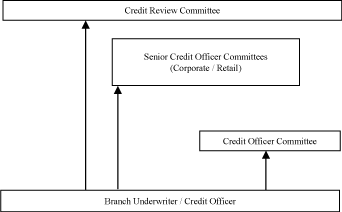
The reviewer at each level of the review process may in its
discretion approve loans up to a maximum amount per loan
assigned to such level. The discretionary loan approval limit
for each level of the loan approval process takes into account
the total amount of loans extended to the borrower, the credit
level of the applicant based on credit review, the existence and
value of collateral and the level of credit risk established by
the credit rating system. The discretionary loan amount approval
limit ranges from
W
30 million (which is
applicable to corporate loans to a borrower with a B- rating to
be approved by the head of a banking branch) to
W
80 billion (which is applicable to
corporate loans to a borrower with a AAA rating to be approved
by the Senior Credit Officer Committee). Any loans exceeding the
maximum discretionary loan amount approval limit must be
approved by the Credit Review Committee.
Credit
Review and Monitoring
Shinhan Bank continually reviews and monitors existing credit
risks primarily with respect to borrowers. In particular,
Shinhan Bank’s automated early warning system conducts
daily examination for borrowers using over 163 financial and
non-financial factors, and the relationship manager and the
credit officer must conduct periodic loan review and report to
independent loan review team which analyzes in detail the
results and adjusts credit rating accordingly. Based on these
reviews, Shinhan Bank adjusts a borrower’s credit rating,
credit limit, applied interest rates and credit policies. In
addition, the group credit rating of the borrower’s group,
if applicable, may be adjusted following a periodic review of
the main debtor groups, mostly comprised of
chaebols
, as
identified by the Governor
90
of the Financial Supervisory Service based on their outstanding
credit exposures, of which 43 were identified as such as of
December 31, 2009. Shinhan Bank also continually reviews
other factors, such as industry-specific conditions for the
borrower’s business and its domestic and overseas asset
base and operations, in order to ensure the appropriateness of
the assigned ratings. The Credit Review Department provides
credit review reports, independent of underwriting, to Chief
Risk Officer on a monthly basis.
The early warning system performs automatic daily checks for
borrowers to whom Shinhan Bank has more than
W
2 billion of exposure. The relationship
manager and the Credit Officer in the Credit Review Department
monitor those borrowers, and then the Credit Review Department
further reviews the results of the monitoring. In addition,
Shinhan Bank carries out a planned review of each borrower in
accordance with changing credit risk factors based on changing
economic environment. The results of such planned review are
continually reported to the Chief Risk Officer of Shinhan Bank.
Depending on the nature of the items detected by the early
warning system, a borrower may be classified as a
“deteriorating credit” and become subject to
evaluation for a possible downgrade in rating, or may be
initially classified as a “borrower showing early warning
signs” or become reinstated to the “normal
borrower” status. For borrowers classified as “showing
early warning signs,” the relevant relationship manager
gathers information and conducts a review of the borrower to
determine whether it should be classified as a deteriorating
credit or whether to impose management improvement warnings or
implement joint creditors’ management. In the case where
the borrower becomes non-performing, Shinhan Bank’s
collection department directly manages such borrower’s
account in order to maximize recovery rate, and conducts
auctions, court proceedings, sale of assets or corporate
restructuring as needed.
Credit
Risk Assessment and Control
In order to assess credit risk in a systematic manner, Shinhan
Bank has developed and upgraded systems designed to quantify
credit risk based on selection and monitoring of various
statistics, including delinquency rate, non-performing loan
ratio, expected loan loss and weighted average risk rating.
Shinhan Bank controls loan concentration by monitoring and
managing loans at two levels: portfolio level and individual
loan account level. In order to prevent undue concentration of
loans, Shinhan Bank has a credit limit per country, industry,
affiliates, corporation and financial institution, and
encourages extension of credit to customers with good credit and
reduction of credit to customers with less than good credit. In
addition, Shinhan Bank utilizes the results of credit portfolio
analysis in allocating asset quality based on forward looking
criteria, increasing discretion and adjusting loan to value
ratio.
Shinhan Bank measures credit risk using internally accumulated
data. Shinhan Bank measures expected and unexpected losses with
respect to total assets monthly, which Shinhan Bank refers to
when setting risk limits for, and allocate capital to, its
business groups. Expected loss is calculated based on the
probability of default, the loss given default, the exposure at
default and the past bankruptcy rate and recovery rate, and
Shinhan Bank provides allowance for loan losses under Korean
GAAP accordingly. Shinhan Bank makes provisioning at a level
which is the higher of the Financial Supervisory Service
requirement or Shinhan Bank’s internal calculation.
Unexpected loss is predicted based on value at risk
(“VaR”), which is used to determine compliance with
the aggregate credit risk limit for Shinhan Bank as well as the
credit risk limit for the relevant department within Shinhan
Bank. We use the “Monte Carlo” simulation method to
compute the VaR, compared to the “historical”
simulation method used previously, as the “Monte
Carlo” method provides a more systematic method for
reflecting concentration risks and correlation effects.
Credit
Risk Management of Shinhan Card
Major policies for Shinhan Card’s credit risk management
are determined by Shinhan Card’s Risk Management Council,
and Shinhan Card’s Risk Management Committee is responsible
for approving them. Shinhan Card’s Risk Management Council
is comprised of the heads of Shinhan Card’s 14 business
units. Shinhan Card’s Risk Management Council convenes at
least once every month and may also convene on an
ad hoc
basis as needed. Shinhan Card’s Risk Management
Committee is comprised of three Non-Standing Directors. Shinhan
Card’s Risk Management Committee convenes at least once
every quarter and may also convene on an
ad hoc
basis as
needed.
91
The risk of loss from default by an obligor or counter-party is
Shinhan Card’s greatest risk. Shinhan Card manages credit
risk based on the following principles:
|
|
|
|
|
|
•
|
achieve profit at a level corresponding to the level of risks
involved;
|
|
|
|
|
•
|
improve asset quality and achieve optimal asset
portfolios; and
|
|
|
|
|
•
|
focus on borrower’s ability to repay the debt.
|
Credit
Card Approval Process
Shinhan Card uses an automated credit scoring system to approve
credit card applications or credit card authorizations. The
credit scoring system is divided into two
sub-systems:
the application scoring system and the behavior scoring system.
The behavior scoring system is based largely on the credit
history, and the application scoring system is based largely on
personal information of the applicant. The credit scoring system
automatically conducts credit checks on all credit card
applicants. Shinhan Card gathers information about
applicants’ transaction history with financial
institutions, including banks and credit card companies, from a
number of third party credit reporting agencies including, among
others, National Information & Credit Evaluation Inc.,
Korea Information Service and Korea Credit Bureau. These credit
checks reveal a list of the delinquent customers of all the
credit card issuers in Korea.
If a credit score awarded to an applicant is above a minimum
threshold, then the application is approved unless overridden
based on other considerations such as delinquencies with other
credit card companies. For credit card applications by a
long-standing customer with good credit history, Shinhan Card
has discretion to waive the assigned credit score unless
overridden by other considerations.
Monitoring
Shinhan Card continually monitors all accountholders and
accounts using a behavior scoring system. The behavior scoring
system predicts a cardholder’s payment pattern by
evaluating the cardholder’s credit history, card usage and
amounts, payment status and other relevant data. The behavior
score is recalculated each month and is used to manage the
accounts and approval of additional loans and other products to
the cardholder. Shinhan Card also uses the scoring system to
monitor its overall risk exposure and to modify its credit risk
management strategy.
Loan
Application Review and On-going Credit Review
When reviewing new applications and conducting an on-going
credit review for retail loans, installment purchase loans and
personal leases, Shinhan Card uses substantially similar
criteria used in the credit underwriting system and credit
review system for credit card customers. For retail loans,
installment purchase loans and personal leases to existing
cardholders, Shinhan Card reviews their card usage history in
addition to other factors such as their income, occupation and
assets.
Fraud
Loss Prevention
Shinhan Card seeks to minimize losses from the fraudulent use of
credit cards issued by it. Shinhan Card focuses on preventing
fraudulent uses and, following the occurrence of a fraudulent
use, makes investigations in order to make the responsible party
bear the losses. Misuses of lost credit cards account for a
substantial majority of Shinhan Card’s fraud losses.
Through its fraud loss prevention system, Shinhan Card seeks to
detect, on a real-time basis, transactions that are unusual or
inconsistent with prior usage history and calls are made to the
relevant cardholders to confirm their purchases. A team at
Shinhan Card dedicated to investigating fraud losses also
examines whether the cardholder was at fault by, for example,
not reporting a lost card or failing to endorse the card, or
whether the relevant merchant was negligent in checking the
identity of the user. Fault may also lie with delivery companies
that fail to deliver credit cards to the relevant applicant. In
such instances, Shinhan Card attempts to recover fraud losses
from the responsible party. To prevent misuse of a card as well
as to manage credit risk, Shinhan Card’s information
technology system will automatically suspend the use of a card:
|
|
|
|
|
|
•
|
when it receives a report of a card’s fraudulent use or
loss;
|
92
|
|
|
|
|
|
•
|
at the request of a cardholder;
|
|
|
|
|
•
|
for cash advances, immediately upon recognition by the system
that the relevant cardholder became delinquent; or
|
|
|
|
|
•
|
for other types of transactions, one day to three months
(depending on the customer’s credit score) after
recognition by the system that the relevant cardholder became
delinquent.
|
Approximately a quarter of Shinhan Card’s cardholders have
consented to Shinhan Card accessing their travel records to
detect any misuse of credit cards while they are traveling
abroad. Shinhan Card also offers cardholders additional fraud
protection through a fee-based short message service. At the
cardholder’s option, Shinhan Card notifies the cardholder
of any credit card activity in his or her account by sending a
text message to his or her mobile phone. This monitoring service
allows customers to quickly and easily identify any fraudulent
use of their credit cards.
Credit
Risk Management of Shinhan Investment
In accordance with the guidelines of the Financial Supervisory
Service, Shinhan Investment assesses its credit risks (including
through VaR analyses) and allocates the maximum limit for the
credit amount at risk by department. Shinhan Investment also
assesses the counterparty risks in all credit-related
transactions, such as loans, acquisitions financing and
derivative transactions and takes corresponding risk management
measures. In assessing the credit risk of a corporate
counterparty, Shinhan Investment considers such
counterparty’s corporate credit rating obtained from
Shinhan Bank’s internal corporate rating database. Through
its risk management system, Shinhan Investment also closely
monitors credit risk exposures by counterparty, industry,
conglomerates, credit ratings and country. Shinhan Investment
conducts credit risk stress tests on a daily basis based on
hypothetical extreme market scenarios and also conducts more
advanced stress tests from time to time, the results of which
are then reported to its management as well as Shinhan Financial
Group’s credit risk officer to support groupwide credit
risk management.
Market
Risk Management
Market risk is the risk of loss generated by fluctuations in
market prices such as interest rates, foreign exchange rates and
equity prices. The principal market risks to which we are
exposed are interest rate risk and, to a lesser extent, equity
price risk, foreign exchange risk and commodity risk. These
risks stem from our trading and non-trading activities relating
to financial instruments such as loans, deposits, securities and
financial derivatives. We divide market risk into risks arising
from trading activities and risks arising from non-trading
activities.
Our market risks arise primarily from Shinhan Bank, and to a
lesser extent, Shinhan Investment, our securities trading and
brokerage subsidiary, which incurs market risk relating to its
trading activities. For Shinhan Bank’s market risk
management, Shinhan Bank’s Risk Management Committee
establishes overall market risk management principles for both
the trading and nontrading activities of Shinhan Bank. Based on
these principles, Shinhan Bank’s Asset &
Liability Management Committee, or the ALM Committee, assesses
and controls market risks arising from trading and non-trading
activities. The ALM Committee, which consists of 10 executive
vice presidents and the head of the Treasury Department of
Shinhan Bank, is the executive decision-making body for Shinhan
Bank’s risk management and asset and liability management
operations. At least on a monthly basis, the ALM Committee
reviews and approves reports, which include the position and VaR
with respect to Shinhan Bank’s trading activities and the
position, VaR, duration gap and market value analysis and net
interest income simulation with respect to its non-trading
activities. Shinhan Bank measures market risk with respect to
all assets and liabilities in the bank accounts and trust
accounts in accordance with the regulations promulgated by the
Financial Services Commission.
Shinhan Investment manages its market risk based on its overall
risk limit established by its risk management committee as well
as the risk limits and detailed risk management guidelines for
each product and department established by its management’s
committee. Shinhan Investment assesses the adequacy of these
limits at least annually. In addition, Shinhan Investment
assesses the market risks of its trading assets. The assessment
procedure is based on the standard procedures set by the
Financial Supervisory Services as well as an internally
developed
93
model. Shinhan Investment assesses the risk amount and VaR, and
manages the risk by setting a risk limit per sector as well as a
VaR limit.
Shinhan Life Insurance manages its market risk based on its
overall risk limit established by its risk management committee.
Shinhan Life Insurance manages market risk in regard to assets
that are subject to trading activities and foreign exchange
positions.
Shinhan Card does not have any assets with significant exposure
to market risks and therefore does not maintain a risk
management policy with respect to market risks.
We use Korean GAAP numbers on a non-consolidated basis for our
market risk management and, unless otherwise specified, the
numbers presented for quantitative market risk disclosure have
been prepared in accordance with Korean GAAP on a
non-consolidated basis.
Market
Risk Exposure from Trading Activities
Shinhan Bank’s trading activities principally consist of:
|
|
|
|
|
|
•
|
trading activities to realize short-term trading profits in debt
and stock markets and foreign exchange markets based on Shinhan
Bank’s short-term forecast of changes in market situation
and customer demand, for its own account as well as for the
account of the trust accounts of Shinhan Bank’s
customers; and
|
|
|
|
|
•
|
trading activities primarily to realize profits from arbitrage
transactions in derivatives such as swap, forward, futures and
option transactions, and, to a lesser extent, to sell derivative
products to Shinhan Bank’s customers and to cover market
risk incurred from those trading activities.
|
Shinhan Investment’s trading activities principally consist
of trading for customers and for proprietary accounts equity and
debt securities and derivatives based on stocks, stock indexes,
interest rates, foreign exchange and commodity.
As a result of these trading activities, Shinhan Bank is exposed
principally to interest rate risk, foreign exchange risk and
equity risk, and Shinhan Investment is exposed principally to
equity risk and interest rate risk.
Interest
rate risk
Shinhan Bank’s exposure to interest rate risk arises
primarily from Won-denominated debt securities, directly held or
indirectly held through beneficiary certificates, and, to a
lesser extent, from interest rate derivatives. Shinhan
Bank’s exposure to interest rate risk arising from foreign
currency-denominated trading debt securities is minimal since
its net position in those securities is not significant. As
Shinhan Bank’s trading accounts are
marked-to-market
daily, it manages the interest rate risk related to its trading
accounts using VaR, a market value-based tool.
Shinhan Investment’s interest rate risk arises primarily
from management of its interest rate-sensitive asset portfolio,
which mainly consists of debt securities, interest rate swaps
and government bond futures, and the level of such risk exposure
depends largely on the variance between the interest rate
movement assumptions built into the asset portfolio and the
actual interest rate movements and the spread between a
derivative product and its underlying assets. Shinhan Investment
quantifies and manages the interest rate-related exposure by
daily conducting VaR and stress tests on a
marked-to-market
basis.
Foreign
exchange risk
Foreign exchange risk arises because of Shinhan Bank’s
assets and liabilities, including derivatives such as foreign
exchange forwards and futures and currency swaps, which are
denominated in currencies other than the Won. Shinhan Bank
manages foreign exchange risk on an overall position basis,
including its overseas branches, by covering all of its foreign
exchange spot and forward positions in both trading and
non-trading accounts.
Shinhan Bank’s net foreign currency open position, which is
the difference between its foreign currency assets and
liabilities as offset against forward foreign exchange
positions, is Shinhan Bank’s foreign exchange risk. The ALM
Committee oversees Shinhan Bank’s foreign exchange exposure
for both trading and non-trading activities by establishing
limits for the net foreign currency open position, loss limits
and VaR limits. The management of
94
Shinhan Bank’s foreign exchange position is centralized at
the FX & Derivatives Department. Dealers in the
FX & Derivatives Department manage Shinhan Bank’s
overall position within the set limits through spot trading,
forward contracts, currency options, futures and swaps and
foreign exchange swaps. Shinhan Bank sets a limit for net open
positions by currency and the limits for currencies other than
the U.S. dollars and Japanese yen are set in a conservative
manner in order to minimize other foreign exchange trading.
The net open foreign currency positions held by our other
subsidiaries are insignificant. In the case of Shinhan Capital
which incurs a considerable amount of foreign exchange exposure
from its leasing business, it maintains its net exposure below
US$1 million by hedging its foreign exchange positions
using forwards and currency swaps.
The following table shows Shinhan Bank’s net foreign
currency open positions as of December 31, 2007, 2008 and
2009. Positive amounts represent long exposures and negative
amounts represent short exposures.
|
|
|
|
|
|
|
|
|
|
|
|
|
|
|
|
|
As of December 31,
|
|
|
Currency
|
|
2007
|
|
|
2008
|
|
|
2009
|
|
|
|
|
(In millions of US$)
|
|
|
|
|
U.S. dollars
|
|
US$
|
20.4
|
|
|
US$
|
(41.6
|
)
|
|
US$
|
(41.6
|
)
|
|
Japanese yen
|
|
|
(21.0
|
)
|
|
|
(43.7
|
)
|
|
|
23.3
|
|
|
Euro
|
|
|
18.9
|
|
|
|
(10.8
|
)
|
|
|
(2.7
|
)
|
|
Others
|
|
|
66.1
|
|
|
|
59.3
|
|
|
|
34.0
|
|
|
|
|
|
|
|
|
|
|
|
|
|
|
|
|
Total
|
|
US$
|
84.4
|
|
|
US$
|
(36.8
|
)
|
|
US$
|
13.1
|
|
|
|
|
|
|
|
|
|
|
|
|
|
|
|
Equity
risk
Equity risk for Shinhan Bank’s trading activities results
from trading equity portfolios of Korean companies and Korea
Stock Price Index futures and options. The trading equity
portfolio consists of stocks listed on the KRX KOSPI Market or
the KRX KOSDAQ Market of the Korea Exchange and nearest-month or
second nearest-month futures contracts under strict limits on
diversification as well as limits on positions. Shinhan Bank
maintains strict scrutiny of these activities in light of the
volatility in the Korean stock market. In addition, Shinhan Bank
pays close attention to the loss limits. As of December 31,
2007, 2008 and 2009, Shinhan Bank held
W
33.6 billion,
W
13.4 billion and
W
80.6 billion, respectively, of equity
securities in its trading accounts (including the trust
accounts).
Equity risk for Shinhan Investment’s trading activities
also results from the trading of equity portfolio of Korean
companies and Korea Stock Price Index futures and options. As of
December 2007, 2008 and 2009, the total amount of equity
securities at risk held by Shinhan Investment was
W
48.6 billion,
W
5.7 billion and
W
29.9 billion, respectively.
Equity positions held by our other subsidiaries are
insignificant.
95
Management
of Market Risk from Trading Activities
The following tables present an overview of market risk,
measured by VaR, from trading activities of Shinhan Bank and
Shinhan Investment, respectively, for the year ended and as of
December 31, 2009. For market risk management purposes,
Shinhan Bank includes its trading portfolio in bank accounts and
assets in trust accounts for which it guarantees principal or
fixed return in accordance with the Financial Services
Commission regulations.
|
|
|
|
|
|
|
|
|
|
|
|
|
|
|
|
|
|
|
|
|
Trading Portfolio VaR for the Year 2009
|
|
|
|
|
|
|
|
|
|
|
|
|
|
As of
|
|
|
|
|
Average
|
|
|
Minimum
|
|
|
Maximum
|
|
|
December 31, 2009
|
|
|
|
|
(In billions of Won)
|
|
|
|
|
Shinhan Bank:(1)
|
|
|
|
|
|
|
|
|
|
|
|
|
|
|
|
|
|
Interest rate
|
|
W
|
49.6
|
|
|
W
|
5.7
|
|
|
W
|
108.9
|
|
|
W
|
88.3
|
|
|
Foreign exchange(2)
|
|
|
30.2
|
|
|
|
2.5
|
|
|
|
89.0
|
|
|
|
5.5
|
|
|
Equities
|
|
|
12.0
|
|
|
|
5.3
|
|
|
|
49.2
|
|
|
|
5.3
|
|
|
|
|
|
|
|
|
|
|
|
|
|
|
|
|
|
|
|
|
Option volatility(3)
|
|
|
2.4
|
|
|
|
0.8
|
|
|
|
4.2
|
|
|
|
1.6
|
|
|
Less: portfolio diversification(4)
|
|
|
(35.7
|
)
|
|
|
13.8
|
|
|
|
(134.5
|
)
|
|
|
(12.6
|
)
|
|
|
|
|
|
|
|
|
|
|
|
|
|
|
|
|
|
|
|
Total VaR(5)
|
|
W
|
58.4
|
|
|
W
|
28.0
|
|
|
W
|
116.7
|
|
|
W
|
88.2
|
|
|
|
|
|
|
|
|
|
|
|
|
|
|
|
|
|
|
|
|
Shinhan Investment:
(1)(6)
|
|
|
|
|
|
|
|
|
|
|
|
|
|
|
|
|
|
Interest rate
|
|
W
|
16.83
|
|
|
W
|
4.70
|
|
|
W
|
47.55
|
|
|
W
|
7.11
|
|
|
Equities
|
|
|
4.45
|
|
|
|
0.60
|
|
|
|
18.47
|
|
|
|
2.41
|
|
|
Option volatility(3)
|
|
|
0.99
|
|
|
|
(1.44
|
)
|
|
|
2.78
|
|
|
|
1.34
|
|
|
Less: portfolio diversification(4)
|
|
|
(5.94
|
)
|
|
|
1.43
|
|
|
|
(27.36
|
)
|
|
|
(4.67
|
)
|
|
|
|
|
|
|
|
|
|
|
|
|
|
|
|
|
|
|
|
Total VaR
|
|
W
|
16.33
|
|
|
W
|
5.29
|
|
|
W
|
41.45
|
|
|
W
|
6.19
|
|
|
|
|
|
|
|
|
|
|
|
|
|
|
|
|
|
|
|
Notes:
|
|
|
|
|
(1)
|
|
Shinhan Bank and Shinhan Investment’s
ten-day
VaR
is based on a 99% confidence level.
|
|
|
|
(2)
|
|
Includes both trading and non-trading accounts as Shinhan Bank
manages foreign exchange risk on a total position basis.
|
|
|
|
(3)
|
|
Volatility implied from the option price using the Black-Scholes
or a similar model.
|
|
|
|
(4)
|
|
Calculation of portfolio diversification effects may occur on
different days for different risk components. Total VaRs are
less than the simple sum of the risk component VaRs due to
offsets resulting from portfolio diversification.
|
|
|
|
(5)
|
|
Includes trading portfolio in Shinhan Bank’s bank accounts
and assets in trust accounts for which it guarantees principal
or fixed return.
|
|
|
|
(6)
|
|
The average change in market value of the portfolio of Shinhan
Investment was
W
1.1 billion per day in
2009.
|
Shinhan Bank generally manages its market risk from trading
activities of its portfolios on an aggregated basis, uses
position limits, VaR limits, and stop loss limits. In addition,
it establishes appropriate limits for investment securities.
Shinhan Bank maintains risk control and management guidelines
for derivative trading based on the regulations and guidelines
promulgated by the Financial Services Commission, and measures
market risk from trading activities to monitor and control the
risk of its operating divisions and teams that perform trading
activities.
Value-at-risk
analysis.
Shinhan Bank uses
ten-day
and
one-day
VaRs
to measure its market risk. Shinhan Bank calculates VaRs on a
daily basis based on data for the previous 12 months for
the holding periods of ten days. A
ten-day
VaR
is a statistically estimated maximum amount of loss that can
occur for ten days under normal market conditions. We use a
99.9% confidence level to measure the VaRs, which means the
actual amount of loss may exceed the VaR, on average, once out
of 100 business days.
One-day
VaR
is used as VaR limit for each trading desk.
Shinhan Investment uses
one-day
VaRs
to measure its market risk. Shinhan Investment calculates VaRs
on a daily basis based on data for the previous 12 months
for the holding periods of one day. We use a 99% confidence
96
level to measure the VaRs for Shinhan Investment Shinhan
Investment is currently using a variance-covariance methodology
called “delta-gamma method” for its overall VaR
calculation and uses historical simulation and “Monte
Carlo” simulation for stress test and calculation of VaRs
for individual risks of options. Variance-covariance method
assumes a normal distribution of risks which may underestimate
market risk when the distribution of market risk is not normal.
This method also does not provide accurate analysis for risks of
non-linear products such as options.
Value-at-risk
is a commonly used market risk management technique. However,
VaR models have the following shortcomings:
|
|
|
|
|
|
•
|
VaR estimates possible losses over a certain period at a
particular confidence level using past market movement data.
Past market movement, however, is not necessarily a reliable
indicator of future events, particularly potential future events
that are extreme in nature.
|
|
|
|
|
•
|
VaR may underestimate the probability of extreme market
movements.
|
|
|
|
|
•
|
Shinhan Bank’s VaR models assume that a holding period of
generally one to ten days is sufficient prior to liquidating the
underlying positions, but the length of the holding period so
assumed may actually be insufficient or excessive.
|
|
|
|
|
•
|
VaR does not capture all complex effects of various risk factors
on the value of positions and portfolios and could underestimate
potential losses.
|
Currently, Shinhan Bank and Shinhan Investment conduct
back-testing of VaR results against actual outcomes on a daily
basis.
Shinhan Bank operates an integrated market risk management
system which manages Shinhan Bank’s Won-denominated and
foreign-denominated accounts. This system uses historical
simulation to measure both linear risks arising from such
products as equity and debt securities and nonlinear risks
arising from other products including options. We believe that
this system enables Shinhan Bank to generate elaborate and
consistent VaR numbers and perform sensitivity analysis and back
testing to check the validity of the models on a daily basis.
Stress test.
In addition to VaR, Shinhan Bank
performs stress test to measure market risk. As VaR assumes
normal market situations, Shinhan Bank assesses its market risk
exposure to unlikely abnormal market fluctuations through stress
test. Stress test is an important way of supplement VaR since
VaR does not cover potential loss if the market moves in a
manner which is outside Shinhan Bank’s normal expectations.
Stress test projects the anticipated change in value of holding
positions under certain scenarios assuming that no action is
taken during a stress event to change the risk profile of a
portfolio.
Shinhan Bank uses relatively simple but fundamental seven
scenarios for stress test taking into account four market risk
components such as foreign exchange rates, stock prices and
Won-denominated and foreign currency-denominated interest rates.
For the worst case scenario, we assumed instantaneous and
simultaneous movements in the four market risk
components — depreciation of Won by 20%, decrease in
Korea Exchange Composite Index by 30%, and increases in
Won-denominated and U.S. dollar-denominated interest rates
by 200 basis point and 200 basis point, respectively.
In the case of this worst-case scenario, the change in market
value of Shinhan Bank’s trading portfolio was a decline of
W
50.9 billion as of December 31,
2009. Shinhan Bank performs stress test at least monthly and
reports the results to the ALM Committee and the Risk Management
Committee.
Shinhan Investment uses five scenarios for stress tests, taking
into account two market risk components: stock prices (both in
terms of stock market indices and ß-based individual stock
prices) and interest rates for Won-denominated loans. As of
December 31, 2009, for the worst case scenario, which was
in the case of instantaneous and simultaneous drops in Korea
Stock Price Index 200 by 10% and a 1% point increase in the
three-year government bond yield, the change in market value of
Shinhan Investment’s trading portfolio was
W
19.3 billion for one day.
Shinhan Life Insurance conducts a stress test semi-annually
based on a “bad” scenario and a “worst-case”
scenario, and the results of the stress test include expected
losses and impacts on capital adequacy. Shinhan Life Insurance
takes preemptive measures on the basis of the results from its
stress tests.
97
Shinhan Bank sets limits on stress testing for its overall
operations. Although Shinhan Life Insurance does not set any
limits on stress testing, it monitors the impact of market
turmoil or any abnormality. Shinhan Investment sets limits on
stress testing for its overall operations as well as at its
department level. In the case of Shinhan Bank, Shinhan
Investment and Shinhan Life Insurance, if the impact is large,
their respective chief risk officer may request a portfolio
restructuring or other proper action.
Hedging
and Derivative Market Risk
The principal objective of our groupwide hedging strategy is to
manage market risk within established limits. We use derivative
instruments to hedge our market risk as well as to make profits
by trading derivative products within pre-approved risk limits.
Our derivative trading includes interest rate and cross-currency
swaps, foreign currency forwards and futures, stock index and
interest rate futures, and stock index and currency options.
While we use derivatives for hedging purposes, derivative
transactions by nature involve market risk since we take trading
positions for the purpose of making profits. These activities
consist primarily of the following:
|
|
|
|
|
|
•
|
arbitrage transactions to make profits from short-term
discrepancies between the spot and derivative markets or within
the derivative markets;
|
|
|
|
|
•
|
sales of tailor-made derivative products that meet various needs
of our corporate customers, principally of Shinhan Bank and
Shinhan Investment, and related transactions to reduce its
exposure resulting from those sales (in the case of Shinhan
Investment, these activities commenced from February 2003 when
it acquired the relevant license);
|
|
|
|
|
•
|
taking positions in limited cases when we expect short-swing
profits based on its market forecasts; and
|
|
|
|
|
•
|
trading to hedge our interest rate and foreign currency risk
exposure as described above.
|
In relation to our adoption of
ASC 820-10
(formerly SFAS No. 157,
“Fair Value
Measurements”
), we have implemented internal processes
which include a number of key controls designed to ensure that
fair value is measured appropriately, particularly where a fair
value model is internally developed and used to price a
significant product.
Shinhan Bank assesses the adequacy of the fair market value of a
new product derived from its internal model prior to the launch
of such product. The assessment process involves the following:
|
|
|
|
|
|
•
|
computation of an internal dealing system market value (based on
assessment by the quantitative analysis team of the adequacy of
the formula and the model used to compute the market value as
derived from the dealing system);
|
|
|
|
|
•
|
computation of the market value as obtained from an outside
credit evaluation company; and
|
|
|
|
|
•
|
following comparison of the market value derived from an
internal dealing system to that obtained from outside credit
evaluation companies, determination as to whether to use the
internally developed market value based on inter-departmental
agreement.
|
The dealing system market value, which is used officially by
Shinhan Bank after undergoing the assessment process above, does
not undergo a sampling process that confirms the value based on
review of individual transactions, but is subject to an
additional assessment procedure of comparing such value against
the profits derived from the dealing systems based on the deal
portfolio sensitivity.
Shinhan Investment follows an internal policy as set by its Fair
Value Evaluation Committee for computing and assessing the
adequacy of fair value of all of its
over-the-counter
derivative products. Shinhan Investment computes the fair value
based on an internal model and internal risk management systems
and assesses the adequacy of the fair value through
cross-departmental checks as well as comparison against fair
values obtained from outside credit evaluation companies.
See “Item 5.A. Operating Results — Critical
Accounting Policies” and Notes 28 and 29 of the notes
to our consolidated financial statements.
98
Market risk from derivatives is not significant since derivative
trading activities of Shinhan Bank and Shinhan Investment are
primarily driven by arbitrage and customer deals with very
limited open trading positions. Market risk from derivatives is
also not significant for Shinhan Life Insurance as its
derivative trading activities are limited to those within
pre-approved risk limits and are subject to heavy regulations
imposed on the insurance industry. Market risk from derivatives
is not significant for our other subsidiaries since the amount
of such positions by our other subsidiaries is insignificant.
Market
Risk Management for Non-trading Activities
Interest
Rate Risk
Principal market risk from non-trading activities of Shinhan
Bank is interest rate risk. Interest rate risk is the risk of
loss resulting from interest rate fluctuations that adversely
affect the financial condition and results of operations of
Shinhan Bank. Shinhan Bank’s interest rate risk arises
primarily due to differences between the timing of rate changes
for interest-earning assets and interest-bearing liabilities.
Interest rate risk affects Shinhan Bank’s earnings and the
economic value of Shinhan Bank’s net assets:
|
|
|
|
|
|
•
|
Earnings:
interest rate fluctuations have an
effect on Shinhan Bank’s net interest income by affecting
its interest-sensitive operating income and expenses.
|
|
|
|
|
•
|
Economic value of net assets:
interest rate
fluctuations influence Shinhan Bank’s net worth by
affecting the present value of cash flows from the assets,
liabilities and other transactions of Shinhan Bank.
|
Accordingly, Shinhan Bank measures and manages interest rate
risk for non-trading activities by taking into account effects
of interest rate changes on both its income and net asset value.
Shinhan Bank measures and manages interest rate risk on a
daily/monthly basis with respect to all interest-earning assets
and interest-bearing liabilities in Shinhan Bank’s bank
accounts (including derivatives denominated in Won which are
interest rate swaps for the purpose of hedging) and in the trust
accounts, except that it measures VaRs on a monthly basis. Most
of Shinhan Bank’s interest-earning assets and
interest-bearing liabilities are denominated in Won.
Interest
Rate Risk Management
The principal objectives of Shinhan Bank’s interest rate
risk management are to generate stable net interest income and
to protect Shinhan Bank’s net asset value against interest
rate fluctuations. To this end, the ALM Committee sets out
Shinhan Bank’s interest rate risk limits at least annually
and the Risk Management Department monitors Shinhan Bank’s
compliance with these limits and reports the monitoring results
to the ALM Committee on a monthly basis. Shinhan Bank uses
interest rate swaps to control its interest rate exposure limits.
On a daily/monthly basis, Shinhan Bank uses various analytical
methodologies to measure and manage its interest rate risk for
nontrading activities, including the following:
|
|
|
|
|
|
•
|
Interest Rate Gap Analysis:
Interest rate gap
analysis measures the difference in the amounts of
interest-earning assets and interest-bearing liabilities at each
maturity and re-pricing date for a specific time frame.
|
|
|
|
|
•
|
Duration Gap Analysis:
Duration gap analysis
measures durations of Shinhan Bank’s interest-earning
assets and interest-bearing liabilities, which are weighted
average maturities of these assets and liabilities calculated
based on discounted cash flows from these assets and liabilities
using yield curves.
|
|
|
|
|
•
|
Market Value Analysis:
Market value analysis
measures changes in the market value of Shinhan Bank’s
interest-earning assets and interest-bearing liabilities based
on the assumption of parallel shifts in interest rates.
|
|
|
|
|
•
|
Net Interest Income Simulation Analysis:
Net
interest income simulation analysis uses deterministic analysis
methodology to measure changes in Shinhan Bank’s annual net
interest income (interest income less interest expenses) under
the current maturity structure, using different scenarios for
interest rates (assuming parallel shifts) and funding
requirements.
|
99
Interest
Rate Gap Analysis
Interest rate gap analysis measures the difference in the
amounts of interest-earning assets and interest-bearing
liabilities at each maturity and re-pricing date by preparing
interest rate gap tables in which Shinhan Bank’s
interest-earning assets and interest-bearing liabilities are
allocated to the applicable time categories based on the
expected cash flows and re-pricing dates. On a daily basis,
Shinhan Bank performs interest rate gap analysis for Won and
foreign currency denominated assets and liabilities in its bank
and trust accounts. Shinhan Bank’s gap analysis includes
Won-denominated derivatives (which are interest rate swaps for
the purpose of hedging) and foreign currency-denominated
derivatives (which are currency swaps for the purpose of
hedging) whose management is centralized at the FX &
Derivatives Department. Through the interest rate gap analysis
that measures interest rate sensitivity gaps, cumulative gaps
and gap ratios, Shinhan Bank assesses its exposure to future
interest risk fluctuations. For interest rate gap analysis,
Shinhan Bank assumes and uses the following maturities for
different assets and liabilities:
|
|
|
|
|
|
•
|
With respect to the maturities and re-pricing dates of Shinhan
Bank’s assets, Shinhan Bank assumes that the maturity of
Shinhan Bank’s prime rate-linked loans is the same as that
of its fixed-rate loans. Shinhan Bank excludes equity securities
from interest-earning assets.
|
|
|
|
|
•
|
With respect to the maturities and re-pricing of Shinhan
Bank’s liabilities, Shinhan Bank assumes that money market
deposit accounts and “non-core” demand deposits under
the Financial Services Commission guidelines have a maturity of
one month or less for Won-denominated accounts and three months
or less for foreign currency-denominated accounts. With respect
to “core” demand deposits under the Financial Services
Commission guidelines, Shinhan Bank assumes that they have
maturities of eight different intervals ranging from one month
to five years.
|
The following tables show Shinhan Bank’s interest rate gaps
as of December 31, 2009 for (1) Won-denominated
non-trading bank accounts, including derivatives for the purpose
of hedging and (2) foreign currency-denominated non-trading
bank accounts, including derivatives for the purpose of hedging.
Won-denominated
non-trading bank accounts(1)
|
|
|
|
|
|
|
|
|
|
|
|
|
|
|
|
|
|
|
|
|
|
|
|
|
|
|
|
|
|
|
|
|
As of December 31, 2009
|
|
|
|
0-3
|
|
3-6
|
|
6-12
|
|
1-2
|
|
2-3
|
|
Over 3
|
|
|
|
|
|
Months
|
|
Months
|
|
Months
|
|
Years
|
|
Years
|
|
Years
|
|
Total
|
|
|
|
(In billions of Won, except percentages)
|
|
|
|
Interest-earning assets
|
|
W
|
108,386
|
|
|
W
|
19,570
|
|
|
W
|
10,588
|
|
|
W
|
8,251
|
|
|
W
|
6,242
|
|
|
W
|
14,024
|
|
|
W
|
167,061
|
|
|
Fixed rates
|
|
|
24,952
|
|
|
|
7,656
|
|
|
|
8,684
|
|
|
|
6,329
|
|
|
|
4,743
|
|
|
|
10,772
|
|
|
|
63,136
|
|
|
Floating rates
|
|
|
82,713
|
|
|
|
11,435
|
|
|
|
1,254
|
|
|
|
370
|
|
|
|
511
|
|
|
|
178
|
|
|
|
96,460
|
|
|
Interest rate swaps
|
|
|
720
|
|
|
|
480
|
|
|
|
650
|
|
|
|
1,552
|
|
|
|
988
|
|
|
|
3,075
|
|
|
|
7,465
|
|
|
Interest-bearing liabilities
|
|
W
|
85,790
|
|
|
W
|
17,602
|
|
|
W
|
30,625
|
|
|
W
|
11,630
|
|
|
W
|
5,344
|
|
|
W
|
14,026
|
|
|
W
|
165,017
|
|
|
Fixed liabilities
|
|
|
36,331
|
|
|
|
14,348
|
|
|
|
29,377
|
|
|
|
11,534
|
|
|
|
5,313
|
|
|
|
13,768
|
|
|
|
110,671
|
|
|
Floating liabilities
|
|
|
41,994
|
|
|
|
3,254
|
|
|
|
1,248
|
|
|
|
96
|
|
|
|
31
|
|
|
|
258
|
|
|
|
46,881
|
|
|
Interest rate swaps
|
|
|
7,465
|
|
|
|
—
|
|
|
|
—
|
|
|
|
—
|
|
|
|
—
|
|
|
|
—
|
|
|
|
7,465
|
|
|
Sensitivity gap
|
|
|
22,595
|
|
|
|
1,969
|
|
|
|
(20,037
|
)
|
|
|
(3,380
|
)
|
|
|
898
|
|
|
|
(2
|
)
|
|
|
2,044
|
|
|
Cumulative gap
|
|
|
22,595
|
|
|
|
24,564
|
|
|
|
4,527
|
|
|
|
1,147
|
|
|
|
2,045
|
|
|
|
2,044
|
|
|
|
2,044
|
|
|
% of total assets
|
|
|
13.53
|
%
|
|
|
14.70
|
%
|
|
|
2.71
|
%
|
|
|
0.69
|
%
|
|
|
1.22
|
%
|
|
|
1.22
|
%
|
|
|
1.22
|
%
|
100
Foreign
currency-denominated non-trading bank accounts(1)
|
|
|
|
|
|
|
|
|
|
|
|
|
|
|
|
|
|
|
|
|
|
|
|
|
|
|
|
|
As of December 31, 2009
|
|
|
|
|
0-3
|
|
|
3-6
|
|
|
6-12
|
|
|
1-3
|
|
|
Over 3
|
|
|
|
|
|
|
|
Months
|
|
|
Months
|
|
|
Months
|
|
|
Years
|
|
|
Years
|
|
|
Total
|
|
|
|
|
(In millions of US$, except percentages)
|
|
|
|
|
Interest-earning assets
|
|
$
|
11,628
|
|
|
$
|
2,876
|
|
|
$
|
1,512
|
|
|
$
|
1,608
|
|
|
$
|
1,675
|
|
|
$
|
19,298
|
|
|
Interest-bearing Liabilities
|
|
|
9,735
|
|
|
|
3,031
|
|
|
|
2,472
|
|
|
|
3,189
|
|
|
|
2,085
|
|
|
|
20,514
|
|
|
Sensitivity gap
|
|
|
1,893
|
|
|
|
(156
|
)
|
|
|
(960
|
)
|
|
|
(1,581
|
)
|
|
|
(410
|
)
|
|
|
(1,215
|
)
|
|
Cumulative gap
|
|
|
1,893
|
|
|
|
1,737
|
|
|
|
776
|
|
|
|
(805
|
)
|
|
|
(1,215
|
)
|
|
|
(1,215
|
)
|
|
% of total assets
|
|
|
9.81
|
%
|
|
|
9.00
|
%
|
|
|
4.02
|
%
|
|
|
(4.17
|
)%
|
|
|
(6.30
|
)%
|
|
|
(6.30
|
)%
|
Note:
|
|
|
|
|
(1)
|
|
Includes merchant banking accounts
|
Duration
Gap and Market Value Analysis
Shinhan Bank performs a duration gap analysis to measure effects
of interest rate risk on the market value of its assets and
liabilities. Shinhan Bank measures, on a daily basis and for
each operating department, account, product and currency,
durations of interest-earning assets and interest-bearing
liabilities. Shinhan Bank also measures, on a daily basis,
changes in the market value of Shinhan Bank’s
interest-earning assets and interest-bearing liabilities.
The following tables show duration gaps and market values of
Shinhan Bank’s Won-denominated interest-earning assets and
interest-bearing liabilities in its not-trading accounts as of
December 31, 2009 and changes in these market values when
interest rate increases by one percentage point.
Duration
as of December 31, 2009 (for non-trading Won-denominated
bank accounts(1))
|
|
|
|
|
|
|
|
|
Duration as of
|
|
|
|
|
December 31,
|
|
|
|
|
2009(1)
|
|
|
|
|
(In months)
|
|
|
|
|
Interest-earning assets
|
|
|
9.22
|
|
|
Interest-bearing liabilities
|
|
|
9.01
|
|
|
Gap
|
|
|
0.41
|
|
Market
Value as of December 31, 2009 (for non-trading
Won-denominated bank accounts(1))
|
|
|
|
|
|
|
|
|
|
|
|
|
|
|
|
|
Market Value as of December 31, 2009(1)
|
|
|
|
|
Actual
|
|
|
1% Point Increase
|
|
|
Changes
|
|
|
|
|
(In billions of Won)
|
|
|
|
|
Interest-earning assets
|
|
W
|
170,081
|
|
|
W
|
168,893
|
|
|
W
|
(1,188
|
)
|
|
Interest-bearing liabilities
|
|
|
166,467
|
|
|
|
165,313
|
|
|
|
(1,154
|
)
|
|
Gap
|
|
|
3,614
|
|
|
|
3,580
|
|
|
|
(34
|
)
|
Note:
|
|
|
|
|
(1)
|
|
Includes merchant banking accounts and derivatives for the
purpose of hedging.
|
Net
Interest Income Simulation
Shinhan Bank performs net interest income simulation to measure
the effects of the change in interest rate on its results of
operations. Such simulation measures the estimated changes in
Shinhan Bank’s annual net interest income (interest income
less interest expenses) under the current maturity structure,
using different scenarios for interest rates. For such
simulation, Shinhan Bank applies three scenarios of parallel
shifts in interest rate: (1) no change, (2) a 1% point
increase in interest rates and (3) a 1% point decrease in
interest rates.
101
The following tables illustrate by way of an example the
simulated changes in Shinhan Bank’s annual net interest
income for 2009 with respect to Won-denominated interest-earning
assets and interest-bearing liabilities, using Shinhan
Bank’s net interest income simulation model, when it
assumes (a) the maturity structure and funding requirement
of Shinhan Bank as of December 31, 2009 and (b) the
same interest rates as of December 31, 2009 and a 1% point
increase or decrease in the interest rates.
|
|
|
|
|
|
|
|
|
|
|
|
|
|
|
|
|
|
|
|
|
|
|
|
|
|
|
|
|
|
|
|
|
Simulated Net Interest Income for 2009
|
|
|
|
(For Non-Trading Won-Denominated Bank Accounts)(1)
|
|
|
|
|
|
Change in Net
|
|
Change in Net
|
|
|
|
Assumed Interest Rates
|
|
Interest Income
|
|
Interest Income
|
|
|
|
|
|
|
|
|
|
|
|
%
|
|
|
|
%
|
|
|
|
|
|
|
|
|
|
Amount
|
|
Change
|
|
Amount
|
|
Change
|
|
|
|
|
|
1%
|
|
1%
|
|
(1%
|
|
(1%
|
|
(1%
|
|
(1%
|
|
|
|
No
|
|
Point
|
|
Point
|
|
Point
|
|
Point
|
|
Point
|
|
Point
|
|
|
|
Change
|
|
Increase
|
|
Decrease
|
|
Increase)
|
|
Increase)
|
|
Decrease)
|
|
Decrease)
|
|
|
|
(In billions of Won, except percentages)
|
|
|
|
Simulated interest income
|
|
W
|
9,463
|
|
|
W
|
10,556
|
|
|
W
|
8,370
|
|
|
W
|
1,093
|
|
|
|
11.55
|
%
|
|
W
|
(1,093
|
)
|
|
|
(11.55
|
)%
|
|
Simulated interest expense
|
|
|
5,507
|
|
|
|
6,318
|
|
|
|
4,696
|
|
|
|
811
|
|
|
|
14.73
|
%
|
|
|
(811
|
)
|
|
|
(14.73
|
)%
|
|
Net interest income
|
|
|
3,956
|
|
|
|
4,237
|
|
|
|
3,675
|
|
|
|
281
|
|
|
|
7.11
|
%
|
|
|
(281
|
)
|
|
|
(7.11
|
)%
|
Note:
|
|
|
|
|
(1)
|
|
Excludes Merchant Banking account and derivatives for the
purpose of hedging.
|
Shinhan Bank’s Won-denominated interest earning assets and
interest-bearing liabilities in non-trading accounts have a
maturity structure that benefits from an increase in interest
rates, because the re-pricing periods of the interest-earning
assets in Shinhan Bank’s non-trading accounts tend to be
shorter than those of the interest-bearing liabilities in these
accounts. This is primarily due to a continuous decrease in
interest rate in the recent years in Korea, which resulted in a
significant increase in floating rate loans, resulting in the
maturities or re-pricing periods of Shinhan Bank’s loans
shorter. As a result, Shinhan Bank’s net interest income
tends to increase when the market interest rates rise.
Interest
Rate VaRs for Non-trading Assets and Liabilities
Shinhan Bank measures VaRs for interest rate risk from
non-trading activities on a monthly basis. The following table
shows, as of and for the year ended December 31, 2009, the
VaRs of interest rate mismatch risk for other assets and
liabilities, which arises from mismatches in the re-pricing
dates of Shinhan Bank’s non-trading interest-earning assets
and interest-bearing liabilities including
available-for-sale
investment securities. Under the Financial Services Commission
regulations, Shinhan Bank includes in calculation of these VaRs
interest-earning assets and interest-bearing liabilities in its
bank accounts and its merchant banking accounts.
|
|
|
|
|
|
|
|
|
|
|
|
|
|
|
|
|
|
|
|
|
VaR for the Year 2009(1)
|
|
|
|
Average
|
|
Minimum
|
|
Maximum
|
|
As of December 31
|
|
|
|
(In billions of Won)
|
|
|
|
Interest rate mismatch — nontrading assets and
liabilities
|
|
W
|
279
|
|
|
W
|
238
|
|
|
W
|
311
|
|
|
W
|
279
|
|
Note:
|
|
|
|
|
(1)
|
|
One-year VaR results with a 99% confidence level.
|
Equity
Risk
Substantially all of Shinhan Bank’s equity risk results
from its portfolio of stocks of Korean companies. As of
December 31, 2009, Shinhan bank held an aggregate amount of
W
0 billion of equity interest in unlisted
foreign companies (including
W
0 billion
invested in unlisted private equity funds).
The equity securities in Won held in Shinhan Bank’s
investment portfolio consist of stocks listed on the KRX KOSPI
Market or the KRX KOSDAQ Market of the Korea Exchange and
certain non-listed stocks. Shinhan Bank measures VaRs for all of
these equity securities but does not manage most of the related
risk using VaR limits, as
102
most of these securities are held for reasons other than normal
investment purposes. As of December 31, 2009, Shinhan Bank
held equity securities in an aggregate amount of
W
4,342.5 billion in its non-trading
accounts, including equity securities in the amount of
W
3,163.5 billion that it held, among other
reasons, for management control purposes and as a result of
debt-to-equity
conversion as a part of reorganization proceedings of the
companies to which it had extended loans.
As of December 31, 2009, Shinhan Bank held Won-denominated
convertible bonds in the amount of
W
2 billion and foreign
currency-denominated exchangeable bonds in the amount of
W
0 billion in its non-trading accounts.
Shinhan Bank does not measure equity risk with respect to
convertible and exchangeable bonds and the interest rate risk of
these bonds are measured together with the other debt
securities. As such, Shinhan Bank measures interest rate risk
VaRs but not equity risk VaRs for these equity-linked securities.
The following table shows the VaRs of Shinhan Bank’s equity
risk for listed equity for the year and as of December 31,
2009.
|
|
|
|
|
|
|
|
|
|
|
|
|
|
|
|
|
|
|
|
|
VaR for the Year 2009(1)
|
|
|
|
|
|
|
|
|
|
|
|
|
|
As of
|
|
|
|
|
Average
|
|
|
Minimum
|
|
|
Maximum
|
|
|
December 31
|
|
|
|
|
(In billions of Won)
|
|
|
|
|
Listed equities
|
|
W
|
9.4
|
|
|
W
|
3.8
|
|
|
W
|
26.4
|
|
|
W
|
3.8
|
|
Note:
|
|
|
|
|
(1)
|
|
Ten-day
VaR
results with a 99.9% confidence level.
|
Liquidity
Risk Management
Liquidity risk is the risk of insolvency, default or loss due to
disparity between inflow and outflow of funds, including having
to obtain funds at a high price or to dispose of securities at
an unfavorable price due to lack of available funds or losing
attractive investment opportunities.
Shinhan Bank applies the following basic principles for
liquidity risk management:
|
|
|
|
|
|
•
|
maintain an appropriate level of liquidity risk through
liquidity risk management based on liquidity gap or
debt-to-equity
ratio at each maturity date;
|
|
|
|
|
•
|
assess and monitor net cash flows by currency and by maturity
and continuously evaluate available sources of funds and
possibility of disposal of any liquid assets;
|
|
|
|
|
•
|
diversify sources and uses of funds by product and by maturity
to prevent excessive concentration in certain periods or
products; and
|
|
|
|
|
•
|
prepare contingency plans to cope with liquidity crisis.
|
Each subsidiary manages liquidity risk in accordance with the
risk limits and guidelines established internally as well as
those directed by the relevant regulatory authorities. Pursuant
to principal regulations applicable to financial holding
companies and banks as promulgated by the Financial Services
Commission, we, at the holding company, are required to keep
specific Won and foreign currency liquidity ratios. These ratios
require us to keep the ratio of liquid assets to liquid
liabilities above certain minimum levels.
Shinhan Bank manages its liquidity risk within the limits set on
Won and foreign currency accounts in accordance with the
regulations of the Financial Services Commission. The Financial
Services Commission requires Korean banks to maintain a Won
liquidity ratio of at least 100.0% and a foreign currency
liquidity ratio of at least 85%. The Financial Services
Commission defines the foreign currency liquidity ratio as
foreign currency-denominated liquid assets (including marketable
securities) due within three months divided by foreign
currency-denominated liabilities due within three months. As for
the Won liquidity ratio, prior to October 2008 the Financial
Services Commission defined it as Won-denominated liquid assets
(including marketable securities) due within three months
divided by Won-denominated liabilities due within three months,
but since October 2008 defines it as Won-denominated liquid
assets (including marketable securities) due within one month
divided by Won-denominated liabilities due within one month.
103
Shinhan Bank’s Treasury Department is in charge of
liquidity risk management with respect to Shinhan Bank’s
Won and foreign currency funds. The Treasury Department submits
Shinhan Bank’s monthly funding and asset management plans
to Shinhan Bank’s ALM Committee for approval, based on the
analysis of various factors, including macroeconomic indices,
interest rate and foreign exchange movements and maturity
structures of Shinhan Bank’s assets and liabilities.
Shinhan Bank’s Risk Management Department measures Shinhan
Bank’s liquidity ratio and liquidity gap ratio on a daily
basis and reports whether they are in compliance with the limits
to Shinhan Bank’s ALM Committee on a monthly basis.
The following tables show Shinhan Bank’s liquidity status
and limits for Won-denominated and foreign currency-denominated
accounts (including derivatives and merchant banking accounts)
as of December 31, 2009 in accordance with the regulations
of the Financial Services Commission.
Shinhan
Bank’s Won-denominated accounts (including derivatives and
merchant banking accounts)
|
|
|
|
|
|
|
|
|
|
|
|
|
|
|
|
|
|
|
|
|
|
|
|
|
|
|
|
|
|
|
|
|
|
|
|
|
As of December 31, 2009
|
|
|
|
|
|
|
|
|
|
|
|
|
|
|
|
|
|
|
|
|
|
|
Sub-
|
|
|
|
|
|
|
|
0-1
|
|
|
1-3
|
|
|
3-6
|
|
|
6-12
|
|
|
1-3
|
|
|
Over
|
|
|
Standard
|
|
|
|
|
|
Won-Denominated Accounts
|
|
Months
|
|
|
Months
|
|
|
Months
|
|
|
Month
|
|
|
Years
|
|
|
3 Years
|
|
|
or Below
|
|
|
Total
|
|
|
|
|
(In billions of Won, except percentages)
|
|
|
|
|
Assets:
|
|
W
|
59,891
|
|
|
W
|
26,741
|
|
|
W
|
26,503
|
|
|
W
|
39,473
|
|
|
W
|
25,666
|
|
|
W
|
43,957
|
|
|
W
|
1,320
|
|
|
W
|
223,552
|
|
|
Liabilities:
|
|
|
46,440
|
|
|
|
21,397
|
|
|
|
16,365
|
|
|
|
53,842
|
|
|
|
16,606
|
|
|
|
50,779
|
|
|
|
|
|
|
|
205,403
|
|
|
For one month or less:
|
|
|
|
|
|
|
|
|
|
|
|
|
|
|
|
|
|
|
|
|
|
|
|
|
|
|
|
|
|
|
|
|
|
Liquidity gap
|
|
|
13,451
|
|
|
|
|
|
|
|
|
|
|
|
|
|
|
|
|
|
|
|
|
|
|
|
|
|
|
|
|
|
|
Liquidity ratio(1)
|
|
|
128.96
|
%
|
|
|
|
|
|
|
|
|
|
|
|
|
|
|
|
|
|
|
|
|
|
|
|
|
|
|
|
|
|
Limit
|
|
|
100.00
|
%
|
|
|
|
|
|
|
|
|
|
|
|
|
|
|
|
|
|
|
|
|
|
|
|
|
|
|
|
|
Shinhan
Bank’s foreign currencies-denominated accounts (including
derivatives and merchant
banking accounts)
|
|
|
|
|
|
|
|
|
|
|
|
|
|
|
|
|
|
|
|
|
|
|
|
|
|
|
|
|
|
|
|
|
|
|
|
|
As of December 31, 2009
|
|
|
|
|
|
|
|
|
|
|
|
|
|
|
|
|
|
|
|
|
|
|
Sub-
|
|
|
|
|
Foreign Currencies
|
|
7 Days or
|
|
|
7 Days-
|
|
|
|
|
|
3-6
|
|
|
6-12
|
|
|
Over
|
|
|
Standard
|
|
|
|
|
|
Denominated Accounts:
|
|
Less
|
|
|
1 Months
|
|
|
3 Months
|
|
|
Months
|
|
|
Months
|
|
|
1 Year
|
|
|
or Below
|
|
|
Total
|
|
|
|
|
(In millions of US$, except percentages)
|
|
|
|
|
Assets:
|
|
$
|
9,791
|
|
|
$
|
9,289
|
|
|
$
|
13,826
|
|
|
$
|
6,148
|
|
|
$
|
6,059
|
|
|
$
|
9,990
|
|
|
$
|
152
|
|
|
$
|
55,256
|
|
|
Liabilities
|
|
|
7,789
|
|
|
|
8,807
|
|
|
|
12,516
|
|
|
|
6,691
|
|
|
|
6,159
|
|
|
|
14,391
|
|
|
|
|
|
|
|
56,354
|
|
|
For three months or less:
|
|
|
|
|
|
|
|
|
|
|
|
|
|
|
|
|
|
|
|
|
|
|
|
|
|
|
|
|
|
|
|
|
|
Assets
|
|
|
|
|
|
|
|
|
|
|
32,907
|
|
|
|
|
|
|
|
|
|
|
|
|
|
|
|
|
|
|
|
|
|
|
Liabilities
|
|
|
|
|
|
|
|
|
|
|
29,113
|
|
|
|
|
|
|
|
|
|
|
|
|
|
|
|
|
|
|
|
|
|
|
Liquidity ratio
|
|
|
|
|
|
|
|
|
|
|
113.03
|
%
|
|
|
|
|
|
|
|
|
|
|
|
|
|
|
|
|
|
|
|
|
|
Limit
|
|
|
|
|
|
|
|
|
|
|
85.00
|
%
|
|
|
|
|
|
|
|
|
|
|
|
|
|
|
|
|
|
|
|
|
Note:
|
|
|
|
|
(1)
|
|
In October 31, 2008, the criterion for Won-denominated
liquidity ratio was changed from three months of residual
maturity to one month of residual maturity.
|
Shinhan Bank maintains diverse sources of liquidity to
facilitate flexibility in meeting its funding requirements.
Shinhan Bank funds its operations principally by accepting
deposits from retail and corporate depositors, accessing the
call loan market (a short-term market for loans with maturities
of less than one month), issuing debentures and borrowing from
the Bank of Korea. Shinhan Bank uses the funds primarily to
extend loans or purchase securities. Generally, deposits are of
shorter average maturity than loans or investments.
Shinhan Card manages its liquidity risk according to the
following principles: (i) it must be able to provide a
sufficient volume of necessary funding in a timely manner at a
reasonable cost, (ii) it must establish an overall
liquidity risk management strategy, including in respect of
liquidity management targets, policy and internal control
104
systems, and (iii) it must manage its liquidity risk in
conjunction with other risks based on a comprehensive
understanding of the interaction among the various risks. In
managing its liquidity risks, Shinhan Card focuses on a prompt
response system based on periodic monitoring of the relevant
early signals, stress testing and contingency plan formulations.
Shinhan Card identifies its funding needs on a daily, monthly,
quarterly and annual basis based on the maturity schedule of its
liabilities as well as short-term liquidity needs, based upon
which it formulates its funding plans using diverse sources such
as corporate debentures, commercial papers, asset-backed
securitizations and credit line facilities. Shinhan Card also
has in place master asset-backed securitization arrangements
through which it can securitize assets with minimum delay, and
when entering into asset-backed securitizations, it provides
sufficient credit enhancements to avoid triggering early
amortization events. In addition, Shinhan Card formulates
long-term funding plans with a time horizon of three years,
enters into derivative arrangements to hedge interest rate- and
foreign currency-related risks and conducts pre-transaction risk
analyses before entering into any new type of derivative
arrangements.
Furthermore, Shinhan Card also manages its liquidity risk within
the limits set on Won accounts in accordance with the
regulations of the Financial Services Commission. The Financial
Services Commission requires Korean credit card companies to
maintain a Won liquidity ratio of at least 100.0%,
The following tables show Shinhan Card’s liquidity status
and limits for Won-denominated accounts as of December 31,
2009 in accordance with the regulations of the Financial
Services Commission.
Shinhan
Card’s Won-denominated accounts
|
|
|
|
|
|
|
|
|
|
|
|
|
|
|
|
|
|
|
|
|
|
|
|
|
|
|
|
|
|
|
|
|
7 Days or
|
|
|
1 Months or
|
|
|
3 Months or
|
|
|
6 Months or
|
|
|
1 Year or
|
|
|
Over
|
|
|
|
|
|
Won-Denominated Accounts
|
|
Less
|
|
|
Less
|
|
|
Less
|
|
|
Less
|
|
|
Less
|
|
|
1 Year
|
|
|
Total
|
|
|
|
|
(In billions of Won)
|
|
|
|
|
Assets
|
|
|
1,647.24
|
|
|
|
7,294.93
|
|
|
|
10,780.70
|
|
|
|
12,247.84
|
|
|
|
14,416.72
|
|
|
|
3,558.80
|
|
|
|
17,975.52
|
|
|
Liabilities
|
|
|
447.95
|
|
|
|
1,983.77
|
|
|
|
2,684.70
|
|
|
|
3,443.44
|
|
|
|
4,857.58
|
|
|
|
6,302.77
|
|
|
|
11,160.36
|
|
|
Liquidity ratio
|
|
|
|
|
|
|
|
|
|
|
401.56
|
%
|
|
|
|
|
|
|
|
|
|
|
|
|
|
|
|
|
Shinhan Investment manages its liquidity risk for its
Won-denominated accounts by setting a limit of
W
100 billion on each of its
seven-day
and one-month liquidity gap, a limit of 110% on its three-months
liquidity ratio and a limit of
W
10 billion
on its liquidity VaR. As for its foreign currency-denominated
accounts, Shinhan Investment manages the liquidity risk on a
quarterly basis in compliance with the guidelines of the
Financial Supervisory Service, which requires the one-week and
one-month maturity mismatch ratios to be 0% and -10% or less,
respectively, and the three months liquidity ratio to be 80% or
higher.
Our other subsidiaries fund their operations primarily through
call money, bank loans, commercial paper, corporate debentures
and asset-backed securities. Our holding company acts as a
funding vehicle for long-term financing of our subsidiaries
whose credit ratings are lower than the holding company,
including Shinhan Card and Shinhan Capital, to lower the overall
funding costs within regulatory limitations. Under the Monopoly
Regulation and Fair Trade Act of Korea, however, a financial
holding company is prohibited from borrowing funds in excess of
200% of its total stockholders’ equity. In addition,
pursuant to our liquidity risk management policies designed to
ensure compliance with required capital adequacy and liquidity
ratios, we have set limits to the amount of liquidity support by
our holding company to our subsidiaries to 70% of our total
stockholders’ equity and the amount of liquidity support to
a single subsidiary to 35% of our total stockholders’
equity.
In addition to liquidity risk management under the normal market
situations, we have contingency plans to effectively cope with
possible liquidity crisis. Liquidity crisis arises when we would
not be able to effectively manage the situations with our normal
liquidity management measures due to, among other reasons,
inability to access our normal sources of funds or epidemic
withdrawals of deposits as a result of various external or
internal factors, including a collapse in the financial markets
or abrupt deterioration of our credit. We have contingency plans
corresponding to different stages of liquidity crisis,
“cautionary stage,” “near-crisis stage” and
“crisis stage,” based on the following liquidity
indices:
|
|
|
|
|
|
•
|
indices that reflect the market movements such as interest rates
and stock prices;
|
105
|
|
|
|
|
|
•
|
indices that reflect financial market psychology such as the
size of money market funds; and
|
|
|
|
|
•
|
indices that reflect our internal financial condition.
|
Operational
Risk Management
Operational risk is difficult to quantify and subject to
different definitions. The Basel Committee defines operational
risk as the risk of loss resulting from inadequate or failed
internal processes, people and systems or from other external
events. Similarly, we define operational risk as the risks
related to our overall management other than credit risk, market
risk, interest rate risk and liquidity risk. These include risks
arising from system failure, human error or non-adherence to
policy and procedures, from fraud or inadequate internal
controls and procedures, from environmental changes, resulting
in financial and non-financial loss, including reputational
loss. We monitor and assess operational risks related to our
business operations, including administrative risk, information
technology risk, managerial risk, legal risk and reputation
risk, with a view to minimizing such losses.
The Group Internal Audit Department at our holding company,
reporting directly to our Audit Committee, is directly
responsible for overseeing our operational risk management with
a focus on legal, regulatory, operational and reputational
risks. Our holding company’s Audit Committee oversees and
monitors our operational compliance with legal and regulatory
requirements. At the holding company level, we define each
subsidiary’s operational process and establish an internal
review system applicable to each subsidiary. Each
subsidiary’s operational risk is internally monitored and
managed at the subsidiary level and the Group Internal Audit
Activity continuously monitors the integrity of our
subsidiaries’ operational risk management system. Our
holding company’s Board of Directors and the Group Risk
Management Committee establish our basic policies for
operational risk management at the group level. To monitor and
manage operational risks, Shinhan Bank maintains, a system of
comprehensive policies and has in place a control framework
designed to provide a stable and well-managed operational
environment throughout the organization. Currently, the primary
responsibility for ensuring compliance with our banking
operational risk procedures remains with each of the business
units and operational teams. In addition, the Audit Department,
the Risk Management Department and the Compliance Department of
Shinhan Bank also play important roles in reviewing and
maintaining the integrity of Shinhan Bank’s internal
control environment.
The operational risk management system of Shinhan Bank is
managed by the operational risk team under the Risk Management
Department. The current system principally consists of risk
control self-assessment, risk quantification using key risk
indicators, loss data collection, scenario management and
operational risk capital measurement. Shinhan Bank operates
several educational and awareness programs with a view to
familiarizing all of its employees to this system. In addition,
Shinhan Bank has a designated operational risk manager at each
of its departments and branch offices, serving the role of a
coordinator between the operational risk team at the
headquarters and the employees in the field and seeking to
provide centralized feedback to further improve the operational
risk management system.
As of December 31, 2009, Shinhan Bank has conducted risk
control self-assessments on its departments as well as domestic
and overseas branch offices, from which it collects systematized
data on all of its branch offices, and uses the findings from
such self-assessments to improve the procedures and processes
for the relevant departments or branch offices. In addition,
Shinhan Bank has accumulated risk-related data since 2003,
improved the procedures for monitoring operational losses and is
developing risk simulation models. In addition, Shinhan Bank
selects and monitors, at the department level, approximately 188
key risk indicators.
Shinhan Investment, through its operational risk management
system, conducts self-assessments of risks, collects loss data
and manages key risk indicators. The operational risk management
system is supervised by its audit department, compliance
department and operational risk management department, as well
as a risk management officer in each of Shinhan Investment’
departments.
The audit committee of Shinhan Bank, which consists of three
board members, including two outside directors, is an
independent inspection authority that supervises Shinhan
Bank’s internal controls and compliance with established
ethical and legal principles. The audit committee performs
internal audits of, among other matters, Shinhan Bank’s
overall management and accounting, and supervises its Audit
Department that assists Shinhan
106
Bank’s audit committee. Shinhan Bank’s audit committee
also reviews and evaluates Shinhan Bank’s accounting
policies and their changes, financial and accounting matters and
fairness of financial reporting.
Shinhan Bank’s Audit Committee and the Audit Department
supervise and perform the following audits:
|
|
|
|
|
|
•
|
general audits, including full-scale audits performed annually
for the overall operations, sectional audits of selected
operations performed when necessary, and periodic and irregular
spot audits;
|
|
|
|
|
•
|
special audits, performed when the Audit Committee or standing
auditor deems it necessary or pursuant to requests by the chief
executive officer or supervisory authorities such as the
Financial Supervisory Service;
|
|
|
|
|
•
|
day-to-day
audits, performed by the standing auditor for material
transactions or operations that are subject to approval by the
heads of Shinhan Bank’s operational departments or senior
executives;
|
|
|
|
|
•
|
real-time monitoring audits, performed by the computerized audit
system to identify any irregular transactions and take any
necessary actions; and
|
|
|
|
|
•
|
self-audits as a self-check by each operational department to
ensure its compliance with our business regulations and
policies, which include daily audits, monthly audits and special
audits.
|
In addition to these audits and compliance activities, Shinhan
Bank’s Audit Department designates operational risk
management examiners to monitor the appropriateness of
operational risk management frameworks and the functions and
activities of the board of directors, relevant departments and
business units, and conducts periodic checks on the operational
risk and reports such findings. Shinhan Bank’s Audit
Department also reviews in advance proposed banking products or
other business or service plans with a view to minimizing
operational risk.
As for Shinhan Investment, its audit department conducts an
annual inspection as to whether the internal policy and
procedures of Shinhan Investment relating to its overall
operation risk management are being effectively complied. The
inspection has a particular focus on the appropriateness of the
scope of operational risks and the collection, maintenance and
processing of relevant operating data.
General audits, special audits,
day-to-day
audits and real-time monitoring audits are performed by our
examiners, and self-audits are performed by the self-auditors of
the relevant operational departments.
In addition to internal audits and inspections, the Financial
Supervisory Service conducts general annual audits of our and
our subsidiaries’ operations. The Financial Supervisory
Service also performs special audits as the need arises on
particular aspects of our and our subsidiaries’ operations
such as risk management, credit monitoring and liquidity. In the
ordinary course of these audits, the Financial Supervisory
Service routinely issue warning notices where it determines that
a regulated financial institution or such institution’s
employees have failed to comply with the applicable laws or
rules, regulations and guidelines of the Financial Supervisory
Service. We and our subsidiaries have in the past received, and
expect in the future to receive, such notices and we have taken
and will continue to take appropriate actions in response to
such notices. For example, in January 2009, we reported to the
Financial Supervisory Service that an employee at a regional
branch of Shinhan Bank had embezzled approximately
W
22.0 billion of Shinhan Bank’s
funds. We already recovered
W
2.7 billion
of the embezzled fund and expect to additionally recover
approximately
W
3.0 billion. With regard to
this incident, the Financial Supervisory Service has issued a
“cautionary warning” to Shinhan Bank’s Chief
Executive Officer and has imposed punitive measures against the
officers and employees who were involved with the incident.
We consider legal risk as a part of operational risk. The
uncertainty of the enforceability of obligations of our
customers and counterparties, including foreclosure on
collateral, creates legal risk. Changes in laws and regulations
could also adversely affect us. Legal risk is higher in new
areas of business where the law is often untested in the courts
although legal risk can also increase in our traditional
business to the extent that the legal and regulatory landscape
in Korea is changing and many new laws and regulations governing
the banking industry remain untested. We seek to minimize legal
risk by using stringent legal documentation, employing
procedures designed to ensure that transactions are properly
authorized and consulting legal advisers. The Compliance
Department operates Shinhan Bank’s compliance inspection
system. This system is designed to ensure that all of Shinhan
Bank’s employees comply with the law. The compliance
inspection system’s main function is to monitor the degree
of improvement in compliance with the law, maintain internal
controls (including ensuring that each
107
department has established proper internal policies and that it
complies with those policies) and educate employees about
observance of the law. The Compliance Department also supervises
the management, execution and performance of the self-audits.
Shinhan Investment also maintains a legal department and a
compliance department to manage legal risks and compliance
risks, respectively. The functions of these are department are
similar to those of their counterparts at Shinhan Bank.
Upgrades
and Integration of Risk Management
In December 2007, Shinhan Bank obtained approval from the
Financial Supervisory Service to use an internal market risk
evaluation model, and in April 2008, Shinhan Bank became the
first commercial bank in Korea to obtain approval from the
Financial Supervisory Service to use the foundation internal
rating-based (“F-IRB”) method with respect to the
Basel II credit risks related to loan portfolios of large
companies, small- and medium-sized enterprises and retail
outlets. In December 2008, Shinhan Bank applied for approval
from the Financial Supervisory Service to use the advanced
measurement approach (“AMA”) with respect to
operational risks and is currently undergoing the review
process. The approval to use the internal market risk evaluation
model enables Shinhan Bank to gain a pricing advantage compared
to other banks, as this model makes it easier for Shinhan Bank
to manage its capital and meet the BIS equity ratio through a
differentiated risk assessment based on the borrower’s
credit rating.
In compliance with the Basel II requirements, Shinhan Bank
reflects the cost of credit based on expected loss in the
computation of its pre-tax profits and also adopted the Risk
Adjusted Return on Capital (“RAROC”) system to
evaluate risk adjustments.
Shinhan Bank aims to apply the Basel II standards and
principles more systematically in its systems governing the
lending process, price determination, portfolio and risk
management, allocation of capital, performance evaluations and
incentive determinations. In particular, Shinhan Bank aims to
further develop portfolio management techniques to optimize the
investment of its own capital in light of the differentiated
determination of regulatory capital based on the level of risk
under Basel II.
Supervision
and Regulation
Principal
Regulations Applicable To Financial Holding Companies
General
The Korean financial holding companies and their subsidiaries
are regulated by the Financial Holding Companies Act (last
amended on July 31, 2009, Law No. 9788). In addition,
Korean financial holding companies and their subsidiaries are
subject to the regulations and supervision of the Financial
Services Commission and the Financial Supervisory Service.
Pursuant to the Financial Holding Companies Act, the Financial
Services Commission regulates various activities of financial
holding companies. For instance, it approves the application for
setting up a new financial holding company and promulgates
regulations on the capital adequacy of financial holding
companies and their subsidiaries and other regulations relating
to the supervision of financial holding companies.
The Financial Supervisory Service is subject to the instructions
and directives of the Financial Services Commission and carries
out supervision and examination of financial holding companies
and their subsidiaries. In particular, the Financial Supervisory
Service sets forth liquidity and capital adequacy requirements
for financial holding companies and reporting requirements
pursuant to the authority delegated to the Financial Supervisory
Service under the Financial Services Commission regulations,
pursuant to which financial holding companies are required to
submit quarterly reports on business performance, financial
status and other matters prescribed in the Presidential Decree
of the Financial Holding Companies Act.
Under the Financial Holding Companies Act, the establishment of
a financial holding company must be approved by the Financial
Services Commission. A financial holding company is required to
be mainly engaged in controlling its subsidiaries by holding the
shares or equities of the subsidiaries in the amount of not less
than 50% of
108
aggregate amount of such financial holding company’s assets
based on the latest balance sheet. A financial holding company
is prohibited from engaging in any profit-making businesses
other than controlling the management of its subsidiaries and
certain ancillary businesses as prescribed in the Presidential
Decree of the Financial Holding Companies Act which include the
following businesses:
|
|
|
|
|
|
•
|
financially supporting its subsidiaries and the subsidiaries of
its subsidiaries (the “direct and indirect
subsidiaries”);
|
|
|
|
|
•
|
raising capital necessary for the investment in subsidiaries or
providing financial support to its direct and indirect
subsidiaries;
|
|
|
|
|
•
|
supporting the business of its direct and indirect subsidiaries
for the joint development and marketing of new product and the
joint utilization of facilities or IT systems; and
|
|
|
|
|
•
|
pursuing any other activities exempted from authorization,
permission or approval under the applicable laws and regulations.
|
The Financial Holding Companies Act requires every financial
holding company (other than any financial holding company that
is controlled by any other financial holding company) or its
subsidiaries to obtain the prior approval from the Financial
Services Commission before acquiring control of another company
or to file with the Financial Services Commission a report
within thirty (30) days after acquiring such control.
Permission to liquidate or to merge with any other company must
be obtained in advance from the Financial Services Commission. A
financial holding company must report to the Financial Services
Commission regarding certain events including:
|
|
|
|
|
|
•
|
when there is a change of its officers;
|
|
|
|
|
•
|
when there is a change of its largest shareholder;
|
|
|
|
|
•
|
when there is a change of principal shareholders of a bank
holding company;
|
|
|
|
|
•
|
when the shareholding of the largest shareholder or a principal
shareholder as prescribed under the Financial Holding Companies
Act or a person who is in a special relationship with such
largest or principal shareholder (as defined under the
Presidential Decree of the Financial Holding Companies Act)
changes by 1% or more of the total issued and outstanding voting
shares of the financial holding company;
|
|
|
|
|
•
|
when there is a change of its name;
|
|
|
|
|
•
|
when there is a cause for dissolution; and
|
|
|
|
|
•
|
when it or its subsidiary ceases to control any of its
respective direct and indirect subsidiaries by disposing of the
shares of such direct and indirect subsidiaries.
|
Capital
Adequacy
The Financial Holding Companies Act does not provide for a
minimum paid-in capital of financial holding companies. All
financial holding companies, however, are required to maintain a
specified level of solvency. In addition, in its allocation of
the net profit earned in a fiscal term, a financial holding
company is required to set aside in its legal reserve an amount
equal to at least 10% of the net income after tax each time it
pays dividends on its net profits earned until its legal reserve
reaches at least the aggregate amount of its paid-in capital.
From January 1, 2007, a financial holding company
controlling banks or other financial institutions conducting
banking business as prescribed in the Financial Holding Company
Act (hereinafter, the “bank holding company”) is
required to maintain a minimum consolidated equity capital ratio
of 8.0%. “Consolidated equity capital ratio” is
defined as the ratio of equity capital as a percentage of
risk-weighted assets on a consolidated basis, determined in
accordance with the Financial Services Commission requirements
that have been formulated based on the Bank of International
Settlements standards. “Equity capital,” as applicable
to bank holding companies, is defined as the sum of Tier I
capital, Tier II capital, and Tier III capital less
any deductible items, each as defined under the Regulation on
the Supervision of Financial Holding Companies.
“Risk-weighted assets” is defined as the sum of credit
risk-weighted assets and market risk-weighted assets.
109
Liquidity
All financial holding companies are required to match the
maturities of their assets to those of liabilities in accordance
with the Financial Holding Companies Act in order to ensure
liquidity. Financial holding companies are required to submit
quarterly reports regarding their liquidity to the Financial
Supervisory Service and must:
|
|
|
|
|
|
•
|
maintain a Won liquidity ratio (defined as Won assets due within
three months, including marketable securities, divided by Won
liabilities due within three months) of not less than 100%;
|
|
|
|
|
•
|
maintain a foreign currency liquidity ratio (defined as foreign
currency liquid assets due within three months divided by
foreign currency liabilities due within three months) of not
less than 80% except for financial holding companies with a
foreign currency liability to total assets ratio of less than 1%;
|
|
|
|
|
•
|
maintain a ratio of foreign currency liquid assets due within
seven days less foreign currency liabilities due within seven
days divided by total foreign currency assets of not less than
0%, except for financial holding companies with a foreign
currency liability to total assets ratio of less than
1%; and
|
|
|
|
|
•
|
maintain a ratio of foreign currency liquid assets due within a
month less foreign currency liabilities due within a month
divided by total foreign currency assets of not less than
negative 10% except for financial holding companies with a
foreign currency liability to total assets ratio of less than 1%.
|
Financial
Exposure to Any Single Customer and Major
Shareholders
Subject to certain exceptions, the total sum of credit (as
defined in the Financial Holding Companies Act, the Banking Act
and the Financial Investment Services and Capital Markets Act,
respectively) of a financial holding company and its direct and
indirect subsidiaries which are banks, merchant banks or
securities companies (“Financial Holding Company Total
Credit”) extended to a single group of companies that
belong to the same conglomerate as defined in the Monopoly
Regulations and Fair Trade Act will not be permitted to exceed
25% of the Net Total Equity Capital.
“Net Total Equity Capital”
for the purpose of
the calculation of financial exposure to any single customer and
Major Shareholder (as defined below) is defined under the
Presidential Decree of the Financial Holding Companies Act as
(a) the sum of:
(i) in case of a financial holding company, the net asset
which is total assets less total liabilities on balance sheet as
of the end of the most recent quarter;
(ii) in case of a bank, the capital amount which is the sum
of Tier I and Tier II capital amounts determined
according to the standards set by the BIS;
(iii) in case of a merchant bank, the capital amount which
is the sum of Tier I and Tier II capital amounts
determined according to the standards set by the BIS, subject to
further adjustments determined by the Financial Services
Commission; and
(iv) in case of a financial investment company with a
dealing or brokerage license, the total asset amount less the
total liability amount in the balance sheet as of the end of the
most recent fiscal year and adjusted as determined by the
Financial Services Commission, such as the amount of increase or
decrease in paid-in capital after the end of the most recent
fiscal year;
(b) less the sum of:
(i) the amount of shares of direct and indirect
subsidiaries held by the financial holding company;
(ii) the amount of shares which are cross-held by each
direct and indirect subsidiary that is a bank, a merchant bank
or a financial investment company with a dealing or brokerage
license; and
(iii) the amount of shares of a financial holding company
held by such direct and indirect subsidiaries which are banks,
merchant banks or financial investment companies with a dealing
or brokerage license.
110
The Financial Holding Company Total Credit to a single
individual or legal entity will not be permitted to exceed 20%
of the Net Total Equity Capital.
Furthermore, the total sum of credits (as defined under the
Financial Holding Companies Act, the Banking Act and the
Financial Investment Services and Capital Markets Act,
respectively) of a bank holding company and its direct and
indirect subsidiaries (“Bank Holding Company Total
Credit”) extended to a “Major Shareholder”
(together with the persons who have special relationship with
such Major Shareholder) (as defined below) will not be permitted
to exceed the smaller of (x) 25% of the Net Total Equity
Capital and (y) the amount of the equity capital of the
financial holding company multiplied by the shareholding ratio
of such Major Shareholder, except in certain cases.
“Major Shareholder”
is defined under the
Financial Holding Companies Act as follows:
(a) a shareholder holding (together with persons who have a
special relationship with such shareholder as defined in the
Presidential Decree of the Financial Holding Companies Act) in
excess of 10% (or in the case of a financial holding company
controlling regional banks only, 15%) in the aggregate of the
financial holding company’s total issued and outstanding
voting shares; or
(b) a shareholder holding (together with persons who have a
special relationship with such shareholder as defined in the
Presidential Decree of the Financial Holding Companies Act) more
than 4% in the aggregate of the total issued and outstanding
voting shares of the financial holding company controlling
national banks (other than a financial holding company
controlling regional banks only), excluding shares related to
the shareholding restrictions on non-financial business group
companies as described below, where such shareholder is the
largest shareholder or has actual control over the major
business affairs of the financial holding company through, for
example, appointment and dismissal of the officers pursuant to
the Presidential Decree of the Financial Holding Companies Act.
In addition, the total sum of the Bank Holding Company Total
Credit extended to all of a bank holding company’s Major
Shareholder must not exceed 25% of the Net Total Equity Capital.
Furthermore, the bank holding company and its direct and
indirect subsidiaries that intend to extend the Bank Holding
Company Total Credit to the bank holding company’s Major
Shareholder not less than the lesser of (i) the amount
equivalent to 0.1% of the Net Total Equity Capital or
(ii)
W
5 billion, with respect to a
single transaction, must obtain prior unanimous board
resolutions and then, immediately after the completion of the
transaction, must file a report with the Financial Services
Commission and publicly disclose the filing of such report (for
example, through a website).
Restrictions
on Transactions Among Direct and Indirect Subsidiaries and
Financial Holding Company
Generally, a direct or indirect subsidiary of a financial
holding company may not extend credit to the financial holding
company which directly or indirectly controls such subsidiary.
In addition, a direct or indirect subsidiary of a financial
holding company may not extend credit to any other single direct
or indirect subsidiary of the financial holding company in
excess of 10% of its stockholders’ equity and to any other
direct and indirect subsidiaries of the financial holding
company in excess of 20% of its stockholders’ equity in the
aggregate. The direct or indirect subsidiaries of a financial
holding company must obtain an appropriate level of collateral
for the credits extended to the other direct and indirect
subsidiaries unless otherwise approved by the Financial Services
Commission. The appropriate level of collateral for each type of
such collateral is as follows:
(i) For deposits and installment savings, obligations of
the Korean government or The Bank of Korea, obligations
guaranteed by the Korean government or The Bank of Korea,
obligations secured by securities issued or guaranteed by the
Korean government or The Bank of Korea: 100% of the amount of
the credit extended;
(ii) (a) For obligations of local governments under
the Local Autonomy Act, local public enterprises under the Local
Public Enterprises Act, and investment institutions and other
quasi-investment institutions under the Basic Act on the
Management of Government-Invested Institution (hereinafter, the
“public institutions and others”);
(b) obligations guaranteed by the public institutions and
others, and (c) obligations secured by the securities
issued or guaranteed by public institutions and others: 110% of
the amount of the credit extended; and
111
(iii) For any property other than those set forth in the
above (i) and (ii): 130% of the amount of the credit
extended.
Subject to certain exceptions, a direct or indirect subsidiary
of a financial holding company is prohibited from owning the
shares of any other direct or indirect subsidiaries (other than
those directly controlled by the direct and indirect
subsidiaries in question) in common control by the financial
holding company. However, a direct or indirect subsidiary of a
financial holding company may invest as a limited partner in a
private equity fund that is a direct or indirect subsidiary of
the same financial holding company. The transfer of certain
assets subject to or below the precautionary criteria between
the financial holding company and its direct or indirect
subsidiary or between the direct and indirect subsidiaries of a
financial holding company is prohibited except for (i) the
transfer to an asset-backed securitization company, typically a
special purpose entity, or the entrustment with a trust company,
under the Asset-Backed Securitization Act, (ii) the
transfer to a mortgage-backed securitization company under the
Mortgage-Backed Securitization Company Act, (iii) the
transfer or in-kind contribution to a corporate restructuring
vehicle under the Corporate Restructuring Investment Company Act
or (iv) the acquisition by a corporate restructuring
company under the Industrial Development Act.
Disclosure
of Management Performance
For the purpose of protecting the depositors and investors in
the subsidiaries of the financial holding companies, the
Financial Services Commission requires financial holding
companies to disclose certain material matters including
(i) financial condition and profit and loss of the
financial holding company and its direct and indirect
subsidiaries, (ii) how capital was raised by the financial
holding company and its direct and indirect subsidiaries and how
such capital was used, (iii) any sanctions levied on the
financial holding company and its direct and indirect
subsidiaries under the Financial Holding Companies Act or any
corrective measures or sanctions under the Law on Improvement of
Structure of Financial Industry or (iv) occurrence of any
non-performing assets or financial incident which may have a
material adverse effect.
Restrictions
on Shareholdings in Other Companies
Subject to certain exceptions, a bank holding company may not
own more than 5% of the total issued and outstanding shares of
another company (other than its direct and indirect
subsidiaries). If the financial holding company owns shares of
another company (other than its direct and indirect
subsidiaries) which is not a finance-related company, the
financial holding company is required to exercise its voting
rights in the same manner and same proportion as the other
shareholders of the company exercise their voting rights in
favor of or against any resolutions under consideration at the
shareholders’ meeting of the company.
Restrictions
on Shareholdings by Direct and Indirect
Subsidiaries
Generally, a direct subsidiary of a financial holding company is
prohibited from controlling any other company;
provided
that a direct subsidiary of a financial holding company may
control (as an indirect subsidiary of the financial holding
company): (i) subsidiaries in foreign jurisdiction which
are engaged in a financial business, (ii) certain financial
institutions which are engaged in the business that the direct
subsidiary may conduct without any licenses or permits,
(iii) certain financial institutions whose business is
related to the business of the direct subsidiary as prescribed
under the Presidential Decree of the Financial Holding Companies
Act (e.g., the companies which a bank subsidiary may control are
limited to credit information companies, credit card companies,
trust business companies, securities investment management
companies, investment advisory companies, futures business
companies, and asset management companies), (iv) certain
financial institutions whose business is related to financial
business as prescribed by the regulations of the Ministry of
Strategy and Finance, and (v) certain companies which are
not financial institutions but whose business is related to the
financial business of the financial holding company as
prescribed by the Presidential Decree of the Financial Holding
Companies Act (e.g. finance-related research company,
finance-related information technology company, etc.).
Acquisition by the direct subsidiaries of such indirect
subsidiaries requires a prior permission from the Financial
Services Commission or a report to be submitted to the Financial
Services Commission, depending on the types of the indirect
subsidiaries and the amount of total assets of the indirect
subsidiaries.
112
An indirect subsidiary of a financial holding company is
prohibited from controlling any other company, provided,
however, that in the case where a company held control over
another company at the time such company initially became an
indirect subsidiary of a financial holding company, such
indirect subsidiary shall be required to dispose of its interest
in such other company within two (2) years after becoming
an indirect subsidiary of a financial holding company.
A subsidiary of a financial holding company may invest in a
special purpose company as its largest shareholder for purposes
of making investments under the Act on Private Investment in
Social Infrastructure without being deemed as controlling such
special purpose company.
In addition, a private equity fund established in accordance
with the Financial Investment Services and Capital Markets Act
is not considered to be a subsidiary of a financial holding
company even if the financial holding company is the largest
investor in the private equity fund unless the financial holding
company is the asset management company for the private equity
fund.
Restrictions
on Transactions between a Financial Holding Company and its
Major Shareholder
A bank holding company and its direct and indirect subsidiaries
are prohibited from acquiring (including acquisition by a trust
account of its subsidiary bank) shares issued by such bank
holding company’s Major Shareholder in excess of 1% of the
Net Total Equity Capital. In addition, the financial holding
company and its direct and indirect subsidiaries which intend to
acquire shares issued by such Major Shareholder not less than
the lesser of (i) the amount equivalent to 0.1% of the
Equity Capital or (ii)
W
5 billion,
with respect to a single transaction, must obtain prior
unanimous board resolutions and then, immediately after the
acquisition, must file a report with the Financial Services
Commission and publicly disclose the filing of such report (for
example, through a website).
Restrictions
on Financial Holding Company Ownership
Under the Financial Holding Companies Act, subject to certain
exceptions, a financial institution may not control any
financial holding company. In August 2007, the Financial Holding
Companies Act was amended to permit foreign financial
institutions to establish financial holding companies in Korea.
Pursuant to the Presidential Decree of the Financial Holding
Companies Act, which was also amended in November 2007 to
reflect the change in the statute, a foreign financial
institution can control a financial holding company if, subject
to satisfying certain other conditions, it, together with its
specially-related persons, holds 100% of the total shares in the
financial holding company.
In addition, any single shareholder and persons who stand in a
special relations with such shareholder (as defined under the
Presidential Decree to the Financial Holding Companies Act) may
acquire beneficial ownership of up to 10% of the total issued
and outstanding shares with voting rights of a financial holding
company controlling national banks (or 15% in the case of a
financial holding company controlling regional banks only). The
Government and the Korea Deposit Insurance Corporation are not
subject to such a ceiling.
However, “non-financial business group companies” (as
defined below) may not acquire beneficial ownership of shares of
a bank holding company in excess of 9% of such financial holding
company’s outstanding voting shares, provided that such
non-financial business group companies may acquire beneficial
ownership of up to 10% of such financial holding company’s
outstanding voting shares with the approval of the Financial
Services Commission under the condition that such non-financial
business group companies will not exercise voting rights in
respect of such shares in excess of the 9% limit. In addition,
any person (whether a Korean national or a foreigner), with the
exception of non-financial business group companies described
above, may also acquire in excess of 10% of total voting shares
issued and outstanding of a financial holding company which
controls national bank, provided that an approval from the
Financial Services Commission is obtained in instances where the
total holding exceeds 10% (or 15% in the case of a financial
holding company controlling regional banks only), 25% or 33% of
the total voting shares issued and outstanding of such bank
holding company. Also, in the event a person (whether a Korean
national or a foreigner, but excluding persons prescribed under
the Presidential Decree to the Financial Holding Companies Act)
(i) acquires in excess of 4% of the total voting shares
issued and outstanding of any financial holding company (other
than a financial holding company controlling regional banks
only), (ii) becomes the largest
113
shareholder of such financial holding company in which such
person acquired in excess of 4% of the total voting shares
issued and outstanding, or (iii) has its shareholding in
such financial holding company, in which it had acquired in
excess of 4% of the total voting shares issued and outstanding
shares, changed by not less than 1% of the total voting share
issued and outstanding of such financial holding company, a
report as prescribed by the Presidential Decree to the Financial
Holding Companies Act shall be filed with the Financial Services
Commission.
“Non-financial business group companies”
are
defined under the Financial Holding Companies Act as the
companies, which include:
(i) any same shareholder group with aggregate net assets of
all non-financial business companies belonging to such group of
not less than 25% of the aggregate net assets of all members of
such group;
(ii) any same shareholder group with aggregate assets of
all non-financial business companies belonging to such group of
not less than
W
2 trillion; or
(iii) any mutual fund in which a same shareholder group
identified in (1) or (2) above holds more than 9% of
the total shares issued and outstanding of such mutual fund.
Financial
Investment Services and Capital Markets Act
General
On July 3, 2007, the National Assembly of Korea passed the
Financial Investment Services and Capital Markets Act, a new law
consolidating six laws regulating capital markets. The Financial
Investment Services and Capital Markets Act became effective as
of February 4, 2009.
Consolidation
of Capital Markets-Related Laws
Prior to the effective date of the Financial Investment Services
and Capital Markets Act, separate laws (for example, the
Securities and Exchange Act, the Futures Business Act, and the
Indirect Investment Asset Management Business Act) regulated
various types of financial institutions depending on the type of
the financial institution (for example, securities companies,
futures companies, trust business companies, and asset
management companies) and subjected financial institutions to
different licensing and ongoing regulatory requirements. By
applying a uniform set of rules to the same financial business
having the same economic function, the Financial Investment
Services and Capital Markets Act attempts to improve and address
issues caused by the previous regulatory system under which same
economic functions relating to capital markets-related business
were governed by multiple regulations. To this end, the
Financial Investment Services and Capital Markets Act
categorizes capital markets-related business into six different
functions, as follows:
|
|
|
|
|
|
•
|
dealing (trading and underwriting of “financial investment
products” (as defined below));
|
|
|
|
|
•
|
brokerage (brokerage of financial investment products);
|
|
|
|
|
•
|
collective investment (establishment of collective investment
schemes and the management thereof);
|
|
|
|
|
•
|
investment advice;
|
|
|
|
|
•
|
discretionary investment management; and
|
|
|
|
|
•
|
trusts (together with the five business set forth above, the
“Financial Investment Businesses”).
|
Accordingly, all financial business relating to financial
investment products are reclassified as one or more of the
Financial Investment Businesses described above, and financial
institutions are subject to the regulations applicable to their
relevant Financial Investment Businesses, irrespective of the
type of the financial institution it is. For example, under the
Financial Investment Services and Capital Markets Act,
derivative businesses conducted by securities companies and
future companies will be subject to the same regulations under
the Financial Investment Services and Capital Markets Act, at
least in principle.
The banking business and insurance business are not subject to
the Financial Investment Services and Capital Markets Act and
will continue to be regulated under separate laws; provided,
however, that they may become
114
subject to the Financial Investment Services and Capital Markets
Act if their activities involve any financial investment
businesses requiring a license based on the Financial Investment
Services and Capital Markets Act.
Comprehensive
Definition of Financial Investment Products
In an effort to encompass the various types of securities and
derivative products available in the capital markets, the
Financial Investment Services and Capital Markets Act sets forth
a comprehensive term “financial investment products,”
defined to mean all financial products with a risk of loss in
the invested amount (in contrast to “deposits,” which
are not financial investment products for which the invested
amount is protected or preserved). Financial investment products
are classified into two major categories:
(i) “securities” (relating to financial
investment products where the risk of loss is limited to the
invested amount) and (ii) “derivatives” (relating
to financial investment products where the risk of loss may
exceed the invested amount). As a result of the general and
open-ended manner in which financial investment products are
defined, any future financial product could potentially fall
under the definition of financial investment products, which
would enable Financial Investment Companies (as defined below)
to handle a broader range of financial products. Under the
Financial Investment Services and Capital Markets Act,
securities companies, asset management companies, futures
companies and other entities engaging in any Financial
Investment Business are classified as “Financial Investment
Companies.”
New
License System
Financial Investment Companies will be able to choose what
Financial Investment Business to engage in (through the
“check the box” method set forth in the relevant
license application), by specifying the desired
(i) Financial Investment Business, (ii) financial
investment product and (iii) target customers to which
financial investment products may be sold (i.e., general
investors or professional investors). Licenses will be issued
under the specific business
sub-categories
described above. For example, it would be possible for a
Financial Investment Company to obtain a license to engage in
the Financial Investment Business of (i) dealing
(ii) over the counter derivatives products (iii) only
with professional investors.
Expanded
Business Scope of Financial Investment Companies
Under the previous regulatory regime in Korea, it was difficult
for a financial institution to explore a new line of business or
expand upon its existing line of business. For example, a
financial institution licensed as a securities company generally
could not engage in the asset management business. In contrast,
under the Financial Investment Services and Capital Markets Act,
pursuant to the integration of its current business involving
financial investment products into a single Financial Investment
Business, a licensed Financial Investment Company is permitted
to engage in all types of Financial Investment Businesses,
subject to compliance with the relevant regulations, for
example, maintaining an adequate “Chinese Wall,” to
the extent required. As to incidental businesses (i.e., a
financial related business which is not a Financial Investment
Business), the Financial Investment Services and Capital Markets
Act generally allows a Financial Investment Company to freely
engage in such incidental businesses by shifting away from the
previous system of permitting only the listed activities towards
a more comprehensive system. In addition, a Financial Investment
Company is permitted (i) to outsource marketing activities
by contracting with “introducing brokers” that are
individuals but not employees of the Financial Investment
Company, (ii) to engage in foreign exchange business
related to their Financial Investment Business and (iii) to
participate in the settlement network, pursuant to an agreement
among the settlement network participants.
Improvement
in Investor Protection Mechanism
While the Financial Investment Services and Capital Markets Act
broadens the scope of financial businesses in which financial
institutions are permitted to engage, a more rigorous
investor-protection mechanism is imposed upon Financial
Investment Companies dealing in financial investment products.
The Financial Investment Services and Capital Markets Act makes
a distinction between general investors and sophisticated
investors and provides new or enhanced protections to general
investors. For instance, the Financial Investment Services and
Capital Markets Act expressly provides for strict
know-your-customer rules for general investors and imposes an
obligation on Financial Investment Companies that they should
market financial investment products suitable to each general
investor considering his or her personal attributes, including
investment objective, net worth, and investment
115
experience. Under the Financial Investment Services and Capital
Markets Act, a Financial Investment Company can be held liable
if a general investor proves (i) damages or losses relating
to such general investor’s investment in financial
investment products solicited by such Financial Investment
Company and (ii) absence of explanation, false explanation,
or omission of material fact (without having to prove fault or
causation). In case there are any conflicts of interest between
the Financial Investment Companies and investors, the Financial
Investment Services and Capital Markets Act expressly requires
(i) disclosure of any conflict of interest to investors and
(ii) mitigation of conflicts of interest to a comfortable
level or abstention from the relevant transaction.
Other
Regulatory Changes Related to Securities and
Investments
The Financial Investment Services and Capital Markets Act
brought changes to various rules in securities regulations
including those relating to public disclosure, insider trading
and proxy contests, which had previously been governed by the
Securities and Exchange Act. For example, the 5% and 10%
reporting obligations under the Securities and Exchange Act have
become more stringent under the Financial Investment Services
and Capital Markets Act. For instance, the numbers of events
requiring an investor to update its 5% report have increased
under the Financial Investment Services and Capital Markets Act.
Previously, only a change in the shareholding of 1% or more or
in the purpose of shareholding (such as an intention to
influence management) could trigger the obligation to update the
5% report. The Government has issued detailed regulations
stipulating additional events requiring updates to 5% reports,
such as the change in the type of holding and change in any
major aspect of the relevant contract. As for the 10% report
filing obligation, the initial filing is expected to be required
to be made within five business days of the date of the event
triggering the 10% reporting obligation, compared to 10 calendar
days under the previous law. The due date for reporting a
subsequent change after the initial 10% report filing has been
reduced from the 10th day of the first month immediately
following the month in which such change took place to five
business days of the date of such change. Under the previous
law, there had been a limitation on the type of investment
vehicles that could be used in a collective investment scheme
(namely, to trusts and corporations), the type of funds that
could be used for collective investments, and the types of
assets and investment securities a fund could invest in.
However, the Financial Investment Services and Capital Markets
Act significantly liberalizes these restrictions, permitting all
legal entities, including limited liability companies or
partnerships, to be used for the purpose of collective
investments, allowing the formation of fund complexes and
permitting investment funds to invest in a wide variety of
different assets and investment instruments.
Principal
Regulations Applicable to Banks
General
The banking system in Korea is governed by the Banking Act of
1950, as amended (the “Banking Act”) and the Bank of
Korea Act of 1950, as amended (the “Bank of Korea
Act”). In addition, Korean banks are subject to the
regulations and supervision of the Bank of Korea, the Bank of
Korea’s Monetary Policy Committee, the Financial Services
Commission and its executive body, the Financial Supervisory
Service.
The Bank of Korea, established in June 1950 under the Bank of
Korea Act, performs the customary functions of a central bank.
It seeks to contribute to the sound development of the national
economy by price stabilization through establishing and
implementing efficient monetary and credit policies. The Bank of
Korea acts under instructions of the Monetary Policy Committee,
the supreme policy-making body of the Bank of Korea.
Under the Bank of Korea Act, the Monetary Policy
Committee’s primary responsibilities are to formulate
monetary and credit policies and to determine the operations,
management and administration of the Bank of Korea. The
Financial Services Commission, established on April 1,
1998, regulates commercial banks pursuant to the Banking Act,
including establishing guidelines on capital adequacy of
commercial banks, and promulgates regulations relating to
supervision of banks. Furthermore, pursuant to the Amendment to
the Government Organization Act and the Banking Act on
May 24, 1999, the Financial Services Commission, instead of
the Ministry of Strategy and Finance, now regulates market entry
into the banking business.
The Financial Supervisory Service is subject to the instructions
and directives of the Financial Services Commission and carries
out supervision and examination of commercial banks. In
particular, the Financial Supervisory Service sets requirements
both for the prudent control of liquidity and for capital
adequacy and
116
establishes reporting requirements pursuant to the authority
delegated to it under the Financial Services Commission
regulations, pursuant to which banks are required to submit
annual reports on financial performance and shareholdings,
regular reports on management strategy and non-performing loans,
including write-offs, and management of problem companies and
plans for the settlement of bad loans.
Under the Banking Act, approval to commence a commercial banking
business or a long-term financing business must be obtained from
the Financial Services Commission. Commercial banking business
is defined as the lending of funds acquired predominantly from
the acceptance of deposits for a period not exceeding one year
or, subject to the limitation established by the Financial
Services Commission, for a period between one year and three
years. Long-term financing business is defined as the lending,
for periods in excess of one year, of funds acquired
predominantly from paid-in capital, reserves or other retained
earnings, the acceptance of deposits with maturities of at least
one year, or the issuance of bonds or other securities. A bank
wishing to enter any business other than commercial banking and
long-term financing businesses, such as the trust business, must
obtain approval from the Financial Services Commission. Approval
to merge with any other banking institution, to liquidate, to
close a banking business or to transfer all or a part of a
business must also be obtained from the Financial Services
Commission.
If the Korean government deems a bank’s financial condition
to be unsound or if a bank fails to meet the applicable capital
adequacy ratio set forth under Korean law, the government may
order:
|
|
|
|
|
|
•
|
capital increases or reductions;
|
|
|
|
|
•
|
stock cancellations or consolidations;
|
|
|
|
|
•
|
transfers of a part or all of business;
|
|
|
|
|
•
|
sale of assets;
|
|
|
|
|
•
|
closures of branch offices;
|
|
|
|
|
•
|
mergers or becoming a subsidiary under the Financial Holding
Companies Act of a financial holding company;
|
|
|
|
|
•
|
acquisition of a bank by a third party;
|
|
|
|
|
•
|
suspensions of a part or all of business operation; or
|
|
|
|
|
•
|
assignments of contractual rights and obligations relating to
financial transactions.
|
Capital
Adequacy
The Banking Act requires nationwide banks to maintain a minimum
paid-in capital of
W
100 billion and
regional banks to maintain a minimum paid-in capital of
W
25 billion.
In addition to minimum capital requirements, all banks including
foreign bank branches in Korea are required to maintain a
prescribed solvency position. A bank must also set aside as its
legal reserve an amount equal to at least 10% of its net profits
after tax each time it pays dividends on net profits earned
until such time when the reserve equals the amount of its total
paid-in capital.
Under the Banking Act, the capital of a bank is divided into two
categories: Tier I and Tier II capital. Tier I
capital (core capital) consists of stockholders’ equity,
capital surplus, retained earnings and equity representing new
types of equity securities deemed to be functionally equivalent
to capital which are designated by the Financial Services
Commission. Tier II capital (supplementary capital)
consists of revaluation reserves, gain on valuation of
investment in securities, allowance for bad debts set aside for
loans classified as “normal” or
“precautionary,” perpetual subordinated debt,
cumulative preferred shares, redeemable preferred shares (with a
right to redeem after the fifth anniversary of the date of
issuance) and certain other subordinated debt.
All banks must meet standards regarding minimum ratios of
Tier I and Tier II capital (less any capital
deductions) to risk-weighted assets, determined in accordance
with the Financial Services Commission requirements that have
been formulated based on the Bank for International Settlement
(“BIS”) Standards. These
117
standards were adopted and became effective in 1996. Under these
regulations, all domestic banks and foreign bank branches were
required to meet the minimum ratio of Tier I and
Tier II capital (less any capital deductions) to
risk-weighted assets of 8%.
The Financial Services Commission amended the Regulation on the
Supervision of the Banking Business in November 2002 to
introduce a more conservative risk-weighting system on certain
newly extended mortgage and home equity loans, requiring Korean
banks to apply the risk-weighted ratio of 50%, 60%, or 70% in
respect of home mortgage loans depending on the borrowers’
debt ratios and whether the home mortgage loans are overdue. On
June 28, 2007, the Financial Services Commission further
amended the Detailed Regulations on the Supervision of the
Banking Business, and, as a result, Korean banks have been
applying the following risk-weight ratios in respect of their
home mortgage loans starting from 1st January, 2008:
(1) for those banks adopting a standardized approach for
calculating credit risk capital requirements, the risk-weight
ratio of 35%; and
(2) for those banks adopting an internal ratings-based
approach for calculating credit risk capital requirements, a
risk-weight ratio calculated with reference to the probability
of default, loss given default and exposure at default, each as
defined in the Detailed Regulations on the Supervision of the
Banking Business.
In Korea, Basel II, the new convention entered into by the Basel
committee in June 2004 for the purpose of improving risk
management and increasing capital adequacy of banks, was
implemented in January 2008. Pursuant to Basel II, operational
risk, such as inadequate procedure, loss risk by employees,
internal system, occurrence of unexpected event, as well as
credit risk and market risk, is taken into account in
calculating the risk-weighted assets, in addition to maintaining
the capital adequacy ratio of 8% for banks. Under Basel II, the
capital requirements for credit risk can be calculated by the
internal rating based (IRB) approach or the standardized
approach.
Under the standardized approach, a home mortgage loan fully
secured by a residential property, which is or will be occupied
by a borrower, is risk-weighted at 35%.
Under the Regulation on the Supervision of the Banking Business,
banks generally must maintain allowances for credit losses in
respect of their outstanding loans and other credits (including
confirmed guarantees and acceptances and trust account loans) in
an aggregate amount covering not less than:
|
|
|
|
|
|
•
|
0.85% of normal credits (or 0.9% in the case of normal credits
comprising loans to certain industries including construction,
retail and wholesale sales, accommodations, restaurant, real
estate and lease, and 1.0% in the case of normal credits
comprising loans to individuals and households and 1.5% in the
case of normal credits comprising outstanding credit card
receivables and card loans);
|
|
|
|
|
•
|
7% of precautionary credits (or 10% in the case of precautionary
credits comprising loans to individuals and households, and 15%
in the case of precautionary credits comprising outstanding
credit card receivables and card loans);
|
|
|
|
|
•
|
20% of substandard credits;
|
|
|
|
|
•
|
50% of doubtful credits (or 55% in the case of doubtful credits
comprising loans to individuals and households, and 60% in the
case of doubtful credits comprising outstanding credit card
receivables and card loans); and
|
|
|
|
|
•
|
100% of estimated loss credits.
|
Furthermore, under an amendment in 2006 to the Regulation on the
Supervision of the Banking Business, banks must maintain
allowances for credit losses in respect of their confirmed
guarantees (including confirmed acceptances) and outstanding
non-used credit lines as of the settlement date in an aggregate
amount calculated at the same rates applicable to normal,
precautionary, substandard and doubtful credits comprising their
outstanding loans and other credits as set forth above.
118
Liquidity
All banks are required to match the maturities of their assets
and liabilities in accordance with the Banking Act in order to
ensure adequate liquidity. Banks may not invest in excess of an
amount exceeding 60% of their Tier I and Tier II
capital (less any capital deductions) in stocks and other
securities with a period remaining to maturity of over three
years. However, this restriction does not apply to government
bonds or to Monetary Stabilization Bonds issued by the Bank of
Korea.
The Financial Services Commission requires each Korean bank to
maintain a Won liquidity ratio (defined as Won assets due within
one month, including marketable securities, divided by Won
liabilities due within one month) of not less than 100% and to
make monthly reports to the Financial Supervisory Service. The
Financial Services Commission also requires each Korean bank to
(1) maintain a foreign-currency liquidity ratio due within
three months (defined as foreign-currency liquid assets due
within three months divided by foreign-currency liabilities due
within three months) of not less than 85%, (2) maintain a
ratio of foreign-currency liquid assets due within seven days
(defined as foreign-currency liquid assets due within seven days
less foreign-currency liabilities due within seven days, divided
by total foreign-currency assets) of not less than 3% and
(3) maintain a ratio of foreign-currency liquid assets due
within a month (defined as foreign-currency liquid assets due
within a month less foreign currency liabilities due within a
month, divided by total foreign-currency assets) of not less
than negative 10%. The Financial Services Commission also
requires each Korean bank to submit monthly reports with respect
to its compliance with these ratios.
The Monetary Policy Committee is authorized to fix and alter
minimum reserve requirements that banks must maintain against
their deposit liabilities. The current minimum reserve ratio is
7.0% of average balances for Won-denominated demand deposits
outstanding, 0.0% of average balances for Won-denominated
employee asset establishment savings deposits, employee
long-term savings deposits, employee house purchase savings
deposits, long-term house purchase savings deposits, household
long-term savings deposits and employee preferential savings
deposits outstanding and 2.0% of average balances for
Won-denominated time and savings deposits, mutual installments,
housing installments and certificates of deposit outstanding.
For foreign currency deposit liabilities, a 2.0% minimum reserve
ratio is applied to savings deposits outstanding and a 7.0%
minimum reserve ratio is applied to demand deposits, while a
1.0% minimum reserve ratio is applied for offshore accounts,
immigrant accounts and resident accounts opened by foreign
exchange banks.
Financial
Exposure to Any Single Customer and Major
Shareholders
Under the Banking Act, the sum of material credit exposures by a
bank, namely, the total sum of its credits to single
individuals, legal entities or business groups that exceed 10%
of the sum of Tier I and Tier II capital (less any
capital deductions), must not exceed five times the sum of
Tier I and Tier II capital (less any capital
deductions), subject to certain exceptions. Subject to certain
exceptions, no bank is permitted to extend credit (including
loans, guarantees, purchases of securities (only in the nature
of a credit) and such other transactions which directly or
indirectly create credit risk) in excess of 20% of the sum of
Tier I and Tier II capital (less any capital
deductions) to a single individual or a legal entity, and no
bank may grant credit in excess of 25% of the sum of Tier I
and Tier II capital (less any capital deductions) to a
single group of companies that belong to the same conglomerate
as defined in the Monopoly Regulations and Fair Trade Act.
Under the Banking Act, certain restrictions apply to extending
credits to a major shareholder. The definition of a “major
shareholder” is as follows:
|
|
|
|
|
|
•
|
a shareholder holding (together with persons who have a special
relationship with such shareholder as defined in the
Presidential Decree of the Banking Act) in excess of 10% (or in
the case of regional banks, 15%) in the aggregate of the
bank’s total issued and outstanding voting shares; or
|
|
|
|
|
•
|
a shareholder holding (together with persons who have a special
relationship with such shareholder as defined in the
Presidential Decree of the Banking Act) more than 4% in the
aggregate of the total issued and outstanding voting shares of a
bank (other than a regional bank), where such shareholder is the
largest shareholder or is able to actually control the major
business affairs of the bank, for example, through appointment
and dismissal of the chief executive officer or of the majority
of the executives.
|
119
According to such amendment, banks are prohibited from extending
credits in the amount greater than the lesser of (1) 25% of
the sum of such bank’s Tier I and Tier II capital
(less any capital deductions) and (2) the relevant major
shareholder’s shareholding ratio multiplied by the sum of
the bank’s Tier I and Tier II capital (less any
capital deductions) to a major shareholder (together with
persons who have special relationship with such major
shareholder as defined in the Presidential Decree of the Banking
Act). Also, no bank is allowed to grant credit to its major
shareholders in the aggregate in excess of 25% of its
Tier I and Tier II capital (less any capital
deductions).
When managing the credit risk of banks, among the methods for
providing credit support by banks, a loan agreement, a purchase
agreement for asset-backed commercial papers, purchase of
subordinate beneficiary certificates, and assumption of
liability by providing warranty against default under
asset-backed securitization are examples of creating financial
exposure to banks.
Interest
Rates
Korean banks remain dependent on the acceptance of deposits as
their primary source of funds. Currently, there are no legal
controls on interest rates on bank loans in Korea except for the
cap of 49% on the default interest rate under the Act on Lending
Business. Historically, interest rates on deposits and lending
rates were regulated by the Monetary Board of the Bank of Korea.
Under the government’s Financial Reform Plan issued in May
1993, controls on deposit interest rates in Korea have been
gradually reduced. In February 2004, the Korean government
removed restrictions on all interest rates, except for the
prohibition on interest payments on current account deposits.
Deregulation of interest rates on deposits has increased
competition for deposits based on interest rates offered and
therefore may increase our banking operation’s interest
expense.
Lending
to Small- and Medium-Sized Enterprises
In order to obtain funding from the Bank of Korea at
concessionary rates for their small- and medium-sized enterprise
loans, banks are required to extend to small- and medium-sized
enterprises a certain minimum percentage of any monthly increase
in their Won-denominated lending. Currently, this minimum
percentage is 45% in the case of national banks and 60% in the
case of regional banks. If a bank does not comply with the
foregoing, all or a portion of the Bank of Korea funds provided
to such bank in support of loans to small-and medium-sized
enterprises may have to be prepaid to the Bank of Korea or the
credit limit from the Bank of Korea for such bank may be
decreased.
Disclosure
of Management Performance
For the purpose of enforcing mandatory disclosure of management
performance so that the general public, especially depositors
and stockholders, will be in a better position to monitor banks,
the Financial Services Commission requires commercial banks to
disclose certain matters as follows:
|
|
|
|
|
|
•
|
loans bearing no profit made to a single business group in an
amount exceeding 10% of the sum of the bank’s Tier I
and Tier II capital (less any capital deductions) as of the
end of the previous month (where the loan exposure to such
borrower is calculated as the sum of substandard credits,
doubtful credits and estimated loss credits) except where the
loan exposure to a single business group is not more than
W
4 billion;
|
|
|
|
|
•
|
occurrence of any financial event involving embezzlement,
malfeasance or misappropriation of funds the amount of which
exceeds 1% of the sum of the bank’s Tier I and
Tier II capital (less any capital deductions), unless the
bank has lost or expects to lose not more than
W
1 billion as a result thereof, or the
Governor of the Financial Supervisory Service has made a public
announcement regarding such an occurrence;
|
|
|
|
|
•
|
any loss due to court judgments or similar decisions in civil
proceedings in an amount exceeding 1% of the sum of the
bank’s Tier I and Tier II capital (less any
capital deductions) as of the end of the previous month except
where the loss is not more than
W
1 billion;
|
|
|
|
|
•
|
any event which can cause a material change in the financial
status, such as resolutions for a capital increase or reduction,
issuance of convertible bonds, bonds with warrants, exchangeable
bonds, or depositary receipts or cancellation of shares with
profit;
|
120
|
|
|
|
|
|
•
|
any event which can cause a material change in a bank’s
management, such as knowledge of a proposal or confirmation of a
litigation that can have a material effect on the management of
the bank such as litigation regarding the effectiveness of
securities issuance or amendments of rights thereunder,
appointment or dismissal of an officer, or a change in
bank’s largest shareholder, major shareholder, affiliate
company, or a resolution for change of business objective;
|
|
|
|
|
•
|
any event which can cause a material change in the bank’s
property, such as a natural disaster which causes damages in an
amount exceeding 5% (or 2.5% in the case of a “Large Listed
Company,” which refers to a company that has total assets
as of the end of the most recent fiscal year of
W
2 trillion or more) or more of its total
assets as of the end of the most recent fiscal year;
|
|
|
|
|
•
|
any event which can cause a material change in the bank’s
investment, such as investment in other companies in an amount
exceeding 5% (or 2.5% in the case of a Large Listed Company) or
more of the bank’s Tier I and Tier II capital;
|
|
|
|
|
•
|
any event which can cause a material change in the bank’s
profit or loss; and
|
|
|
|
|
•
|
any other events which can have material effects on the
bank’s operation, including, among others, payment of cash
dividend, acquisition or disposal of treasury shares, or
distribution of stock option.
|
Restrictions
on Lending
According to the Banking Act, commercial banks are prohibited
from making any of the following categories of loans:
|
|
|
|
|
|
•
|
loans made for the purpose of speculation in commodities or
securities;
|
|
|
|
|
•
|
loans made directly or indirectly on the pledge of a bank’s
own shares, or on the pledge of shares in excess of 20% of the
issued and outstanding shares of any other corporation (subject
to certain exceptions with respect to financing for
infrastructure projects);
|
|
|
|
|
•
|
loans made directly or indirectly to enable a natural or a legal
person to buy the bank’s own shares;
|
|
|
|
|
•
|
loans made directly or indirectly to finance political campaigns
and other related activities; and
|
|
|
|
|
•
|
loans made to any of the bank’s officers or employees other
than de minimis loans of up to
(1)
W
20 million in the case of a
general loan, (2)
W
50 million in the
case of a general loan plus a housing loan, or
(3)
W
60 million in the aggregate for
general loans, housing loans and loans to pay damages arising
from wrongful acts of employees in financial transactions.
|
Restrictions
on Investments in Property
A bank may possess real estate property only to the extent
necessary for conducting its business; provided that the
aggregate value of such real estate property must not exceed 60%
of the sum of its Tier I and Tier II capital (less any
capital deductions). Any property acquired by a bank
(1) through the exercise of its rights as a secured party
or (2) the acquisition of which is prohibited by the
Banking Act must be disposed of within one year, subject to
certain exceptions.
Restrictions
on Shareholdings in Other Companies
Under the Banking Act, a bank may not own more than 15% of
shares outstanding with voting rights of another company, except
where, among other reasons:
|
|
|
|
|
|
•
|
the company issuing such shares is engaged in a business that
falls under the category of financial businesses set forth by
the Financial Services Commission (including private equity
funds); or
|
|
|
|
|
•
|
the acquisition of shares by the bank is necessary for corporate
restructuring of such company and is approved by the Financial
Services Commission.
|
121
In the above cases, a bank must satisfy either of the following
requirements:
|
|
|
|
|
|
•
|
the total investment in companies in which the bank owns more
than 15% of the outstanding shares with voting rights does not
exceed 15% of the sum of Tier I and Tier II capital
(less any capital deductions); or
|
|
|
|
|
•
|
the acquisition satisfies the requirements determined by the
Financial Services Commission.
|
The Banking Act provides that a bank using its bank accounts and
its trust accounts is not permitted to acquire the shares issued
by the Major Shareholder of such bank in excess of an amount
equal to 1% of the sum of Tier I and Tier II capital
(less any capital deductions).
Restrictions
on Bank Ownership
Under the Banking Act, subject to certain exceptions, a single
shareholder and persons who stand in a special relationship with
such shareholder (as described in the Presidential Decree to the
Banking Act) may acquire beneficial ownership of up to 10% of a
national bank’s total issued and outstanding shares with
voting rights and up to 15% of a regional bank’s total
issued and outstanding shares with voting rights. The
government, the Korea Deposit Insurance Corporation and
financial holding companies qualifying under the Financial
Holding Companies Act are not subject to such ceilings. However,
non-financial business group companies — i.e.,
(1) any same shareholder group with an aggregate net assets
of all non-financial companies belonging to such group of not
less than 25% of the aggregate net assets of all corporations
that are members of such group; (2) any group with
aggregate assets of all non-financial companies belonging to
such group of not less than
W
2 trillion;
(3) any mutual fund in which a same shareholder group, as
described in items (1) and (2) above, owns more than
9% of the total shares issued and outstanding; (4) a
private equity fund (under the Financial Investment Services and
Capital Markets Act) where (i) the general partner of such
private equity fund, (ii) the limited partner whose equity
holding ratio in such private equity fund is 18% or more, or
(iii) the limited partners, being member companies of a
single group of companies that belong to the same conglomerate
as defined in the Monopoly Regulations and Fair Trade Act, whose
aggregate equity holding ratio in such private equity fund is
36% or more falls under either of item (1) to
(3) above; or (5) a special purpose company of a
private equity fund where a private equity fund, as described in
item (4) above, owns 9% or more of the special purpose
company’s issued and outstanding shares or has actual
control over the major business affairs of the special purpose
company through, for example, appointment and dismissal of the
officers — may not acquire beneficial ownership of
shares of a national bank in excess of 4% of such bank’s
outstanding voting shares, provided that such non-financial
business group companies may acquire beneficial ownership of:
|
|
|
|
|
|
•
|
up to 10% of a national bank’s outstanding voting shares
with the approval of the Financial Services Commission under the
condition that such non-financial group companies will not
exercise voting rights in respect of such shares in excess of
the 4% limit; and
|
|
|
|
|
•
|
in the event that a foreigner, as defined in the Foreign
Investment Promotion Act, owns in excess of 4% of a national
bank’s outstanding voting shares, up to 10% of such
bank’s outstanding voting shares without the approval of
the Financial Services Commission, and in excess of 10%, 25% or
33% of such bank’s outstanding voting shares, with the
approval of the Financial Services Commission, up to the number
of shares owned by such foreigner.
|
In addition, any person (whether a Korean national or a
foreigner), with the exception of non-financial business group
companies described above, may also acquire in excess of 10% of
a national bank’s total voting shares issued and
outstanding, provided that an approval from the Financial
Services Commission is obtained in instances where the total
holding exceeds 10% (or 15% in the case of regional banks), 25%
or 33% of the bank’s total voting shares issued and
outstanding.
Deposit
Insurance System
The Depositor Protection Act provides, through a deposit
insurance system, insurance for certain deposits of banks in
Korea. Under the Depositor Protection Act, all banks governed by
the Banking Act, including Shinhan Bank and Jeju Bank, are
required to pay to the Korea Deposit Insurance Corporation an
insurance premium on a quarterly basis at such rate as
determined by the Presidential Decree to the Depositor
Protection Act, which shall
122
not exceed 0.5% of the bank’s insurable deposits in any
given year. The current insurance premium is 0.02% of insurable
deposits for each quarter. If the Korea Deposit Insurance
Corporation pays the insured amount, it will acquire the claims
of the depositors within the payment amount. Under current
rules, the Korea Deposit Insurance Corporation insures only up
to a total of
W
50 million per an
individual for deposits and interest in a single financial
institution, regardless of when the deposits were made and the
size of the deposits.
Restrictions
on Foreign Exchange Position
Under the Korean Foreign Exchange Transaction Regulations, a
bank’s net over purchased and oversold positions are each
limited to 50% of the stockholders’ equity as of the end of
the prior month.
Trust Business
A bank that intends to enter into the trust business must obtain
the approval of the Financial Services Commission. Trust
activities of banks are governed by the Financial Investment
Services and Capital Markets Act. Banks engaged in the banking
business and trust business are subject to certain legal and
accounting procedures requirements, including the following:
|
|
|
|
|
|
•
|
under the Banking Act, assets accepted in trust by a bank in
Korea must be segregated from its other assets in the accounts
of such bank; accordingly, banks engaged in the banking and
trust businesses must maintain two separate accounts, the
“banking accounts” and the “trust accounts,”
and two separate sets of records which provide details of their
banking and trust businesses, respectively; and
|
|
|
|
|
•
|
assets comprising the trust accounts are not available to
depositors or other general creditors of such bank in the event
the trustee is liquidated or is wound up.
|
In addition, a trustee bank must deposit with a court an amount
equal to 0.02% of its paid-in capital each year until the
aggregate amount of such court deposits reaches 2.5% or more of
its paid-in capital. In the event that a trustee bank breaches
its duty of care as a trustee and causes loss to its customers,
the court deposits will be available as a source of compensation
for such loss.
On January 17, 2005, in accordance with the amendment to
the Trust Business Act, a comprehensive trust system was
introduced to allow banks engaged in trust businesses to accept
in trust two or more properties such as money, securities, or
real estate with one trust deed. In addition, intellectual
property rights can also be held as trust asset.
The Indirect Investment Asset Management Business Act, which
applied to unspecified money trust account products under the
Trust Business Act, securities investment trusts under the
Securities Investment Trust Business Act, securities
investment companies under the Securities Investment Company Act
and variable insurance products under the Insurance Business
Act, took effect on January 5, 2004. In accordance with the
Indirect Investment Asset Management Business Act, we ceased
offering unspecified money trust account products from Shinhan
Bank and instead began to offer products developed by our
investment trust management business that fulfills the
requirements as an asset management company.
Since February 4, 2009, a trust business conducted by a
bank has been governed by the Financial Investment Services and
Capital Markets Act which replaced and superseded the
Trust Business Act and the Indirect Investment Asset
Management Business Act. In the event that a bank qualifies and
operates as an asset management company, a trustee, a custodian
or a general office administrator under the Financial Investment
Services and Capital Markets Act, it is required to establish
relevant operation and management systems to prevent potential
conflicts of interest among the banking business, the asset
management business, the trustee or custodian business and
general office administration. These measures include:
|
|
|
|
|
|
•
|
prohibitions against officers, directors and employees of one
particular business operation from serving as an officer,
director and employee in another business operation, except
where an officer or a director (1) serving in two or more
business operations with no significant conflict of interest in
accordance with the Presidential Decree on the Financial
Investment Services and Capital Markets Act or (2) serving
in a trustee
|
123
|
|
|
|
|
|
|
business or a custodian business and simultaneously serving in a
general office administrator business in accordance with the
Financial Investment Services and Capital Markets Act;
|
|
|
|
|
|
|
•
|
prohibitions against the joint use or sharing of computer
equipment or office equipment; and
|
|
|
|
|
•
|
prohibitions against the sharing of information by and among
officers, directors and employees engaged in the different
business operations.
|
A bank which qualifies and operates as an asset management
company may engage in the sale of beneficiary certificates of
investment trusts which are managed by such bank. However, such
bank is prohibited from engaging in the following activities:
|
|
|
|
|
|
•
|
acting as trustee of an investment trust managed by such bank;
|
|
|
|
|
•
|
purchasing with such bank’s own funds beneficiary
certificates of an investment trust managed by such bank;
|
|
|
|
|
•
|
using in its sales activities information relating to the trust
property of an investment trust managed by such bank;
|
|
|
|
|
•
|
selling through a financial institution established under the
Banking Act beneficiary certificates of an investment trust
managed by such bank;
|
|
|
|
|
•
|
establishing a short-term financial indirect investment
vehicle; and
|
|
|
|
|
•
|
establishing a mutual fund.
|
Laws
and Regulations Governing Other Business
Activities
To enter the foreign exchange business, a bank must register
with the Minister of the Ministry of Strategy and Finance. The
foreign exchange business is governed by the Foreign Exchange
Transaction Law. To enter the securities business, a bank must
obtain the approval of the Financial Services Commission. The
securities business is governed by regulations under the
Financial Investment Services and Capital Markets Act. Pursuant
to the above-mentioned laws, banks are permitted to engage in
the foreign exchange business and the underwriting business for
government and other public bonds.
Principal
Regulations Applicable to Credit Card Companies
General
Any person, including a bank, wishing to engage in the credit
card business must obtain a license from the Financial Services
Commission. In addition, in order to enter the credit card
business, a bank must obtain a license from the Financial
Services Commission (hereinafter, a bank which obtains such
license is defined as “licensed bank engaged in the credit
card business”). The credit card business is regulated and
governed by the Specialized Credit Financial Business Act. Under
the Specialized Credit Financial Business Act and regulations
thereunder, a company in the same conglomerate group (as defined
in the Monopoly Regulation and Fair Trade Act) may engage in the
credit card business even though another company in the same
conglomerate group is already engaged in such business, which
was previously not permitted.
The Specialized Credit Financial Business Act establishes
guidelines on capital adequacy and provides for other
regulations relating to the supervision of credit card
companies. The Specialized Credit Financial Business Act
delegates regulatory authority over credit card companies to the
Financial Services Commission and its executive body, the
Financial Supervisory Service.
A licensed bank engaging in the credit card business is
regulated by the Financial Services Commission and the Financial
Supervisory Service.
The Financial Services Commission regulates credit card
companies and licensed banks engaged in the credit card business
by establishing guidelines or regulations on management of such
companies. Moreover if the Financial Services Commission deems
the financial condition of a credit card company or a licensed
bank engaged
124
in the credit card business to be unsound or such companies fail
to satisfy the guidelines or regulations, the Financial Services
Commission may take certain measures to improve the financial
condition of such companies.
Restrictions
on Scope of Business
Under the Specialized Credit Financial Business Act, a credit
card company may conduct only the following types of business:
(i) credit card business as licensed or other specialized
credit finance businesses as registered pursuant to the
Specialized Credit Financial Business Act; (ii) the
businesses ancillary to the credit card business, (for example,
providing cash advance loans to existing credit card members,
issuing and settling of debit cards and issuing, selling and
settling of pre-paid cards); (iii) provision of unsecured
or secured loans; (iv) provision of discount on notes;
(v) purchase, management and collection of account
receivables originated by companies in the course of providing
goods and services; (vi) provision of payment guarantee;
(vii) asset management business under the Asset Backed
Securitization Act; (viii) credit investigation; and
(ix) other incidental businesses related to the foregoing.
As a result of the amendment to the Specialized Credit Financial
Business Act on January 27, 2005, a credit card
company’s scope of business presently includes
“businesses that utilize existing manpower, assets or
facilities in a credit card company, as designated by the
Financial Services Commission.” Under the current
regulation established by the Financial Services Commission, a
credit card company may engage in various types of business
including, but not limited to,
e-commerce,
operation of insurance agency, delegation of card issuance ,
supply of payment settlement system, loan brokerage and
brokerage of collective investment securities.
Pursuant to the Presidential Decree of the Specialized Credit
Financial Business Act, as of the end of each quarter, a credit
card company’s average balance of claim amounts during such
quarter from engaging in the businesses set forth above in
(iii) and (iv), excluding claim amounts arising from the
provision of loans to companies, extension of new loans in
connection with rescheduling of outstanding loans, the provision
of mortgage loans and the provision of cash advances or any
other loans to credit card members, may not exceed the average
balance of claim amounts during such quarter from engaging in
the businesses set forth above in (i), excluding a credit card
business, and (v); provided, however, that with respect to any
excess amount existing as of April 21, 2004, credit card
companies have until December 31, 2008 to eliminate such
excess amount.
Capital
Adequacy
The Specialized Credit Financial Business Act provides for a
minimum paid-in capital amount of:
(i)
W
20 billion in the case of a
specialized credit financial business company which wishes to
engage in no more than two kinds of core businesses (i.e. credit
card, installment finance, leasing and new technology business)
and (ii)
W
40 billion in the case of
an specialized credit financial business company, which wishes
to engage in three or more kinds of core businesses.
Under the Specialized Credit Financial Business Act and
regulations thereof, a credit card company must maintain a
“capital adequacy ratio,” defined as the ratio of
adjusted equity capital to adjusted total asset, of 8% or more
and a “delinquent claim ratio,” defined as the ratio
of delinquent claims to total claims as set forth under the
regulations relating to the Specialized Credit Financial
Business Act, of less than 10%.
Under the Specialized Credit Financial Business Act and
regulations thereof, the minimum ratio of allowances for losses
on loans, leased assets (except assets subject to an operating
lease) and suspense receivables as of the date of accounting
settlement (including semiannual preliminary accounts
settlement) would be 0.5% of normal assets, 1% of precautionary
assets and 20% of substandard assets, 75% of doubtful assets and
100% of estimated loss assets, and the minimum ratio of
allowances for losses on credit card receivables and cash
advances would be 1.5% of normal assets, 15% of precautionary
assets, 20% of substandard assets, 60% of doubtful assets and
100% of estimated loss assets. In addition, a credit card
company has to reserve a certain amount calculated according to
relevant regulations as loss allowances for unused credit limits.
Liquidity
Under the Specialized Credit Financial Business Act and
regulations thereunder, a credit card company must maintain a
Won liquidity ratio (Won-denominated current
assets/Won-denominated current liabilities) of 100% or more. In
addition, once a credit card company is registered as a foreign
exchange business institution with the
125
Minister of the Ministry of Strategy and Finance, such credit
card company is required to (1) maintain a foreign-currency
liquidity ratio within three months (defined as foreign-currency
liquid assets due within three months divided by
foreign-currency liabilities due within three months) of not
less than 80%, (2) maintain a ratio of foreign-currency
liquid assets due within seven days (defined as foreign-currency
liquid assets due within seven days less foreign-currency
liabilities due within seven days, divided by total
foreign-currency assets) of not less than 0% and
(3) maintain a ratio of foreign-currency liquid assets due
within a month (defined as foreign-currency liquid assets due
within a month less foreign-currency liabilities due within a
month, divided by total foreign-currency assets) of not less
than negative 10%. The Financial Services Commission requires a
credit card company to submit quarterly reports with respect to
the maintenance of these ratios.
Restrictions
on Funding
Under the Specialized Credit Financial Business Act, a credit
card company may raise funds using only the following methods:
(i) borrowing from financial institutions,
(ii) issuing corporate debentures or notes,
(iii) selling securities held by the credit card company,
(iv) transferring claims held by the credit card company,
(v) transferring claims held by the credit card company in
connection with its businesses, or (vi) issuing securities
backed by the claims held by the credit card company relating to
its businesses.
Furthermore, a credit card company may borrow funds from
offshore or issue foreign currency denominated securities once
it is registered as a foreign exchange business institution with
the Minister of the Ministry of Strategy and Finance.
With respect to the issuance of debentures and notes, a credit
card company may issue debentures up to an amount equal to ten
times the company’s total equity capital. In addition, a
credit card company may issue, on a temporary basis, debentures
exceeding the maximum limit for the purpose of redeeming the
outstanding debentures, but must repay such outstanding
debentures within one month after the date of issuance of new
debentures.
Restrictions
on Loans to Affiliate Companies
Under the Specialized Credit Financial Business Act and
regulations thereof, a credit card company may not provide loans
exceeding 100% of its equity capital, in the aggregate, to its
specially related persons (as defined under the relevant laws)
including, but not limited to, its affiliates.
Restrictions
on Assistance to Other Companies
Under the Specialized Credit Financial Business Act, a credit
card company may not engage in any of the following acts in
conjunction with other financial institutions or companies;
(i) holding voting shares under cross shareholding or
providing credit for the purpose of avoiding the restrictions on
loans to affiliate companies; (ii) acquiring shares under
cross shareholding for the purpose of avoiding the limitation on
purchase of its treasury shares under the Korean Commercial Code
or the Financial Investment Services and Capital Markets Act; or
(iii) other acts which are likely to have a material
adverse effect on the interests of transaction parties as
stipulated by the Presidential Decree to the Specialized Credit
Financial Business Act, which are not yet provided.
A credit card company also may not extend credit for enabling
another person to purchase the shares of such credit card
company or to arrange financing for the purpose of avoiding the
restrictions on loans to affiliate companies.
Restrictions
on Investment in Real Estate
Under the Specialized Credit Financial Business Act and the
regulations thereof, a credit card company may possess real
estate only to the extent that such business conduct is
designated by such laws and regulations, with certain exceptions
such as for the purposes of factoring or leasing or as a result
of enforcing its security rights, provided that the Financial
Services Commission may limit the maximum amount a credit card
company may invest in real estate investments for business
purposes up to a percentage equal to or in excess of 100% of its
equity capital.
126
Restrictions
on Shareholding in Other Companies
Under the Specialized Credit Financial Business Act and the Act
on the Structural Improvement of the Financial Industry, a
credit card company and its affiliate financial institutions
(together a “group”) are required to obtain prior
approval of the Financial Services Commission if such credit
card company, together with its affiliate financial
institutions, (i) owns 20% or more of outstanding voting
shares of a target company or (ii) owns 5% or more of
outstanding voting shares of a target company, and shall be
deemed to have control of the target company, including being
the largest shareholder of such target company or otherwise.
The indirect subsidiary of the financial holding company is
prohibited from controlling any other company.
Disclosure
and Reports
Pursuant to the Specialized Credit Financial Business Act and
the regulations thereof, the ordinary disclosure requirement for
a credit card company is to disclose any material matters
relating to management performance, profits and losses,
corporate governance, competence of the employees or risk
management within three months from the end of each fiscal year
and within two months from the end of the first half of the
fiscal year. In addition, a credit card company is required to
disclose on an on-going basis certain matters such as the
occurrence of non-performing loans, a financial incident or
losses exceeding certain amounts. Prior to December 29,
2005, a credit card company or a licensed bank engaging in the
credit card business was required to submit its business reports
and reports on actual results of management to the Financial
Services Commission within one month from the end of each
quarter. However, after the amendment to the regulations issued
by the Financial Services Commission on December 29, 2005,
a credit card company or a licensed bank engaging in the credit
card business must submit such report as required by the
Governor of Financial Supervisory Service, with certain
important matters being reported as frequently as each month. In
addition, all companies engaged in the specialized credit
financial business under the Specialized Credit Financial
Business Act, including, without limitation, credit card
companies, must file a report to the Financial Supervisory
Service regarding the result of settlement of accounts within
one month after the end of its fiscal year. Also, these
companies are required to conduct a provisional settlement of
accounts for each quarter and file a report to the Financial
Supervisory Service within one month after the end of such
quarter.
Risk
of Loss due to Lost, Stolen, Forged or Altered Credit
Cards
Under the Specialized Credit Financial Business Act, upon notice
from the holder of a credit card or a debit card of its loss or
theft, a credit card company or a licensed bank engaged in the
credit card business, as the case may be, is liable for any loss
arising from the unauthorized use of credit cards or debit cards
thereafter as well as any loss from unauthorized transactions
made within 60 days prior to such notice. However, a credit
card company or a licensed bank engaged in the credit card
business, as the case may be, may transfer to the cardholder all
or part of the risks of loss associated with unauthorized
transactions made within 60 days prior to such notice, in
accordance with the standard terms and conditions agreed between
the credit card company or the licensed bank engaged in the
credit card business, as the case may be, and the cardholder,
provided that the loss or theft must be due to the
cardholder’s willful misconduct or negligence. Disclosure
of a cardholder’s password under duress or threat to the
cardholder’s or
his/her
family’s life or health will not be deemed as the
cardholder’s willful misconduct or negligence.
Moreover, a credit card company or a licensed bank engaged in
the credit card business, as the case may be, is also
responsible for any losses resulting from the use of forged or
altered credit cards, debit cards and pre-paid cards. However, a
credit card company or a licensed bank engaged in the credit
card business, as the case may be, may transfer all or part of
this risk of loss to holders of credit cards in the event of
willful misconduct or gross negligence by holders of such cards
if the terms and conditions of the written agreement entered
between the credit card company or a licensed bank engaged in
the credit card business, as the case may be, and holders of
such cards specifically provide for such transfer. For these
purposes, disclosure of a customer’s password that is made
intentionally or through gross negligence, or the transfer of or
giving as collateral of the credit card or debit card, is
considered willful misconduct or gross negligence.
In addition, the Specialized Credit Financial Business Act
prohibits a credit card company from transferring to merchants
the risk of loss arising from lost, stolen, forged or altered
credit cards, debit cards or pre-paid cards;
127
provided, however, that a credit card company may enter into an
agreement with a merchant under which the merchant agrees to be
responsible for such loss if caused by the merchant’s gross
negligence or willful misconduct.
Each credit card company or a licensed bank engaged in the
credit card business must institute appropriate measures such as
establishing reserves, purchasing insurance or joining a
cooperative association in order to fulfill its obligations
related to the risk of loss arising from unauthorized use due to
lost, stolen, forged or altered credit cards, debit cards or
pre-paid cards.
Pursuant to the Specialized Credit Financial Business Act, the
Financial Services Commission may either impose a limit or take
other necessary measures against a credit card company or a
licensed bank engaged in the credit card business including,
without limitation, with respect to the following:
|
|
|
|
|
|
•
|
set maximum limits for cash advances on credit cards;
|
|
|
|
|
•
|
use restrictions on debit cards with respect to per day or per
transaction usage; or
|
|
|
|
|
•
|
aggregate issuance limits and maximum limits on the amount per
card on pre-paid cards.
|
Lending
Ratio in Ancillary Business
Pursuant to the Presidential Decree to the Specialized Credit
Financial Business Act, as amended in December 2003, a credit
card company or a licensed bank engaged in the credit card
business, as the case may be, must maintain an aggregate
quarterly average outstanding lending balance to credit card
holders (including cash advances and credit card loans, but
excluding restructured loans and revolving cash advances) no
greater than its aggregate quarterly average outstanding credit
card balance arising from the purchase of goods and services
(excluding receivables arising from the purchase of goods and
services by specially-related persons using “exclusive use
card for business purposes,” as defined in the Tax
Incentives Limitation Act) plus its aggregate quarterly amount
of payments made by members using their debit cards; provided
that, with respect to any excess amount existing as of
December 31, 2003, the credit card companies have a grace
period until December 31, 2007 to eliminate such excess
amount.
Issuance
of New Cards and Solicitation of New Card Holders
The Presidential Decree to the Specialized Credit Financial
Business Act establishes the conditions under which a credit
card company or a licensed bank engaged in the credit card
business may issue new cards and solicit new members.
Specifically, new credit cards may be issued only to the
following persons: (i) persons who are at the age of
18 years or more at the time of applying for issuance of a
credit card; (ii) persons whose capability to pay bills as
they come due, as determined according to standards established
by the credit card company or a licensed bank engaging in the
credit card business, is verified; (iii) in the case of
minors, persons who submit a guardian’s consent along with
documents evidencing income, such as an employment certificate
or a tax certificate; and (iv) persons whose identity have
been verified.
In addition, a credit card company or a licensed bank engaged in
the credit card business, as the case may be, may not engage in
the following methods of soliciting credit card members:
(i) providing economic benefits or conditioning such
benefits in excess of 10% of the annual credit card fee (in the
case of no-annual fee credit cards, the average annual fees will
be
W
10,000) in connection with issuance of
credit cards; (ii) solicitation on streets and private
roads as prescribed under the Road Act and Private Road Act,
public place and corridors used by the general public;
(iii) solicitation through visits, except those visits made
upon prior consent and visits to a business area;
(iv) solicitation through pyramid sales methods; and
(v) solicitation through the Internet, as further discussed
below.
In addition, a credit card company or a licensed bank engaged in
the credit card business is required to check whether the credit
card applicant has any delinquent debt owed to any other credit
card company or other financial institutions which the applicant
is unable to repay, and also require, in principle, with respect
to solicitations made through the Internet, the certified
electronic signature of the applicant. Moreover, persons who
intend to engage in solicitation of credit card applicants must
register with the Financial Services Commission, unless the
solicitation is made by officers or employees of a credit card
company or a company in business alliance with such credit card
company.
128
Compliance
Rules on Collection of Receivable Claims
Pursuant to the Specialized Credit Financial Business Act and
its regulations, a credit card company or a licensed bank
engaged in the credit card business are prohibited from
collecting its claims by way of:
|
|
|
|
|
|
•
|
exerting violence or threat of violence;
|
|
|
|
|
•
|
informing a Related Party (a guarantor of the debtor, blood
relative or fiancée of the debtor, a person living in the
same household as the debtor or a person working in the same
workplace as the debtor) of the debtor’s liability without
just cause;
|
|
|
|
|
•
|
providing false information relating to the debtor’s
obligation to the debtor or his or her Related Party;
|
|
|
|
|
•
|
threatening to sue or suing the debtor for fraud despite lack of
affirmative evidence to establish that the debtor has submitted
forged or false documentation with respect to
his/her
capacity to make payment;
|
|
|
|
|
•
|
visiting or telephoning the debtor during late hours between
9:00 p.m. and 8:00 a.m.; and
|
|
|
|
|
•
|
utilizing other uncustomary methods to collect the receivables
thereby invading the privacy or the peacefulness in the
workplace of the debtor or his or her Related Party.
|
Principal
Regulations Applicable to Financial Investment
Companies
General
The securities business is regulated and governed by the
Financial Investment Services and Capital Markets Act. Financial
investment companies are under the regulation and supervision of
the Financial Services Commission, the Financial Supervisory
Service and the Securities and Futures Commission.
Under the Financial Investment Services and Capital Markets Act,
a financial investment company may engage in dealing, brokerage,
collective investment, investment advice, discretionary
investment management or trust businesses if it has obtained
relevant licenses from the Financial Services Commission.
A financial investment company may also engage in certain
businesses ancillary to the primary business or certain other
additional businesses by submitting a report to the Financial
Services Commission at least seven days prior to the
commencement of the business without obtaining any separate
license. Approval to merge with any other entity or to transfer
all or substantially all of a business must also be obtained
from the Financial Services Commission.
Under the Act on the Structural Improvement of the Financial
Industry, if the Korean government deems a financial investment
company’s financial condition to be unsound or if a
financial investment company fails to meet the applicable Net
Operating Equity Ratio (as defined below), the government may
order certain sanctions, including among others, sanctions
against a financial investment company or its officers or
employees, capital increase or reduction and a suspension or
assignment of a part or all of business operation.
Regulations
on Financial Soundness — Capital
Adequacy
The Financial Investment Services and Capital Markets Act sets
forth various types of brokerage
and/or
dealing business licenses based on (i) the scope of
products and services that may be provided by each type of the
brokerage
and/or
dealing licensee and (ii) the type of customers to which
such products and services may be provided. For example, a
financial investment company engaged in the brokerage, dealing
and underwriting businesses with retail investors as well as
professional investors in connection with all types of
securities is required to have a minimum paid-in capital of
W
53 billion in order to obtain a license
for such brokerage, dealing and underwriting businesses.
The financial soundness of a financial investment company is to
be assessed, pursuant to the Financial Investment Services and
Capital Markets Act and the regulations of the Financial
Services Commission, in accordance with the Net Operating Equity
Ratio of the company, which is to be calculated as follows and
to be expressed as a percentage.
129
Net Operating Equity Ratio = Net Operating Equity/Total Risk
× 100
The terms “Net Operating Equity” and “Total
Risk” for the purpose of the above-stated formula are
defined and elaborated in the regulations of the Financial
Services Commission. Generally, the Net Operating Equity and the
Total Risk are to be calculated according to the following
formula:
Net Operating Equity = Net assets (total assets —
total liabilities) — the total of items that may be
deducted + the total of items that may be added
Total Risk = market risk + counterparty risk + management risk
The regulations of the Financial Services Commission requires,
among other things, financial investment companies to maintain
the net operating equity ratio at a level equal to or higher
than 150% at the end of the each quarter of the fiscal year.
In addition, all Korean companies, including financial
investment companies, are required to set aside, as a legal
reserve, 10% of the cash portion of the annual dividend or
interim dividend in each fiscal year until the reserve reaches
50% of the stated capital.
Under the Financial Investment Services and Capital Markets Act
and regulations thereunder, the minimum ratio of allowances for
losses on loans and suspense receivables specified under such
regulations is 0.5% of normal assets, 2% of precautionary
assets, 20% of substandard assets, 75% of doubtful assets and
100% of estimated loss assets.
Other
Provisions on Financial Soundness
The Financial Investment Services and Capital Markets Act, the
Presidential Decree of the Financial Investment Services and
Capital Markets Act and the regulations of the Financial
Services Commission also include certain provisions which are
designed to regulate certain types of activities relating to the
management of the assets of a securities company, subject to
certain exceptions. Such provisions include:
|
|
|
|
|
|
•
|
restrictions on the holdings by a securities company of
securities issued by another company which is the largest
shareholder or the major shareholder (each as defined under the
Financial Investment Services and Capital Markets Act) of such
securities company; and
|
|
|
|
|
•
|
restrictions on providing money or credit to the largest
shareholder (including specially-related persons of such
shareholder), major shareholders, officers and specially-related
persons of the securities company.
|
Principal
Regulations Applicable to Insurance Companies
General
Insurance companies are regulated and governed by the Insurance
Business Act, as amended (the “Insurance Business
Act”). In addition, insurance companies in Korea are under
the regulation and supervision of the Financial Services
Commission and its governing entity, the Financial Supervisory
Service.
Under the Insurance Business Act, approval to commence an
insurance business must be obtained from the Financial Services
Commission based on the type of insurance businesses, which are
classified as life insurance business, non-life insurance
business and third party insurance business. Life insurance
business means an insurance business which deals with life
insurance policies or pension insurance policies (including
retirement insurance policies). Non-life insurance business
means an insurance business which deals with fire insurance
policies, marine insurance policies, car insurance policies,
guaranty insurance policies, reinsurance policies, liability
insurance policies or other insurance policies prescribed under
the Presidential Decree of the Insurance Business Act. Third
party insurance business means an insurance business which deals
with injury insurance policies, health insurance policies or
nursing care insurance policies. Under the Insurance Business
Act, insurance companies are not allowed to engage in both a
life insurance business and a non-life insurance business,
subject to certain exceptions.
130
If the Korean government deems an insurance company’s
financial condition to be unsound or if an insurance company
fails to properly manage the business as set forth under
relevant Korean law, the government may order certain sanctions
including, among others, sanctions against an insurance company
or its officers or employees, capital increase or reduction and
a suspension or assignment of a part or all of business
operation.
Capital
Adequacy
The Insurance Business Act requires a minimum paid-in capital of
W
30 billion for an insurance company;
provided, that, the insurance company which intends to engage in
only certain types of insurance policies may have a lower
paid-in capital pursuant to the Presidential Decree of the
Insurance Business Act.
In addition to the minimum capital requirement, an insurance
company is required to maintain a Solvency Margin Ratio of 100%
or more. “Solvency Margin Ratio” is the ratio of the
Solvency Margin to the Standard Amount of the Solvency Margin.
Solvency Margin is the aggregate amount of paid-in capital,
reserve for dividends to policyholders, allowance for bad debt
and subordinated debt amount and others similar thereto as set
out in the regulation of the Financial Services Commission, less
non-amortized
acquisition costs, goodwill and others similar thereto as
appearing in the regulation of the Financial Services
Commission. The Standard Amount of Solvency Margin for life
insurance companies is defined under the regulation of the
Financial Services Commission and is calculated as follows:
1. (net premium type policy reserve —
non-amortized
acquisition cost) × (corresponding ratio of risk factor for
policy reserve) (4%); and
2. (risk insurance benefits) × (corresponding ratio of
insurance risk factor).
The Financial Services Commission amended the Regulation on
Supervision of Insurance Business on March 23, 2009 to
introduce the “risk based capital” regime. Under the
risk based capital regime, the Standard Amount of Solvency
Margin for life insurance companies is calculated as follows:
|
|
|
|
|
*
|
|
Insurance Risk, Interest Risk, Credit Risk, Market Risk and
Operation Risk are defined under the Regulation on Supervision
of Insurance Business.
|
Under the applicable provisions of the Regulation on Supervision
of Insurance Business, as amended on March 23, 2009, an
insurance company can opt to comply with the solvency margin
requirements under the previous regulation for another two years
following April 1, 2009. The stated intention of the
regulators is that the change in the solvency margin regime to
the risk based capital regime should not have any adverse effect
on the insurance companies. Accordingly, until March 31,
2011, an insurance company may choose between solvency margin
ratio calculated under the previous regulation and the risk
based capital regime (whichever is more favorable to the
insurance company). Since April 1, 2011, however, all
insurance companies will be required to comply with the risk
based capital regime.
Under the Insurance Business Act, the Presidential Decree and
other regulations thereunder, for each accounting period,
insurance companies are required to appropriate policy reserve
that is earmarked for future payments of insurance money, refund
and dividends to policyholders (hereinafter collectively
referred to as “Insurance Money”) for each insurance
contract. However, if an insurance company has reinsured a
portion of its insurance contracts with a creditworthy
reinsurance company in order to lower its overall risk, in
principle, the insurance company is not required to appropriate
policy reserve for the reinsured contracts. Instead, the
reinsurance company is required to appropriate such policy
reserve for the reinsured contracts. However, from April 1,
2008, if an insurance company transfers more than 50% of its
risk to a reinsurance company, the amount of risk transferred in
excess of 50% will be disallowed for purposes of calculating the
solvency margin ratio. In particular, if the ratio of the risks
transferred to the reinsurance company to the total risks
insured by an insurance company exceeds 50%, such insurance
company will be required to have net assets in relation to such
risks transferred in excess of the 50% threshold for purposes of
the solvency margin requirement. Further, insurance companies
are required to submit written calculation methods for insurance
premiums and policy reserves by insurance types when applying
for the
131
insurance business license. If an insurance company develops a
new insurance product or amends the policy reserve calculation
method, it is required to report such matters to the Financial
Supervisory Service and obtain approval thereof.
The policy reserve amount consists of the following;
(i) premium reserves and prepaid insurance premiums which
are calculated under the methods determined by the written
calculation methods for insurance premiums and policy reserves
by insurance types or by lapses of insurance period, with regard
to the contracts for which the causes for payment of the
Insurance Money have yet to occur as of the end of each
accounting period, (ii) amounts for which a lawsuit is
pending on the Insurance Money or amounts for which a payment
has been fixed with regard to the contracts for which the causes
for payment of Insurance Money have occurred as of the end of
each accounting period, and amounts which have not been paid yet
due to an unsettled amount for paying the Insurance Money, even
if the causes for payment of the Insurance Money have already
occurred; and (iii) amounts reserved by an insurance
company for allocation to policyholders.
Pursuant to the regulations established by the Financial
Services Commission, insurance companies are required to
maintain allowances for outstanding loans, accounts receivables
and other credits (including accrued income, payment on account,
and bills receivables or dishonored) in an aggregate amount
covering not less than 0.5% of normal credits (excluding
confirmed guarantees and acceptances), 2% of precautionary
credits, 20% of substandard credits, 50% of doubtful credits and
100% of estimated loss credits, provided that the minimum ratio
of allowances for certain type of outstanding loans by insurance
companies to individuals and households (including, retail
loans, housing loans, and other forms of retail loans extended
to individuals not registered for business), is increased to
0.75% of normal credits and 5% of precautionary credits.
Variable
Insurance and Bancassurance Agents
Variable insurance is regulated pursuant to the Insurance
Business Act and the Financial Investment Services and Capital
Markets Act. In order for an insurance company to sell variable
insurance to a policyholder and operate such variable insurance,
the insurance company must obtain a license with respect to
collective investment business from the Financial Services
Commission and register as a selling company with the Financial
Services Commission. In this case, according to the Financial
Investment Services and Capital Markets Act, an insurance
company will be regulated as an investment trust and assets
acquired in connection with variable insurance must be held by a
trust company that is registered with the Financial Services
Commission pursuant to the Financial Investment Services and
Capital Markets Act.
According to the Financial Investment Services and Capital
Markets Act, insurance companies may operate variable insurance
through (i) mandating all of the management and the
management instruction business to another asset management
company, (ii) operating by way of discretionary investment
all of the assets constituting the investment advisory assets
out of the investment trust assets, or (iii) operating all
of the investment trust assets into other collective investment
securities, thereby allowing all of the particular variable
insurance assets to be outsourced.
The Insurance Business Act permits banks, securities companies,
credit card companies and other financial institutions to
register as insurance agents or insurance brokers and engage in
the insurance business (the “Bancassurance Agents”).
Under the Insurance Business Act and the related regulations,
the range of insurance products to be sold by the Bancassurance
Agents expanded in four stages: the first stage at the time of
the amendments, the second stage in April 2005, the third stage
in October 2006, and the fourth stage in April 2008 when all
types of life and non-life insurance products were to be sold by
the Bancassurance Agents. The original expansion plan
contemplated that protection type insurance products, such as
whole life insurance, critical illness insurance and automobile
insurance, would be included in the fourth stage of expansion.
However, pursuant to the amendment to the Presidential Decree of
the Insurance Business Act in March 2008 following a decision by
the Finance and Economy Committee of the National Assembly in
February 2008, the protection type insurance products were
excluded from the fourth stage of expansion and therefore are
not allowed to be sold through Bancassurance Agents.
132
Restrictions
on Investment of Assets
According to the Insurance Business Act, insurance companies are
prohibited from making any of the following investment of assets:
|
|
|
|
|
|
•
|
subject to certain exceptions, owning precious metals, antiques,
paintings and writings;
|
|
|
|
|
•
|
owning any real estate (excluding any real estate owned as a
result of enforcing their own security interest) other than real
estate for conducting its business as designated by the
Presidential Decree. In any case, the total amount of real
estate owned by an insurance company must not exceed 15% of its
Total Assets;
|
|
|
|
|
•
|
loans made for the purpose of speculation in commodities or
securities;
|
|
|
|
|
•
|
loans made directly or indirectly to enable a natural or legal
person to buy their own shares;
|
|
|
|
|
•
|
loans made directly or indirectly to finance political campaigns
and other similar activities; and
|
|
|
|
|
•
|
loans made to any of the insurance company’s officers or
employees other than loans based on insurance policy or de
minimis loans of up to
(1)
W
20 million in the case of a
general loan, (2)
W
50 million in the
case of a general loan plus a housing loan, or
(3)
W
60 million in the aggregate for
general loans, housing loans and loans to pay damages arising
from wrongful acts of employees in financial transactions.
|
In addition, insurance companies are not allowed to exceed the
following limits in making the following investments:
|
|
|
|
|
|
•
|
with respect to holding unlisted stock, 10% of its Total Assets;
|
|
|
|
|
•
|
with respect to holding foreign currency under the Foreign
Exchange Transaction Act or owning offshore real estate, 30% of
its Total Assets; and
|
|
|
|
|
•
|
with respect to the sum of margins for a futures exchange
designated by the Presidential Decree or a foreign futures
exchange, 3% of its Total Assets.
|
Life insurance companies are required to lend 35% or greater of
the annual increase in their corporate loans (with the exclusion
of those to banks and securities companies) to the small- and
medium -sized enterprises.
133
|
|
|
|
ITEM 4.C.
|
Organizational
Structure
|
As of the date hereof, we have 12 direct and 18 indirect
subsidiaries (not including any special purpose entities). The
following diagram provides an overview of our organizational
structure, including our significant subsidiaries and our
ownership of such subsidiaries as of the date of this annual
report:
All of our subsidiaries are incorporated in Korea, except for
the following:
|
|
|
|
|
|
•
|
Shinhan Asia Limited (incorporated in Hong Kong);
|
|
|
|
|
•
|
Shinhan Bank America (incorporated in the United States);
|
|
|
|
|
•
|
Shinhan Bank Canada (incorporated in Canada);
|
|
|
|
|
•
|
Shinhan Bank (China) Limited (incorporated in the People’s
Republic of China);
|
|
|
|
|
•
|
Shinhan Bank Europe GmbH (incorporated in Germany);
|
|
|
|
|
•
|
Shinhan Bank Kazakhstan Limited (incorporated in Kazakhstan);
|
|
|
|
|
•
|
Shinhan Bank Japan (incorporated in Japan);
|
|
|
|
|
•
|
Shinhan Khmer Bank Limited (incorporated in Cambodia);
|
|
|
|
|
•
|
Shinhan Vina Bank (incorporated in Vietnam);
|
|
|
|
|
•
|
Shinhan Vietnam Bank (incorporated in Vietnam);
|
|
|
|
|
•
|
Shinhan Investment Corp., Europe Ltd. (incorporated in the
United Kingdom);
|
|
|
|
|
•
|
Shinhan Investment Corp., USA Inc. (incorporated in the United
States); and
|
|
|
|
|
•
|
Shinhan Investment Corp., Asia Ltd. (incorporated in Hong Kong).
|
134
The following table provides information regarding certain of
our properties in Korea.
|
|
|
|
|
|
|
|
|
|
|
|
|
|
|
|
|
Area
|
|
|
|
|
|
|
(In Square Meters)
|
|
|
|
|
|
|
|
|
|
Site
|
|
|
Type of Facility
|
|
Location
|
|
Building
|
|
|
(If Different)
|
|
|
|
|
Registered office and corporate headquarters
|
|
120, 2-Ga, Taepyung-Ro, Jung-Gu, Seoul 100-102, Korea
|
|
|
59,519
|
|
|
|
5,418
|
|
|
Shinhan Investment Corp.
|
|
23-2, Youido-Dong, Youngdungpo-Gu, Seoul, Korea 150-312
|
|
|
70,170
|
|
|
|
4,765
|
|
|
Shinhan Centennial Building
|
|
117, Samgak-Dong, Jung-Gu, Seoul, Korea
|
|
|
19,697
|
|
|
|
1,389
|
|
|
Shinhan Bank Gwanggyo Branch
|
|
14, 1-Ga, Namdaemun-Ro, Jung-Gu, Seoul, Korea
|
|
|
16,727
|
|
|
|
6,783
|
|
|
Shinhan Myongdong Branch
|
|
53-1, 1-Ga, Myong-Dong, Jung-Gu, Seoul, Korea
|
|
|
8,936
|
|
|
|
1,014
|
|
|
Shinhan Youngdungpo Branch
|
|
57, 4-Ga, Youngdungpo-Dong, Youngdungpo-Gu, Seoul, Korea
|
|
|
6,171
|
|
|
|
1,983
|
|
|
Shinhan Back Office Support Center
|
|
781, Janghang-Dong, Ilsan-Gu, Goyang-Si, Kyunggi Province, Korea
|
|
|
24,496
|
|
|
|
5,856
|
|
|
Shinhan Bank Back Office and Call Center
|
|
731, Yoksam-Dong, Kangnam-Gu, Seoul, Korea
|
|
|
23,374
|
|
|
|
7,964
|
|
|
Shinhan Bank Back Office and Storage Center
|
|
1704-Ga, Yongam-Dong, Sangdang-Gu, Cheongju-Si,
Chungcheongbuk-Do, Korea
|
|
|
5,756
|
|
|
|
6,398
|
|
|
Shinhan Card Yoksam-Dong Building
|
|
790-5, Yoksam-Dong, Kangnam-Gu, Seoul, Korea
|
|
|
7,348
|
|
|
|
1,185
|
|
Our subsidiaries own or lease various land and buildings for
their branches and sales offices.
As of December 31, 2009, Shinhan Bank had a countrywide
network of 925 branches. Approximately 27.1% of these facilities
were housed in buildings owned by us, while the remaining
branches are leased properties. As of December 31, 2009,
Jeju Bank had 40 branches of which we own 18 of the buildings in
which the facilities are located, representing 45.0% of its
total branches. Lease terms are generally from two to three
years, and seldom exceed five years.
As of December 31, 2009, Shinhan Card had 69 branches, all
but three of which are leased. Lease terms are generally from
two to three years, and seldom exceed five years. We also lease
Shinhan Card’s headquarters for a term of three years.
Shinhan Bank houses its central mainframe computer system at its
information technology centers in Ilsan, one of the suburban
districts outside of Seoul. As of December 31, 2009,
Shinhan Investment had 89 branches of which we own 10 of the
buildings in which the facilities are located, representing
11.2% of its total branches. Lease terms are generally from two
to three years, and seldom exceed five years. As of
December 31, 2009, Shinhan Life had 160 branches which we
leased for a term of generally one to two years.
The net book value of all the properties owned by us at
December 31, 2009 was
W
1,883 billion.
We do not own any material properties outside of Korea.
|
|
|
|
ITEM 4A.
|
UNRESOLVED
STAFF COMMENTS
|
We do not have any unresolved comments from the staff of the
U.S. Securities and Exchange Commission regarding our
periodic reports under the Securities Exchange Act of 1934, as
amended.
|
|
|
|
ITEM 5.
|
OPERATING
AND FINANCIAL REVIEW AND PROSPECTS
|
You should read the following discussion and analysis of our
financial condition and results of operations together with our
consolidated financial statements and notes thereto included in
this annual report. The following discussion is based on our
consolidated financial statements, which have been prepared in
accordance with U.S. GAAP.
135
|
|
|
|
ITEM 5.A.
|
Operating
Results
|
Overview
We are one of the leading financial institutions in Korea in
terms of total assets, revenues, profitability and capital
adequacy, among others. Incorporated on September 1, 2001,
we are the first privately-held financial holding company to be
established in Korea. Since inception, we have developed and
introduced a wide range of financial products and services in
Korea and aimed to deliver comprehensive financial solutions to
clients through a convenient one-portal network. According to
reports by the Financial Supervisory Service, we are one of the
three largest financial services providers in Korea as measured
by total assets as of December 31, 2009 and operate the
third largest banking business (as measured by total assets as
of December 31, 2009) and the largest credit card
business (as measured by the total credit purchase volume as of
December 31, 2009) in Korea.
Most of our assets are located in, and we generate most of our
income from, Korea. Accordingly, our business and profitability
are largely dependent on the general economic and social
conditions in Korea, including interest rates, inflation,
exports, personal expenditures and consumption, unemployment,
demand for business products and services, debt service burden
of households and businesses, the general availability of
credit, the asset value of real estate and securities and other
factors affecting the financial well-being of our corporate and
retail customers. The Korean economy is closely integrated with,
and is significantly affected by, developments in the global
economy and financial markets. In recent years, the global
economy and financial markets experienced hardship, which also
had a significant adverse impact on the Korean economy and in
turn on our business and profitability. See “Item 3.D.
Risk Factors — Risks Relating to our Banking
Business — Difficult conditions and turbulence in the
Korean and global economy and financial markets may adversely
affect our business, asset quality, capital adequacy and
earnings
”.
The recent financial crisis and economic downturn in Korea and
globally presented a number of difficulties and challenges for
financial institutions in Korea, including us, particularly in
the form of deterioration in asset quality as an increasing
number of corporate borrowers faced a liquidity crisis and were
forced to undergo restructuring, sometimes at the behest of the
Government which was concerned with containing the risk of
systemic collapse by undertaking a preemptive and aggressive
“fast track” restructuring program in collaboration
with major creditor financial institutions with respect to
troubled companies in industries that were particularly hard hit
by the economic crisis, such as real estate development,
construction, shipbuilding and shipping. The crisis also led to
an increased need among Korean financial institutions for
additional capital amid growing concerns about liquidity and
capital adequacy of financial institutions, as well as an
increase in funding costs.
Following the onset of the crisis, we experienced a significant
deterioration in the quality of our assets, particularly with
respect to corporate loans made to small- and medium-sized
enterprises, which represents our traditional core customers.
For example, Shinhan Bank’s delinquency ratio under Korean
GAAP for corporate loans increased from 0.78% as
December 31, 2007 to 1.06% as of December 31, 2008. In
response to the crisis, we took active steps to tighten risk
management in substantially all areas of our operations,
including concerted efforts to improve the quality of our assets
through prudent charge-offs and provisioning. For example, in
2008 and 2009, Shinhan Bank made substantial charge-offs of
corporate loans (which amounted to
W
252 billion in 2008 and
W
659 billion in 2009 compared to
W
109 billion in 2007) and set aside
provisioning for corporate loans (which amounted to
W
1,164 billion in 2008 and
W
973 billion in 2009 compared to
W
196 billion in 2007). In addition, in an
attempt to further strengthen our capital base following the
onset of the global financial crisis, we made a rights offering
in March in the amount of
W
1,310 billion.
As a result of our such efforts, and also driven in part by the
recovery of the Korean economy beginning in the second half of
2009, the quality of our assets and our capital adequacy have
returned largely to, or exceeded, pre-crisis levels by the end
of 2009, as evidenced by a decrease in Shinhan Bank’s
delinquency ratio under Korean GAAP for corporate loans to 0.77%
as of December 31, 2009, and our BIS ratio of 12.60% as of
December 31, 2009 compared to 9.85% and 10.19% as of
December 31, 2007 and 2008, respectively.
Compared to their impact on the corporate sector, the recent
financial crisis and economic downturn had a less severe impact
on our retail businesses, particularly in our retail banking and
credit card businesses. This was largely because our retail
loans are mostly home mortgage loans collateralized by
residential properties and individuals and households
traditionally are less prone to default on home mortgage loans.
As a result, Shinhan Bank’s delinquency
136
ratio under Korean GAAP for retail loans decreased modestly from
0.39% as December 31, 2007 to 0.35% as of December 31,
2008 and further slightly decreased to 0.34% as of
December 31, 2009. As for our credit card business, partly
as a result of active tightening of its risk management policy
and a more disciplined credit approval policy, Shinhan
Card’s delinquency ratio under Korean GAAP actually showed
a decrease from 3.4% as of December 31, 2007 to 3.1% as of
December 31, 2008 and 2.7% as of December 31, 2009.
We derive most of our income from interest earned on our
corporate and retail loans, net of funding costs (which
primarily consist of interest payable on customer deposits). Net
interest income is largely a function of the average volume of
loans and the net interest spread thereon. During the recent
crisis, the average volume of loans and deposits increased. The
average volume of loans increased largely as we continued to
make secured housing loans while reducing exposure to unsecured
lending, and corporate customers relied on bank loans as their
sources of funding due to difficulties in finding alternative
sources of funding in capital markets due to the credit crisis
and the volatility in financial markets. However, due to the
active involvement by the Government to maintain low interest
rates in order to add liquidity to the general economy, net
interest spreads tightened from 2007 to 2008 and from 2008 to
2009. From 2007 to 2008, the volume effect outweighed the rate
effect, and Shinhan Bank’s net interest income increased
from
W
3,742 billion in 2007 to
W
4,344 billion in 2008. From 2008 to 2009,
the rate effect outweighed the volume effect, and Shinhan
Bank’s net interest income decreased from
W
4,344 billion in 2008 to
W
3,701 billion in 2009. Net interest
income after provision for loan losses, which Shinhan Bank
significantly increased in 2008 and 2009 due to its enhanced
risk management policies, including prudent additional
provisioning, amounted to
W
3,283 billion,
W
3,415 billion and
W
2,494 billion in 2007, 2008 and 2009,
respectively.
As for Shinhan Card, its net interest income is largely
dependent on the transaction volume and less sensitive to
interest rate movements than our banking business, since
merchant fees (representing a fixed percentage of a credit card
purchase amount) provide a stable source of income and our
credit card business relies on more diversified sources of
funding such as commercial paper, corporate debentures (which
have maturities longer than most bank deposit products) and
asset-backed securitizations. The credit card transaction volume
is largely dependent on overall trends of the general economy,
such as general consumer spending patterns. As a result, net
interest income from Shinhan Card increased from
W
1,120 billion in 2007 to
W
1,250 billion in 2008 and decreased to
W
1,068 billion in 2009, in reflection of
the relatively low impact of the recent global financial crisis
on the retail sector.
Currently, there are increasing signs of recovery from the
recent global financial crisis. However, uncertainties remain.
On the one hand, governments worldwide are considering
and/or
implementing exit strategies by discontinuing or reducing fiscal
stimulus designed to ensure sufficient liquidity in their
respective economies and raising base interest rates amid
inflationary concerns. A rise in interest rates generally
results in an improvement of Shinhan Bank’s net interest
margin. See “
— Interest Rates
” below.
However, a general increase in market interest rates, especially
if inappropriately timed, not properly coordinated with other
macroeconomic policy, or at excessive levels, may unduly dampen
economic recovery and trigger another credit crisis, which would
adversely affect the liquidity and financial condition of our
corporate and retail borrowers, which in turn may lead to
deterioration in our credit exposure. On the regulatory front,
the global financial crisis may have a legacy effect in the form
of heightened regulatory scrutiny over key aspects of the
financial sector and a call for more stringent capital adequacy
requirements. Furthermore, within the Korean banking industry,
potential consolidation following the intended privatization of
government-invested banks may inject further uncertainty to the
competitive environment among the major commercial banks. As for
the credit card industry, as part of an effort to streamline the
fee structure related to cash advances and curb excessive fees
charged thereon, the Government plans to implement a regulation
effective April 2010, which will have the effect of lowering the
fee rate we apply to cash advances by our cardholder customers.
We believe that the following factors will also have material
impacts on our principal business activities:
|
|
|
|
|
|
•
|
Banking.
In recent years, commercial banks in
Korea, including Shinhan Bank, have significantly expanded
lending in the areas of home and mortgage loans to individuals
and loans to small- to medium-enterprises. The global economic
and financial crisis significantly increased the credit risk of
such loans, which represents Shinhan Bank’s core lending
activities, as well as the market risks of its new
|
137
|
|
|
|
|
|
|
product offerings such as structured derivative products. The
recent global crisis also increased the funding costs of
foreign-denominated as well as Won-denominated borrowings, and
has significantly affected liquidity in general, notwithstanding
the active liquidity support provided by the Bank of Korea.
Shinhan Bank’s deposit products increased in volume in the
second half of 2008 due to the downturn in the Korean stock
market, but the reduction in market interest rates may
negatively impact the continuing popularity of our deposit
products compared to other higher-yielding investment
alternatives. We expect that the results of operation for our
banking business will, at least in the short term, depend
primarily on the strength of risk management, improvement of
funding and the net interest margin and cost reduction, rather
than a pricing competition among the commercial banks as was the
case in the recent past, given the anticipated increases in
capital and liquidity requirements by the Government in light of
the recent global financial crisis.
|
|
|
|
|
|
|
•
|
Credit cards.
In large part due to growing
signs of recovery from the recent global financial crisis,
Shinhan Card experienced an improvement in asset quality and
lower funding costs starting in the second half of 2009.
However, the credit card industry in Korea is showing signs of
maturation while competition remains intense and may further
intensify following the introduction and greater acceptance of
mobile phone payments in substitution of credit card payments.
|
|
|
|
|
•
|
Securities brokerage.
The securities brokerage
industry in Korea has faced intensified competition due to the
lowered barriers of entry among different securities and
investment businesses as the result of the Financial Investment
Services and Capital Markets Act enacted in February 2009. If
the Korean stock market were to suffer another prolonged decline
as a result of another global economic and financial crisis, we
expect that the results of operation of our securities brokerage
business will be negatively impacted.
|
|
|
|
|
•
|
Life insurance.
While the life insurance
industry in Korea has grown substantially in recent years due to
the popularity of variable insurance products whose payout is
tied to the performance of the stock market, we believe that a
downturn in the stock market as well as a reduction in
disposable income as a result of another onset of economic
difficulties in Korea may lead to increased non-payment or
delayed payments of insurance premiums or termination of
existing insurance contracts. Further, if the low-interest
environment continues, it may create difficulties for insurance
companies, including our insurance subsidiaries, in finding
alternative investment sources to operate the funds received in
the form of insurance premiums.
|
Interest
Rates
Interest rate movements, in terms of magnitude and timing as
well as the divergence of such movements with respect to Shinhan
Bank’s assets and liabilities, have a significant impact on
its net interest margins and its profitability, particularly
with respect to its financial products that are sensitive to
such movements. For example, if the interest rates applicable to
our loans (which are recorded as our assets) decrease or
increase at a slower pace or by a thinner margin compared to the
interest rates applicable to its deposits (which are recorded as
our liabilities), our net interest margin will shrink and its
profitability will be negatively affected. In addition, the
relative size and composition of our variable rate loans and
deposits (as compared to our fixed rate loan and deposits) may
also impact our net interest margin. Furthermore, the difference
in the average term of our loans compared to our deposits may
also impact our net interest margin. For example, since our
deposits tend to have a longer term, on average, than that of
our loans, our deposits are on average less sensitive to
movements in the base interest rates on which our deposits and
loans tend to be pegged, and therefore, an increase in the base
interest rates tend to increase our net interest margin while a
decrease in the base interest rates tend to have the opposite
effect. While we continually manage our assets and liabilities
to minimize our exposure to the interest rate volatilities, such
efforts by us may not mitigate the impact of interest rate
volatility in a timely or effective manner.
138
The following table shows certain benchmark Won-denominated
borrowing interest rates as of the dates indicated.
|
|
|
|
|
|
|
|
|
|
|
|
|
|
|
|
|
|
|
|
|
Certificate
|
|
|
|
Corporate
|
|
Treasury
|
|
of Deposit
|
|
|
|
Bond Rates(1)
|
|
Bond Rates(2)
|
|
Rates(3)
|
|
|
|
June 30, 2005
|
|
|
4.41
|
|
|
|
4.02
|
|
|
|
3.54
|
|
|
December 31, 2005
|
|
|
5.52
|
|
|
|
5.08
|
|
|
|
4.09
|
|
|
June 30, 2006
|
|
|
5.20
|
|
|
|
4.92
|
|
|
|
4.59
|
|
|
December 31, 2006
|
|
|
5.29
|
|
|
|
4.92
|
|
|
|
4.86
|
|
|
June 30, 2007
|
|
|
5.66
|
|
|
|
5.26
|
|
|
|
5.00
|
|
|
December 31, 2007
|
|
|
6.77
|
|
|
|
5.74
|
|
|
|
5.82
|
|
|
June 30, 2008
|
|
|
6.88
|
|
|
|
5.90
|
|
|
|
5.37
|
|
|
December 31, 2008
|
|
|
7.72
|
|
|
|
3.41
|
|
|
|
3.93
|
|
|
June 30, 2009
|
|
|
5.39
|
|
|
|
4.16
|
|
|
|
2.41
|
|
|
December 31, 2009
|
|
|
5.53
|
|
|
|
4.41
|
|
|
|
2.86
|
|
Source:
Korea Securities Dealers Association
Notes
:
|
|
|
|
|
(1)
|
|
Measured by the yield on three-year AA- rated corporate bonds.
|
|
|
|
(2)
|
|
Measured by the yield on three-year treasury bonds.
|
|
|
|
(3)
|
|
Measured by the yield on certificates of deposit (with maturity
of 91 days).
|
Acquisition
of LG Card
On March 19, 2007, following a public tender offer, we
acquired 98,517,316 shares, or 78.58%, of the common stock
of LG Card at
W
67,770 per share, resulting in a
total equity ownership of 107,477,321 shares, or 85.73%, of
common stock of LG Card based on the 7.15% interest in LG Card
previously held by Shinhan Bank. Through a follow-on public
offer in June and July 2007, we acquired 9,624,218 shares,
or 7.68%, of the common stock of LG Card at
W
46,392 per share from Shinhan Bank and others
through a second tender offer on July 3, 2007 and the
remaining 17,227,869 shares, or 13.74%, of the common stock
of LG Card on September 21, 2007 through a share exchange,
at an exchange ratio of 0.84932 common share of Shinhan
Financial Group per common share of LG Card, which amounted to
W
815 billion based on the exchange terms.
On October 1, 2007, we effected a business transfer in
which LG Card acquired and assumed all assets, liabilities and
contracts of former Shinhan Card, and LG Card changed its name
to “Shinhan Card.” Also, the former Shinhan Card
changed its name to “SHC Management Co., Ltd.”, and on
October 1, 2009, commenced its liquidation proceedings.
On May 28, 2007, we decided to acquire LG Card’s
remaining issued and outstanding common stock, through a tender
offer and share exchange, at the board of directors’
meeting.
139
The acquisitions of the remaining 92.85% equity interest in LG
Card were accounted for under the purchase method of accounting
in accordance with SFAS 141. The purchase price was
allocated to the assets acquired and the liabilities assumed
based on their estimated fair values as summarized below.
|
|
|
|
|
|
|
|
|
2007
|
|
|
|
|
(In billions of Won)
|
|
|
|
|
Cash and cash equivalents
|
|
W
|
315
|
|
|
Deposits
|
|
|
256
|
|
|
Call loans
|
|
|
512
|
|
|
Trading assets
|
|
|
2
|
|
|
Securities
|
|
|
44
|
|
|
Loans, net of allowance for loan losses
|
|
|
9,902
|
|
|
Premises and equipment, net
|
|
|
129
|
|
|
Other assets
|
|
|
719
|
|
|
|
|
|
|
|
|
Total assets
|
|
W
|
11,879
|
|
|
|
|
|
|
|
|
Borrowings and debentures
|
|
W
|
6,970
|
|
|
Other liabilities
|
|
|
1,381
|
|
|
|
|
|
|
|
|
Total liabilities
|
|
W
|
8,351
|
|
|
|
|
|
|
|
|
Fair value of net assets of LG Card
|
|
W
|
3,528
|
|
|
|
|
|
|
|
The allocation of the purchase consideration is as follows:
|
|
|
|
|
|
|
|
|
2007
|
|
|
|
|
(In billions of Won)
|
|
|
|
|
Cash paid
|
|
W
|
6,707
|
|
|
Stock exchanged
|
|
|
815
|
|
|
Direct acquisition costs
|
|
|
8
|
|
|
|
|
|
|
|
|
Total purchase price
|
|
W
|
7,530
|
|
|
|
|
|
|
|
|
Allocation of purchase price:
|
|
|
|
|
|
Fair value of net assets of LG Card (excluding effect of CCI and
deferred taxes)
|
|
W
|
3,831
|
|
|
Credit card relationship intangible asset(1)
|
|
|
1,064
|
|
|
Deferred tax
|
|
|
(303
|
)
|
|
Goodwill
|
|
|
2,938
|
|
|
|
|
|
|
|
|
Total purchase price
|
|
W
|
7,530
|
|
|
|
|
|
|
|
Note:
|
|
|
|
|
(1)
|
|
Credit card relationship intangible reflects the estimated fair
value of the credit card relationships acquired from LG Card
from which we expect to derive future benefits over the
estimated life of such relationships. The customer relationship
intangible is amortized over its estimated useful life on a
sum-of-the
years’-digits basis. The estimated weighted average life of
the customer relationship intangible is approximately six years.
The fair value of this asset was based principally upon the
estimates of (i) the profitability of the acquired accounts
and (ii) the projected run-off of the acquired accounts.
|
Critical
Accounting Policies
Our consolidated financial statements are prepared in accordance
with U.S. GAAP, including prevailing practices within the
financial services industry. The preparation of consolidated
financial statements requires management to make judgments,
involving significant estimates and assumptions, in the
application of certain
140
accounting policies about the effects of matters that are
inherently uncertain. These estimates and assumptions, which may
materially affect the reported amounts of certain assets,
liabilities, revenues and expenses, are based on information
available to us as of the date of the financial statements, and
changes in this information over time could materially impact
amounts reported in the financial statements as a result of the
use of different estimates and assumptions. Certain accounting
policies, by their nature, have a greater reliance on the use of
estimates and assumptions, and could produce results materially
different from those originally reported.
Based on the sensitivity of financial statement amounts to the
methods, estimates and assumptions underlying reported amounts,
we have identified the following significant accounting policies
that involve critical accounting estimates. These policies
require subjective or complex judgments, and as such could be
subject to revision as new information becomes available. Our
significant accounting policies are described in more detail in
Note 1 in the notes to our consolidated financial
statements included in this annual report.
Allowance
for Credit Losses
The allowance for credit losses includes allowance for loan
losses and allowance for off-balance sheet credit instruments.
The allowance for loan losses is reported as a reduction of
loans and the allowance for off-balance sheet credit instruments
is reported in other liabilities. The allowance for credit
losses represents the amount available for estimated probable
credit losses existing in our lending portfolio. The methodology
used to provide the appropriate level of reserve is inherently
subjective and involves many complex estimates and assumptions.
We perform periodic systematic reviews of our credit portfolios
to identify inherent losses and assess the overall probability
of collection. Each loan portfolio is evaluated based on its
respective characteristics.
We evaluate large impaired corporate loans individually as part
of our normal corporate review practice due to the unique
characteristics of such borrowers. As described in more detail
in the footnotes to our consolidated financial statements, we
consider a loan to be impaired when, after consideration of risk
characteristics and current information and events, we believe
it is probable that we will be unable to collect all amounts
owed under the contractual terms of the agreement, including
principal and interest, according to the contractual terms of
the loan.
We generally consider the following corporate loans to be
impaired:
|
|
|
|
|
|
•
|
loans classified as “substandard” or below according
to the asset classification guidelines of the Financial Services
Commission;
|
|
|
|
|
•
|
loans that are more than 90 days past due; and
|
|
|
|
|
•
|
loans which are “troubled debt restructuring” as
defined under U.S. GAAP.
|
Once we have identified a loan as impaired, we value that loan
either based on the present value of expected future cash flows
discounted at the loan’s effective interest rate or, as a
practical expedient, at the loan’s observable market price
or the fair value of the collateral if the loan is collateral
dependent. Each of these variables involves judgment and the use
of estimates. For instance, discounted cash flows are based on
estimates of the amount and timing of expected future cash
flows. Forecasts of expected future cash flows are based on
various data including restructuring plans, due diligence
reports, as well as industry forecasts among other quantitative
tools. The fair value of collateral is determined by using third
party valuation reports. Additional consideration is given to
recent auction results and court valuations. If the resulting
value is less than the carrying amount of the loan, we establish
a specific allowance for the difference.
We generally evaluate retail loans and certain smaller balance
corporate loans, including leases, mortgage and home equity
loans, and credit card balances, as individual pools for credit
loss allowance purposes due to their homogeneous nature based on
historical loss experience. Such allowances have been
established using several modeling tools, including a risk
rating migration model, when considering retail loans and
corporate loans, and a delinquency roll-rate model when
considering credit cards.
The allowance for off-balance sheet credit instruments
represents the amounts available for estimated probable credit
loss existing in our unfunded credit facilities such as
commitments to extend credit, guarantees, acceptances, standby
and commercial letters of credit and other financial
instruments. As stated above, we perform
141
periodic systematic reviews of our credit portfolio including
off-balance sheet credit instruments to identify inherent losses
and assess the overall probability of collection.
When we evaluate large impaired corporate loans individually for
specific allowance, the related guarantees and acceptances made
to the same borrowers are also evaluated for inherent loss. We
generally evaluate the remaining guarantees and acceptances,
which are generally smaller balances, on a pool basis. Allowance
for the remaining guarantees and acceptances is generally
established using estimated payout ratios and loss severity
which are based on historical loss experience and various
factors such as macroeconomic factors.
The determination of the allowance for credit losses requires a
great deal of judgment and the use of estimates as discussed
above. As such, we have also considered changes in underwriting,
credit monitoring, the Korean and global economic environment,
industry concentrations, and delinquencies among other factors
when concluding on the level of the allowance for credit losses.
Fair
Value Measurements
We invest in debt and marketable equity securities, equity
securities that do not have readily determinable fair values and
derivatives. Financial instruments are measured at fair value
based on various inputs that are observable or unobservable,
depending on the type of securities, utilizing assumptions of
the marketplace and our management is required to make estimate
and judgment in valuing them.
We adopted
ASC 820-10
(formerly SFAS No. 157,
“Fair Value
Measurements”
) effective January 1, 2008.
ASC 820-10
defines fair value, expands disclosure requirements around fair
value and specifies a three-level fair value hierarchy of
valuation techniques based on whether the inputs to those
valuation techniques are observable or unobservable. We
determine the fair value of the financial instruments that are
recognized or disclosed at fair value in the financial
statements, whether on a recurring or non-recurring basis, in
accordance with
ASC 820-10.
We adopted certain provisions of
ASC 820-10
related to nonfinancial assets and nonfinancial liabilities that
are not measured at fair value on a recurring basis since
January 1, 2009.
ASC
820-10
requires an entity to maximize the use of observable inputs and
minimize the use of unobservable inputs when measuring fair
value. Fair value is an, exit price, defined as a price received
in exchange of assets disposed or paid in transferring
liabilities between market participants, at the measurement
date. As such, the Group’s own assumptions reflect those
market participants used in pricing the asset or liability at
the measurement date. The following is the description of fair
value hierarchy based on pricing inputs.
Level 1 — Quoted prices for identical instruments
in active markets. Level 1 assets and liabilities include
debt and equity securities and derivative contracts that are
traded in an active exchange market, as well as certain
securities that are highly liquid and are actively traded in
over-the-counter
markets.
Level 2 — Quoted prices for similar instruments
in active markets; quoted prices for identical or similar
instruments in markets that are not active; and model derived
valuations in which all significant inputs and significant value
drivers are observable in active markets.
Level 3 — Unobservable inputs that are supported
by little or no market activity and that are significant to the
fair value measurements. Level 3 assets and liabilities
include financial instruments whose value is determined using
pricing models, discounted cash flow methodologies, or similar
techniques based on significant unobservable inputs, as well as
management judgments or estimates that are significant to
valuation.
Fair value is best determined based on quoted market prices, if
available, and are classified as Level 1. If quoted market
prices are not available, fair value is based upon internally
developed models that primarily use, as inputs, market-based or
independently sourced market parameters, including, but not
limited to, yield curves, interest rates, volatilities, equity
or debt prices, foreign exchange rates and credit curves as well
as other relevant factors. Our management applies judgments in
assessing the variables used in the fair valuation process and
also if certain external market variables are less readily
available and such significant assumptions or judgments employed
in fair valuation could render subject securities to
Level 3. Changes in model assumptions, market conditions
and unexpected circumstances can affect the fair values of the
securities and trading assets and liabilities.
142
Debt securities and equity securities with readily determinable
fair values classified as
available-for-sale
are carried at fair value with corresponding changes recognized
in other comprehensive income within stockholders’ equity,
net of taxes. Debt securities classified as
held-to-maturity
securities are recorded at amortized cost. Equity securities
that do not have readily determinable fair values are carried at
cost except in the cases specific industry accounting practice
is applied, e.g., Shinhan PEF 1st and 2nd, the Group’s
wholly owned subsidiaries, are subject to accounting for
investment companies and accordingly underlying assets are fair
valued. Additionally, certain alternative investments classified
as other investments under other assets which meet both of the
criteria under
ASC 820-10-15-4
are measured at fair value determined by net asset value per
share and the resulting valuation gain or loss is recognized
through profit or loss. Whether the equity securities have
readily determinable fair values or not, when it is determined
that
other-than-temporary-impairment
has occurred, the entire difference between market value and
cost is recognized in earnings as realized loss. For debt
securities, if an investor has the intent to sell the
securities, or if it is more likely than not that it will be
required to sell the securities before recovery of amortized
cost basis,
other-than-temporary-impairment
must be recognized by the entire difference between market value
and cost. However, when an investor does not have the intent to
sell, or if it is more likely than not that it will not be
required to sell the debt securities, only the credit related
loss is recognized in current-period earnings, while non-credit
related loss is recognized in other comprehensive income
(“OCI”). In determining the credit loss amount, we
measure the difference between the amortized cost basis and the
net present value of the security, where we use our best
estimate of the present value of cash flows expected to be
collected from the debt security. The net present value is
calculated by discounting the expected cash flows at the
effective interest rate implicit in the security at the date of
acquisition. Additionally, we perform regular assessment of
various quantitative and qualitative factors to determine
whether impairment is
other-than-temporary.
Such factors include the duration and extent of the decline in
the fair values of securities, the current operating and future
expected performance, market values of comparable companies, and
changes in industry and market prospects. These factors can be
adversely affected by changing economic conditions that are
global or regional in nature or are issuer or industry specific.
For certain securities without readily determinable fair values,
we may periodically utilize external valuations performed by
qualified independent valuation firms.
Trading assets and liabilities are carried at fair value with
the corresponding changes recognized in earnings. The majority
of our trading assets and liabilities that are actively traded
are valued based on quoted market prices except for derivatives.
Since few derivatives are actively traded, the majority of our
derivatives are valued using internally developed models based
on external market variables that can be independently validated
by third party sources. However, certain derivatives are valued
based on external market variables that are less readily
available and are subject to management’s judgment. Also,
in connection with
ASC 820-10
adoption, we made some amendments to the valuation techniques
used in measuring the fair value of derivatives and other
positions. These amendments change the way that the probability
of default of a counterparty is factored into the valuation of
derivative positions and include the impact of our own credit
risk on derivatives and other liabilities measured at fair
value. We make adjustments to reflect such changes in credit
risk of the counterparties and our own based on market-based
measures of credit risk to the extent available, such as CDS
spread, and also take into account collateral factors designed
to reduce our credit exposure. For certain derivatives not
valued by our internally developed models, we periodically
utilize external valuations performed by qualified independent
valuation firms.
For collateral dependent loans, impairment is measured based on
the fair value of the collateral underlying the subject loan.
When the carrying amount of the subject loan is higher than the
fair value of the collateral, the carrying amount is written
down to the fair value of the collateral and the fair value
disclosure requirements of
ASC 820-10
apply to the subject loan. The fair value of the collateral is
determined as the present value of the estimated realizable
value of the collateral at the expected time of the sale of such
collateral. Once the valuation report of the court-appointed
appraiser becomes publicly available as part of a foreclosure
proceeding, we use the appraisal value for the collateral
indicated in such report as the estimated realizable value of
the collateral. However, until such publication, we use the
valuation amount for the collateral as determined by outside
independent appraisers at the time that the subject loan was
initially approved, with adjustments made for the change in
value from the effect of time passage and current market
circumstances that may impact the value of the collateral.
Since there is no secondary market where collateral dependent
loans are actively traded, they are measured for impairment
based on the fair value of the underlying collateral. While
outside appraisers (whether court-appointed
143
or in connection with the initial approval of the subject loan)
consider observable inputs such as the sale prices of assets
similar to such collateral, additional adjustments based on
unobservable inputs are warranted in the valuation of collateral
subject to a court-supervised foreclosure proceeding since the
auction from such proceeding tends to result in a sale price
less than that obtainable from a sale transaction conducted in
the ordinary course of business. This use of unobservable inputs
makes it necessary to classify collateral dependent loans as
Level 3.
Goodwill
and Intangible Assets
Effective January 1, 2002, we adopted ASC 350
(formerly SFAS No. 142,
“Goodwill and Other
Intangible Assets”
), as required by the accounting
principles generally accepted in the United States.
ASC 350 classified intangible assets into three categories:
(1) intangible assets with definite lives subject to
amortization; (2) intangible assets with indefinite lives
not subject to amortization; and (3) goodwill. For
intangible assets with definite lives, tests for impairment must
be performed if conditions exist that indicate the carrying
amount may not be recoverable. For intangible assets with
indefinite lives and goodwill, tests for impairment must be
performed at least annually.
We recognized a significant amount of goodwill in connection
with our acquisition of LG Card in 2007. In addition, we
acquired the credit card relationship intangible asset, in
connection with the acquisition of LG Card. For discussions on
the nature and accounting for goodwill and intangible assets see
Notes 1, 3 and 10 in “Index to Financial
Statements — Notes to the consolidated financial
statements of Shinhan Financial Group.”
Our core deposit, credit card relationship, brokerage customer
relationship, deposit held at Korean Securities Finance
Corporation, value of business acquisition, or VOBA, intangibles
determined to have finite lives are amortized over their useful
lives. If conditions exist that indicate the carrying amount may
not be recoverable, we review these intangible assets with
definite lives for impairment to ensure they are appropriately
valued. Such conditions may include adverse changes in business
or political climate, actions by regulators and customer account
run-off rates.
We do not amortize goodwill or indefinite-lived intangibles
consisting of court deposits and borrowings from Korea
Securities Finance Corporation. Instead, we perform tests for
impairment of goodwill annually or more frequently if events or
circumstances indicate it might be impaired. Such tests include
comparing the fair value of a reporting unit with its carrying
amount, including goodwill. If the fair value is less than the
carrying value, a second test is required to measure the amount
of goodwill impairment. The second step of the goodwill
impairment test compares the implied fair value of reporting
unit goodwill with the carrying value of that goodwill. If the
carrying value of reporting unit goodwill exceeds the implied
fair value of that goodwill, we recognize an impairment loss in
an amount equal to that excess. Tests for indefinite-lived
intangible assets, including borrowings from Korea Securities
Finance Corporation and court deposits at Shinhan Bank, are also
carried out on an annual basis on an
asset-by-asset
basis, or more frequently if events or circumstances indicate
they might be impaired. Impairment assessments are performed
using a variety of valuation methodologies, including discounted
cash flow estimates. Management estimates the future cash flows
expected to be derived from the use and, if applicable, the
terminal value of the assets. The key variables that management
must estimate include, among other factors, market trading
volume, market share, fee income, growth rate and profitability
margin. Although the assumptions used are consistent with our
internal planning, significant management judgment is involved
in estimating these variables, which include inherent
uncertainties. A discount rate is applied to the cash flow
estimates considering cost of capital rate and specific country
and industry risk factors. The cash flows of Shinhan Bank’s
reporting units were discounted using discount rates ranging
from 12.53% to 13.18% during 2009.
The assumptions and conditions for goodwill and intangible
assets reflect management’s best assumptions and estimates.
However, these items involve inherent uncertainties, as
described above, that may or may not be controllable by
management. Economic and political conditions, such as movements
in interest rates, delinquencies in Korea and tension with North
Korea, represent uncertainties that are not controllable by
management. As a result, if other assumptions and conditions had
been used in the current period, the carrying amount of goodwill
and other intangible assets could have been materially
different. Furthermore, if management uses different
assumptions, including the discount rates used to determine the
implied fair value of reporting units, or if different
conditions occur in future periods, future operating results
could be materially impacted.
144
See Notes 3 and 10 in the notes to our consolidated
financial statements included in this annual report for
additional information related to goodwill and intangible assets.
Consolidation
ASC
810-10,
Consolidation
(formerly FASB Interpretation
No. 46(R),
Consolidation of Variable Interest Entities
(revised December 2003) (FIN 46(R)), a variable
interest entity (“VIE”) is consolidated by the company
holding the variable interest that will absorb a majority of the
VIE’s expected losses, or receive a majority of the
expected residual returns, or both. All other entities are
evaluated for consolidation under other subtopics of
ASC 810-10
(formerly Accounting Research Bulletin (ARB) No. 51,
Consolidated Financial Statements
, and
SFAS No. 94,
Consolidation of All Majority-Owned
Subsidiaries
). The company that consolidates a VIE is
referred to as the primary beneficiary. A variety of complex
estimation processes involving both qualitative and quantitative
factors are used to determine whether an entity is a variable
interest entity, to analyze and calculate expected losses and
expected residual returns, which involves estimating the future
cash flows of the VIE and analyzing the variability in those
cash flows, and allocating the losses and returns among the
parties holding variable interests. Also, there is a significant
amount of judgment required in interpreting the provisions of
ASC 810-10
and applying them to specific transactions.
In our case,
ASC 810-10
apply to certain asset securitization transactions involving our
corporate loans, credit card receivables, mortgage and student
loans, financing activities conducted for corporate clients,
including conduits that we administer
and/or
provide liquidity facilities, as well as for our own funding
needs, and investing activities conducted for our own account,
such as beneficial certificates in investment trusts and for our
customers, such as guaranteed trusts.
See Note 36 of the notes to our consolidated financial
statements included in this annual report for additional
information related to VIEs.
In connection with certain asset securitization transactions, we
do not sell assets to an entity referred to as a qualifying
special-purpose entity (QSPE) as defined pursuant to
ASC 810-10.
Contingent
Liabilities
We are subject to contingent liabilities, including judicial,
tax, regulatory and arbitration proceedings, commitments
provided to our customers and other claims arising from the
conduct of our business activities. We establish allowances
against these contingencies in our financial statements based on
our assessment of the probability of occurrence and our estimate
of the obligation. We involve internal and external advisors,
such as attorneys, consultants and other professionals, in
assessing probability and in estimating any amounts involved.
Throughout the life of a contingency, we or our advisors may
learn of additional information that can affect our assessments
about probability or about the estimates of amounts involved.
Changes in these assessments can lead to changes in allowances
recorded on our financial statements. In addition, the actual
costs of resolving these claims may be substantially higher or
lower than the amounts provided in our financial statements for
those claims. See Note 31 of the notes to our consolidated
financial statements included in this annual report for
additional information related to commitments and contingencies.
Future
Policy Benefits
Our liability for future policy benefits is primarily comprised
of the present value of estimated future payments to or on
behalf of policyholders, where the timing and amount of payment
depends on policyholder mortality or morbidity, less the present
value of future net premiums. Major assumptions used for future
policy benefits are mortality and interest rate and such
assumptions could be affected from the change in circumstances
and market situations. If changes are significant, we may be
required to provide for expected future losses on a product by
establishing premium deficiency reserves. Premium deficiency
reserves, if required, are determined based on assumptions at
the time the premium deficiency reserve is established and do
not include a provision for the risk of adverse deviation. Also
included in our liability for future policy benefits is a
liability for unpaid claims and claim adjustment expenses.
145
Deferred
Policy Acquisition Costs (DAC)
Deferred policy acquisition costs, which are included in other
assets, represent the costs of acquiring new business,
principally commissions, certain underwriting and agency
expenses, and the cost of issuing policies. Deferred policy
acquisition costs are reviewed to determine if they are
recoverable from future income, including investment income,
and, if not recoverable, are charged to expense. All other
acquisition expenses are charged to operations as incurred.
Valuation
Allowance for Deferred Income Tax Assets
We recognize deferred tax assets and liabilities for the future
tax consequences attributes to differences between the financial
statement carrying amounts of existing assets and liabilities
and their respective tax bases, net operating loss carryforwards
and tax credits. A valuation allowance is maintained for
deferred tax assets that we estimate are more likely than not to
be unrealizable based on available evidence at the time the
estimate is made. Determining the valuation allowance requires
significant management judgments and assumptions. In determining
the valuation allowance, we use historical and forecasted future
operating results, based upon approved business plans, including
a review of the eligible carryforward periods, tax planning
opportunities and other relevant considerations.
We believe that the accounting estimate related to the valuation
allowance is a critical accounting estimate because the
underlying assumptions can change from period to period. For
example, tax law changes or variance in future projected
operating performance could result in a change in the valuation
allowance. If we were not able to realize all or part of our net
deferred tax assets in the future, an adjustment to our deferred
tax assets valuation allowance would be charged to income tax
expense in the period such determination was made.
In 2009, we decided that it is more likely than not that we will
not be able to utilize in the future certain net deferred tax
assets of net operating loss carryforwards of Shinhan Financial
Group. Thus we recorded valuation allowance of
W
104.9 billion on such deferred tax assets.
See Note 24 of the notes to our consolidated financial
statements included in this annual report for additional
information related to deferred tax assets and valuation
allowance.
Average
Balance Sheet and Volume and Rate Analysis
Average
Balance Sheet and Related Interest
The following table shows our average balances and interest
rates, as well as the net interest spread, net interest margin
and asset liability ratio, in 2007, 2008 and 2009.
|
|
|
|
|
|
|
|
|
|
|
|
|
|
|
|
|
|
|
|
|
|
|
|
|
|
|
|
|
|
|
|
|
|
|
|
|
|
|
|
|
Year Ended December 31,
|
|
|
|
|
2007
|
|
|
2008
|
|
|
2009
|
|
|
|
|
|
|
|
Interest
|
|
|
|
|
|
|
|
|
Interest
|
|
|
|
|
|
|
|
|
Interest
|
|
|
|
|
|
|
|
Average
|
|
|
Income/
|
|
|
Yield/
|
|
|
Average
|
|
|
Income/
|
|
|
Yield/
|
|
|
Average
|
|
|
Income/
|
|
|
Yield/
|
|
|
|
|
Balance(1)
|
|
|
Expense
|
|
|
Rate
|
|
|
Balance(1)
|
|
|
Expense
|
|
|
Rate
|
|
|
Balance(1)
|
|
|
Expense
|
|
|
Rate
|
|
|
|
|
(In billions of Won, except percentages)
|
|
|
|
|
Assets:
|
|
|
|
|
|
|
|
|
|
|
|
|
|
|
|
|
|
|
|
|
|
|
|
|
|
|
|
|
|
|
|
|
|
|
|
|
|
Interest-bearing deposits
|
|
W
|
3,412
|
|
|
W
|
150
|
|
|
|
4.40
|
%
|
|
W
|
5,458
|
|
|
W
|
282
|
|
|
|
5.17
|
%
|
|
W
|
7,114
|
|
|
W
|
191
|
|
|
|
2.68
|
%
|
|
Call loans and securities purchased under resale agreements
|
|
|
2,506
|
|
|
|
111
|
|
|
|
4.43
|
|
|
|
2,862
|
|
|
|
99
|
|
|
|
3.46
|
|
|
|
5,600
|
|
|
|
102
|
|
|
|
1.82
|
|
|
Trading assets
|
|
|
7,432
|
|
|
|
300
|
|
|
|
4.04
|
|
|
|
8,726
|
|
|
|
469
|
|
|
|
5.37
|
|
|
|
8,035
|
|
|
|
227
|
|
|
|
2.83
|
|
|
Securities(2)
|
|
|
28,388
|
|
|
|
1,403
|
|
|
|
4.94
|
|
|
|
32,837
|
|
|
|
1,775
|
|
|
|
5.41
|
|
|
|
38,433
|
|
|
|
1,852
|
|
|
|
4.82
|
|
|
Loans(3):
|
|
|
|
|
|
|
|
|
|
|
|
|
|
|
|
|
|
|
|
|
|
|
|
|
|
|
|
|
|
|
|
|
|
|
|
|
|
Commercial and industrial
|
|
|
47,492
|
|
|
|
3,071
|
|
|
|
6.47
|
|
|
|
56,002
|
|
|
|
3,778
|
|
|
|
6.75
|
|
|
|
54,838
|
|
|
|
3,186
|
|
|
|
5.81
|
|
|
Other commercial
|
|
|
27,436
|
|
|
|
1,909
|
|
|
|
6.96
|
|
|
|
29,929
|
|
|
|
2,236
|
|
|
|
7.47
|
|
|
|
35,171
|
|
|
|
1,923
|
|
|
|
5.47
|
|
|
Lease financing
|
|
|
1,201
|
|
|
|
69
|
|
|
|
5.66
|
|
|
|
1,487
|
|
|
|
94
|
|
|
|
6.32
|
|
|
|
1,592
|
|
|
|
100
|
|
|
|
6.28
|
|
|
|
|
|
|
|
|
|
|
|
|
|
|
|
|
|
|
|
|
|
|
|
|
|
|
|
|
|
|
|
|
|
|
|
|
|
|
|
|
Total corporate
|
|
|
76,129
|
|
|
|
5,049
|
|
|
|
6.63
|
|
|
|
87,418
|
|
|
|
6,108
|
|
|
|
6.99
|
|
|
|
91,601
|
|
|
|
5,209
|
|
|
|
5.69
|
|
|
|
|
|
|
|
|
|
|
|
|
|
|
|
|
|
|
|
|
|
|
|
|
|
|
|
|
|
|
|
|
|
|
|
|
|
|
|
146
|
|
|
|
|
|
|
|
|
|
|
|
|
|
|
|
|
|
|
|
|
|
|
|
|
|
|
|
|
|
|
|
|
|
|
|
|
|
|
|
|
Year Ended December 31,
|
|
|
|
|
2007
|
|
|
2008
|
|
|
2009
|
|
|
|
|
|
|
|
Interest
|
|
|
|
|
|
|
|
|
Interest
|
|
|
|
|
|
|
|
|
Interest
|
|
|
|
|
|
|
|
Average
|
|
|
Income/
|
|
|
Yield/
|
|
|
Average
|
|
|
Income/
|
|
|
Yield/
|
|
|
Average
|
|
|
Income/
|
|
|
Yield/
|
|
|
|
|
Balance(1)
|
|
|
Expense
|
|
|
Rate
|
|
|
Balance(1)
|
|
|
Expense
|
|
|
Rate
|
|
|
Balance(1)
|
|
|
Expense
|
|
|
Rate
|
|
|
|
|
(In billions of Won, except percentages)
|
|
|
|
|
Mortgage and home equity
|
|
|
30,605
|
|
|
|
1,938
|
|
|
|
6.33
|
|
|
|
33,579
|
|
|
|
2,314
|
|
|
|
6.89
|
|
|
|
37,991
|
|
|
|
1,775
|
|
|
|
4.67
|
|
|
Credit cards
|
|
|
12,555
|
|
|
|
1,517
|
|
|
|
12.08
|
|
|
|
14,458
|
|
|
|
1,765
|
|
|
|
12.21
|
|
|
|
13,585
|
|
|
|
1,568
|
|
|
|
11.54
|
|
|
Other consumer
|
|
|
22,625
|
|
|
|
1,681
|
|
|
|
7.43
|
|
|
|
25,803
|
|
|
|
1,922
|
|
|
|
7.45
|
|
|
|
23,869
|
|
|
|
1,673
|
|
|
|
7.01
|
|
|
|
|
|
|
|
|
|
|
|
|
|
|
|
|
|
|
|
|
|
|
|
|
|
|
|
|
|
|
|
|
|
|
|
|
|
|
|
|
Total consumer
|
|
|
65,785
|
|
|
|
5,136
|
|
|
|
7.81
|
|
|
|
73,840
|
|
|
|
6,001
|
|
|
|
8.13
|
|
|
|
75,445
|
|
|
|
5,016
|
|
|
|
6.65
|
|
|
|
|
|
|
|
|
|
|
|
|
|
|
|
|
|
|
|
|
|
|
|
|
|
|
|
|
|
|
|
|
|
|
|
|
|
|
|
|
Total loans
|
|
|
141,914
|
|
|
|
10,185
|
|
|
|
7.18
|
|
|
|
161,258
|
|
|
|
12,109
|
|
|
|
7.51
|
|
|
|
167,046
|
|
|
|
10,225
|
|
|
|
6.12
|
|
|
|
|
|
|
|
|
|
|
|
|
|
|
|
|
|
|
|
|
|
|
|
|
|
|
|
|
|
|
|
|
|
|
|
|
|
|
|
|
Other interest-earning assets
|
|
|
—
|
|
|
|
—
|
|
|
|
—
|
|
|
|
—
|
|
|
|
—
|
|
|
|
—
|
|
|
|
—
|
|
|
|
—
|
|
|
|
—
|
|
|
|
|
|
|
|
|
|
|
|
|
|
|
|
|
|
|
|
|
|
|
|
|
|
|
|
|
|
|
|
|
|
|
|
|
|
|
|
|
Total interest-earning assets
(4)
|
|
W
|
183,652
|
|
|
W
|
12,149
|
|
|
|
6.62
|
%
|
|
W
|
211,141
|
|
|
W
|
14,734
|
|
|
|
6.98
|
%
|
|
W
|
226,228
|
|
|
W
|
12,597
|
|
|
|
5.57
|
%
|
|
|
|
|
|
|
|
|
|
|
|
|
|
|
|
|
|
|
|
|
|
|
|
|
|
|
|
|
|
|
|
|
|
|
|
|
|
|
|
Non-interest-earning assets:
|
|
|
|
|
|
|
|
|
|
|
|
|
|
|
|
|
|
|
|
|
|
|
|
|
|
|
|
|
|
|
|
|
|
|
|
|
|
Cash and cash equivalents
|
|
|
4,585
|
|
|
|
—
|
|
|
|
|
|
|
|
4,546
|
|
|
|
—
|
|
|
|
|
|
|
|
5,132
|
|
|
|
—
|
|
|
|
—
|
|
|
Other assets
|
|
|
24,716
|
|
|
|
—
|
|
|
|
|
|
|
|
32,514
|
|
|
|
—
|
|
|
|
|
|
|
|
35,381
|
|
|
|
—
|
|
|
|
—
|
|
|
|
|
|
|
|
|
|
|
|
|
|
|
|
|
|
|
|
|
|
|
|
|
|
|
|
|
|
|
|
|
|
|
|
|
|
|
|
|
Total assets
|
|
W
|
212,953
|
|
|
W
|
12,149
|
|
|
|
|
|
|
W
|
248,201
|
|
|
W
|
14,734
|
|
|
|
|
|
|
W
|
266,741
|
|
|
W
|
12,597
|
|
|
|
|
|
|
|
|
|
|
|
|
|
|
|
|
|
|
|
|
|
|
|
|
|
|
|
|
|
|
|
|
|
|
|
|
|
|
|
|
|
|
|
|
Liabilities:
|
|
|
|
|
|
|
|
|
|
|
|
|
|
|
|
|
|
|
|
|
|
|
|
|
|
|
|
|
|
|
|
|
|
|
|
|
|
Interest-bearing deposits:
|
|
|
|
|
|
|
|
|
|
|
|
|
|
|
|
|
|
|
|
|
|
|
|
|
|
|
|
|
|
|
|
|
|
|
|
|
|
Interest-bearing demand deposits
|
|
W
|
8,455
|
|
|
W
|
35
|
|
|
|
0.41
|
%
|
|
W
|
5,786
|
|
|
W
|
45
|
|
|
|
0.78
|
%
|
|
W
|
7,399
|
|
|
W
|
33
|
|
|
|
0.45
|
%
|
|
Savings deposits
|
|
|
30,583
|
|
|
|
626
|
|
|
|
2.05
|
|
|
|
30,877
|
|
|
|
716
|
|
|
|
2.32
|
|
|
|
36,876
|
|
|
|
449
|
|
|
|
1.22
|
|
|
Certificates of deposit
|
|
|
15,475
|
|
|
|
808
|
|
|
|
5.22
|
|
|
|
16,152
|
|
|
|
959
|
|
|
|
5.94
|
|
|
|
11,802
|
|
|
|
647
|
|
|
|
5.48
|
|
|
Other time deposits
|
|
|
44,397
|
|
|
|
2,020
|
|
|
|
4.55
|
|
|
|
60,437
|
|
|
|
2,983
|
|
|
|
4.94
|
|
|
|
77,961
|
|
|
|
3,052
|
|
|
|
3.91
|
|
|
Mutual installment deposits
|
|
|
567
|
|
|
|
22
|
|
|
|
3.88
|
|
|
|
291
|
|
|
|
11
|
|
|
|
3.78
|
|
|
|
189
|
|
|
|
7
|
|
|
|
3.70
|
|
|
|
|
|
|
|
|
|
|
|
|
|
|
|
|
|
|
|
|
|
|
|
|
|
|
|
|
|
|
|
|
|
|
|
|
|
|
|
|
Total interest-bearing deposits
|
|
|
99,477
|
|
|
|
3,511
|
|
|
|
3.53
|
|
|
|
113,543
|
|
|
|
4,714
|
|
|
|
4.15
|
|
|
|
134,227
|
|
|
|
4,188
|
|
|
|
3.12
|
|
|
|
|
|
|
|
|
|
|
|
|
|
|
|
|
|
|
|
|
|
|
|
|
|
|
|
|
|
|
|
|
|
|
|
|
|
|
|
|
Short-term borrowings (including call money)
|
|
|
16,810
|
|
|
|
702
|
|
|
|
4.18
|
|
|
|
21,713
|
|
|
|
916
|
|
|
|
4.22
|
|
|
|
17,180
|
|
|
|
580
|
|
|
|
3.38
|
|
|
Secured borrowings
|
|
|
10,635
|
|
|
|
510
|
|
|
|
4.80
|
|
|
|
9,473
|
|
|
|
563
|
|
|
|
5.94
|
|
|
|
7,995
|
|
|
|
331
|
|
|
|
4.14
|
|
|
Long-term debt
|
|
|
42,316
|
|
|
|
2,256
|
|
|
|
5.33
|
|
|
|
49,876
|
|
|
|
2,762
|
|
|
|
5.54
|
|
|
|
46,847
|
|
|
|
2,277
|
|
|
|
4.86
|
|
|
Other interest-bearing liabilities
|
|
|
—
|
|
|
|
—
|
|
|
|
—
|
|
|
|
—
|
|
|
|
—
|
|
|
|
—
|
|
|
|
—
|
|
|
|
—
|
|
|
|
—
|
|
|
|
|
|
|
|
|
|
|
|
|
|
|
|
|
|
|
|
|
|
|
|
|
|
|
|
|
|
|
|
|
|
|
|
|
|
|
|
|
Total interest bearing liabilities
|
|
W
|
169,238
|
|
|
W
|
6,979
|
|
|
|
4.12
|
%
|
|
W
|
194,605
|
|
|
W
|
8,955
|
|
|
|
4.60
|
%
|
|
W
|
206,249
|
|
|
W
|
7,376
|
|
|
|
3.58
|
%
|
|
|
|
|
|
|
|
|
|
|
|
|
|
|
|
|
|
|
|
|
|
|
|
|
|
|
|
|
|
|
|
|
|
|
|
|
|
|
|
Non-interest-bearing liabilities:
|
|
|
|
|
|
|
|
|
|
|
|
|
|
|
|
|
|
|
|
|
|
|
|
|
|
|
|
|
|
|
|
|
|
|
|
|
|
Non-interest-bearing deposits
|
|
|
2,736
|
|
|
|
—
|
|
|
|
|
|
|
|
2,615
|
|
|
|
—
|
|
|
|
|
|
|
|
2,439
|
|
|
|
—
|
|
|
|
|
|
|
Trading liabilities
|
|
|
1,671
|
|
|
|
—
|
|
|
|
|
|
|
|
6,710
|
|
|
|
—
|
|
|
|
|
|
|
|
8,543
|
|
|
|
—
|
|
|
|
|
|
|
Bank acceptance outstanding
|
|
|
339
|
|
|
|
—
|
|
|
|
|
|
|
|
401
|
|
|
|
—
|
|
|
|
|
|
|
|
2,418
|
|
|
|
—
|
|
|
|
|
|
|
Accrued expenses and other liabilities
|
|
|
18,939
|
|
|
|
—
|
|
|
|
|
|
|
|
22,847
|
|
|
|
—
|
|
|
|
|
|
|
|
25,019
|
|
|
|
—
|
|
|
|
|
|
|
Total Group stockholders’ equity
|
|
|
19,842
|
|
|
|
—
|
|
|
|
|
|
|
|
20,761
|
|
|
|
—
|
|
|
|
|
|
|
|
21,751
|
|
|
|
—
|
|
|
|
|
|
|
Noncontrolling interest
|
|
|
188
|
|
|
|
|
|
|
|
|
|
|
|
262
|
|
|
|
—
|
|
|
|
|
|
|
|
322
|
|
|
|
—
|
|
|
|
|
|
|
|
|
|
|
|
|
|
|
|
|
|
|
|
|
|
|
|
|
|
|
|
|
|
|
|
|
|
|
|
|
|
|
|
|
|
|
|
|
Total liabilities and equity
|
|
W
|
212,953
|
|
|
W
|
6,979
|
|
|
|
|
|
|
W
|
248,201
|
|
|
W
|
8,955
|
|
|
|
|
|
|
W
|
266,741
|
|
|
W
|
7,376
|
|
|
|
|
|
|
|
|
|
|
|
|
|
|
|
|
|
|
|
|
|
|
|
|
|
|
|
|
|
|
|
|
|
|
|
|
|
|
|
|
|
|
|
|
Net interest spread(4)
|
|
|
|
|
|
|
|
|
|
|
2.49
|
%
|
|
|
|
|
|
|
|
|
|
|
2.38
|
%
|
|
|
|
|
|
|
|
|
|
|
1.99
|
%
|
|
Net interest margin(5)
|
|
|
|
|
|
|
|
|
|
|
2.82
|
%
|
|
|
|
|
|
|
|
|
|
|
2.74
|
%
|
|
|
|
|
|
|
|
|
|
|
2.31
|
%
|
|
Average asset liability ratio(6)
|
|
|
|
|
|
|
|
|
|
|
108.52
|
%
|
|
|
|
|
|
|
|
|
|
|
108.50
|
%
|
|
|
|
|
|
|
|
|
|
|
109.69
|
%
|
Notes:
|
|
|
|
|
(1)
|
|
Average balances are based on (a) daily balances for
Shinhan Bank and Jeju Bank and (b) quarterly balances for
other subsidiaries.
|
147
|
|
|
|
|
(2)
|
|
Represents the average balance and yield on securities are based
on amortized cost. The yield on the
available-for-sale
portfolio is based on average historical cost balances,
therefore, the yield information does not give effect to changes
in fair value that are reflected as a component of
stockholders’ equity.
|
|
|
|
(3)
|
|
Non-accruing loans are included in the respective average loan
balances. Income on such non-accruing loans is no longer
recognized from the date the loan is placed on nonaccrual
status. We reclassify loans as accruing when interest (including
default interest) and principal payments are current.
|
|
|
|
(4)
|
|
Represents the difference between the average rate of interest
earned on interest-earning assets and the average rate of
interest paid on interest-bearing liabilities.
|
|
|
|
(5)
|
|
Represents the ratio of net interest income to average
interest-earning assets.
|
|
|
|
(6)
|
|
Represents the ratio of average interest-earning assets to
average interest-bearing liabilities.
|
148
Analysis
of Changes in Net Interest Income — Volume and Rate
Analysis
The following tables provide an analysis of changes in interest
income, interest expense and net interest income between changes
in volume and changes in rates for (i) 2008 compared to
2007 and (ii) 2009 compared to 2008. Volume and rate
variances have been calculated on the movement in average
balances and the change in the interest rates on average
interest-earning assets and average interest-bearing liabilities
in proportion to absolute volume and rate change. The variance
caused by the change in both volume and rate has been allocated
in proportion to the absolute volume and rate change.
|
|
|
|
|
|
|
|
|
|
|
|
|
|
|
|
|
From 2007 to 2008
|
|
|
|
|
Interest Increase (Decrease)
|
|
|
|
|
Due to Change in
|
|
|
|
|
Volume
|
|
|
Rate
|
|
|
Change
|
|
|
|
|
(In billions of Won)
|
|
|
|
|
Increase (decrease) in interest income
|
|
|
|
|
|
|
|
|
|
|
|
|
|
Interest-bearing deposits
|
|
W
|
102
|
|
|
W
|
30
|
|
|
W
|
132
|
|
|
Call loans and securities purchased under resale agreements
|
|
|
14
|
|
|
|
(26
|
)
|
|
|
(12
|
)
|
|
Trading assets
|
|
|
58
|
|
|
|
111
|
|
|
|
169
|
|
|
Securities
|
|
|
233
|
|
|
|
139
|
|
|
|
372
|
|
|
Loans:
|
|
|
|
|
|
|
|
|
|
|
|
|
|
Commercial and industrial
|
|
|
569
|
|
|
|
138
|
|
|
|
707
|
|
|
Other commercial
|
|
|
181
|
|
|
|
146
|
|
|
|
327
|
|
|
Lease financing
|
|
|
17
|
|
|
|
8
|
|
|
|
25
|
|
|
|
|
|
|
|
|
|
|
|
|
|
|
|
|
Total corporate
|
|
|
767
|
|
|
|
292
|
|
|
|
1,059
|
|
|
|
|
|
|
|
|
|
|
|
|
|
|
|
|
Mortgage and home equity
|
|
|
197
|
|
|
|
179
|
|
|
|
376
|
|
|
Credit cards
|
|
|
232
|
|
|
|
16
|
|
|
|
248
|
|
|
Other consumer
|
|
|
237
|
|
|
|
4
|
|
|
|
241
|
|
|
|
|
|
|
|
|
|
|
|
|
|
|
|
|
Total consumer
|
|
|
666
|
|
|
|
199
|
|
|
|
865
|
|
|
|
|
|
|
|
|
|
|
|
|
|
|
|
|
Total loans
|
|
|
1,433
|
|
|
|
491
|
|
|
|
1,924
|
|
|
|
|
|
|
|
|
|
|
|
|
|
|
|
|
Other interest-earning assets
|
|
|
—
|
|
|
|
—
|
|
|
|
—
|
|
|
|
|
|
|
|
|
|
|
|
|
|
|
|
|
Total interest income
|
|
|
1,840
|
|
|
|
745
|
|
|
|
2,585
|
|
|
|
|
|
|
|
|
|
|
|
|
|
|
|
|
Increase (decrease) in interest expense
|
|
|
|
|
|
|
|
|
|
|
|
|
|
Interest bearing deposits:
|
|
|
|
|
|
|
|
|
|
|
|
|
|
Demand deposits
|
|
|
(14
|
)
|
|
|
24
|
|
|
|
10
|
|
|
Savings deposits
|
|
|
6
|
|
|
|
84
|
|
|
|
90
|
|
|
Certificates of deposit
|
|
|
37
|
|
|
|
114
|
|
|
|
151
|
|
|
Other time deposits
|
|
|
780
|
|
|
|
183
|
|
|
|
963
|
|
|
Mutual installment deposits
|
|
|
(10
|
)
|
|
|
(1
|
)
|
|
|
(11
|
)
|
|
|
|
|
|
|
|
|
|
|
|
|
|
|
|
Total interest-bearing deposits
|
|
|
799
|
|
|
|
404
|
|
|
|
1,203
|
|
|
|
|
|
|
|
|
|
|
|
|
|
|
|
|
Short-term borrowings
|
|
|
207
|
|
|
|
7
|
|
|
|
214
|
|
|
Secured borrowings
|
|
|
(60
|
)
|
|
|
113
|
|
|
|
53
|
|
|
Long-term debt
|
|
|
416
|
|
|
|
90
|
|
|
|
506
|
|
|
Other interest-bearing liabilities
|
|
|
—
|
|
|
|
—
|
|
|
|
—
|
|
|
|
|
|
|
|
|
|
|
|
|
|
|
|
|
Total interest expense
|
|
|
1,362
|
|
|
|
614
|
|
|
|
1,976
|
|
|
|
|
|
|
|
|
|
|
|
|
|
|
|
|
Net increase (decrease) in net interest income
|
|
W
|
478
|
|
|
W
|
131
|
|
|
W
|
609
|
|
|
|
|
|
|
|
|
|
|
|
|
|
|
|
149
|
|
|
|
|
|
|
|
|
|
|
|
|
|
|
|
|
From 2008 to 2009
|
|
|
|
|
Interest Increase (Decrease)
|
|
|
|
|
Due to Change in
|
|
|
|
|
Volume
|
|
|
Rate
|
|
|
Change
|
|
|
|
|
(In billions of Won)
|
|
|
|
|
Increase (decrease) in interest income
|
|
|
|
|
|
|
|
|
|
|
|
|
|
Interest-bearing deposits
|
|
W
|
70
|
|
|
W
|
(161
|
)
|
|
W
|
(91
|
)
|
|
Call loans and securities purchased under resale agreements
|
|
|
65
|
|
|
|
(62
|
)
|
|
|
3
|
|
|
Trading assets
|
|
|
(35
|
)
|
|
|
(207
|
)
|
|
|
(242
|
)
|
|
Securities
|
|
|
282
|
|
|
|
(205
|
)
|
|
|
77
|
|
|
Loans:
|
|
|
|
|
|
|
|
|
|
|
|
|
|
Commercial and industrial
|
|
|
(77
|
)
|
|
|
(515
|
)
|
|
|
(592
|
)
|
|
Other commercial
|
|
|
350
|
|
|
|
(663
|
)
|
|
|
(313
|
)
|
|
Lease financing
|
|
|
7
|
|
|
|
(1
|
)
|
|
|
6
|
|
|
|
|
|
|
|
|
|
|
|
|
|
|
|
|
Total corporate
|
|
|
280
|
|
|
|
(1,179
|
)
|
|
|
(899
|
)
|
|
|
|
|
|
|
|
|
|
|
|
|
|
|
|
Mortgage and home equity
|
|
|
276
|
|
|
|
(815
|
)
|
|
|
(539
|
)
|
|
Credit cards
|
|
|
(104
|
)
|
|
|
(93
|
)
|
|
|
(197
|
)
|
|
Other consumer
|
|
|
(139
|
)
|
|
|
(110
|
)
|
|
|
(249
|
)
|
|
|
|
|
|
|
|
|
|
|
|
|
|
|
|
Total consumer
|
|
|
33
|
|
|
|
(1,018
|
)
|
|
|
(985
|
)
|
|
|
|
|
|
|
|
|
|
|
|
|
|
|
|
Total loans
|
|
|
313
|
|
|
|
(2,197
|
)
|
|
|
(1,884
|
)
|
|
|
|
|
|
|
|
|
|
|
|
|
|
|
|
Other interest-earning assets
|
|
|
—
|
|
|
|
—
|
|
|
|
—
|
|
|
|
|
|
|
|
|
|
|
|
|
|
|
|
|
Total interest income
|
|
|
695
|
|
|
|
(2,832
|
)
|
|
|
(2,137
|
)
|
|
|
|
|
|
|
|
|
|
|
|
|
|
|
|
Increase (decrease) in interest expense
|
|
|
|
|
|
|
|
|
|
|
|
|
|
Interest bearing deposits:
|
|
|
|
|
|
|
|
|
|
|
|
|
|
Demand deposits
|
|
|
10
|
|
|
|
(22
|
)
|
|
|
(12
|
)
|
|
Savings deposits
|
|
|
120
|
|
|
|
(387
|
)
|
|
|
(267
|
)
|
|
Certificates of deposit
|
|
|
(243
|
)
|
|
|
(69
|
)
|
|
|
(312
|
)
|
|
Other time deposits
|
|
|
761
|
|
|
|
(692
|
)
|
|
|
69
|
|
|
Mutual installment deposits
|
|
|
(4
|
)
|
|
|
—
|
|
|
|
(4
|
)
|
|
|
|
|
|
|
|
|
|
|
|
|
|
|
|
Total interest-bearing deposits
|
|
|
644
|
|
|
|
(1,170
|
)
|
|
|
(526
|
)
|
|
|
|
|
|
|
|
|
|
|
|
|
|
|
|
Short-term borrowings
|
|
|
(172
|
)
|
|
|
(164
|
)
|
|
|
(336
|
)
|
|
Secured borrowings
|
|
|
(79
|
)
|
|
|
(153
|
)
|
|
|
(232
|
)
|
|
Long-term debt
|
|
|
(161
|
)
|
|
|
(324
|
)
|
|
|
(485
|
)
|
|
Other interest-bearing liabilities
|
|
|
—
|
|
|
|
—
|
|
|
|
—
|
|
|
|
|
|
|
|
|
|
|
|
|
|
|
|
|
Total interest expense
|
|
|
232
|
|
|
|
(1,811
|
)
|
|
|
(1,579
|
)
|
|
|
|
|
|
|
|
|
|
|
|
|
|
|
|
Net increase (decrease) in net interest income
|
|
W
|
463
|
|
|
W
|
(1,021
|
)
|
|
W
|
(558
|
)
|
|
|
|
|
|
|
|
|
|
|
|
|
|
|
150
Results
of Operation
2009
Compared to 2008
Net
Interest Income
The following table shows, for the periods indicated, the
principal components of our net interest income.
|
|
|
|
|
|
|
|
|
|
|
|
|
|
|
|
|
Year Ended December 31,
|
|
|
|
|
2008
|
|
|
2009
|
|
|
% Change
|
|
|
|
|
(In billions of Won, except percentages)
|
|
|
|
|
Interest and dividend income:
|
|
|
|
|
|
|
|
|
|
|
|
|
|
Interest and fees on loans
|
|
W
|
12,109
|
|
|
W
|
10,225
|
|
|
|
(15.6
|
)%
|
|
Interest and dividends on securities
|
|
|
1,775
|
|
|
|
1,852
|
|
|
|
4.3
|
|
|
Trading assets
|
|
|
469
|
|
|
|
227
|
|
|
|
(51.6
|
)
|
|
Other interest income
|
|
|
381
|
|
|
|
293
|
|
|
|
(23.1
|
)
|
|
|
|
|
|
|
|
|
|
|
|
|
|
|
|
Total interest and dividend income
|
|
W
|
14,734
|
|
|
W
|
12,597
|
|
|
|
(14.5
|
)%
|
|
|
|
|
|
|
|
|
|
|
|
|
|
|
|
Interest expense:
|
|
|
|
|
|
|
|
|
|
|
|
|
|
Interest on deposits
|
|
W
|
4,714
|
|
|
W
|
4,188
|
|
|
|
(11.2
|
)%
|
|
Interest on short-term borrowings
|
|
|
866
|
|
|
|
555
|
|
|
|
(35.9
|
)
|
|
Interest on secured borrowings
|
|
|
563
|
|
|
|
331
|
|
|
|
(41.2
|
)
|
|
Interest on long-term debt
|
|
|
2,762
|
|
|
|
2,277
|
|
|
|
(17.6
|
)
|
|
Other interest expense
|
|
|
50
|
|
|
|
25
|
|
|
|
(50.0
|
)
|
|
|
|
|
|
|
|
|
|
|
|
|
|
|
|
Total interest expense
|
|
|
8,955
|
|
|
|
7,376
|
|
|
|
(17.6
|
)
|
|
|
|
|
|
|
|
|
|
|
|
|
|
|
|
Net interest income
|
|
W
|
5,779
|
|
|
W
|
5,221
|
|
|
|
(9.7
|
)%
|
|
|
|
|
|
|
|
|
|
|
|
|
|
|
|
Net interest margin(1)
|
|
|
2.74
|
%
|
|
|
2.31
|
%
|
|
|
|
|
N/M = not meaningful
Note:
|
|
|
|
|
(1)
|
|
Represents the ratio of net interest income to average
interest-earning assets. See “— Average Balance
Sheet and Volume and Rate Analysis — Average Balance
Sheet and Related Interest.”
|
Interest and dividend income.
The 14.5%
decrease in interest and dividend income is due primarily to a
15.6% decrease in interest and fees on loans. The decrease in
interest and fees on loans was due primarily to a decrease in
the average lending rate, which was partially offset by an
increase in the volume of loans made. The average lending rate
decreased from 7.51% in 2008 to 6.12% in 2009, as a result of a
decrease in the average lending rate for corporate loans from
6.99% in 2008 to 5.69% in 2009 and a decrease in the average
lending rate for retail loans from 8.13% in 2008 to 6.65% in
2009. The decrease in lending rates for both corporate and
retail loans was principally due to the lowering of the base
rate set by the Bank of Korea in an effort by the Government to
increase the supply of liquidity in the Korean financial markets
in light of the recent global credit crisis, which remained low
throughout the rest of 2008 and 2009. In the meanwhile, the
average balance of our loans increased by 3.6% from
W
161,258 billion in 2008 to
W
167,046 billion in 2009. The average
balance of our corporate loans increased by 4.8% from
W
87,418 billion in 2008 to
W
91,601 billion in 2009, primarily due to
an increase in other commercial loans, which was largely due to
the significant purchase of commercial papers in the second half
of 2008 in response to lowered market interest rates as part of
our asset management strategy, most of which commercial papers
we largely continue to hold throughout 2009. The average balance
of our consumer loans increased by 2.2% from
W
73,840 billion in 2008 to
W
75,445 billion in 2009, primarily due to
an increase in mortgage and home equity lending, which more than
offset a decrease in unsecured lending, resulting mainly from
our enhanced risk management policy to reduce such loans to
improve asset quality.
151
More specifically, the decrease in interest and dividend income
was due to the following:
|
|
|
|
|
|
•
|
a 16.4% decrease in interest and fees on consumer loans from
W
6,001 billion in 2008 to
W
5,016 billion in 2009 and a 14.7%
decrease in interest and fees on corporate loans from
W
6,108 billion in 2008 to
W
5,209 billion in 2009, which was largely
due to a decrease in lending rates charged for variable rate
retail and corporate loans as a result of the decrease in the
base rate, which more than offset an increase in the average
balances of retail and corporate loans;
|
|
|
|
|
•
|
a 15.7% decrease in interest and fees on commercial and
industrial loans from
W
3,778 billion in
2008 to
W
3,186 billion in 2009, which was
primarily due to a decrease in the average balance of commercial
and industrial loans from
W
56,002 billion
in 2008 to
W
54,838 billion in 2009, which
resulted largely from increased repayment of existing loans by
large corporate borrowers in light of the greater liquidity in
the domestic credit market;
|
|
|
|
|
•
|
a 14.0% decrease in interest and fees on other commercial loans
from
W
2,236 billion in 2008 to
W
1,923 billion in 2009, which was
primarily due to a general decrease in market interest rates,
the effect of which was partially offset by an increase in the
amount of discounted notes held by us as part of our asset
management strategy;
|
|
|
|
|
•
|
a 23.3% decrease in interest and fees on mortgage and home
equity loans from
W
2,314 billion in 2008
to
W
1,775 billion in 2009, which was
primarily due to a decrease from 6.89% to 4.67% in the average
lending rate on mortgage and home equity loans, which more than
offset the steady increase in the average balance of the
mortgage and home equity loans from
W
33,579 billion in 2008 to
W
37,991 billion in 2009 due to the
improved housing market in the second half of 2009; and
|
|
|
|
|
•
|
a 13.0% decrease in interest and fees on other consumer loans
from
W
1,922 billion in 2008 to
W
1,673 billion in 2009, which was
primarily due to a decrease in the average balance of other
consumer loans from
W
25,803 billion in
2008 to
W
23,869 billion in 2009, resulting
largely from a decrease in unsecured lending in line with our
enhanced risk management policy in light of the recent global
financial crisis.
|
The 4.3% increase in interest and dividends on securities from
W
1,775 billion in 2008 to
W
1,852 billion in 2009 was due primarily
to a 17.0% increase in the average balance of securities from
W
32,837 billion in 2008 to
W
38,433 billion in 2009, which was more
than offset by a decrease by 59 basis points in the average
yield on securities from 5.41% in 2008 to 4.82% in 2009. The
average balance of securities increased as a result of an
increase in the appraisal value of our securities. The decrease
in the average yield of securities was largely due to the
general decrease in market interest rates in Korea in 2009.
Interest expense.
Interest expense decreased
by 17.6% from
W
8,955 billion in 2008 to
W
7,376 billion in 2009, due primarily to a
11.2% decrease in interest expense on interest-bearing deposits
from
W
4,714 billion in 2008 to
W
4,188 billion in 2009 and a 24.8%
decrease in interest expense on borrowings from
W
4,241 billion in 2008 to
W
3,188 billion in 2009.
The decrease in interest expense on interest-bearing deposits
was due to a decrease in the average interest rate payable by us
on interest-bearing deposits by 103 basis points from 4.15%
in 2008 to 3.12% in 2009, which more than offset a 18.2%
increase in the average balance of interest-bearing deposits
(particularly time and savings deposits) from
W
113,543 billion in 2008 to
W
134,227 billion in 2009. The decrease in
the average interest rate payable on interest-bearing deposits
resulted mainly from the overall decrease in market interests as
governments worldwide, including Korean government, actively
lowered base rates in order to increase the supply of liquidity
in response to the global credit crisis. As a result, the
average interest rates payable on demand deposits, savings
deposits, certificates of deposits and other time deposits
decreased from 0.78%, 2.32%, 5.94% and 4.94%, respectively, in
2008 to 0.45%,1.22%, 5.48% and 3.91%, respectively, in 2009. The
increase in the average balance of interest-bearing deposits was
primarily due to a 25.8% increase in the average balance of time
and savings deposits from
W
91,314 billion
in 2008 to
W
114,837 billion in 2009, which
mainly resulted from the increasing preference among consumers
for depositary products which are relatively safer and more
stable compared to alternative investment products with higher
risk-return profiles, such as stocks, in light of the volatile
equity markets following the recent global financial crisis, as
well as a change in our groupwide funding strategy in the
aftermath of such crisis to rely more on quality long-term
deposits rather borrowings or corporate debentures as the
152
primary source of our funding. The average balance of demand
deposits increased by 27.9% from
W
5,786 billion in 2008 to
W
7,399 billion in 2009 for similar
reasons. However, the average balance of certificates of deposit
decreased by 26.9% from
W
16,152 billion in
2008 to
W
11,802 billion in 2009 largely
due to our active policy of increasing other time deposits
instead of certificates of deposit in order to secure a more
stable source of funding.
The decrease in interest expense on borrowings was due to a
36.7% decrease in the average balance of short-term borrowings
from
W
916 billion in 2008 to
W
580 billion in 2009, a 41.2% decrease on
secured borrowings from
W
563 billion in
2008 to
W
331 billion in 2009, a 17.6%
decrease on long-term debt from
W
2,762 billion in 2008 to
W
2,277 billion in 2009, and a decrease in
the short term, secured and long term borrowing rates by
84 basis points from 4.22% in 2008 to 3.38% in 2009, by
180 basis points from 5.94% in 2008 to 4.14% in 2009 and by
68 basis points from 5.54% in 2008 to 4.86% in 2009,
respectively, mainly as a result of our enhanced risk management
policies to increase the proportion of the more risk-averse
interest-bearing deposits compared to borrowings in our
liabilities portfolio following the global credit crisis.
Net interest margin.
Net interest margin
represents the ratio of net interest income to the average
volume of interest-earning assets. Our overall net interest
margin decreased by 43 basis points from 2.74% in 2008 to
2.31% in 2009, primarily due to a decrease by 39 basis
points in net interest spread from 2.38% in 2008 to 1.99% in
2009, which more than offset the 7.1% increase in the average
volume of interest-earning assets from
W
211,141 billion in 2008 to
W
226,228 billion in 2009. Net interest
spread, which represents the difference between the average rate
of interest earned on interest-earning assets and the average
rate of interest paid on interest-bearing liabilities, decreased
primarily due to the relatively longer time lag for
interest-bearing liabilities compared to interest-earning assets
in reflecting the reduction in base interest rates set by the
Bank of Korea. For example, the interest rates for time and
savings deposits, which comprise the substantial majority of our
interest-bearing deposits, are typically reset on an annual
basis, and corporate debentures issued by us typically carry a
fixed rate for a term of one year or more, while the interest
rates for variable-rate corporate and retail loans, which
represented most of our interest-earning assets, are typically
reset on a quarterly basis.
Provision
for loan losses
For a discussion of our loan loss provisioning policy, see
“Item 4.B. Business Overview — Description
of Assets and Liabilities — Loans —
Provisioning Policy.”
Our provision for loan losses increased by 32.8% from
W
1,319 billion in 2008 to
W
1,751 billion in 2009, primarily due to
prudent charge-off of low-quality assets as part of our enhanced
risk management policy to improve the overall quality of assets
held by us in the aftermath of the recent global financial
crisis. Loan loss allowance against our loans increased by 13.7%
from
W
3,201 billion as of
December 31, 2008 to
W
3,638 billion
as of December 31, 2009, primarily as a result of an
increase in our consumer loan assets and a deterioration in
asset quality of corporate loans, particularly in the shipping,
shipbuilding and real estate development sectors.
153
The following table sets forth for the periods indicated the
components of provision for loan and other credit losses by
product type.
|
|
|
|
|
|
|
|
|
|
|
|
|
|
|
|
|
As of December 31,
|
|
|
|
|
2008
|
|
|
2009
|
|
|
% Change
|
|
|
|
|
(In billions of Won, except
|
|
|
|
|
percentages)
|
|
|
|
|
Total (reversal of) provision for loan losses (A):
|
|
|
|
|
|
|
|
|
|
|
|
|
|
Corporate
|
|
W
|
1,288
|
|
|
W
|
1,477
|
|
|
|
14.7
|
%
|
|
Mortgages and home equity
|
|
|
8
|
|
|
|
1
|
|
|
|
(87.5
|
)
|
|
Other consumer
|
|
|
(3
|
)
|
|
|
189
|
|
|
|
N/M
|
|
|
Credit cards
|
|
|
26
|
|
|
|
84
|
|
|
|
N/M
|
|
|
|
|
|
|
|
|
|
|
|
|
|
|
|
|
|
|
|
1,319
|
|
|
|
1,751
|
|
|
|
32.8
|
%
|
|
|
|
|
|
|
|
|
|
|
|
|
|
|
|
Total (reversal of) provision for off-balance sheet credit
instruments (B):
|
|
|
|
|
|
|
|
|
|
|
|
|
|
Guarantees and acceptances
|
|
W
|
170
|
|
|
W
|
93
|
|
|
|
(45.3
|
)%
|
|
Unused portions of credit line
|
|
|
(52
|
)
|
|
|
357
|
|
|
|
N/M
|
|
|
|
|
|
|
|
|
|
|
|
|
|
|
|
|
|
|
|
118
|
|
|
|
450
|
|
|
|
N/M
|
|
|
|
|
|
|
|
|
|
|
|
|
|
|
|
|
Total provision for credit losses (A+B)
|
|
W
|
1,437
|
|
|
W
|
2,201
|
|
|
|
53.2
|
%
|
|
|
|
|
|
|
|
|
|
|
|
|
|
|
N/M = not meaningful
Provision for loan losses for corporate loans increased by 14.7%
from
W
1,288 billion in 2008 to
W
1,477 billion in 2009, primarily due to
prudent charge-off of low-quality corporate loan assets as part
of our enhanced risk management policy to improve the overall
quality of assets held by us in the aftermath of the recent
global financial crisis. Loan loss allowance against our
corporate loans increased by 21.8% from
W
2,449 billion as of December 31,
2008 to
W
2,982 billion as of
December 31, 2009, primarily as a result of a deterioration
in asset quality of corporate loans, particularly in the
shipping, shipbuilding and real estate development sectors.
Specifically, in December 2008, the Government announced a
program to promote a “fast-track” restructuring of
such borrowers by their Korean creditor financial institutions,
under the supervision of major commercial banks. In accordance
with such program, 29 construction companies and eight
shipbuilding companies became subject to workout in February and
March 2009, following review by their creditor financial
institutions (including Shinhan Bank) and the Korean government.
Currently, ten construction companies and two shipbuilding
companies remain under our supervision in connection with such
program. Our total exposure to such companies amounted to
W
503 billion as of December 31, 2009,
we have established an allowance for the loans and off-balance
sheet credit instruments for such companies amounting to
W
119 billion and
W
18 billion, respectively, as of
December 31, 2009. In addition, we continued to be involved
in fast-track restructuring of other companies, particularly,
small- to medium-sized enterprises in the shipping, shipbuilding
and real estate development sectors. Net charge-offs of our
corporate loans increased significantly from
W
249 billion in 2008 to
W
944 billion in 2009, primarily as a
result of prudent charge-off undertaken by us in 2009 in the
aftermath of the recent global financial crisis. The
non-performing loan ratio of our corporate loans increased from
1.15% as of December 31, 2008 to 1.28% as of
December 31, 2009, primarily as a result of deterioration
in asset quality of corporate loans, particularly in the
shipping, shipbuilding and real estate development sectors.
Provision for loan losses for mortgage and home equity loans and
other consumer loans significantly increased from
W
5 billion in 2008 to
W
190 billion in 2009, primarily as a
result of prudent charge-off undertaken by us in 2009 in the
aftermath of the recent global financial crisis. We recorded
reversal of net charge-off of our mortgage and home equity loans
and other consumer loans in the amount of
W
5 billion in 2008 compared to net
charge-off of
W
166 billion in 2009. Total
allowance for losses for our mortgage and home equity loans and
other consumer loans increased by 15.3% from
W
157 billion in 2008 to
W
181 billion in 2009 primarily as a result
of an increase in the volume of retail lending.
We recorded provision for loan losses against credit card loans
of
W
84 billion in 2009 compared to
provision for loan losses of
W
26 billion
in 2008, primarily as a result of increased charge-off. The
non-performing loan ratio
154
of our credit card loans decreased from 1.17% in 2008 to 1.13%
in 2009, and total allowances for credit card loans decreased by
20.2% from
W
595 billion in 2008 to
W
475 billions in 2009, in each case,
primarily due to the decrease of non-delinquent loans and
general improvement in asset quality of our loans as a result of
increased charge-offs.
Provision for off-balance sheet credit instruments significantly
increased from
W
118 billion in 2008 to
W
450 billion in 2009, primarily as a
result of a change in accounting policy related to such
provision, increased credit card usage for cash advances and
prudent provisioning for off-balance sheet credit instruments in
respect of credit card usage in anticipation of lower interest
rates applicable to cash advances, which became effective in
April 2010.
Non-interest
Income
The following table sets forth for the periods indicated the
components of our noninterest income.
|
|
|
|
|
|
|
|
|
|
|
|
|
|
|
|
|
As of December 31,
|
|
|
|
|
2008
|
|
|
2009
|
|
|
% Change
|
|
|
|
|
(In billions of Won, except percentages)
|
|
|
|
|
Non interest income
|
|
|
|
|
|
|
|
|
|
|
|
|
|
Commissions and fees from non-trust management:
|
|
|
|
|
|
|
|
|
|
|
|
|
|
Brokerage fees and commissions(1)
|
|
W
|
626
|
|
|
W
|
569
|
|
|
|
(9.1
|
)%
|
|
Other fees and commissions(2)
|
|
|
1,969
|
|
|
|
2,132
|
|
|
|
8.3
|
|
|
Net trust management fees(3)
|
|
|
69
|
|
|
|
69
|
|
|
|
—
|
|
|
Net trading profits
|
|
|
584
|
|
|
|
(517
|
)
|
|
|
N/M
|
|
|
Net gains (losses) on securities
|
|
|
(135
|
)
|
|
|
308
|
|
|
|
N/M
|
|
|
Gain on other investment
|
|
|
317
|
|
|
|
268
|
|
|
|
(15.5
|
)
|
|
Net gain (loss) on foreign exchange
|
|
|
(566
|
)
|
|
|
956
|
|
|
|
N/M
|
|
|
Insurance income
|
|
|
1,329
|
|
|
|
1,229
|
|
|
|
(7.5
|
)
|
|
Other
|
|
|
379
|
|
|
|
671
|
|
|
|
77.0
|
|
|
|
|
|
|
|
|
|
|
|
|
|
|
|
|
Total noninterest income
|
|
W
|
4,572
|
|
|
W
|
5,685
|
|
|
|
24.3
|
%
|
|
|
|
|
|
|
|
|
|
|
|
|
|
|
N/M = not meaningful
Notes:
|
|
|
|
|
(1)
|
|
Consists of commissions, fees and markup on securities brokerage
activities.
|
|
|
|
(2)
|
|
Includes commissions received on remittance, commissions
received on imports and export letters of credit and commissions
received from foreign exchange transactions.
|
|
|
|
(3)
|
|
Consists principally of fees from management of trust accounts
in our banking operations.
|
The 24.3% increase in non-interest income was largely due to the
net gain on foreign exchange translation related to the
appreciation of the Won compared to the U.S. dollar, net
gain from increased volume of foreign exchange transactions and
net gain on securities which resulted from the sale of
available-for-sale
securities which appreciated in value. Such gains more than
offset the loss from net trading profits related to foreign
currency derivative transactions resulting from decreased
transaction and translation gains.
155
Non-interest
Expenses
The following table shows, for the periods indicated, the
components of our noninterest expense.
|
|
|
|
|
|
|
|
|
|
|
|
|
|
|
|
|
Year Ended December 31,
|
|
|
|
|
2008
|
|
|
2009
|
|
|
% Change
|
|
|
|
|
(In billions of Won, except percentages)
|
|
|
|
|
Employee compensation and other benefits
|
|
W
|
1,817
|
|
|
W
|
2,000
|
|
|
|
10.1
|
%
|
|
Depreciation and amortization
|
|
|
871
|
|
|
|
714
|
|
|
|
(18.0
|
)
|
|
General and administrative expenses
|
|
|
882
|
|
|
|
868
|
|
|
|
(1.6
|
)
|
|
Credit card fees
|
|
|
700
|
|
|
|
742
|
|
|
|
6.0
|
|
|
Provision (reversal) for other losses
|
|
|
(18
|
)
|
|
|
166
|
|
|
|
N/M
|
|
|
Insurance fees on deposits
|
|
|
133
|
|
|
|
162
|
|
|
|
21.8
|
|
|
Other fees and commission expenses
|
|
|
422
|
|
|
|
454
|
|
|
|
7.6
|
|
|
Taxes (except income taxes)
|
|
|
179
|
|
|
|
143
|
|
|
|
(20.1
|
)
|
|
Insurance operating expense
|
|
|
1,038
|
|
|
|
1,456
|
|
|
|
40.3
|
|
|
Other
|
|
|
703
|
|
|
|
432
|
|
|
|
(38.5
|
)
|
|
|
|
|
|
|
|
|
|
|
|
|
|
|
|
Total noninterest expenses
|
|
W
|
6,727
|
|
|
W
|
7,137
|
|
|
|
6.1
|
%
|
|
|
|
|
|
|
|
|
|
|
|
|
|
|
N/M = not meaningful
The 6.1% increase in non-interest expense was principally due to
an increase in employee compensation and other benefits and an
in insurance operating expense, which more than offset a
decrease in other expense related to the depreciation and
amortization of intangible assets, depreciated on an accelerated
basis. Employee compensation and other benefits increased by
10.1%, mainly due to increased severance payments related to
voluntary retirements, offsetting aggressive cost-cutting
campaigns for wage and fringe benefits. Insurance operating
expense increased mainly due to an increase in insurance payouts
as well as increased policy reserve to renew the current
policies.
Income
Tax Expense
Income tax expense decreased by 39.0% from
W
695 billion in 2008 to
W
424 billion in 2009 as a result of a
decrease in our taxable income as well as a decline in the
statutory tax rate from 27.5% in 2008 to 24.2% in 2009. Our
effective rate of income tax decreased to 27.1% in 2009 from
31.8% in 2008.
Net
Income Before Extraordinary Items
As a result of the foregoing, our net income before
extraordinary items decreased by 23.4% from
W
1,481 billion in 2008 to
W
1,134 billion in 2009.
156
2008
Compared to 2007
Net
Interest Income
The following table shows, for the periods indicated, the
principal components of our net interest income.
|
|
|
|
|
|
|
|
|
|
|
|
|
|
|
|
|
Year Ended December 31,
|
|
|
|
|
2007
|
|
|
2008
|
|
|
% Change
|
|
|
|
|
(In billions of Won, except percentages)
|
|
|
|
|
Interest and dividend income:
|
|
|
|
|
|
|
|
|
|
|
|
|
|
Interest and fees on loans
|
|
W
|
10,185
|
|
|
W
|
12,109
|
|
|
|
18.9
|
%
|
|
Interest and dividends on securities
|
|
|
1,403
|
|
|
|
1,775
|
|
|
|
26.5
|
|
|
Trading assets
|
|
|
300
|
|
|
|
469
|
|
|
|
56.3
|
|
|
Other interest income
|
|
|
261
|
|
|
|
381
|
|
|
|
46.0
|
|
|
|
|
|
|
|
|
|
|
|
|
|
|
|
|
Total interest and dividend income
|
|
W
|
12,149
|
|
|
W
|
14,734
|
|
|
|
21.3
|
%
|
|
|
|
|
|
|
|
|
|
|
|
|
|
|
|
Interest expense:
|
|
|
|
|
|
|
|
|
|
|
|
|
|
Interest on deposits
|
|
W
|
3,511
|
|
|
W
|
4,714
|
|
|
|
34.3
|
%
|
|
Interest on short-term borrowings
|
|
|
660
|
|
|
|
866
|
|
|
|
31.2
|
|
|
Interest on secured borrowings
|
|
|
510
|
|
|
|
563
|
|
|
|
10.4
|
|
|
Interest on long-term debt
|
|
|
2,256
|
|
|
|
2,762
|
|
|
|
22.4
|
|
|
Other interest expense
|
|
|
42
|
|
|
|
50
|
|
|
|
19.0
|
|
|
|
|
|
|
|
|
|
|
|
|
|
|
|
|
Total interest expense
|
|
|
6,979
|
|
|
|
8,955
|
|
|
|
28.3
|
|
|
|
|
|
|
|
|
|
|
|
|
|
|
|
|
Net interest income
|
|
W
|
5,170
|
|
|
W
|
5,779
|
|
|
|
11.8
|
%
|
|
|
|
|
|
|
|
|
|
|
|
|
|
|
|
Net interest margin(1)
|
|
|
2.82
|
%
|
|
|
2.74
|
%
|
|
|
|
|
N/M = not meaningful
Note:
|
|
|
|
|
(1)
|
|
Represents the ratio of net interest income to average
interest-earning assets. See “— Average Balance
Sheet and Volume and Rate Analysis — Average Balance
Sheet and Related Interest.”
|
Interest and dividend income.
The 21.3%
increase in interest and dividend income was due primarily to a
18.9% increase in interest and fees on loans.
The 18.9% increase in interest and fees on loans was due
primarily to the following;
|
|
|
|
|
|
•
|
a 23.0% increase in interest and fees on commercial and
industrial loans from
W
3,071 billion in
2007 to
W
3,778 billion in 2008, which was
due primarily to a 17.9% increase in the average balance of
commercial and industrial loans from
W
47,492 billion in 2007 to
W
56,002 billion in 2008, and to a lesser
extent, an increase by 28 basis points in the average yield
on such loans from 6.47% in 2007 to 6.75% in 2008;
|
|
|
|
|
•
|
a 17.1% increase in interest and fees on other commercial loans
from
W
1,909 billion in 2007 to
W
2,236 billion in 2008, which was due
primarily to a 9.1% increase in the average balance of other
commercial loans from
W
27,436 billion in
2007 to
W
29,929 billion in 2008 and an
increase by 51 basis points in the average yield on such
loans from 6.96% in 2007 to 7.47% in 2008;
|
|
|
|
|
•
|
a 19.4% increase in interest and fees on mortgage and home
equity loans from
W
1,938 billion in 2007
to
W
2,314 billion in 2008, which was due
primarily to a 9.7% increase in the average balance of mortgage
and home equity loans from
W
30,605 billion
in 2007 to
W
33,579 billion in 2008 and an
increase by 56 basis points in the average yield on such
loans from 6.33% in 2007 to 6.89% in 2008; and
|
|
|
|
|
•
|
a 14.3% increase in interest and fees on other retail loans from
W
1,681 billion in 2007 to
W
1,922 billion in 2008, which was due
primarily to a 14.0% increase in the average balance of other
retail loans from
W
22,625 billion in 2007
to
W
25,803 billion in 2008.
|
157
The increase in the average volume of commercial and industrial
loans was primarily due to the continued increase in lending to
small- and medium-sized enterprises in the first half of 2008
and increased lending to large corporations compared to small-
to medium-sized enterprises in the second half of 2008, which
resulted from our efforts to improve the asset quality of our
corporate loans in light of the downturn in the Korean economy
in the second half of 2008. The increase in the average volume
of mortgage and home equity loans was primarily due to the
steady increase in such lending in the first half of 2008. The
increase in the average volume of other retail loans was
primarily due to increased lending to professionals and other
high income-earning individuals as part of a targeted marketing
campaign in 2008.
Overall, the average volume of our loans increased by 13.6% from
W
141,914 billion in 2007 to
W
161,258 billion in 2008.
The increases in the yields of commercial and industrial loans,
other commercial loans and mortgage and home equity loans were
largely due to the general increase in market interest rates in
Korea in the second half of 2008 as a result of the global
liquidity crisis.
The 26.5% increase in interest and dividends on securities was
due primarily to a 15.7% increase in the average balance of
securities from
W
28,388 billion in 2007 to
W
32,837 billion in 2008 and an increase by
47 basis points in the average yield on securities from
4.94% in 2007 to 5.41% in 2008. The average balance of
securities increased as a result of an increased purchase of
securities in proportion to the increase in total assets. The
increase in the average yield of securities was largely due to
the general increase in market interest rates in Korea in the
second half of 2008.
Interest expense.
Interest expense increased
by 28.3% from
W
6,979 billion in 2007 to
W
8,955 billion in 2008, due primarily to a
34.3% increase in interest on deposits from
W
3,511 billion in 2007 to
W
4,714 billion in 2008 and a 22.4%
increase in interest on long-term debt from
W
2,256 billion in 2007 to
W
2,762 billion in 2008.
The increase in interest expense on deposits in 2008 was
primarily the result of a 14.1% increase in the average volume
of interest-bearing deposits from
W
99,477 billion in 2007 to
W
113,543 billion in 2008 and an increase
by 62 basis points in the cost of interest-bearing deposits
from 3.53% in 2007 to 4.15% in 2008.
The principal reason for the increase in interest rates payable
on our interest-bearing deposits was the increase in interest
rates payable on our interest-bearing deposits and other time
deposits. Our other time deposits on average have maturities of
more than one year, generally pay higher interest rates than
demand deposits and savings deposits but lower than certificates
of deposit, and accounted for 53.2% of our average
interest-bearing deposits in 2008. The average interest rate
paid on other time deposits increased by 39 basis points
from 4.55% in 2007 to 4.94% in 2008, while the average interest
rate paid on our certificates of deposit, which accounted for
14.2% of our average interest-bearing deposits in 2008,
increased by 72 basis points from 5.22% in 2007 to 5.94% in
2008. The average interest rate paid on our savings deposits,
which accounted for 27.2% of our average interest-bearing
deposits in 2008, increased by 27 basis points from 2.05%
in 2007 to 2.32% in 2008.
The increase in the average volume of interest-bearing deposits
was due primarily to a 36.1% increase in the average volume of
other time deposits from
W
44,397 billion
in 2007 to
W
60,437 billion in 2008 and a
4.4% increase in the average volume of our certificates of
deposit from
W
15,475 billion in 2007 to
W
16,152 billion in 2008, which was
partially offset by a 48.7% decrease in the average volume of
mutual installment deposits from
W
567 billion in 2007 to
W
291 billion in 2008. The increase in the
average volume of other time deposits was largely due to the
aggressive marketing of other time deposits based on higher
interests in the second half of 2008 as part of our funding
strategy to meet increased demand for corporate loans in light
of the global liquidity crisis in the second half of 2008.
The 22.4% increase in interest expense on long-term debt was
primarily due to an increase by 21 basis points in the
average interest rates paid on our long-term debt from 5.33% in
2007 to 5.54% in 2008, primarily as a result of the general
increase in the market interest rates in the second half of
2008, and a 17.9% increase in the average volume of long-term
debt from
W
42,316 billion in 2007 to
W
49,876 billion in 2008, which mainly
resulted from:
|
|
|
|
|
|
•
|
the increase in issuance of Won-denominated corporate debentures
by Shinhan Financial Group to support the operations of Shinhan
Bank and Shinhan Card; and
|
158
|
|
|
|
|
|
•
|
the increase in the use of corporate debentures (which generally
bear higher interests but provide longer-term funding relative
to deposit products) as Shinhan Bank’s funding source due
to the faster growth in the volume of loans compared to deposits.
|
The 31.2% increase in interest expense on short-term borrowings
was due primarily to a 29.2% increase in the average volume of
short-term borrowings from
W
16,810 billion
in 2007 to
W
21,713 billion in 2008 as a
result of the increased use of short-term borrowings in light of
the relative difficulties of sourcing long-term borrowings due
to the global liquidity crisis in the second half of 2008.
Net interest margin.
Net interest margin
represents the ratio of net interest income to average interest
earning assets. Our overall net interest margin decreased by
8 basis points from 2.82% in 2007 to 2.74% in 2008,
primarily due to a decrease in net interest spread by
11 basis points from 2.49% in 2007 to 2.38% in 2008, which
more than offset a 21.3% increase in net interest income from
W
12,149 billion in 2007 to
W
14,734 billion in 2008 and a 15.0%
increase in the average volume of our interest earning assets
from
W
183,652 billion in 2007 to
W
211,141 billion in 2008. The decrease in
net interest spread was largely due to a decrease in the
interest rates for our interest-bearing assets whose interest
rates are pegged to the base certificates of deposit rate, which
base rate has decreased from 5.82% as of December 31, 2007
to 3.93% as of December 31, 2008, and the increase in the
interest rates for our interest-bearing liabilities as a result
of the general rise in the market interest rates due to the
global liquidity crisis in the second half of 2008.
Provision
for loan losses
For a discussion of our loan loss provisioning policy, see
“Item 4.B. Business Overview — Description
of Assets and Liabilities — Loans —
Provisioning Policy.”
Our provision for loan losses significantly increased to
W
1,319 billion in 2008 from
W
40 billion in 2007, primarily reflecting
the deterioration in the overall asset quality of our corporate
loans due to the economic downturn in Korea in 2008, and
particularly as a result of allowances made for construction and
shipbuilding companies that are being restructured under the
supervision of creditor commercial banks and the Korean
government.
The following table sets forth for the periods indicated the
components of provision for loan and other credit losses by
product type.
|
|
|
|
|
|
|
|
|
|
|
|
|
|
|
|
|
As of December 31,
|
|
|
|
|
2007
|
|
|
2008
|
|
|
% Change
|
|
|
|
|
(In billions of Won, except percentages)
|
|
|
|
|
Total (reversal of) provision for loan losses (A):
|
|
|
|
|
|
|
|
|
|
|
|
|
|
Corporate
|
|
W
|
182
|
|
|
W
|
1,288
|
|
|
|
N/M
|
|
|
Mortgages and home equity
|
|
|
(4
|
)
|
|
|
8
|
|
|
|
N/M
|
|
|
Other consumer
|
|
|
14
|
|
|
|
(3
|
)
|
|
|
N/M
|
|
|
Credit cards
|
|
|
(152
|
)
|
|
|
26
|
|
|
|
N/M
|
|
|
|
|
|
|
|
|
|
|
|
|
|
|
|
|
|
|
|
40
|
|
|
|
1,319
|
|
|
|
N/M
|
|
|
|
|
|
|
|
|
|
|
|
|
|
|
|
|
Total (reversal of) provision for off-balance sheet credit
instruments (B):
|
|
|
|
|
|
|
|
|
|
|
|
|
|
Guarantees and acceptances
|
|
W
|
(12
|
)
|
|
W
|
170
|
|
|
|
N/M
|
|
|
Unused portions of credit line
|
|
|
52
|
|
|
|
(52
|
)
|
|
|
N/M
|
|
|
|
|
|
|
|
|
|
|
|
|
|
|
|
|
|
|
|
40
|
|
|
|
118
|
|
|
|
N/M
|
|
|
|
|
|
|
|
|
|
|
|
|
|
|
|
|
Total provision for credit losses (A+B)
|
|
W
|
80
|
|
|
W
|
1,437
|
|
|
|
N/M
|
|
|
|
|
|
|
|
|
|
|
|
|
|
|
|
N/M = not meaningful
159
Provision for loan losses for corporate loans increased
significantly from
W
182 billion in 2007 to
W
1,288 billion in 2008, and loan loss
allowance against our corporate loans increased by 74.2% from
W
1,406 billion as of December 31,
2007 to
W
2,449 billion as of
December 31, 2008, in each case, primarily as a result of
an increase in impaired loans and deterioration in the asset
quality of our corporate loan portfolio as discussed above.
Impaired corporate loans increased from
W
1,487 billion, or 1.85% as a percentage
of the total corporate loans, in 2007 to
W
2,178 billion, or 2.30% as a percentage
of the total corporate loans as a result of the economic
downturn in the second half of 2008. Impaired loans include
loans that are classified as “substandard” or below
according to the asset classification guidelines of the
Financial Services Commission, loans that are past due more than
90 days and loans that qualify as “troubled debt
restructurings” under U.S. GAAP.
Specifically, in December 2008, the Korean government announced
that it would promote swift restructuring of troubled companies
in certain industries that have been disproportionately affected
by the ongoing economic difficulties, such as construction and
shipbuilding industries. These restructurings will be supervised
primarily by the major commercial banks that are creditor
financial institutions of such companies, with the Korean
government having an oversight role. In February 2009, 12
construction companies and four shipbuilding companies became
subject to workout following review by their creditor financial
institutions and the Korean government, and Shinhan Bank was one
of the creditor financial institutions for 11 construction
companies and four shipbuilding companies. We established
allowance for the loans and off-balance sheet credit instruments
amounting to
W
90 billion and
W
121 billion, respectively, for such
companies as of December 31, 2008.
We recorded provision for loan losses against mortgage and home
equity loans in the amount of
W
8 billion
in 2008 compared to a reversal of provision for loan losses
against mortgage and home equity loans in the amount of
W
4 billion in 2007, and total allowance
for losses for our mortgage and home equity loans increased by
100.0% from
W
4 billion in 2007 to
W
8 billion in 2008, primarily as a result
of the increase in the total volume of mortgage and home equity
loans. The non-performing loan ratio for our mortgage and home
equity loans decreased from 0.14% in 2007 to 0.11% in 2008,
primarily as a result of improved asset quality in the home and
mortgage loans, which comprise the substantial majority of our
total retail loans, due to stricter lending policies involving
more stringent
loan-to-value
and
debt-to-income
ratios applied in making such loans.
We recorded a reversal of provision for loan losses against
other retail loans in the amount of
W
3 billion in 2008 compared to provision
for loan losses against other retail loans in the amount of
W
14 billion in 2007, and total allowance
for losses for our other retail loans decreased from
W
150 billion in 2007 to
W
149 billion in 2008, primarily as a
result of the decrease in the total volume of other retail
loans. The non-performing loan ratio for our other retail loans
decreased from 0.33% in 2007 to 0.26% in 2008, due to a
relatively larger amount of charge-off made in 2008 compared to
2007.
We recorded provision for loan losses against credit card loans
of
W
26 billion in 2008 compared to
reversal of provision for loan losses of
W
152 billion in 2007, primarily as a
result of a deterioration of asset quality of our credit card
receivables. The non-performing loan ratio of our credit card
loans increased from 1.12% in 2007 to 1.17% in 2008, and total
allowances for credit card loans increased by 10.4% from
W
539 billion in 2007 to
W
595 billions in 2008, in each case,
primarily due to a decreased recovery rate for written-off
credit card receivables in 2008 due to the difficult economic
environment in Korea in 2008.
Provision for off-balance sheet credit instruments increased
substantially from 2007 to 2008 due to an increase in provision
for refund guarantees provided to shipbuilding companies in
light of the financial difficulties these companies faced in
2008.
Provision for unused portions of credit line significantly
decreased from 2007 to 2008 primarily due to a decrease in the
amount of credit lines provided in 2008 mainly as a result of
our banking subsidiaries’ overall efforts to reduce credit
exposure in light of the difficult economic environment in Korea.
160
Noninterest
Income
The following table sets forth for the periods indicated the
components of our noninterest income.
|
|
|
|
|
|
|
|
|
|
|
|
|
|
|
|
|
As of December 31,
|
|
|
|
|
2007
|
|
|
2008
|
|
|
% Change
|
|
|
|
|
(In billions of Won, except percentages)
|
|
|
|
|
Commissions and fees from non-trust management:
|
|
|
|
|
|
|
|
|
|
|
|
|
|
Brokerage fees and commissions(1)
|
|
W
|
858
|
|
|
W
|
626
|
|
|
|
(27.0
|
)%
|
|
Other fees and commissions(2)
|
|
|
1,754
|
|
|
|
1,969
|
|
|
|
12.3
|
|
|
Net trust management fees(3)
|
|
|
73
|
|
|
|
69
|
|
|
|
(5.5
|
)
|
|
Net trading profits
|
|
|
(210
|
)
|
|
|
584
|
|
|
|
N/M
|
|
|
Net gains (losses) on securities
|
|
|
169
|
|
|
|
(135
|
)
|
|
|
N/M
|
|
|
Gain on other investment
|
|
|
181
|
|
|
|
317
|
|
|
|
75.1
|
|
|
Net gain (loss) on foreign exchange
|
|
|
146
|
|
|
|
(566
|
)
|
|
|
N/M
|
|
|
Insurance income
|
|
|
1,119
|
|
|
|
1,329
|
|
|
|
18.8
|
|
|
Other
|
|
|
648
|
|
|
|
379
|
|
|
|
(41.5
|
)
|
|
|
|
|
|
|
|
|
|
|
|
|
|
|
|
Total noninterest income
|
|
W
|
4,738
|
|
|
W
|
4,572
|
|
|
|
(3.5
|
)%
|
|
|
|
|
|
|
|
|
|
|
|
|
|
|
N/M = Not material
Notes:
|
|
|
|
|
(1)
|
|
Consists of commissions, fees and markup on securities brokerage
activities.
|
|
|
|
(2)
|
|
Includes commissions received on remittance, commissions
received on imports and export letters of credit and commissions
received from foreign exchange transactions.
|
|
|
|
(3)
|
|
Consists principally of fees from management of trust accounts
in our banking operations.
|
The 3.5% decrease in non-interest income was largely due to the
net loss on foreign exchange related to the devaluation of the
Won compared to the U.S. dollar and net losses on
securities related to the downturn in the Korea stock market,
which more than offset the net trading profits related to an
increase in the volume of foreign currency derivative
transactions.
Noninterest
Expenses
The following table shows, for the periods indicated, the
components of our noninterest expense.
|
|
|
|
|
|
|
|
|
|
|
|
|
|
|
|
|
Year Ended December 31,
|
|
|
|
|
2007
|
|
|
2008
|
|
|
% Change
|
|
|
|
|
(In billions of Won, except percentages)
|
|
|
|
|
Employee compensation and other benefits
|
|
W
|
2,056
|
|
|
W
|
1,817
|
|
|
|
(11.6
|
)%
|
|
Depreciation and amortization
|
|
|
812
|
|
|
|
871
|
|
|
|
7.3
|
|
|
General and administrative expenses
|
|
|
878
|
|
|
|
882
|
|
|
|
0.5
|
|
|
Credit card fees
|
|
|
665
|
|
|
|
700
|
|
|
|
5.3
|
|
|
Provision (reversal) for other losses
|
|
|
72
|
|
|
|
(18
|
)
|
|
|
N/M
|
|
|
Insurance fees on deposits
|
|
|
131
|
|
|
|
133
|
|
|
|
1.5
|
|
|
Other fees and commission expenses
|
|
|
446
|
|
|
|
422
|
|
|
|
(5.4
|
)
|
|
Taxes (except income taxes)
|
|
|
128
|
|
|
|
179
|
|
|
|
39.8
|
|
|
Insurance operating expense
|
|
|
1,351
|
|
|
|
1,038
|
|
|
|
(23.2
|
)
|
|
Other
|
|
|
206
|
|
|
|
703
|
|
|
|
N/M
|
|
|
|
|
|
|
|
|
|
|
|
|
|
|
|
|
Total noninterest expenses
|
|
W
|
6,745
|
|
|
W
|
6,727
|
|
|
|
(0.3
|
)%
|
|
|
|
|
|
|
|
|
|
|
|
|
|
|
N/M = not meaningful
161
The 0.3% decrease in non-interest expense was principally due to
a decrease in employee compensation and other benefits and a
decrease in insurance operating expense, which more than offset
an increase in other expense related to the amortization of
goodwill from the LG Card acquisition. Employee compensation and
other benefits decreased by 11.6% mainly due to aggressive
cost-cutting campaigns for wage and fringe benefits. Insurance
operating expense decreased mainly due to an increase in policy
reserve.
Income
Tax Expense
Income tax expense decreased by 34.3% from
W
1,058 billion in 2007 to
W
695 billion in 2008 as a result of a
decrease in our taxable income. The statutory tax rate was 27.5%
in both 2007 and 2008. Our effective rate of income tax
decreased to 31.8% in 2008 from 34.3% in 2007.
Net
Income Before Extraordinary Items
As a result of the foregoing, our net income before
extraordinary items decreased by 23.3% from
W
1,930 billion in 2007 to
W
1,481 billion in 2008.
Results
by Principal Business Segment Under Korean GAAP
As of December 31, 2009, we were organized into eight major
business segments as follows:
|
|
|
|
|
|
•
|
the following banking services, which are principally provided
by Shinhan Bank:
|
|
|
|
|
|
|
•
|
retail banking;
|
|
|
|
|
•
|
corporate banking;
|
|
|
|
|
•
|
treasury and international banking; and
|
|
|
|
|
•
|
other banking services;
|
|
|
|
|
|
|
•
|
securities brokerage services, which are provided by Shinhan
Investment;
|
|
|
|
|
•
|
credit card services, which are provided by Shinhan Card;
|
|
|
|
|
•
|
life insurance services, which are provided by Shinhan Life
Insurance; and
|
|
|
|
|
•
|
other.
|
The following discussion of our results of operations by
principal business segment is provided on a Korean GAAP basis
since this is the basis of accounting that we currently use to
manage our business. Our senior management regularly makes
decisions about resources to be allocated to these activities
and assesses performance of the activities using this
information, and consequently this forms the basis of our
segment reporting included in Note 34 in the notes to our
consolidated financial statements included in this annual report.
|
|
|
|
|
|
|
|
|
|
|
|
|
|
|
|
|
|
|
|
|
|
|
|
|
|
|
|
|
Segment Results(1)
|
|
|
Total Revenues(2)
|
|
|
|
|
Year Ended December 31,
|
|
|
|
|
2007
|
|
|
2008
|
|
|
2009
|
|
|
2007
|
|
|
2008
|
|
|
2009
|
|
|
|
|
(In billions of Won, except percentages)
|
|
|
|
|
Shinhan Bank:
|
|
|
|
|
|
|
|
|
|
|
|
|
|
|
|
|
|
|
|
|
|
|
|
|
|
Retail banking
|
|
W
|
1,681
|
|
|
W
|
1,124
|
|
|
W
|
527
|
|
|
W
|
3,296
|
|
|
W
|
4,310
|
|
|
W
|
2,915
|
|
|
Corporate banking
|
|
|
525
|
|
|
|
2,058
|
|
|
|
157
|
|
|
|
1,130
|
|
|
|
7,815
|
|
|
|
1,845
|
|
|
Treasury and international business
|
|
|
(696
|
)
|
|
|
(556
|
)
|
|
|
141
|
|
|
|
5,199
|
|
|
|
27,383
|
|
|
|
28,251
|
|
|
Other banking services
|
|
|
1,345
|
|
|
|
(723
|
)
|
|
|
242
|
|
|
|
2,581
|
|
|
|
2,907
|
|
|
|
2,708
|
|
|
Shinhan Investment
|
|
|
252
|
|
|
|
209
|
|
|
|
57
|
|
|
|
1,940
|
|
|
|
1,716
|
|
|
|
1,470
|
|
|
Shinhan Card(3)
|
|
|
1,082
|
|
|
|
1,324
|
|
|
|
1,101
|
|
|
|
3,001
|
|
|
|
3,590
|
|
|
|
3,134
|
|
|
Shinhan Life Insurance
|
|
|
184
|
|
|
|
186
|
|
|
|
224
|
|
|
|
2,694
|
|
|
|
2,862
|
|
|
|
3,417
|
|
|
Other subsidiaries
|
|
|
(115
|
)
|
|
|
(3
|
)
|
|
|
(91
|
)
|
|
|
249
|
|
|
|
657
|
|
|
|
395
|
|
|
|
|
|
|
|
|
|
|
|
|
|
|
|
|
|
|
|
|
|
|
|
|
|
|
|
|
Total(4)
|
|
W
|
4,258
|
|
|
W
|
3,619
|
|
|
W
|
2,358
|
|
|
W
|
20,090
|
|
|
W
|
51,240
|
|
|
W
|
44,135
|
|
|
|
|
|
|
|
|
|
|
|
|
|
|
|
|
|
|
|
|
|
|
|
|
|
|
|
162
Notes:
|
|
|
|
|
(1)
|
|
Represents income per segment before income taxes.
|
|
|
|
(2)
|
|
Represents net interest income plus non-interest income.
|
|
|
|
(3)
|
|
Information for 2007 represents that of LG Card for the period
from March 1, 2007 (the deemed acquisition date) through
December 31, 2007 (including corresponding information for
the assets and liabilities of former Shinhan Card (assumed by LG
Card on October 1, 2007) for the period from
October 1, 2007 through December 31, 2007), and
corresponding information for former Shinhan Card from
January 1, 2007 through September 30, 2007.
Information for 2008 represents that of Shinhan Card.
|
|
|
|
(4)
|
|
Presented on a reported basis before elimination or adjustments.
|
Retail
Banking
The retail banking segment primarily consists of banking and
other services provided by Shinhan Bank’s retail banking
branches to the branch customers, which principally consist of
individuals and households and, to a lesser extent, small
businesses and non-corporate institutions such as government
entities and hospitals. The retail banking products principally
consist of mortgage and home equity loans and other retail
loans, deposits and other savings products and fees earned from
the sale of investment and bancassurance products. The table
below provides the income statement data for the retail banking
segment for the periods indicated.
|
|
|
|
|
|
|
|
|
|
|
|
|
|
|
|
|
|
|
|
|
|
|
|
|
Year Ended December 31,
|
|
|
% Change
|
|
|
|
|
2007
|
|
|
2008
|
|
|
2009
|
|
|
2007/2008
|
|
|
2008/2009
|
|
|
|
|
(In billions of Won, except percentages)
|
|
|
|
|
Income statement data
|
|
|
|
|
|
|
|
|
|
|
|
|
|
|
|
|
|
|
|
|
|
Net interest income
|
|
W
|
2,328
|
|
|
W
|
2,311
|
|
|
W
|
2,245
|
|
|
|
(0.7
|
)%
|
|
|
(2.9
|
)%
|
|
Non-interest income
|
|
|
968
|
|
|
|
1,999
|
|
|
|
670
|
|
|
|
106.5
|
|
|
|
(66.5
|
)
|
|
|
|
|
|
|
|
|
|
|
|
|
|
|
|
|
|
|
|
|
|
|
|
Total revenues
|
|
|
3,296
|
|
|
|
4,310
|
|
|
|
2,915
|
|
|
|
30.8
|
|
|
|
(32.4
|
)
|
|
Provision for loan losses
|
|
|
222
|
|
|
|
362
|
|
|
|
558
|
|
|
|
63.1
|
|
|
|
54.1
|
|
|
Non-interest expense including depreciation and amortization
|
|
|
1,393
|
|
|
|
2,824
|
|
|
|
1,830
|
|
|
|
102.7
|
|
|
|
(35.2
|
)
|
|
|
|
|
|
|
|
|
|
|
|
|
|
|
|
|
|
|
|
|
|
|
|
Segment results(1)
|
|
W
|
1,681
|
|
|
W
|
1,124
|
|
|
W
|
527
|
|
|
|
(33.1
|
)%
|
|
|
(53.1
|
)%
|
|
|
|
|
|
|
|
|
|
|
|
|
|
|
|
|
|
|
|
|
|
|
Note:
|
|
|
|
|
(1)
|
|
Net income per segment before income taxes.
|
Comparison
of 2009 to 2008
The overall segment results for retail banking decreased by
53.1% from
W
1,124 billion in 2008 to
W
527 billion in 2009.
Net interest income decreased by 2.9% due primarily to a
decrease in net interest spread, which more than offset an
increase in the volume of lending to individuals and households
and an increase in the volume of customer deposits. The decrease
in net interest spread in 2009 was due primarily to the
relatively longer time lag on average taken by the rates payable
on interest-bearing deposits compared to the rates payable on
interest-earning loans in reflecting the reduction in base rates
set by the Government in 2009 in response to the global
financial crisis. The increase in the volume of lending to
individuals and households was primarily due to an increase in
mortgage and home equity loans as a result of lower lending
rates. The increase in customer deposits was primarily due to
the increasing customer preference for safer depositary products
compared to other investment products, such as stocks, in light
of the volatility in stock markets during the recent global
financial crisis, notwithstanding the lower interest rates paid
on deposit products compared to those in prior periods.
Non-interest income decreased by 66.5% due primarily to a
decrease in fees earned from the sale of investment fund and
bancassurance products resulting from the volatility in stock
markets and a decrease in fees earned from
163
the sale of foreign currency-related derivative products due to
the relatively stability of the foreign exchange rates in 2009
following the initial shock of the global financial crisis.
Provision for loan losses on retail loans increased by 54.1% due
primarily to the increase in the average volume of retail loans
and Shinhan Bank’s more prudent provisioning policy during
the recent global financial crisis.
Non-interest expense including depreciation and amortization
decreased by 35.2% due primarily to a decrease in expenses
associated with foreign currency-related derivative products
resulting from a decrease in the volume of related transactions.
Such transaction volume decreased due to the relatively
stability of the foreign exchange rates in 2009 following the
initial shock of the global financial crisis.
Comparison
of 2008 to 2007
The overall segment results for retail banking decreased by
33.1% from
W
1,681 billion in 2007 to
W
1,124 billion in 2008.
Net interest income decreased by 0.7% due primarily to a
decrease in net interest margin, while the average volume of
lending to individuals and households remained relatively
stable. The decrease in net interest margin in 2008 was due
primarily to the relatively higher rise in the borrowing rates
as a result of the global liquidity crisis in the second half of
2008 compared to the lending rates which are pegged to a base
rate determined by the Korean government, which declined in the
second half of 2008 as part of the government effort to increase
liquidity in the market.
Non-interest income increased significantly due primarily to an
increase in fees from an increased volume of derivatives
transactions related to interest rate hedging undertaken for
funding for retail loans, which more than offset an decrease in
fees and commissions from the sales of investment fund products
arising from the downturn in the Korean stock market in the
second half of 2008.
Provision for loan losses increased by 63.1% due primarily to
the increase in corporate loans provided by our retail banking
branches to small businesses, the asset quality of which
deteriorated.
Non-interest expense including depreciation and amortization
increased by 102.7% due primarily to the return of deposits held
in accounts which have been dormant for more than five years
pursuant to recent regulatory requirements and mandatory
contributions made to the court deposit management commission,
as well as an increase in expenses related to the increased
volume of derivatives transactions.
Corporate
Banking
The corporate banking segment primarily consists of banking and
other services provided by Shinhan Bank’s corporate banking
branches to their corporate customers, most of which are small-
and medium-sized enterprises and large corporations, including
members of the
chaebol
groups. The corporate banking
services primarily consist of general lending and providing
overdrafts and other credit facilities. The table below provides
the income statement data for the corporate banking segment for
the periods indicated.
|
|
|
|
|
|
|
|
|
|
|
|
|
|
|
|
|
|
|
|
|
|
|
|
|
Year Ended December 31,
|
|
|
% Change
|
|
|
|
|
2007
|
|
|
2008
|
|
|
2009
|
|
|
2007/2008
|
|
|
2008/2009
|
|
|
|
|
(In billions of Won, except percentages)
|
|
|
|
|
Income statement data
|
|
|
|
|
|
|
|
|
|
|
|
|
|
|
|
|
|
|
|
|
|
Net interest income
|
|
W
|
864
|
|
|
W
|
2,476
|
|
|
W
|
876
|
|
|
|
186.6
|
%
|
|
|
(64.6
|
)%
|
|
Non-interest income
|
|
|
266
|
|
|
|
5,339
|
|
|
|
969
|
|
|
|
N/M
|
|
|
|
(81.9
|
)
|
|
|
|
|
|
|
|
|
|
|
|
|
|
|
|
|
|
|
|
|
|
|
|
Total revenues
|
|
|
1,130
|
|
|
|
7,815
|
|
|
|
1,845
|
|
|
|
N/M
|
|
|
|
(76.4
|
)
|
|
Provision for loan losses
|
|
|
137
|
|
|
|
326
|
|
|
|
465
|
|
|
|
138.0
|
|
|
|
42.6
|
|
|
Non-interest expense including depreciation and amortization
|
|
|
468
|
|
|
|
5,431
|
|
|
|
1,223
|
|
|
|
N/M
|
|
|
|
(77.5
|
)
|
|
|
|
|
|
|
|
|
|
|
|
|
|
|
|
|
|
|
|
|
|
|
|
Segment results(1)
|
|
W
|
525
|
|
|
W
|
2,058
|
|
|
W
|
157
|
|
|
|
N/M
|
|
|
|
(92.4
|
)%
|
|
|
|
|
|
|
|
|
|
|
|
|
|
|
|
|
|
|
|
|
|
|
164
N/M = not meaningful
Note:
|
|
|
|
|
(1)
|
|
Net income per segment before income taxes.
|
Comparison
of 2009 to 2008
The overall segment results for corporate banking decreased by
92.4% from
W
2,058 billion in 2008 to
W
157 billion in 2009.
Net interest income decreased by 64.6% due primarily to a
decrease in net interest spread, which more than offset an
increase in the volume of lending to corporations. The decrease
in net interest spread in 2009 was due primarily to the
reduction in base rates set by the Government in 2009 in
response to the global financial crisis and the relatively
higher funding rates for the interest-bearing liabilities in the
corporate banking segment, which include a greater portion of
borrowings and a lower portion of low-cost deposits compared to
the retail banking segment. The increase in the volume of
lending was primarily due to increased purchases by Shinhan Bank
of call loans and loans bought under resale program as part of
Shinhan Bank’s investment strategy. The volume of lending
by Shinhan Bank’s corporate customers remained largely
stable.
Non-interest income decreased by 81.9% due primarily to a
decrease in fees earned from the sale of foreign
currency-related derivative products due to the relatively
stability of the foreign exchange rates following the initial
shock of the global financial crisis.
Provision for loan losses on corporate loans increased by 42.6%
due primarily to the increase in the average volume of corporate
loans and Shinhan Bank’s more prudent provisioning policy
during the recent global financial crisis, particularly in
anticipation of the corporate restructuring programs during the
first half of 2009.
Non-interest expense including depreciation and amortization
decreased by 77.5% due primarily to a decrease in expenses
associated with foreign currency-related derivative products
resulting from a decrease in the volume of related transactions.
Such transaction volumes decreased due to the relative stability
of the foreign exchange rates in 2009 following the initial
shock of the global financial crisis.
Comparison
of 2008 to 2007
The overall segment results for corporate banking improved
significantly from
W
525 billion in 2007 to
W
2,058 billion in 2008.
Net interest income increased significantly due primarily to an
increase in the volume of corporate lending due principally to
increased reliance by large corporations on loans from banks for
funding in light of the tightened liquidity in the credit
markets in the second half of 2008 and our marketing campaigns
to attract high-quality corporate borrowers.
Non-interest income increased significantly, due primarily to an
increase in the sales volume of foreign currency-related
derivatives as a result of an increase in volatility in exchange
rates and an enlarged exposure to naked currency positions among
our customers.
Provision for loan losses on corporate loans increased
significantly, mainly as a result of additional allowance made
for troubled construction and shipbuilding companies and the
deterioration in asset quality for corporate loans.
Non-interest expense including depreciation and amortization
increased significantly, due primarily to an increase in the
sales volume of foreign currency-related derivatives.
Treasury
and International Banking
The treasury and international banking segment primarily
consists of Shinhan Bank’s non-deposit funding activities,
including trading of, and investment in, debt securities and, to
a lesser extent, in equity securities for its own accounts,
handling its treasury activities, such as inter-segment lending
and borrowing, and entering into
165
derivatives transactions. This segment also includes the results
of operations of its overseas branches. The table below provides
the income statement data for the treasury and international
banking segment for the periods indicated.
|
|
|
|
|
|
|
|
|
|
|
|
|
|
|
|
|
|
|
|
|
|
|
|
|
Year Ended December 31,
|
|
|
% Change
|
|
|
|
|
2007
|
|
|
2008
|
|
|
2009
|
|
|
2007/2008
|
|
|
2008/2009
|
|
|
|
|
(In billions of Won, except percentages)
|
|
|
|
|
Income statement data
|
|
|
|
|
|
|
|
|
|
|
|
|
|
|
|
|
|
|
|
|
|
Net interest income (expense)
|
|
W
|
(265
|
)
|
|
W
|
(578
|
)
|
|
W
|
337
|
|
|
|
118.1
|
%
|
|
|
N/M
|
|
|
Non-interest income
|
|
|
5,464
|
|
|
|
27,961
|
|
|
|
27,914
|
|
|
|
N/M
|
|
|
|
(0.2
|
)
|
|
|
|
|
|
|
|
|
|
|
|
|
|
|
|
|
|
|
|
|
|
|
|
Total revenues
|
|
|
5,199
|
|
|
|
27,383
|
|
|
|
28,251
|
|
|
|
N/M
|
|
|
|
3.2
|
|
|
Provision (reversal) for loan losses
|
|
|
38
|
|
|
|
(4
|
)
|
|
|
51
|
|
|
|
(110.5
|
)
|
|
|
N/M
|
|
|
Non-interest expense including depreciation and amortization
|
|
|
5,857
|
|
|
|
27,943
|
|
|
|
28,059
|
|
|
|
N/M
|
|
|
|
0.4
|
|
|
|
|
|
|
|
|
|
|
|
|
|
|
|
|
|
|
|
|
|
|
|
|
Segment results(1)
|
|
W
|
(696
|
)
|
|
W
|
(556
|
)
|
|
W
|
141
|
|
|
|
(20.1
|
)%
|
|
|
N/M
|
|
|
|
|
|
|
|
|
|
|
|
|
|
|
|
|
|
|
|
|
|
|
|
N/M = not meaningful
Note:
|
|
|
|
|
(1)
|
|
Net income (or loss) per segment before income taxes.
|
Comparison
of 2009 to 2008
The overall segment results for treasury and international
banking changed from net loss before income taxes of
W
556 billion in 2008 to net income before
income taxes of
W
141 billion in 2009.
The treasury and international banking segment recorded net
interest income of
W
337 billion in 2009
compared to net interest expense of
W
578 billion in 2008 primarily due to a
decrease in the average volume of, and interest rate payable on,
corporate debentures and borrowings in 2009. The average volume
of corporate debentures and borrowings decreased in 2009 as part
of Shinhan Bank’s enhanced risk management policy to reduce
the proportion of corporate debentures and borrowings relative
to low-cost deposits in its overall funding portfolio in
response to the global financial crisis. The decrease in
interest rates payable on corporate debentures and borrowings
was due to the general decline in market borrowing rates as a
result of greater market liquidity following the initial shock
of the global financial crisis.
Non-interest income and non-interest expense including
depreciation and amortization remained largely stable.
Comparison
of 2008 to 2007
The overall segment results for treasury and international
banking increased by 20.1% from net loss of
W
696 billion in 2007 to net loss of
W
556 billion in 2008.
Net interest expense increased by 118.1% due primarily to an
increase in deposits (including special high-interest deposit
products) and the increased funding costs for corporate
debentures issued by us as a result of the tightened credit
market in the second half of 2008.
Non-interest income and non-interest expense including
depreciation and amortization increased significantly, in each
case, due primarily to an increase in the sales volume of
foreign currency-related derivatives as a result of an increase
in volatility in exchange rates and an enlarged exposure to
naked currency positions among our customers.
166
Other
Banking Services
This segment primarily consists of Shinhan Bank’s trust
account management services, cash management account
(“CMA”) services, merchant banking services and
non-performing loan collection services. The table below
provides the income statement data for the other banking
services segment for the periods indicated.
|
|
|
|
|
|
|
|
|
|
|
|
|
|
|
|
|
|
|
|
|
|
|
|
|
Year Ended December 31,
|
|
|
% Change
|
|
|
|
|
2007
|
|
|
2008
|
|
|
2009
|
|
|
2007/2008
|
|
|
2008/2009
|
|
|
|
|
(In billions of Won, except percentages)
|
|
|
|
|
Income statement data
|
|
|
|
|
|
|
|
|
|
|
|
|
|
|
|
|
|
|
|
|
|
Net interest income
|
|
W
|
815
|
|
|
W
|
135
|
|
|
W
|
243
|
|
|
|
(83.4
|
)%
|
|
|
80.0
|
%
|
|
Non-interest income
|
|
|
1,766
|
|
|
|
2,772
|
|
|
|
2,465
|
|
|
|
57.0
|
|
|
|
(11.1
|
)
|
|
|
|
|
|
|
|
|
|
|
|
|
|
|
|
|
|
|
|
|
|
|
|
Total revenues
|
|
|
2,581
|
|
|
|
2,907
|
|
|
|
2,708
|
|
|
|
12.6
|
|
|
|
(6.8
|
)
|
|
Provision for loan losses
|
|
|
62
|
|
|
|
245
|
|
|
|
133
|
|
|
|
N/M
|
|
|
|
(45.7
|
)
|
|
Non-interest expense including depreciation and amortization
|
|
|
1,174
|
|
|
|
3,385
|
|
|
|
2,333
|
|
|
|
N/M
|
|
|
|
(31.1
|
)
|
|
|
|
|
|
|
|
|
|
|
|
|
|
|
|
|
|
|
|
|
|
|
|
Segment results(1)
|
|
W
|
1,345
|
|
|
W
|
(723
|
)
|
|
W
|
242
|
|
|
|
N/M
|
|
|
|
N/M
|
|
|
|
|
|
|
|
|
|
|
|
|
|
|
|
|
|
|
|
|
|
|
|
N/M = not meaningful
Note:
|
|
|
|
|
(1)
|
|
Net income (or loss) per segment before income taxes.
|
For segment reporting purposes, each segment result reflects
provision for loan losses that are allocated based on the ending
balances of loans for each segment in order to show a meaningful
comparison of performance within such segment and compared to
other segments. In the “other banking” segment,
provision for loan losses amounted to
W
62 billion,
W
245 billion and
W
133 billion in 2007, 2008 and 2009,
respectively.
Shinhan Bank frequently issues subordinated debt securities,
which carry interest rates that are higher than market interest
rates. As subordinated debt securities have the overall effect
of improving Shinhan Bank’s capital adequacy and benefit
Shinhan Bank in its entirety, the management believes it is
inappropriate to allocate the higher costs associated with
issuing subordinated debt to a particular business segment.
Accordingly, Shinhan Bank allocates and reflects the difference
between the higher costs associated with subordinated debt and
market interest rates in this segment as interest expenses.
Comparison
of 2009 to 2008
The overall segment results for “other banking”
changed from net loss before income taxes of
W
723 billion in 2008 to net income before
income taxes of
W
242 billion in 2009.
Net interest income increased by 80.0% due primarily to a net
inter-segment transfer of interest income to the other banking
segment from other business segments.
Non-interest income decreased by 11.1% due primarily to a
decrease in fees earned from the sale of foreign
currency-related derivative products due to the relatively
stability of the foreign exchange rates following the initial
shock of the global financial crisis.
Provision for loan losses decreased by 45.7% due primarily to a
decrease in discounted bills and bills bought.
Non-interest expense including depreciation and amortization
decreased by 31.1% due primarily to a reduction in the volume of
foreign currency-related derivative transactions due to reduced
volatility of foreign exchange rates in 2009.
Comparison
of 2008 to 2007
The overall segment results for other banking decreased
significantly from net income of
W
1,345 billion in 2007 to net loss of
W
723 billion in 2008.
167
We recorded net interest expense in 2008 compared to net
interest income in 2007 due primarily to an aggressive marketing
campaign by our merchant banking subsidiary to sell high
interest-bearing deposit products to its corporate customers,
which more than offset the increase in interest income from
increased lending by large corporate borrowers.
Non-interest income increased by 57.0% due primarily to an
increase in gains from foreign currency derivative transactions
by our merchant banking subsidiary, which largely resulted from
the increased volume of such transactions due to the wide
fluctuations in the exchange rates between Korean Won and the
U.S. dollar.
Non-interest expense including depreciation and amortization
increased significantly due primarily to an increase in losses
from foreign currency derivative transactions by our merchant
banking subsidiary, which largely resulted from the increased
volume of such transactions due to the wide fluctuations in the
exchange rates between Korean Won and the U.S. dollar.
Credit
Card Services
The credit card services segment consists of the credit card
business of Shinhan Card, including its installment finance and
automobile leasing businesses.
|
|
|
|
|
|
|
|
|
|
|
|
|
|
|
|
|
|
|
|
|
|
|
|
|
Year Ended December 31,
|
|
|
% Change
|
|
|
|
|
2007(1)
|
|
|
2008
|
|
|
2009
|
|
|
2007/2008
|
|
|
2008/2009
|
|
|
|
|
(In billions of Won, except percentages)
|
|
|
|
|
Income statement data
|
|
|
|
|
|
|
|
|
|
|
|
|
|
|
|
|
|
|
|
|
|
Net interest income
|
|
W
|
2,804
|
|
|
W
|
2,958
|
|
|
W
|
2,854
|
|
|
|
5.5
|
%
|
|
|
(3.5
|
)%
|
|
Non-interest income
|
|
|
197
|
|
|
|
632
|
|
|
|
280
|
|
|
|
N/M
|
|
|
|
(55.7
|
)
|
|
|
|
|
|
|
|
|
|
|
|
|
|
|
|
|
|
|
|
|
|
|
|
Total revenues
|
|
|
3,001
|
|
|
|
3,590
|
|
|
|
3,134
|
|
|
|
19.6
|
|
|
|
(12.7
|
)
|
|
Provision for loan losses
|
|
|
301
|
|
|
|
43
|
|
|
|
105
|
|
|
|
(85.7
|
)
|
|
|
144.2
|
|
|
Non-interest expense including depreciation and amortization
|
|
|
1,618
|
|
|
|
2,223
|
|
|
|
1,928
|
|
|
|
37.4
|
|
|
|
(13.3
|
)
|
|
|
|
|
|
|
|
|
|
|
|
|
|
|
|
|
|
|
|
|
|
|
|
Segment results(2)
|
|
W
|
1,082
|
|
|
W
|
1,324
|
|
|
W
|
1,101
|
|
|
|
22.4
|
%
|
|
|
(16.8
|
)%
|
|
|
|
|
|
|
|
|
|
|
|
|
|
|
|
|
|
|
|
|
|
|
N/M = not meaningful
Notes:
|
|
|
|
|
(1)
|
|
The information of Shinhan Card for 2007 includes that of LG
Card (renamed as Shinhan Card on October 1, 2007) for
the period from March 1, 2007 through December 31,
2007 (including that for the assets and liabilities of former
Shinhan Card assumed by LG Card on October 1,
2007) and that of former Shinhan Card for the period from
January 1, 2007 through September 30, 2007, presented
on an aggregated basis.
|
|
|
|
(2)
|
|
Net income per segment before income taxes.
|
Comparison
of 2009 to 2008
The overall segment results for the credit card business
decreased by 16.8% from
W
1,324 billion in
2008 to
W
1,101 billion in 2009.
Net interest income decreased by 3.5% due primarily to a
decrease in interest income from credit card services which
resulted from a decrease in the transaction volume largely as a
result of dampened consumer spending in the face of the recent
global financial crisis and heightened concerns about an
impending economic downturn, which was partially offset by a
decrease in funding costs due to a decrease in the average
balance of borrowings.
Non-interest income decreased significantly by 55.7% due
primarily to a decrease in gains from interest rate swap-related
derivative transactions as a result of the decrease in market
interest rates in 2009.
Provision for loan losses increased by 144.2% due primarily to a
significant increase in the average balance of loans as well as
increased credit risks.
168
Non-interest expense including depreciation and amortization
decreased by 13.3% due primarily to a decrease in severance
benefits paid following the substantial completion of a
voluntary early retirement program undertaken in 2008 and
foreign currency translation gains in 2009 compared to foreign
currency translation losses in 2008 as a result of the
appreciation of the Korean Won against the U.S. dollar in
the second half of 2009.
Comparison
of 2008 to 2007
The overall segment results for the credit card business
increased by 22.4% from
W
1,082 billion in
2007 to
W
1,324 billion in 2008.
Net interest income increased by 5.5% due primarily to an
increase in interest income from credit card services as a
result of an increase in the credit card balances, which more
than offset an increase in funding costs due to the general rise
in market borrowing rates.
Non-interest income increased significantly due primarily to an
increase in gains from foreign currency derivative transactions
related to the wide fluctuations in exchange rates between
Korean Won and the U.S. dollar in the second half of 2008.
Provision for loan losses decreased by 85.7% due primarily to a
significant increase of provision for loan losses made in 2007
as a result of reserve for unused credit limits set aside in
2008 pursuant to guidelines set by the Financial Supervisory
Service, which reduced the need to make additional provision for
credit losses in 2008. Shinhan Card adopted the change in
provisioning policy for unused credit limits in 2008, which
became effective at the end of 2008.
Non-interest expense including depreciation and amortization
increased by 37.4% due primarily to an increase in losses from
foreign currency derivative transactions related to the wide
fluctuations in exchange rates between Korean Won and the
U.S. dollar in the second half of 2008, and to a lesser
extent, an increase in severance benefits paid in connection
with a voluntary departure program.
Securities
Brokerage Services
Securities brokerage services segment primarily reflects
securities brokerage and dealing services on behalf of
customers, which is conducted by Shinhan Investment, our
principal securities brokerage subsidiary.
|
|
|
|
|
|
|
|
|
|
|
|
|
|
|
|
|
|
|
|
|
|
|
|
|
Year Ended December 31,
|
|
|
% Change
|
|
|
|
|
2007
|
|
|
2008
|
|
|
2009
|
|
|
2007/2008
|
|
|
2008/2009
|
|
|
|
|
(In billions of Won, except percentages)
|
|
|
|
|
Income statement data
|
|
|
|
|
|
|
|
|
|
|
|
|
|
|
|
|
|
|
|
|
|
Net interest income
|
|
W
|
137
|
|
|
W
|
184
|
|
|
W
|
147
|
|
|
|
34.3
|
%
|
|
|
(20.1
|
)%
|
|
Non-interest income
|
|
|
1,803
|
|
|
|
1,532
|
|
|
|
1,323
|
|
|
|
(15.0
|
)
|
|
|
(13.6
|
)
|
|
|
|
|
|
|
|
|
|
|
|
|
|
|
|
|
|
|
|
|
|
|
|
Total revenues
|
|
|
1,940
|
|
|
|
1,716
|
|
|
|
1,470
|
|
|
|
(11.5
|
)
|
|
|
(14.3
|
)
|
|
Provision for loan losses
|
|
|
7
|
|
|
|
29
|
|
|
|
135
|
|
|
|
N/M
|
|
|
|
365.5
|
|
|
Non-interest expense including depreciation and amortization
|
|
|
1,681
|
|
|
|
1,478
|
|
|
|
1,278
|
|
|
|
(12.1
|
)
|
|
|
(13.5
|
)
|
|
|
|
|
|
|
|
|
|
|
|
|
|
|
|
|
|
|
|
|
|
|
|
Segment results(1)
|
|
W
|
252
|
|
|
W
|
209
|
|
|
W
|
57
|
|
|
|
(17.1
|
)%
|
|
|
(72.7
|
)%
|
|
|
|
|
|
|
|
|
|
|
|
|
|
|
|
|
|
|
|
|
|
|
N/M = not meaningful
Note:
|
|
|
|
|
(1)
|
|
Net income per segment before income taxes.
|
Comparison
of 2009 to 2008
The overall segment results for securities brokerage services
decreased by 72.7% from
W
209 billion in
2008 to
W
57 billion in 2009.
169
Net interest income decreased by 20.1% due primarily to a
decrease in interest income from loans and interest expense paid
on deposits due to the general decrease in market interest rates
in 2009, which was partially offset by a decrease in interest
expenses on borrowings, including repurchase transactions and
call moneys.
Non-interest income decreased by 13.6% due primarily to a
decrease in income from derivative products which resulted from
decreased volatility in stock markets.
Provision for loan losses increased by 365.5% due primarily to
deterioration of asset quality of loans and receivables related
to real estate project financing.
Non-interest expense including depreciation and amortization
decreased by 13.5% due primarily to a decrease in income related
to derivatives products which resulted from decreased volatility
in stock markets.
Comparison
of 2008 to 2007
The overall segment results for securities brokerage services
decreased by 17.1% from
W
252 billion in
2007 to
W
209 billion in 2008.
Net interest income increased by 34.3% due primarily to an
increase in interest income from government bonds which were
purchased in large quantity in 2008 to take advantage of
arbitrage opportunities vis-à-vis repurchase contracts used
for the funding of cash management accounts.
Non-interest income decreased by 15.0% due primarily to a
decrease in fees and commission earned from brokerage
transactions as a result of the downturn in the Korean stock
market in the second half of 2008.
Non-interest expense including depreciation and amortization
decreased by 12.1% due primarily to a decrease in payment made
upon the exercise of put options sold to customers as a result
of the decrease in the amount of put options that are in the
money due to the downturn in the Korean stock market in the
second half of 2008.
Life
Insurance Services
Life insurance services segment consists of life insurance
services provided by Shinhan Life Insurance.
|
|
|
|
|
|
|
|
|
|
|
|
|
|
|
|
|
|
|
|
|
|
|
|
|
Year Ended December 31,
|
|
|
% Change
|
|
|
|
|
2007
|
|
|
2008
|
|
|
2009
|
|
|
2007/2008
|
|
|
2008/2009
|
|
|
|
|
(In billions of Won, except percentages)
|
|
|
|
|
Income statement data
|
|
|
|
|
|
|
|
|
|
|
|
|
|
|
|
|
|
|
|
|
|
Net interest income
|
|
W
|
293
|
|
|
W
|
357
|
|
|
W
|
419
|
|
|
|
21.8
|
%
|
|
|
17.4
|
%
|
|
Non-interest income
|
|
|
2,401
|
|
|
|
2,505
|
|
|
|
2,998
|
|
|
|
4.3
|
|
|
|
19.7
|
|
|
|
|
|
|
|
|
|
|
|
|
|
|
|
|
|
|
|
|
|
|
|
|
Total revenues
|
|
|
2,694
|
|
|
|
2,862
|
|
|
|
3,417
|
|
|
|
6.2
|
|
|
|
19.4
|
|
|
Provision for loan losses
|
|
|
1
|
|
|
|
9
|
|
|
|
13
|
|
|
|
N/M
|
|
|
|
44.4
|
|
|
Non-interest expense including depreciation and amortization
|
|
|
2,509
|
|
|
|
2,667
|
|
|
|
3,180
|
|
|
|
6.3
|
|
|
|
19.2
|
|
|
|
|
|
|
|
|
|
|
|
|
|
|
|
|
|
|
|
|
|
|
|
|
Segment results(1)
|
|
W
|
184
|
|
|
W
|
186
|
|
|
W
|
224
|
|
|
|
1.1
|
%
|
|
|
20.4
|
%
|
|
|
|
|
|
|
|
|
|
|
|
|
|
|
|
|
|
|
|
|
|
|
N/M = not meaningful
Note:
|
|
|
|
|
(1)
|
|
Net income per segment before income taxes.
|
Comparison
of 2009 to 2008
The overall segment results for life insurance services
increased by 20.4% from
W
186 billion in
2008 to
W
224 billion in 2009.
170
Net interest income increased by 17.4% due primarily to an
increase in the volume of interest earned on debt securities
purchased as part of the asset management policy of Shinhan Life
Insurance in relation to the increased sales of insurance
contracts, which more than offset a decrease in the average
interest rate on loans.
Non-interest income increased by 19.7% due primarily to an
increase in insurance premium and income from special accounts,
which was largely due to an increased sale of new general
insurance contracts.
Non-interest expense including depreciation and amortization
increased by 19.2% due primarily to an increase in policy
reserves and other expenses related to the increased sales of
new insurance contracts.
Comparison
of 2008 to 2007
The overall segment results for life insurance services
increased by 1.1% from
W
184 billion in
2007 to
W
186 billion in 2008.
Net interest income increased by 21.8% due primarily to an
increase in interest earned on long-term debt securities which
comprised a greater proportion of the asset portfolio for this
segment in 2008.
Non-interest income increased by 4.3% due primarily to an
increase in insurance premium, which was largely due to an
increase in the number and volume of insurance contracts with
customers.
Non-interest expense including depreciation and amortization
increased by 6.3% due primarily to an increase in insurance
premium repaid due to an increase in early termination.
Other
Other segment primarily reflects all other activities of Shinhan
Financial Group, as the holding company, and our other
subsidiaries, including the results of operations of Jeju Bank,
Shinhan Capital, Cardif Life Insurance Company, Shinhan Credit
Information, Shinhan BNP Paribas Asset Management, Shinhan
Macquarie Financial Advisory, Shinhan Private Equity and
back-office functions maintained at the holding company.
|
|
|
|
|
|
|
|
|
|
|
|
|
|
|
|
|
|
|
|
|
|
|
|
|
Year Ended December 31,
|
|
|
% Change
|
|
|
|
|
2007
|
|
|
2008
|
|
|
2009
|
|
|
2007/2008
|
|
|
2008/2009
|
|
|
|
|
(In billions of Won, except percentages)
|
|
|
|
|
Income statement data
|
|
|
|
|
|
|
|
|
|
|
|
|
|
|
|
|
|
|
|
|
|
Net interest income (loss)
|
|
W
|
(23
|
)
|
|
W
|
(48
|
)
|
|
W
|
(88
|
)
|
|
|
108.7
|
%
|
|
|
83.3
|
%
|
|
Non-interest income
|
|
|
272
|
|
|
|
705
|
|
|
|
483
|
|
|
|
159.2
|
|
|
|
(31.5
|
)
|
|
|
|
|
|
|
|
|
|
|
|
|
|
|
|
|
|
|
|
|
|
|
|
Total revenues
|
|
|
249
|
|
|
|
657
|
|
|
|
395
|
|
|
|
163.9
|
|
|
|
(39.9
|
)
|
|
Provision for loan losses
|
|
|
27
|
|
|
|
26
|
|
|
|
55
|
|
|
|
(3.7
|
)
|
|
|
111.5
|
|
|
Non-interest expense including depreciation and amortization
|
|
|
337
|
|
|
|
634
|
|
|
|
431
|
|
|
|
88.1
|
|
|
|
(32.0
|
)
|
|
|
|
|
|
|
|
|
|
|
|
|
|
|
|
|
|
|
|
|
|
|
|
Segment results(1)
|
|
W
|
(115
|
)
|
|
W
|
(3
|
)
|
|
W
|
(91
|
)
|
|
|
(97.4
|
)%
|
|
|
N/M
|
|
|
|
|
|
|
|
|
|
|
|
|
|
|
|
|
|
|
|
|
|
|
|
N/M = not meaningful
Note:
|
|
|
|
|
(1)
|
|
Net income (or loss) per segment before income taxes.
|
Comparison
of 2009 to 2008
The other segment results significantly increased from net loss
of
W
3 billion in 2008 to net loss of
W
91 billion in 2009.
Net interest loss increased by 83.3% due primarily to a decrease
in Shinhan Capital’s interest income, which resulted from a
decrease in the lending rates in general.
171
Non-interest income decreased by 31.5% due primarily to a
decrease in foreign currency translation gains related to
Shinhan Capital’s foreign-currency denominated assets,
mainly as a result of appreciation of the Korean Won against the
U.S. dollar.
Provision for loan losses increased by 111.5% due primarily to
increased provisioning for leases made by Shinhan Capital to
shipping companies, which suffered particular hardship from the
recent economic downturn.
Non-interest expense including depreciation and amortization
decreased by 32.0% due primarily to a decrease in Shinhan
Capital’s foreign currency-denominated liabilities and a
decrease in its foreign currency translation losses, which
resulted from the appreciation of the Korean Won against the
U.S. dollar.
Comparison
of 2008 to 2007
The other segment results decreased by 97.4% from net loss of
W
115 billion in 2007 to
W
3 billion in 2008.
Net interest loss increased by 108.7% due primarily to an
increase in interest expense related to the additional
Won-denominated corporate debentures issued by Shinhan Financial
Group.
Non-interest income increased significantly due primarily to an
increase in the transaction gains from foreign currency trading
by Shinhan Capital.
Non-interest expense including depreciation and amortization
increased by 88.1% due primarily to an increase in the
transaction losses from foreign currency trading by Shinhan
Capital.
172
Financial
Condition
Assets
The following table sets forth, as of the dates indicated, the
principal components of our assets.
|
|
|
|
|
|
|
|
|
|
|
|
|
|
|
|
|
|
|
|
|
|
|
|
|
As of December 31,
|
|
|
% Change
|
|
|
|
|
2007
|
|
|
2008
|
|
|
2009
|
|
|
2007/2008
|
|
|
2008/2009
|
|
|
|
|
(In billions of Won, except percentages)
|
|
|
|
|
Cash and cash equivalents
|
|
W
|
3,580
|
|
|
W
|
1,365
|
|
|
W
|
4,363
|
|
|
|
(61.9
|
)%
|
|
|
219.6
|
%
|
|
Restricted cash
|
|
|
4,745
|
|
|
|
7,049
|
|
|
|
7,974
|
|
|
|
48.6
|
|
|
|
13.1
|
|
|
Interest-bearing deposits
|
|
|
1,094
|
|
|
|
1,627
|
|
|
|
2,164
|
|
|
|
48.7
|
|
|
|
33.0
|
|
|
Call loans and securities purchased under resale agreements
|
|
|
802
|
|
|
|
3,066
|
|
|
|
1,346
|
|
|
|
282.3
|
|
|
|
(56.1
|
)
|
|
Trading assets:
|
|
|
|
|
|
|
|
|
|
|
|
|
|
|
|
|
|
|
|
|
|
Trading securities
|
|
|
8,220
|
|
|
|
6,724
|
|
|
|
6,681
|
|
|
|
(18.2
|
)
|
|
|
(0.6
|
)
|
|
Derivative assets
|
|
|
1,962
|
|
|
|
11,977
|
|
|
|
4,617
|
|
|
|
510.4
|
|
|
|
(61.5
|
)
|
|
Securities:
|
|
|
|
|
|
|
|
|
|
|
|
|
|
|
|
|
|
|
|
|
|
Available-for-sale
securities
|
|
|
22,626
|
|
|
|
29,016
|
|
|
|
27,612
|
|
|
|
28.2
|
|
|
|
(4.8
|
)
|
|
Held-to-maturity
securities
|
|
|
8,224
|
|
|
|
8,696
|
|
|
|
12,794
|
|
|
|
5.7
|
|
|
|
47.1
|
|
|
Loans:
|
|
|
|
|
|
|
|
|
|
|
|
|
|
|
|
|
|
|
|
|
|
Corporate
|
|
|
71,651
|
|
|
|
94,695
|
|
|
|
90,809
|
|
|
|
32.2
|
|
|
|
(4.1
|
)
|
|
Consumer
|
|
|
80,167
|
|
|
|
75,846
|
|
|
|
78,446
|
|
|
|
(5.4
|
)
|
|
|
3.4
|
|
|
|
|
|
|
|
|
|
|
|
|
|
|
|
|
|
|
|
|
|
|
|
|
Total loans, gross
|
|
|
151,818
|
|
|
|
170,541
|
|
|
|
169,255
|
|
|
|
12.3
|
|
|
|
(0.8
|
)
|
|
Deferred origination costs (fees)
|
|
|
4
|
|
|
|
(32
|
)
|
|
|
(23
|
)
|
|
|
(900.0
|
)
|
|
|
(28.1
|
)
|
|
Less: allowance for loan losses
|
|
|
2,099
|
|
|
|
3,201
|
|
|
|
3,638
|
|
|
|
52.5
|
|
|
|
13.7
|
|
|
|
|
|
|
|
|
|
|
|
|
|
|
|
|
|
|
|
|
|
|
|
|
Total loans, net
|
|
|
149,723
|
|
|
|
167,308
|
|
|
|
165,594
|
|
|
|
11.7
|
|
|
|
(1.0
|
)
|
|
|
|
|
|
|
|
|
|
|
|
|
|
|
|
|
|
|
|
|
|
|
|
Customers’ liability on acceptances
|
|
|
1,701
|
|
|
|
2,433
|
|
|
|
2,780
|
|
|
|
43.0
|
|
|
|
14.3
|
|
|
Premises and equipment, net
|
|
|
2,455
|
|
|
|
2,412
|
|
|
|
2,437
|
|
|
|
(1.8
|
)
|
|
|
1.0
|
|
|
Goodwill and intangible assets
|
|
|
6,160
|
|
|
|
5,571
|
|
|
|
5,072
|
|
|
|
(9.6
|
)
|
|
|
(9.0
|
)
|
|
Security deposits
|
|
|
1,294
|
|
|
|
1,334
|
|
|
|
1,323
|
|
|
|
3.1
|
|
|
|
(0.8
|
)
|
|
Other assets
|
|
|
9,036
|
|
|
|
12,395
|
|
|
|
10,153
|
|
|
|
37.2
|
|
|
|
(18.1
|
)
|
|
|
|
|
|
|
|
|
|
|
|
|
|
|
|
|
|
|
|
|
|
|
|
Total assets
|
|
W
|
221,622
|
|
|
W
|
260,973
|
|
|
W
|
254,910
|
|
|
|
17.8
|
%
|
|
|
(2.3
|
)%
|
|
|
|
|
|
|
|
|
|
|
|
|
|
|
|
|
|
|
|
|
|
|
2009
Compared to 2008
Our assets decreased by 2.3% from
W
260,973 billion as of December 31,
2008 to
W
254,910 billion as of
December 31, 2009, principally due to decreases in
derivative assets, corporate loans and
available-for-sale
securities, which were partially offset by increases in
held-to-maturity
securities and consumer loans.
Our derivative assets decreased by 61.5%, from
W
11,977 billion as of December 31,
2008 to
W
4,617 billion as of
December 31, 2009, largely due to a decrease in the
transaction volume of foreign currency-related derivatives.
Our corporate loans decreased by 4.1% from
W
94,695 billion as of December 31,
2008 to
W
90,809 billion as of
December 31, 2009, primarily due to increased repayment of
loans by large corporate borrowers as a result of increased
liquidity in the market.
Our
available-for-sale
securities decreased by 4.8% from
W
29,016 billion as of December 31,
2008 to
W
27,612 billion as of
December 31, 2009, primarily due to increased sale of
financial debentures due to limits on
173
the holdings of debt securities issued by other banks as a part
of our enhanced risk management efforts, which was partially
offset by an increase in the market value of stocks held by us
due to improved stock market conditions in the second half of
2009.
Our
held-to-maturity
securities increased by 47.1% from
W
8,696 billion as of December 31,
2008 to
W
12,794 billion as of
December 31, 2009, primarily due to an increase in
investments by us in relatively stable assets such as government
bonds as a result of enhanced risk management policy in the face
of the recent global financial crisis.
Our consumer loans increased by 3.4% from
W
75,846 billion as of December 31,
2008 to
W
78,446 billion as of
December 31, 2009, primarily due to an increase in the
average balance of mortgage and home equity loans, which more
than offset a decrease in unsecured consumer loans.
2008
Compared to 2007
Our assets increased by 17.8% from
W
221,622 billion as of December 31,
2007 to
W
260,973 billion as of
December 31, 2008 principally due to an increase in the
amount of loans and derivative assets. The amount of loans
increased by 11.7%, on a net basis, from
W
149,723 billion as of December 31,
2007 to
W
167,308 billion as of
December 31, 2008, principally due to an increase in
corporate loans. Our corporate loans increased by 32.2% from
W
71,651 billion as of December 31,
2007 to
W
94,695 billion as of
December 31, 2008, mainly due to an increase in lending to
large corporations. Loans to large corporations increased
largely as a result of increased demand from large corporations
for bank loans due to the relative scarcity of alternative
financing arising from the global liquidity crisis in the second
half of 2008. Derivative assets increased significantly from
W
1,962 billion as of December 31,
2007 to
W
11,977 billion as of
December 31, 2008, largely due to an increase in foreign
currency related derivatives for hedging against the wide
fluctuations in foreign exchange rates in 2008, particularly the
Won against the U.S. dollar.
Liabilities
and Equity
The following table sets forth, as of the dates indicated, the
principal components of our liabilities.
|
|
|
|
|
|
|
|
|
|
|
|
|
|
|
|
|
|
|
|
|
|
|
|
|
As of December 31,
|
|
|
% Change
|
|
|
|
|
2007
|
|
|
2008
|
|
|
2009
|
|
|
2007/2008
|
|
|
2008/2009
|
|
|
|
|
(In billions of Won, except percentages)
|
|
|
|
|
Interest bearing
|
|
W
|
103,241
|
|
|
W
|
119,762
|
|
|
W
|
140,809
|
|
|
|
16.0
|
%
|
|
|
17.6
|
%
|
|
Noninterest bearing
|
|
|
3,162
|
|
|
|
2,942
|
|
|
|
2,890
|
|
|
|
(7.0
|
)
|
|
|
(1.8
|
)
|
|
Trading liabilities
|
|
|
2,509
|
|
|
|
11,831
|
|
|
|
4,565
|
|
|
|
N/M
|
|
|
|
(61.4
|
)
|
|
Acceptances outstanding
|
|
|
1,701
|
|
|
|
2,433
|
|
|
|
2,780
|
|
|
|
43.0
|
|
|
|
14.3
|
|
|
Short-term borrowings
|
|
|
15,801
|
|
|
|
23,225
|
|
|
|
9,715
|
|
|
|
47.0
|
|
|
|
(58.2
|
)
|
|
Secured borrowings
|
|
|
11,452
|
|
|
|
10,226
|
|
|
|
7,944
|
|
|
|
(10.7
|
)
|
|
|
(22.3
|
)
|
|
Long-term debt
|
|
|
46,496
|
|
|
|
49,652
|
|
|
|
44,795
|
|
|
|
6.8
|
|
|
|
(9.8
|
)
|
|
Future policy benefit
|
|
|
6,769
|
|
|
|
7,260
|
|
|
|
8,310
|
|
|
|
7.3
|
|
|
|
(14.5
|
)
|
|
Accrued expenses and other liabilities
|
|
|
13,369
|
|
|
|
15,678
|
|
|
|
12,553
|
|
|
|
17.3
|
|
|
|
(19.9
|
)
|
|
|
|
|
|
|
|
|
|
|
|
|
|
|
|
|
|
|
|
|
|
|
|
Total liabilities
|
|
|
204,500
|
|
|
|
243,009
|
|
|
|
234,361
|
|
|
|
18.8
|
|
|
|
(3.6
|
)
|
|
|
|
|
|
|
|
|
|
|
|
|
|
|
|
|
|
|
|
|
|
|
|
The Group stockholders’ equity
|
|
|
16,910
|
|
|
|
17,652
|
|
|
|
20,218
|
|
|
|
4.4
|
|
|
|
14.5
|
|
|
Noncontrolling interest
|
|
|
212
|
|
|
|
312
|
|
|
|
331
|
|
|
|
47.2
|
|
|
|
(6.1
|
)
|
|
|
|
|
|
|
|
|
|
|
|
|
|
|
|
|
|
|
|
|
|
|
|
Total equity
|
|
|
17,122
|
|
|
|
17,964
|
|
|
|
20,549
|
|
|
|
4.9
|
|
|
|
14.4
|
|
|
|
|
|
|
|
|
|
|
|
|
|
|
|
|
|
|
|
|
|
|
|
|
Total liabilities and equity
|
|
W
|
221,622
|
|
|
W
|
260,973
|
|
|
W
|
254,910
|
|
|
|
17.8
|
%
|
|
|
(2.3
|
)%
|
|
|
|
|
|
|
|
|
|
|
|
|
|
|
|
|
|
|
|
|
|
|
N/M = not meaningful
174
2009
Compared to 2008
Our total liabilities decreased by 3.6% from
W
243,009 billion as of December 31,
2008 to
W
234,361 billion as of
December 31, 2009, primarily due to a decrease in
short-term borrowings and trading liabilities, which was
partially offset by an increase in interest-bearing liabilities.
The decrease in short-term borrowings was primarily due to a
greater groupwide emphasis on long term borrowings as opposed to
short-term borrowings as part of an enhanced risk management
policy to increase the proportion of customer deposits relative
to short-term borrowings as our preferred source of funding, as
customer deposits tend to be more stable source of funding as
customers typically rollover their deposits upon maturity.
The decrease in trading liabilities was largely due to a
decrease in the transaction volume of foreign currency related
derivatives.
The increase in interest-bearing liabilities was primarily due
to an increase in customer deposits which reflected an increase
in preference for relatively safe investment products among
customers in light of the increase volatility in the stock
markets as a result of the recent global financial crisis and
our active policy to increase the proportion of customer
deposits as our preferred source of funding.
Our stockholders’ equity increased by 14.5% from
W
17,652 billion as of December 31,
2008 to
W
20,218 billion as of
December 31, 2009, largely due to an increase in our equity
and capital surplus as a result of the rights offering as well
as retained earnings from net income in 2009.
2008
Compared to 2007
Our total liabilities increased by 18.8% from
W
204,500 billion as of December 31,
2007 to
W
243,009 billion as of
December 31, 2008, primarily due to an increase in deposits
at Shinhan Bank largely as a result of an aggressive campaign to
find funding for the increased volume of loans made by Shinhan
Bank.
The increase in deposits was largely due to an increase in
high-interest savings and other time deposits, which were
marketed heavily to attract deposit in light of the global
liquidity crisis in the second half of 2008.
To a lesser extent, our total liabilities increased also as a
result of liabilities related to the foreign currency-related
derivative products, largely due to the increased use of such
derivatives for hedging against the wide fluctuations in foreign
exchange rates in 2008, particularly the Won against the
U.S. dollar.
Our stockholders’ equity increased by 4.4% from
W
16,910 billion as of December 31,
2007 to
W
17,652 billion as of
December 31, 2008, largely due to the increase in retained
earnings, which was partially offset by accumulated other
comprehensive income related to the valuation losses of
available-for-sale
securities.
|
|
|
|
ITEM 5.B.
|
Liquidity
and Capital Resources
|
We are exposed to liquidity risk arising from the funding of our
lending, trading and investment activities and in the management
of trading positions. The goal of liquidity management is for us
to be able, even under adverse conditions, to meet all of our
liability repayments on time and fund all investment
opportunities. For an explanation of how we manage our liquidity
risk, see “Item 4.B. Business Overview —
Risk Management — Market Risk Management —
Market Risk Management for Non-trading Activities —
Liquidity Risk Management.” In our opinion, the working
capital is sufficient for our present requirements.
175
The following table sets forth our capital resources as of
December 31, 2009.
|
|
|
|
|
|
|
|
|
As of December 31, 2009
|
|
|
|
|
(In billions of Won)
|
|
|
|
|
Deposits
|
|
W
|
143,699
|
|
|
Long-term debt
|
|
|
44,795
|
|
|
Call money
|
|
|
2,398
|
|
|
Borrowings from the Bank of Korea
|
|
|
1,434
|
|
|
Other short-term borrowings
|
|
|
5,883
|
|
|
Asset securitizations
|
|
|
7,944
|
|
|
Stockholders’ equity(1)
|
|
|
2,590
|
|
|
|
|
|
|
|
|
Total
|
|
W
|
208,743
|
|
|
|
|
|
|
|
Note:
|
|
|
|
|
(1)
|
|
Includes redeemable preferred stock and redeemable convertible
preferred stock. See Note 21 in the notes to our
consolidated financial statements included in this annual report.
|
We obtain funding from a variety of sources, both domestic and
foreign. Our principal source of funding is customer deposits
obtained from our banking operations, and we from time to time
issue equity and debt securities, including preferred shares to
fund large-scale acquisitions such as Chohung Bank and LG Card
and a recent rights offering in anticipation of greater
liquidity and capital requirements during the recent global
financial crisis. In addition, our subsidiaries acquire funding
through call money, borrowings from the Bank of Korea, other
short-term borrowings, corporate debentures, other long-term
debt and asset-backed securitizations.
Our primary funding strategy has been to achieve low-cost
funding by increasing the average balances of low-cost retail
customer deposits. Customer deposits accounted for 59.1% of our
total funding as of December 31, 2007, 59.6% of our total
funding as of December 31, 2008 and 68.8% of our total
funding as of December 31, 2009. In the past, largely due
to the lack of alternative investment opportunities for
individuals and households in Korea, especially in light of a
low interest rate environment and volatile stock market
conditions, a substantial portion of such customer deposits were
rolled over upon maturity and accordingly provided a stable
source of funding for our banking subsidiaries. However, during
times of bullish stock markets, for instance in 2007, customers
transferred an increasing portion of bank deposits to
alternative investment vehicles, including money market funds
and other brokerage accounts maintained at securities companies.
Largely as a result of their recent experience with the recent
global financial crisis, customers, to a substantial degree,
have come to place a priority in maintaining the bulk of their
liquid assets in bank deposits and have not demonstrated a
large-scale exodus in search of alternative investment
opportunities notwithstanding intermittent bullishness in stock
markets, and such customer preference has enabled us to continue
to rely on low-cost and stable customer deposits as the primary
source of our funding.
While our banking subsidiaries currently are not facing
liquidity difficulties in any material respect, if we or our
banking subsidiaries are unable to obtain the funding we need on
terms commercially acceptable to us for an extended period of
time for reasons of Won devaluation or otherwise, we may not be
able to ensure our financial viability, meet regulatory
requirements, implement our strategies or compete effectively.
See “Item 3.D. Risk Factors — Risks Related
to Our Overall Business — Changes in interest rates,
foreign exchange rates, bond and equity prices, and other market
factors have affected and will continue to affect our
business.”
As of December 31, 2007, 2008 and 2009,
W
5,167 billion,
W
5,100 billion and
W
5,706 billion, or 5.20%, 4.54% and 4.38%,
respectively, of Shinhan Bank’s total deposits in Korean
Won were deposits made by litigants in connection with legal
proceedings in Korean courts. Court deposits carry interest
rates, which are generally lower than market rates.
In addition, we obtain funding through borrowings and the
issuances of debt and equity securities, primarily through
Shinhan Bank. Our borrowings consist mainly of borrowings from
financial institutions, the Korean government and Korean
government-affiliated funds. Call money, which is available in
both Won and foreign currencies, is obtained from the domestic
call loan market, a short-term loan market for loans with
maturities of less
176
than one month. As for our long-term debt, it is principally in
the form of corporate debt securities issued by Shinhan Bank.
Since 1999, Shinhan Bank has actively issued and continues to
issue long-term debt securities with maturities of over one year
in the Korean fixed-income market. Shinhan Bank and we have
maintained one of the highest credit ratings in the domestic
fixed-income market since their inception in 1999 and 2001,
respectively. As Shinhan Bank maintains one of the highest debt
ratings in the fixed-income market in Korea, we believe that
Shinhan Bank will be able to obtain replacement funding through
the issuance of long-term debt securities. Shinhan Bank’s
interest rates on long-term debt securities are in general 20 to
30 basis points higher than the interest rates offered on
their deposits. However, since long-term debt is not subject to
premiums paid for deposit insurance and the Bank of Korea
reserves, we estimate that our funding costs on long-term debt
securities are generally on par with our funding costs on
deposits. In addition, we and Shinhan Bank may also issue
long-term debt securities denominated in foreign currency in the
overseas market. As of December 31, 2007, 2008 and 2009,
our long-term debt amounted to
W
46,496 billion,
W
49,652 billion and
W
44,795 billion, respectively.
Furthermore, we have also issued preferred shares, such as
redeemable preferred shares and redeemable convertible preferred
shares, as part of funding for major acquisitions, such as those
for Chohung Bank and LG Card. See “Item 10.B.
Memorandum and Articles of Incorporation — Description
of Preferred Stock — Redeemable Preferred Stock
(Series 10)” and “— Description of
Capital Stock — Redeemable Convertible Preferred Stock
(Series 11).”
We also have funding requirements for our credit card
activities. We obtain funding for our credit card activities
from a variety of sources, primarily in Korea. The principal
sources of funding for Shinhan Card are debentures, asset-backed
securitization, commercial papers (including call money),
borrowings from the holding company and third-parties, which
amounted, on a managed basis under Korean GAAP, to
W
8,492 billion,
W
1,904 billion,
W
570 billion,
W
800 billion,
W
50 billion, or 71.9%, 16.1%, 4.8%, 6.8%
and 0.4%, respectively, of the funding for our credit card
activities, as of December 31, 2009. Unlike other credit
card companies, Shinhan Card has the benefit of obtaining
funding at favorable rates through loans from Shinhan Financial
Group, which currently maintains a credit rating of AAA, the
highest credit rating assigned by local rating agencies. Shinhan
Card aims to further diversify its funding sources and more
actively tap the domestic and international capital markets to
ensure access to liquidity as needed.
Credit ratings affect the cost and other terms upon which we and
our subsidiaries are able to obtain funding. Domestic and
international rating agencies regularly evaluate us and our
subsidiaries and their ratings of our and our subsidiaries’
long-term debt are based on a number of factors, including our
financial strength as well as conditions affecting the financial
services industry generally. In light of the risk that the
global economy and financial markets may experience another
onset of difficulties, there can be no assurance that the rating
agencies will maintain the current ratings or outlooks for us or
our subsidiaries. Our failure to maintain current credit ratings
and outlooks could increase the cost of our funding, limit our
access to capital markets and other borrowings, and require us
to post additional collateral in financial transactions, any of
which could adversely affect our liquidity, net interest margins
and profitability.
As of June 11, 2010, the credit ratings by S&P,
Moody’s and Fitch assigned to Shinhan Bank and Shinhan Card
were as follows:
|
|
|
|
|
|
|
|
|
|
|
|
|
|
|
|
|
As of June 11, 2010
|
|
|
|
S&P
|
|
Moody’s
|
|
Fitch
|
|
|
|
Shinhan Bank
|
|
|
A−
|
|
|
|
A1
|
|
|
|
A
|
|
|
Shinhan Card
|
|
|
BBB+
|
|
|
|
—
|
|
|
|
A−
|
|
Our holding company has not received ratings by any of these
credit rating agencies since it has not engaged in debt
financing from overseas sources to date.
Secondary funding sources also include call money, borrowings
from The Bank of Korea and other short-term borrowings which
amounted to
W
15,801 billion,
W
23,225 billion and
W
9,715 billion, as of December 31,
2007, 2008 and 2009, each representing 8.7%, 11.2% and 4.7%,
respectively, of our total funding as of such dates.
We may also from time to time obtain funding through issuance of
equity securities.
177
On February 2, 2009, our board of directors decided to
issue 78,000,000 new common shares, or approximately 19.7% of
our then outstanding common shares, to our existing shareholders
in order to, among others, enhance our capital position to
prepare for potential contingencies that might result from the
prevailing economic environment, notwithstanding that we and our
subsidiaries had fully satisfied (as also is the case now) the
capital adequacy ratios required under applicable laws and
regulations and were not (as also is the case now) facing any
significant liquidity constraints or financial distress. The
subscription price per share was determined as
W
16,800 based on a pricing formula prescribed
by the rules of the Financial Services Commission. On
March 19, 2009, the offering was completed with
substantially all of the rights shares subscribed by our
existing shareholders, and following settlement on
March 24, 2009, the newly issued shares were listed on the
Korea Exchange on March 30, 2009. The aggregate proceeds
from the rights offering was approximately
W
1,310,400,000,000 (prior to adjustments for
underwriting commissions and other offering expenses). The
rights offering resulted in a capital increase of approximately
16.4%. The proceeds from the rights offering was used to support
our existing business operations and other general corporate
purposes.
In limited situations, we may also issue redeemable preferred
shares and redeemable convertible preferred shares which are
convertible into our common shares. For example, in August 2003,
in order to partly fund our acquisition of Chohung Bank, we
issued to Korea Deposit Insurance Corporation
(i) 46,583,961 redeemable preferred shares for
W
843 billion and (ii) 44,720,603
redeemable convertible preferred shares for
W
809 billion, and issued to other domestic
financial institutions 6,000,000 redeemable preferred shares for
W
900 billion. In addition, in January
2007, partly to fund the acquisition of LG Card, we raised
W
3,750 billion through private placements
of 28,990,000 redeemable preferred shares and 14,721,000
redeemable convertible preferred shares to institutional
investors and governmental entities in Korea. For further
details on the terms of these preferred shares, including
scheduled redemption dates, dividend rates and conversion
ratios, see “Item 10.B. Memorandum and Articles of
Incorporation — Description of Preferred
Stock — Redeemable Preferred Stock
(Series 10).”
These preferred shares have a term of 20 years and may be
redeemed at our option from the fifth anniversary of the date of
issuance to the maturity date. The redeemable convertible
preferred shares may be converted into our common shares at a
conversion ratio of
one-to-one
from the first anniversary of the issue date to the fifth
anniversary of the issue date. The dividend ratio on the
redeemable preferred shares is 7% for the first five years and
increases according to a preset formula. The dividend ratio on
the redeemable convertible preferred shares is 3.25% for the
first five years and increases according to a preset formula.
These preferred shares have terms that are different from the
preferred shares issued previously. See “Item 10.B.
Memorandum and Articles of Incorporation — Description
of Preferred Stock — Redeemable Preferred Stock
(Series 10)” and “— Redeemable
Convertible Preferred Stock (Series 11).” Pursuant to
laws and regulations in Korea, we may redeem our preferred stock
to the extent of our retained earnings of the previous fiscal
year, net of certain reserves as determined under Korean GAAP.
At this time, we expect that cash from our future operations
should be adequate to provide us with sufficient capital
resources to enable us to redeem our preferred stock on or prior
to their scheduled maturities. In the event there is a
short-term shortage of liquidity to make the required cash
payments for redemption as a result of, among other things,
failure to receive dividend payments from our operating
subsidiaries on time or as a result of significant expenditures
resulting from future acquisitions, we plan to raise cash
liquidity through the issuance of long-term debt in the Korean
fixed-income market in advance of the scheduled maturity on our
preferred stock. To the extent we need to obtain additional
liquidity, we plan to do so through the issuance of long-term
debt and the use of our other secondary funding sources.
Our policy is to encourage our subsidiaries to secure their own
funding and liquidity sources. With respect to Shinhan Capital
and Shinhan Card, we have, in certain cases, provided funding
through our holding company to take advantage of our lower cost
of funding within regulatory limitations. For example, in 2008
and 2009, we provided funding in the amount of
W
850 billion and
W
800 billion, respectively, to Shinhan
Card and
W
350 billion and
W
600 billion, respectively, to Shinhan
Capital, in each case, in the form of capital contribution
through our holding company. However, under the Monopoly
Regulation and Fair Trade Act of Korea, a financial holding
company is prohibited from borrowing funds in excess of 200% of
its total stockholders’ equity. In addition, pursuant to
our liquidity risk management policies designed to ensure
compliance with required capital adequacy and liquidity ratios,
we have set limits to the amount of liquidity support by our
holding company to our subsidiaries
178
to 70% of our total stockholders’ equity and the amount of
liquidity support to a single subsidiary to 35% of our total
stockholders’ equity.
We generally may not acquire our own shares except in certain
limited circumstances including, without limitation, a reduction
in capital. However, pursuant to the Financial Investment
Services and Capital Markets Act and regulations under the
Financial Holding Companies Act, we may purchase our own shares
on the KRX KOSPI Market of the Korea Exchange or through a
tender offer, or retrieve our own shares from a trust company
upon termination of a trust agreement subject to the
restrictions that (1) the aggregate purchase price of such
shares may not exceed the total amount available for
distribution of dividends at the end of the preceding fiscal
year less the amounts of dividends and reserves for such fiscal
year, subtracted by the sum of (a) the purchase price of
treasury stock acquired if any treasury stock has been purchased
after the end of the preceding fiscal year pursuant to the
Commercial Act or the Financial Investment Services and Capital
Markets Act, (b) the amount subject to a trust contract,
and (c) the amount of dividends approved at the ordinary
general shareholders’ meeting after the end of the
preceding fiscal year and the amount of retained earnings
reserve required under the Commercial Act; plus if any treasury
stock has been disposed of after the end of the preceding fiscal
year, the acquisition cost of such treasury stock, and
(2) the purchase of such shares shall meet the requisite
ratio under the Financial Holding Companies Act and regulations
thereunder. We may purchase our own shares for the purpose of
cancellation with profits through the KRX KOSPI Market of the
Korea Exchange, or through a tender offer acquire interests in
our own shares through agreements with trust companies, subject
to the same restrictions on the purchase price as described in
this paragraph. In addition, pursuant to the Financial
Investment Services and Capital Markets Act, in certain limited
circumstances, dissenting holders of shares have the right to
require us to purchase their shares.
Contractual
Obligations, Commitments and Guarantees
In the ordinary course of our business, we have certain
contractual cash obligations and commitments which extend for
several years. As we are able to obtain liquidity and funding
through various sources as described in
“— Liquidity and Capital Resources” above,
we do not believe that these contractual cash obligations and
commitments will have a material effect on our liquidity or
capital resources.
Contractual
Cash Obligations
The following table sets forth our contractual cash obligations
as of December 31, 2009.
|
|
|
|
|
|
|
|
|
|
|
|
|
|
|
|
|
|
|
|
|
|
|
|
|
As of December 31, 2009
|
|
|
|
|
Payments Due by Period
|
|
|
|
|
Less Than
|
|
|
|
|
|
|
|
|
More Than
|
|
|
|
|
|
|
|
1 Year
|
|
|
1-3 Years
|
|
|
3-5 Years
|
|
|
5 Years
|
|
|
Total
|
|
|
|
|
(In billions of Won)
|
|
|
|
|
Long-term debt(1)(2)
|
|
W
|
13,336
|
|
|
W
|
18,373
|
|
|
W
|
7,007
|
|
|
W
|
8,315
|
|
|
W
|
47,031
|
|
|
Secured borrowings(1)(3)
|
|
|
4,851
|
|
|
|
2,284
|
|
|
|
62
|
|
|
|
1,076
|
|
|
|
8,273
|
|
|
Provisions for accrued severance indemnities(4)(6)
|
|
|
2
|
|
|
|
3
|
|
|
|
11
|
|
|
|
95
|
|
|
|
111
|
|
|
Deposits(1)(5)
|
|
|
87,794
|
|
|
|
6,362
|
|
|
|
1,131
|
|
|
|
490
|
|
|
|
95,777
|
|
|
|
|
|
|
|
|
|
|
|
|
|
|
|
|
|
|
|
|
|
|
|
|
Total
|
|
W
|
105,983
|
|
|
W
|
27,022
|
|
|
W
|
8,211
|
|
|
W
|
9,976
|
|
|
W
|
151,192
|
|
|
|
|
|
|
|
|
|
|
|
|
|
|
|
|
|
|
|
|
|
|
|
Notes:
|
|
|
|
|
(1)
|
|
Includes estimated future interest payments. The future interest
payment have been estimated using the weighted average interest
rates paid for 2009 for each category and their scheduled
contractual maturities.
|
|
|
|
(2)
|
|
Long-term debt includes senior debt, subordinated debt and
Redeemable Preferred Stock, as contained in Note 15 to our
consolidated financial statements.
|
|
|
|
(3)
|
|
See Note 14 to our consolidated financial statements
included in this annual report.
|
|
|
|
(4)
|
|
This amount represents the amount of severance payment we are
obligated to pay to the employees who are scheduled to retire
during the indicated periods, as determined based on the
employees’ current salary rates and the number of service
years that will be accumulated upon their retirement date. In
accordance with our policy
|
179
|
|
|
|
|
|
|
and the Korean Labor Standard Law, employees with one year or
more of service are entitled, upon termination of employment, to
receive a lump sum severance payment based upon the length of
their service and the average of the last three months’
wages.
|
|
|
|
(5)
|
|
Deposits include certificate of deposits, other time deposits
and mutual installment deposits, as contained in Note 12 to
our consolidated financial statements.
|
|
|
|
(6)
|
|
This amount represents provisions for accrued severance
indemnities for a period of 10 years or less.
|
The above table does not include uncertain tax benefits of
W
53 billion associated with ASC
740-10
(formerly FIN 48) and tax-related interest and
penalties of
W
11 billion.
Commitments
and Guarantees
In the normal course of business, our subsidiaries make various
commitments and guarantees to meet the financing needs of our
customers. Commitments and guarantees are usually in the form
of, among others, commitments to extend credit, commercial
letters of credit, standby letter of credit and performance
guarantees. The contractual amount of these financial
instruments represents the maximum possible loss amount if the
counter-party draws down the commitment or we should fulfill our
obligation under the guarantee and the counter party fails to
perform under the contract. See “Item 4.B. Business
Overview — Description of Assets and
Liabilities — Credit-Related Commitments and
Guarantees.”
The following table sets forth our commitments and guarantees as
of December 31, 2009. These commitments, apart from certain
guarantees and acceptances, are not included within our
consolidated balance sheet.
|
|
|
|
|
|
|
|
|
|
|
|
|
|
|
|
|
|
|
|
|
As of December 31, 2009
|
|
|
|
|
Commitment Expiration by Period
|
|
|
|
|
Less Than
|
|
|
|
|
|
More Than
|
|
|
|
|
|
|
|
1 Year
|
|
|
1-5 Years
|
|
|
5 Years
|
|
|
Total
|
|
|
|
|
(In billions of Won)
|
|
|
|
|
Commitments to extend credit(1):
|
|
|
|
|
|
|
|
|
|
|
|
|
|
|
|
|
|
Corporate
|
|
W
|
44,474
|
|
|
W
|
3,808
|
|
|
W
|
1,308
|
|
|
W
|
49,590
|
|
|
Credit card lines(2)
|
|
|
3,413
|
|
|
|
61,491
|
|
|
|
—
|
|
|
|
64,904
|
|
|
Consumer(3)
|
|
|
8,575
|
|
|
|
219
|
|
|
|
1
|
|
|
|
8,795
|
|
|
Commercial letters of credit(4)
|
|
|
3,126
|
|
|
|
193
|
|
|
|
—
|
|
|
|
3,319
|
|
|
Financial standby letters of credit(5)
|
|
|
431
|
|
|
|
44
|
|
|
|
—
|
|
|
|
475
|
|
|
Other financial guarantees(6)
|
|
|
880
|
|
|
|
15
|
|
|
|
22
|
|
|
|
917
|
|
|
Performance letters of credit and guarantees(7)
|
|
|
6,434
|
|
|
|
3,855
|
|
|
|
42
|
|
|
|
10,331
|
|
|
Liquidity facilities to SPEs(8)
|
|
|
260
|
|
|
|
1,203
|
|
|
|
206
|
|
|
|
1,669
|
|
|
Acceptances(9)
|
|
|
2,750
|
|
|
|
30
|
|
|
|
—
|
|
|
|
2,780
|
|
|
Guarantee on trust accounts(10)
|
|
|
437
|
|
|
|
3,043
|
|
|
|
16
|
|
|
|
3,496
|
|
|
|
|
|
|
|
|
|
|
|
|
|
|
|
|
|
|
|
|
Total
|
|
W
|
70,780
|
|
|
W
|
73,901
|
|
|
W
|
1,595
|
|
|
W
|
146,276
|
|
|
|
|
|
|
|
|
|
|
|
|
|
|
|
|
|
|
|
Notes:
|
|
|
|
|
(1)
|
|
Commitments to extend credit represent unfunded portions of
authorizations to extend credit in the form of loans. The
commitments expire on fixed dates and a customer is required to
comply with predetermined conditions to draw funds under the
commitments.
|
|
|
|
(2)
|
|
Credit card commitments relate to unused portion of credit card
limits that may be cancelled by us, after notice to the
customer, if we determine that the customer’s repayment
ability is significantly impaired. Prior to April 2008, we
were able to change credit card limits of all customers whose
accounts are inactive for more than 12 months without their
approval. However, following a change in the Korea Fair Trade
Commission’s policy related to credit card limits effective
April 2008, we now require the customer’s agreement before
changing the credit card limits for customers whose repayment
ability is not significantly impaired.
|
|
|
|
(3)
|
|
Excludes credit cards.
|
180
|
|
|
|
|
(4)
|
|
Commercial letters of credit are undertakings on behalf of
customers authorizing third parties to draw drafts on us up to a
stipulated amount under specific terms and conditions. These are
generally short-term and collateralized by the underlying
shipments of goods to which they relate. Commitments to extend
credit, including credit lines, are in general subject to
provisions that allow us to withdraw such commitments in the
event there are material adverse changes affecting an obligor.
|
|
|
|
(5)
|
|
Financial standby letters of credit are irrevocable obligations
to pay third party beneficiaries when our customers fail to
repay loans or debt instruments, which are generally in foreign
currencies. A substantial portion of these standby letters of
credit are secured by underlying assets, including trade-related
documents.
|
|
|
|
(6)
|
|
Other financial guarantees are used in various transactions to
enhance the credit standing of our customers. They provide
irrevocable assurance, subject to satisfaction of certain
conditions, that we will make payment in the event that our
customers fail to fulfill their obligations to third parties.
These financial obligations include a return of security
deposits and the payment of service fees.
|
|
|
|
(7)
|
|
Performance letters of credit and guarantees are issued to
guarantee customers’ tender bids on construction or similar
projects or to guarantee completion of such projects in
accordance with contractual terms. They are also issued to
support a customer’s obligation to supply products,
commodities, maintenance or other services to third parties
|
|
|
|
(8)
|
|
Liquidity facilities to SPEs represent irrevocable commitments
to provide contingent credit lines including commercial paper
purchase agreements to special purpose entities for which we
serve as the administrator.
|
|
|
|
(9)
|
|
Acceptances represent guarantees by us to pay a bill of exchange
drawn on a customer. We expect most acceptances to be presented,
but reimbursement by the customer is normally immediate.
|
|
|
|
(10)
|
|
Guarantees on trust accounts represent guarantee of principal
issued to trust fund investors.
|
Our holding company entered into certain guarantee contracts
that meet the characteristics of a derivative under
SFAS No. 133. Such derivatives effectively guarantee
the return on the counterparty’s referenced portfolio of
assets.
Details of our credit commitments and obligations under
guarantees are provided in Note 31 in the notes to our
consolidated financial statements included in this annual report.
Selected
Financial Information under Korean GAAP
The selected consolidated financial and other data shown below
have been derived from our consolidated financial statements,
prepared in accordance with Korean GAAP not presented herein.
Under Korean GAAP, consolidated financial statements include the
accounts of fully or majority owned subsidiaries and
substantially controlled affiliates that have assets in the
amount equal to or more than
W
10 billion
as of the end of the previous fiscal year. Substantial control
is deemed to exist when the investor is the largest shareholder
and owns more than 30% of the investee’s voting shares.
Korean GAAP does not require the consolidation of subsidiaries,
or substantially controlled affiliates, where activities are
dissimilar from ours.
Under Korean GAAP effective since 1994, financial statements of
our trust accounts, on which we guarantee a fixed rate of return
and/or
the
repayment of principal, are consolidated, whereby assets and
liabilities of third parties held by such trusts are reflected
as assets and liabilities, and revenues and expenses generated
from such third party assets are reflected in the statement of
operations. Activities between trust accounts and us are
eliminated.
Beginning January 1, 1999, the Korean GAAP financial
statements are prepared in accordance with financial accounting
standards generally accepted for banking institutions issued by
the Korean Securities and Futures Commission.
Capital adequacy ratios have been calculated from the financial
statements prepared in accordance with Korean GAAP and using the
guidelines issued by the Financial Services Commission.
181
We have included narrative disclosure in the footnotes to the
Korean GAAP financial statements more clearly identify where
significant accounting policy changes have taken place, which
line items would be affected and how the balances would be
affected. The areas where such significant changes have occurred
are as follows:
|
|
|
|
|
|
•
|
Allowance for loan losses;
|
|
|
|
|
•
|
Allowance for unused loan commitments;
|
|
|
|
|
•
|
Allowance for guarantees and acceptances; and
|
|
|
|
|
•
|
Deferred taxation.
|
Consolidated
Income Statement Data
|
|
|
|
|
|
|
|
|
|
|
|
|
|
|
|
|
|
|
|
|
|
|
|
|
|
|
|
|
Year Ended December 31,
|
|
|
|
|
2005
|
|
|
2006
|
|
|
2007
|
|
|
2008
|
|
|
2009
|
|
|
2009(1)
|
|
|
|
|
(In billions of Won and millions of US$, except per share
data)
|
|
|
|
|
Interest income and dividends
|
|
W
|
8,090
|
|
|
W
|
9,473
|
|
|
W
|
13,958
|
|
|
W
|
16,681
|
|
|
W
|
13,980
|
|
|
$
|
12,014
|
|
|
Interest expense
|
|
|
3,842
|
|
|
|
4,782
|
|
|
|
6,868
|
|
|
|
8,865
|
|
|
|
7,286
|
|
|
|
6,261
|
|
|
Net interest income
|
|
|
4,248
|
|
|
|
4,691
|
|
|
|
7,090
|
|
|
|
7,816
|
|
|
|
6,694
|
|
|
|
5,753
|
|
|
Provision for loan losses
|
|
|
649
|
|
|
|
575
|
|
|
|
739
|
|
|
|
1,044
|
|
|
|
1,579
|
|
|
|
1,357
|
|
|
Non-interest income(2)
|
|
|
7,917
|
|
|
|
11,316
|
|
|
|
12,886
|
|
|
|
43,277
|
|
|
|
37,302
|
|
|
|
32,056
|
|
|
Non-interest expense(3)
|
|
|
9,676
|
|
|
|
12,924
|
|
|
|
15,324
|
|
|
|
47,055
|
|
|
|
40,422
|
|
|
|
34,737
|
|
|
Income tax expenses
|
|
|
264
|
|
|
|
670
|
|
|
|
549
|
|
|
|
968
|
|
|
|
667
|
|
|
|
573
|
|
|
Pre-acquisition income in subsidiaries
|
|
|
—
|
|
|
|
—
|
|
|
|
(874
|
)
|
|
|
—
|
|
|
|
—
|
|
|
|
—
|
|
|
Net income attributable to noncontrolling interest
|
|
|
15
|
|
|
|
16
|
|
|
|
94
|
|
|
|
7
|
|
|
|
23
|
|
|
|
20
|
|
|
Net income attributable to the Group
|
|
W
|
1,561
|
|
|
W
|
1,822
|
|
|
W
|
2,396
|
|
|
W
|
2,019
|
|
|
W
|
1,305
|
|
|
$
|
1,122
|
|
|
Earnings per share, basic(5)
|
|
W
|
4,136
|
|
|
W
|
4,530
|
|
|
W
|
5,276
|
|
|
W
|
4,236
|
|
|
W
|
2,303
|
|
|
$
|
1.98
|
|
|
Earnings per share, diluted(5)
|
|
|
3,910
|
|
|
|
4,530
|
|
|
|
5,155
|
|
|
|
4,152
|
|
|
|
2,290
|
|
|
|
1.97
|
|
|
Cash dividends per common share
|
|
|
800
|
(4)
|
|
|
900
|
(4)
|
|
|
900
|
(4)
|
|
|
—
|
(4)
|
|
|
400
|
(4)
|
|
|
0.34
|
|
Notes:
|
|
|
|
|
(1)
|
|
Won amounts are expressed in U.S. dollars at the rate of
W
1,163.65 per US$1.00, the Noon Buying Rate in
effect on December 31, 2009.
|
|
|
|
(2)
|
|
Noninterest income includes fees and commissions income, gains
on security valuations and disposals, gains on foreign currency
transaction and gains from derivative transactions.
|
|
|
|
(3)
|
|
Noninterest expense is composed of fees & commissions
paid or payable, general and administrative expenses, losses on
securities valuations and disposals, losses on foreign currency
transactions and losses from derivative transactions.
|
|
|
|
(4)
|
|
Represents dividends declared on the common shares of Shinhan
Financial Group.
|
|
|
|
(5)
|
|
The computations of basic and diluted earnings per share
(“EPS”) were adjusted retrospectively to include the
effects of a discount offered to shareholders in connection with
the rights offering in March 2009, which was due to the fact
that the shares offered in the rights offering were issued and
sold at a discount to the market price.
|
182
Consolidated
Balance Sheet Data
|
|
|
|
|
|
|
|
|
|
|
|
|
|
|
|
|
|
|
|
|
|
|
|
|
|
|
|
|
As of December 31,
|
|
|
|
|
2005
|
|
|
2006
|
|
|
2007
|
|
|
2008
|
|
|
2009
|
|
|
2009(1)
|
|
|
|
|
(In billions of Won and millions of US$)
|
|
|
|
|
Cash and due from banks
|
|
W
|
8,476
|
|
|
W
|
11,347
|
|
|
W
|
9,677
|
|
|
W
|
13,079
|
|
|
W
|
15,855
|
|
|
$
|
13,625
|
|
|
Trading securities
|
|
|
5,496
|
|
|
|
5,513
|
|
|
|
11,740
|
|
|
|
8,838
|
|
|
|
9,229
|
|
|
|
7,931
|
|
|
Investment securities
|
|
|
24,746
|
|
|
|
25,658
|
|
|
|
31,638
|
|
|
|
38,647
|
|
|
|
42,062
|
|
|
|
36,147
|
|
|
Loans
|
|
|
108,390
|
|
|
|
124,264
|
|
|
|
150,926
|
|
|
|
173,662
|
|
|
|
170,561
|
|
|
|
146,574
|
|
|
Less allowance for doubtful accounts
|
|
|
(1,741
|
)
|
|
|
(1,881
|
)
|
|
|
(2,953
|
)
|
|
|
(3,317
|
)
|
|
|
(3,597
|
)
|
|
|
(3,091
|
)
|
|
Property and equipment, net
|
|
|
1,887
|
|
|
|
2,214
|
|
|
|
2,407
|
|
|
|
2,411
|
|
|
|
2,324
|
|
|
|
1,997
|
|
|
Goodwill, net
|
|
|
1,587
|
|
|
|
1,437
|
|
|
|
4,986
|
|
|
|
4,528
|
|
|
|
4,075
|
|
|
|
3,502
|
|
|
Other assets
|
|
|
12,097
|
|
|
|
10,168
|
|
|
|
13,816
|
|
|
|
26,167
|
|
|
|
14,509
|
|
|
|
12,469
|
|
|
|
|
|
|
|
|
|
|
|
|
|
|
|
|
|
|
|
|
|
|
|
|
|
|
|
|
Total assets
|
|
|
160,938
|
|
|
|
178,720
|
|
|
|
222,237
|
|
|
|
264,015
|
|
|
|
255,018
|
|
|
|
219,154
|
|
|
|
|
|
|
|
|
|
|
|
|
|
|
|
|
|
|
|
|
|
|
|
|
|
|
|
|
Deposits
|
|
|
91,521
|
|
|
|
99,744
|
|
|
|
110,582
|
|
|
|
126,764
|
|
|
|
147,737
|
|
|
|
126,960
|
|
|
Borrowings
|
|
|
15,917
|
|
|
|
18,173
|
|
|
|
24,205
|
|
|
|
27,731
|
|
|
|
18,098
|
|
|
|
15,553
|
|
|
Debentures, net
|
|
|
22,840
|
|
|
|
29,485
|
|
|
|
42,586
|
|
|
|
49,181
|
|
|
|
39,905
|
|
|
|
34,293
|
|
|
Retirement and severance benefits, net
|
|
|
178
|
|
|
|
243
|
|
|
|
335
|
|
|
|
381
|
|
|
|
177
|
|
|
|
152
|
|
|
Other liabilities
|
|
|
20,230
|
|
|
|
19,520
|
|
|
|
26,303
|
|
|
|
42,006
|
|
|
|
27,978
|
|
|
|
24,043
|
|
|
|
|
|
|
|
|
|
|
|
|
|
|
|
|
|
|
|
|
|
|
|
|
|
|
|
|
Total liabilities
|
|
|
150,686
|
|
|
|
167,165
|
|
|
|
204,011
|
|
|
|
246,063
|
|
|
|
233,895
|
|
|
|
201,001
|
|
|
|
|
|
|
|
|
|
|
|
|
|
|
|
|
|
|
|
|
|
|
|
|
|
|
|
|
Equity
|
|
|
10,252
|
|
|
|
11,555
|
|
|
|
18,226
|
|
|
|
17,952
|
|
|
|
21,123
|
|
|
|
18,153
|
|
|
|
|
|
|
|
|
|
|
|
|
|
|
|
|
|
|
|
|
|
|
|
|
|
|
|
|
Total liabilities and equity
|
|
W
|
160,938
|
|
|
W
|
178,720
|
|
|
W
|
222,237
|
|
|
W
|
264,015
|
|
|
W
|
255,018
|
|
|
$
|
219,154
|
|
|
|
|
|
|
|
|
|
|
|
|
|
|
|
|
|
|
|
|
|
|
|
|
|
|
|
Note:
|
|
|
|
|
(1)
|
|
Won amounts are expressed in U.S. dollars at the rate of
W
1,163.65 per US$1.00, the Noon Buying Rate in
effect on December 31, 2009. The Noon Buying Rate has been
highly volatile recently and the U.S. Dollar amounts referred to
in this report should not be relied upon as an accurate
reflection of our results of operations. We expect this
volatility to continue in the near future.
|
Profitability
Ratios
|
|
|
|
|
|
|
|
|
|
|
|
|
|
|
|
|
|
|
|
|
|
|
|
|
Year Ended December 31,
|
|
|
|
|
2005
|
|
|
2006
|
|
|
2007
|
|
|
2008
|
|
|
2009
|
|
|
|
|
(Percentages)
|
|
|
|
|
Net income attributable to the Group as a percentage of:
|
|
|
|
|
|
|
|
|
|
|
|
|
|
|
|
|
|
|
|
|
|
Average total assets(1)
|
|
|
0.93
|
|
|
|
1.09
|
%
|
|
|
1.14
|
%
|
|
|
0.81
|
%
|
|
|
0.59
|
%
|
|
Average total equity(1)(2)
|
|
|
17.96
|
|
|
|
15.53
|
|
|
|
11.61
|
|
|
|
9.40
|
|
|
|
6.62
|
|
|
Dividend payout ratio(3)
|
|
|
17.11
|
|
|
|
18.96
|
|
|
|
16.75
|
|
|
|
—
|
|
|
|
14.56
|
|
|
Net interest spread(4)
|
|
|
2.60
|
|
|
|
2.94
|
|
|
|
3.60
|
|
|
|
3.29
|
|
|
|
2.71
|
|
|
Net interest margin(5)
|
|
|
2.74
|
|
|
|
3.20
|
|
|
|
3.93
|
|
|
|
3.69
|
|
|
|
3.01
|
|
|
Efficiency ratio(6)
|
|
|
79.54
|
|
|
|
80.74
|
|
|
|
76.71
|
|
|
|
92.10
|
|
|
|
91.88
|
|
|
Cost-to-average
assets ratio(7)
|
|
|
5.50
|
|
|
|
7.74
|
|
|
|
7.27
|
|
|
|
18.89
|
|
|
|
15.64
|
|
|
Equity to average asset ratio(8):
|
|
|
5.20
|
|
|
|
6.99
|
|
|
|
9.79
|
|
|
|
8.62
|
|
|
|
7.63
|
|
Notes:
|
|
|
|
|
(1)
|
|
Average balances are based on (a) daily balances for
Shinhan Bank and Jeju Bank and (b) quarterly balances for
other subsidiaries.
|
183
|
|
|
|
|
(2)
|
|
Includes redeemable preferred shares and redeemable convertible
preferred shares issued by us (i) in August 2003 as part of
funding for the acquisition of Chohung Bank and (ii) in
January 2007 as part of funding for the acquisition of LG Card.
These preferred shares are treated as equity. For a more
detailed description of the preferred shares issued by us, see
“Item 10.B. Memorandum and Articles of
Incorporation — Description of Preferred
Stock — Redeemable Convertible Preferred Stock
(Series 11).”
|
|
|
|
(3)
|
|
The dividend payout ratio represents the ratio of total
dividends paid on common stock as a percentage of net income
attributable to common stock.
|
|
|
|
(4)
|
|
Net interest spread represents the difference between the yield
on average interest earning assets and cost of average interest
bearing liabilities.
|
|
|
|
(5)
|
|
Net interest margin represents the ratio of net interest income
to average interest earning assets.
|
|
|
|
(6)
|
|
Efficiency ratio represents the ratio of non-interest expense to
the sum of net interest income and non-interest income, a
measure of efficiency for banks and financial institutions.
Efficiency ratio may be reconciled to comparable line-items in
our income statement for the periods indicated as follows:
|
|
|
|
|
|
|
|
|
|
|
|
|
|
|
|
|
|
|
|
|
|
|
|
|
|
Year Ended December 31,
|
|
|
|
2005
|
|
2006
|
|
2007
|
|
2008
|
|
2009
|
|
|
|
(In billions of Won, except percentages)
|
|
|
|
Non-interest expense (A)
|
|
W
|
9,676
|
|
|
W
|
12,924
|
|
|
W
|
15,324
|
|
|
W
|
47,055
|
|
|
W
|
40,422
|
|
|
Divided by
|
|
|
|
|
|
|
|
|
|
|
|
|
|
|
|
|
|
|
|
|
|
The sum of net interest income and non-interest income (B)
|
|
|
12,165
|
|
|
|
16,007
|
|
|
|
19,976
|
|
|
|
51,093
|
|
|
|
43,996
|
|
|
Net interest income
|
|
|
4,248
|
|
|
|
4,691
|
|
|
|
7,090
|
|
|
|
7,816
|
|
|
|
6,694
|
|
|
Non-interest income
|
|
|
7,917
|
|
|
|
11,316
|
|
|
|
12,886
|
|
|
|
43,277
|
|
|
|
37,302
|
|
|
Efficiency ratio ((A) as a percentage of (B))
|
|
|
79.54
|
%
|
|
|
80.74
|
%
|
|
|
76.71
|
%
|
|
|
92.10
|
%
|
|
|
91.88
|
%
|
|
|
|
|
|
(7)
|
|
Cost-to-average-assets
ratio, a measure of cost of funding used by banks and financial
institutions, represents the ratio of non-interest expense to
average total assets.
|
|
|
|
(8)
|
|
Equity to average asset ratio represents the ratio of average
stockholders’ equity to average total assets.
|
Capital
Ratios
|
|
|
|
|
|
|
|
|
|
|
|
|
|
|
|
|
|
|
|
|
|
|
|
|
As of December 31,
|
|
|
|
2005
|
|
2006
|
|
2007
|
|
2008
|
|
2009
|
|
|
|
(Percentages)
|
|
|
|
Requisite capital ratio(1)
|
|
|
132.81
|
%
|
|
|
139.28
|
%
|
|
|
N/A
|
|
|
|
N/A
|
|
|
|
N/A
|
|
|
BIS ratio(1)
|
|
|
N/A
|
|
|
|
N/A
|
|
|
|
9.85
|
%
|
|
|
10.19
|
%
|
|
|
12.6
|
%
|
|
Total capital adequacy ratio of Shinhan Bank(2)
|
|
|
12.23
|
|
|
|
12.01
|
|
|
|
12.09
|
|
|
|
13.43
|
|
|
|
15.13
|
|
|
Tier I capital adequacy ratio
|
|
|
8.16
|
|
|
|
7.81
|
|
|
|
7.64
|
|
|
|
9.30
|
|
|
|
11.61
|
|
|
Tier II capital adequacy ratio
|
|
|
4.07
|
|
|
|
4.20
|
|
|
|
4.45
|
|
|
|
4.13
|
|
|
|
3.52
|
|
|
Adjusted equity capital ratio of Shinhan Card(3)
|
|
|
17.68
|
|
|
|
17.47
|
|
|
|
25.31
|
|
|
|
20.32
|
|
|
|
26.73
|
|
|
Solvency ratio for Shinhan Life Insurance(4)
|
|
|
232.12
|
|
|
|
232.60
|
|
|
|
226.05
|
|
|
|
209.47
|
|
|
|
212.40
|
|
N/A = Not available
Notes:
|
|
|
|
|
(1)
|
|
We were restructured as a financial holding company on
September 1, 2001, and until 2006, under the guidelines
issued by the Financial Services Commission applicable to
financial holding companies, were required to maintain minimum
capital as measured by the requisite capital ratio. For 2005 and
2006, the minimum requisite capital ratio applicable to us as a
holding company was 100%. Starting 2007, under the revised
guidelines, the minimum requisite capital ratio applicable to us
changed to the BIS ratio of 8%. Requisite capital ratio is
computed as the ratio of net aggregate amount of our equity
capital to aggregate amounts of requisite capital. This
computation is based on our consolidated financial statement in
accordance
|
184
|
|
|
|
|
|
|
with Korean GAAP. See “Item 4.B. Business
Overview — Supervision and Regulation —
Principal Regulations Applicable to Financial Holding
Companies — Capital Adequacy.”
|
|
|
|
(2)
|
|
For 2005, represents information of former Shinhan Bank prior to
its merger into Chohung Bank in 2006. For 2005, the total
capital adequacy ratio, Tier I capital adequacy ratio and
Tier II capital adequacy ratio of Chohung Bank was 10.94%,
6.52% and 4.42%, respectively. The information for 2006 and
thereafter represents the information of the surviving entity
following the merger.
|
|
|
|
(3)
|
|
Adjusted equity capital ratio is the ratio of total adjusted
stockholders’ equity to total adjusted assets and is
computed in accordance with the guidelines issued by the
Financial Services Commission for credit card companies. Under
these regulations, a credit card company is required to maintain
a minimum adjusted equity capital ratio of 8%. This computation
is based on the non-consolidated financial statements of the
credit card company prepared in accordance with Korean GAAP. See
“Item 4.B. Business Overview — Supervision
and Regulation — Principal Regulations Applicable to
Financial Holding Companies — Capital Adequacy.”
|
|
|
|
|
|
The information as of December 31, 2005, includes the
information of former Shinhan Card and does not include the
information of the credit card division of Chohung Bank. The
information as of December 31, 2006, represents the
information of former Shinhan Card (including that of the credit
card division of Chohung Bank, which was split-merged into
former Shinhan Card on April 3, 2006). The information as
of December 31, 2007, represents the information for LG
Card, renamed Shinhan Card on October 1, 2007 (including
that of the assets and liabilities of former Shinhan Card, which
were transferred to LG Card on October 1, 2007). The
information as of December 31, 2008, represents the
information for Shinhan Card.
|
|
|
|
|
|
For comparison, the adjusted equity capital ratio of LG Card as
of December 31, 2005 and 2006 was 25.55% and 34.25%,
respectively.
|
|
|
|
(4)
|
|
Solvency ratio is the ratio of the solvency margin to the
standard amount of solvency margin as defined and computed in
accordance with the regulations issued by the Financial Services
Commission for life insurance companies. Under these regulations
Shinhan Life Insurance is required to maintain a minimum
solvency ratio of 100%. See “Item 4.B. Business
Overview — Supervision and Regulation —
Principal Regulations Applicable to Financial Holding
Companies — Capital Adequacy.”
|
Asset
Quality Ratios
|
|
|
|
|
|
|
|
|
|
|
|
|
|
|
|
|
|
|
|
|
|
|
|
|
As of December 31,
|
|
|
|
2005
|
|
2006
|
|
2007
|
|
2008
|
|
2009
|
|
|
|
(In billions of Won, except percentages)
|
|
|
|
Substandard and below loans(1)
|
|
W
|
1,195
|
|
|
W
|
1,064
|
|
|
W
|
1,513
|
|
|
W
|
1,979
|
|
|
W
|
2,359
|
|
|
Substandard and below loans as a percentage of total loans
|
|
|
1.09
|
%
|
|
|
0.87
|
%
|
|
|
1.03
|
%
|
|
|
1.18
|
%
|
|
|
1.40
|
%
|
|
Substandard and below loans as a percentage of total assets
|
|
|
0.74
|
|
|
|
0.60
|
|
|
|
0.68
|
|
|
|
0.75
|
|
|
|
0.93
|
|
|
Precautionary loans as a percentage of total loans(2)
|
|
|
2.57
|
|
|
|
1.16
|
|
|
|
1.16
|
|
|
|
1.29
|
|
|
|
1.78
|
|
|
Precautionary and below loans as a percentage of total loans(2)
|
|
|
3.66
|
|
|
|
2.03
|
|
|
|
2.19
|
|
|
|
2.47
|
|
|
|
3.18
|
|
|
Precautionary and below loans as a percentage of total assets(2)
|
|
|
2.49
|
|
|
|
1.40
|
|
|
|
1.46
|
|
|
|
1.57
|
|
|
|
2.10
|
|
|
Allowance for loan losses as a percentage of substandard and
below loans
|
|
|
143.43
|
|
|
|
172.98
|
|
|
|
184.63
|
|
|
|
165.22
|
|
|
|
149.81
|
|
|
Allowance for loan losses as a percentage of precautionary and
below loans(2)
|
|
|
42.76
|
|
|
|
73.88
|
|
|
|
86.50
|
|
|
|
79.08
|
|
|
|
66.07
|
|
|
Allowance for loan losses as a percentage of total loans
|
|
|
1.57
|
|
|
|
1.50
|
|
|
|
1.89
|
|
|
|
1.95
|
|
|
|
2.10
|
|
|
Substandard and below credits as a percentage of total credits(3)
|
|
|
1.07
|
|
|
|
0.84
|
|
|
|
0.98
|
|
|
|
1.15
|
|
|
|
1.35
|
|
|
Loans in Korean Won as a percentage of deposits in Korean Won(4)
|
|
|
107.79
|
|
|
|
115.05
|
|
|
|
126.58
|
|
|
|
125.43
|
|
|
|
102.90
|
|
185
Notes:
|
|
|
|
|
(1)
|
|
Substandard and below loans (other than loans provided from our
trust accounts and confirmed guarantees and acceptances) are
defined in accordance with the regulatory guidance in Korea. See
“Item 4.B. Business Overview — Supervision
and Regulation — Principal Regulations Applicable to
Banks.”
|
|
|
|
(2)
|
|
As defined by the Financial Services Commission.
|
|
|
|
(3)
|
|
Credits include loans provided from our trust accounts
(including bills purchased and privately placed debentures) and
confirmed guarantees and acceptances, as well as the total loan
portfolio of the banking accounts.
|
|
|
|
(4)
|
|
Loans in Korean Won do not include bills bought in Won, advances
for customers, credit card accounts, bonds purchased under
resale agreements, call loans, private placement corporate bonds
and loans in restructurings that have been swapped for equity in
the restructured borrower.
|
Recently
Adopted Accounting Pronouncements and New Accounting
Pronouncements (U.S. GAAP)
Please refer to Note 2 in the footnotes to our financial
statements.
Reconciliation
with Korean Generally Accepted Accounting Principles
Our consolidated financial statements and related footnotes
appearing in “Item 18. Financial Statements,” and
other financial data appearing in Items 3, 4 and 5 are
prepared in accordance with U.S. GAAP, unless otherwise
specifically mentioned. Our consolidated financial statements
prepared in accordance with U.S. GAAP, differ in
significant respects from Korean GAAP, the basis of the
consolidated financial data appearing in
“— Selected Financial Information under Korean
GAAP” are presented. The following are reconciliations of
net income attributable to the Group and stockholders’
equity from our consolidated financial statements under
U.S. GAAP to Korean GAAP.
|
|
|
|
|
|
|
|
|
2009
|
|
|
|
(In millions of Won)
|
|
|
|
U.S. GAAP net income attributable to the Group
|
|
W
|
1,133,852
|
|
|
1. Provision for credit losses
|
|
|
747,247
|
|
|
2. Sale of loans to the Korea Asset Management Corporation
|
|
|
(764
|
)
|
|
3. Deferred loan fees and costs
|
|
|
8,660
|
|
|
4. Securities and derivatives for hedging purposes
|
|
|
|
|
|
a. Impairment loss and reclassification of securities
|
|
|
(260,905
|
)
|
|
b. Reversal of hedge accounting treatment for derivatives
|
|
|
217,238
|
|
|
c. Changes in foreign exchange rates on
available-for-sale
securities
|
|
|
(128,012
|
)
|
|
d. Credit risk adjustments on derivatives
|
|
|
(172,398
|
)
|
|
5. Stock-based compensation
|
|
|
(3,731
|
)
|
|
6. Difference related to the accounting treatment of
goodwill and intangible assets
|
|
|
16,696
|
|
|
7. Recognition of noncontrolling interest
|
|
|
13,876
|
|
|
8. Reversal of asset revaluation
|
|
|
(13,206
|
)
|
|
9. Adjustments for redeemable preferred shares
|
|
|
24,732
|
|
|
10. Consolidation Scope
|
|
|
124,811
|
|
|
11. Measurement of common stock issued for acquisition of
subsidiaries
|
|
|
—
|
|
|
12. Adoption of
ASC 740-10
(formerly FIN No. 48)
|
|
|
(177,454
|
)
|
|
13. Difference related to the accounting treatment of the
LG Card acquisition
|
|
|
—
|
|
|
14. Shinhan Life Insurance deferred policy acquisition costs
|
|
|
(111,339
|
)
|
|
15. Others
|
|
|
(20,160
|
)
|
|
Total adjustments
|
|
|
265,291
|
|
|
Tax effect of adjustments
|
|
|
(93,832
|
)
|
|
|
|
|
|
|
|
Korean GAAP net income attributable to the Group
|
|
W
|
1,305,311
|
|
|
|
|
|
|
|
186
|
|
|
|
|
|
|
|
|
2009
|
|
|
|
(In millions of Won)
|
|
|
|
U.S. GAAP the Group stockholders’ equity
|
|
W
|
20,218,199
|
|
|
1. Provision for credit losses
|
|
|
(293,664
|
)
|
|
2. Sale of loans to the Korea Asset Management Corporation
|
|
|
(39,906
|
)
|
|
3. Deferred loan fees and costs
|
|
|
(3,253
|
)
|
|
4. Securities and derivatives for hedging purposes
|
|
|
|
|
|
a. Impairment loss and reclassification of securities
|
|
|
913,533
|
|
|
b. Reversal of hedge accounting treatment for derivatives
|
|
|
(66,759
|
)
|
|
c. Changes in foreign exchange rates on
available-for-sale
securities
|
|
|
—
|
|
|
d. Credit risk adjustments on derivatives
|
|
|
85,623
|
|
|
5. Stock-based compensation
|
|
|
12,167
|
|
|
6. Difference related to the accounting treatment of
goodwill and intangible assets
|
|
|
825,103
|
|
|
7. Noncontrolling interest
|
|
|
331,191
|
|
|
8. Reversal of asset revaluation
|
|
|
47,499
|
|
|
9. Adjustments for Redeemable Preferred Stock
|
|
|
(307,941
|
)
|
|
10. Consolidation Scope
|
|
|
(376,704
|
)
|
|
11. Measurement of common stock issued for acquisition of
subsidiaries
|
|
|
137,738
|
|
|
12. Adoption of
ASC 740-10
|
|
|
(116,520
|
)
|
|
13. Difference related to the accounting treatment of the
LG Card acquisition
|
|
|
202,552
|
|
|
14. Shinhan Life Insurance’s deferred policy
acquisition costs
|
|
|
(525,574
|
)
|
|
15. Others
|
|
|
(101,451
|
)
|
|
Total of adjustments
|
|
|
723,634
|
|
|
Tax effect of adjustments
|
|
|
181,193
|
|
|
|
|
|
|
|
|
Korean GAAP the Group stockholders’ equity
|
|
W
|
21,123,026
|
|
|
|
|
|
|
|
The following is a summary of the significant adjustments made
to consolidated net income attributable to the Group and
stockholders’ equity to reconcile the U.S. GAAP
results with those under Korean GAAP. The numbered paragraphs
below refer to the corresponding item numbers set forth above.
1. Under U.S. GAAP, the allowance for loan losses for
specifically identified impaired loans is based on (i) the
present value of expected future cash flows discounted at the
loan’s effective interest rate or as a practical expedient,
(ii) the loan’s observable market price or
(iii) the fair value of the collateral if the loan is
collateral dependent.
For homogeneous pools of corporate and retail loans, allowances
are based on historical losses using a risk rating migration
model adjusted for qualitative factors, while a delinquency
roll-rate model adjusted for qualitative factors is used for
homogeneous pools of credit cards.
Under Korean GAAP, the allowance for loan losses is recorded at
the higher of (i) the amount determined using the expected
loss method, which estimates the potential exposure at default,
or EAD, based on the probability of default, or PD, and loss
given default, or LGD, and (ii) the amount determined using
the guidelines promulgated by the Financial Services Commission,
which estimates the allowance by multiplying a certain
percentage as determined by the Financial Services Commission to
loan balances in each classification.
The following percentages represent guidelines required by the
Financial Services Commission as of December 31, 2009:
|
|
|
|
|
|
|
|
|
|
|
|
|
|
|
|
|
Corporate Loans
|
|
Retail Loans
|
|
Credit Card Balances
|
|
|
|
Normal(1)(2)
|
|
|
0.85% or more
|
|
|
|
1.00% or more
|
|
|
|
1.50% or more
|
|
|
Precautionary(2)
|
|
|
7.00% or more
|
|
|
|
10.00% or more
|
|
|
|
15.00% or more
|
|
|
Substandard
|
|
|
20.00% or more
|
|
|
|
20.00% or more
|
|
|
|
20.00% or more
|
|
|
Doubtful
|
|
|
50.00% or more
|
|
|
|
55.00% or more
|
|
|
|
60.00% or more
|
|
|
Estimated loss
|
|
|
100.00%
|
|
|
|
100.00%
|
|
|
|
100.00%
|
|
187
Notes:
|
|
|
|
|
(1)
|
|
In the case of normal credits comprising loans to borrowers in
the construction, wholesale and retail, accommodation and
restaurant or real estate and housing industries (as classified
under the Korean Industry Classification Standard), the
applicable figure is 0.90% or more.
|
|
|
|
(2)
|
|
In the case of credit card assets classified as normal and
precautionary, the amount of provisions set aside is based on
the revised provisioning rates under the Regulation on
Specialized Credit Financial Business Act, which, effective as
of February 11, 2008, increased the minimum provisioning
requirements from 1.00% to 1.50% in respect of credit card
assets classified as “normal” and from 12.00% to
15.00% in respect of credit card assets classified as
“precautionary.”
|
This adjustment reflects the differences in the methodologies
used to determine the allowance for loan losses under
U.S. GAAP and Korean GAAP. It also includes the offsetting
effects of (i) the consolidation of our trust accounts,
which include loans and related reserves under Korean GAAP and
(ii) the deconsolidation of certain securitized loans and
related reserves, which it recorded as sales under Korean GAAP.
2. We sold a number of non-performing loans to the Korea
Asset Management Corporation. For those loans sold to the Korea
Asset Management Corporation prior to fiscal year 2001, based on
the sales agreement, there was a recourse liability for the
obligation to repurchase such loans. The Korea Asset Management
Corporation can return certain loans to us when the performance
requirements of such loans are not met. We recognize a recourse
liability for the obligation to repurchase such loans. The
adjustment reflects the differences in classification of loans
and methodologies used to determine the loan losses as discussed
above.
3. Under U.S. GAAP loan origination fees and the
related costs are deferred and amortized over the life of the
loan as an adjustment to the yield of the loan. Under Korean
GAAP, origination costs related to wages and salaries were
recognized as expense when paid and did not provide for the
deferred costs.
4a. Under U.S. GAAP,
other-than-temporary-impairment
(“OTTI”) must be recognized if an investor has the
intent to sell the debt security or if it is more likely than
not that it will be required to sell the debt security before
recovery of its amortized cost basis. In addition, the guidance
changes the amount of impairment to be recognized in
current-period earnings when an investor does not have the
intent to sell, or if it is more likely than not that it will
not be required to sell the debt security, as in these cases
only the amount of the impairment associated with credit losses
is recognized in income, while the rest of the fair value loss
is recognized in other comprehensive income. But declines in the
fair value of
available-for-sale
(“AFS”) equity securities below their cost that are
deemed to be
other-than-temporary
are recorded in earnings. When we do not intend to sell AFS
equity or debt securities in an unrealized loss position,
potential OTTI is considered using a variety of factors,
including the length of time and extent to which the market
value has been less than cost; adverse conditions specifically
related to the industry, geographic area or financial condition
of the issuer or underlying collateral of a security; payment
structure of the security; changes to the rating of the security
by a rating agency; the volatility of the fair value changes;
and changes in fair value of the security after the balance
sheet date. For equity securities, we consider the above
factors, as well as our intent and ability to retain our
investment for a period of time sufficient to allow for any
anticipated recovery in market value, and whether evidence
exists to support a realizable value equal to or greater than
the carrying value. Under Korean GAAP, declines in the fair
value that are deemed to be permanent are recorded in earnings.
The determination of whether a decline in the fair value of a
security is permanent is generally based on whether investees
are in bankruptcy or liquidation. This item reflects the
recognition of additional losses, adjustment of the proper cost
basis for the disposal gains or losses and reclassification of
securities that are not within the scope of
ASC 320-10
(formerly SFAS No. 115) into proper categories
under U.S. GAAP.
4b. Under U.S. GAAP, for a derivative to qualify for
hedge accounting, it must be highly effective at reducing the
risk associated with the exposure being hedged. The hedging
relationship must be designated and formally documented at
inception along with the particular risk management objective
and strategy for the hedge, identification of the derivative
used as the hedging instrument, the hedged item and the risk
exposure being hedged, and the method of assessing hedge
effectiveness. As the criteria for documenting the designation
of hedging relationships and hedge effectiveness are more
rigorous under U.S. GAAP, the majority of the derivatives
188
accounted for as hedges under Korean GAAP do not qualify for
hedge accounting under U.S. GAAP. This item reflects the
reversal of the hedge accounting treatment applied under Korean
GAAP.
4c. Under U.S. GAAP, effects of changes in foreign
exchange rates of foreign
available-for-sale
securities are reflected as a component of other comprehensive
income. Under Korean GAAP, effects of such changes in foreign
exchange rates are reflected in earnings. This item reflects the
adjustment of such effects from earnings to other comprehensive
income.
4d. Under U.S. GAAP, valuation of derivative assets
takes into consideration counterparty credit risk and valuation
of the derivative liabilities reflects the impact of the
Group’s credit quality as required by
ASC 820-10
(formerly SFAS No. 157). Under Korean GAAP, there is
no specific guidance as such. This item represents the valuation
adjustment recognized for counterparty credit risk and the
Group’s own credit quality.
5. Under Korean GAAP, we recognize the compensation costs
using intrinsic value remeasured each reporting period. Under
U.S. GAAP, we recognize the compensation costs using fair
value remeasured each reporting period by option pricing model
according to ASC 718 (formerly SFAS No. 123R).
The income statement adjustment represents the difference in
valuation method of share options.
6. Under Korean GAAP, goodwill is amortized over its useful
life during which future economic benefits are expected to flow
to the enterprise, not exceeding twenty years. Under
U.S. GAAP, goodwill is not amortized, but rather it is
tested for impairment at least annually. The income statement
adjustment reflects goodwill impairment charge recorded under
U.S. GAAP, net of the goodwill amortization that was
recorded under Korean GAAP. Under Korean GAAP, acquisition of
the remaining interest in its consolidated subsidiary is
accounted for under the book basis with no goodwill recognized,
rather, any excess amount paid results in a reduction of capital
surplus. Furthermore, consolidation is required when the
investor owns more than 30% of the investee’s voting shares
and is also the largest shareholder. Under U.S. GAAP,
acquisition of the remaining interest in its equity investee is
accounted for under the purchase method with the excess cost
over the fair value of the net assets acquired recognized as
goodwill. The stockholders’ equity adjustment reflects the
additional amount of goodwill recognized under U.S. GAAP.
Furthermore, under U.S. GAAP, finite-lived intangible
assets which meet certain criteria are recognized in a business
combination transaction and amortized over their useful lives.
Under Korean GAAP, because the criteria that must be met in
order to recognize intangible assets is not clearly specified,
in practice, they are included as part of goodwill. We did not
recognize any intangible assets in connection with the
acquisitions of LG Card, Chohung Bank and Shinhan Investment
under Korean GAAP. However, finite-lived and indefinite-lived
intangible assets were recognized under U.S. GAAP in
connection with the above transactions. The income statement
adjustment includes the amortization of the finite-lived
intangible assets under U.S. GAAP.
7. The operating results of each of our subsidiaries have
been affected by the conversion to U.S. GAAP from Korean
GAAP. Consequently, the noncontrolling interest holders’
share of the difference in the results of the respective
subsidiaries’ operations under U.S. GAAP and Korean
GAAP affect our consolidated stockholders’ equity while net
income is not affected, as under both Korean GAAP and
U.S. GAAP, net income shall be attributed to the parent and
the noncontrolling interest.
8. Under Korean GAAP, certain fixed assets were revalued
upward in 1998. As a result, the revaluation gain is included in
stockholders’ equity, and depreciation expense related to
revalued fixed assets is determined based on the new cost basis.
Under U.S. GAAP, upward revaluation of fixed assets is not
permitted, and depreciation expense is based on the historical
cost basis adjusted for any impairment loss. This adjustment is
to reverse the revaluation effects on the fixed assets under
Korean GAAP, and to adjust the gain or loss relating to
subsequent disposals of those fixed assets under the different
cost basis.
9. Under Korean GAAP, the Redeemable Preferred Stocks were
recorded in stockholders’ equity. Under U.S. GAAP,
certain redeemable preferred stocks are classified as
liabilities on the balance sheet pursuant to ASC 480
(formerly SFAS No. 150). Accordingly, some of
redeemable preferred stocks are classified as equity and others
are classified as liabilities. In case that redeemable preferred
stocks are classified as liabilities, dividends paid to holders
of Redeemable Preferred Stocks are recognized as interest
expense rather than reduction from the retained earnings.
189
10. Under Korean GAAP, a special purpose company and a
company undergoing liquidation are not within the scope of
consolidation. Under U.S. GAAP, such companies could be
within the scope of consolidation in accordance with either
ASC 810 (formerly FIN No. 46(R)) or
SFAS No. 94.
11. Under Korean GAAP, the value of consideration paid for
Chohung Bank, LG Card, Shinhan Investment and Shinhan Life
Insurance was measured based on our stock price on the
consummation date of the merger, whereas under U.S. GAAP,
the value of consideration was measured based on our average
closing stock price on the KRX KOSPI Market of the Korea
Exchange two days before and after the date the merger was
agreed to and announced.
12. Under Korean GAAP, additional tax assessments or tax
refunds are recorded as expenses when tax assessment or tax
refund actually occurs except when contingent liabilities are
recorded for tax contingencies. The adoption of
ASC 740-10
(formerly FIN No. 48) results in the change of
retained earnings and income tax expenses since under
FIN No. 48, tax positions are required to be evaluated
and tax benefits can be recognized only when the technical
merits of uncertain tax positions meet the more-likely-than-not
recognition threshold and to be measured as the largest amount
of tax benefit that is more than 50% likely of being recognized.
13. Under Korean GAAP, when the control over an entity is
acquired through a series of transactions, such acquisition is
accounted under the lump-sum method. Under U.S. GAAP, for
business combinations for which the acquisition date is before
January 1, 2009, SFAS No. 141 is applied and such
serial acquisition transactions are accounted under the
step-acquisition method, and the noncontrolling interest in the
entity prior to the acquisition of control is accounted
retroactively under the equity method.
14. Under Korean GAAP, acquisition costs are those costs
that are related to insurance contracts and agent operation.
Such costs are amortized on the straight-line basis over the
estimated life of the insurance contracts, not to exceed seven
years. Under U.S. GAAP, costs directly attributable to new
and renewal insurance contracts are deferred and amortized over
the estimated life of the underlying insurance contract in
proportion to estimated gross margins. This adjustment is to
reverse the GAAP difference relating to acquisition cost range
and to adjust the amortized deferred acquisition cost charged in
the period under the different cost and useful life basis.
|
|
|
|
ITEM 5.C.
|
Research
and Development, Patents and Licenses
|
Not applicable.
|
|
|
|
ITEM 5.D.
|
Trend
Information
|
These matters are discussed under Items 4.B, 5.A and 5.B
above where relevant.
|
|
|
|
ITEM 5.E.
|
Off-Balance
Sheet Arrangements
|
We have several types of off-balance sheet arrangements,
including guarantees for loans, debentures, trade financing
arrangements, guarantees for other financings, credit lines,
letters of credit and credit commitments. In the normal course
of our banking activities, we make various commitments and
guarantees to meet the financing needs of our customers.
Commitments and guarantees are usually in the form of, among
others, commitments to extend credit, commercial letters of
credit, standby letter of credit and performance guarantees. The
contractual amount of these financial instruments represents the
maximum possible loss amount if the account party draws down the
commitment or we should fulfill our obligation under the
guarantee and the account party fails to perform under the
contract. See “Item 4.B. Business Overview —
Description of Assets and Liabilities — Credit-Related
Commitments and Guarantees.”
Details of our off-balance sheet arrangements are provided in
Note 31 in the notes to our consolidated financial
statements included in this annual report.
|
|
|
|
ITEM 5.F.
|
Tabular
Disclosure of Contractual Obligations
|
See “Item 5.B. Liquidity and Capital
Resources — Contractual Obligations, Commitments and
Guarantees.”
190
|
|
|
|
ITEM 6.
|
DIRECTORS,
SENIOR MANAGEMENT AND EMPLOYEES
|
|
|
|
|
ITEM 6.A.
|
Directors
and Senior Management
|
Executive
Directors
Our executive directors are as follows:
|
|
|
|
|
|
|
|
|
|
|
|
|
Name
|
|
Age
|
|
Position
|
|
Director Since
|
|
Date Term Ends(1)
|
|
|
|
Eung Chan Ra
|
|
|
71
|
|
|
Chairman; Head of Board Steering Committee
|
|
September 1, 2001
|
|
March 2013
|
|
Sang Hoon Shin
|
|
|
61
|
|
|
President and Chief Executive Officer; member of the Board
Steering Committee
|
|
March 17, 2009
|
|
March 2011
|
Note:
|
|
|
|
|
(1)
|
|
The date on which each term will end will be the date of the
general stockholders’ meeting in the relevant year.
|
Eung Chan Ra
is the Chairman of Shinhan Financial Group.
Prior to being elected to his current position in 2001, he was
the Vice-Chairman of Shinhan Bank and also served as President
and Chief Executive Officer of Shinhan Bank. Mr. Ra also
currently serves as Vice-Chairman of Korea-Japan Economy
Association and the chief of committee in the Economy and
Science Division of the Advisory Council on Democratic and
Peaceful Unification. Mr. Ra was a director of Cheil
Investment Finance from 1977 until 1982, when he first joined us
as an executive vice president of Shinhan Bank. Mr. Ra
graduated from Seonrin Commercial High School.
Sang Hoon Shin
is our President and Chief Executive
Officer. Prior to being elected to his current position on
March 17, 2009, he was formerly the President and CEO of
Shinhan Bank. Mr. Shin also served as the Managing Director
of Shinhan Financial Group in 2001 and as the Managing Director
of Shinhan Bank in 1999. Mr. Shin received a B.A. in
business administration from Sungkyunkwan University and a
M.B.A. from Yonsei University.
Non-Executive
Directors
Non-executive directors are directors who are not our employees
and do not hold executive officer positions with us. Outside
directors are non-executive directors who also satisfy the
requirements set forth under the Financial Investment Services
and Capital Markets Act to be independent of our major
shareholders, affiliates and the management. Our non-executive
directors are selected based on the candidates’ talents and
skills in diverse areas, such as law, finance, economy,
management and accounting. Currently, 10 non-executive directors
are in office, all of whom were nominated by our board of
directors.
Our non-executive directors are as follows:
|
|
|
|
|
|
|
|
|
|
|
|
|
Name
|
|
Age
|
|
Position
|
|
Director Since
|
|
Date Term Ends(1)
|
|
|
|
Baek Soon Lee
|
|
|
57
|
|
|
Non-Executive Director
|
|
March 17, 2009
|
|
March 2012
|
|
Shee Yul Ryoo
|
|
|
71
|
|
|
Non-Executive Director
|
|
March 30, 2005
|
|
March 2011
|
|
Sung Bin Chun
|
|
|
57
|
|
|
Chairman of the board
|
|
March 20, 2007
|
|
March 2011
|
|
Haeng Nam Chung
|
|
|
69
|
|
|
Outside Director
|
|
March 21, 2006
|
|
March 2011
|
|
Ke Sup Yun
|
|
|
65
|
|
|
Outside Director
|
|
March 17, 2009
|
|
March 2011
|
|
Yo Koo Kim
|
|
|
60
|
|
|
Outside Director
|
|
March 17, 2009
|
|
March 2011
|
|
Byung-Il Kim
|
|
|
64
|
|
|
Outside Director
|
|
March 24, 2010
|
|
March 2011
|
|
Hui Mook Kim
|
|
|
52
|
|
|
Outside Director
|
|
March 24, 2010
|
|
March 2011
|
|
Yoji Hirakawa
|
|
|
57
|
|
|
Outside Director
|
|
March 24, 2009
|
|
March 2011
|
|
Philippe Aguignier
|
|
|
52
|
|
|
Outside Director
|
|
March 24, 2010
|
|
March 2011
|
Note:
|
|
|
|
|
(1)
|
|
The date on which each term will end will be the date of the
general stockholders’ meeting in the relevant year.
|
191
Baek Soon Lee
has been our non-executive director since
March 17, 2009. Mr. Lee currently also serves as the
President and Chief Executive Director of Shinhan Bank. Prior to
his current position, Mr. Lee served as the Deputy
President of Shinhan Financial Group and as the Senior Executive
Vice President of Shinhan Bank. Mr. Lee is a graduate of
Duksu Commercial High School.
Shee Yul Ryoo
had been our outside director since
March 30, 2005 and was appointed as non-executive director
on March 24, 2010. Mr. Ryoo currently serves as an
advisor to Shin & Kim, a Korean law firm.
Mr. Ryoo previously served as President of Korea First Bank
and as chairman of the Korea Federation of Banks. Mr. Ryoo
received an LL.B degree from Seoul National University.
Sung Bin Chun
has been an outside director since
March 20, 2007 and was appointed as the chairman of board
of directors on March 24, 2010. Ms. Chun is currently
a professor of business administration at Sogang University.
Ms. Chun received a B.A. in English literature from Sogang
University and a Ph.D. in accounting from University of
California at Berkeley. Ms. Chun was formerly the director
and vice president of the Korean Accounting Association.
Haeng Nam Chung
has been our outside director since
March 21, 2006. Mr. Chung served as a director of
Asuka Credit Union and as an advisor of the Korean Chamber of
Commerce and Industry in Japan.
Ke Sup Yun
has been our outside director since
March 17, 2009. Mr. Yun is currently a professor of
business administration at Seoul National University and also
serves as the Chairman of the Seoul Economist Club. Mr. Yun
received a Ph. D. from the graduate school of Seoul National
University.
Yo Koo Kim
has been our outside director since
March 17, 2009. Mr. Kim currently serves as the
director of Korea Chamber of Commerce and Industry in Aichi
Province. Mr. Kim received a B.A. in Industrial and Systems
Engineering from Aoyama Gakuin University.
Byung-Il Kim
has been our outside director since
March 24, 2010. Mr. Kim is currently serves as the
head of Korean Studies Advisement Center. Mr. Kim received
a MA in Government Affairs from Seoul National University.
Hui Mook Kim
has been our outside director since
March 24, 2010. Mr. Kim is currently the managing
director of Sankei Transportation Co., Ltd. Mr. Kim
received a B.A. in Economics from Seikei University.
Yoji Hirakawa
has been our outside director since
March 24, 2010. Mr. Hirakawa currently serves as the
President and CEO of Sun East Place Corporation.
Mr. Hirakwa received B.A. in Business Administration from
Ritsumeikan University.
Philippe Aguinier
has been our outside director since
March 24, 2010. Mr. Aguignier was nominated by BNP
Paribas and elected to our board of directors pursuant to the
alliance agreement dated December 2001 between us and BNP
Paribas. See “Item 7.B. Related Party
Transactions.” Mr. Aguignier is currently the Head of
BNP Paribas Asia Retail Banking. Mr. Aguignier received a
Ph. D in Far Eastern Studies from Universite Paris III
(Inalco).
Any director wishing to enter into a transaction with Shinhan
Financial Group including the subsidiaries in his or her
personal capacity is required to obtain the prior approval of
our Board of Directors. The director having an interest in the
transaction may not vote at the meeting of our Board of
Directors at which the relevant transaction is subject to vote
for approval.
192
Executive
Officers
In addition to the executive directors who are also our
executive officers, we currently have the following executive
officers.
|
|
|
|
|
|
|
|
|
|
|
|
|
Name
|
|
Age
|
|
Position
|
|
|
|
In charge of
|
|
|
|
Buhmsoo Choi
|
|
|
53
|
|
|
Deputy President and Chief
Financial Officer
|
|
—
|
|
Finance Management Team
|
|
|
|
|
|
|
|
|
|
—
|
|
Investor Relations Team
|
|
|
|
|
|
|
|
|
|
—
|
|
Strategic Planning Team
|
|
|
|
|
|
|
|
|
|
—
|
|
Global Business Strategy Team
|
|
|
|
|
|
|
|
|
|
—
|
|
Shinhan FSB Research Institute
|
|
|
|
|
|
Sung Ho Wi
|
|
|
52
|
|
|
Deputy President
|
|
—
|
|
General Affairs Team
|
|
|
|
|
|
|
|
|
|
—
|
|
Business Management Team
|
|
|
|
|
|
|
|
|
|
—
|
|
Public Relations Team
|
|
|
|
|
|
|
|
|
|
—
|
|
CSR & Culture Management Team
|
|
|
|
|
|
Chan Hee Jin
|
|
|
55
|
|
|
Deputy President
|
|
—
|
|
Synergy Management Team
|
|
|
|
|
|
|
|
|
|
—
|
|
Information and Technology Planning Team
|
|
|
|
|
|
|
|
|
|
—
|
|
Audit Team
|
None of the executive officers have any significant activities
outside Shinhan Financial Group.
Buhmsoo Choi
has been our Deputy President and Chief
Financial Officer since May 28, 2007. Mr. Choi
previously served as vice president of Korea Credit Bureau.
Mr. Choi received a B.A. in economics from Seoul National
University and a Ph.D. in economics from Yale University.
Mr. Choi also serves as a non-executive director of Shinhan
Macquarie Financial Advisors and as an outside director of
Shinhan Life Insurance and Shinhan BNPP AM.
Sung Ho Wi
has been our Deputy President since
August 28, 2008. Mr. Wi currently also serves as a
non-executive director of Shinhan PE and as an outside director
of Shinhan Bank and Shinhan Investment Mr. Wi received a
B.A. in economics from Korea University.
Chan Hee Jin
has been appointed as our Deputy President
on February 12, 2009. Mr. Jin formerly served as the
Executive Vice President in charge of the Treasury &
Global Banking Group of Shinhan Bank. Mr. Jin also serves
as a non-executive director of Shinhan PE and as an outside
director of Shinhan Card. Mr. Jin received a B.A. in
Statistics from Korea University.
There are no family relationships among our directors
and/or
executive officers.
The aggregate remuneration paid and
benefits-in-kind
paid by us to our chairman, our president and chief executive
officer, our other executive directors, our non-executive
directors and our executive officers for the year ended
December 31, 2009 was
W
5.1 billion,
consisting of
W
2.3 billion in salaries and
wages and
W
2.8 billion in bonus payments.
We do not have service contracts with any of our directors or
officers providing for benefits upon termination of their
employment with us.
We have granted stock options to our chairman, our president and
chief executive officer and other directors and executive
officers as described below in “— Share
Ownership — Stock Options.” For our options
granted prior to March 20, 2007, we are required to pay in
cash the difference between the exercise and the market price at
the date of exercise. For those options issued on or after
March 20, 2007, we may either issue common stock or pay in
cash the difference between the exercise and the market price at
the date of exercise. These options are subject to a
193
vesting period of two years from the grant date and require
continued employment for a specified period. Upon vesting,
options may be exercised during a period of two to seven years
from the grant date. In 2009, we recognized
W
52 billion as compensation expense for
the stock options granted under our incentive stock option plan.
Beginning on March 20, 2007, we began granting
“performance units” to certain high-ranking officers
of select group companies. Currently, performance-based
compensation for these officers takes the form of both
performance units and stock options, in roughly equal
proportions. Performance units have a vesting period of three
years, and the amount of compensation payable under each
performance unit is tied to the performance of the relevant
group company over the three-year period from the issue date to
the vesting date. In 2009, we recognized
W
1.7 billion as compensation expense in
respect of performance units. We have granted additional
performance units in April, 2010. In December 2008 and March
2009, in light of growing concerns relating to the global
financial crisis, directors and officers of us and our
subsidiaries voluntarily returned stock options exercisable into
a total of 85,840 shares and 614,735 shares,
respectively, which were subsequently rescinded.
|
|
|
|
ITEM 6.C.
|
Board
Practices
|
Board of
Directors
Our board of directors, which currently consists of two
executive directors, two non-executive directors and 8 outside
directors, has the ultimate responsibility for the management of
our affairs.
Our Articles of Incorporation provide for no less than three but
no more than 15 directors and the number of executive
directors must be less than 50% of the total number of
directors. At least half of our directors must be outside
directors, and we must maintain at least three outside
directors. All directors are elected for a term not exceeding
three years as determined by the board of directors, except that
outside directors who have been elected as “outside
experts” at a general meeting of shareholders will serve
for a term of one year.
Terms are renewable and are subject to the Korean Commercial
Code, the Financial Holding Companies Act and related
regulations. See “Item 6.A. Directors and Senior
Management” above for information concerning the terms of
office of our directors and executive officers.
Our board of directors meets on a regular basis to discuss and
resolve material corporate matters. Additional extraordinary
meetings may also be convened at the request of the president
and chief executive officer or a director designated by the
board.
Currently, there are no outstanding service contracts between
any of our directors or executive officers and us or any of our
subsidiaries providing for benefits upon termination of
employment by such director or executive officer.
Committees
of the Board of Directors
We currently have six management committees that serve under the
board:
|
|
|
|
|
|
•
|
the Board Steering Committee;
|
|
|
|
|
•
|
the Risk Management Committee;
|
|
|
|
|
•
|
the Audit Committee
|
|
|
|
|
•
|
the Outside Director Recommendation Committee;
|
|
|
|
|
•
|
the Compensation Committee; and
|
|
|
|
|
•
|
the Audit Committee Member Recommendation Committee.
|
Each committee member is appointed by the board of directors,
except for members of the Audit Committee, who are elected at
the general meeting of shareholders.
Board
Steering Committee
The Board Steering Committee currently consists of five
directors, namely Shee Yul Ryoo, Sung Bin Chun, Haeng Nam Chung,
Byung-Il Kim, together with the chairman of our group. The
committee is responsible for ensuring the efficient operations
of the board and the facilitation of the board’s functions.
The committee’s responsibilities also include reviewing and
assessing the board’s structure and the effectiveness of
that structure in fulfilling the board’s fiduciary
responsibilities. The committee holds regular meetings every
quarter.
194
Risk
Management Committee
The Risk Management Committee currently consists of three
directors, namely Shee Yul Ryoo, Ke Sup Yun and Philippe
Aguignier. The committee oversees and makes determinations on
all issues relating to our comprehensive risk management
function. In order to ensure our stable financial condition and
to maximize our profits, the committee monitors our overall risk
exposure and reviews our compliance with risk policies and risk
limits. In addition, the committee reviews risk and control
strategies and policies, evaluates whether each risk is at an
adequate level, establishes or abolishes risk management
divisions, reviews risk-based capital allocations, and reviews
the plans and evaluation of internal control. The committee
holds regular meetings every quarter.
Audit
Committee
The Audit Committee currently consists of three outside
directors, namely Ke Sup Yun, Sung Bin Chun and
Yo Koo Kim. The committee oversees our financial
reporting and approves the appointment of and interaction with
our independent auditors and our internal audit-related
officers. The committee also reviews our financial information,
audit examinations, key financial statement issues and the
administration of our financial affairs by the board of
directors. In connection with the general meetings of
stockholders, the committee examines the agenda for, and
financial statements and other reports to be submitted by, the
board of directors for each general meeting of stockholders. The
committee holds regular meetings every quarter.
Outside
Director Recommendation Committee
Members of this committee will be appointed by our board of
directors if and only to the extent necessary to recommend and
nominate candidates for our outside director positions and
related matters. The committee meetings are called by the
chairman of this committee, who must be an outside director.
Compensation
Committee
The Compensation Committee currently consists of three
directors, namely Byung-Il Kim, Shee Yul Ryoo and Ke Sup Yun. At
least one-half of the members of this committee must be outside
directors. This committee is responsible for reviewing and
approving the management’s evaluation and compensation
programs. The committee meetings are called by the chairman of
this committee, who must be an outside director.
Audit
Committee Member Recommendation Committee
Members of this committee will be appointed by our board of
directors if and only to the extent necessary to recommend and
nominate candidates for our audit committee member positions and
related matters. This committee recommends candidates for the
members of the Audit Committee and is required to act on the
basis of a two-thirds vote of the members present.
At the holding company level, we had 85, 97 and 129 regular
employees as of December 31, 2007, 2008 and 2009,
respectively, almost all of whom are employed within Korea. Our
subsidiaries had 16,349, 17,110 and 16,628 regular employees as
of December 31, 2007, 2008 and 2009, respectively, almost
all of whom are employed within Korea. In addition, we had 3, 1
and 6 non-regular employee at the holding company level as of
December 31, 2007, 2008 and 2009, respectively, and 4,696,
3,501 and 3,369 non-regular employees at the subsidiary level as
of December 31, 2007, 2008 and 2009, respectively. Of the
total number of regular and non-regular employees at both the
holding company and subsidiaries, approximately 49.3% were
managerial or executive employees.
7,610 employees of Shinhan Bank, 271 employees of Jeju
Bank and 2,683 employees of Shinhan Investment were members
of Korea Securities Trade Union as of December 31, 2009.
2,683 employees of Shinhan Card were members of the Korean
Federation of Clerical and Financial Labor Union as of
December 31, 2009.
Since our acquisition of Chohung Bank in 2003, we have not
experienced any general employee work stoppages and consider our
employee relations to be good.
Under the Korean National Pension Law, we annually contribute an
amount equal to 4.5% of employee wages and contribute 4.5% of
employees’ wages which are deducted from such wages to the
National Pension Management Corporation. In accordance with our
policy and the Korean Labor Standard Law, employees with one
year or more of service are entitled, upon termination of
employment, to receive a lump sum severance payment
195
based upon the length of their service and the average of the
last three months’ wages. We make provisions for accrued
severance indemnities based upon the assumption that all
employees terminate their employment with us at the same time.
As of December 31, 2009, the provisions for accrued
severance benefits were
W
404 billion,
which represents 100.5% of the amount required under the Korean
Labor Standard Law. Under Korean law, we may not terminate full
time employees except under certain circumstances.
|
|
|
|
ITEM 6.E.
|
Share
Ownership
|
As of December 31, 2009, the persons who are currently our
directors or executive officers, as a group, beneficially held
an aggregate of 1,027,399 shares of our common stock
representing approximately 0.22% of our outstanding common stock
as of such date. None of these persons individually held more
than 1% of our outstanding common stock as of such date.
Stock
Options
We have granted stock options to certain of the directors and
officers of the holding company and its subsidiaries. For
options granted prior to March 30, 2005, we are required to
pay in cash the difference between the exercise and the market
price at the date of exercise. For options issued on or after
March 30, 2005, we may either issue common stock or pay in
cash the difference between the exercise and the market price at
the date of exercise. The following table is the breakdown of
outstanding stock options with respect to our common stock that
we have granted to our directors and officers, describing the
grant dates, positions held by such directors and officers,
exercise period, price and the number of options as of
June 11, 2010.
|
|
|
|
|
|
|
|
|
|
|
|
|
|
|
|
|
|
|
|
|
|
|
|
|
|
|
|
|
|
|
Exercise Period
|
|
|
|
|
|
|
|
|
|
|
|
|
|
|
|
Exercise
|
|
|
|
|
|
|
|
|
|
|
|
|
|
Period
|
|
Number of Granted
|
|
Number of Options
|
|
|
|
Grant Date
|
|
From
|
|
To
|
|
(In Won)
|
|
Options
|
|
Outstanding
|
|
|
|
Shinhan Financial Group
|
|
|
|
|
|
|
|
|
|
|
|
|
|
|
|
|
|
|
|
|
|
|
|
|
|
Eung Chan Ra
|
|
|
5/22/2002
|
|
|
|
5/23/2004
|
|
|
|
5/22/2008
|
|
|
|
18,910
|
|
|
|
94,416
|
|
|
|
—
|
|
|
(Chairman)
|
|
|
5/15/2003
|
|
|
|
5/16/2005
|
|
|
|
5/15/2009
|
|
|
|
11,800
|
|
|
|
95,390
|
|
|
|
—
|
|
|
|
|
|
3/25/2004
|
|
|
|
3/25/2006
|
|
|
|
3/25/2009
|
|
|
|
21,595
|
|
|
|
100,000
|
|
|
|
—
|
|
|
|
|
|
3/30/2005
|
|
|
|
3/30/2008
|
|
|
|
3/29/2012
|
|
|
|
28,006
|
|
|
|
99,447
|
|
|
|
99,447
|
|
|
|
|
|
3/21/2006
|
|
|
|
3/21/2009
|
|
|
|
3/20/2013
|
|
|
|
38,829
|
|
|
|
112,794
|
|
|
|
112,794
|
|
|
|
|
|
3/20/2007
|
|
|
|
3/20/2010
|
|
|
|
3/19/2014
|
|
|
|
54,560
|
|
|
|
60,000
|
|
|
|
60,000
|
|
|
|
|
|
3/19/2008
|
|
|
|
3/19/2011
|
|
|
|
3/18/2015
|
|
|
|
49,053
|
|
|
|
55,000
|
|
|
|
55,000
|
|
|
|
|
|
3/17/2009
|
|
|
|
3/17/2012
|
|
|
|
3/16/2016
|
|
|
|
23,405
|
|
|
|
35,000
|
|
|
|
—
|
|
|
|
|
|
|
Sang Hoon Shin
|
|
|
5/22/2002
|
|
|
|
5/23/2004
|
|
|
|
5/22/2008
|
|
|
|
18,910
|
|
|
|
28,325
|
|
|
|
—
|
|
|
(President & Chief
|
|
|
5/15/2003
|
|
|
|
5/16/2005
|
|
|
|
5/15/2009
|
|
|
|
11,800
|
|
|
|
77,160
|
|
|
|
—
|
|
|
Executive Officer)
|
|
|
|
|
|
|
|
|
|
|
|
|
|
|
|
|
|
|
|
|
|
|
|
|
|
|
|
|
3/25/2004
|
|
|
|
3/25/2006
|
|
|
|
3/25/2009
|
|
|
|
21,595
|
|
|
|
80,000
|
|
|
|
—
|
|
|
|
|
|
3/30/2005
|
|
|
|
3/30/2008
|
|
|
|
3/29/2012
|
|
|
|
28,006
|
|
|
|
80,000
|
|
|
|
80,000
|
|
|
|
|
|
3/21/2006
|
|
|
|
3/21/2009
|
|
|
|
3/20/2013
|
|
|
|
38,829
|
|
|
|
83,173
|
|
|
|
83,173
|
|
|
|
|
|
3/20/2007
|
|
|
|
3/20/2010
|
|
|
|
3/19/2014
|
|
|
|
54,560
|
|
|
|
48,000
|
|
|
|
48,000
|
|
|
|
|
|
3/19/2008
|
|
|
|
3/19/2011
|
|
|
|
3/18/2015
|
|
|
|
49,053
|
|
|
|
44,000
|
|
|
|
44,000
|
|
|
|
|
|
3/17/2009
|
|
|
|
3/17/2012
|
|
|
|
3/16/2016
|
|
|
|
23,405
|
|
|
|
31,500
|
|
|
|
—
|
|
|
|
|
|
|
Shee Yul Ryoo
|
|
|
3/30/2005
|
|
|
|
3/30/2008
|
|
|
|
3/29/2012
|
|
|
|
28,006
|
|
|
|
9,944
|
|
|
|
—
|
|
|
(Non-Executive Director)
|
|
|
3/21/2006
|
|
|
|
3/21/2009
|
|
|
|
3/20/2013
|
|
|
|
38,829
|
|
|
|
9,399
|
|
|
|
—
|
|
|
|
|
|
3/20/2007
|
|
|
|
3/20/2010
|
|
|
|
3/19/2014
|
|
|
|
54,560
|
|
|
|
10,000
|
|
|
|
10,000
|
|
|
|
|
|
|
Sung Bin Chun
|
|
|
3/20/2007
|
|
|
|
3/20/2010
|
|
|
|
3/19/2014
|
|
|
|
54,560
|
|
|
|
10,000
|
|
|
|
10,000
|
|
|
(Chairman of the Board of Directors)
|
|
|
|
|
|
|
|
|
|
|
|
|
|
|
|
|
|
|
|
|
|
|
|
|
|
|
|
|
|
Buhmsoo Choi
|
|
|
3/19/2008
|
|
|
|
3/19/2011
|
|
|
|
3/18/2015
|
|
|
|
49,053
|
|
|
|
11,000
|
|
|
|
11,000
|
|
|
(Deputy President)
|
|
|
3/17/2009
|
|
|
|
3/17/2012
|
|
|
|
3/16/2016
|
|
|
|
23,405
|
|
|
|
9,000
|
|
|
|
—
|
|
|
|
|
|
196
|
|
|
|
|
|
|
|
|
|
|
|
|
|
|
|
|
|
|
|
|
|
|
|
|
|
|
|
|
|
|
Exercise Period
|
|
|
|
|
|
|
|
|
|
|
|
|
|
|
|
Exercise
|
|
|
|
|
|
|
|
|
|
|
|
|
|
Period
|
|
Number of Granted
|
|
Number of Options
|
|
|
|
Grant Date
|
|
From
|
|
To
|
|
(In Won)
|
|
Options
|
|
Outstanding
|
|
|
|
Sung Ho Wi
|
|
|
5/22/2002
|
|
|
|
5/23/2004
|
|
|
|
5/22/2008
|
|
|
|
18,910
|
|
|
|
2,500
|
|
|
|
—
|
|
|
(Deputy President)
|
|
|
5/15/2003
|
|
|
|
5/16/2005
|
|
|
|
5/15/2009
|
|
|
|
11,800
|
|
|
|
1,700
|
|
|
|
—
|
|
|
|
|
|
3/25/2004
|
|
|
|
3/25/2006
|
|
|
|
3/25/2009
|
|
|
|
21,595
|
|
|
|
2,000
|
|
|
|
—
|
|
|
|
|
|
3/30/2005
|
|
|
|
3/30/2008
|
|
|
|
3/29/2012
|
|
|
|
28,006
|
|
|
|
1,800
|
|
|
|
1,800
|
|
|
|
|
|
3/21/2006
|
|
|
|
3/21/2009
|
|
|
|
3/20/2013
|
|
|
|
38,829
|
|
|
|
2,500
|
|
|
|
2,500
|
|
|
|
|
|
3/20/2007
|
|
|
|
3/20/2010
|
|
|
|
3/19/2014
|
|
|
|
54,560
|
|
|
|
3,000
|
|
|
|
3,000
|
|
|
|
|
|
3/19/2008
|
|
|
|
3/19/2011
|
|
|
|
3/18/2015
|
|
|
|
49,053
|
|
|
|
8,250
|
|
|
|
8,250
|
|
|
|
|
|
3/17/2009
|
|
|
|
3/17/2012
|
|
|
|
3/16/2016
|
|
|
|
23,405
|
|
|
|
9,000
|
|
|
|
—
|
|
|
|
|
|
|
Chan-Hee Jin
|
|
|
3/30/2005
|
|
|
|
3/30/2008
|
|
|
|
3/29/2012
|
|
|
|
28,006
|
|
|
|
2,000
|
|
|
|
2,000
|
|
|
(Deputy President)
|
|
|
3/21/2006
|
|
|
|
3/21/2009
|
|
|
|
3/20/2013
|
|
|
|
38,829
|
|
|
|
1,800
|
|
|
|
1,800
|
|
|
|
|
|
3/19/2008
|
|
|
|
3/19/2011
|
|
|
|
3/18/2015
|
|
|
|
49,053
|
|
|
|
8,250
|
|
|
|
8,250
|
|
|
|
|
|
3/17/2009
|
|
|
|
3/17/2012
|
|
|
|
3/16/2016
|
|
|
|
23,405
|
|
|
|
9,000
|
|
|
|
—
|
|
|
|
|
|
|
Shinhan Bank
|
|
|
|
|
|
|
|
|
|
|
|
|
|
|
|
|
|
|
|
|
|
|
|
|
|
Baek Soon Lee
|
|
|
5/22/2002
|
|
|
|
5/23/2004
|
|
|
|
5/22/2008
|
|
|
|
18,910
|
|
|
|
1,500
|
|
|
|
—
|
|
|
(President & Chief
|
|
|
5/15/2003
|
|
|
|
5/16/2005
|
|
|
|
5/15/2009
|
|
|
|
11,800
|
|
|
|
2,200
|
|
|
|
—
|
|
|
Executive Officer)
|
|
|
|
|
|
|
|
|
|
|
|
|
|
|
|
|
|
|
|
|
|
|
|
|
|
|
|
|
3/25/2004
|
|
|
|
3/25/2006
|
|
|
|
3/25/2009
|
|
|
|
21,595
|
|
|
|
20,000
|
|
|
|
—
|
|
|
|
|
|
3/30/2005
|
|
|
|
3/30/2008
|
|
|
|
3/29/2012
|
|
|
|
28,006
|
|
|
|
19,889
|
|
|
|
19,889
|
|
|
|
|
|
3/21/2006
|
|
|
|
3/21/2009
|
|
|
|
3/20/2013
|
|
|
|
38,829
|
|
|
|
22,683
|
|
|
|
22,683
|
|
|
|
|
|
3/20/2007
|
|
|
|
3/20/2010
|
|
|
|
3/19/2014
|
|
|
|
54,560
|
|
|
|
11,000
|
|
|
|
11,000
|
|
|
|
|
|
3/19/2008
|
|
|
|
3/19/2011
|
|
|
|
3/18/2015
|
|
|
|
49,053
|
|
|
|
11,000
|
|
|
|
11,000
|
|
|
|
|
|
3/17/2009
|
|
|
|
3/17/2012
|
|
|
|
3/16/2016
|
|
|
|
23,405
|
|
|
|
28,000
|
|
|
|
—
|
|
|
|
|
|
|
Jeum Joo Gweon
|
|
|
5/22/2002
|
|
|
|
5/23/2004
|
|
|
|
5/22/2008
|
|
|
|
18,910
|
|
|
|
1,500
|
|
|
|
—
|
|
|
(Deputy President)
|
|
|
5/15/2003
|
|
|
|
5/16/2005
|
|
|
|
5/15/2009
|
|
|
|
11,800
|
|
|
|
1,700
|
|
|
|
—
|
|
|
|
|
|
3/25/2004
|
|
|
|
3/25/2006
|
|
|
|
3/25/2009
|
|
|
|
21,595
|
|
|
|
1,800
|
|
|
|
—
|
|
|
|
|
|
3/30/2005
|
|
|
|
3/30/2008
|
|
|
|
3/29/2012
|
|
|
|
28,006
|
|
|
|
2,500
|
|
|
|
—
|
|
|
|
|
|
3/21/2006
|
|
|
|
3/21/2009
|
|
|
|
3/20/2013
|
|
|
|
38,829
|
|
|
|
6,616
|
|
|
|
6,616
|
|
|
|
|
|
3/20/2007
|
|
|
|
3/20/2010
|
|
|
|
3/19/2014
|
|
|
|
54,560
|
|
|
|
7,500
|
|
|
|
7,500
|
|
|
|
|
|
3/19/2008
|
|
|
|
3/19/2011
|
|
|
|
3/18/2015
|
|
|
|
49,053
|
|
|
|
11,000
|
|
|
|
11,000
|
|
|
|
|
|
3/17/2009
|
|
|
|
3/17/2012
|
|
|
|
3/16/2016
|
|
|
|
23,405
|
|
|
|
9,000
|
|
|
|
—
|
|
|
|
|
|
|
Chan Park
|
|
|
3/30/2005
|
|
|
|
3/30/2008
|
|
|
|
3/29/2012
|
|
|
|
28,006
|
|
|
|
1,800
|
|
|
|
1,800
|
|
|
(Deputy President)
|
|
|
3/21/2006
|
|
|
|
3/21/2009
|
|
|
|
3/20/2013
|
|
|
|
38,829
|
|
|
|
6,616
|
|
|
|
6,616
|
|
|
|
|
|
3/20/2007
|
|
|
|
3/20/2010
|
|
|
|
3/19/2014
|
|
|
|
54,560
|
|
|
|
7,000
|
|
|
|
7,000
|
|
|
|
|
|
3/19/2008
|
|
|
|
3/19/2011
|
|
|
|
3/18/2015
|
|
|
|
49,053
|
|
|
|
8,250
|
|
|
|
8,250
|
|
|
|
|
|
3/17/2009
|
|
|
|
3/17/2012
|
|
|
|
3/16/2016
|
|
|
|
23,405
|
|
|
|
9,000
|
|
|
|
—
|
|
|
|
|
|
|
Hyung Jin Kim
|
|
|
5/15/2003
|
|
|
|
5/16/2005
|
|
|
|
5/15/2009
|
|
|
|
11,800
|
|
|
|
1,200
|
|
|
|
—
|
|
|
(Deputy President)
|
|
|
3/25/2004
|
|
|
|
3/25/2006
|
|
|
|
3/25/2009
|
|
|
|
21,595
|
|
|
|
2,000
|
|
|
|
—
|
|
|
|
|
|
3/30/2005
|
|
|
|
3/30/2008
|
|
|
|
3/29/2012
|
|
|
|
28,006
|
|
|
|
3,400
|
|
|
|
3,400
|
|
|
|
|
|
3/21/2006
|
|
|
|
3/21/2009
|
|
|
|
3/20/2013
|
|
|
|
38,829
|
|
|
|
4,100
|
|
|
|
4,100
|
|
|
|
|
|
3/20/2007
|
|
|
|
3/20/2010
|
|
|
|
3/19/2014
|
|
|
|
54,560
|
|
|
|
3,000
|
|
|
|
3,000
|
|
|
|
|
|
3/19/2008
|
|
|
|
3/19/2011
|
|
|
|
3/18/2015
|
|
|
|
49,053
|
|
|
|
7,500
|
|
|
|
7,500
|
|
|
|
|
|
3/17/2009
|
|
|
|
3/17/2012
|
|
|
|
|
|
|
|
23,405
|
|
|
|
12,500
|
|
|
|
—
|
|
|
|
|
|
|
Young Hoon Lee
|
|
|
5/22/2002
|
|
|
|
5/23/2004
|
|
|
|
5/22/2008
|
|
|
|
18,910
|
|
|
|
1,500
|
|
|
|
—
|
|
|
(Deputy President)
|
|
|
5/15/2003
|
|
|
|
5/16/2005
|
|
|
|
5/15/2009
|
|
|
|
11,800
|
|
|
|
1,200
|
|
|
|
—
|
|
|
|
|
|
3/25/2004
|
|
|
|
3/25/2006
|
|
|
|
3/25/2009
|
|
|
|
21,595
|
|
|
|
2,000
|
|
|
|
—
|
|
|
|
|
|
3/30/2005
|
|
|
|
3/30/2008
|
|
|
|
3/29/2012
|
|
|
|
28,006
|
|
|
|
2,500
|
|
|
|
2,500
|
|
|
|
|
|
3/21/2006
|
|
|
|
3/21/2009
|
|
|
|
3/20/2013
|
|
|
|
38,829
|
|
|
|
6,616
|
|
|
|
6,616
|
|
|
|
|
|
3/20/2007
|
|
|
|
3/20/2010
|
|
|
|
3/19/2014
|
|
|
|
54,560
|
|
|
|
3,000
|
|
|
|
3,000
|
|
|
|
|
|
3/19/2008
|
|
|
|
3/19/2011
|
|
|
|
3/18/2015
|
|
|
|
49,053
|
|
|
|
7,500
|
|
|
|
7,500
|
|
|
|
|
|
3/17/2009
|
|
|
|
3/17/2012
|
|
|
|
3/16/2016
|
|
|
|
23,405
|
|
|
|
9,000
|
|
|
|
—
|
|
|
|
|
|
197
|
|
|
|
|
|
|
|
|
|
|
|
|
|
|
|
|
|
|
|
|
|
|
|
|
|
|
|
|
|
|
Exercise Period
|
|
|
|
|
|
|
|
|
|
|
|
|
|
|
|
Exercise
|
|
|
|
|
|
|
|
|
|
|
|
|
|
Period
|
|
Number of Granted
|
|
Number of Options
|
|
|
|
Grant Date
|
|
From
|
|
To
|
|
(In Won)
|
|
Options
|
|
Outstanding
|
|
|
|
Sung Rack Lee
|
|
|
5/22/2002
|
|
|
|
5/23/2004
|
|
|
|
5/22/2008
|
|
|
|
18,910
|
|
|
|
1,000
|
|
|
|
—
|
|
|
(Executive Vice President)
|
|
|
5/15/2003
|
|
|
|
5/16/2005
|
|
|
|
5/15/2009
|
|
|
|
11,800
|
|
|
|
1,200
|
|
|
|
—
|
|
|
|
|
|
3/25/2004
|
|
|
|
3/25/2006
|
|
|
|
3/25/2009
|
|
|
|
21,595
|
|
|
|
2,000
|
|
|
|
—
|
|
|
|
|
|
3/30/2005
|
|
|
|
3/30/2008
|
|
|
|
3/29/2012
|
|
|
|
28,006
|
|
|
|
2,500
|
|
|
|
2,500
|
|
|
|
|
|
3/21/2006
|
|
|
|
3/21/2009
|
|
|
|
3/20/2013
|
|
|
|
38,829
|
|
|
|
2,500
|
|
|
|
2,500
|
|
|
|
|
|
3/20/2007
|
|
|
|
3/20/2010
|
|
|
|
3/19/2014
|
|
|
|
54,560
|
|
|
|
3,000
|
|
|
|
3,000
|
|
|
|
|
|
3/17/2009
|
|
|
|
3/17/2012
|
|
|
|
3/16/2016
|
|
|
|
23,405
|
|
|
|
9,000
|
|
|
|
—
|
|
|
|
|
|
|
Dong Dae Lee
|
|
|
5/22/2002
|
|
|
|
5/23/2004
|
|
|
|
5/22/2008
|
|
|
|
18,910
|
|
|
|
1,500
|
|
|
|
—
|
|
|
(Executive Vice President)
|
|
|
5/15/2003
|
|
|
|
5/16/2005
|
|
|
|
5/15/2009
|
|
|
|
11,800
|
|
|
|
1,700
|
|
|
|
—
|
|
|
|
|
|
3/25/2004
|
|
|
|
3/25/2006
|
|
|
|
3/25/2009
|
|
|
|
21,595
|
|
|
|
2,500
|
|
|
|
—
|
|
|
|
|
|
3/30/2005
|
|
|
|
3/30/2008
|
|
|
|
3/29/2012
|
|
|
|
28,006
|
|
|
|
2,500
|
|
|
|
2,500
|
|
|
|
|
|
3/21/2006
|
|
|
|
3/21/2009
|
|
|
|
3/20/2013
|
|
|
|
38,829
|
|
|
|
2,500
|
|
|
|
2,500
|
|
|
|
|
|
3/20/2007
|
|
|
|
3/20/2010
|
|
|
|
3/19/2014
|
|
|
|
54,560
|
|
|
|
3,000
|
|
|
|
3,000
|
|
|
|
|
|
3/19/2008
|
|
|
|
3/19/2011
|
|
|
|
3/18/2015
|
|
|
|
49,053
|
|
|
|
3,500
|
|
|
|
3,500
|
|
|
|
|
|
3/17/2009
|
|
|
|
3/17/2012
|
|
|
|
3/16/2016
|
|
|
|
23,405
|
|
|
|
6,750
|
|
|
|
—
|
|
|
|
|
|
|
Se Il Oh
|
|
|
5/22/2002
|
|
|
|
5/23/2004
|
|
|
|
5/22/2008
|
|
|
|
18,910
|
|
|
|
1,500
|
|
|
|
—
|
|
|
(Executive Vice President)
|
|
|
5/15/2003
|
|
|
|
5/16/2005
|
|
|
|
5/15/2009
|
|
|
|
11,800
|
|
|
|
2,200
|
|
|
|
—
|
|
|
|
|
|
3/25/2004
|
|
|
|
3/25/2006
|
|
|
|
3/25/2009
|
|
|
|
21,595
|
|
|
|
1,800
|
|
|
|
—
|
|
|
|
|
|
3/30/2005
|
|
|
|
3/30/2008
|
|
|
|
3/29/2012
|
|
|
|
28,006
|
|
|
|
1,800
|
|
|
|
1,800
|
|
|
|
|
|
3/21/2006
|
|
|
|
3/21/2009
|
|
|
|
3/20/2013
|
|
|
|
38,829
|
|
|
|
1,800
|
|
|
|
1,800
|
|
|
|
|
|
3/19/2008
|
|
|
|
3/19/2011
|
|
|
|
3/18/2015
|
|
|
|
49,053
|
|
|
|
3,500
|
|
|
|
3,500
|
|
|
|
|
|
3/17/2009
|
|
|
|
3/17/2012
|
|
|
|
3/16/2016
|
|
|
|
23,405
|
|
|
|
6,750
|
|
|
|
—
|
|
|
|
|
|
|
Yong Byoung Cho
|
|
|
5/22/2002
|
|
|
|
5/23/2004
|
|
|
|
5/22/2008
|
|
|
|
18,910
|
|
|
|
2,500
|
|
|
|
—
|
|
|
(Executive Vice President)
|
|
|
5/15/2003
|
|
|
|
5/16/2005
|
|
|
|
5/15/2009
|
|
|
|
11,800
|
|
|
|
1,700
|
|
|
|
—
|
|
|
|
|
|
3/25/2004
|
|
|
|
3/25/2006
|
|
|
|
3/25/2009
|
|
|
|
21,595
|
|
|
|
1,800
|
|
|
|
—
|
|
|
|
|
|
3/30/2005
|
|
|
|
3/30/2008
|
|
|
|
3/29/2012
|
|
|
|
28,006
|
|
|
|
1,800
|
|
|
|
1,800
|
|
|
|
|
|
3/21/2006
|
|
|
|
3/21/2009
|
|
|
|
3/20/2013
|
|
|
|
38,829
|
|
|
|
2,500
|
|
|
|
2,500
|
|
|
|
|
|
3/20/2007
|
|
|
|
3/20/2010
|
|
|
|
3/19/2014
|
|
|
|
54,560
|
|
|
|
3,000
|
|
|
|
3,000
|
|
|
|
|
|
3/17/2009
|
|
|
|
3/17/2012
|
|
|
|
3/16/2016
|
|
|
|
23,405
|
|
|
|
6,750
|
|
|
|
—
|
|
|
|
|
|
|
Jong Bok Moon
|
|
|
3/30/2005
|
|
|
|
3/30/2008
|
|
|
|
3/29/2012
|
|
|
|
28,006
|
|
|
|
1,500
|
|
|
|
1,500
|
|
|
(Executive Vice President)
|
|
|
3/21/2006
|
|
|
|
3/21/2009
|
|
|
|
3/20/2013
|
|
|
|
38,829
|
|
|
|
1,800
|
|
|
|
1,800
|
|
|
|
|
|
3/20/2007
|
|
|
|
3/20/2010
|
|
|
|
3/19/2014
|
|
|
|
54,560
|
|
|
|
3,000
|
|
|
|
3,000
|
|
|
|
|
|
3/17/2009
|
|
|
|
3/17/2012
|
|
|
|
3/16/2016
|
|
|
|
23,405
|
|
|
|
6,750
|
|
|
|
—
|
|
|
|
|
|
|
In Jong Joo
|
|
|
3/30/2005
|
|
|
|
3/30/2008
|
|
|
|
3/29/2012
|
|
|
|
28,006
|
|
|
|
1,800
|
|
|
|
1,800
|
|
|
(Executive Vice President)
|
|
|
3/21/2006
|
|
|
|
3/21/2009
|
|
|
|
3/20/2013
|
|
|
|
38,829
|
|
|
|
2,000
|
|
|
|
2,000
|
|
|
|
|
|
3/17/2009
|
|
|
|
3/17/2012
|
|
|
|
3/16/2016
|
|
|
|
23,405
|
|
|
|
3,500
|
|
|
|
—
|
|
|
|
|
|
|
Young Oh Seol
|
|
|
5/22/2002
|
|
|
|
5/23/2004
|
|
|
|
5/22/2008
|
|
|
|
18,910
|
|
|
|
1,500
|
|
|
|
—
|
|
|
(Executive Vice President)
|
|
|
5/15/2003
|
|
|
|
5/16/2005
|
|
|
|
5/15/2009
|
|
|
|
11,800
|
|
|
|
1,200
|
|
|
|
—
|
|
|
|
|
|
3/25/2004
|
|
|
|
3/25/2006
|
|
|
|
3/25/2009
|
|
|
|
21,595
|
|
|
|
1,600
|
|
|
|
—
|
|
|
|
|
|
3/30/2005
|
|
|
|
3/30/2008
|
|
|
|
3/29/2012
|
|
|
|
28,006
|
|
|
|
1,600
|
|
|
|
1,600
|
|
|
|
|
|
3/21/2006
|
|
|
|
3/21/2009
|
|
|
|
3/20/2013
|
|
|
|
38,829
|
|
|
|
2,000
|
|
|
|
2,000
|
|
|
|
|
|
198
|
|
|
|
|
|
|
|
|
|
|
|
|
|
|
|
|
|
|
|
|
|
|
|
|
|
|
|
|
|
|
Exercise Period
|
|
|
|
|
|
|
|
|
|
|
|
|
|
|
|
Exercise
|
|
|
|
|
|
|
|
|
|
|
|
|
|
Period
|
|
Number of Granted
|
|
Number of Options
|
|
|
|
Grant Date
|
|
From
|
|
To
|
|
(In Won)
|
|
Options
|
|
Outstanding
|
|
|
|
Shinhan Card
|
|
|
|
|
|
|
|
|
|
|
|
|
|
|
|
|
|
|
|
|
|
|
|
|
|
Jae Woo Lee
|
|
|
5/22/2002
|
|
|
|
5/23/2004
|
|
|
|
5/22/2008
|
|
|
|
18,910
|
|
|
|
18,873
|
|
|
|
—
|
|
|
(President & Chief
|
|
|
5/15/2003
|
|
|
|
5/16/2005
|
|
|
|
5/15/2009
|
|
|
|
11,800
|
|
|
|
19,290
|
|
|
|
—
|
|
|
Executive Officer)
|
|
|
|
|
|
|
|
|
|
|
|
|
|
|
|
|
|
|
|
|
|
|
|
|
|
|
|
|
3/25/2004
|
|
|
|
3/25/2006
|
|
|
|
3/25/2009
|
|
|
|
21,595
|
|
|
|
20,000
|
|
|
|
—
|
|
|
|
|
|
3/30/2005
|
|
|
|
3/30/2008
|
|
|
|
3/29/2012
|
|
|
|
28,006
|
|
|
|
19,889
|
|
|
|
19,889
|
|
|
|
|
|
3/21/2006
|
|
|
|
3/21/2009
|
|
|
|
3/20/2013
|
|
|
|
38,829
|
|
|
|
22,559
|
|
|
|
22,559
|
|
|
|
|
|
3/20/2007
|
|
|
|
3/20/2010
|
|
|
|
3/19/2014
|
|
|
|
54,560
|
|
|
|
11,000
|
|
|
|
11,000
|
|
|
|
|
|
3/19/2008
|
|
|
|
3/19/2011
|
|
|
|
3/18/2015
|
|
|
|
49,053
|
|
|
|
22,000
|
|
|
|
22,000
|
|
|
|
|
|
3/17/2009
|
|
|
|
3/17/2012
|
|
|
|
3/16/2016
|
|
|
|
23,405
|
|
|
|
17,600
|
|
|
|
—
|
|
|
|
|
|
|
Hee Geon Kim
|
|
|
3/21/2006
|
|
|
|
3/21/2009
|
|
|
|
3/20/2013
|
|
|
|
38,829
|
|
|
|
14,937
|
|
|
|
14,937
|
|
|
(Deputy CEO)
|
|
|
3/20/2007
|
|
|
|
3/20/2010
|
|
|
|
3/19/2014
|
|
|
|
54,560
|
|
|
|
8,250
|
|
|
|
8,250
|
|
|
|
|
|
3/19/2008
|
|
|
|
3/19/2011
|
|
|
|
3/18/2015
|
|
|
|
49,053
|
|
|
|
8,250
|
|
|
|
8,250
|
|
|
|
|
|
3/17/2009
|
|
|
|
3/17/2012
|
|
|
|
3/16/2016
|
|
|
|
23,405
|
|
|
|
7,425
|
|
|
|
—
|
|
|
|
|
|
|
Chun Kuk Lee
|
|
|
3/25/2004
|
|
|
|
3/25/2006
|
|
|
|
3/25/2009
|
|
|
|
21,595
|
|
|
|
1,000
|
|
|
|
—
|
|
|
(Deputy CEO)
|
|
|
3/30/2005
|
|
|
|
3/30/2008
|
|
|
|
3/29/2012
|
|
|
|
28,006
|
|
|
|
1,200
|
|
|
|
1,200
|
|
|
|
|
|
3/21/2006
|
|
|
|
3/21/2009
|
|
|
|
3/20/2013
|
|
|
|
38,829
|
|
|
|
1,400
|
|
|
|
1,400
|
|
|
|
|
|
3/20/2007
|
|
|
|
3/20/2010
|
|
|
|
3/19/2014
|
|
|
|
54,560
|
|
|
|
7,500
|
|
|
|
7,500
|
|
|
|
|
|
3/19/2008
|
|
|
|
3/19/2011
|
|
|
|
3/18/2015
|
|
|
|
49,053
|
|
|
|
6,600
|
|
|
|
6,600
|
|
|
|
|
|
3/17/2009
|
|
|
|
3/17/2012
|
|
|
|
3/16/2016
|
|
|
|
23,405
|
|
|
|
6,750
|
|
|
|
—
|
|
|
|
|
|
|
Jae-Gwang Soh
|
|
|
3/19/2008
|
|
|
|
3/19/2011
|
|
|
|
3/18/2015
|
|
|
|
49,053
|
|
|
|
6,000
|
|
|
|
6,000
|
|
|
(Deputy CEO)
|
|
|
3/17/2009
|
|
|
|
3/17/2012
|
|
|
|
3/16/2016
|
|
|
|
23,405
|
|
|
|
5,940
|
|
|
|
—
|
|
|
|
|
|
|
Jeong Cheol Kim
|
|
|
5/22/2002
|
|
|
|
5/23/2004
|
|
|
|
5/22/2008
|
|
|
|
18,910
|
|
|
|
1,500
|
|
|
|
—
|
|
|
(Deputy CEO)
|
|
|
5/15/2003
|
|
|
|
5/16/2005
|
|
|
|
5/15/2009
|
|
|
|
11,800
|
|
|
|
1,700
|
|
|
|
—
|
|
|
|
|
|
3/25/2004
|
|
|
|
3/25/2006
|
|
|
|
3/25/2009
|
|
|
|
21,595
|
|
|
|
1,400
|
|
|
|
—
|
|
|
|
|
|
3/30/2005
|
|
|
|
3/30/2008
|
|
|
|
3/29/2012
|
|
|
|
28,006
|
|
|
|
2,500
|
|
|
|
2,500
|
|
|
|
|
|
3/21/2006
|
|
|
|
3/21/2009
|
|
|
|
3/20/2013
|
|
|
|
38,829
|
|
|
|
2,500
|
|
|
|
2,500
|
|
|
|
|
|
3/20/2007
|
|
|
|
3/20/2010
|
|
|
|
3/19/2014
|
|
|
|
54,560
|
|
|
|
7,000
|
|
|
|
7,000
|
|
|
|
|
|
3/19/2008
|
|
|
|
3/19/2011
|
|
|
|
3/18/2015
|
|
|
|
49,053
|
|
|
|
3,850
|
|
|
|
3,850
|
|
|
|
|
|
3/17/2009
|
|
|
|
3/17/2012
|
|
|
|
3/16/2016
|
|
|
|
23,405
|
|
|
|
6,750
|
|
|
|
—
|
|
|
|
|
|
|
Byung Gook Song
|
|
|
5/22/2002
|
|
|
|
5/23/2004
|
|
|
|
5/22/2008
|
|
|
|
18,910
|
|
|
|
2,500
|
|
|
|
—
|
|
|
(Deputy CEO)
|
|
|
|
|
|
|
|
|
|
|
|
|
|
|
|
|
|
|
|
|
|
|
|
|
|
|
|
|
5/15/2003
|
|
|
|
5/16/2005
|
|
|
|
5/15/2009
|
|
|
|
11,800
|
|
|
|
2,200
|
|
|
|
—
|
|
|
|
|
|
3/25/2004
|
|
|
|
3/25/2006
|
|
|
|
3/25/2009
|
|
|
|
21,595
|
|
|
|
2,500
|
|
|
|
—
|
|
|
|
|
|
3/30/2005
|
|
|
|
3/30/2008
|
|
|
|
3/29/2012
|
|
|
|
28,006
|
|
|
|
2,500
|
|
|
|
2,500
|
|
|
|
|
|
3/21/2006
|
|
|
|
3/21/2009
|
|
|
|
3/20/2013
|
|
|
|
38,829
|
|
|
|
1,800
|
|
|
|
1,800
|
|
|
|
|
|
3/19/2008
|
|
|
|
3/19/2011
|
|
|
|
3/18/2015
|
|
|
|
49,053
|
|
|
|
3,500
|
|
|
|
3,500
|
|
|
|
|
|
3/17/2009
|
|
|
|
3/17/2012
|
|
|
|
3/16/2016
|
|
|
|
23,405
|
|
|
|
3,500
|
|
|
|
—
|
|
|
|
|
|
|
Shinhan Investment Corp.
|
|
|
|
|
|
|
|
|
|
|
|
|
|
|
|
|
|
|
|
|
|
|
|
|
|
Hyu Won Lee
|
|
|
5/22/2002
|
|
|
|
5/23/2004
|
|
|
|
5/22/2008
|
|
|
|
18,910
|
|
|
|
2,500
|
|
|
|
—
|
|
|
(Chief Executive Officer)
|
|
|
5/15/2003
|
|
|
|
5/16/2005
|
|
|
|
5/15/2009
|
|
|
|
11,800
|
|
|
|
2,200
|
|
|
|
—
|
|
|
|
|
|
3/25/2004
|
|
|
|
3/25/2006
|
|
|
|
3/25/2009
|
|
|
|
21,595
|
|
|
|
1,800
|
|
|
|
—
|
|
|
|
|
|
3/30/2005
|
|
|
|
3/30/2008
|
|
|
|
3/29/2012
|
|
|
|
28,006
|
|
|
|
20,000
|
|
|
|
20,000
|
|
|
|
|
|
3/21/2006
|
|
|
|
3/21/2009
|
|
|
|
3/20/2013
|
|
|
|
38,829
|
|
|
|
20,793
|
|
|
|
20,793
|
|
|
|
|
|
3/20/2007
|
|
|
|
3/20/2010
|
|
|
|
3/19/2014
|
|
|
|
54,560
|
|
|
|
11,000
|
|
|
|
11,000
|
|
|
|
|
|
3/19/2008
|
|
|
|
3/19/2011
|
|
|
|
3/18/2015
|
|
|
|
49,053
|
|
|
|
11,000
|
|
|
|
11,000
|
|
|
|
|
|
3/17/2009
|
|
|
|
3/17/2012
|
|
|
|
3/16/2016
|
|
|
|
23,405
|
|
|
|
16,000
|
|
|
|
—
|
|
|
|
|
|
199
|
|
|
|
|
|
|
|
|
|
|
|
|
|
|
|
|
|
|
|
|
|
|
|
|
|
|
|
|
|
|
Exercise Period
|
|
|
|
|
|
|
|
|
|
|
|
|
|
|
|
Exercise
|
|
|
|
|
|
|
|
|
|
|
|
|
|
Period
|
|
Number of Granted
|
|
Number of Options
|
|
|
|
Grant Date
|
|
From
|
|
To
|
|
(In Won)
|
|
Options
|
|
Outstanding
|
|
|
|
Ki Seung Jung
|
|
|
3/25/2004
|
|
|
|
3/25/2006
|
|
|
|
3/25/2009
|
|
|
|
21,595
|
|
|
|
1,600
|
|
|
|
—
|
|
|
(Standing Auditor)
|
|
|
3/30/2005
|
|
|
|
3/30/2008
|
|
|
|
3/29/2012
|
|
|
|
28,006
|
|
|
|
1,600
|
|
|
|
—
|
|
|
|
|
|
3/21/2006
|
|
|
|
3/21/2009
|
|
|
|
3/20/2013
|
|
|
|
38,829
|
|
|
|
1,600
|
|
|
|
1,600
|
|
|
|
|
|
3/20/2007
|
|
|
|
3/20/2010
|
|
|
|
3/19/2014
|
|
|
|
54,560
|
|
|
|
7,500
|
|
|
|
7,500
|
|
|
|
|
|
|
Jin Kook Lee
|
|
|
3/30/2005
|
|
|
|
3/30/2008
|
|
|
|
3/29/2012
|
|
|
|
28,006
|
|
|
|
14,080
|
|
|
|
—
|
|
|
(Vice President)
|
|
|
3/21/2006
|
|
|
|
3/21/2009
|
|
|
|
3/20/2013
|
|
|
|
38,829
|
|
|
|
13,190
|
|
|
|
7,000
|
|
|
|
|
|
3/20/2007
|
|
|
|
3/20/2010
|
|
|
|
3/19/2014
|
|
|
|
54,560
|
|
|
|
7,500
|
|
|
|
7,500
|
|
|
|
|
|
3/19/2008
|
|
|
|
3/19/2011
|
|
|
|
3/18/2015
|
|
|
|
49,053
|
|
|
|
8,250
|
|
|
|
8,250
|
|
|
|
|
|
3/17/2009
|
|
|
|
3/17/2012
|
|
|
|
3/16/2016
|
|
|
|
23,405
|
|
|
|
6,750
|
|
|
|
—
|
|
|
|
|
|
|
Byung Kuk Rhee
|
|
|
3/30/2005
|
|
|
|
3/30/2008
|
|
|
|
3/29/2012
|
|
|
|
28,006
|
|
|
|
1,400
|
|
|
|
1,400
|
|
|
(Vice President)
|
|
|
3/21/2006
|
|
|
|
3/21/2009
|
|
|
|
3/20/2013
|
|
|
|
38,829
|
|
|
|
1,600
|
|
|
|
1,600
|
|
|
|
|
|
3/20/2007
|
|
|
|
3/20/2010
|
|
|
|
3/19/2014
|
|
|
|
54,560
|
|
|
|
5,000
|
|
|
|
5,000
|
|
|
|
|
|
3/19/2008
|
|
|
|
3/19/2011
|
|
|
|
3/18/2015
|
|
|
|
49,053
|
|
|
|
2,750
|
|
|
|
2,750
|
|
|
|
|
|
3/17/2009
|
|
|
|
3/17/2012
|
|
|
|
3/16/2016
|
|
|
|
23,405
|
|
|
|
2,500
|
|
|
|
—
|
|
|
|
|
|
|
Kyoung Eun Yoon
|
|
|
3/30/2005
|
|
|
|
3/30/2008
|
|
|
|
3/29/2012
|
|
|
|
28,006
|
|
|
|
1,600
|
|
|
|
—
|
|
|
(Vice President)
|
|
|
3/21/2006
|
|
|
|
3/21/2009
|
|
|
|
3/20/2013
|
|
|
|
38,829
|
|
|
|
4,397
|
|
|
|
—
|
|
|
|
|
|
3/20/2007
|
|
|
|
3/20/2010
|
|
|
|
3/19/2014
|
|
|
|
54,560
|
|
|
|
5,000
|
|
|
|
5,000
|
|
|
|
|
|
3/19/2008
|
|
|
|
3/19/2011
|
|
|
|
3/18/2015
|
|
|
|
49,053
|
|
|
|
2,500
|
|
|
|
2,500
|
|
|
|
|
|
3/17/2009
|
|
|
|
3/17/2012
|
|
|
|
3/16/2016
|
|
|
|
23,405
|
|
|
|
2,750
|
|
|
|
—
|
|
|
|
|
|
|
Shinhan Life Insurance
|
|
|
|
|
|
|
|
|
|
|
|
|
|
|
|
|
|
|
|
|
|
|
|
|
|
Jin Won Suh
|
|
|
5/22/2002
|
|
|
|
5/23/2004
|
|
|
|
5/22/2008
|
|
|
|
18,910
|
|
|
|
2,500
|
|
|
|
—
|
|
|
(President & Chief
|
|
|
5/15/2003
|
|
|
|
5/16/2005
|
|
|
|
5/15/2009
|
|
|
|
11,800
|
|
|
|
2,200
|
|
|
|
—
|
|
|
Executive Officer)
|
|
|
|
|
|
|
|
|
|
|
|
|
|
|
|
|
|
|
|
|
|
|
|
|
|
|
|
|
3/25/2004
|
|
|
|
3/25/2006
|
|
|
|
3/25/2009
|
|
|
|
21,595
|
|
|
|
20,000
|
|
|
|
—
|
|
|
|
|
|
3/30/2005
|
|
|
|
3/30/2008
|
|
|
|
3/29/2012
|
|
|
|
28,006
|
|
|
|
20,000
|
|
|
|
20,000
|
|
|
|
|
|
3/21/2006
|
|
|
|
3/21/2009
|
|
|
|
3/20/2013
|
|
|
|
38,829
|
|
|
|
20,679
|
|
|
|
20,679
|
|
|
|
|
|
3/20/2007
|
|
|
|
3/20/2010
|
|
|
|
3/19/2014
|
|
|
|
54,560
|
|
|
|
11,000
|
|
|
|
11,000
|
|
|
|
|
|
3/19/2008
|
|
|
|
3/19/2011
|
|
|
|
3/18/2015
|
|
|
|
49,053
|
|
|
|
22,000
|
|
|
|
22,000
|
|
|
|
|
|
3/17/2009
|
|
|
|
3/17/2012
|
|
|
|
3/16/2016
|
|
|
|
23,405
|
|
|
|
16,000
|
|
|
|
—
|
|
|
|
|
|
|
Byung Chan Lee
|
|
|
3/21/2006
|
|
|
|
3/21/2009
|
|
|
|
3/20/2013
|
|
|
|
38,829
|
|
|
|
14,939
|
|
|
|
14,939
|
|
|
(Vice President)
|
|
|
3/20/2007
|
|
|
|
3/20/2010
|
|
|
|
3/19/2014
|
|
|
|
54,560
|
|
|
|
8,250
|
|
|
|
8,250
|
|
|
|
|
|
3/19/2008
|
|
|
|
3/19/2011
|
|
|
|
3/18/2015
|
|
|
|
49,053
|
|
|
|
8,250
|
|
|
|
8,250
|
|
|
|
|
|
3/17/2009
|
|
|
|
3/17/2012
|
|
|
|
3/16/2016
|
|
|
|
23,405
|
|
|
|
6,750
|
|
|
|
—
|
|
|
|
|
|
|
Jung Kun Lee
|
|
|
5/22/2002
|
|
|
|
5/23/2004
|
|
|
|
5/22/2008
|
|
|
|
18,910
|
|
|
|
1,500
|
|
|
|
—
|
|
|
(Vice President)
|
|
|
5/15/2003
|
|
|
|
5/16/2005
|
|
|
|
5/15/2009
|
|
|
|
11,800
|
|
|
|
1,200
|
|
|
|
—
|
|
|
|
|
|
3/25/2004
|
|
|
|
3/25/2006
|
|
|
|
3/25/2009
|
|
|
|
21,595
|
|
|
|
1,800
|
|
|
|
—
|
|
|
|
|
|
3/30/2005
|
|
|
|
3/30/2008
|
|
|
|
3/29/2012
|
|
|
|
28,006
|
|
|
|
2,500
|
|
|
|
2,500
|
|
|
|
|
|
3/21/2006
|
|
|
|
3/21/2009
|
|
|
|
3/20/2013
|
|
|
|
38,829
|
|
|
|
6,616
|
|
|
|
6,616
|
|
|
|
|
|
3/20/2007
|
|
|
|
3/20/2010
|
|
|
|
3/19/2014
|
|
|
|
54,560
|
|
|
|
7,000
|
|
|
|
7,000
|
|
|
|
|
|
3/19/2008
|
|
|
|
3/19/2011
|
|
|
|
3/18/2015
|
|
|
|
49,053
|
|
|
|
7,500
|
|
|
|
7,500
|
|
|
|
|
|
3/17/2009
|
|
|
|
3/17/2012
|
|
|
|
3/16/2016
|
|
|
|
23,405
|
|
|
|
6,750
|
|
|
|
—
|
|
|
|
|
|
|
Ki Won Kim
|
|
|
3/21/2006
|
|
|
|
3/21/2009
|
|
|
|
3/20/2013
|
|
|
|
38,829
|
|
|
|
11,952
|
|
|
|
11,952
|
|
|
(Vice President)
|
|
|
3/20/2007
|
|
|
|
3/20/2010
|
|
|
|
3/19/2014
|
|
|
|
54,560
|
|
|
|
6,000
|
|
|
|
6,000
|
|
|
|
|
|
3/19/2008
|
|
|
|
3/19/2011
|
|
|
|
3/18/2015
|
|
|
|
49,053
|
|
|
|
6,600
|
|
|
|
6,600
|
|
|
|
|
|
3/17/2009
|
|
|
|
3/17/2012
|
|
|
|
3/16/2016
|
|
|
|
23,405
|
|
|
|
6,750
|
|
|
|
—
|
|
|
|
|
|
|
Ho Kyung Bae
|
|
|
3/21/2006
|
|
|
|
3/21/2009
|
|
|
|
3/20/2013
|
|
|
|
38,829
|
|
|
|
1,000
|
|
|
|
1,000
|
|
|
(Vice President)
|
|
|
3/17/2009
|
|
|
|
3/17/2012
|
|
|
|
3/16/2016
|
|
|
|
23,405
|
|
|
|
5,400
|
|
|
|
—
|
|
|
|
|
|
200
|
|
|
|
|
|
|
|
|
|
|
|
|
|
|
|
|
|
|
|
|
|
|
|
|
|
|
|
|
|
|
Exercise Period
|
|
|
|
|
|
|
|
|
|
|
|
|
|
|
|
Exercise
|
|
|
|
|
|
|
|
|
|
|
|
|
|
Period
|
|
Number of Granted
|
|
Number of Options
|
|
|
|
Grant Date
|
|
From
|
|
To
|
|
(In Won)
|
|
Options
|
|
Outstanding
|
|
|
|
Jae Gun Bae
|
|
|
3/21/2006
|
|
|
|
3/21/2009
|
|
|
|
3/20/2013
|
|
|
|
38,829
|
|
|
|
1,200
|
|
|
|
1,200
|
|
|
(Vice President)
|
|
|
3/20/2007
|
|
|
|
3/20/2010
|
|
|
|
3/19/2014
|
|
|
|
54,560
|
|
|
|
1,800
|
|
|
|
1,800
|
|
|
|
|
|
3/17/2009
|
|
|
|
3/17/2012
|
|
|
|
3/16/2016
|
|
|
|
23,405
|
|
|
|
5,400
|
|
|
|
—
|
|
|
|
|
|
|
Choun Sik Lee
|
|
|
3/21/2006
|
|
|
|
3/21/2009
|
|
|
|
3/20/2013
|
|
|
|
38,829
|
|
|
|
1,200
|
|
|
|
1,200
|
|
|
(Vice President)
|
|
|
3/20/2007
|
|
|
|
3/20/2010
|
|
|
|
3/19/2014
|
|
|
|
54,560
|
|
|
|
1,800
|
|
|
|
1,800
|
|
|
|
|
|
|
Total
|
|
|
|
|
|
|
|
|
|
|
|
|
|
|
|
|
|
|
2,291,277
|
|
|
|
1,265,998
|
|
|
|
|
|
|
|
|
|
|
|
|
|
|
|
|
|
|
|
|
|
|
|
|
|
|
|
|
|
|
|
|
|
|
|
|
|
|
|
|
|
|
|
|
|
|
|
|
|
|
|
|
|
In addition, members of the employee stock ownership association
have certain pre-emptive rights in relation to our shares that
are publicly offered under the Financial Investment Services and
Capital Markets Act. As of December 31, 2009, the employee
stock ownership association owned 22,875,759 shares of our
common stock.
|
|
|
|
ITEM 7.
|
MAJOR
SHAREHOLDERS AND RELATED PARTY TRANSACTIONS
|
|
|
|
|
ITEM 7.A.
|
Major
Shareholders
|
The following table sets forth certain information relating to
the beneficial ownership of our common shares as of
December 31, 2009.
|
|
|
|
|
|
|
|
|
|
|
|
|
Number of Common
|
|
|
|
|
|
|
|
Shares Beneficially
|
|
|
Beneficial
|
|
|
Name of Shareholder
|
|
Owned
|
|
|
Ownership %
|
|
|
|
|
BNP Paribas
|
|
|
30,106,276
|
|
|
|
6.35
|
%
|
|
Shinhan Financial Group Employee Stock Ownership Association
|
|
|
22,875,759
|
|
|
|
4.82
|
%
|
|
Korea National Pension Fund
|
|
|
21,105,762
|
|
|
|
4.45
|
%
|
|
Citibank, N.A. (ADR Department)
|
|
|
14,590,644
|
|
|
|
3.08
|
%
|
|
Saudi Arabian Monetary Agency
|
|
|
12,683,185
|
|
|
|
2.67
|
%
|
|
Mirae Asset Management
|
|
|
11,650,166
|
|
|
|
2.46
|
%
|
|
Lazard Asset Management
|
|
|
7,315,720
|
|
|
|
1.54
|
%
|
|
Mizuho Corporate Bank
|
|
|
5,955,000
|
|
|
|
1.26
|
%
|
|
Samsung Life Insurance
|
|
|
5,821,621
|
|
|
|
1.23
|
%
|
|
Government of Singapore Investment Corporation
|
|
|
5,578,128
|
|
|
|
1.18
|
%
|
|
Abu Dhabi Investment Authority
|
|
|
5,244,283
|
|
|
|
1.11
|
%
|
|
DaeGyoo
|
|
|
4,993,907
|
|
|
|
1.05
|
%
|
|
Others
|
|
|
326,279,136
|
|
|
|
68.80
|
%
|
|
|
|
|
|
|
|
|
|
|
|
Total
|
|
|
474,199,587
|
|
|
|
100.00
|
%
|
|
|
|
|
|
|
|
|
|
|
Other than those listed above, no other person or entity known
by us, jointly or severally, directly or indirectly own more
than 1% of our issued and outstanding voting securities or
otherwise exercise control or could exercise control over us.
None of our shareholders have different voting rights.
A total of 14,721,000 Series 11 non-voting redeemable
convertible preferred shares, all of which were issued on
January 25, 2007 in registered form and subscribed by
institutional investors and government agencies in Korea. The
holders of these shares may, at their option, convert all or
part of any outstanding such shares into our common shares at
any time from the date after the first anniversary of the
issuance date until the fifth anniversary of the issuance date,
at a conversion rate of
one-to-one
with the conversion strike price of
W
57,806.
As of the date hereof, our total authorized share capital is
1,000,000,000 shares, par value
W
5,000 per
share. As of December 31, 2008, 396,199,587 common shares
and 62,411,251 preferred shares were issued and
201
outstanding, and as of June 10, 2009 and following the
rights offering of 78,000,000 common shares in March 2009,
474,199,587 common shares and 53,094,459 preferred shares were
issued and outstanding.
As of December 31, 2009, the latest date on which we closed
our shareholders’ registry, 454 shareholders of record
were chartered as U.S. persons, holding in the aggregate
17.6% of our then total outstanding shares (including Citibank,
N.A., as the depositary for our American depositary shares, each
representing two shares of our common stock).
|
|
|
|
ITEM 7.B.
|
Related
Party Transactions
|
Since the beginning of the preceding three financial years, none
of our directors or officers has or had any transactions with us
that are or were unusual in their nature or conditions or
significant to our business, other than as set forth below and
also described in note 33 to our consolidated financial
statements included in this annual report.
In December 2001, BNP Paribas acquired 4.00% of our common stock
in return for an investment of approximately
W
155 billion in cash pursuant to an
alliance agreement. Under the terms of the alliance agreement,
for so long as BNP Paribas does not sell or otherwise transfer
(except to any of its wholly-owned subsidiaries) any portion of
its ownership interest in our common stock and maintains, after
any issuances of new shares by us from time to time, its
shareholding percentage of not less than 3.5% of our issued
common stock, we are required to call a meeting of our
shareholders to recommend that one nominee of BNP Paribas be
elected to our board of directors. In addition, under the
alliance agreement, BNP Paribas has the right to subscribe for
new issuances of our common shares in the event that such new
issuances would result in the dilution of the shareholding
percentage of BNP Paribas below 3.5%. As of September 2,
2009, BNP Paribas Group held 30,106,276 shares, or 6.35%,
of our total common stock.
As of December 31, 2009, the outstanding balance of
beneficiary certificates invested into Shinhan BNP Paribas Asset
Management was
W
46 billion.
In 2002, we entered into a joint venture agreement with BNP
Paribas Asset Management, the asset management affiliate of BNP
Paribas, under which we sold to BNP Paribas Asset Management 50%
interest minus one share of our wholly-owned subsidiary, Shinhan
Investment Trust Management, after which Shinhan Investment
Trust Management was renamed Shinhan BNP Paribas Investment
Trust Management Co., Ltd. In January 2009, we and BNP
Paribas agreed to merge Shinhan BNP Paribas Investment
Trust Management and SH Asset Management, our wholly-owned
subsidiary, to form Shinhan BNP Paribas Asset Management,
of which we and BNP Paribas Investment Partners hold 65:35
equity interest, respectively.
On June 26, 2009, we sold 4,700,001 common shares, or
approximately 35%, of Cardif Life Insurance Company, a 50:50
joint venture with BNP Paribas Assurance (formerly known as
Cardif S.A.), to BNP Paribas Assurance for
W
23 billion. Following this transaction,
BNP Paribas Assurance owns approximately 85% of Cardif Life
Insurance Company. Since we as a financial holding company are
not allowed to maintain an equity interest of less than 50% in
an entity, we transferred our remaining shares in Cardif Life
Insurance Company to Shinhan Bank for
W
7.26 billion.
As of December 31, 2007, 2008 and 2009 and May 31,
2010, we had principal loans outstanding to our directors,
executive officers and their affiliates in the principal amount
of
W
110 billion,
W
254 billion and
W
7.7 billion and
W
4.8 billion,, which were made in the
ordinary course of business on substantially the same terms,
including interest rate and collateral, as those prevailing at
the time for comparable transactions with other persons, and did
not involve more than the normal risk of collectability or
present other unfavorable features.
|
|
|
|
ITEM 7.C.
|
Interests
of Experts and Counsel
|
Not applicable.
|
|
|
|
ITEM 8.
|
FINANCIAL
INFORMATION
|
|
|
|
|
ITEM 8.A.
|
Consolidated
Statements and Other Financial Information
|
See “Item 18. Financial Statements” and our
consolidated financial statements included in this annual report.
202
Legal
Proceedings
As of December 31, 2009, we and our subsidiaries were
defendants in pending lawsuits (including any government
proceedings) in the aggregate claim amount of
W
412.5 billion, for which we recorded a
provision of
W
103.5 billion. Our
management believes that these lawsuits will not have a material
adverse effect on our financial condition, equity or results of
operation.
Dividend
Policy
For a detailed description on the dividend policy, please see
“Item 10.B. Memorandum and Articles of
Incorporation — Description of Share
Capital — Dividends.”
|
|
|
|
ITEM 8.B.
|
Significant
Changes
|
Not applicable.
|
|
|
|
ITEM 9.
|
THE
OFFER AND LISTING
|
|
|
|
|
ITEM 9.A.
|
Offer
and Listing Details
|
Market
Prices of Common Stock and American Depositary Shares
The principal trading market for our common shares is the KRX
KOSPI Market Division of the Korea Exchange, where our common
shares were listed on September 10, 2001. Our American
depositary shares have been listed on the New York Stock
Exchange since September 16, 2003 and are identified by the
symbol “SHG.”
The table below sets forth, for the periods indicated, the high
and low closing prices and the average daily volume of trading
activity on the Korea Exchange for our common stock since 2005,
and their high and low closing prices and the average daily
volume of trading activity on the New York Stock Exchange for
our American depositary shares since 2005.
|
|
|
|
|
|
|
|
|
|
|
|
|
|
|
|
|
|
|
|
|
|
|
|
|
|
|
|
|
Korea Exchange
|
|
|
New York Stock Exchange
|
|
|
|
|
Closing Price per
|
|
|
|
|
|
Closing Price
|
|
|
|
|
|
|
|
Common Stock
|
|
|
Average Daily
|
|
|
per ADS
|
|
|
Average Daily
|
|
|
|
|
High
|
|
|
Low
|
|
|
Trading Volume
|
|
|
High
|
|
|
Low
|
|
|
Trading Volume
|
|
|
|
|
|
|
|
|
|
|
(Shares)
|
|
|
|
|
|
|
|
|
(ADSs)
|
|
|
|
|
2005
|
|
|
43,100
|
|
|
|
24,100
|
|
|
|
1,210,054
|
|
|
|
74.31
|
|
|
|
51.78
|
|
|
|
14,419
|
|
|
2006
|
|
|
49,500
|
|
|
|
36,800
|
|
|
|
1,385,417
|
|
|
|
106.08
|
|
|
|
74.05
|
|
|
|
26,422
|
|
|
2007
|
|
|
66,200
|
|
|
|
45,450
|
|
|
|
1,696,165
|
|
|
|
148.29
|
|
|
|
96.75
|
|
|
|
36,042
|
|
|
2008
|
|
|
58,900
|
|
|
|
25,600
|
|
|
|
2,206,295
|
|
|
|
118.35
|
|
|
|
32.68
|
|
|
|
79,215
|
|
|
First Quarter
|
|
|
52,500
|
|
|
|
45,150
|
|
|
|
1,567,340
|
|
|
|
113.45
|
|
|
|
90.97
|
|
|
|
66,619
|
|
|
Second Quarter
|
|
|
58,900
|
|
|
|
44,550
|
|
|
|
1,867,102
|
|
|
|
118.35
|
|
|
|
86.79
|
|
|
|
52,614
|
|
|
Third Quarter
|
|
|
50,300
|
|
|
|
41,500
|
|
|
|
2,021,075
|
|
|
|
98.07
|
|
|
|
68.47
|
|
|
|
74,154
|
|
|
Fourth Quarter
|
|
|
42,000
|
|
|
|
25,600
|
|
|
|
3,369,664
|
|
|
|
71.00
|
|
|
|
32.68
|
|
|
|
122,474
|
|
|
2009
|
|
|
49,550
|
|
|
|
20,500
|
|
|
|
3,219,298
|
|
|
|
86.42
|
|
|
|
26.25
|
|
|
|
115,649
|
|
|
First Quarter
|
|
|
32,950
|
|
|
|
20,500
|
|
|
|
4,361,545
|
|
|
|
50.34
|
|
|
|
26.25
|
|
|
|
166,528
|
|
|
Second Quarter
|
|
|
34,000
|
|
|
|
25,750
|
|
|
|
3,983,458
|
|
|
|
56.66
|
|
|
|
38.24
|
|
|
|
130,567
|
|
|
Third Quarter
|
|
|
48,950
|
|
|
|
32,900
|
|
|
|
2,750,514
|
|
|
|
82.87
|
|
|
|
50.56
|
|
|
|
85,639
|
|
|
Fourth Quarter
|
|
|
49,550
|
|
|
|
43,200
|
|
|
|
1,840,262
|
|
|
|
86.42
|
|
|
|
74.28
|
|
|
|
82,481
|
|
|
2010
(through June 11)
|
|
|
49,100
|
|
|
|
39,250
|
|
|
|
1,753,680
|
|
|
|
88.35
|
|
|
|
66.31
|
|
|
|
62,520
|
|
|
January
|
|
|
45,700
|
|
|
|
39,250
|
|
|
|
2,197,759
|
|
|
|
81.37
|
|
|
|
68.42
|
|
|
|
78,115
|
|
|
February
|
|
|
43,250
|
|
|
|
39,650
|
|
|
|
1,565,404
|
|
|
|
75.26
|
|
|
|
66.37
|
|
|
|
64,563
|
|
|
March
|
|
|
45,050
|
|
|
|
42,200
|
|
|
|
1,533,837
|
|
|
|
80.31
|
|
|
|
73.61
|
|
|
|
64.591
|
|
|
April
|
|
|
49,100
|
|
|
|
45,150
|
|
|
|
1,867,368
|
|
|
|
88.35
|
|
|
|
81.51
|
|
|
|
44,962
|
|
|
May
|
|
|
49,100
|
|
|
|
41,050
|
|
|
|
1,653,366
|
|
|
|
85.14
|
|
|
|
66.31
|
|
|
|
60,620
|
|
|
June (through June 11)
|
|
|
46,300
|
|
|
|
43,300
|
|
|
|
1,620,812
|
|
|
|
77.69
|
|
|
|
69.44
|
|
|
|
65,178
|
|
Source:
Korea Exchange; New York Stock Exchange
203
|
|
|
|
ITEM 9.B.
|
Plan
of Distribution
|
Not applicable.
The Korea
Exchange
Pursuant to the Korea Stock and Futures Exchange Act, as of
January 27, 2005, the Korea Stock Exchange, which began its
operations in 1956, the KRX KOSDAQ, which began its operation in
July 1, 1996, and the Korea Futures Exchange (as an
exchange operating futures market and options market), which
began its operation in February 1, 1999, were unified to
form the Korea Exchange.
The Korea Exchange was established in a form of a limited
liability stock company in accordance with the Korean Commercial
Code with the minimum paid-in capital of
W
100 billion in accordance with the
Financial Investment Services and Capital Markets Act. The Korea
Exchange is presently the only exchange in Korea that serves as
a spot market and a futures market. It operates and supervises
three market divisions, the KRX KOSPI Market Division, the KRX
KOSDAQ Market Division, and the KRX Futures Market Division. It
has its principal office in Pusan.
As of December 31, 2009, the aggregate market value of
equity securities listed on the Korea Exchange was approximately
W
887.9 trillion. The average daily trading
volume of equity securities for 2009 was approximately
485.7 million shares with an average transaction value of
W
5.8 trillion.
Even though the Financial Investment Services and Capital
Markets Act prescribed that the Korea Exchange be established in
a form of a limited liability stock company, the Korea Exchange
is expected to play a public role as a public organization. In
order to safeguard against a possible conflict, the Financial
Investment Services and Capital Markets Act has placed
restrictions on the ownership and operation of the Korea
Exchange as follows:
|
|
|
|
|
|
•
|
Any person’s ownership of shares in the Korea Exchange is
limited to 5% or less except for an investment trust company or
investment company established under the Financial Investment
Services and Capital Markets Act, or the Korean government.
However, upon prior approval from the Financial Services
Commission, more than 5% ownership in Korea Exchange is
permitted if necessary for forming strategic alliance with a
foreign stock or futures exchange;
|
|
|
|
|
•
|
The number of outside directors on the board of directors of the
Korea Exchange shall be more than half of the total number of
directors;
|
|
|
|
|
•
|
Any amendment to the Articles of Incorporation, transfer or
consolidation of business, spin off, stock swap in its entirety
or transfer of shares in its entirety of the Korea Exchange will
receive prior approval from the Financial Services
Commission; and
|
|
|
|
|
•
|
In the event the Financial Services Commission determines that
the chief executive officer of the Korea Exchange is not
appropriate for the position, the Financial Services Commission
can request the Korea Exchange upon reasonable cause, within one
month from the chief executive officer’s election, to
dismiss the chief executive officer. Subsequently, the chief
executive officer will be suspended from performing his duties
and the Korea Exchange will elect a new chief executive officer
within two months from the request.
|
The Korea Exchange has the power in some circumstances to
suspend trading in the shares of a given company or to de-list a
security. The Korea Exchange also restricts share price
movements. All listed companies are required to file accounting
reports annually, semiannually and quarterly and to release
immediately all information that may affect trading in a
security.
The Government has in the past exerted, and continues to exert,
substantial influence over many aspects of the private sector of
the Korean economy and its actions may depress or boost the
stock market. In the past, the Government has informally both
encouraged and restricted the declaration and payment of
dividends, induced mergers to reduce what it considers excess
capacity in a particular industry and induced private companies
to offer publicly their securities.
204
The Korea Exchange publishes the Korea Composite Stock Price
Index (“KOSPI”) every ten seconds, which is an index
of all equity securities listed on the Korea Exchange.
Historical movements in KOSPI are set out in the following.
|
|
|
|
|
|
|
|
|
|
|
|
|
|
|
|
|
|
|
|
|
Opening(1)
|
|
|
High
|
|
|
Low
|
|
|
Closing
|
|
|
|
|
2000
|
|
|
1,028.33
|
|
|
|
1,066.18
|
|
|
|
483.58
|
|
|
|
504.62
|
|
|
2001
|
|
|
503.31
|
|
|
|
715.93
|
|
|
|
463.54
|
|
|
|
693.70
|
|
|
2002
|
|
|
698.00
|
|
|
|
943.54
|
|
|
|
576.49
|
|
|
|
627.55
|
|
|
2003
|
|
|
633.03
|
|
|
|
824.26
|
|
|
|
512.30
|
|
|
|
810.71
|
|
|
2004
|
|
|
821.26
|
|
|
|
939.52
|
|
|
|
713.99
|
|
|
|
895.92
|
|
|
2005
|
|
|
893.71
|
|
|
|
1383.14
|
|
|
|
866.17
|
|
|
|
1,379.37
|
|
|
2006
|
|
|
1,389.27
|
|
|
|
1,464.70
|
|
|
|
1,192.09
|
|
|
|
1,434.46
|
|
|
2007
|
|
|
1,435.26
|
|
|
|
2,085.45
|
|
|
|
1,345.08
|
|
|
|
1,897.13
|
|
|
2008
|
|
|
1,853.45
|
|
|
|
1,901.13
|
|
|
|
892.16
|
|
|
|
1,124.47
|
|
|
2009
|
|
|
1,157.40
|
|
|
|
1,723.17
|
|
|
|
992.69
|
|
|
|
1,682.77
|
|
|
2010 (through June 11)
|
|
|
1,696.14
|
|
|
|
1,757.76
|
|
|
|
1,532.68
|
|
|
|
1,675.34
|
|
Source: Korea Exchange
Note:
|
|
|
|
|
(1)
|
|
The figures represent the daily closing price of the first
trading day of the respective year.
|
Shares are quoted “ex-dividend” on the first trading
day of the relevant company’s accounting period.
“Ex-dividend”
refers to a share no longer carrying the right to receive the
following dividend payment because the settlement date occurs
after the record date for determining which shareholders are
entitled to receive dividends. “Ex-rights” refers to
shares no longer carrying the right to participate in the
following rights offering or bonus issuance because the
settlement date occurs after the record date for determining
which shareholders are entitled to new shares. The calendar year
is the accounting period for the majority of listed companies,
this may account for the drop in KOSPI between its closing level
at the end of one calendar year and its opening level at the
beginning of the following calendar year.
With certain exceptions, principally to take account of a share
being quoted “ex-dividend” and “ex-rights,”
permitted upward and downward movements in share prices of any
category of shares on any day are limited under the rules of the
Korea Exchange to 15% of the previous day’s closing price
of the shares, rounded down as set out below:
|
|
|
|
|
|
|
Previous Day’s Closing Price
|
|
Rounded Down to Won
|
|
|
|
Less than 5,000
|
|
|
5
|
|
|
5,000 to less than 10,000
|
|
|
10
|
|
|
10,000 to less than 50,000
|
|
|
50
|
|
|
50,000 to less than 100,000
|
|
|
100
|
|
|
100,000 to less than 500,000
|
|
|
500
|
|
|
500,000 or more
|
|
|
1,000
|
|
As a consequence, if a particular closing price is the same as
the price set by the fluctuation limit, the closing price may
not reflect the price at which persons would have been prepared,
or would be prepared to continue, if so permitted, to buy and
sell shares. Orders are executed on an auction system with
priority rules to deal with competing bids and offers.
Due to deregulation of restrictions on brokerage commission
rates, the brokerage commission rate on equity securities
transactions may be determined by the parties, subject to
commission schedules being filed with the Korea Exchange by the
financial investment companies with brokerage licenses. In
addition, a securities transaction tax of 0.15% of the sales
price will generally be imposed on the transfer of shares or
certain securities representing rights to subscribe for shares
on the Korea Exchange. A special agricultural and fishery tax of
0.15% of
205
the sales prices will also be imposed on transfer of these
shares and securities on the Korea Exchange. See
“Item 10.E. Taxation — Korean Taxation.”
The number of companies listed on the KRX KOSPI Market, the
corresponding total market capitalization at the end of the
periods indicated and the average daily trading volume for those
periods are set forth in the following table.
|
|
|
|
|
|
|
|
|
|
|
|
|
|
|
|
|
|
|
|
|
|
|
|
|
|
|
|
|
Number of
|
|
|
Total Market Capitalization
|
|
|
Average Daily Trading Volume, Value
|
|
|
|
|
Listed
|
|
|
|
|
|
(Thousands of
|
|
|
Thousands of
|
|
|
(Millions of
|
|
|
(Thousands of
|
|
|
Year
|
|
Companies
|
|
|
(Millions of Won)
|
|
|
Dollars)(1)
|
|
|
Shares
|
|
|
Won)
|
|
|
Dollars)(1)
|
|
|
|
|
2000
|
|
|
704
|
|
|
|
188,041,490
|
|
|
|
148,393,204
|
|
|
|
306,163
|
|
|
|
2,602,211
|
|
|
|
2,053,796
|
|
|
2001
|
|
|
689
|
|
|
|
255,850,070
|
|
|
|
192,934,221
|
|
|
|
473,241
|
|
|
|
1,997,420
|
|
|
|
1,506,236
|
|
|
2002
|
|
|
683
|
|
|
|
258,680,756
|
|
|
|
215,445,465
|
|
|
|
857,245
|
|
|
|
3,041,598
|
|
|
|
2,533,820
|
|
|
2003
|
|
|
684
|
|
|
|
355,362,626
|
|
|
|
298,121,331
|
|
|
|
542,010
|
|
|
|
2,216,636
|
|
|
|
1,859,594
|
|
|
2004
|
|
|
683
|
|
|
|
412,588,139
|
|
|
|
398,597,371
|
|
|
|
372,895
|
|
|
|
2,232,109
|
|
|
|
2,156,419
|
|
|
2005
|
|
|
702
|
|
|
|
655,074,595
|
|
|
|
648,588,628
|
|
|
|
467,629
|
|
|
|
3,157,662
|
|
|
|
3,126,398
|
|
|
2006
|
|
|
731
|
|
|
|
704,587,508
|
|
|
|
757,620,976
|
|
|
|
279,096
|
|
|
|
3,435,180
|
|
|
|
3,693,742
|
|
|
2007
|
|
|
745
|
|
|
|
951,900,447
|
|
|
|
1,016,010,724
|
|
|
|
363,732
|
|
|
|
5,539,588
|
|
|
|
5,912,677
|
|
|
2008
|
|
|
763
|
|
|
|
576,887,540
|
|
|
|
457,121,664
|
|
|
|
355,205
|
|
|
|
5,189,644
|
|
|
|
4,112,238
|
|
|
2009
|
|
|
770
|
|
|
|
887,935,183
|
|
|
|
763,060,356
|
|
|
|
486,232
|
|
|
|
5,802,506
|
|
|
|
4,986,470
|
|
|
2010 (through June 11)
|
|
|
771
|
|
|
|
932,189,643
|
|
|
|
748,205,830
|
|
|
|
408,558
|
|
|
|
5,275,137
|
|
|
|
4,233,997
|
|
Source:
Korea Exchange
Note:
|
|
|
|
|
(1)
|
|
Converted at the Noon Buying Rate at the end of the periods
indicated.
|
The Korean securities markets are principally regulated by the
Financial Services Commission and the Financial Investment
Services and Capital Markets Act. The law imposes restrictions
on insider trading and price manipulation, requires specified
information to be made available by listed companies to
investors and establishes rules regarding margin trading, proxy
solicitation, takeover bids, acquisition of treasury shares and
reporting requirements for shareholders holding substantial
interests.
Protection
of Customer’s Interest in Case of Insolvency of Financial
Investment Companies
Under Korean law, the relationship between a customer and a
financial investment company in connection with a securities
sell or buy order is deemed to be consignment and the securities
acquired by a consignment agent (i.e., the securities company)
through such sell or buy order are regarded as belonging to the
customer in so far as the customer and the consignment
agent’s creditors are concerned. Therefore, in the event of
a bankruptcy or reorganization procedure involving a financial
investment company, the customer of the financial investment
company is entitled to the proceeds of the securities sold by
the financial investment company. In addition, the Financial
Investment Services and Capital Markets Act recognizes the
ownership of a customer in securities held by a financial
investment company in such customer’s account.
When a customer places a sell order with a financial investment
company which is not a member of the Korea Exchange and this
financial investment company places a sell order with another
financial investment company which is a member of the Korea
Exchange, the customer is still entitled to the proceeds of the
securities sold received by the non-member company from the
member company regardless of the bankruptcy or reorganization of
the non-member company. Likewise, when a customer places a buy
order with a non-member company and the non-member company
places a buy order with a member company, the customer has the
legal right to the securities received by the non-member company
from the member company because the purchased securities are
regarded as belonging to the customer in so far as the customer
and the non-member company’s creditors are concerned.
In addition, under the Financial Investment Services and Capital
Markets Act, the Korea Exchange is obliged to indemnify any loss
or damage incurred by a counterparty as a result of a breach by
its members. If a financial
206
investment company which is a member of the Korea Exchange
breaches its obligation in connection with a buy order, the
Korea Exchange is obliged to pay the purchase price on behalf of
the breaching member. Therefore, the customer can acquire the
securities that have been ordered to be purchased by the
breaching member.
As the cash deposited with a financial investment company is
regarded as belonging to the financial investment company, which
is liable to return the same at the request of its customer, the
customer cannot take back deposited cash from the financial
investment company if a bankruptcy or reorganization procedure
is instituted against the financial investment company and,
therefore, can suffer from loss or damage as a result. However,
the Depositor Protection Act provides that the Korea Deposit
Insurance Corporation will, upon the request of the investors,
pay each investor up to
W
50 million per
financial institution in case of the financial investment
company’s bankruptcy, liquidation, cancellation of
securities business license or other insolvency events. The
premiums related to this insurance are paid by financial
investment companies. Pursuant to the Financial Investment
Services and Capital Markets Act, a financial investment company
with a dealing or brokerage license is required to deposit the
cash received from its customers with the Korea Securities
Finance Corporation, a special entity established pursuant to
the Financial Investment Services and Capital Markets Act.
Set-off or attachment of cash deposits by securities companies
with the Korea Securities Finance Corporation is prohibited. In
addition, in the event of bankruptcy or dissolution of the
financial investment company, the cash so deposited shall be
withdrawn and paid to the customer prior to payment to other
creditors of the financial investment company.
Restrictions
Applicable to ADSs
No Korean governmental approval is necessary for the sale and
purchase of our ADSs in the secondary market outside Korea or
for the withdrawal of shares of our common stock underlying the
ADSs and the delivery inside Korea of shares in connection with
the withdrawal, provided that a foreigner who intends to acquire
the shares must obtain an investment registration card from the
Financial Supervisory Service as described below. The
acquisition of the shares by a foreigner must be immediately
reported to the governor of the Financial Services Commission,
either by the foreigner or by his standing proxy in Korea.
Persons who have acquired shares of our common stock as a result
of the withdrawal of shares underlying our ADSs may exercise
their preemptive rights for new shares, participate in free
distributions and receive dividends on shares without any
further Korean governmental approval.
Under current Korean laws and regulations, the depositary is
required to obtain our prior consent for the number of shares of
our common stock to be deposited in any given proposed deposit
that exceeds the difference between:
(1) the aggregate number of shares of our common stock
deposited by us for the issuance of our ADSs (including deposits
in connection with the initial issuance and all subsequent
offerings of our ADSs and stock dividends or other distributions
related to these ADSs); and
(2) the number of shares of our common stock on deposit
with the depositary at the time of such proposed deposit. We
have agreed to grant such consent to the extent that the total
number of shares on deposit with the depositary would not exceed
20,216,314 at any time.
Reporting
Requirements for Holders of Substantial Interests
Under the Financial Investment Services and Capital Markets Act,
any person whose direct or beneficial ownership of our common
stock with voting rights, whether in the form of shares of
common stock or ADSs, certificates representing the rights to
subscribe for shares and equity-related debt securities
including convertible bonds and bonds with warrants (which we
refer to collectively as “Equity Securities”),
together with the Equity Securities beneficially owned by
certain related persons or by any person acting in concert with
the person, accounts for 5% or more of the total outstanding
shares (including Equity Securities of us held by such persons)
is required to report the status of the holdings and the purpose
of the holdings (for example, whether intend to seek management
control) to the Financial Services Commission and the Korea
Exchange within five business days after reaching the 5%
ownership level. In addition, any change in the ownership
interest subsequent to the report that
207
equals or exceeds 1% of the total outstanding Equity Securities
or change in the purpose of the holdings is required to be
reported to the Financial Services Commission and the Korea
Exchange within five business days from the date of the change
(within ten days of the end of the month in which the change
occurred, in the case of a person with no intent to seek
management control and within ten days of the end of the quarter
in which the change occurred, in the case of an institutional
investor prescribed by the Financial Services Commission).
Violation of these reporting requirements may subject a person
to criminal sanctions such as fines or imprisonment
and/or
a
loss of voting rights with respect to the portion of ownership
of Equity Securities exceeding 5% of the total outstanding
shares. In addition, the Financial Services Commission may order
the disposal of the unreported Equity Securities. Any persons
who reports management control as the purpose for its holdings
is prohibited from acquiring additional shares or from
exercising voting rights during the following five days
following the reporting date.
In addition to the reporting requirements described above, any
person whose direct or beneficial ownership of our stock
accounts for 10% or more of the total issued and outstanding
shares (which we refer to as a “major stockholder”)
must report the status of
his/her
shareholding to the Korea Securities Futures Commission and the
Korea Exchange within five days after
he/she
becomes a major stockholder. In addition, any change in the
ownership interest subsequent to the report must be reported to
the Korea Securities Futures Commission and the Korea Exchange
within five days after the change occurred. Violation of these
reporting requirements may subject a person to criminal
sanctions such as fines or imprisonment. Any single stockholder
or persons who have a special relationship with such stockholder
that jointly acquire more than 10% (4% in case of non-financial
business group companies) of the voting stock of a Korean
financial holding company who controls national banks will be
subject to reporting or approval requirements pursuant to the
Financial Holding Company Act. See “Item 4.B. Business
Overview — Supervision and Regulation —
Principal Regulations Applicable to Financial Holding
Companies — Restrictions on Financial Holding Company
Ownership.”
Restrictions
Applicable to Shares
As a result of amendments to the Foreign Exchange Transaction
Laws and Financial Services Commission regulations (which we
refer to collectively as the “Investment Rules”)
adopted in connection with the stock market opening from January
1992 and after that date, foreigners may invest, with limited
exceptions and subject to procedural requirements, in all shares
of Korean companies, whether listed on the Stock Market Division
of the Korea Exchange or on the KOSDAQ Market Division of the
Korea Exchange, unless prohibited by specific laws. Foreign
investors may trade shares listed on the Stock Market Division
of the Korea Exchange or on the KOSDAQ Market Division of the
Korea Exchange only through the Stock Market Division of the
Korea Exchange or the KOSDAQ Market Division of the Korea
Exchange, except in limited circumstances, including:
|
|
|
|
|
|
•
|
odd-lot trading of shares;
|
|
|
|
|
•
|
acquisition of shares (which we refer to as “Converted
Shares”) by exercise of warrants, conversion rights or
exchange rights under bonds with warrants, convertible bonds or
exchangeable bonds or withdrawal rights under depositary
receipts issued outside of Korea by a Korean company;
|
|
|
|
|
•
|
acquisition of shares as a result of inheritance, donation,
bequest or exercise of stockholders’ rights, including
preemptive rights or rights to participate in free distributions
and receive dividends;
|
|
|
|
|
•
|
over-the-counter
transactions between foreigners of a class of shares for which
the ceiling on aggregate acquisition by foreigners, as explained
below, has been reached or exceeded subject to certain
exceptions; and
|
|
|
|
|
•
|
sale and purchase of shares at fair value between foreigners who
are part of an investor group comprised of foreign companies
investing under the control of a common investment manager
pursuant to applicable laws or contract.
|
For
over-the-counter
transactions of shares between foreigners outside the Stock
Market Division of the Korea Exchange or the KOSDAQ Market
Division of the Korea Exchange for shares with respect to which
the limit on aggregate foreign ownership has been reached or
exceeded, a securities company licensed in Korea must act as an
208
intermediary. Odd-lot trading of shares outside the Stock Market
Division of the Korea Exchange or the KOSDAQ Market Division of
the Korea Exchange must involve a licensed securities company in
Korea as the other party. Foreign investors are prohibited from
engaging in margin transactions with respect to shares that are
subject to a foreign ownership limit.
The Investment Rules require a foreign investor who wishes to
invest in shares on the Stock Market Division of the Korea
Exchange or the KOSDAQ Market Division of the Korea Exchange
(including Converted Shares and shares being issued for initial
listing on the Stock Market Division of the Korea Exchange or on
KOSDAQ Market Division of the Korea Exchange) to register its
identity with the Financial Supervisory Service prior to making
any such investment. The registration requirement does not,
however, apply to foreign investors who acquire Converted Shares
with the intention of selling such Converted Shares within three
months from the date of acquisition. Upon registration, the
Financial Supervisory Service will issue to the foreign investor
an investment registration card, which must be presented each
time the foreign investor opens a brokerage account with a
securities company. Foreigners eligible to obtain an investment
registration card include foreign nationals who have not been
residing in Korea for a consecutive period of six months or
more, foreign governments, foreign municipal authorities,
foreign public institutions, international financial
institutions or similar international organizations,
corporations incorporated under foreign laws and any person in
any additional category designated by decree of the Ministry of
Strategy and Finance under the Korean Securities and Exchange
Act. All Korean offices of a foreign corporation as a group are
treated as a separate foreigner from the offices of the
corporation outside Korea for the purpose of investment
registration. However, a foreign corporation or depositary
issuing depositary receipts may obtain one or more investment
registration cards in its name in certain circumstances as
described in the relevant regulations.
Upon a foreign investor’s purchase of shares through the
Stock Market Division of the Korea Exchange or the KOSDAQ Market
Division of the Korea Exchange, no separate report by the
investor is required because the investment registration card
system is designed to control and oversee foreign investment
through a computer system. However, a foreign investor’s
acquisition or sale of shares outside the Stock Market Division
of the Korea Exchange or the KOSDAQ Market Division of the Korea
Exchange (as discussed above) must be reported by the foreign
investor or his standing proxy to the governor of the Financial
Supervisory Service at the time of each such acquisition or
sale. A foreign investor must ensure that any acquisition or
sale by it of shares outside the Stock Market Division of the
Korea Exchange or the KOSDAQ Market Division of the Korea
Exchange in the case of trades in connection with a tender
offer, odd-lot trading of shares, trades of a class of shares
for which the aggregate foreign ownership limit has been reached
or exceeded, is reported to the governor of the Financial
Supervisory Service by himself or his standing proxy, or, in the
case of sale and purchase of shares at fair value between
foreigners, who are part of an investor group comprised of
foreign companies investing under the control of a common
investment manager pursuant to applicable laws or contract. A
foreign investor may appoint a standing proxy from among the
Korea Securities Depository, foreign exchange banks (including
domestic branches of foreign banks), securities companies
(including domestic branches of foreign securities companies),
asset management companies, futures trading companies and
internationally recognized custodians which will act as a
standing proxy to exercise stockholders’ rights or perform
any matters related to the foregoing activities if the foreign
investor does not perform these activities himself. Generally, a
foreign investor may not permit any person, other than its
standing proxy, to exercise rights relating to his shares or
perform any tasks related thereto on his behalf. However, a
foreign investor may be exempted from complying with these
standing proxy rules with the approval of the governor of the
Financial Supervisory Service in cases deemed inevitable by
reason of conflict between laws of Korea and the home country of
the foreign investor.
Certificates evidencing shares of Korean companies must be kept
in custody with an eligible custodian in Korea. Only foreign
exchange banks (including domestic branches of foreign banks),
securities companies (including domestic branches of foreign
securities companies), the Korea Securities Depository, asset
management companies, futures trading companies and
internationally recognized custodians are eligible to act as a
custodian of shares for a non-resident or foreign investor. A
foreign investor must ensure that his custodian deposits his
shares with the Korea Securities Depository. However, a foreign
investor may be exempted from complying with this deposit
requirement with the approval of the governor of the Financial
Supervisory Service in circumstances where compliance with that
requirement is made impracticable, including cases where
compliance would contravene the laws of the home country of such
foreign investor.
209
Under the Investment Rules, with certain exceptions, foreign
investors may acquire shares of a Korean company without being
subject to any foreign investment ceiling. As one such
exception, designated public corporations are subject to a 40%
ceiling on the acquisition of shares by foreigners in the
aggregate. Designated public corporations may set a ceiling on
the acquisition of shares by a single person in their articles
of incorporation. Currently, Korea Electric Power Corporation is
the only designated public corporation that has set such a
ceiling. Furthermore, an investment by a foreign investor in 10%
or more of the issued and outstanding shares with voting rights
of a Korean company is defined as a foreign direct investment
under the Foreign Investment Promotion Act of Korea. Generally,
a foreign direct investment must be reported to the Ministry of
Commerce, Industry and Energy of Korea. The acquisition of
shares of a Korean company by a foreign investor may also be
subject to certain foreign or other shareholding restrictions in
the event that the restrictions are prescribed in a specific law
that regulates the business of the Korean company. For a
description of such restrictions applicable to Korean banks, see
“Item 4.B. Business Overview — Supervision
and Regulation — Principal Regulations Applicable to
Banks — Restrictions on Bank Ownership.”
|
|
|
|
ITEM 9.D.
|
Selling
Shareholders
|
Not applicable.
Not applicable.
|
|
|
|
ITEM 9.F.
|
Expenses
of the Issue
|
Not applicable.
|
|
|
|
ITEM 10.
|
ADDITIONAL
INFORMATION
|
Not applicable.
|
|
|
|
ITEM 10.B.
|
Memorandum
and Articles of Incorporation
|
We are a financial holding company established under the
Financial Holding Company Act. As set forth in our Articles of
Incorporation, our objects and purposes as a financial holding
company are, among others, to operate and manage financial
companies or companies engaged in similar lines of business, to
provide financial support to, or investments in, our
subsidiaries and to develop and jointly sell products with our
subsidiaries. We are registered with the commercial registry
office of Seoul Central District Court.
Description
of Share Capital
This section provides information relating to our capital stock,
including brief summaries of material provisions of our Articles
of Incorporation, the Korean Commercial Code, the Financial
Investment Services and Capital Markets Act, the Financial
Holding Companies Act and certain related laws of Korea, all as
currently in effect. The following summaries are intended to
provide only summaries and are subject to the full text of the
Articles of Incorporation and the applicable provisions of the
Financial Investment Services and Capital Markets Act, the
Korean Commercial Code, and certain other related laws of Korea.
General
As of December 31, 2009 and as of the date hereof, our
authorized share capital is 1,000,000,000 shares. Our
Articles of Incorporation provide that we are authorized to
issue shares of preferred stock up to one-half of all of the
issued and outstanding shares. Furthermore, through an amendment
of the Articles of Incorporation, we have created new classes of
shares in addition to the common shares and the preferred
shares. See “— Description of Preferred
Stock — Redeemable Preferred Stock
(Series 10)” and “— Description of
Preferred Stock —
210
Redeemable Convertible Preferred Stock (Series 11).”
As of December 31, 2009 and June 11, 2010, the number
of our issued and outstanding common shares was 474,199,587 and
474,199,587, respectively.
As of December 31, 2009, the number of issued and
outstanding redeemable preferred shares issued in August 2003 as
part of our funding for the acquisition of Chohung Bank was
9,383,459. On January 25, 2007, we issued 28,990,000
redeemable preferred shares and 14,721,000 redeemable
convertible preferred shares as part of our funding for the
acquisition of LG Card, all of which were outstanding as of
December 31, 2009 following scheduled redemptions. The
terms of the preferred shares issued in connection with the
acquisition of Chohung Bank are different from those of the
preferred shares issued in connection with the acquisition of LG
Card. See “— Description of Preferred
Stock — Redeemable Preferred Stock
(Series 10)” and “— Description of
Preferred Stock — Redeemable Convertible Preferred
Stock (Series 11).” Other than these preferred shares,
there are no other preferred shares authorized, issued or
outstanding as of the date hereof.
All of the issued and outstanding shares are fully-paid and
non-assessable, and are in registered form. As of the date
hereof, our authorized but unissued share capital consists of
384,784,849 shares. We may issue the unissued shares
without further shareholder approval but subject to a board
resolution as provided in the Articles of Incorporation. See
“— Distribution of Free Shares.” Share
certificates are issued in denominations of one, five, ten, 50,
100, 500, 1,000 and 10,000 shares. The par value of our
common shares per share is Won 5,000.
Dividends
Dividends are distributed to shareholders in proportion to the
number of shares of the relevant class of capital stock owned by
each shareholder following approval by the shareholders at an
annual general meeting of shareholders. We pay full annual
dividends on newly issued shares (such as the common shares
representing the American depositary shares (“ADSs”))
for the year in which the new shares are issued. We declare our
dividend annually at the annual general meeting of shareholders
which is held within three months after the end of the fiscal
year. The annual dividend must be paid to the shareholders of
record as of the end of the preceding fiscal year within one
month after the annual general meeting. Annual dividends may be
distributed either in cash or in shares provided that shares
must be distributed at par value and, if the market price of the
shares is less than their par value, dividends in shares may not
exceed one-half of the annual dividends. Under the Korean
Commercial Code we do not have an obligation to pay any annual
dividend unclaimed for five years from the scheduled payment
date.
In addition, under the Korean Commercial Code and our Articles
of Incorporation, we may pay interim dividends once during each
fiscal year (in addition to the annual dividends). Unlike annual
dividends, interim dividends may be paid upon the resolution of
the board of directors and are not subject to shareholder
approval. The interim dividends, if any, will be paid to the
shareholders of record at 12:00 a.m. midnight, July 1 of
the relevant fiscal year in cash. Under the Korean Commercial
Code, an interim dividend may not be more than the net assets on
the balance sheet of the immediately preceding fiscal period,
after deducting (i) the capital of the immediately
preceding fiscal period, (ii) the sum of the capital
reserve and legal reserve accumulated up to the immediately
preceding fiscal period, (iii) the amount of earnings for
dividend payment approved at the general shareholders’
meeting of the immediately preceding fiscal period,
(iv) other special reserves accumulated up to the
immediately preceding fiscal period, either pursuant to the
provisions of our Articles of Incorporation or to the resolution
of the general meeting of shareholders, and (v) amount of
legal reserve that should be set aside for the current fiscal
period following the interim dividend payment.
Under the Financial Holding Companies Act and the regulations
thereunder, a financial holding company may not pay an annual
dividend unless it has set aside as its legal reserve an amount
equal to at least one-tenth of its net income after tax and
shall set aside such amount as its legal reserve until its legal
reserve reaches at least the aggregate amount of its stated
capital.
Other than as set forth above and the dividend rights granted to
preferred shareholders as further described in
“— Description of Preferred Shares,” our
articles of incorporation do not provide special rights to our
common or preferred shareholders to share in our profits. For
information regarding Korean taxes on dividends, see
“— Taxation — Korean Taxation.”
211
Distribution
of Free Shares
In addition to permitting dividends in the form of shares to be
paid out of retained or current earnings, the Korean Commercial
Code permits a company to distribute to its shareholders, in the
form of free shares, an amount transferred from the capital
surplus or legal reserve to stated capital. These free shares
must be distributed to all of the shareholders pro rata. Our
Articles of Incorporation require the same types of preferred
shares to be distributed to the holders of preferred shares in
case of distribution of free shares. For information regarding
the treatment under Korean tax laws of free share distributions,
see “Item 10.F. Taxation — Korean
Taxation — Taxation of Dividends on Shares of Common
Stock or American Depositary Shares.”
Preemptive
Rights and Issuance of Additional Shares
Unless otherwise provided in the Korean Commercial Code, a
company may issue authorized but unissued shares at such times
and upon such terms as the board of directors of the company may
determine. The company must offer the new shares on uniform
terms to all shareholders who have preemptive rights and who are
listed on the shareholders’ register as of the record date.
Our shareholders are entitled to subscribe for any newly issued
shares in proportion to their existing shareholdings. However,
as provided in the Articles of Incorporation, we may issue new
shares by resolution of board of directors to persons other than
existing shareholders if those shares are (1) publicly
offered (where the number of such shares so offered may not
exceed 50% of our total number of issued and outstanding
shares); (2) preferentially allocated to the members of the
ESOA pursuant to relevant provisions of the Financial Investment
Services and Capital Markets Act; (3) issued for the
purpose of issuing depositary receipts pursuant to relevant
provisions of the Financial Investment Services and Capital
Markets Act (where the number of such shares so issued may not
exceed 50% of our total number of issued and outstanding
shares); (4) issued to directors or employees as a result
of exercise of stock options we granted to them pursuant to the
Korean Commercial Code; (5) issued to a financial
investment company, a private equity fund or a special purpose
company under the Financial Investment Services and Capital
Markets Act; or (6) issued to any specified foreign
investors, foreign or domestic financial institutions or
alliance companies for operational needs such as introduction of
advanced financial technology, improvement of its or
subsidiaries’ financial structure and funding or strategic
alliance (where such number of shares so issued may not exceed
50% of our total number of issued and outstanding shares). Under
the Korean Commercial Code, a company may vary, without
stockholders’ approval, the terms of such preemptive rights
for different classes of shares. Public notice of the preemptive
rights to new shares and the transferability thereof must be
given not less than two weeks (excluding the period during which
the shareholders’ register is closed) prior to the record
date. We will notify the shareholders who are entitled to
subscribe for newly issued shares of the deadline for
subscription at least two weeks prior to the deadline. If a
shareholder fails to subscribe on or before such deadline, the
shareholder’s preemptive rights will lapse. Our board of
directors may determine how to distribute shares in respect of
which preemptive rights have not been exercised or where
fractions of shares occur.
Under the Financial Investment Services and Capital Markets Act,
members of a company’s employee stock ownership
association, whether or not they are shareholders, have a
preemptive right, subject to certain exceptions, to subscribe
for up to 20% of the shares publicly offered pursuant to the
Financial Investment Services and Capital Markets Act. However,
this right is exercisable only to the extent that the total
number of shares so acquired and held by such members does not
exceed 20% of the total number of shares to be newly issued and
shares then outstanding. As of December 31, 2009, the ESOA
owned 22,875,759 shares of our common stock.
General
Meeting of Shareholders
There are two types of general meetings of shareholders: annual
general meetings and extraordinary general meetings. We are
required to convene our annual general meeting within three
months after the end of each fiscal year. Subject to a board
resolution or court approval, an extraordinary general meeting
of shareholders may be held when necessary or at the request of
our audit committee. In addition, under the Korean Commercial
Code, an extraordinary general meeting of shareholders may be
held at the request of the shareholders holding shares for at
least 6 months of an aggregate of 1.5% or more of the
outstanding shares with voting rights of the listed company,
subject to a board resolution or court approval. Furthermore,
under the Financial Holding Companies Act of Korea, an
extraordinary general meeting of shareholders may be held at the
request of the shareholders holding shares for
212
at least 6 months of an aggregate of 1.5% (0.75% in the
case of a financial holding company (i) whose total assets
at the end of the latest fiscal year is
W
5
trillion or more and (ii) who is in control of two or more
subsidiaries, each with total assets of
W
2
trillion or more) or more of the outstanding shares of the
company, subject to a board resolution or court approval.
Holders of non-voting shares may be entitled to request a
general meeting of shareholders only to the extent the
non-voting shares have become enfranchised as described under
“— Voting Rights” below (hereinafter
referred to as “enfranchised non-voting shares”).
Meeting agendas are determined by the board of directors or
proposed by holders of an aggregate of 3% or more of the
outstanding shares with voting rights by way of a written
proposal to the board of directors at least six weeks prior to
the meeting. In addition, under the Korean Commercial Code, the
meeting agenda may be proposed by the shareholders holding
shares for at least 6 months of an aggregate of 1% (0.5% in
the case of a listed company whose capital at the end of the
latest operating year is
W
100 billion or
more) or more of the outstanding shares of the listed company.
Furthermore, under the Financial Holding Companies Act, the
meeting agenda may be proposed by the shareholders holding
shares for at least 6 months of an aggregate of 0.5% (0.25%
in the case of a financial holding company (i) whose total
assets at the end of the latest fiscal year is
W
5 trillion or more and (ii) who is in
control of two or more subsidiaries, each with total assets of
W
2 trillion or more) or more of the outstanding
shares of the company. Written notices stating the date, place
and agenda of the meeting must be given to the shareholders at
least two weeks prior to the date of the general meeting of
shareholders; provided, that, notice may be given to holders of
1% or less of the total number of issued and outstanding shares
which are entitled to vote, by placing at least two public
notices at least two weeks in advance of the meeting in at least
two daily newspapers or by using an electronic method defined
under the Korean Commercial Code and related regulations at
least two weeks in advance of the meeting. Currently, we use
The Korea Economic Daily
and
Maeil Business Newspaper
for the publication of such notices. Shareholders who are
not on the shareholders’ register as of the record date are
not entitled to receive notice of the general meeting of
shareholders, and they are not entitled to attend or vote at
such meeting. Holders of enfranchised non-voting shares who are
on the shareholders’ register as of the record date are
entitled to receive notice of the general meeting of
shareholders and they are entitled to attend and vote at such
meeting. Otherwise, holders of non-voting shares are not
entitled to receive notice of or vote at general meetings of
shareholders.
The general meeting of shareholders is held at our executive
office (which is our registered executive office) or, if
necessary, may be held anywhere in the vicinity of our executive
office.
Voting
Rights
Holders of common shares are entitled to one vote for each
share. However, voting rights with respect to common shares that
we hold and common shares that are held by a corporate
shareholder, more than one-tenth of the outstanding capital
stock of which is directly or indirectly owned by us, may not be
exercised. Unless stated otherwise in a company’s Articles
of Incorporation, the Korean Commercial Code permits holders of
an aggregate of 3% (1%, in case of a company whose total assets
as at the end of the latest fiscal year is
W
2
trillion or more) or more of the outstanding shares with voting
rights to request cumulative voting when electing two or more
directors. Our Articles of Incorporation currently do not
prohibit cumulative voting. In addition, under the Korean
Commercial Code, in case of appointment of an audit committee
member who is an outside director, any shareholder holding more
than 3% of the outstanding shares with voting rights shall not
exercise its voting rights with respect to any portion of its
shares exceeding the 3% limit; and in case of appointment of an
audit committee member who is a non-outside director, the
largest shareholder (together with certain related persons)
holding more than 3% of the outstanding shares with voting
rights shall not exercise its voting rights with respect to any
portion of its shares exceeding the 3% limit.
The Korean Commercial Code and our Articles of Incorporation
provide that an ordinary resolution may be adopted if approval
is obtained from the holders of at least a majority of those
common shares present or represented at such meeting and such
majority also represents at least one-fourth of the total of our
issued and outstanding common shares. Holders of non-voting
shares (other than enfranchised non-voting shares) are not
entitled to vote on any resolution or to receive notice of any
general meeting of shareholders unless the agenda of the meeting
includes consideration of a resolution on which such holders are
entitled to vote. If our general shareholders’ meeting
resolves not to pay to holders of preferred shares the annual
dividend as determined by the board of directors at the time of
issuance of such shares, the holders of preferred shares will be
entitled to exercise
213
voting rights from the general shareholders’ meeting
immediately following the meeting adopting such resolution until
the end of the meeting to declare to pay such dividend with
respect to the preferred shares. Holders of such enfranchised
preferred shares have the same rights as holders of common
shares to request, receive notice of, attend and vote at a
general meeting of shareholders.
The Korean Commercial Code provides that to amend the Articles
of Incorporation (which is also required for any change to the
authorized share capital of the company) and in certain other
instances, including removal of a director of a company,
dissolution, merger or consolidation of a company, transfer of
the whole or a significant part of the business of a company,
acquisition of all of the business of any other company or
issuance of new shares at a price lower than their par value, a
special resolution must be adopted by the approval of the
holders of at least two-thirds of those shares present or
represented at such meeting and such special majority must also
represent at least one-third of the total issued and outstanding
shares with voting rights of the company.
In addition, in the case of amendments to the Articles of
Incorporation or any merger or consolidation of a company or in
certain other cases which affect the rights or interest of the
shareholders of the preferred shares, a resolution must be
adopted by a separate meeting of shareholders of the preferred
shares. Such a resolution may be adopted if the approval is
obtained from shareholders of at least two-thirds of the
preferred shares present or represented at such meeting and such
preferred shares also represent at least one-third of the total
issued and outstanding preferred shares of the company.
A shareholder may exercise his voting rights by proxy given to
another shareholder. If a particular shareholder intends to
obtain proxy from another shareholder, a reference document
specified by the Financial Supervisory Service must be sent to
the shareholder giving proxy, with a copy furnished to the
company’s executive office or the branch office, transfer
agent and the Financial Services Commission. The proxy must
present the power of attorney prior to the start of the general
meeting of shareholders.
Rights of
Dissenting Shareholders
Pursuant to the Financial Investment Services and Capital
Markets Act, in certain limited circumstances (including,
without limitation, if we transfer all or any significant part
of our business or if we merge or consolidate with another
company), dissenting holders of shares have the right to require
us to purchase their shares. Pursuant to the Financial Holding
Companies Act, the Financial Investment Services and Capital
Markets Act and the Korean Commercial Code, if a financial
holding company acquires a new direct or indirect subsidiary
through the exchange or transfer of shares except in limited
circumstances, the dissenting holders of such shares have the
right to require us to purchase their shares. To exercise such a
right, shareholders must submit to us a written notice of their
intention to dissent prior to the general meeting of
shareholders. Within 20 days (or 10 days under certain
circumstances according to the Financial Holding Companies Act)
after the date on which the relevant resolution is passed at
such meeting, such dissenting shareholders must request in
writing that we purchase their shares. We are obligated to
purchase the shares of dissenting shareholders within one month
after the end of such request period at a price to be determined
by negotiation between the shareholder and us. If we cannot
agree on a price with the shareholder through such negotiations,
the purchase price will be the arithmetic mean of (1) the
weighted average of the daily closing share prices on the KRX
KOSPI Market of the Korea Exchange for two months prior to the
date of the adoption of the relevant board of directors’
resolution, (2) the weighted average of the daily closing
share prices on the KRX KOSPI Market of the Korea Exchange for
one month prior to the date of the adoption of the relevant
board of directors’ resolution and (3) the weighted
average of the daily closing share prices on the KRX KOSPI
Market of the Korea Exchange for one week prior to the date of
the adoption of the relevant board of directors’
resolution. If we or the dissenting shareholder who requested
purchase of their shares do not accept such purchase price, we
or the shareholder may request to the court to adjust such
purchase price.
Register
of Shareholders and Record Dates
We maintain the register of our shareholders at our transfer
agent’s in Seoul, Korea. The Korea Securities Depository as
our transfer agent, registers transfers of shares on the
register of shareholders upon presentation of the share
certificates.
214
The record date for annual dividends is December 31. For
the purpose of determining the holders of shares entitled to
annual dividends, the register of shareholders may be closed for
the period from January 1 of each year up to January 15 of such
year. Further, the Korean Commercial Code and the Articles of
Incorporation permit us upon at least two weeks’ public
notice to set a record date
and/or
close
the register of shareholders for not more than three months for
the purpose of determining the shareholders entitled to certain
rights pertaining to the shares. The trading of shares and the
delivery of certificates in respect thereof may continue while
the register of shareholders is closed.
Other
Shareholder Rights
Our articles of incorporation do not have sinking fund
provisions or provisions creating liability to further capital
calls. Other than to amend our articles of incorporation in
accordance with the Korean Commercial Code, no particular action
is necessary to change the rights of holders of our capital
stock. In addition, our articles of incorporation do not have
specific provisions for governing changes in capital or which
would have an effect of delaying, deferring or preventing a
change in control of us and that would operate only with respect
to a merger, acquisition or corporate restructuring involving us
or any of our subsidiaries.
Directors
Under the Korean Commercial Code and our articles of
incorporation, any director wishing to enter into a transaction
with us or our subsidiaries in his or her personal capacity is
required to obtain the prior approval of the Board of Directors,
and any director having an interest in the transaction may not
vote at the meeting of the Board of Directors to approve the
transaction.
Neither our articles of incorporation nor applicable Korean laws
have provisions relating to (i) the directors’ power,
in the absence of an independent quorum, to vote compensation to
themselves or any members of their body (ii) borrowing
powers exercisable by the directors and how such borrowing
powers can be varied; (iii) retirement or non-retirement of
directors under an age limit requirement; or (iv) the
number of shares required for a director’s qualification.
Description
of Preferred Stock
Redeemable
Preferred Stock (Series 1 through 8)
In 2003, as part of funding our acquisition of Chohung Bank, we
issued non-voting redeemable preferred stock, designated
Series 1 through 8, in an aggregate of
52,583,961 shares. Of these shares, 43,200,502 shares
have been redeemed in accordance with the redemption schedule
(including 9,316,792 shares redeemed in 2009 and
0 shares redeemed in 2010 to-date), and
9,383,459 shares remain currently outstanding. The
outstanding shares are scheduled to be redeemed by
August 21, 2010 at an aggregate redemption price of
W
182.8 billion.
Redeemable
Convertible Preferred Stock (Series 9)
In 2003, as part of funding our acquisition of Chohung Bank, we
also issued Series 9 redeemable convertible preferred
shares all of which were converted into our common shares in
2005 and 2006 in accordance with the terms of such shares.
Redeemable
Preferred Stock (Series 10)
On January 25, 2007, as part of funding our acquisition of
LG Card, we issued 28,990,000 Series 10 non-voting
redeemable preferred shares. These shares are currently entitled
to dividends at the following rate: (i) for each year until
and including 2011, 7.00% of the subscription price per share;
(ii) for 2012, 7.00% of the subscription price per share
multiplied by the number of days elapsed from January 1,
2012 to January 25, 2012 and divided by 365, plus
’R’% of the subscription price, multiplied by the
number of days from January 26, 2012 through
December 31, 2012 and divided by 365, where R% means the
sum of (A) the five-year treasury rate effective on
January 25, 2011, (B) 100 basis points and
(C) a spread equal to 7.00% less the five-year treasury
rate effective on January 25, 2007; and (iv) for 2013
and each year thereafter, R% of the subscription price. The
dividend
215
right held by holders of these shares rank senior to the
dividend right held by holders of our common shares. If in any
fiscal year we do not pay any dividend as provided above, the
holders of these shares are entitled to receive such accumulated
unpaid dividend prior to the holders of our common shares from
the dividends payable in respect of the next fiscal year. If
dividends are not paid to the holders of these shares, voting
rights attach to such shares. See “— Voting
Rights.” We may redeem these shares at any time during the
period commencing on the fifth anniversary of the issuance date
until the 20th anniversary of the issuance date to the
extent that distributable profits are available for such
redemption. None of these shares may be redeemed except during
the redemption period. There is no maturity date for these
shares.
Redeemable
Convertible Preferred Stock (Series 11)
On January 25, 2007, as part of funding our acquisition of
LG Card, we issued 14,721,000 Series 11 non-voting
redeemable convertible preferred shares. These shares are
currently entitled to dividends at the following rate:
(i) for each year until and including 2011, 3.25% of the
subscription price per share; (iii) for 2012, 3.25% of the
subscription price per share multiplied by the number of days
elapsed from January 1, 2012 to January 25, 2012 and
divided by 365, plus ’R’% of the subscription price,
multiplied by the number of days from January 26, 2012
through December 31, 2012 and divided by 365, where R%
means the sum of (A) the five-year treasury rate effective
on January 25, 2011, (B) 100 basis points and
(C) a spread equal to 7.00% less the five-year treasury
rate effective on January 25, 2007; and (iv) for 2013
and each year thereafter, R% of the subscription price. If in
any fiscal year we do not pay any dividend as provided above,
the holders of these shares are entitled to receive such
accumulated unpaid dividend prior to the holders of our common
shares from the dividends payable in respect of the next fiscal
year. If dividends are not paid to the holders of these shares,
voting rights attach to such shares. See
“— Voting Rights.” We may redeem these
shares at any time during the period commencing on the fifth
anniversary of the issuance date until the 20th anniversary
of the issuance date to the extent that distributable profits
are available for such redemption. None of these shares may be
redeemed except during the redemption period. There is no
maturity date for these shares.
The holders of these shares may, at their option, convert all or
part of any outstanding such shares into our common shares at
any time from the day after the first anniversary of the
issuance date until the fifth anniversary of the issuance date,
at a conversion rate of
one-to-one.
None of these shares may be converted except during the
conversion period.
Annual
Report
At least one week before the annual general meeting of
shareholders, we must make our annual report written in the
Korean language and audited nonconsolidated financial statements
prepared under Korean GAAP available for inspection at our
principal office and at all of our branch offices. Copies of
annual reports, the audited nonconsolidated financial statements
and any resolutions adopted at the general meeting of
shareholders will be made available to our shareholders.
Under the Financial Investment Services and Capital Markets Act,
we must file with the Financial Services Commission and the
Korea Exchange an annual report within 90 days after the
end of our fiscal year, a semiannual report within 45 days
(or 60 days if the report is prepared based on consolidated
financial statements for filing) after the end of the first six
months of our fiscal year and quarterly reports within
45 days (or 60 days if the report is prepared based on
consolidated financial statements for filing) after the end of
the first three months and nine months of our fiscal year,
respectively. Copies of such reports are available for public
inspection at the Financial Services Commission and the Korea
Exchange.
Transfer
of Shares
Under the Korean Commercial Code, the transfer of shares is
effected by the delivery of share certificates. In order to
exercise shareholders’ rights, the transferee must have his
name and address registered on the register of shareholders. For
this purpose, shareholders are required to file with us their
name, address and seal. Nonresident shareholders must notify us
of the name of their proxy in Korea to which our notice can be
sent. Under the Financial Services Commission regulations,
nonresident shareholders may appoint a standing proxy and may
not allow any
216
person other than the standing proxy to exercise rights
regarding the acquired share or perform any task related thereto
on his behalf, subject to certain exceptions. Under current
Korean regulations, the Korea Securities Depository, foreign
exchange banks (including domestic branches of foreign banks),
financial investment companies with a dealing, brokerage or
collective investment license and internationally recognized
custodians are authorized to act as standing proxy and provide
related services. Certain foreign exchange controls and
securities regulations apply to the transfer of shares by
nonresidents or non-Koreans. See “Korean Foreign Exchange
and Securities Regulations.” As to the ceiling on the
aggregate shareholdings of a single shareholder and persons who
have a special relationship with such shareholder, please see
“Item 4.B. Business Overview — Supervision
and Regulation — Principal Regulations Applicable to
Financial Holding Companies — Restrictions on
Financial Holding Company Ownership.”
Acquisition
of Treasury Shares
We generally may not acquire our own shares except in limited
circumstances, including, without limitation, a reduction in
capital. Notwithstanding the foregoing restrictions, pursuant to
the Financial Investment Services and Capital Markets Act and
regulations under the Financial Holding Companies Act, we may
purchase our own shares on the KRX KOSPI Market of the Korea
Exchange, through a tender offer, or through a trust agreement
with a trust company, or retrieve our own shares from a trust
company upon termination of a trust agreement, subject to the
restrictions that (1) the aggregate purchase price of such
shares may not exceed the total amount available for
distribution of dividends at the end of the preceding fiscal
year less the amounts of dividends and reserves for such fiscal
year, subtracted by the sum of (a) the purchase price of
treasury stock acquired if any treasury stock has been purchased
after the end of the preceding fiscal year pursuant to the
Commercial Act or the Financial Investment Services and Capital
Markets Act, (b) the amount subject to trust agreements,
and (c) the amount of dividends approved at the ordinary
general shareholders’ meeting after the end of the
preceding fiscal year and the amount of retained earnings
reserve required under the Commercial Act; plus if any treasury
stock has been disposed of after the end of the preceding fiscal
year, the acquisition cost of such treasury stock and
(2) the purchase of such shares shall meet the requisite
capital ratio under the Financial Holding Companies Act and the
guidelines issued by the Financial Services Commission. In
general, under the Financial Holding Companies Act, our
subsidiaries are not permitted to acquire our shares.
Liquidation
Rights
In the event we are liquidated, the assets remaining after the
payment of all debts, liquidation expenses and taxes will be
distributed to shareholders in proportion to the number of
shares held by such shareholders. Holders of preferred shares
may have preferences over holders of common shares in
liquidation.
|
|
|
|
ITEM 10.C.
|
Material
Contracts
|
None.
|
|
|
|
ITEM 10.D.
|
Exchange
Controls
|
General
The Foreign Exchange Transaction Act of Korea the related
Presidential Decree and the regulations under such Act and
Decree (collectively the “Foreign Exchange Transaction
Laws”) herein, regulate investment in Korean securities by
nonresidents and issuance of securities by Korean companies
outside Korea. Under the Foreign Exchange Transaction Laws,
nonresidents may invest in Korean securities only to the extent
specifically allowed by these laws or otherwise permitted by the
Ministry of Strategy and Finance of Korea. The Financial
Services Commission has also adopted, pursuant to its authority
under the Financial Investment Services and Capital Markets Act,
regulations that restrict investment by foreigners in Korean
securities and regulate issuance of securities by Korean
companies outside Korea.
Under the Foreign Exchange Transaction Laws, (1) if the
Korean government determines that it is inevitable due to the
outbreak of natural calamities, wars, conflict of arms or grave
and sudden changes in domestic or foreign economic circumstances
or other situations equivalent thereto, the Ministry of Strategy
and Finance may
217
temporarily suspend payment, receipt or the whole or part of
transactions to which the Foreign Exchange Transaction Laws
apply, or impose an obligation to safe keep, deposit or sell
means of payment in or to certain Korean governmental agencies
or financial institutions; and (2) if the Korean government
determines that international balance of payments and
international finance face or are likely to face serious
difficulty or the movement of capital between Korea and abroad
will cause or is likely to cause serious obstacles in carrying
out its currency policies, exchange rate policies and other
macroeconomic policies, the Ministry of Strategy and Finance may
take measures to require any person who intends to perform
capital transactions to obtain permission or to require any
person who performs capital transactions to deposit part of the
payments received in such transactions at certain Korean
governmental agencies or financial institutions, in each case
subject to certain limitations.
Restrictions
Applicable to Shares
Under the Foreign Exchange Transaction Laws, a foreign investor
who intends to acquire shares must designate a foreign exchange
bank at which he must open a foreign currency account and a Won
account exclusively for stock investments. No approval is
required for remittance into Korea and deposit of foreign
currency funds in the foreign currency account. Foreign currency
funds may be transferred from the foreign currency account at
the time required to make a deposit for, or settle the purchase
price of, a stock purchase transaction to a Won account opened
at a financial investment company with a securities dealing or
brokerage license. Funds in the foreign currency account may be
remitted abroad without any Korean governmental approval.
Dividends on shares of Korean companies are paid in Won. No
Korean governmental approval is required for foreign investors
to receive dividends on, or the Won proceeds of the sale of, any
shares to be paid, received and retained in Korea. Dividends
paid on, and the Won proceeds of the sale of, any shares held by
a nonresident of Korea must be deposited either in a Won account
with the investor’s financial investment company with a
securities dealing or brokerage license or in his Won account.
Funds in the investor’s Won account may be transferred to
his foreign currency account or withdrawn for local living
expenses, provided that any withdrawal of local living expenses
by any one person exceeding US$10,000 per day needs to be
reported to the governor of the Financial Supervisory Service by
the foreign exchange bank at which the Won account is
maintained. Funds in the Won account may also be used for future
investment in shares or for payment of the subscription price of
new shares obtained through the exercise of preemptive rights.
Financial investment companies with a securities dealing,
brokerage or collective investment license are allowed to open
foreign currency accounts with foreign exchange banks
exclusively for accommodating foreign investors’ stock
investments in Korea. Through these accounts, financial
companies with a securities dealing, brokerage or collective
investment license may enter into foreign exchange transactions
on a limited basis, such as conversion of foreign currency funds
and Won funds, either as a counterparty to or on behalf of
foreign investors, without the investors having to open their
own accounts with foreign exchange banks.
The following summary is based upon tax laws, regulations,
rulings, decrees, income tax conventions (treaties),
administrative practice and judicial decisions of Korea and the
United States as of the date of this annual report, and is
subject to any change in Korean or United States law that may
come into effect after such date. Investors in shares of common
stock or American depositary shares are advised to consult their
own tax advisers as to the Korean, United States or other tax
consequences of the purchase, ownership and disposition of such
securities, including the effect of any national, state or local
tax laws.
Korean
Taxation
The following summary of Korean tax considerations applies to
you so long as you are not:
|
|
|
|
|
|
•
|
a resident of Korea;
|
|
|
|
|
•
|
a corporation having its head office, principal place of
business, or place of effective management in Korea (a Korean
corporation); or
|
218
|
|
|
|
|
|
•
|
engaged in a trade or business in Korea through a permanent
establishment or a fixed base to which the relevant income is
attributable or with which the relevant income is effectively
connected.
|
Taxation
of Dividends on Shares of Common Stock or American Depositary
Shares
We will deduct Korean withholding tax from dividends (whether in
cash or in shares) paid to you at a rate of 22% (including
resident surtax). If you are a qualified resident in a country
that has entered into a tax treaty with Korea, you may qualify
for a reduced rate of Korean withholding tax. See
“— Tax Treaties” below for a discussion of
treaty benefits. If we distribute to you free shares
representing a transfer of certain capital reserves or asset
revaluation reserves into paid-in capital, such distribution may
be subject to a Korean withholding tax.
In order to obtain a reduced rate of withholding tax pursuant to
an applicable tax treaty, you must submit to us, prior to the
dividend payment date, such evidence of tax residence as the
Korean tax authorities may require in order to establish your
entitlement to the benefits of the applicable tax treaty. A
holder of American depositary shares (“ADSs”) may
submit evidence of tax residence to us through the depositary.
Taxation
of Capital Gains from Transfer of Common Shares or American
Depositary Shares
As a general rule, capital gains earned by non-residents upon
transfer of our common shares or ADSs are subject to a Korean
withholding tax at the lower of (1) 11% (including resident
surtax) of the gross proceeds realized or (2) 22%
(including resident surtax) of the net realized gain, subject to
the production of satisfactory evidence of acquisition costs and
certain direct transaction costs associated with common shares
or ADSs, unless exempt from Korean income taxation under an
applicable tax treaty between Korea and the country of your tax
residence. See “— Tax Treaties” below for a
discussion on treaty benefits. Even if you do not qualify for
the exemption under a tax treaty, you will not be subject to the
foregoing withholding tax on capital gains if you meet certain
requirements for the exemption under Korean domestic tax laws
discussed in the following paragraphs.
You will not be subject to the Korean income taxation on capital
gains realized upon a transfer of our common shares through the
Korea Exchange if you (1) have no permanent establishment
in Korea and (2) do not own and have never owned (together
with any shares owned by any entity with which you have a
special relationship and possibly including the shares
represented by the ADSs) 25% or more of our total issued and
outstanding shares at any time during the calendar year in which
the sale occurs and during the five consecutive calendar years
prior to the calendar year in which the sale occurs.
If you are subject to tax on capital gains with respect to a
sale of common shares or ADSs, the purchaser or, in the case of
a sale of common shares on the Korea Exchange or through a
financial investment company with a brokerage license in Korea,
the financial investment company is required to withhold Korean
tax from the sales proceeds in an amount equal to 11% (including
resident surtax) of the gross realization proceeds and to remit
the withheld tax to the Korean tax authority, unless you
establish your entitlement to an exemption under an applicable
tax treaty or domestic tax law or produce satisfactory evidence
of your acquisition costs and certain direct transaction costs
associated with common shares or ADSs. To obtain the benefit of
a tax exemption pursuant to a tax treaty, you must submit to the
purchaser, the financial investment company or the ADR
depositary, as the case may be, prior to or at the time of
payment, such evidence of your tax residence as the Korean tax
authorities may require in support of your claim for treaty
benefits. See the discussion under “— Tax
Treaties” below for an additional explanation of claiming
treaty benefits.
Tax
Treaties
Korea has entered into a number of income tax treaties with
other countries, including the United States, which reduce or
exempt Korean withholding tax on the income derived by residents
of such treaty countries. For example, under the
Korea-U.S. income tax treaty, reduced rates of Korean
withholding tax on dividends of 16.5% or 11.0%, respectively
(including resident surtax), depending on your shareholding
ratio, and an exemption from Korean withholding tax on capital
gains are generally available to residents of the United States
that are beneficial owners of the relevant dividend income or
capital gains. However, under Article 17 (Investment or
Holding Companies) of the Korea-U.S. income tax treaty,
such reduced rates and exemption do not apply if (1) you
are a United States corporation, (2) by reason of any
special measures the tax imposed on you by the United States
with respect to such
219
dividends or capital gains is substantially less than the tax
generally imposed by the United States on corporate profits, and
(3) 25% or more of your capital is held of record or is
otherwise determined, after consultation between competent
authorities of the United States and Korea, to be owned directly
or indirectly by one or more persons who are not individual
residents of the United States. Also, under Article 16
(Capital Gains) of the Korea-U.S. income tax treaty, the
exemption on capital gains does not apply if you are an
individual, and (a) you maintain a fixed base in Korea for
a period or periods aggregating 183 days or more during the
taxable year and your common shares, or ADSs giving rise to
capital gains are effectively connected with such fixed base or
(b) you are present in Korea for a period or periods of
183 days or more during the taxable year.
You should inquire for yourself whether you are entitled to the
benefit of an income tax treaty with Korea. It is the
responsibility of the party claiming the benefits of an income
tax treaty in respect of dividend payments or capital gains to
submit to us, the purchaser, the financial investment company,
or other withholding agent, as the case may be, a certificate as
to his tax residence. In the absence of sufficient proof, we,
the purchaser, the financial investment company, or other
withholding agent, as the case may be, must withhold tax at the
normal rates. Furthermore, in order for you to obtain the
benefit of a tax exemption on certain Korean source income
(e.g., dividends or capital gains) under an applicable tax
treaty, Korean tax law requires you (or your agent) to submit an
application for tax exemption along with a certificate of your
tax residency issued by the competent authority of your country
of tax residence, subject to certain exceptions. For example, a
U.S. resident would be required provide Form 6166 as a
certificate of tax residency with the application for tax
exemption. Such application should be submitted to an
appropriate district tax office by the ninth day of the month
following the date of the first payment of such income.
Inheritance
Tax and Gift Tax
If you die while holding an ADS or donate an ADS, it is unclear
whether, for Korean inheritance and gift tax purposes, you would
be treated as the owner of the shares of common stock underlying
the ADSs. If the tax authority interprets depositary receipts as
the underlying share certificates, you may be treated as the
owner of the shares of common stock and your heir or the donee
(or in certain circumstances, you as the donor) will be subject
to Korean inheritance or gift tax, which ranges from 10% to 50%
recently, assessable based on the value of the ADSs or shares of
common stock and the identity of the individual against whom the
tax is assessed.
If you die while holding a common share or donate a subscription
right or a common share, your heir or donee (or in certain
circumstances, you as the donor) will be subject to Korean
inheritance or gift tax at the same rate as indicated above.
At present, Korea has not entered into any tax treaty relating
to inheritance or gift taxes.
Securities
Transaction Tax
If you transfer common shares through the Korea Exchange, you
will be subject to a securities transaction tax at the rate of
0.15% and an agriculture and fishery special surtax at the rate
of 0.15% of the sales price of common shares. If your transfer
of common shares is not made through the Korea Exchange, subject
to certain exceptions, you will be subject to a securities
transaction tax at the rate of 0.5% but will not be subject to
an agriculture and fishery special surtax.
With respect to transfers of ADSs, a tax ruling issued in 2004
by the Korean tax authority appears to hold that depositary
receipts, which the ADSs fall under, constitute share
certificates subject to the securities transaction tax. In May
2007, the Seoul Administrative Court held that depositary
receipts do not constitute share certificates subject to the
securities transaction tax. The case was upheld by the Seoul
High Court, and the Supreme Court in 2008 dismissed the tax
authorities’ appeal against the High Court decision, making
the High Court decision final for the case. However, having
dismissed the tax authorities’ appeal without ruling on the
substantive law, it is not clear if the Supreme Court’s
decision for this case will serve as the Supreme Court’s
precedent on the issue. Even if depositary receipts, which the
ADSs fall under, constitute share certificates subject to the
securities transaction tax under the Securities Transaction Tax
Law, a transfer of depositary receipts listed on the New York
Stock Exchange, NASDAQ National Market or other qualified
foreign exchanges is exempt from the securities transaction tax.
220
In principle, the securities transaction tax, if applicable,
must be paid by a transferor of common shares. When a transfer
is effected through a securities settlement company, such
settlement company is generally required to withhold and remit
the tax to the tax authorities. When such transfer is made
through a financial investment company only, such financial
investment company is required to withhold and remit the tax.
Where a transfer is effected by a non-resident who has no
permanent establishment in Korea by a method other than through
a securities settlement company or a financial investment
company, the transferee is required to withhold the securities
transaction tax.
Non-reporting or underreporting of securities transaction tax
will generally result in the imposition of penalties equal to
20% to 40% of the non-reported or 10% to 40% of underreported
tax amount and a failure to timely pay securities transaction
tax due will result in penalties of 10.95% per annum of the due
but unpaid tax. The penalty is imposed on the party responsible
for paying the securities transaction tax or, if the securities
transaction tax is to be withheld, on the party that has the
withholding obligation.
Certain
United States Federal Income Tax Consequences
The following summary describes certain U.S. federal income
tax considerations for beneficial owners of our common shares or
ADSs that hold the common shares or ADSs as capital assets and
are “U.S. holders.” You are a
“U.S. holder” if you are for U.S. federal
income tax purposes:
(i) a citizen or individual resident of the United States;
(ii) a corporation, or other entity treated as a
corporation, created or organized in or under the laws of the
United States, any state thereof or District of Columbia;
(iii) an estate the income of which is subject to
U.S. federal income taxation regardless of its source;
(iv) a trust that is subject to the primary supervision of
a court within the United States and has one or more
U.S. persons with authority to control all substantial
decisions of the trust; or
(v) a trust that has a valid election in effect under
applicable U.S. Treasury regulations to be treated as a
U.S. person.
In addition, this summary only applies to you if you are a
U.S. holder that is a resident of the United States for
purposes of the current income tax treaty between the United
States and Korea (the “Treaty”), your common shares or
ADSs are not, for purposes of the Treaty, effectively connected
with a permanent establishment in Korea and you otherwise
qualify for the full benefits of the Treaty.
This summary is based upon the provisions of the Internal
Revenue Code of 1986, as amended (the “Code”) and
regulations (including proposed regulations), rulings and
judicial decisions thereunder as of the date hereof, as well as
the Treaty, all of which are subject to change, perhaps
retroactively. It is for general purposes only and you should
not consider it to be tax advice. In addition, it is based in
part on representations by the ADS depositary and assumes that
each obligation under the deposit agreement will be performed in
accordance with its terms. This summary does not represent a
detailed description of all the U.S. federal income tax
consequences to you in light of your particular circumstances,
and does not address the effects of any state, local or
non-U.S. tax
laws. In addition, it does not represent a detailed description
of the U.S. federal income tax consequences applicable to
you if you are subject to special treatment under the
U.S. federal income tax laws, including if you are:
|
|
|
|
|
|
•
|
a bank;
|
|
|
|
|
•
|
a dealer in securities or currencies;
|
|
|
|
|
•
|
an insurance company or one of certain financial institutions;
|
|
|
|
|
•
|
a regulated investment company;
|
|
|
|
|
•
|
a real estate investment trust;
|
|
|
|
|
•
|
a tax-exempt entity;
|
221
|
|
|
|
|
|
•
|
a trader in securities that has elected to use a
mark-to-market
method of accounting for your securities holdings;
|
|
|
|
|
•
|
a person holding common shares or ADSs as part of a hedging,
conversion, constructive sale or integrated transaction or a
straddle;
|
|
|
|
|
•
|
a person liable for the alternative minimum tax;
|
|
|
|
|
•
|
a partnership or other pass-through entity for U.S. federal
income tax purposes;
|
|
|
|
|
•
|
a person who owns or is deemed to own 10% or more of our voting
stock; or
|
|
|
|
|
•
|
a person whose functional currency is not the U.S. dollar.
|
If a partnership holds our common shares or ADSs, the tax
treatment of a partner will generally depend upon the status of
the partner and the activities of the partnership. If you are a
partner of a partnership holding our common shares or ADSs, you
are urged to consult your tax advisor.
You should consult your own tax advisor concerning the
particular U.S. federal tax consequences to you of the
ownership and disposition of common shares or ADSs as well as
any consequences arising under the laws of any other taxing
jurisdiction.
American
Depositary Shares
If you hold ADSs, for U.S. federal income tax purposes, you
generally will be treated as the owner of the underlying common
shares that are represented by such ADSs. Accordingly, deposits
or withdrawals of common shares for ADSs will not be subject to
U.S. federal income tax.
The U.S. Treasury Department has expressed concerns that
intermediaries in the chain of ownership between holders of ADSs
and the issuer of the securities underlying the ADSs may be
taking actions that are inconsistent with the claiming of
foreign tax credits for U.S. holders of ADSs. Such actions
would also be inconsistent with the claiming of the reduced rate
of tax, described below, applicable to dividends received by
certain non-corporate U.S. holders. Accordingly, the
analysis of the creditability of Korean taxes and the
availability of the reduced rate of tax for dividends received
by certain non-corporate U.S. holders, each as described
below, could be affected by actions taken by intermediaries in
the chain of ownership between the holder of an ADS and our
company.
Distributions
on Common Shares or American Depositary Shares
Subject to the discussion below under “Passive Foreign
Investment Company Rules,” the gross amount of
distributions on our common shares or ADSs (including amounts
withheld to reflect Korean withholding tax) will be taxable as
dividends to the extent paid out of our current or accumulated
earnings and profits (as determined under U.S. federal
income tax principles). Such income (including withheld taxes)
will be includable in your gross income as ordinary income on
the day you actually or constructively receive it, in the case
of our common shares, or the day actually or constructively
received by the ADS depositary, in the case of ADSs. Such
dividends will not be eligible for the dividends-received
deduction allowed to corporations under the Code.
With respect to non-corporate U.S. holders, certain
dividends received in taxable years beginning before
January 1, 2011 from a qualified foreign corporation may be
subject to reduced rates of taxation. A qualified foreign
corporation includes a foreign corporation that is eligible for
the benefits of a comprehensive income tax treaty with the
United States which the U.S. Treasury Department determines
to be satisfactory for these purposes and which includes an
exchange of information provision. The U.S. Treasury
Department has determined that the Treaty meets these
requirements, and we believe we are eligible for the benefits of
the Treaty. A foreign corporation is also treated as a qualified
foreign corporation with respect to dividends paid by that
corporation on shares (or ADSs backed by such shares) that are
readily tradable on an established securities market in the
United States. Our common shares will generally not be
considered readily tradable for these purposes.
U.S. Treasury Department guidance indicates that securities
such as our ADSs, which are listed on the New York Stock
Exchange, are treated as readily tradable on an established
securities market in the United States for these purposes. There
can be no assurance that our ADSs will be considered readily
tradable on an established securities market in later years. Non-
222
corporate U.S. holders that do not meet a minimum holding
period requirement during which they are not protected from a
risk of loss or that elect to treat the dividend income as
“investment income” pursuant to Section 163(d)(4)
of the Code will not be eligible for the reduced rates of
taxation regardless of our status as a qualified foreign
corporation. In addition, the rate reduction will not apply to
dividends if the recipient of a dividend is obligated to make
related payments with respect to positions in substantially
similar or related property. This disallowance applies even if
the minimum holding period has been met. Furthermore,
non-corporate U.S. holders will not be eligible for the
rate reduction if we are a passive foreign investment company
(as discussed below under “Passive Foreign Investment
Company Rules”) in the taxable year in which such dividends
are paid or were a passive foreign investment company in the
preceding taxable year. If you are a non-corporate
U.S. holder, you should consult your own tax advisor
regarding the application of these rules given your particular
circumstances.
The amount of any dividend paid in Korean Won will equal the
U.S. dollar value of the Korean Won received calculated by
reference to the exchange rate in effect on the date you receive
the dividend, in the case of our common shares, or the date
received by the ADS depositary, in the case of ADSs, regardless
of whether the Korean Won are converted into U.S. dollars.
If the Korean Won received are not converted into
U.S. dollars on the day of receipt, you will have a basis
in the Korean Won equal to their U.S. dollar value on the
date of receipt. Any gain or loss realized on a subsequent
conversion or other disposition of the Korean Won will be
treated as United States source ordinary income or loss.
Subject to certain significant conditions and limitations,
Korean taxes withheld from dividends (at a rate not exceeding
the rate provided in the Treaty) will be treated as foreign
income taxes eligible for credit against your U.S. federal
income tax liability. See “— Korean
Taxation — Taxation of Dividends on Shares of Common
Stock or American Depositary Shares” for a discussion of
the Treaty rate. Korean taxes withheld in excess of the rate
provided in the Treaty will not be eligible for credit against
your U.S. federal income tax until you exhaust all
effective and practical remedies to recover such excess
withholding, including the seeking of competent authority
assistance from the Internal Revenue Service. For purposes of
the foreign tax credit, dividends paid on our common shares or
ADSs will be treated as income from sources outside the United
States and will generally constitute passive category income. If
you do not elect to claim a credit for any foreign taxes paid
during a taxable year, you may instead elect, subject to certain
limitations, to claim a deduction in respect of such foreign
taxes, provided that you apply this election to all foreign
taxes paid or accrued in the taxable year.
Further, in certain circumstances, if you have held our common
shares or ADSs for less than a specified minimum period during
which you are not protected from risk of loss, or are obligated
to make payments related to the dividends, you will not be
allowed a foreign tax credit for foreign taxes imposed on
dividends paid on our common shares or ADSs. The rules governing
the foreign tax credit are complex. You are urged to consult
your tax advisors regarding the availability of the foreign tax
credit under your particular circumstances.
To the extent that the amount of any distribution exceeds our
current and accumulated earnings and profits for a taxable year,
as determined under U.S. federal income tax principles, the
distribution will first be treated as a tax-free return of
capital, causing a reduction of your adjusted basis in our
common shares or ADSs (thereby increasing the amount of gain, or
decreasing the amount of loss, to be recognized by you on a
subsequent disposition of our common shares or ADSs), and the
balance in excess of adjusted basis will be taxed as capital
gain recognized on a sale or exchange. Consequently, such
distributions in excess of our current and accumulated earnings
and profits would generally not give rise to foreign source
income and you would generally not be able to use the foreign
tax credit arising from any Korean withholding tax imposed on
such distributions unless such credit can be applied (subject to
applicable limitations) against U.S. federal income tax due
on other foreign source income in the appropriate category for
foreign tax credit purposes. However, we do not expect to
determine earnings and profits in accordance with
U.S. federal income tax principles. Therefore, you should
expect that a distribution will be reported and generally be
treated as a dividend (as discussed above).
Distributions of our common shares (including ADSs) or rights to
subscribe for our common shares that are received as part of a
pro rata distribution to all of our shareholders (including
holders of ADSs) generally will not be subject to
U.S. federal income tax to recipient common shareholders
(including holders of ADSs). Consequently, such distributions
will not give rise to foreign source income and you will not be
able to use the foreign tax credit
223
arising from any Korean withholding tax unless such credit can
be applied (subject to applicable limitations) against
U.S. tax due on other income derived from foreign sources.
Disposition
of Common Shares or American Depositary Shares
Subject to the discussion under “— Passive
Foreign Investment Company Rules,” upon the sale, exchange
or other disposition of our common shares or ADSs, you generally
will recognize capital gain or loss equal to the difference
between the amount realized upon the sale, exchange or other
disposition and your adjusted tax basis in our common shares or
ADSs, as the case may be. The capital gain or loss will be
long-term capital gain or loss if at the time of sale, exchange
or other disposition, our common shares or ADSs have been held
for more than one year. Capital gains of individuals derived
with respect to capital assets held for more than one year are
eligible for reduced rates of taxation. The deductibility of
capital losses is subject to limitations. Any gain or loss you
recognize on the sale, exchange or other disposition of our
common shares or ADSs will generally be treated as United States
source gain or loss. Consequently, you may not be able to use
the foreign tax credit arising from any Korean tax imposed on
the disposition of our common shares or ADSs unless such credit
can be applied (subject to applicable limitations) against tax
due on other income treated as derived from foreign sources.
You should note that any Korean securities transaction tax
generally will not be treated as a creditable foreign tax for
U.S. federal income tax purposes, although you may be
entitled to deduct such taxes, subject to applicable limitations
under the Code.
Passive
Foreign Investment Company Rules
Based upon the past and projected composition of our income and
valuation of our assets, we do not believe that we were a
passive foreign investment company (a “PFIC”) for
2009, and we do not expect to be a PFIC in 2010 or to become one
in the foreseeable future, although there can be no assurance in
this regard. However, PFIC status is a factual determination
that is made annually. Accordingly, it is possible that we may
become a PFIC in the current or any future taxable year due to
changes in valuation or composition of our income or assets.
In general, we will be considered a PFIC for any taxable year if
either:
|
|
|
|
|
|
•
|
at least 75% of our gross income is passive income; or
|
|
|
|
|
•
|
at least 50% of the value of our assets is attributable to
assets that produce or are held for the production of passive
income.
|
The 50% of value test is based on the average of the value of
our assets for each quarter during the taxable year. For this
purpose, passive income generally includes dividends, interest,
royalties and rents (other than royalties and rents derived in
the active conduct of a trade or business and not derived from a
related person). Certain proposed U.S. Treasury regulations
and other administrative pronouncements from the Internal
Revenue Service provide special rules for determining the
character of income and assets derived in the active conduct of
a banking business for purposes of the PFIC rules. Specifically,
these rules treat certain income earned by a
non-U.S. corporation
engaged in the active conduct of a banking business as
non-passive income. Although we believe we have adopted a
reasonable interpretation of the proposed U.S. Treasury
regulations and administrative pronouncements, there can be no
assurance that the Internal Revenue Service will follow the same
interpretation. You should consult your own tax advisor
regarding the application of these rules.
If we own at least 25% by value of another company’s stock,
we will be treated, for purposes of the PFIC rules, as owning
our proportionate share of the assets and receiving our
proportionate share of the income of that company.
If we are a PFIC for any taxable year during which you hold our
common shares or ADSs, you will be subject to special tax rules
with respect to any “excess distribution” that you
receive and any gain you realize from the sale or other
disposition (including a pledge) of our common shares or ADSs.
These special tax rules generally will apply even if we cease to
be a PFIC in future years. Distributions you receive in a
taxable year that are greater than 125% of the average annual
distributions you received during the shorter of the three
preceding taxable years or
224
your holding period for our common shares or ADSs will be
treated as excess distributions. Under these special tax rules:
|
|
|
|
|
|
•
|
the excess distribution or gain will be allocated ratably over
your holding period for our common shares or ADSs;
|
|
|
|
|
•
|
the amount allocated to the current taxable year, and any
taxable year prior to the first taxable year in which we are a
PFIC, will be treated as ordinary income; and
|
|
|
|
|
•
|
the amount allocated to each other year will be subject to tax
at the highest tax rate in effect for that year, and the
interest charge generally applicable to underpayments of tax
will be imposed on the resulting tax attributable to each such
year.
|
In certain circumstances, you could make a
mark-to-market
election, under which in lieu of being subject to the special
rules discussed above, you will include gain on our common
shares or ADSs on a
mark-to-market
basis as ordinary income, provided that our common shares or
ADSs are regularly traded on a qualified exchange or other
market. Our common shares are listed on the Korea Exchange,
which must meet certain trading, listing, financial disclosure
and other requirements to be treated as a qualified exchange
under applicable U.S. Treasury regulations for purposes of
the
mark-to-market
election, and no assurance can be given that the common shares
are or will continue to be “regularly traded” for
purposes of the
mark-to-market
election. Our ADSs are currently listed on the New York Stock
Exchange, which constitutes a qualified exchange, although there
can be no assurance that the ADSs are or will be “regularly
traded.” If you make a valid
mark-to-market
election, you will include in each year as ordinary income the
excess of the fair market value of your common shares or ADSs at
the end of the year over your adjusted tax basis in the common
shares or ADSs. You will be entitled to deduct as an ordinary
loss each year the excess of your adjusted tax basis in the
common shares or ADSs over their fair market value at the end of
the year, but only to the extent of the net amount previously
included in income as a result of the
mark-to-market
election. If you make an effective
mark-to-market
election, any gain you recognize upon the sale or other
disposition of your common shares or ADSs will be treated as
ordinary income, and any loss will be treated as ordinary loss,
but only to the extent of the net amount previously included in
income as a result of the
mark-to-market
election.
A U.S. holder’s adjusted tax basis in common shares or
ADSs will be increased by the amount of any income inclusion and
decreased by the amount of any deductions under the
mark-to-market
rules. If a U.S. holder makes a
mark-to-market
election, it will be effective for the taxable year for which
the election is made and all subsequent taxable years unless the
common shares or ADSs are no longer regularly traded on a
qualified exchange or the Internal Revenue Service consents to
the revocation of the election. You should consult your tax
advisor about the availability of the
mark-to-market
election, and whether making the election would be advisable
with respect to your particular circumstances.
In addition, a holder of common shares or ADSs in a PFIC can
sometimes avoid the rules described above by electing to treat
the company as a “qualified electing fund” under
Section 1295 of the Code. This option is not available to
you because we do not intend to comply with the requirements
necessary to permit holders to make this election.
If you hold our common shares or ADSs in any year in which we
are classified as a PFIC, you would be required to file Internal
Revenue Service Form 8621.
Non-corporate U.S. holders will not be eligible for reduced
rates of taxation on any dividends received from us in taxable
years beginning prior to January 1, 2011, if we are a PFIC
in the taxable year in which such dividends are paid or were a
PFIC in the preceding taxable year. You should consult your tax
advisor concerning the determination of our PFIC status and the
U.S. federal income tax consequences of holding our common
shares or ADSs if we are considered a PFIC in any taxable year.
Information
Reporting and Backup Withholding
In general, information reporting will apply to dividends in
respect of our common shares or ADSs and the proceeds from the
sale, exchange or redemption of our common shares or ADSs that
are paid to you within the United States (and in certain cases,
outside the United States), unless you are an exempt recipient.
A backup
225
withholding tax may apply to such payments if you fail to
provide a taxpayer identification number or certification of
other exempt status or fail to report in full dividend and
interest income.
Backup withholding is not an additional tax. Any amounts
withheld under the backup withholding rules will be allowed as a
refund or a credit against your U.S. federal income tax
liability provided the required information is timely furnished
to the Internal Revenue Service.
|
|
|
|
ITEM 10.F.
|
Dividends
and Paying Agents
|
Not applicable.
|
|
|
|
ITEM 10.G.
|
Statements
by Experts
|
Not applicable.
|
|
|
|
ITEM 10.H.
|
Documents
on Display
|
We are subject to the information requirements of the
U.S. Securities Exchange Act of 1934, as amended, and, in
accordance therewith, are required to file reports, including
annual reports on
Form 20-F,
and other information with the U.S. Securities and Exchange
Commission. You may inspect and copy these materials, including
this annual report and the exhibits thereto, at SEC’s
Public Reference Room 100 Fifth Street, N.E.,
Washington, D.C. 20549. Please call the Commission at
1-800-SEC-0330
for further information on the public reference rooms. As a
foreign private issuer, we are also required to make filings
with the Commission by electronic means. Any filings we make
electronically will be available to the public over the Internet
at the Commission’s web site at
http://www.sec.gov
.
|
|
|
|
ITEM 10.I.
|
Subsidiary
Information
|
Not applicable.
|
|
|
|
ITEM 11.
|
QUANTITATIVE
AND QUALITATIVE DISCLOSURES ABOUT MARKET RISK
|
See “Item 4.B. Business Overview — Risk
Management” for quantitative and qualitative disclosures
about market risk.
|
|
|
|
ITEM 12.
|
DESCRIPTION
OF SECURITIES OTHER THAN EQUITY SECURITIES
|
|
|
|
|
ITEM 12.A.
|
Debt
Securities
|
Not applicable.
|
|
|
|
ITEM 12.B.
|
Warrants
and Rights
|
Not applicable.
|
|
|
|
ITEM 12.C.
|
Other
Securities
|
Not applicable.
226
|
|
|
|
ITEM 12.D.
|
Depositary
Fees and Charges
|
Depositary
Fees and Charges
Under the terms of the Deposit Agreement in respect of our
American depositary shares (“ADSs”), the holder of
ADSs may be required to pay the following fees and charges to
Citibank, N.A., acting as depositary for our ADSs:
|
|
|
|
|
|
|
|
|
|
|
Item
|
|
|
Services
|
|
Fees
|
|
Paid by
|
|
|
|
|
1
|
|
|
Issuance of ADSs upon deposit of common shares (excluding
issuances contemplated by items 3(b) and 5 below
|
|
Up to US$5.00 per 100 ADSs (or fraction thereof) issued
|
|
Person depositing common shares or person receiving ADSs
|
|
|
2
|
|
|
Delivery of deposited securities against surrender of ADSs
|
|
Up to US$5.00 per 100 ADSs (or fraction thereof) surrendered
|
|
Person surrendering ADSs for purpose of withdrawal of deposited
securities or person to whom deposited securities are delivered
|
|
|
3
|
|
|
Distribution of (a) cash dividends or (b) ADSs
pursuant to stock dividends
|
|
No fee, to the extent prohibited by the exchange on which the
ADSs are listed. If the charging of such fee is not prohibited,
the fees specified in item 4 below shall be payable
|
|
Person to whom distribution is made
|
|
|
4
|
|
|
Distribution of (a) cash proceeds (i.e., upon sale of
rights and other entitlements) or (b) free shares in the
form of ADSs (not constituting a stock dividend)
|
|
Up to US$2.00 per 100 ADSs (or fraction thereof) held
|
|
Person to whom distribution is made
|
|
|
5
|
|
|
Distribution of securities other than ADSs or rights to purchase
additional ADSs (i.e., spinoff shares)
|
|
Up to US$5.00 per 100 ADSs (or fraction thereof) distributed
|
|
Person to whom distribution is made
|
|
|
6
|
|
|
Depositary Services
|
|
Unless prohibited by the exchange on which the ADSs are listed,
up to US$2.00 per 100 ADSs (or fraction thereof) held as of the
last day of each calendar year, except to the extent of any cash
dividend fee(s) charged under paragraph (3)(a) above during the
applicable calendar year
|
|
Person holding ADSs on last day of calendar year
|
|
|
7
|
|
|
Distribution of ADSs pursuant to exercise of rights to purchase
additional ADSs
|
|
Up to US$2.00 per 100 ADSs (or fraction thereof) held
|
|
Person who exercises such rights
|
Holders and beneficial owners of ADSs, persons depositing common
shares for deposit and persons surrendering ADSs for
cancellation and for the purpose of withdrawing deposited
securities shall be responsible for the following charges:
(i) taxes (including applicable interest and penalties) and
other governmental charges;
(ii) such registration fees as may from time to time be in
effect for the registration of common shares or other deposited
securities on the share register and applicable to transfers of
common shares or other deposited securities to or from the name
of the custodian, the depositary or any nominees upon the making
of deposits and withdrawals, respectively;
227
(iii) such cable, telex and facsimile transmission and
delivery expenses as are expressly provided in the Deposit
Agreement to be at the expense of the person depositing or
withdrawing common shares or holders and beneficial owners of
ADSs;
(iv) the expenses and charges incurred by the depositary in
the conversion of foreign currency;
(v) such fees and expenses as are incurred by the
depositary in connection with compliance with exchange control
regulations and other regulatory requirements applicable to
common shares, deposited securities, ADSs and ADRs; and
(vi) the fees and expenses incurred by the depositary, the
custodian or any nominee in connection with the servicing or
delivery of deposited securities.
Depositary fees payable upon the issuance and cancellation of
ADSs are typically paid to the depositary by the brokers (on
behalf of their clients) receiving the newly-issued ADSs from
the depositary and by the brokers (on behalf of their clients)
delivering the ADSs to the depositary for cancellation. The
brokers in turn charge these transaction fees to their clients.
Depositary fees payable in connection with distributions of cash
or securities to ADS holders and the depositary services fee are
charged by the depositary to the holders of record of ADSs as of
the applicable ADS record date. The depositary fees payable for
cash distributions are generally deducted from the cash being
distributed. In the case of distributions other than cash
(
i.e.
, stock dividends, rights offerings), the depositary
charges the applicable fee to the ADS record date holders
concurrent with the distribution. In the case of ADSs registered
in the name of the investor (whether certificated or
un-certificated in direct registration), the depositary sends
invoices to the applicable record date ADS holders. In the case
of ADSs held in brokerage and custodian accounts via the central
clearing and settlement system, The Depository
Trust Company (DTC), the depositary generally collects its
fees through the systems provided by DTC (whose nominee is the
registered holder of the ADSs held in DTC) from the brokers and
custodians holding ADSs in their DTC accounts. The brokers and
custodians who hold their clients’ ADSs in DTC accounts in
turn charge their clients’ accounts the amount of the fees
paid to the depositary.
In the event of refusal to pay the depositary fees, the
depositary may, under the terms of the Deposit Agreement, refuse
the requested service until payment is received or may set- off
the amount of the depositary fees from any distribution to be
made to the ADS holder.
The fees and charges the ADS holders may be required to pay may
vary over time and may be changed by us and by the depositary.
The ADS holders will receive prior notice of such changes.
Depositary
Payments for the Fiscal Year 2009
In 2009, we received the following payments from Citibank, N.A.,
acting as depositary for our ADSs:
|
|
|
|
|
|
|
Reimbursement of settlement infrastructure fees (including DTC
fees)
|
|
US$
|
27,531.50
|
|
|
Reimbursement of proxy process expenses (printing, postage and
distribution)
|
|
US$
|
32,656.46
|
|
|
Reimbursement of legal fees
|
|
US$
|
266,895.36
|
|
|
Contributions towards our investor relations efforts (i.e.
non-deal roadshows, investor conferences and IR agency fees)
|
|
US$
|
30,305.55
|
|
|
|
|
|
|
|
|
Total:
|
|
US$
|
357,388.87
|
|
|
|
|
|
ITEM 13.
|
DEFAULTS,
DIVIDEND ARREARAGES AND DELINQUENCIES
|
Not applicable.
|
|
|
|
ITEM 14.
|
MATERIAL
MODIFICATION TO THE RIGHTS OF SECURITY HOLDERS AND USE OF
PROCEEDS
|
Not applicable.
228
|
|
|
|
ITEM 15.
|
CONTROLS
AND PROCEDURES
|
Disclosure
Control
Under the supervision and with the participation of our
management, including our chief executive officer and chief
financial officer, we have evaluated the effectiveness of the
design and operation of our disclosure controls and procedures
(as defined in
Rule 13a-15(e)
under the Securities Exchange Act of 1934, as amended, or the
Exchange Act) as of December 31, 2009. There are inherent
limitations to the effectiveness of any system of disclosure
controls and procedures, including the possibility of human
error and the circumvention or overriding of the controls and
procedures. Accordingly, even effective disclosure controls and
procedures can provide only reasonable assurance of achieving
their control objectives. Based upon our evaluation, our chief
executive officer and chief financial officer concluded that the
design and operation of our disclosure controls and procedures
as of December 31, 2009 were effective to provide
reasonable assurance that information required to be disclosed
by us in the reports we file and submit under the Exchange Act
is recorded, processed, summarized and reported, within the time
periods specified in the applicable rules and forms, and that it
is accumulated and communicated to our management, including our
chief executive officer and chief financial officer, as
appropriate to allow timely decision regarding required
disclosure.
Management’s
Annual Report on Internal Control Over Financial
Reporting
Our management is responsible for establishing and maintaining
adequate internal control over financial reporting, as such term
is defined in
Rules 13a-15(f)
and
15d-15(f)
under the Exchange Act, for our company. Under the supervision
and with the participation of our management, including our
chief executive officer and chief financial officer, we have
evaluated the effectiveness of our internal control over
financial reporting as of December 31, 2009 based on the
framework established in Internal Control-Integrated Framework
issued by the Committee of Sponsoring Organizations of the
Treadway Commission. Our internal control over financial
reporting is a process designed to provide reasonable assurance
regarding the reliability of financial reporting and the
preparation of consolidated financial statements in accordance
with generally accepted accounting principles and includes those
policies and procedures that (1) pertain to the maintenance
of records that, in reasonable detail, accurately and fairly
reflect the transactions and dispositions of a company’s
assets, (2) provide reasonable assurance that transactions
are recorded as necessary to permit preparation of consolidated
financial statements in accordance with generally accepted
accounting principles, and that a company’s receipts and
expenditures are being made only in accordance with
authorizations of a company’s management and directors, and
(3) provide reasonable assurance regarding prevention or
timely detection of unauthorized acquisition, use, or
disposition of a company’s assets that could have a
material effect on the consolidated financial statements.
Because of its inherent limitations, a system of internal
control over financial reporting can provide only reasonable
assurance with respect to consolidated financial statement
preparation and presentation and may not prevent or detect
misstatements. Also, projections of any evaluation of
effectiveness to future periods are subject to the risk that
controls may become inadequate because of changes in conditions,
or that the degree of compliance with the policies or procedures
may deteriorate. Based on this evaluation, our management
concluded that the our internal control over financial reporting
was effective as of December 31, 2009. The effectiveness of
our internal control over financial reporting has been audited
by KPMG Samjong, an independent registered public accounting
firm, who has also audited our consolidated financial statements
for the year ended December 31, 2009. KPMG Samjong has
issued an attestation report on the effectiveness of our
internal control over financial reporting under Auditing
Standard No. 5 of the Public Company Accounting Oversight
Board, which is included herein.
Attestation
Report of the Independent Registered Public Accounting
Firm
KPMG Samjong’s attestation report on the effectiveness of
internal control over financial reporting can be found on
page F-3
of this annual report.
Changes
in Internal Controls
There were no changes in our internal control over financial
reporting during 2009 that have materially affected, or are
reasonably likely to materially affect, our internal control
over financial reporting.
229
|
|
|
|
ITEM 16A.
|
AUDIT
COMMITTEE FINANCIAL EXPERT
|
Our board of directors has determined that Ms. Sung Bin
Chun, our outside director, and Mr. Yun Ke Sup, our outside
director and the chairman of our Audit Committee, are
“audit committee financial experts,” as such term is
defined by the regulations of the Securities and Exchange
Commission issued pursuant to Section 407 of the
Sarbanes-Oxley Act of 2002. Ms. Chun and Mr. Yun are
independent as such term is defined in Section 303A.02 of
the NYSE Listed Company Manual,
Rule 10A-3
under the Exchange Act and the Korea Stock Exchange listing
standards.
We have adopted a code of ethics for our principal executive
officer, principal financial officer, principal accounting
officer or controller, or persons performing similar functions
as required under Section 406 of the Sarbanes-Oxley Act of
2002, together with an insider reporting system in compliance
with Section 301 of the Sarbanes-Oxley Act. The code of
ethics is available on our website
www.shinhangroup.com
.
We have not granted any waiver, including an implicit waiver,
from a provision of the code of ethics to any of the
above-mentioned officers during our most recently completed
fiscal year.
|
|
|
|
ITEM 16C.
|
PRINCIPAL
ACCOUNTANT FEES AND SERVICES
|
The following table sets forth the aggregate fees billed for
professional services rendered by KPMG Samjong Accounting Corp.
for the years ended December 31, 2007, 2008 and 2009, our
principal accountants for the respective period, depending on
the various types of services and a brief description of the
nature of such services.
|
|
|
|
|
|
|
|
|
|
|
|
|
|
|
Aggregate Fees
|
|
|
|
|
|
|
Billed During
|
|
|
|
|
|
|
the Year Ended
|
|
|
|
|
|
|
December 31,
|
|
|
|
|
Type of Services
|
|
2008
|
|
|
2009
|
|
|
Nature of Services
|
|
|
|
(In millions of Won)
|
|
|
|
|
|
|
Audit fees
|
|
W
|
6,381
|
|
|
W
|
7,214
|
|
|
Audit service for Shinhan Financial Group and its subsidiaries.
|
|
Tax fees
|
|
|
259
|
|
|
|
287
|
|
|
Tax return and consulting advisory service.
|
|
All other fees
|
|
|
443
|
|
|
|
15
|
|
|
All other services which do not meet the three categories above.
|
|
|
|
|
|
|
|
|
|
|
|
|
|
Total
|
|
W
|
7,083
|
|
|
W
|
7,516
|
|
|
|
|
|
|
|
|
|
|
|
|
|
|
|
Our audit committee generally pre-approves all engagements of
our principal accountants pursuant to policies and procedures
adopted by it. Our audit committee has adopted the following
policies and procedures for consideration and approval of
requests to engage our principal accountants to perform audit
and non-audit services. Engagement requests must in the first
instance be submitted as follows: (i) in the case of audit
and non-audit services for our holding company, to our
Planning & Financial Management subject to reporting
to our Chief Financial Officer; and (ii) in the case of
audit and non-audit services for our subsidiaries, to our Audit
and Compliance Team subject to reporting to the Senior Executive
Vice President of Audit & Compliance Team. If the
request relates to services that would impair the independence
of our principal accountants, the request must be rejected. If
the engagement request relates to audit and permitted non-audit
services, it must be forwarded to the Audit Committee for
consideration. To facilitate the consideration of engagement
requests between its meetings, the Audit Committee has delegated
approval authority of the following: (i) permitted
non-audit services to our holding company, (ii) audit
services to our subsidiaries and (iii) permitted non-audit
services to our subsidiaries, to one of its members who is
“independent” as defined by the Securities and
Exchange Commission and the New York Stock Exchange. Such member
in our case is Mr. Ke Sup Yun, the chairman of our Audit
Committee, and he is required to report any approvals made by
them to the Audit Committee at its next meeting. Our Audit
Committee meets regularly once every quarter.
Any other audit or permitted non-audit service must be
pre-approved by the audit committee on a
case-by-case
basis. Our audit committee did not pre-approve any non-audit
services under the de minimis exception of
Rule 2.01(c)(7)(i)(C) of
Regulation S-X
as promulgated by the Securities and Exchange Commission.
230
|
|
|
|
ITEM 16D.
|
EXEMPTIONS
FROM THE LISTING STANDARDS FOR AUDIT COMMITTEES
|
Not applicable.
|
|
|
|
ITEM 16E.
|
PURCHASE
OF EQUITY SECURITIES BY THE ISSUER AND AFFILIATED
PURCHASERS
|
Neither we nor any “affiliated purchaser,” as defined
in
Rule 10b-18(a)(3)
of the Exchange Act, purchased any of our equity securities
during the period covered by this annual report.
|
|
|
|
ITEM 16F.
|
CHANGE
IN REGISTRANT’S CERTIFYING ACCOUNTANT
|
Not applicable.
|
|
|
|
ITEM 16G.
|
CORPORATE
GOVERNANCE
|
We are committed to high standards of corporate governance. We
are in compliance with the corporate governance provisions of
the Korean Commercial Code, the Financial Holding Companies Act
of Korea, the Financial Investment Services and Capital Markets
Act and the Listing Rules of the Korea Exchange. We, like all
other companies in Korea, must comply with the corporate
governance provisions of the Korean Commercial Code. In
addition, as a financial holding company, we are also subject to
the Financial Holding Companies Act. Also, our subsidiaries that
are financial institutions must comply with the respective
corporate governance provisions under the relevant laws under
which they were established.
We are a “foreign private issuer” (as such term is
defined in
Rule 3b-4
under the Exchange Act), and our ADSs are listed on the New York
Stock Exchange, or NYSE. Under Section 303A of the NYSE
Listed Company Manual, NYSE-listed companies that are foreign
private issuers are permitted to follow home country practice in
lieu of the corporate governance provisions specified by the
NYSE with limited exceptions. Under the NYSE Listed Company
Manual, we as foreign private issuers are required to disclose
significant differences between NYSE“s corporate governance
standards and those we follow under Korean law. The following
summarizes some significant ways in which our corporate
governance practices differ from those followed by
U.S. companies listed on the NYSE under the listing rules
of the NYSE:
Majority
of Independent Directors on the Board
Under the NYSE listing rules, U.S. companies listed on the
NYSE must have a board the majority of which is comprised of
independent director satisfying the requirements of
“independence” as set forth in
Rule 10A-3
under the Exchange Act. While as a foreign private issuer, we
are exempt from this requirement, but our board of directors is
in compliance with this requirement as it currently consists of
12 directors, of which eight directors satisfy the
requirements of “independence” as set forth in
Rule 10A-3
under the Exchange Act. Eight of our directors are also
“outside directors” as defined in the Financial
Holding Companies Act of Korea. An “outside director”
for purposes of the Financial Holding Companies Act and the
Korean Commercial Code means a director who does not engage in
the regular affairs of the financial holding company, and who is
elected at a shareholders meeting, after having been nominated
by the outside director nominating committee, and none of the
largest shareholder, those persons “specially related”
to the largest shareholder of such company, persons who during
the past two years have served as an officer or employee of such
company, the spouses and immediate family members of an officer
of such company, and certain other persons specified by law may
qualify as an outside director of such company. Under the Korea
Exchange listing rules and the Korean Commercial Code, at least
one-fourth of a listed company’s directors must be outside
directors provided that there must be at least three outside
directors. In the case of “large listed companies” as
defined under the Korean Commercial Code, like us, a majority of
the directors must be outside directors.
Executive
Session
Under the NYSE listing rules, non-management directors of
U.S. companies listed on the NYSE are required to meet on a
regular basis without management present and independent
directors must meet separately at least once per year. While no
such requirement currently exists under applicable Korean law or
listing standards, pursuant to
231
the bylaws governing our board of directors, outside directors
are required to hold two exclusive sessions each year in order
to promote the exchange of diverse opinions by outside directors.
Audit
Committee
Under the NYSE listing rules, listed companies must have an
audit committee that has a minimum of three members, and all
audit committee members must satisfy the requirements of
independence set forth in Section 303A.02 of the NYSE
Listed Company Manual and
Rule 10A-3
under the Exchange Act. We are in compliance with this
requirement as our audit committee comprises of three outside
directors meeting the requirements of independence set forth in
Section 303A.02 of the NYSE Listed Company Manual and
Rule 10A-3
under the Exchange Act. Under the Korea Exchange listing rules
and the Korean Commercial Code, a large listed company must also
establish an audit committee of which at least two-thirds of its
members must be outside directors and whose chairman must be an
outside director. In addition, at least one member of the audit
committee who is an outside director must also be an accounting
or financial expert. We are also in compliance with the
foregoing requirements.
Nomination/Corporate
Governance Committee
Under the NYSE listing rules, U.S. companies listed on the
NYSE must have a nomination/corporate governance committee
composed entirely independent directors. In addition to
identifying individuals qualified to become board members, this
committee must develop and recommend to the board a set of
corporate governance principles. Under the Korean Commercial
Code and other applicable laws, large listed companies,
financial holding companies, commercial banks, and certain other
financial institutions are required to have an outside director
nominating committee of which at least one-half of its members
are required to be outside directors. However, there is no
requirement to establish a corporate governance committee under
applicable Korean law. We currently have an outside director
recommendation committee and a board steering committee which
manage corporate governance practices applicable to us. The
outside director recommendation committee currently consists of
five directors, including four outside directors. The chairman
of the committee must be an outside director pursuant to our
outside director recommendation committee regulations. The board
steering committee consists of five directors, including four
outside directors.
Compensation
Committee
Under the NYSE listing rules, U.S. companies listed on the
NYSE are required to have a compensation committee which is
composed entirely of independent directors. While no such
requirement currently exists under applicable Korean law or
listing standards, we currently have a compensation committee
composed of three outside directors. Two member of the
compensation committee satisfies the independent director
requirements as set forth in
Rule 10A-3
under the Exchange Act.
Corporate
Governance Guidelines and Code of Business Conduct and
Ethics
Under the NYSE listing rules, U.S. companies listed on the
NYSE are required to establish corporate governance guidelines
and to adopt a code of business conduct and ethics for
directors, officers and employees, and promptly disclose any
waivers of the code for directors or executive officers. As a
foreign private issuer, we are exempt from this requirement.
While we have not adopted official corporate governance
guidelines, our board of directors, outside director
recommendation committee and the board steering committee review
and determine corporate policies as needed to ensure efficient
and transparent corporate governance practices. Pursuant to the
requirements of the Sarbanes-Oxley Act, we have adopted a code
of ethics applicable to our Chairman & Chief Executive
Officer and all other directors and executive officers including
the Chief Financial Officer and the Chief Accounting Officer, as
well as all financial, accounting and other officers of Shinhan
Financial Group and its subsidiaries that are involved in the
preparation and disclosure of Shinhan Financial Group’s
consolidated financial statements and internal control of
financial reporting pursuant to Section 404 of the
Sarbanes-Oxley Act. We have also adopted an insider reporting
system in compliance with Section 301 of the Sarbanes-Oxley
Act. The code of ethics applicable to our executive officers as
well as the financial officers of the holding company and its
subsidiaries are available on our website
www.shinhangroup.com
. Several of our subsidiaries,
including Shinhan
232
Bank, Shinhan Investment and Shinhan Life Insurance, currently
also have their own codes of business conduct and ethics.
Shareholder
Approval of Equity Compensation Plans
Under the NYSE listing rules, shareholders of
U.S. companies listed on the NYSE are required to approve
all equity compensation plans. We currently have two equity
compensation plans, consisting of a stock option plan for
directors and key employees and an employee stock ownership plan
for all employees. Stock options may be granted up to 20% of the
total number of outstanding shares in accordance with the
relevant rules set forth in our articles of incorporation. Under
applicable Korean laws and our articles of incorporation,
granting of stock options requires a special resolution at a
shareholders’ meeting, which requires the approval of the
holders of the shares representing at least two-thirds of those
shares present or represented at such meeting and also
representing at least one-third of the total issued and
outstanding shares. Under applicable Korean laws and our
articles of incorporation, stock options may be granted up to 1%
of the total number of outstanding shares by a board of
director, subject to the approval at the next shareholders’
meeting. Under the Framework Act on Workers’ Welfare and
the Enforcement Decree thereunder, a Korean company may issue
stock options up to 20% of its issued and outstanding shares by
a resolution at the shareholders’ meeting with an
individual limit of
W
6 million for any
given year per each member of the employee stock ownership
association, if permitted by the articles of incorporation. In
addition, if a company is issuing stock options by a 10% of its
issued and outstanding shares, only a board of director
resolution is required for such issuance if permitted by the
Articles of Incorporation. However, we have not adopted such
provision in our articles of incorporation.
Annual
Certification of Compliance
Under the NYSE listing rules, a chief executive officer of a
U.S. company listed on the NYSE must annually certify that
he or she is not aware of any violation by the company of NYSE
corporate governance standards. As a foreign private issuer, we
are not subject to this requirement. However, in accordance with
rules applicable to both U.S. companies and foreign private
issuers, we are required to promptly notify the NYSE in writing
if any executive officer becomes aware of any material
noncompliance with the NYSE corporate governance standards
applicable to us. In addition, foreign private issuers,
including us, are required to submit to the NYSE an annual
written affirmation relating to compliance with
Sections 303A.06 and 303A.11 of the NYSE listed company
manual, which are the NYSE corporate governance standards
applicable to foreign private issuers. All written affirmations
must be executed in the form provided by the NYSE, without
modification. An annual written affirmation is required to be
submitted to the NYSE within 30 days of filing with the SEC
our annual report on
Form 20-F.
We have been in compliance with this requirement in all material
respects and plan to submit such affirmation within the
prescribed time line.
|
|
|
|
ITEM 17.
|
FINANCIAL
STATEMENTS
|
We have responded to Item 18 in lieu of responding to this
item.
|
|
|
|
ITEM 18.
|
FINANCIAL
STATEMENTS
|
Reference is made to Item 19(a) for a list of all financial
statements filed as part of this annual report.
(a) Financial Statements filed as part of this Annual
Report:
See Index to Financial Statements on
page F-1
of this annual report.
(b) Exhibits filed as part of this Annual Report:
See Exhibit Index beginning on
page E-1
of this annual report.
233
SIGNATURES
The registrant hereby certifies that it meets all of the
requirements for filing on
Form 20-F
and that it has duly caused and authorized the undersigned to
sign this annual report on its behalf.
Shinhan Financial Group
Co, Ltd.
Name: Sang Hoon Shin
|
|
|
|
|
|
Title:
|
President and Chief Executive Officer
|
Date: June 28, 2010
234
REPORT OF
INDEPENDENT REGISTERED PUBLIC ACCOUNTING FIRM —
CONSOLIDATED FINANCIAL STATEMENTS
The Board of Directors and Stockholders
Shinhan Financial Group Co., Ltd.:
We have audited the accompanying consolidated balance sheets of
Shinhan Financial Group Co., Ltd. and its subsidiaries (the
Group) as of December 31, 2009 and 2008, and the related
consolidated statements of income, changes in equity, and cash
flows for each of the years in the three-year period ended
December 31, 2009. These consolidated financial statements
are the responsibility of the Group’s management. Our
responsibility is to express an opinion on these consolidated
financial statements based on our audits.
We conducted our audits in accordance with the standards of the
Public Company Accounting Oversight Board (United States). Those
standards require that we plan and perform the audit to obtain
reasonable assurance about whether the financial statements are
free of material misstatement. An audit includes examining, on a
test basis, evidence supporting the amounts and disclosures in
the financial statements. An audit also includes assessing the
accounting principles used and significant estimates made by
management, as well as evaluating the overall financial
statement presentation. We believe that our audits provide a
reasonable basis for our opinion.
In our opinion, the consolidated financial statements referred
to above present fairly, in all material respects, the financial
position of Shinhan Financial Group Co., Ltd. and its
subsidiaries as of December 31, 2009 and 2008, the results
of their operations and their cash flows for each of the years
in the three-year period ended December 31, 2009, in
conformity with U.S. generally accepted accounting
principles.
As discussed in Note 1 and 2 to the consolidated financial
statements, in 2009, the Group changed its method of accounting
for other-than temporary impairments on debt securities,
business combinations and noncontrolling interests in
subsidiaries. The Group also changed its method of accounting
for fair value measurements in 2008 and uncertainty in income
taxes and certain hybrid financial instruments in 2007.
The accompanying consolidated financial statements as of and for
the year ended December 31, 2009 have been translated into
United States dollars solely for the convenience of the reader.
We have audited the translation and, in our opinion, the
consolidated financial statements expressed in Korean Won have
been translated into dollars on the basis set forth in
Note 1 to the consolidated financial statements.
We also have audited, in accordance with the standards of Public
Company Accounting Oversight Board (United States), the
Group’s internal control over financial reporting as of
December 31, 2009, based on criteria established in
Internal Control — Integrated Framework issued by the
Committee of Sponsoring Organizations of the Treadway Commission
(COSO), and our report dated June 28, 2010 expressed an
unqualified opinion on the effectiveness of the Group’s
internal control over financial reporting.
/s/ KPMG
Samjong Accounting Corp.
Seoul, Korea
June 28, 2010
F-2
REPORT OF
INDEPENDENT REGISTERED PUBLIC ACCOUNTING FIRM —
INTERNAL CONTROL OVER FINANCIAL REPORTING
The Board of Directors and Stockholders
Shinhan Financial Group Co., Ltd.:
We have audited Shinhan Financial Group Co., Ltd. and its
subsidiaries’ (the Group) internal control over financial
reporting as of December 31, 2009, based on criteria
established in Internal Control — Integrated Framework
issued by the Committee of Sponsoring Organizations of the
Treadway Commission (COSO). The Group’s management is
responsible for maintaining effective internal control over
financial reporting and for its assessment of the effectiveness
of internal control over financial reporting included in the
accompanying management’s annual report on internal control
over financial reporting. Our responsibility is to express an
opinion on the Group’s internal control over financial
reporting based on our audit.
We conducted our audit in accordance with the standards of the
Public Company Accounting Oversight Board (United States). Those
standards require that we plan and perform the audit to obtain
reasonable assurance about whether effective internal control
over financial reporting was maintained in all material
respects. Our audit included obtaining an understanding of
internal control over financial reporting, assessing the risk
that a material weakness exists, and testing and evaluating the
design and operating effectiveness of internal control based on
the assessed risk. Our audit also included performing such other
procedures as we considered necessary in the circumstances. We
believe that our audit provides a reasonable basis for our
opinion.
A company’s internal control over financial reporting is a
process designed to provide reasonable assurance regarding the
reliability of financial reporting and the preparation of
financial statements for external purposes in accordance with
generally accepted accounting principles. A company’s
internal control over financial reporting includes those
policies and procedures that (1) pertain to the maintenance
of records that, in reasonable detail, accurately and fairly
reflect the transactions and dispositions of the assets of the
company; (2) provide reasonable assurance that transactions
are recorded as necessary to permit preparation of financial
statements in accordance with generally accepted accounting
principles, and that receipts and expenditures of the company
are being made only in accordance with authorizations of
management and directors of the company; and (3) provide
reasonable assurance regarding prevention or timely detection of
unauthorized acquisition, use, or disposition of the
company’s assets that could have a material effect on the
financial statements.
Because of its inherent limitations, internal control over
financial reporting may not prevent or detect misstatements.
Also, projections of any evaluation of effectiveness to future
periods are subject to the risk that controls may become
inadequate because of changes in conditions, or that the degree
of compliance with the policies or procedures may deteriorate.
In our opinion, the Group maintained, in all material respects,
effective internal control over financial reporting as of
December 31, 2009, based on criteria established in
Internal Control — Integrated Framework issued by the
Committee of Sponsoring Organizations of the Treadway Commission.
We also have audited, in accordance with the standards of the
Public Company Accounting Oversight Board (United States), the
consolidated balance sheets of Shinhan Financial Group, Co.,
Ltd. and its subsidiaries as of December 31, 2009 and 2008,
and the related consolidated statements of income, changes in
equity and cash flows for each of the years in the three-year
period ended December 31, 2009, and our report dated June
28, 2010 expressed an unqualified opinion on those consolidated
financial statements.
/s/ KPMG
Samjong Accounting Corp.
Seoul, Korea
June 28, 2010
F-3
Shinhan
Financial Group Co., Ltd. and Subsidiaries
As of December 31, 2008 and 2009
|
|
|
|
|
|
|
|
|
|
|
|
|
|
|
|
|
2008
|
|
|
2009
|
|
|
2009
|
|
|
|
|
(In millions of Korean Won, except share data)
|
|
|
(See Note 1)
|
|
|
|
|
|
|
|
(In thousands
|
|
|
|
|
|
|
|
of US$, except
|
|
|
|
|
|
|
|
share data)
|
|
|
|
|
ASSETS
|
|
Cash and cash equivalents
|
|
W
|
1,364,777
|
|
|
W
|
4,363,125
|
|
|
$
|
3,749,517
|
|
|
Restricted cash (Note 4)
|
|
|
7,049,312
|
|
|
|
7,973,917
|
|
|
|
6,852,504
|
|
|
Interest-bearing deposits
|
|
|
1,626,880
|
|
|
|
2,164,004
|
|
|
|
1,859,669
|
|
|
Call loans and securities purchased under resale agreements
(Note 5)
|
|
|
3,065,870
|
|
|
|
1,346,244
|
|
|
|
1,156,915
|
|
|
Trading assets (Note 6)
|
|
|
18,700,942
|
|
|
|
11,297,076
|
|
|
|
9,708,311
|
|
|
Securities:
|
|
|
|
|
|
|
|
|
|
|
|
|
|
Available-for-sale
securities (Note 7)
|
|
|
29,016,011
|
|
|
|
27,611,895
|
|
|
|
23,728,694
|
|
|
Held-to-maturity
securities (Note 7)
|
|
|
8,696,144
|
|
|
|
12,793,618
|
|
|
|
10,994,386
|
|
|
Loans (net of allowance for loan losses of
W
3,200,633 in 2008 and
W
3,637,994 in 2009) (Note 8)
|
|
|
167,308,055
|
|
|
|
165,593,546
|
|
|
|
142,305,286
|
|
|
Customers’ liability on acceptances
|
|
|
2,433,097
|
|
|
|
2,780,290
|
|
|
|
2,389,284
|
|
|
Premises and equipment, net (Note 9)
|
|
|
2,412,464
|
|
|
|
2,437,014
|
|
|
|
2,094,284
|
|
|
Intangible assets (Note 10)
|
|
|
1,678,278
|
|
|
|
1,266,604
|
|
|
|
1,088,475
|
|
|
Goodwill (Note 10)
|
|
|
3,892,393
|
|
|
|
3,805,422
|
|
|
|
3,270,246
|
|
|
Security deposits
|
|
|
1,333,783
|
|
|
|
1,323,666
|
|
|
|
1,137,513
|
|
|
Other assets (Notes 11 and 24)
|
|
|
12,395,127
|
|
|
|
10,153,495
|
|
|
|
8,725,557
|
|
|
|
|
|
|
|
|
|
|
|
|
|
|
|
|
Total Assets
|
|
W
|
260,973,133
|
|
|
W
|
254,909,916
|
|
|
$
|
219,060,641
|
|
|
|
|
|
|
|
|
|
|
|
|
|
|
|
|
|
|
LIABILITIES AND EQUITY
|
|
Liabilities
|
|
|
|
|
|
|
|
|
|
|
|
|
|
Deposits:
|
|
|
|
|
|
|
|
|
|
|
|
|
|
Interest-bearing (Note 12)
|
|
W
|
119,762,461
|
|
|
W
|
140,808,902
|
|
|
$
|
121,006,232
|
|
|
Non-interest-bearing (Note 12)
|
|
|
2,942,034
|
|
|
|
2,889,587
|
|
|
|
2,483,210
|
|
|
Trading liabilities (Note 6)
|
|
|
11,830,665
|
|
|
|
4,565,034
|
|
|
|
3,923,030
|
|
|
Acceptances outstanding
|
|
|
2,433,097
|
|
|
|
2,780,290
|
|
|
|
2,389,284
|
|
|
Short-term borrowings (Note 13)
|
|
|
23,224,991
|
|
|
|
9,714,857
|
|
|
|
8,348,607
|
|
|
Secured borrowings (Note 14)
|
|
|
10,225,777
|
|
|
|
7,944,390
|
|
|
|
6,827,130
|
|
|
Long-term debt (Notes 15 and 21)
|
|
|
49,651,706
|
|
|
|
44,794,981
|
|
|
|
38,495,235
|
|
|
Future policy benefits (Note 16)
|
|
|
7,260,333
|
|
|
|
8,310,238
|
|
|
|
7,141,527
|
|
|
Accrued expenses and other liabilities (Notes 17 and 24)
|
|
|
15,677,926
|
|
|
|
12,552,247
|
|
|
|
10,786,961
|
|
|
|
|
|
|
|
|
|
|
|
|
|
|
|
|
Total Liabilities
|
|
W
|
243,008,990
|
|
|
W
|
234,360,526
|
|
|
$
|
201,401,216
|
|
|
|
|
|
|
|
|
|
|
|
|
|
|
|
|
Commitments and contingencies (Note 31)
|
|
|
—
|
|
|
|
—
|
|
|
|
—
|
|
|
Equity:
|
|
|
|
|
|
|
|
|
|
|
|
|
|
Common stock,
W
5,000 par value;
1 billion shares authorized; 396,199,587 shares issued
and 396,199,058 shares outstanding in 2008 and
474,199,587 shares issued and outstanding in 2009
(Note 20)
|
|
W
|
1,980,998
|
|
|
W
|
2,370,998
|
|
|
$
|
2,037,552
|
|
|
Redeemable convertible preferred stock,
W
5,000 par value; 14,721,000 shares
issued and outstanding in 2008 and 2009 (Note 21)
|
|
|
73,605
|
|
|
|
73,605
|
|
|
|
63,254
|
|
|
Redeemable preferred stock,
W
5,000 par
value; 28,990,000 shares issued and outstanding in 2008 and
2009 (Note 21)
|
|
|
144,950
|
|
|
|
144,950
|
|
|
|
124,565
|
|
|
Additional paid-in capital
|
|
|
7,147,165
|
|
|
|
8,037,718
|
|
|
|
6,907,333
|
|
|
Retained earnings (Note 22)
|
|
|
7,709,897
|
|
|
|
8,621,915
|
|
|
|
7,409,372
|
|
|
Accumulated other comprehensive income, net of taxes
(Note 37)
|
|
|
595,481
|
|
|
|
969,013
|
|
|
|
832,735
|
|
|
Less: Treasury stock, at cost, 529 shares in 2008
(Note 20)
|
|
|
(28
|
)
|
|
|
—
|
|
|
|
—
|
|
|
Total the Group stockholders’ equity
|
|
W
|
17,652,068
|
|
|
W
|
20,218,199
|
|
|
$
|
17,374,811
|
|
|
|
|
|
|
|
|
|
|
|
|
|
|
|
|
Noncontrolling interest
|
|
|
312,075
|
|
|
|
331,191
|
|
|
|
284,614
|
|
|
|
|
|
|
|
|
|
|
|
|
|
|
|
|
Total equity
|
|
|
17,964,143
|
|
|
|
20,549,390
|
|
|
|
17,659,425
|
|
|
|
|
|
|
|
|
|
|
|
|
|
|
|
|
Total liabilities and equity
|
|
W
|
260,973,133
|
|
|
W
|
254,909,916
|
|
|
$
|
219,060,641
|
|
|
|
|
|
|
|
|
|
|
|
|
|
|
|
See accompanying notes to consolidated financial statements.
F-4
Shinhan
Financial Group Co., Ltd. and Subsidiaries
Years Ended December 31, 2007, 2008 and 2009
|
|
|
|
|
|
|
|
|
|
|
|
|
|
|
|
|
|
|
|
|
2007
|
|
|
2008
|
|
|
2009
|
|
|
2009
|
|
|
|
|
(In millions of Korean Won,
|
|
|
(See Note 1)
|
|
|
|
|
except per share data)
|
|
|
(In thousands
|
|
|
|
|
|
|
|
of US$, except
|
|
|
|
|
|
|
|
per share data)
|
|
|
|
|
Interest and dividend income
|
|
|
|
|
|
|
|
|
|
|
|
|
|
|
|
|
|
Interest and fees on loans
|
|
W
|
10,185,349
|
|
|
W
|
12,109,332
|
|
|
W
|
10,224,880
|
|
|
$
|
8,786,903
|
|
|
Interest and dividends on securities (Note 7)
|
|
|
1,402,712
|
|
|
|
1,775,081
|
|
|
|
1,852,178
|
|
|
|
1,591,697
|
|
|
Interest and dividends on trading assets
|
|
|
299,759
|
|
|
|
468,656
|
|
|
|
226,732
|
|
|
|
194,845
|
|
|
Other interest income
|
|
|
261,432
|
|
|
|
380,871
|
|
|
|
293,567
|
|
|
|
252,282
|
|
|
|
|
|
|
|
|
|
|
|
|
|
|
|
|
|
|
|
|
Total interest income
|
|
|
12,149,252
|
|
|
|
14,733,940
|
|
|
|
12,597,357
|
|
|
|
10,825,727
|
|
|
Interest expense
|
|
|
|
|
|
|
|
|
|
|
|
|
|
|
|
|
|
Interest on deposits
|
|
|
3,510,653
|
|
|
|
4,714,252
|
|
|
|
4,188,204
|
|
|
|
3,599,195
|
|
|
Interest on short-term borrowings (Note 13)
|
|
|
659,836
|
|
|
|
865,695
|
|
|
|
555,026
|
|
|
|
476,970
|
|
|
Interest on secured borrowings
|
|
|
510,470
|
|
|
|
562,735
|
|
|
|
330,624
|
|
|
|
284,126
|
|
|
Interest on long-term debt
|
|
|
2,256,293
|
|
|
|
2,761,858
|
|
|
|
2,277,419
|
|
|
|
1,957,134
|
|
|
Other interest expense
|
|
|
41,644
|
|
|
|
50,028
|
|
|
|
24,755
|
|
|
|
21,275
|
|
|
|
|
|
|
|
|
|
|
|
|
|
|
|
|
|
|
|
|
Total interest expense
|
|
|
6,978,896
|
|
|
|
8,954,568
|
|
|
|
7,376,028
|
|
|
|
6,338,700
|
|
|
|
|
|
|
|
|
|
|
|
|
|
|
|
|
|
|
|
|
Net interest income
|
|
|
5,170,356
|
|
|
|
5,779,372
|
|
|
|
5,221,329
|
|
|
|
4,487,027
|
|
|
Provision for credit losses (Note 8)
|
|
|
80,559
|
|
|
|
1,436,598
|
|
|
|
2,201,164
|
|
|
|
1,891,603
|
|
|
|
|
|
|
|
|
|
|
|
|
|
|
|
|
|
|
|
|
Net interest income after provision for credit losses
|
|
|
5,089,797
|
|
|
|
4,342,774
|
|
|
|
3,020,165
|
|
|
|
2,595,424
|
|
|
Non-interest income
|
|
|
|
|
|
|
|
|
|
|
|
|
|
|
|
|
|
Commissions and fees (Note 18)
|
|
|
2,611,641
|
|
|
|
2,595,215
|
|
|
|
2,700,414
|
|
|
|
2,320,641
|
|
|
Net trust management fees
|
|
|
72,772
|
|
|
|
69,163
|
|
|
|
69,420
|
|
|
|
59,657
|
|
|
Net trading profits (losses) (Note 6)
|
|
|
(209,721
|
)
|
|
|
584,330
|
|
|
|
(516,962
|
)
|
|
|
(444,259
|
)
|
|
Net gains on securities (Note 7)
|
|
|
213,063
|
|
|
|
13,092
|
|
|
|
321,405
|
|
|
|
276,204
|
|
|
Impairment loss on debt securities:
|
|
|
|
|
|
|
|
|
|
|
|
|
|
|
|
|
|
Gross Impairment losses on debt securities
|
|
|
(43,741
|
)
|
|
|
(148,894
|
)
|
|
|
(14,262
|
)
|
|
|
(12,256
|
)
|
|
Less: Impairment recognized in OCI
|
|
|
—
|
|
|
|
—
|
|
|
|
957
|
|
|
|
822
|
|
|
|
|
|
|
|
|
|
|
|
|
|
|
|
|
|
|
|
|
Net impairment losses on debt securities
|
|
|
(43,741
|
)
|
|
|
(148,894
|
)
|
|
|
(13,305
|
)
|
|
|
(11,434
|
)
|
|
Income from other investment
|
|
|
180,880
|
|
|
|
317,211
|
|
|
|
267,546
|
|
|
|
229,920
|
|
|
Net gains (losses) on foreign exchange
|
|
|
146,351
|
|
|
|
(566,751
|
)
|
|
|
956,238
|
|
|
|
821,758
|
|
|
Insurance income
|
|
|
1,119,388
|
|
|
|
1,329,274
|
|
|
|
1,229,057
|
|
|
|
1,056,209
|
|
|
Other (Note 19)
|
|
|
647,573
|
|
|
|
378,777
|
|
|
|
670,928
|
|
|
|
576,571
|
|
|
|
|
|
|
|
|
|
|
|
|
|
|
|
|
|
|
|
|
Total non-interest income
|
|
|
4,738,206
|
|
|
|
4,571,417
|
|
|
|
5,684,741
|
|
|
|
4,885,267
|
|
|
Non-interest expense
|
|
|
|
|
|
|
|
|
|
|
|
|
|
|
|
|
|
Employee compensation and other benefits (Note 27)
|
|
|
2,056,348
|
|
|
|
1,817,473
|
|
|
|
2,000,396
|
|
|
|
1,719,070
|
|
|
Depreciation and amortization (Notes 9 and 10)
|
|
|
812,345
|
|
|
|
871,416
|
|
|
|
713,521
|
|
|
|
613,175
|
|
|
General and administrative expenses
|
|
|
877,860
|
|
|
|
882,135
|
|
|
|
868,317
|
|
|
|
746,201
|
|
|
Credit card fees
|
|
|
665,908
|
|
|
|
700,403
|
|
|
|
741,744
|
|
|
|
637,429
|
|
|
Provision (reversal) for other losses
|
|
|
72,371
|
|
|
|
(18,467
|
)
|
|
|
166,238
|
|
|
|
142,859
|
|
|
Insurance fees on deposits
|
|
|
130,560
|
|
|
|
132,705
|
|
|
|
161,586
|
|
|
|
138,862
|
|
|
Other fees and commission expense
|
|
|
445,711
|
|
|
|
422,146
|
|
|
|
454,077
|
|
|
|
390,217
|
|
|
Taxes (except income taxes)
|
|
|
128,172
|
|
|
|
179,009
|
|
|
|
143,354
|
|
|
|
123,193
|
|
|
Insurance operating expense
|
|
|
1,350,468
|
|
|
|
1,037,797
|
|
|
|
1,456,306
|
|
|
|
1,251,498
|
|
|
Other (Note 19)
|
|
|
205,248
|
|
|
|
702,243
|
|
|
|
431,816
|
|
|
|
371,088
|
|
|
|
|
|
|
|
|
|
|
|
|
|
|
|
|
|
|
|
|
Total non-interest expense
|
|
|
6,744,991
|
|
|
|
6,726,860
|
|
|
|
7,137,355
|
|
|
|
6,133,592
|
|
|
|
|
|
|
|
|
|
|
|
|
|
|
|
|
|
|
|
|
Income before income tax expense
|
|
|
3,083,012
|
|
|
|
2,187,331
|
|
|
|
1,567,551
|
|
|
|
1,347,099
|
|
|
Income tax expense
(Note 24)
|
|
|
1,058,444
|
|
|
|
694,931
|
|
|
|
424,026
|
|
|
|
364,393
|
|
|
|
|
|
|
|
|
|
|
|
|
|
|
|
|
|
|
|
|
Net income
|
|
|
2,024,568
|
|
|
|
1,492,400
|
|
|
|
1,143,525
|
|
|
|
982,706
|
|
|
|
|
|
|
|
|
|
|
|
|
|
|
|
|
|
|
|
|
Net income attributable to noncontrolling interests
|
|
|
94,956
|
|
|
|
11,701
|
|
|
|
9,673
|
|
|
|
8,313
|
|
|
|
|
|
|
|
|
|
|
|
|
|
|
|
|
|
|
|
|
Net income attributable to the Group
|
|
W
|
1,929,612
|
|
|
W
|
1,480,699
|
|
|
W
|
1,133,852
|
|
|
$
|
974,393
|
|
|
|
|
|
|
|
|
|
|
|
|
|
|
|
|
|
|
|
See accompanying notes to consolidated financial statements.
F-5
Shinhan
Financial Group Co., Ltd. and Subsidiaries
Consolidated
Statements of Income — (Continued)
|
|
|
|
|
|
|
|
|
|
|
|
|
|
|
|
|
|
|
|
|
2007
|
|
|
2008
|
|
|
2009
|
|
|
2009
|
|
|
|
|
(In millions of Korean Won, except per share data)
|
|
|
(See Note 1)
|
|
|
|
|
|
|
|
(In thousands
|
|
|
|
|
|
|
|
of US$, except
|
|
|
|
|
|
|
|
per share data)
|
|
|
|
|
Net income per share of common stock
(Note 25)
|
|
|
|
|
|
|
|
|
|
|
|
|
|
|
|
|
|
Basic
|
|
|
|
|
|
|
|
|
|
|
|
|
|
|
|
|
|
Net income per share
|
|
W
|
4,250
|
|
|
W
|
2,993
|
|
|
W
|
1,957
|
|
|
$
|
1.68
|
|
|
|
|
|
|
|
|
|
|
|
|
|
|
|
|
|
|
|
|
Diluted
|
|
|
|
|
|
|
|
|
|
|
|
|
|
|
|
|
|
Net income per share
|
|
W
|
4,172
|
|
|
W
|
2,955
|
|
|
W
|
1,955
|
|
|
$
|
1.67
|
|
|
|
|
|
|
|
|
|
|
|
|
|
|
|
|
|
|
|
|
Average common shares issued and outstanding
|
|
|
403,474,783
|
|
|
|
417,673,260
|
|
|
|
461,500,172
|
|
|
|
|
|
|
Average diluted common shares issued and outstanding
|
|
|
417,227,827
|
|
|
|
432,394,260
|
|
|
|
476,221,172
|
|
|
|
|
|
See accompanying notes to consolidated financial statements.
F-6
Shinhan
Financial Group Co., Ltd. and Subsidiaries
Years Ended December 31, 2007, 2008 and 2009
|
|
|
|
|
|
|
|
|
|
|
|
|
|
|
|
|
|
|
|
|
|
|
|
|
|
|
|
|
|
|
|
|
|
|
|
|
|
|
|
|
|
|
|
|
|
|
|
|
|
|
|
|
|
|
|
|
|
|
|
|
|
|
|
|
|
|
Accumulated
|
|
|
|
|
|
|
|
|
|
|
|
|
|
|
|
|
|
|
|
|
|
|
|
|
|
|
|
|
|
|
|
|
|
|
Other
|
|
|
|
|
|
Total
|
|
|
|
|
|
|
|
|
|
|
|
|
|
|
|
|
|
|
|
|
|
|
Additional
|
|
|
|
|
|
Comprehensive
|
|
|
|
|
|
Group
|
|
|
Non
|
|
|
|
|
|
|
|
Common Stock
|
|
|
Preferred Stock
|
|
|
Paid-in
|
|
|
Retained
|
|
|
Income (Loss),
|
|
|
Treasury
|
|
|
Stockholders’
|
|
|
Controlling
|
|
|
Total
|
|
|
|
|
Shares
|
|
|
Amount
|
|
|
Shares
|
|
|
Amount
|
|
|
Capital
|
|
|
Earnings
|
|
|
Net of Taxes
|
|
|
Stock
|
|
|
Equity
|
|
|
Interest
|
|
|
Equity
|
|
|
|
|
(In millions of Korean Won and in thousands of US $, except
share and per share data)
|
|
|
|
|
Balance at January 1, 2007
|
|
|
381,567,614
|
|
|
W
|
1,907,838
|
|
|
|
—
|
|
|
W
|
—
|
|
|
W
|
2,710,093
|
|
|
W
|
5,205,043
|
|
|
W
|
140,883
|
|
|
W
|
(161,511
|
)
|
|
W
|
9,802,346
|
|
|
W
|
161,935
|
|
|
W
|
9,964,281
|
|
|
Cumulative effect of change — adoption of SFAS 155
|
|
|
—
|
|
|
|
—
|
|
|
|
—
|
|
|
|
—
|
|
|
|
—
|
|
|
|
(274
|
)
|
|
|
274
|
|
|
|
—
|
|
|
|
—
|
|
|
|
—
|
|
|
|
—
|
|
|
Cumulative effect of change — adoption of FIN 48
|
|
|
—
|
|
|
|
—
|
|
|
|
—
|
|
|
|
—
|
|
|
|
—
|
|
|
|
3,815
|
|
|
|
—
|
|
|
|
—
|
|
|
|
3,815
|
|
|
|
—
|
|
|
|
3,815
|
|
|
|
|
|
|
|
|
|
|
|
|
|
|
|
|
|
|
|
|
|
|
|
|
|
|
|
|
|
|
|
|
|
|
|
|
|
|
|
|
|
|
|
|
|
|
|
|
Adjusted balance at January 1, 2007
|
|
|
381,567,614
|
|
|
|
1,907,838
|
|
|
|
—
|
|
|
|
—
|
|
|
|
2,710,093
|
|
|
|
5,208,584
|
|
|
|
141,157
|
|
|
|
(161,511
|
)
|
|
|
9,806,161
|
|
|
|
161,935
|
|
|
|
9,968,096
|
|
|
Comprehensive income:
|
|
|
|
|
|
|
|
|
|
|
|
|
|
|
|
|
|
|
|
|
|
|
|
|
|
|
|
|
|
|
|
|
|
|
|
|
|
|
|
|
|
|
|
|
|
Net income
|
|
|
—
|
|
|
|
—
|
|
|
|
—
|
|
|
|
—
|
|
|
|
—
|
|
|
|
1,929,612
|
|
|
|
—
|
|
|
|
—
|
|
|
|
1,929,612
|
|
|
|
94,956
|
|
|
|
2,024,568
|
|
|
Foreign currency translation adjustments
|
|
|
—
|
|
|
|
—
|
|
|
|
—
|
|
|
|
—
|
|
|
|
—
|
|
|
|
—
|
|
|
|
7,958
|
|
|
|
—
|
|
|
|
7,958
|
|
|
|
—
|
|
|
|
7,958
|
|
|
Net unrealized gains (losses) on
available-for-sale
securities
|
|
|
—
|
|
|
|
—
|
|
|
|
—
|
|
|
|
—
|
|
|
|
—
|
|
|
|
—
|
|
|
|
613,085
|
|
|
|
—
|
|
|
|
613,085
|
|
|
|
(4,985
|
)
|
|
|
608,100
|
|
|
|
|
|
|
|
|
|
|
|
|
|
|
|
|
|
|
|
|
|
|
|
|
|
|
|
|
|
|
|
|
|
|
|
|
|
|
|
|
|
|
|
|
|
|
|
|
Total comprehensive income
|
|
|
—
|
|
|
|
—
|
|
|
|
—
|
|
|
|
—
|
|
|
|
—
|
|
|
|
1,929,612
|
|
|
|
621,043
|
|
|
|
—
|
|
|
|
2,550,655
|
|
|
|
89,971
|
|
|
|
2,640,626
|
|
|
Issuance of common stock
|
|
|
14,631,973
|
|
|
|
73,160
|
|
|
|
—
|
|
|
|
—
|
|
|
|
741,817
|
|
|
|
—
|
|
|
|
—
|
|
|
|
—
|
|
|
|
814,977
|
|
|
|
—
|
|
|
|
814,977
|
|
|
Issuance of redeemable convertible preferred stock
|
|
|
—
|
|
|
|
—
|
|
|
|
14,721,000
|
|
|
|
73,605
|
|
|
|
777,357
|
|
|
|
—
|
|
|
|
—
|
|
|
|
—
|
|
|
|
850,962
|
|
|
|
—
|
|
|
|
850,962
|
|
|
Issuance of redeemable preferred stock
|
|
|
—
|
|
|
|
—
|
|
|
|
28,990,000
|
|
|
|
144,950
|
|
|
|
2,740,326
|
|
|
|
—
|
|
|
|
—
|
|
|
|
—
|
|
|
|
2,885,276
|
|
|
|
—
|
|
|
|
2,885,276
|
|
|
Cash dividends (
W
900 per share)
|
|
|
—
|
|
|
|
—
|
|
|
|
—
|
|
|
|
—
|
|
|
|
—
|
|
|
|
(336,994
|
)
|
|
|
—
|
|
|
|
—
|
|
|
|
(336,994
|
)
|
|
|
—
|
|
|
|
(336,994
|
)
|
|
Acquisition of treasury stock
|
|
|
—
|
|
|
|
—
|
|
|
|
—
|
|
|
|
—
|
|
|
|
—
|
|
|
|
—
|
|
|
|
—
|
|
|
|
(372
|
)
|
|
|
(372
|
)
|
|
|
—
|
|
|
|
(372
|
)
|
|
Sale of treasury stock
|
|
|
—
|
|
|
|
—
|
|
|
|
—
|
|
|
|
—
|
|
|
|
177,572
|
|
|
|
—
|
|
|
|
—
|
|
|
|
161,855
|
|
|
|
339,427
|
|
|
|
—
|
|
|
|
339,427
|
|
|
Other changes in noncontrolling interest
|
|
|
—
|
|
|
|
—
|
|
|
|
—
|
|
|
|
—
|
|
|
|
—
|
|
|
|
—
|
|
|
|
—
|
|
|
|
—
|
|
|
|
—
|
|
|
|
(40,456
|
)
|
|
|
(40,456
|
)
|
|
|
|
|
|
|
|
|
|
|
|
|
|
|
|
|
|
|
|
|
|
|
|
|
|
|
|
|
|
|
|
|
|
|
|
|
|
|
|
|
|
|
|
|
|
|
|
Balance at December 31, 2007
|
|
|
396,199,587
|
|
|
W
|
1,980,998
|
|
|
|
43,711,000
|
|
|
W
|
218,555
|
|
|
W
|
7,147,165
|
|
|
W
|
6,801,202
|
|
|
W
|
762,200
|
|
|
W
|
(28
|
)
|
|
W
|
16,910,092
|
|
|
W
|
211,450
|
|
|
W
|
17,121,542
|
|
|
|
|
|
|
|
|
|
|
|
|
|
|
|
|
|
|
|
|
|
|
|
|
|
|
|
|
|
|
|
|
|
|
|
|
|
|
|
|
|
|
|
|
|
|
|
|
Balance at January 1, 2008
|
|
|
396,199,587
|
|
|
W
|
1,980,998
|
|
|
|
43,711,000
|
|
|
W
|
218,555
|
|
|
W
|
7,147,165
|
|
|
W
|
6,801,202
|
|
|
W
|
762,200
|
|
|
W
|
(28
|
)
|
|
W
|
16,910,092
|
|
|
W
|
211,450
|
|
|
W
|
17,121,542
|
|
|
Comprehensive income:
|
|
|
|
|
|
|
|
|
|
|
|
|
|
|
|
|
|
|
|
|
|
|
|
|
|
|
|
|
|
|
|
|
|
|
|
|
|
|
|
|
|
|
|
|
|
Net income
|
|
|
—
|
|
|
|
—
|
|
|
|
—
|
|
|
|
—
|
|
|
|
—
|
|
|
|
1,480,699
|
|
|
|
—
|
|
|
|
—
|
|
|
|
1,480,699
|
|
|
|
11,701
|
|
|
|
1,492,400
|
|
|
Foreign currency translation adjustments
|
|
|
—
|
|
|
|
—
|
|
|
|
—
|
|
|
|
—
|
|
|
|
—
|
|
|
|
—
|
|
|
|
142,257
|
|
|
|
—
|
|
|
|
142,257
|
|
|
|
—
|
|
|
|
142,257
|
|
|
Net unrealized gains (losses) on
available-for-sale
securities
|
|
|
—
|
|
|
|
—
|
|
|
|
—
|
|
|
|
—
|
|
|
|
—
|
|
|
|
—
|
|
|
|
(308,976
|
)
|
|
|
—
|
|
|
|
(308,976
|
)
|
|
|
2,855
|
|
|
|
(306,121
|
)
|
|
|
|
|
|
|
|
|
|
|
|
|
|
|
|
|
|
|
|
|
|
|
|
|
|
|
|
|
|
|
|
|
|
|
|
|
|
|
|
|
|
|
|
|
|
|
|
Total comprehensive income
|
|
|
—
|
|
|
|
—
|
|
|
|
—
|
|
|
|
—
|
|
|
|
—
|
|
|
|
1,480,699
|
|
|
|
(166,719
|
)
|
|
|
—
|
|
|
|
1,313,980
|
|
|
|
14,556
|
|
|
|
1,328,536
|
|
|
Cash dividends (
W
900 per share)
|
|
|
—
|
|
|
|
—
|
|
|
|
—
|
|
|
|
—
|
|
|
|
—
|
|
|
|
(572,004
|
)
|
|
|
—
|
|
|
|
—
|
|
|
|
(572,004
|
)
|
|
|
—
|
|
|
|
(572,004
|
)
|
|
Other changes in noncontrolling interest
|
|
|
—
|
|
|
|
—
|
|
|
|
—
|
|
|
|
—
|
|
|
|
—
|
|
|
|
—
|
|
|
|
—
|
|
|
|
—
|
|
|
|
—
|
|
|
|
86,069
|
|
|
|
86,069
|
|
|
|
|
|
|
|
|
|
|
|
|
|
|
|
|
|
|
|
|
|
|
|
|
|
|
|
|
|
|
|
|
|
|
|
|
|
|
|
|
|
|
|
|
|
|
|
|
Balance at December 31, 2008
|
|
|
396,199,587
|
|
|
W
|
1,980,998
|
|
|
|
43,711,000
|
|
|
W
|
218,555
|
|
|
W
|
7,147,165
|
|
|
W
|
7,709,897
|
|
|
W
|
595,481
|
|
|
W
|
(28
|
)
|
|
W
|
17,652,068
|
|
|
W
|
312,075
|
|
|
W
|
17,964,143
|
|
|
|
|
|
|
|
|
|
|
|
|
|
|
|
|
|
|
|
|
|
|
|
|
|
|
|
|
|
|
|
|
|
|
|
|
|
|
|
|
|
|
|
|
|
|
|
F-7
Shinhan
Financial Group Co., Ltd. and Subsidiaries
Consolidated
Statements of Changes in
Equity — (Continued)
|
|
|
|
|
|
|
|
|
|
|
|
|
|
|
|
|
|
|
|
|
|
|
|
|
|
|
|
|
|
|
|
|
|
|
|
|
|
|
|
|
|
|
|
|
|
|
|
|
|
|
|
|
|
|
|
|
|
|
|
|
|
|
|
|
|
|
Accumulated
|
|
|
|
|
|
|
|
|
|
|
|
|
|
|
|
|
|
|
|
|
|
|
|
|
|
|
|
|
|
|
|
|
|
|
Other
|
|
|
|
|
|
Total
|
|
|
|
|
|
|
|
|
|
|
|
|
|
|
|
|
|
|
|
|
|
|
Additional
|
|
|
|
|
|
Comprehensive
|
|
|
|
|
|
Group
|
|
|
Non
|
|
|
|
|
|
|
|
Common Stock
|
|
|
Preferred Stock
|
|
|
Paid-in
|
|
|
Retained
|
|
|
Income (Loss),
|
|
|
Treasury
|
|
|
Stockholders’
|
|
|
Controlling
|
|
|
Total
|
|
|
|
|
Shares
|
|
|
Amount
|
|
|
Shares
|
|
|
Amount
|
|
|
Capital
|
|
|
Earnings
|
|
|
Net of Taxes
|
|
|
Stock
|
|
|
Equity
|
|
|
Interest
|
|
|
Equity
|
|
|
|
|
(In millions of Korean Won and in thousands of US $, except
share and per share data)
|
|
|
|
|
Balance at January 1, 2009
|
|
|
396,199,587
|
|
|
W
|
1,980,998
|
|
|
|
43,711,000
|
|
|
W
|
218,555
|
|
|
W
|
7,147,165
|
|
|
W
|
7,709,897
|
|
|
W
|
595,481
|
|
|
W
|
(28
|
)
|
|
W
|
17,652,068
|
|
|
W
|
312,075
|
|
|
W
|
17,964,143
|
|
|
Cumulative effect of change — adoption of
FAS 115-2
|
|
|
—
|
|
|
|
—
|
|
|
|
—
|
|
|
|
—
|
|
|
|
—
|
|
|
|
8,752
|
|
|
|
(8,752
|
)
|
|
|
—
|
|
|
|
—
|
|
|
|
—
|
|
|
|
—
|
|
|
|
|
|
|
|
|
|
|
|
|
|
|
|
|
|
|
|
|
|
|
|
|
|
|
|
|
|
|
|
|
|
|
|
|
|
|
|
|
|
|
|
|
|
|
|
|
Adjusted balance at January 1, 2009
|
|
|
396,199,587
|
|
|
W
|
1,980,998
|
|
|
|
43,711,000
|
|
|
W
|
218,555
|
|
|
W
|
7,147,165
|
|
|
W
|
7,718,649
|
|
|
W
|
586,729
|
|
|
W
|
(28
|
)
|
|
W
|
17,652,068
|
|
|
W
|
312,075
|
|
|
W
|
17,964,143
|
|
|
Comprehensive income:
|
|
|
|
|
|
|
|
|
|
|
|
|
|
|
|
|
|
|
|
|
|
|
|
|
|
|
|
|
|
|
|
|
|
|
|
|
|
|
|
|
|
|
|
|
|
Net income
|
|
|
—
|
|
|
|
—
|
|
|
|
—
|
|
|
|
—
|
|
|
|
—
|
|
|
|
1,133,852
|
|
|
|
—
|
|
|
|
—
|
|
|
|
1,133,852
|
|
|
|
9,673
|
|
|
|
1,143,525
|
|
|
Foreign currency translation adjustments
|
|
|
—
|
|
|
|
—
|
|
|
|
—
|
|
|
|
—
|
|
|
|
—
|
|
|
|
—
|
|
|
|
(67,906
|
)
|
|
|
—
|
|
|
|
(67,906
|
)
|
|
|
(311
|
)
|
|
|
(68,217
|
)
|
|
Net unrealized gains (losses) on
available-for-sale
securities
|
|
|
—
|
|
|
|
—
|
|
|
|
—
|
|
|
|
—
|
|
|
|
—
|
|
|
|
—
|
|
|
|
449,990
|
|
|
|
—
|
|
|
|
449,990
|
|
|
|
(1,458
|
)
|
|
|
448,532
|
|
|
|
|
|
|
|
|
|
|
|
|
|
|
|
|
|
|
|
|
|
|
|
|
|
|
|
|
|
|
|
|
|
|
|
|
|
|
|
|
|
|
|
|
|
|
|
|
Total comprehensive income
|
|
|
—
|
|
|
|
—
|
|
|
|
—
|
|
|
|
—
|
|
|
|
—
|
|
|
|
1,133,852
|
|
|
|
382,084
|
|
|
|
—
|
|
|
|
1,515,936
|
|
|
|
7,904
|
|
|
|
1,523,840
|
|
|
Issuance of common stock
|
|
|
78,000,000
|
|
|
|
390,000
|
|
|
|
—
|
|
|
|
—
|
|
|
|
885,260
|
|
|
|
—
|
|
|
|
—
|
|
|
|
—
|
|
|
|
1,275,260
|
|
|
|
—
|
|
|
|
1,275,260
|
|
|
Cash dividends (
W
900 per share)
|
|
|
—
|
|
|
|
—
|
|
|
|
—
|
|
|
|
—
|
|
|
|
—
|
|
|
|
(230,586
|
)
|
|
|
—
|
|
|
|
—
|
|
|
|
(230,586
|
)
|
|
|
—
|
|
|
|
(230,586
|
)
|
|
Sale of treasury stock
|
|
|
—
|
|
|
|
—
|
|
|
|
—
|
|
|
|
—
|
|
|
|
(3
|
)
|
|
|
—
|
|
|
|
—
|
|
|
|
28
|
|
|
|
25
|
|
|
|
—
|
|
|
|
25
|
|
|
Changes in the Group’s ownership interest in subsidiary
|
|
|
—
|
|
|
|
—
|
|
|
|
—
|
|
|
|
—
|
|
|
|
5,296
|
|
|
|
—
|
|
|
|
200
|
|
|
|
—
|
|
|
|
5,496
|
|
|
|
(5,496
|
)
|
|
|
—
|
|
|
Other changes in noncontrolling interest
|
|
|
—
|
|
|
|
—
|
|
|
|
—
|
|
|
|
—
|
|
|
|
—
|
|
|
|
—
|
|
|
|
—
|
|
|
|
—
|
|
|
|
—
|
|
|
|
16,708
|
|
|
|
16,708
|
|
|
|
|
|
|
|
|
|
|
|
|
|
|
|
|
|
|
|
|
|
|
|
|
|
|
|
|
|
|
|
|
|
|
|
|
|
|
|
|
|
|
|
|
|
|
|
|
Balance at December 31, 2009
|
|
|
474,199,587
|
|
|
W
|
2,370,998
|
|
|
|
43,711,000
|
|
|
W
|
218,555
|
|
|
W
|
8,037,718
|
|
|
W
|
8,621,915
|
|
|
W
|
969,013
|
|
|
W
|
—
|
|
|
W
|
20,218,199
|
|
|
W
|
331,191
|
|
|
W
|
20,549,390
|
|
|
|
|
|
|
|
|
|
|
|
|
|
|
|
|
|
|
|
|
|
|
|
|
|
|
|
|
|
|
|
|
|
|
|
|
|
|
|
|
|
|
|
|
|
|
|
F-8
Shinhan
Financial Group Co., Ltd. and Subsidiaries
Consolidated
Statements of Changes in
Equity — (Continued)
|
|
|
|
|
|
|
|
|
|
|
|
|
|
|
|
|
|
|
|
|
|
|
|
|
|
|
|
|
|
|
|
|
|
|
|
|
|
|
|
|
|
|
|
|
|
|
|
|
|
|
|
|
|
|
|
|
|
|
|
|
|
|
|
|
|
|
Accumulated
|
|
|
|
|
|
|
|
|
|
|
|
|
|
|
|
|
|
|
|
|
|
|
|
|
|
|
|
|
|
|
|
|
|
|
Other
|
|
|
|
|
|
Total
|
|
|
|
|
|
|
|
|
|
|
|
|
|
|
|
|
|
|
|
|
|
|
Additional
|
|
|
|
|
|
Comprehensive
|
|
|
|
|
|
Group
|
|
|
Non
|
|
|
|
|
|
|
|
Common Stock
|
|
|
Preferred Stock
|
|
|
Paid-in
|
|
|
Retained
|
|
|
Income (Loss),
|
|
|
Treasury
|
|
|
Stockholders’
|
|
|
Controlling
|
|
|
Total
|
|
|
|
|
Shares
|
|
|
Amount
|
|
|
Shares
|
|
|
Amount
|
|
|
Capital
|
|
|
Earnings
|
|
|
Net of Taxes
|
|
|
Stock
|
|
|
Equity
|
|
|
Interest
|
|
|
Equity
|
|
|
|
|
(In millions of Korean Won and in thousands of US $, except
share and per share data)
|
|
|
|
|
Balance at January 1, 2009
|
|
|
396,199,587
|
|
|
$
|
1,702,400
|
|
|
|
43,711,000
|
|
|
$
|
187,819
|
|
|
$
|
6,142,024
|
|
|
$
|
6,625,615
|
|
|
$
|
511,736
|
|
|
$
|
(24
|
)
|
|
$
|
15,169,570
|
|
|
$
|
268,185
|
|
|
$
|
15,437,755
|
|
|
Cumulative effect of change — adoption of
FAS 115-2
|
|
|
—
|
|
|
|
—
|
|
|
|
—
|
|
|
|
—
|
|
|
|
—
|
|
|
|
7,521
|
|
|
|
(7,521
|
)
|
|
|
—
|
|
|
|
—
|
|
|
|
—
|
|
|
|
—
|
|
|
|
|
|
|
|
|
|
|
|
|
|
|
|
|
|
|
|
|
|
|
|
|
|
|
|
|
|
|
|
|
|
|
|
|
|
|
|
|
|
|
|
|
|
|
|
|
Adjusted balance at January 1, 2009
|
|
|
396,199,587
|
|
|
$
|
1,702,400
|
|
|
|
43,711,000
|
|
|
$
|
187,819
|
|
|
$
|
6,142,024
|
|
|
$
|
6,633,136
|
|
|
$
|
504,215
|
|
|
$
|
(24
|
)
|
|
$
|
15,169,570
|
|
|
$
|
268,185
|
|
|
$
|
15,437,755
|
|
|
Comprehensive income:
|
|
|
|
|
|
|
|
|
|
|
|
|
|
|
|
|
|
|
|
|
|
|
|
|
|
|
|
|
|
|
|
|
|
|
|
|
|
|
|
|
|
|
|
|
|
Net income
|
|
|
—
|
|
|
|
—
|
|
|
|
—
|
|
|
|
—
|
|
|
|
—
|
|
|
|
974,393
|
|
|
|
—
|
|
|
|
—
|
|
|
|
974,393
|
|
|
|
8,313
|
|
|
|
982,706
|
|
|
Foreign currency translation adjustments
|
|
|
—
|
|
|
|
—
|
|
|
|
—
|
|
|
|
—
|
|
|
|
—
|
|
|
|
—
|
|
|
|
(58,356
|
)
|
|
|
—
|
|
|
|
(58,356
|
)
|
|
|
(267
|
)
|
|
|
(58,623
|
)
|
|
Net unrealized gains (losses) on
available-for-sale
securities
|
|
|
—
|
|
|
|
—
|
|
|
|
—
|
|
|
|
—
|
|
|
|
—
|
|
|
|
—
|
|
|
|
386,706
|
|
|
|
—
|
|
|
|
386,706
|
|
|
|
(1,253
|
)
|
|
|
385,453
|
|
|
|
|
|
|
|
|
|
|
|
|
|
|
|
|
|
|
|
|
|
|
|
|
|
|
|
|
|
|
|
|
|
|
|
|
|
|
|
|
|
|
|
|
|
|
|
|
Total comprehensive income
|
|
|
—
|
|
|
|
—
|
|
|
|
—
|
|
|
|
—
|
|
|
|
—
|
|
|
|
974,393
|
|
|
|
328,350
|
|
|
|
—
|
|
|
|
1,302,743
|
|
|
|
6,793
|
|
|
|
1,309,536
|
|
|
Issuance of common stock
|
|
|
78,000,000
|
|
|
|
335,152
|
|
|
|
—
|
|
|
|
—
|
|
|
|
760,762
|
|
|
|
—
|
|
|
|
—
|
|
|
|
—
|
|
|
|
1,095,914
|
|
|
|
—
|
|
|
|
1,095,914
|
|
|
Cash dividends (
W
900 per share)
|
|
|
—
|
|
|
|
—
|
|
|
|
—
|
|
|
|
—
|
|
|
|
—
|
|
|
|
(198,157
|
)
|
|
|
—
|
|
|
|
—
|
|
|
|
(198,157
|
)
|
|
|
—
|
|
|
|
(198,157
|
)
|
|
Sale of treasury stock
|
|
|
—
|
|
|
|
—
|
|
|
|
—
|
|
|
|
—
|
|
|
|
(3
|
)
|
|
|
—
|
|
|
|
—
|
|
|
|
24
|
|
|
|
21
|
|
|
|
—
|
|
|
|
21
|
|
|
Changes in the Group’s ownership interest in subsidiary
|
|
|
—
|
|
|
|
—
|
|
|
|
—
|
|
|
|
—
|
|
|
|
4,550
|
|
|
|
—
|
|
|
|
170
|
|
|
|
—
|
|
|
|
4,720
|
|
|
|
(4,720
|
)
|
|
|
—
|
|
|
Other changes in noncontrolling interest
|
|
|
—
|
|
|
|
—
|
|
|
|
—
|
|
|
|
—
|
|
|
|
—
|
|
|
|
—
|
|
|
|
—
|
|
|
|
—
|
|
|
|
—
|
|
|
|
14,356
|
|
|
|
14,356
|
|
|
|
|
|
|
|
|
|
|
|
|
|
|
|
|
|
|
|
|
|
|
|
|
|
|
|
|
|
|
|
|
|
|
|
|
|
|
|
|
|
|
|
|
|
|
|
|
Balance at December 31, 2009
|
|
|
474,199,587
|
|
|
$
|
2,037,552
|
|
|
|
43,711,000
|
|
|
$
|
187,819
|
|
|
$
|
6,907,333
|
|
|
$
|
7,409,372
|
|
|
$
|
832,735
|
|
|
$
|
—
|
|
|
$
|
17,374,811
|
|
|
$
|
284,614
|
|
|
$
|
17,659,425
|
|
|
|
|
|
|
|
|
|
|
|
|
|
|
|
|
|
|
|
|
|
|
|
|
|
|
|
|
|
|
|
|
|
|
|
|
|
|
|
|
|
|
|
|
|
|
|
See accompanying notes to consolidated financial statements.
F-9
Shinhan
Financial Group Co., Ltd. and Subsidiaries
Years Ended December 31, 2007, 2008 and 2009
|
|
|
|
|
|
|
|
|
|
|
|
|
|
|
|
|
|
|
|
|
2007
|
|
|
2008
|
|
|
2009
|
|
|
2009
|
|
|
|
|
(In millions of Korean Won)
|
|
|
(See Note 1)
|
|
|
|
|
|
|
|
(In thousands
|
|
|
|
|
|
|
|
of US$)
|
|
|
|
|
Cash flows from operating activities
|
|
|
|
|
|
|
|
|
|
|
|
|
|
|
|
|
|
Net income
|
|
W
|
2,024,568
|
|
|
W
|
1,492,400
|
|
|
W
|
1,143,525
|
|
|
$
|
982,706
|
|
|
Adjustments to reconcile net income to net cash provided by
operating activities:
|
|
|
|
|
|
|
|
|
|
|
|
|
|
|
|
|
|
Provision for credit losses
|
|
|
80,559
|
|
|
|
1,436,598
|
|
|
|
2,201,164
|
|
|
|
1,891,603
|
|
|
Provision for future policy benefit
|
|
|
618,977
|
|
|
|
(71,059
|
)
|
|
|
526,463
|
|
|
|
452,424
|
|
|
Depreciation and amortization
|
|
|
812,345
|
|
|
|
871,416
|
|
|
|
713,521
|
|
|
|
613,175
|
|
|
Accretion of discounts on long-term debt
|
|
|
148,826
|
|
|
|
140,635
|
|
|
|
50,148
|
|
|
|
43,096
|
|
|
Amortization on deferred loan origination fees and costs
|
|
|
234,059
|
|
|
|
151,073
|
|
|
|
94,411
|
|
|
|
81,134
|
|
|
Amortization on investment debt securities
|
|
|
4,347
|
|
|
|
(32,279
|
)
|
|
|
(18,746
|
)
|
|
|
(16,110
|
)
|
|
Net gain on equity investments
|
|
|
(79,863
|
)
|
|
|
(53,067
|
)
|
|
|
(61,362
|
)
|
|
|
(52,732
|
)
|
|
Net trading (profits) losses
|
|
|
209,721
|
|
|
|
(584,330
|
)
|
|
|
516,962
|
|
|
|
444,259
|
|
|
Net gain on sale of
available-for-sale
securities
|
|
|
(246,102
|
)
|
|
|
(110,463
|
)
|
|
|
(416,196
|
)
|
|
|
(357,664
|
)
|
|
Impairment loss on securities
|
|
|
76,780
|
|
|
|
246,265
|
|
|
|
108,096
|
|
|
|
92,894
|
|
|
Net (gain) loss on sale of premises and equipment
|
|
|
(7,131
|
)
|
|
|
(1,604
|
)
|
|
|
(14,140
|
)
|
|
|
(12,152
|
)
|
|
Provision (reversal) for other losses
|
|
|
72,371
|
|
|
|
(18,467
|
)
|
|
|
166,238
|
|
|
|
142,859
|
|
|
Net gain on sales of other assets
|
|
|
(61,220
|
)
|
|
|
(99,821
|
)
|
|
|
(87,340
|
)
|
|
|
(75,058
|
)
|
|
Gain on deconsolidation
|
|
|
—
|
|
|
|
—
|
|
|
|
(31,933
|
)
|
|
|
(27,442
|
)
|
|
Net unrealized foreign exchange (gains) losses
|
|
|
14,267
|
|
|
|
805,429
|
|
|
|
(1,093,482
|
)
|
|
|
(939,700
|
)
|
|
Expense (reversal) on stock option
|
|
|
104,042
|
|
|
|
(114,058
|
)
|
|
|
52,077
|
|
|
|
44,753
|
|
|
Impairment loss on goodwill
|
|
|
—
|
|
|
|
128,394
|
|
|
|
59,517
|
|
|
|
51,147
|
|
|
Impairment loss on other investments
|
|
|
11,741
|
|
|
|
33,206
|
|
|
|
14,802
|
|
|
|
12,721
|
|
|
Net gain on sale of loans
|
|
|
(5,301
|
)
|
|
|
(1,196
|
)
|
|
|
(26,189
|
)
|
|
|
(22,506
|
)
|
|
Net changes in:
|
|
|
|
|
|
|
|
|
|
|
|
|
|
|
|
|
|
Restricted cash
|
|
|
2,120,453
|
|
|
|
(2,304,511
|
)
|
|
|
(939,905
|
)
|
|
|
(807,722
|
)
|
|
Trading assets
|
|
|
(5,535,274
|
)
|
|
|
(7,934,088
|
)
|
|
|
6,881,682
|
|
|
|
5,913,876
|
|
|
Other assets
|
|
|
(1,496,233
|
)
|
|
|
(1,714,095
|
)
|
|
|
1,756,950
|
|
|
|
1,509,861
|
|
|
Trading liabilities
|
|
|
895,288
|
|
|
|
9,322,022
|
|
|
|
(7,265,631
|
)
|
|
|
(6,243,828
|
)
|
|
Accrued expenses and other liabilities
|
|
|
2,770,178
|
|
|
|
2,315,268
|
|
|
|
(2,616,515
|
)
|
|
|
(2,248,542
|
)
|
|
|
|
|
|
|
|
|
|
|
|
|
|
|
|
|
|
|
|
Net cash provided by operating activities
|
|
|
2,767,398
|
|
|
|
3,903,668
|
|
|
|
1,714,117
|
|
|
|
1,473,052
|
|
|
|
|
|
|
|
|
|
|
|
|
|
|
|
|
|
|
|
F-10
Shinhan
Financial Group Co., Ltd. and Subsidiaries
Consolidated
Statements of Cash Flows — (Continued)
|
|
|
|
|
|
|
|
|
|
|
|
|
|
|
|
|
|
|
|
|
2007
|
|
|
2008
|
|
|
2009
|
|
|
2009
|
|
|
|
|
(In millions of Korean Won)
|
|
|
(See Note 1)
|
|
|
|
|
|
|
|
(In thousands
|
|
|
|
|
|
|
|
of US$)
|
|
|
|
|
Cash flows from investing activities
|
|
|
|
|
|
|
|
|
|
|
|
|
|
|
|
|
|
Net change in interest-bearing deposit assets
|
|
W
|
(365,226
|
)
|
|
W
|
(533,050
|
)
|
|
W
|
(562,124
|
)
|
|
$
|
(483,070
|
)
|
|
Net change in call loans and securities purchased under resale
agreements
|
|
|
1,063,677
|
|
|
|
(2,158,154
|
)
|
|
|
1,483,791
|
|
|
|
1,275,118
|
|
|
Proceeds from sales of
available-for-sale
securities
|
|
|
4,330,853
|
|
|
|
2,473,684
|
|
|
|
1,561,005
|
|
|
|
1,341,473
|
|
|
Proceeds from maturities of
available-for-sale
securities
|
|
|
7,269,091
|
|
|
|
7,274,598
|
|
|
|
12,351,877
|
|
|
|
10,614,770
|
|
|
Purchases of
available-for-sale
securities
|
|
|
(16,227,787
|
)
|
|
|
(16,325,479
|
)
|
|
|
(11,668,839
|
)
|
|
|
(10,027,790
|
)
|
|
Proceeds from maturities of
held-to-maturity
securities
|
|
|
1,953,059
|
|
|
|
6,237,970
|
|
|
|
2,224,973
|
|
|
|
1,912,063
|
|
|
Purchases of
held-to-maturity
securities
|
|
|
(2,547,434
|
)
|
|
|
(6,680,646
|
)
|
|
|
(6,345,609
|
)
|
|
|
(5,453,194
|
)
|
|
Loan originations and principal collections, net
|
|
|
(17,620,125
|
)
|
|
|
(16,141,642
|
)
|
|
|
(5,477,713
|
)
|
|
|
(4,707,354
|
)
|
|
Proceeds from sales of premises and equipment
|
|
|
11,263
|
|
|
|
92,158
|
|
|
|
69,583
|
|
|
|
59,797
|
|
|
Purchases of premises and equipment
|
|
|
(453,706
|
)
|
|
|
(411,017
|
)
|
|
|
(382,246
|
)
|
|
|
(328,489
|
)
|
|
Net change in security deposits
|
|
|
(141,982
|
)
|
|
|
(38,904
|
)
|
|
|
6,185
|
|
|
|
5,315
|
|
|
Increase in goodwill
|
|
|
—
|
|
|
|
—
|
|
|
|
(3,303
|
)
|
|
|
(2,838
|
)
|
|
Acquisition of subsidiaries, net of cash acquired
|
|
|
(5,960,417
|
)
|
|
|
(46,278
|
)
|
|
|
—
|
|
|
|
—
|
|
|
Deconsolidation of subsidiaries
|
|
|
—
|
|
|
|
—
|
|
|
|
(1,409
|
)
|
|
|
(1,211
|
)
|
|
Proceeds from sales of equity method investments
|
|
|
12,291
|
|
|
|
8,613
|
|
|
|
121,902
|
|
|
|
104,758
|
|
|
Acquisition of equity method investments
|
|
|
(58,196
|
)
|
|
|
(264,136
|
)
|
|
|
(114,535
|
)
|
|
|
(98,427
|
)
|
|
Net change in other investments
|
|
|
(480,268
|
)
|
|
|
(395,972
|
)
|
|
|
(749,297
|
)
|
|
|
(643,919
|
)
|
|
|
|
|
|
|
|
|
|
|
|
|
|
|
|
|
|
|
|
Net cash used in investing activities
|
|
|
(29,214,907
|
)
|
|
|
(26,908,255
|
)
|
|
|
(7,485,759
|
)
|
|
|
(6,432,998
|
)
|
|
|
|
|
|
|
|
|
|
|
|
|
|
|
|
|
|
|
|
Cash flows from financing activities
|
|
|
|
|
|
|
|
|
|
|
|
|
|
|
|
|
|
Net increase in interest-bearing deposit liabilities
|
|
|
11,286,195
|
|
|
|
14,955,203
|
|
|
|
25,310,495
|
|
|
|
21,750,952
|
|
|
Net increase (decrease) in non-interest-bearing deposits
|
|
|
(755,843
|
)
|
|
|
(220,276
|
)
|
|
|
(52,447
|
)
|
|
|
(45,071
|
)
|
|
Net increase (decrease) in short-term borrowings
|
|
|
4,345,085
|
|
|
|
7,079,775
|
|
|
|
(13,220,611
|
)
|
|
|
(11,361,330
|
)
|
|
Proceeds from issuance of secured borrowings
|
|
|
5,356,410
|
|
|
|
4,503,126
|
|
|
|
2,434,546
|
|
|
|
2,092,163
|
|
|
Repayment of secured borrowings
|
|
|
(4,769,939
|
)
|
|
|
(5,826,397
|
)
|
|
|
(4,685,501
|
)
|
|
|
(4,026,555
|
)
|
|
Proceeds from issuance of long-term debt
|
|
|
20,165,044
|
|
|
|
13,097,327
|
|
|
|
16,136,245
|
|
|
|
13,866,923
|
|
|
Repayment of long-term debt
|
|
|
(11,225,192
|
)
|
|
|
(12,673,038
|
)
|
|
|
(17,171,152
|
)
|
|
|
(14,756,286
|
)
|
|
Proceed from the issuance of common stock
|
|
|
—
|
|
|
|
—
|
|
|
|
1,275,260
|
|
|
|
1,095,914
|
|
|
Issuance of redeemable convertible preferred stock
|
|
|
850,962
|
|
|
|
—
|
|
|
|
—
|
|
|
|
—
|
|
|
Issuance of redeemable preferred stock
|
|
|
2,885,276
|
|
|
|
—
|
|
|
|
—
|
|
|
|
—
|
|
|
Purchases of treasury stock
|
|
|
(372
|
)
|
|
|
—
|
|
|
|
—
|
|
|
|
—
|
|
|
Sale of treasury stock
|
|
|
406,795
|
|
|
|
—
|
|
|
|
25
|
|
|
|
21
|
|
|
Cash dividends paid
|
|
|
(336,994
|
)
|
|
|
(572,004
|
)
|
|
|
(230,586
|
)
|
|
|
(198,157
|
)
|
|
Increase of noncontrolling interest
|
|
|
54,981
|
|
|
|
2,328
|
|
|
|
16,690
|
|
|
|
14,343
|
|
|
|
|
|
|
|
|
|
|
|
|
|
|
|
|
|
|
|
|
Net cash provided by financing activities
|
|
|
28,262,408
|
|
|
|
20,346,044
|
|
|
|
9,812,964
|
|
|
|
8,432,917
|
|
|
|
|
|
|
|
|
|
|
|
|
|
|
|
|
|
|
|
|
Effect of exchange rate changes on cash
|
|
|
73,604
|
|
|
|
443,514
|
|
|
|
(1,042,974
|
)
|
|
|
(896,295
|
)
|
|
|
|
|
|
|
|
|
|
|
|
|
|
|
|
|
|
|
|
Net increase (decrease) in cash and cash equivalents
|
|
|
1,888,503
|
|
|
|
(2,215,029
|
)
|
|
|
2,998,348
|
|
|
|
2,576,676
|
|
|
Cash and cash equivalents
|
|
|
|
|
|
|
|
|
|
|
|
|
|
|
|
|
|
Beginning of year
|
|
|
1,691,303
|
|
|
|
3,579,806
|
|
|
|
1,364,777
|
|
|
|
1,172,841
|
|
|
|
|
|
|
|
|
|
|
|
|
|
|
|
|
|
|
|
|
End of year
|
|
W
|
3,579,806
|
|
|
W
|
1,364,777
|
|
|
W
|
4,363,125
|
|
|
$
|
3,749,517
|
|
|
|
|
|
|
|
|
|
|
|
|
|
|
|
|
|
|
|
F-11
Shinhan
Financial Group Co., Ltd. and Subsidiaries
Consolidated
Statements of Cash Flows — (Continued)
|
|
|
|
|
|
|
|
|
|
|
|
|
|
|
|
|
|
|
|
|
2007
|
|
|
2008
|
|
|
2009
|
|
|
2009
|
|
|
|
|
(In millions of Korean Won)
|
|
|
(See Note 1)
|
|
|
|
|
|
|
|
(In thousands
|
|
|
|
|
|
|
|
of US$)
|
|
|
|
|
Supplemental disclosure of cash flow information
|
|
|
|
|
|
|
|
|
|
|
|
|
|
|
|
|
|
Cash paid for interest
|
|
W
|
6,514,034
|
|
|
W
|
8,297,836
|
|
|
W
|
8,085,712
|
|
|
$
|
6,948,577
|
|
|
Cash paid for income taxes
|
|
|
676,764
|
|
|
|
985,904
|
|
|
|
700,844
|
|
|
|
602,281
|
|
|
Supplemental disclosure of non-cash investing and financing
activities
|
|
|
|
|
|
|
|
|
|
|
|
|
|
|
|
|
|
Acquisitions:
|
|
|
|
|
|
|
|
|
|
|
|
|
|
|
|
|
|
Fair value of net assets acquired
|
|
|
765,123
|
|
|
|
—
|
|
|
|
—
|
|
|
|
—
|
|
|
Goodwill
|
|
|
81,153
|
|
|
|
—
|
|
|
|
—
|
|
|
|
—
|
|
|
Consideration other than cash
|
|
|
814,971
|
|
|
|
—
|
|
|
|
—
|
|
|
|
—
|
|
|
Securities and other investments received in connection with
loan restructuring
|
|
|
2,783
|
|
|
|
—
|
|
|
|
40,072
|
|
|
|
34,436
|
|
|
Increase in cumulative translation adjustments, net of taxes
|
|
|
7,958
|
|
|
|
142,257
|
|
|
|
(67,906
|
)
|
|
|
(58,356
|
)
|
|
Increase (decrease) in unrealized gains (losses) on
available-for-sale
securities, net of taxes
|
|
|
613,359
|
|
|
|
(308,976
|
)
|
|
|
441,438
|
|
|
|
379,355
|
|
|
Increase in premises and equipment transferred from other
receivables
|
|
|
107,466
|
|
|
|
—
|
|
|
|
—
|
|
|
|
—
|
|
|
Increase in equity method investment due to deconsolidation
|
|
|
—
|
|
|
|
—
|
|
|
|
126,795
|
|
|
|
108,963
|
|
See accompanying notes to consolidated financial statements.
F-12
Shinhan
Financial Group Co., Ltd. and Subsidiaries
December 31, 2007, 2008 and 2009
|
|
|
|
1.
|
General
Information and Summary of Significant Accounting
Policies
|
Business
Shinhan Financial Group Co., Ltd. is a financial holding company
incorporated in the Republic of Korea (Korea) under the
Financial Holding Company Act of Korea. Shinhan Financial Group
Co., Ltd. and its subsidiaries (collectively, the Group) engage
in banking and a variety of related businesses to provide a wide
range of financial services to corporations, governments,
institutions and individuals.
The principal subsidiaries of the Group at December 31 are as
follows:
|
|
|
|
|
|
|
|
|
|
|
|
|
|
|
|
|
|
|
Country of
|
|
Percentage of Ownership(1)
|
|
|
|
|
Incorporation
|
|
2007
|
|
|
2008
|
|
|
2009
|
|
|
|
|
Shinhan Bank
|
|
Korea
|
|
|
100
|
%
|
|
|
100
|
%
|
|
|
100
|
%
|
|
Shinhan Investment Corp. (Formerly Good Morning Shinhan
Securities Co., Ltd.)(2)
|
|
Korea
|
|
|
100
|
%
|
|
|
100
|
%
|
|
|
100
|
%
|
|
Shinhan Card Co., Ltd. (Formerly LG Card Co., Ltd.)(3)
|
|
Korea
|
|
|
100
|
%
|
|
|
100
|
%
|
|
|
100
|
%
|
|
Shinhan Capital Co., Ltd.
|
|
Korea
|
|
|
100
|
%
|
|
|
100
|
%
|
|
|
100
|
%
|
|
Jeju Bank
|
|
Korea
|
|
|
62.42
|
%
|
|
|
62.42
|
%
|
|
|
68.88
|
%
|
|
Shinhan Credit Information Co., Ltd.
|
|
Korea
|
|
|
100
|
%
|
|
|
100
|
%
|
|
|
100
|
%
|
|
Shinhan Private Equity Inc.
|
|
Korea
|
|
|
100
|
%
|
|
|
100
|
%
|
|
|
100
|
%
|
|
Shinhan Life Insurance Co., Ltd.
|
|
Korea
|
|
|
100
|
%
|
|
|
100
|
%
|
|
|
100
|
%
|
|
SHC Management Co., Ltd. (Formerly Shinhan Card Co., Ltd.)(4)
|
|
Korea
|
|
|
100
|
%
|
|
|
100
|
%
|
|
|
100
|
%
|
Note:
|
|
|
|
|
(1)
|
|
Direct and indirect ownership are combined. All holdings are in
common stock of the respective subsidiaries.
|
|
|
|
(2)
|
|
The former Good Morning Shinhan Securities Co., Ltd. changed its
name to “Shinhan Investment Corp.”.
|
|
|
|
(3)
|
|
On March 23, 2007, the Group acquired 78.58% of the issued
and outstanding common stock of LG Card Co., Ltd. (LG Card)
where the Group had owned 7.15% interest through a tender offer.
On September 21, 2007, the Group completed the acquisition
of the remaining LG Card shares through a tender offer and share
exchange, and the Group’s ownership increased to 100%.
|
|
|
|
(4)
|
|
On October 1, 2007, LG Card acquired and assumed all
assets, liabilities and contracts of the former Shinhan Card and
changed its name to “Shinhan Card”. Also, the former
Shinhan Card changed its name to “SHC Management Co.,
Ltd.”.
|
The Group is subject to the provisions of the Financial Holding
Company Act of Korea. Shinhan Bank and Jeju Bank conduct
operations in accordance with the provisions of the Bank Act of
Korea, including their activities in the commercial banking
business. Shinhan Bank and Jeju Bank also engage in the trust
business subject to the Financial Investment Services and
Capital Market Act (“FSCMA”) and other relevant laws.
Principles
of Consolidation
The consolidated financial statements, presented in accordance
with U.S. generally accepted accounting principles (US
GAAP), include the accounts of Shinhan Financial Group Co., Ltd.
and its majority-owned subsidiaries. The Group consolidates
subsidiaries in which it holds, directly or indirectly, more
than 50% of the voting rights or where it exercises control. All
significant intercompany transactions and balances have been
eliminated in consolidation. Operating results of companies
purchased are included from the dates of the acquisition. Assets
held in an agency or trust management capacities are not
included in the consolidated financial
F-13
Shinhan
Financial Group Co., Ltd. and Subsidiaries
Notes to
Consolidated Financial
Statements — (Continued)
statements. The Group accounts for investments in companies in
which it owns voting or economic interest of 20% to 50% and for
which it has significant influence over operating and financing
decisions using the equity method of accounting and the pro rata
share of their income (loss) is included in other noninterest
income (expense). Investments in joint ventures, where the Group
does not have unilateral control, are also accounted for using
the equity method of accounting. Investments in companies where
the Group owns less than 20% and does not have the ability to
exercise significant influence over operating and financing
decisions are accounted for using the cost method of accounting.
Income from these investments is recognized when dividends are
received. As discussed below, the Group consolidates entities
deemed to be variable interest entities (VIEs) when the Group is
determined to be the primary beneficiary of the VIEs.
Variable
Interest Entities
An entity is referred to as a variable interest entity (VIE) if
it meets the criteria outlined in ASC 810,
Consolidation
(formerly FASB Interpretation No. 46(R),
Consolidation of Variable Interest Entities
(revised
December 2003) (FIN 46(R)), which are: (1) the entity
has equity that is insufficient to permit the entity to finance
its activities without additional subordinated financial support
from other parties, or (2) the entity has equity investors
that cannot make significant decisions about the entity’s
operations or that do not absorb the expected losses or receive
the expected residual returns of the entity.
In addition, a VIE must be consolidated by the Group if it is
deemed to be the primary beneficiary of the VIE, which is the
party involved with the VIE that has a majority of the expected
losses or a majority of the expected residual returns or both.
Along with the VIEs that are consolidated in accordance with
these guidelines, the Group has significant variable interests
in other VIEs that are not consolidated because the Group is not
the primary beneficiary. These include Special Purpose Entities
(SPEs) where the Group provides credit enhancement or liquidity
guarantees, and various investment trust funds. All other
entities not deemed to be VIEs, with which the Group has
involvement, are evaluated for consolidation under other
subtopics of ASC 810 (formerly Accounting Research Bulletin
(ARB) No. 51,
Consolidated Financial Statements
,
SFAS No. 94,
Consolidation of All Majority-Owned
Subsidiaries
and EITF Issue
No. 04-5,
Determining whether a General Partner, or the General
Partners as a Group, Controls a Limited Partnership or Similar
Entity when the Limited Partners Have Certain Rights
).
Foreign
Currency Translation
Assets, liabilities and operations of foreign branches and
subsidiaries are recorded based on the functional currency of
each entity. For certain foreign operations, the functional
currency is the local currency or the US dollar, in which case
assets and liabilities are translated, for consolidation
purposes, at the current exchange rates from the local currency
to the reporting currency, the Korean Won. Income and expenses
are translated at the weighted-average exchange rate for the
reporting period. The resulting translation adjustments are
reported as a component of accumulated other comprehensive
income within equity on an after-tax basis.
Foreign currency transactions executed by domestic Korean
entities are accounted for at the exchange rates prevailing on
the related transaction dates. Assets and liabilities
denominated in foreign currencies are translated to the Korean
Won using period-end exchange rates. Gains and losses resulting
from the settlement of foreign currency transactions and from
the translation of assets and liabilities denominated in foreign
currencies are recognized in the consolidated statements of
income except for gains and losses arising from the translation
of
available-for-sale
securities which are recorded as a component of accumulated
other comprehensive income within equity on an after-tax basis.
F-14
Shinhan
Financial Group Co., Ltd. and Subsidiaries
Notes to
Consolidated Financial
Statements — (Continued)
Use of
Estimates
The preparation of the consolidated financial statements
requires management of the Group to make certain estimates and
assumptions relating to the reported amounts of assets and
liabilities and the disclosure of contingent assets and
liabilities at the date of the consolidated financial statements
and the reported amounts of revenues and expenses during the
period. Significant items subject to such estimates and
assumptions include allowances for loan losses and off-balance
sheet credit instruments, impairment of goodwill and intangible
assets, fair value measurements, consolidation decision for
special purpose entities,contingent liabilities, future policy
benefits, deferred policy acquisition costs, , valuation
allowance for deferred tax assets, valuation of businesses
acquired, useful lives of property and equipment and definite
lived intangible assets, share-based compensation, valuation of
derivative instruments and other than temporary impairment for
securities. Actual results could differ from those estimates.
Cash
and Cash Equivalents
For the purpose of the consolidated statements of cash flows,
cash and cash equivalents include cash on hand, cash items in
the process of collection, amounts due from banks and other
financial institutions, all of which have original maturities
within 90 days.
Securities
Purchased under Resale Agreements and Securities Sold under
Repurchase Agreements
Securities purchased under resale agreements and securities sold
under repurchase agreements are treated as collateralized
financing transactions and are carried on the consolidated
balance sheets at the amount at which the securities will be
subsequently resold or repurchased, including accrued interest,
as specified in the respective agreements. Interest earned on
resale agreements and interests incurred on repurchase
agreements are reported as interest income and interest expense,
respectively. The Group’s policy is to take possession of
securities purchased under agreements to resell. The market
value of securities to be repurchased and resold is monitored,
and additional collateral is obtained where appropriate to
protect the Group against credit exposure.
Trading
Assets and Liabilities, including Derivatives
Trading assets include securities that are bought and held
principally for the purpose of selling them in the near term.
Trading positions are carried at fair value and recorded on a
trade date basis. The Group recognizes changes in the fair value
of trading positions in net trading profits (losses). Interest
and dividends are recognized when earned and included in
interest and dividends on trading assets.
Fair value of trading positions is generally based on quoted
market prices or quoted market prices for similar assets and
liabilities. If these market prices are not available, fair
values are estimated based on dealer quotes, pricing models,
discounted cash flow methodologies, or similar techniques for
which the determination of fair value may require significant
management judgment or estimation.
Trading assets and liabilities also include derivatives used for
trading purposes and for non-trading purposes that do not
qualify for hedge accounting which are recognized on the
consolidated financial statements at fair value. Trading and
non-trading derivatives include interest rate and foreign
currency swaps, equity conversion options, credit indexed
contracts, puts and calls, caps and floors, warrants, futures
and forwards. The Group recognizes changes in the fair value of
trading and non-trading derivatives that do not qualify for
hedge accounting in net trading profits (losses).
For exchange-traded contracts, fair value is based on quoted
market prices. For non-exchange traded contracts, fair value is
based on dealer quotes, pricing models, discounted cash flow
methodologies, or similar techniques for which the determination
of fair value may require significant management judgment or
estimation. Valuations of derivative assets and liabilities
reflect the value of the instruments including adjustments
associated with counterparty credit risk and the Group’s
nonperformance risk, respectively.
F-15
Shinhan
Financial Group Co., Ltd. and Subsidiaries
Notes to
Consolidated Financial
Statements — (Continued)
Derivatives
and Hedging Activities
As part of its asset and liability management process, the Group
uses various derivative instruments including interest rate and
foreign currency swaps to manage various interest rate and
foreign exchange exposures or modify interest rate
characteristics of various balance sheet accounts. Certain
derivative contracts such as interest rate swaps and cross
currency swaps are entered into for non-trading purposes and
intended to serve as economic hedges of risk but do not qualify
for hedge accounting.
The Group accounts for derivative and hedging activities in
accordance with
ASC 815-10
(formerly SFAS No. 133,
Accounting for Derivative
Instruments and Hedging Activities
, as amended
(SFAS 133)), which requires that all derivative instruments
be recorded on the balance sheet at their respective fair
values. On the date a non-trading derivative contract is entered
into, the Group designates the derivative as either a hedge of
the fair value of a recognized asset or liability or of an
unrecognized firm commitment (fair value hedge), a hedge of a
forecasted transaction or the variability of cash flows to be
received or paid related to a recognized asset or liability
(cash flow hedge), a foreign-currency fair-value or cash-flow
hedge (foreign currency hedge), or a hedge of a net investment
in a foreign operation. For all hedging relationships the Group
formally documents the hedging relationship and its
risk-management objective and strategy for undertaking the
hedge, the hedging instrument, the hedged item, the nature of
the risk being hedged, how the hedging instrument’s
effectiveness in offsetting the hedged risk will be assessed
prospectively and retrospectively, and a description of the
method of measuring ineffectiveness. This process includes
linking all derivatives that are designated as fair-value,
cash-flow, or foreign-currency hedges to specific assets and
liabilities on the balance sheet or to specific firm commitments
or forecasted transactions. The Group also formally assesses,
both at the hedge’s inception and on an ongoing basis,
whether the derivatives that are used in hedging transactions
are highly effective in offsetting changes in fair values or
cash flows of hedged items.
Changes in the fair value of a derivative that is highly
effective and that is designated and qualifies as a fair-value
hedge, along with the loss or gain on the hedged asset or
liability or unrecognized firm commitment of the hedged item
that is attributable to the hedged risk, are recorded in
earnings. Changes in the fair value of a derivative that is
highly effective and that is designated and qualifies as a
cash-flow hedge are recorded in other comprehensive income to
the extent that the derivative is effective as a hedge, until
earnings are affected by the variability in cash flows of the
designated hedged item. Changes in the fair value of derivatives
that are highly effective as hedges and that are designated and
qualify as foreign-currency hedges are recorded in either
earnings or other comprehensive income, depending on whether the
hedge transaction is a fair-value hedge or a cash-flow hedge.
However, if a derivative is used as a hedge of a net investment
in a foreign operation, its changes in fair value, to the extent
effective as a hedge, are recorded in the cumulative translation
adjustments account within other comprehensive income. The
ineffective portion of the change in fair value of a derivative
instrument that qualifies as a cash-flow hedge is reported in
earnings. Changes in the fair value of derivative trading
instruments are reported in current period earnings.
The Group discontinues hedge accounting prospectively when it is
determined that the derivative is no longer effective in
offsetting changes in the fair value or cash flows of the hedged
item, the derivative expires or is sold, terminated, or
exercised, the derivative is no longer designated as a hedging
instrument because it is unlikely that a forecasted transaction
will occur, a hedged firm commitment no longer meets the
definition of a firm commitment, or management determines that
designation of the derivative as a hedging instrument is no
longer appropriate.
In all situations in which hedge accounting is discontinued and
the derivative is retained, the Group continues to carry the
derivative at its fair value on the balance sheet and recognizes
any subsequent changes in its fair value in earnings. When hedge
accounting is discontinued because it is determined that the
derivative no longer qualifies as an effective fair-value hedge,
the Group no longer adjusts the hedged asset or liability for
changes in fair value. The adjustment of the carrying amount of
the hedged asset or liability is accounted for in the same
manner as other components of the carrying amount of that asset
or liability. When hedge accounting is discontinued because the
hedged item no longer meets the definition of a firm commitment,
the Group removes any asset or liability that was recorded
pursuant to recognition of the firm commitment from the balance
sheet, and recognizes any gain or loss in
F-16
Shinhan
Financial Group Co., Ltd. and Subsidiaries
Notes to
Consolidated Financial
Statements — (Continued)
earnings. When it is probable that a forecasted transaction will
not occur, the Group discontinues hedge accounting if not
already done and recognizes immediately in earnings gains and
losses that were accumulated in other comprehensive income.
The short-cut method of hedge accounting assumes no
ineffectiveness in a hedging relationship involving an interest
rate swap and an interest-bearing asset or liability. The
changes in the fair value or cash flows that are attributable to
the risk being hedged will be completely offset at the
hedge’s inception and on an on-going basis. Under the
short-cut method, among other requirements, the critical terms
of the derivative instrument and the hedged item should be
initially the same and subsequently stay the same throughout the
hedge’s life to support the ongoing application of hedge
accounting.
Certain
Hybrid Financial Instruments
In accordance with
ASC 851-15
(formerly SFAS No. 155,
Accounting for Certain
Hybrid Financial Instruments
(SFAS 155)), hybrid
financial instruments — such as structured notes
containing embedded derivatives that otherwise would require
bifurcation, as well as certain interest-only
instruments — may be accounted for at fair value if
the Group makes an irrevocable election to do so on an
instrument-by-instrument
basis. The changes in fair value are recorded in current
earnings. On January 1, 2007, the Group adopted fair value
election on certain hybrid financial instruments and as a
result, the opening balance of retained earnings as of
January 1, 2007 has been decreased by
W
274 million.
Securities
Securities primarily consist of asset-backed securities and debt
securities issued by Korean Treasury, financial institutions and
corporations as well as marketable equity securities. The Group
classifies its debt securities in one of three categories:
trading,
available-for-sale,
or
held-to-maturity
and its equity securities into trading or
available-for-sale.
Trading securities are bought and held principally for the
purpose of selling them in the near term.
Held-to-maturity
debt securities are those securities in which the Group has the
positive intent and ability to hold the security until maturity.
All securities not included in trading or
held-to-maturity
are classified as
available-for-sale.
Available-for-sale
securities are recorded at fair value.
Held-to-maturity
debt securities are recorded at amortized cost, adjusted for the
amortization or accretion of premiums or discounts. Unrealized
holding gains and losses, net of the related tax effect, on
available-for-sale
securities are excluded from earnings and are reported as a
separate component of other comprehensive income until realized.
Realized gains and losses from the sale of
available-for-sale
securities are determined using the moving average method for
equity securities or specific identification method for debt
securities.
As of January 1, 2009, the Group adopted FSP
FAS 115-2
and
FAS 124-2
(now
ASC 320-10,
Investments-Debt and Equity Securities: Recognition of an
Other-than-temporary
impairment
, “OTTI”) (formerly FSP
FAS 115-2
and
FAS 124-2).
OTTI must be recognized if an investor has the intent to sell
the debt security or if it is more likely than not that it will
be required to sell the debt security before recovery of its
amortized cost basis. In addition, the guidance changes the
amount of impairment to be recognized in current-period earnings
when an investor does not have the intent to sell, or if it is
more likely than not that it will not be required to sell the
debt security, as in these cases only the amount of the
impairment associated with credit losses is recognized in
income, while the rest of the fair value loss is recognized in
other comprehensive income. But declines in the fair value of
available-for-sale
equity securities below their cost that are deemed to be
other-than-temporary
are recorded in earnings. When the Group does not intend to sell
available-for-sale
equity or debt securities in an unrealized loss position,
potential OTTI is considered using a variety of factors,
including the length of time and extent to which the market
value has been less than cost; adverse conditions specifically
related to the industry, geographic area or financial condition
of the issuer or underlying collateral of a security; payment
structure of the security; changes to the rating of the
security’s issuer; the volatility of the fair value
changes; and changes in fair value of the security after the
balance
F-17
Shinhan
Financial Group Co., Ltd. and Subsidiaries
Notes to
Consolidated Financial
Statements — (Continued)
sheet date. For equity securities, the Group considers the above
factors, as well as the Group’s intent and ability to
retain its investment for a period of time sufficient to allow
for any anticipated recovery in market value, and whether
evidence exists to support a realizable value equal to or
greater than the carrying value.
Premiums and discounts are amortized or accreted over the life
of the related
held-to-maturity
or
available-for-sale
security as an adjustment to yield using the effective interest
method. Dividend and interest income are recognized when earned.
Certain equity securities that do not have readily determinable
fair values or have sales restrictions exceeding one year are
classified as other investments under other assets. For
investments in which the Group has significant influence over
the investees, the equity method is applied. Certain alternative
investments which meet both of the criteria under
ASC 820-10-15-4
are measured at fair value determined by net asset value per
share and the resulting valuation gain or loss is recognized
through profit or loss which is recorded in non-interest income.
All the other equity securities included in the category of
other investments are recorded using the cost method under which
there is no change to the cost basis unless there is
other-than-temporary
decline in value. If the decline is determined to be
other-than-temporary,
the Group writes down the cost basis of the investment to its
fair value. The amount of write-down is included in earnings
under non-interest expense and dividend income earned on these
securities is recorded in non-interest income.
Shinhan National Pension Service PEF 1st and Shinhan PEF
2nd, the Group’s subsidiaries, engage exclusively in
venture capital activities. Venture capital investments are not
within the scope of
ASC 320-10
(formerly SFAS No. 115,
Accounting for Certain
Investments in Debt and Equity Securities
(SFAS 115)),
and are subject to specialized industry accounting for
investment companies. Venture capital investments are recorded
as trading assets and are carried at fair value with net changes
in fair value recognized in net trading profits (losses). The
fair values of publicly-traded securities held by these
subsidiaries are generally based on quoted market prices.
Securities that are held by these subsidiaries that are not
publicly traded are initially recorded at cost, which is deemed
to approximate the fair value as of the acquisition date.
Subsequent to acquisition, management estimates the fair value
based on investee transactions with unaffiliated parties,
management’s review of the investee’s financial
results and condition or the latest obtainable net asset value
of the investees.
Loans
Loans are reported at their outstanding principal balances net
of any unearned income, charge-offs, unamortized deferred fees
and costs on originated loans, and premiums or discounts on
purchased loans. Loan origination fees and certain direct
origination costs are deferred and recognized as adjustments to
income over the lives of the related loans. Unearned income,
discounts and premiums are amortized using methods that
approximate the effective interest method.
The Group generally ceases the accrual of interest when
principal or interest payments become past due. Any unpaid
interest previously accrued on such loans is reversed from
income, and thereafter interest is recognized only to the extent
payments are received. In applying payments on delinquent loans,
payments are applied first to delinquent interest and normal
interest, and then to principal until it is paid in full. Loans
are returned to accrual status when all the principal and
interest amounts contractually due are brought current. Interest
accruals are continued for past-due loans collateralized by
customer deposits.
Securities received by the Group involving loans that are
restructured or settled are recorded at fair value of the
security at the date of restructuring or settlement. Any
difference between the security’s fair value and the net
carrying amount of the loan is recorded as a charge-off or
recovery, as appropriate.
Transfers of loans to third parties are accounted for as sales
when control is surrendered to the transferee. The Group
derecognizes such loans from the balance sheet including any
related allowance and deferred loan origination costs, and
recognizes all assets obtained, and liabilities incurred,
including any recourse obligations to the transferee, at fair
value. Any resulting gain or loss on the sales is recognized in
earnings. Conversely, the
F-18
Shinhan
Financial Group Co., Ltd. and Subsidiaries
Notes to
Consolidated Financial
Statements — (Continued)
Group recognizes loans transferred from third parties on the
balance sheet when the Group obtains control of the loans or
participates in a loan originated by another financial
institution.
The Group provides equipment financing to its customers through
a variety of lease arrangements. Direct financing leases are
carried at the sum of the aggregate of minimum lease payments
receivable, estimated unguaranteed residual value of the lease
property and unamortized initial direct costs, less unearned
income. Unearned income and initial direct costs are amortized
to income using the effective interest method.
The Group purchases loans with and without evidence of credit
quality deterioration since origination. Those loans with
evidence of credit quality deterioration for which it is
probable, at the time of acquisition, that all amounts due
according to the contractual terms of the loan agreement will
not be collected are accounted for under
ASC 310-30
(formerly AICPA Statement of Position (SOP)
03-3,
Accounting for Certain Loans or Debt Securities Acquired in a
Transfer
(SOP 03-3)).
The Group analyzes for differences between contractual cash
flows and cash flows expected to be collected from an
investor’s initial investment in loans acquired in a
transfer and if those differences are attributable, at least in
part, to credit quality, such loans are recorded at fair value
and “carrying over” or the creation of valuation
allowances in the initial accounting of loans acquired in a
transfer is prohibited. The prohibition of the valuation
allowance carryover applies to the purchase of an individual
loan, a pool of loans, a group of loans, and loans acquired in a
purchase business combination. The excess of cash flows expected
at purchase over the purchase price is recorded as interest
income over the life of the loan. For those loans not within the
scope of
ASC 310-30,
any difference between the purchase price and the par value of
the loan is reflected in interest income over the life of the
loan.
Allowance
for Loan Losses
The Group’s allowance for loan losses is based upon
management’s continuing review and evaluation of the loan
portfolio and is management’s best estimate of probable
losses that have been incurred as of the balance sheet date. The
determination of the allowance for loan losses hinges upon
various judgments and assumptions, including but not limited to,
management’s assessment of probable losses on individual
loans, domestic and international economic conditions, loan
portfolio composition, transfer risks and prior loan loss
experience. The allowance for loan losses is increased by the
provision for loan losses, which is charged against current
period operating results and decreased by the amount of
charge-offs, net of recoveries.
The Group’s allowance for loan losses consists of
(a) specific allowances for specifically identified
impaired borrowers, and (b) general allowances for
homogeneous pools of commercial and consumer loans, and other
loans which are not specifically identified as impaired.
A commercial loan is considered impaired when, after
consideration of current information and events, it is probable
that the Group will be unable to collect all amounts due,
including principal and interest, according to the contractual
terms of the loan agreement. The Group considers the following
types of loans to be impaired:
|
|
|
|
|
|
•
|
Loans classified as “substandard” or below according
to asset classification guidelines of the Financial Services
Commission (FSC) of the Republic of Korea.
|
|
|
|
|
•
|
Loans that are more than 90 days past due; and
|
|
|
|
|
•
|
Loans which are “troubled debt restructurings” under
US GAAP
|
Once a loan has been identified as individually impaired,
impairment is measured in accordance with
ASC 310-10
(formerly SFAS No. 114,
Accounting by Creditors for
Impairment of a Loan
, as amended by SFAS 118
(SFAS 114)). The Group’s measurement of the impairment
of a loan, with the exception of large groups of smaller-balance
homogeneous loans that are collectively evaluated for
impairment, is based on the present value of expected future
cash flows discounted at the loan’s effective interest rate
or, as a practical expedient, on the loan’s observable
market price or on the fair value of the collateral if the loan
is collateral dependent. If the resulting value is less than the
book value of the loan, a specific allowance is established for
an amount equal to the difference. Any
F-19
Shinhan
Financial Group Co., Ltd. and Subsidiaries
Notes to
Consolidated Financial
Statements — (Continued)
amounts deemed uncollectible are charged against the allowance
for loan losses. Recoveries of previously charged-off amounts
are credited to the allowance for loan losses. Impairment
criteria are applied to the entire loan portfolio, exclusive of
leases and smaller-balance homogeneous loans such as residential
mortgage, consumer loans and credit cards, which are evaluated
collectively for impairment. Smaller-balance commercial loans,
managed on a portfolio basis, are also evaluated collectively
for impairment.
The allowance for non-impaired corporate loans, consumer loans
and credit card loans is determined using several modeling
tools, including a delinquency roll-rate model for credit cards,
as well as a risk rating migration model for homogeneous pools
of consumer and commercial loans. The loss factors developed
through the use of such models are based on the Group’s
historical loss experiences and may be adjusted for significant
factors that, in management’s judgment, affect the
collectibility of the portfolio as of the evaluation date.
The Group charges off unsecured consumer and credit card loan
amounts past due greater than 180 days and the amount
deemed uncollectible on financing leases is charged off when
past due greater than one year.
Allowance
for Off-Balance Sheet Credit Instruments
The Group maintains an allowance for credit losses on
off-balance sheet credit instruments, such as commitments to
extend credit, guarantees, acceptances, standby and commercial
letters of credit and other financial instruments to absorb
estimated probable losses related to these unfunded credit
facilities. The allowance is estimated based on the assessment
of the probability of commitment usage and credit risk factors
for loans outstanding to these same customers. The allowance for
credit losses for off-balance sheet credit instruments is
included in other liabilities.
Following the implementation of a policy by the Korea Fair Trade
Commission effective April 2008 that prohibited a unilateral
lowering by the credit card company of the credit card limit of
a cardholder except in the case of an impairment in the
cardholder’s ability to repay, the Group established
additional allowance for unfunded credit card commitments with
respect to the unused credit card limit as the Group no longer
control the unfunded credit card commitments.
The Group also began to apply, with respect to the off-balance
sheet unused credit card limits, the same methodology used in
calculating probabilities of default (“PDs”) with
respect to credit card receivables, considering the current
unstable financial market conditions as well as increased gross
charge offs in the fiscal year 2009 compared to the fiscal year
2008. Previously, the Group applied a lower set of PDs to
off-balance sheet unsued credit limits than to credit card
receivables.
Foreclosed
Assets
Assets acquired through, or in lieu of, loan foreclosures are
held for sale and are initially recorded at fair value at the
date of foreclosure, establishing a new cost basis. Subsequent
to foreclosure, the assets are carried at the lower of their
carrying amounts or fair values, less cost to sell, based on
periodic valuation reviews performed by management. Revenues and
expenses from operations and changes in the valuation allowance
are included in other non-interest expense.
Securitizations
The Group primarily securitizes corporate loans, credit card
receivables, mortgages and student loans.
There are two key accounting determinations that must be made
relating to securitizations. First, in the case where the Group
originated or owned the financial assets transferred to the
securitization entity, a decision must be made as to whether
that transfer is considered a sale under generally accepted
accounting principles. If it is a sale, the transferred assets
are removed from the Group’s consolidated balance sheets
with a gain or loss recognized.
F-20
Shinhan
Financial Group Co., Ltd. and Subsidiaries
Notes to
Consolidated Financial
Statements — (Continued)
Alternatively, when the transfer is not considered as a sale but
rather a financing, the assets will remain on the Group’s
consolidated balance sheets with an offsetting liability
recognized in the amount of proceeds received.
Second, determination must be made as to whether the
securitization entity is sufficiently independent. If so, the
entity would not be included in the Group’s consolidated
financial statements. For each securitization entity with which
it is involved, the Group makes a determination of whether the
entity should be considered a subsidiary of the Group and be
included in its consolidated financial statements or whether the
entity is sufficiently independent that it does not require
consolidation. If the securitization entity’s activities
are sufficiently restricted to meet accounting requirements to
be a Qualifying Special Purpose Entities (QSPE), the
securitization entity is not consolidated by the seller of
transferred assets. If the securitization entity is determined
to be a VIE, the Group consolidates the VIE, if it is the
primary beneficiary.
Interest in the securitized and sold loans may be retained in
the form of subordinated debts. Retained interests are primarily
recorded as
available-for-sale
investments. Gains or losses on securitization and sale depend
in part on the previous carrying amount of the loans involved in
the transfer and proceeds are allocated between the loans sold
and the retained interests based on their relative fair values
at the date of sale. Gains are recognized at the time of
securitization and are reported in non-interest income or
expense.
The Group values its securitized retained interest at fair value
using either financial models, quoted market prices, or sales of
similar assets. Where quoted market prices are not available,
the Group estimates the fair value of these retained interests
by determining the present value of expected future cash flows
using modeling techniques that incorporate management’s
best estimates of key assumptions, including prepayment speeds,
credit losses, and discount rates.
Transfers
of Financial Assets
For a transfer of financial assets to be considered a sale, the
assets must have been isolated from the Group, even in
bankruptcy or other receivership; the purchaser must have the
right to sell or pledge the assets transferred, or the purchaser
must be a qualifying special purpose entity (QSPE) and the Group
does not maintain effective control. If these sale requirements
are met, the assets are removed from the Group’s
consolidated balance sheet. If the conditions for sale are not
met, the transfer is considered to be a secured borrowing, and
the assets remain on the consolidated balance sheet. The sale
proceeds are recognized as the Group’s liability. A legal
opinion on a sale is generally obtained for complex transactions
or where the Group has continuing involvement with assets
transferred or with the securitization entity. Those opinions
must state that the asset transfer is considered a sale and that
the assets transferred would not be consolidated with other
assets in the event of the Group’s insolvency.
Premises
and Equipment
Buildings, equipment and furniture, leasehold improvements and
operating lease assets are stated at cost less accumulated
depreciation and amortization. Equipment under capital leases
are stated at the present value of minimum lease payments less
unguaranteed residual value. Depreciation of buildings and
operating lease assets is calculated on the straight-line method
over the estimated useful lives of the assets. Depreciation of
equipment and furniture is calculated on a declining balance
method over the estimated useful lives of the assets. Equipment
under capital leases and leasehold improvements are amortized
using the straight-line method over the shorter of the lease
term or estimated useful lives of the assets. Gains or losses on
sale of premises and equipment are determined by reference to
their carrying amounts. Maintenance and repairs are charged to
expense as incurred.
The Group capitalizes certain direct costs related to developing
software for internal use, and amortizes such costs on a
straight-line basis once the software is available for use in
accordance with the
ASC 350-40
(formerly
SOP 98-1,
Accounting for the Costs of Computer Software Developed or
Obtained for Internal Use)
.
F-21
Shinhan
Financial Group Co., Ltd. and Subsidiaries
Notes to
Consolidated Financial
Statements — (Continued)
The estimated useful lives of premises and equipment are as
follows:
|
|
|
|
|
Buildings
|
|
40 years
|
|
Equipment and furniture
|
|
4
~
5
years
|
|
Leasehold improvements
|
|
5 years
|
|
Operating lease assets
|
|
3
~
5
years
|
|
Capitalized software costs
|
|
4
~
5
years
|
Goodwill
and Intangible Assets
Goodwill represents the cost of an acquired business in excess
of the fair value of the net assets acquired. Other intangible
assets represent purchased assets that also lack physical
substance but can be distinguished from goodwill because of
contractual or other legal rights, or because the asset is
capable of being sold or exchanged either on its own or in
connection with a related contract, asset, or liability.
Goodwill and intangible assets acquired in a purchase business
combination and determined to have an indefinite useful life are
not amortized, but instead tested for impairment at least
annually in accordance with the provisions of
ASC 350-10
(formerly SFAS No. 142,
Goodwill and Other
Intangible Assets
(SFAS 142)). Intangible assets with
estimable useful lives are amortized over their respective
estimated useful lives to their estimated residual values, and
reviewed for impairment in accordance with
ASC 360-10
(formerly SFAS No. 144,
Accounting for Impairment
or Disposal of Long-Lived Assets
(SFAS 144)).
The Group’s finite-lived intangible assets are comprised of
core deposit, credit card relationship, brokerage customer
relationship and Korea Securities Finance Corporation (KSFC)
deposit and valuation of business acquired (VOBA) intangibles.
Core deposit intangibles represent the value of the funding
provided by a base of acquired demand and savings accounts,
which the Group can expect to maintain for an extended period of
time because of generally stable customer relationships. Credit
card relationship and brokerage customer relationship
intangibles reflect the value of revenues to be derived from a
base of acquired customer credit card and brokerage
accounts’ activities, which the Group can expect to
maintain for an extended period of time. KSFC deposit
intangibles represent the positive spread realized on the
differences between the interest rate paid to the customers and
the interest rate paid on the deposit with KSFC, which the Group
can expect to maintain for an extended period of time. VOBA
intangible represents the present value of future profits
embedded in the acquired business, which is determined by
estimating the net present value of future cash flows from the
contracts in force at the date of acquisition. The Group has
established VOBA primarily for its acquired traditional,
interest-sensitive and variable businesses. Each of the
traditional and interest-sensitive businesses is composed of
life insurance and annuity contacts.
The finite-lived intangibles except VOBA are amortized using
sum-of-the-years’-digit
method over their estimated useful lives, which range from 1 to
18 years. The estimated weighted-average life of brokerage
customer relationship intangibles, KSFC deposit intangibles and
Shinhan Bank’s core deposit intangibles and credit card
relationship intangibles are approximately 3, 3, 9 and
6 years, respectively, reflecting the run-off of economic
value. VOBA is amortized over the effective lives of the
acquired contracts. For acquired traditional business, VOBA is
amortized in proportion to gross premiums of insurance in force,
as applicable. For acquired interest-sensitive and variable
businesses, VOBA is amortized in proportion to gross profits
arising from the contracts and anticipated future experience,
which is evaluated regularly.
The Group’s indefinite-lived intangible assets are composed
of court deposits of Shinhan Bank and KSFC borrowings. Court
deposit intangible asset represents the value of the funding
provided by a base of court deposit accounts acquired in a
business combination which the Group can expect to maintain for
an indefinite period because that court deposit will be
maintained indefinitely once appointed by courts. KSFC borrowing
represents the value of the low cost funding from KSFC compared
to the next available funding source in the market, and the
F-22
Shinhan
Financial Group Co., Ltd. and Subsidiaries
Notes to
Consolidated Financial
Statements — (Continued)
Group expects to benefit from the borrowing agreement
indefinitely because that borrowing agreement lasts indefinitely
in accordance with the Securities and Exchange Act of Korea.
Deferred
Policy Acquisition Costs (DAC)
Deferred Policy Acquisition Costs (DAC), included in other
assets, represent the costs of acquiring new business,
principally commissions, certain underwriting and agency
expenses directly attributable to the policies written, and the
cost of issuing policies.
For traditional business, DAC is amortized over the
premium-paying periods of the related policies, in proportion to
the ratio of the annual premium revenue to the total anticipated
premium revenue in accordance with
ASC 944-20
(formerly SFAS No. 60,
Accounting and Reporting by
Insurance Enterprises
(SFAS 60)). Assumptions as to the
anticipated premiums are made at the date of policy issuance or
acquisition and are consistently applied over the life of the
policy.
For interest-sensitive and variable businesses, DAC is amortized
at a constant rate based upon the present value of estimated
gross profits expected to be realized in accordance with
ASC 944-20
(formerly SFAS No. 97,
Accounting and Reporting by
Insurance Enterprises for Certain Long-Duration Contracts and
for Realized Gains and Losses from Sale of Investments
(SFAS
97)). The effect of changes in estimated gross profits on
unamortized deferred acquisition costs is reflected in the
period such estimated gross profits are revised.
Deferred policy acquisition costs are reviewed to determine if
they are recoverable from future income, including investment
income, and, if not recoverable, are charged to expense. All
other acquisition expenses are charged to operations as incurred.
Future
Policy Benefits
The Group’s liability for future policy benefits is
primarily comprised of the present value of estimated future
payments to or on behalf of policyholders, where the timing and
amount of payment depends on policyholder mortality or
morbidity, less the present value of future net premiums. Major
assumptions used for future policy benefits are mortality and
interest rate. Expected mortality is generally based on the
Group’s historical experience and the standard industry
table including a provision for the risk of adverse deviation.
Interest rate assumptions are based on factors such as market
conditions and expected investment returns. Although mortality
and interest rate assumptions are “locked-in” upon the
issuance of new insurance or annuity business with fixed and
guaranteed terms, significant changes in experience or
assumptions may require the Group to provide for expected future
losses on a product by establishing premium deficiency reserves.
Premium deficiency reserves, if required, are determined based
on assumptions at the time the premium deficiency reserve is
established and do not include a provision for the risk of
adverse deviation.
The Group’s liability for future policy benefits also
includes a liability for unpaid claims and claim adjustment
expenses. The Group does not establish loss reserves until a
loss has occurred. However, unpaid claims and claim adjustment
expenses include estimates of claims that the Group believes
have been incurred but have not yet been reported as of the
balance sheet date. The Group’s liability for future policy
benefits also includes liabilities for guarantee benefits
related to certain nontraditional long-duration life and annuity
contracts and unearned revenue.
Separate
Account Assets and Liabilities
Separate account assets and liabilities are reported at fair
value and represent segregated funds that are invested for
certain policyholders. The assets consist of equity securities,
policy loans and cash equivalents. The assets of each account
are legally segregated and are generally not subject to claims
that arise out of any other business of the Group. Investment
risks associated with market value changes are borne by the
customers, except to the extent of minimum guarantees made by
the Group with respect to certain accounts. The investment
income and gains or losses for separate accounts generally
accrue to the policyholders and are not included in the
consolidated
F-23
Shinhan
Financial Group Co., Ltd. and Subsidiaries
Notes to
Consolidated Financial
Statements — (Continued)
statements of income. Separate account assets and liabilities
are included in other assets and accrued expenses and other
liabilities, respectively, and amounted to
W
716,737 million and
W
1,090,887 million as of December 31,
2008 and 2009, respectively.
Insurance
Premium
Insurance Premiums from long-duration contracts, other than
interest-sensitive life contracts, are earned when due as
determined by the respective contract and estimates for premiums
due but not yet collected are accrued. Premium collected for
interest-sensitive contracts are not reported as revenue in the
consolidated statements of income. Premiums from short-duration
insurance contracts, principally accident and health policies,
are earned over the related contract period.
Impairment
In accordance with
ASC 360-10
(formerly SFAS 144), long-lived assets, such as premises,
and equipment, and purchased intangible assets subject to
amortization, are reviewed for impairment whenever events or
changes in circumstances indicate that the carrying amount of
the asset may not be recoverable. Recoverability of assets to be
held and used is measured by comparing the carrying amount of an
asset to estimated undiscounted future cash flows expected to be
generated by the asset. If the carrying amount of an asset
exceeds its estimated future cash flows or quoted market prices
in active markets if available, an impairment charge is
recognized by the amount by which the carrying amount of the
asset exceeds the fair value of the asset. Assets to be disposed
of would be separately presented in the consolidated balance
sheet and reported at the lower of the carrying amount or fair
value less costs to sell, and are no longer depreciated. The
assets and liabilities of a disposal group classified as held
for sale would be presented separately in the appropriate asset
and liability sections of the consolidated balance sheet.
Goodwill and intangible assets that have indefinite useful lives
are tested annually for impairment, and are tested for
impairment more frequently if events and circumstances indicate
that the asset might be impaired. An impairment loss is
recognized to the extent that the carrying amount exceeds the
asset’s fair value. For goodwill, the impairment
determination is made at the reporting unit level and consists
of two steps. First, the Group determines the fair value of a
reporting unit and compares it to its carrying amount. Second,
if the carrying amount of a reporting unit exceeds its fair
value, an impairment loss is recognized for any excess of the
carrying amount of the reporting unit’s goodwill over the
implied fair value of that goodwill. The implied fair value of
goodwill is determined by allocating the fair value of the
reporting unit in a manner similar to purchase price allocation,
in accordance with
ASC 805-10
(formerly SFAS No. 141,
Business Combinations
(SFAS 141)). The residual fair value after this
allocation is the implied fair value of the reporting
unit’s goodwill.
Share-Based
Compensation
The Group uses a fair value method of accounting for share-based
compensation provided to its employees and key executives. The
Group values stock options issued based upon an option-pricing
model and recognizes this value as an expense, adjusted for
forfeitures, over the period in which the options are vested.
Commissions
and Fees
Commissions and fees primarily consist of brokerage fees and
commissions, credit card fees, fees on guarantees and
import/export letters of credit, and commissions received on
remittance, cash dispenser service, cash management services and
others. These fees are recognized over the period during which
the related services are rendered.
F-24
Shinhan
Financial Group Co., Ltd. and Subsidiaries
Notes to
Consolidated Financial
Statements — (Continued)
Net
Trust Management Fees
The Group manages funds on behalf of its customers through
operations of various trust accounts. The Group recognized such
management fees when earned. The Group is also entitled to
receive performance-based fees for certain trust accounts. These
fees, if earned, are recognized at the end of the performance
period. In addition, the Group is liable to compensate trust
account holders for losses incurred in certain trust accounts,
subject to minimum return and principal guarantees. Such losses
arising from the trusts underperforming the guaranteed level are
accrued at the end of each applicable year when they are
considered probable and reasonably estimable, and are included
in net trust management fees.
Co-Branding
Credit Card Arrangements
The Group has co-brand arrangements with certain vendors that
entitle a cardholder to receive benefits, such as airline
frequent-flyer points, based on purchases made with the credit
card. These arrangements have remaining terms not exceeding five
years. The Group makes monthly payments to certain co-brand
partners based on the volume of cardholders’ purchases and
on the number of points awarded to cardholders, and to the other
co-brand partners, based on the numbers of points redeemed by
the cardholders. The payments to the co-brand partners is
estimated based on historical payment experience and is recorded
in accrued expenses and other liabilities.
Dormant
Accounts
Customers’ deposits with a positive balance but no earnings
for an extended period of time are considered dormant accounts.
Prior to 2007, with respect to the dormant accounts after the
legal discharge, and pursuant to the Korean Commercial Code, the
Group estimated a redemption ratio based on past experience and
recognized gain on dormant accounts excluding expected
redemption amounts as other non-interest income. However,
regulations on dormant accounts that were newly enacted in 2007
recommend balances on dormant accounts to be transferred to
dormant account foundation and the Group elected to transfer
only the dormant accounts of consumer deposits. Consequently,
the Group has accounted for such amounts as other liabilities
since 2007 and continuously recognized gain on dormant accounts
of corporate deposits excluding expected redemption amounts as
other non-interest income.
Income
Taxes
Income taxes are accounted for under the asset and liability
method. Deferred tax assets and liabilities are recognized for
the future tax consequences attributable to differences between
the financial statement carrying amounts of existing assets and
liabilities and their respective tax bases and operating loss
and tax credit carryforwards. Deferred tax assets and
liabilities are measured using enacted tax rates expected to
apply to taxable income in the years in which those temporary
differences are expected to be recovered or settled. The effect
on deferred tax assets and liabilities of a change in tax rates
is recognized in income in the period that includes the
enactment date.
Deferred tax assets, including the tax effect on the tax loss
carryforwards, are recognized to the extent it is more likely
than not that some portion or all of the deferred tax assets
will be realized. The ultimate realization of deferred tax
assets depends upon the generation of future taxable income
during the periods in which those temporary differences become
deductible. To the extent the deferred tax assets are not more
likely than not realizable, a valuation allowance is recognized.
In June 2006, the FASB issued FIN 48,
Accounting for
Uncertainty in Income Taxes, an interpretation of FASB Statement
No. 109
(FIN 48), currently coded as
ASC 740-10.
ASC 740-10
addresses the accounting for uncertainty in income tax positions
by prescribing a consistent recognition threshold and
measurement attribute for income tax positions taken or expected
to be taken in an income tax return.
ASC 740-10
also provides guidance on derecognition, classification,
interest and penalties, accounting in interim periods,
disclosure, and transition.
F-25
Shinhan
Financial Group Co., Ltd. and Subsidiaries
Notes to
Consolidated Financial
Statements — (Continued)
ASC 740-10
requires a two-step process in evaluating income tax positions.
In the first step, an enterprise determines whether it is more
likely than not that an income tax position will be sustained
upon examination, including resolution of any related appeals or
litigation processes, based on the technical merits of the
position. Income tax positions meeting the more-likely-than-not
recognition threshold are then measured to determine the amount
of benefit eligible for recognition in the financial statements.
Each income tax position is measured at the largest amount of
benefit that is more likely than not to be realized upon
settlement.
The Group adopted the provisions of
ASC 740-10
on January 1, 2007, resulting in a cumulative effect of
W
3,815 million increase to beginning
retained earnings. Additionally, the Group elected to classify
interest and penalties related to unrecognized tax benefits as a
component of income tax expense. See Note 24 in the
consolidated financial statements for further details regarding
additional disclosures on
ASC 740-10.
Earnings
Per Share
Earnings per share is computed after recognition of preferred
stock dividend requirements. Basic earnings per share is
computed by dividing income available to common stockholders by
the weighted average number of common shares outstanding for the
period. Diluted earnings per share reflects the potential
dilution that could occur if securities or other contracts to
issue common stock were exercised. It is computed after giving
consideration to the weighted average dilutive effect of the
Group’s stock option, bonds with stock purchase warrants
and redeemable convertible preferred stock. Dilutive potential
common shares are calculated using the treasury stock method and
if-converted method.
Comprehensive
Income
The Group records unrealized gains and losses on
available-for-sale
securities and foreign currency translation adjustments in
accumulated other comprehensive income (AOCI), net of taxes.
Unrealized gains and losses on
available-for-sale
securities are reclassified to net income as the gains or losses
are realized upon sale of the securities.
Other-than-temporary
impairment charges are reclassified to net income at the time of
the recognition. Translation gains or losses on foreign currency
translation adjustments are reclassified to net income upon sale
or liquidation of investments in foreign operations.
Convenience
Translation
The Group operates primarily in Korea and its official
accounting records are maintained in Korean Won. The US dollar
amounts are provided herein as supplementary information solely
for the convenience of the reader. Korean Won amounts are
expressed in US dollars at the rate of
W
1,163.65: US$1, the United States Federal
Reserve Bank of New York noon buying exchange rate in effect on
December 31, 2009. Such convenience translation into US
dollar should not be construed as representations that the
Korean Won amounts have been, could have been, or could in the
future be converted into US dollars at this or any other rate of
exchange.
Reclassification
Certain reclassifications have been made in the prior
years’ consolidated financial statements to conform to the
current year presentation for comparative purposes.
|
|
|
|
2.
|
Accounting
Changes and Future Application of Accounting Standards
|
The
FASB Accounting Standards Codification and the Hierarchy of
Generally Accepted Accounting Principles (ASC 105)
In June 2009, the FASB approved the FASB Accounting Standards
Codification (the Codification or ASC) to be the single source
of authoritative non-governmental US GAAP and issued
SFAS No. 168, The FASB Accounting Standards Codification
and the Hierarchy of Generally Accepted Accounting Principles, a
replacement of FASB
F-26
Shinhan
Financial Group Co., Ltd. and Subsidiaries
Notes to
Consolidated Financial
Statements — (Continued)
Statement No. 162 (SFAS No. 168). The
Codification is not meant to change US GAAP, but is intended to
improve the ease of researching US GAAP issues. The Codification
reorganizes existing US GAAP pronouncements, relevant portions
of authoritative content issued by the US Securities and
Exchange Commission (SEC), and SEC staff interpretations and
administrative guidance, into approximately 90 accounting
topics. Once the Codification was launched on July 1, 2009,
it became the single source of authoritative US GAAP. On the
effective date of SFAS No. 168, the Codification
supersedes all then-existing non- SEC accounting and reporting
standards to become the single source of authoritative
non-governmental US GAAP. All other nongrandfathered non-SEC
accounting literature not included in the Codification will
become nonauthoritative. SFAS No. 168 represents the
final standard that the FASB will issue in the form of
Statements, FASB Staff Positions, or Emerging Issues Task Force
Abstracts. All subsequent standards will be issued as Accounting
Standard Updates (ASU), which will serve only to update the
Codification. The Codification and SFAS No. 168 are
effective for financial statements issued for interim and annual
periods ending after September 15, 2009.
Fair
Value Measurements (ASC 820)
Effective January 1, 2008, the Group adopted
SFAS No. 157,
Fair Value Measurements
(SFAS 157) (now
ASC 820-10,
Fair Value Measurements and Disclosures
).
ASC 820-10
establishes a three-level fair value hierarchy that prioritizes
the inputs to valuation techniques used to measure fair value.
The hierarchy gives the highest priority to unadjusted quoted
prices in active markets the lowest priority to unobservable
inputs to fair value measurements. The three levels of the fair
value hierarchy under
ASC 820-10
are described below:
|
|
|
|
|
|
•
|
Level 1 — Quoted prices for identical instruments
in active markets. Level 1 assets and liabilities include
debt and equity securities and derivative contracts that are
traded in an active exchange market, as well as certain
securities that are highly liquid and are actively traded in
over-the-counter
markets.
|
|
|
|
|
•
|
Level 2 — Quoted prices for similar instruments
in active markets; quoted prices for identical or similar
instruments in markets that are not active; and model derived
valuations in which all significant inputs and significant value
drivers are observable in active markets.
|
|
|
|
|
•
|
Level 3 — Unobservable inputs that are supported
by little or no market activity and that are significant to the
fair value measurements. Level 3 assets and liabilities
include financial instruments whose value is determined using
pricing models, discounted cash flow methodologies, or similar
techniques based on significant unobservable inputs, as well as
management judgements or estimates that are significant to
valuation.
|
This hierarchy requires the Group to use observable market data,
when available, and to minimize the use of unobservable inputs
when determining fair value. For some products or in certain
market conditions, observable inputs may not always be available.
Under
ASC 820-10,
the Group is required to take into account its own credit risk
when measuring the fair value of derivative liabilities as well
as the other liabilities for which fair value accounting has
been elected under
ASC 815-15
(formerly SFAS No. 155,
Accounting for Certain
Hybrid Financial Instruments
). The Group adopted certain
provisions of
ASC 820-10
related to nonfinancial assets and nonfinancial liabilities that
are not measured at fair value on a recurring basis since
January 1, 2009. The application of these provisions did
not have a material impact on the Group’s consolidated
financial statements.
Determining
Fair Value Financial Assets when the Market for that Asset is
Not Active
In October 2008, the FASB issued FASB Staff Position
FAS 157-3,
Determining Fair Value of Financial Assets when the Market for
that Asset is not Active (FSP
FAS 157-3)
(now
ASC 820-1-035-55A,
Fair Value Measurements and Disclosures: Financial Assets in
a market That is not Active
), which clarifies the
application of SFAS 157 (now
ASC 820-10-35-55A,
Fair Value Measurements and disclosures: Financial Assets in
a Market That is Not Active
), in a market that is not active
and provides an example to illustrate key considerations in
determining the fair value of
F-27
Shinhan
Financial Group Co., Ltd. and Subsidiaries
Notes to
Consolidated Financial
Statements — (Continued)
a financial instrument when the market for that financial asset
is not active. This FSP is effective upon issuance, including
prior periods for which financial statements have not been
issued. The application of this FSP did not have a material
impact on the Group’s consolidated financial statements.
Determining
Fair Value When the Volume and Level of Activity for the Asset
or Liability Have Significantly Decreased and Identifying
Transactions That Are Not Orderly (ASC 820)
In April 2009, the FASB issued FASB Staff Position
No. FAS 157-4,
Determining Fair Value When the Volume and Level of Activity
for the Asset or Liability Have Significantly Decreased and
Identifying Transactions That Are Not Orderly
(FSP
FAS 157-4)
(now
ASC 820-10-35-51A,
Fair Value Measurements and Disclosures: Determining Fair
Value When the Volume and Level of Activity for the Asset or
Liability Have Significantly Decreased
). The FSP provides
additional guidance for estimating fair value in accordance with
ASC 820-10,
when the volume and level of activity for the asset or liability
have significantly decreased. The FSP also includes guidance on
identifying circumstances that indicate a transaction is not
orderly. The guidance is effective for interim and annual
reporting periods ending after June 15, 2009, with early
adoption permitted. The adoption of the FSP had no impact on the
Group’s consolidated financial condition, results of
operations or cash flows.
The
Fair Value Option for Financial Assets and Financial Liabilities
(ASC 820)
In February 2007, the FASB issued SFAS No. 159,
The
Fair Value Option for Financial Assets and Financial Liabilities
(SFAS 159) (now
ASC 825-10,
Financial Instruments: Fair Value Option
) currently coded
as
ASC 825-10,
which provides an option under which a company may irrevocably
elect fair value as the initial and subsequent measurement
attribute for certain financial assets and financial
liabilities. This fair value option is available on a
contract-by-contract
basis with changes in fair value recognized in earnings as those
changes occur. The Group adopted SFAS 159 effective
January 1, 2008, however, there was no impact to the
Group’s consolidated financial statements as the Group did
not elect the fair value option for any qualified assets or
liabilities during the year ended December 31, 2008.
ASU
No. 2009-05,
FV Measurements and Disclosures — Measuring
Liabilities at FV (ASC 820)
In August 2009, the FASB issued accounting standard updates to
clarify how the fair value measurement principles should be
applied to measuring liabilities carried at fair value. The
update explains how to prioritize market inputs appropriate for
debt obligations that are restricted from being transferred to
another obligor. The update is effective for the first reporting
period (including interim period) beginning after issuance and
is not expected to have a material impact.
Disclosures
about Credit Derivatives and Certain Guarantees (ASC 815 and
ASC 460)
In September 2008, the FASB issued FASB Staff Position
No. FAS 133-1
and
FIN 45-4,
Disclosures about Credit Derivatives and Certain Guarantees:
An Amendment of FASB Statement No. 133 and FASB
Interpretation No. 45, and Clarification of the Effective
Date of FASB Statement No. 161
(FSP
FAS 133-1
and
FIN 45-4),
(now
ASC 815-10-50-4K,
Derivatives and Hedging: Credit Derivatives,
respectively
). FSP
FAS 133-1
and
FIN 45-4
requires enhanced disclosures about credit derivatives and
guarantees and amends FIN 45,
Guarantor’s
Accounting and Disclosure Requirements for Guarantees, Including
Indirect Guarantees of Indebtedness of Others
(FIN 45) to exclude credit derivative instruments
accounted for at fair value under SFAS 133. This FSP is
effective for financial statements issued for reporting periods
ending after November 15, 2008. Since FSP
FAS 133-1
and
FIN 45-4
only requires additional disclosures concerning credit
derivatives and guarantees, adoption of this FSP did not have an
effect on the Group’s consolidated financial statements.
F-28
Shinhan
Financial Group Co., Ltd. and Subsidiaries
Notes to
Consolidated Financial
Statements — (Continued)
Determining
Whether an Instrument Is Indexed to an Entity’s Own Stock
(ASC 810)
In June 2008, the FASB issued
EITF 07-5,
Determining Whether an Instrument Is Indexed to an
Entity’s Own Stock
(EITF 07-5)
(now
ASC 815-40-15-5,
Derivatives and Hedging: Evaluating whether an Instrument is
Considered Indexed to an Entity’s Own Stock
), which
establishes a two-step process for evaluating whether
equity-linked financial instruments and embedded features are
indexed to a company’s own stock for purposes of
determining whether the derivative scope exception in
SFAS 133 should be applied.
EITF 07-5
is effective for fiscal years beginning after December 15,
2008. The adoption of this EITF did not have a material impact
on the Group’s consolidated financial statements.
FSP
FIN 39-1,
which modifies FASB Interpretation (FIN) No. 39,
“Offsetting of Amounts Related to Certain Contracts,”
(ASC 210)
During April 2007, the FASB issued FSP
FIN 39-1,
Amendment of FASB Interpretation No. 39
(FSP
FIN 39-1)
(now incorporated into
ASC 815-10-45,
Derivatives and Hedging — Other Presentation
Matters
), modifying certain provisions of FIN 39,
Offsetting of Amounts Related to Certain Contracts
. This
amendment amends FIN 39 to permit a reporting entity to
offset fair value amounts recognized for the right to reclaim
cash collateral (a receivable) or the obligation to return cash
collateral (a payable) against fair value amounts recognized for
derivative instruments executed with the same counterparty under
the same master netting arrangement that have been offset. The
Group has presented derivative assets and liabilities on a gross
basis regardless of existence of master netting arrangements
under FIN 39. According to its accounting policy, the Group
did not offset fair value amounts for the rights and obligations
related to cash collateral and FSP
FIN 39-1
had no impact to the Group’s consolidated financial
statements.
Written
Loan Commitments Recorded at Fair Value through
Earnings
On November 5, 2007, the SEC issued Staff Accounting
Bulletin No. 109,
Written Loan Commitments Recorded
at Fair Value through Earnings
(SAB 109), which revises
and rescinds portions of SAB 105,
Application of
Accounting Principles to Loan Commitments
.
SAB 109 states that the expected net future cash flows
related to the associated servicing of the loan should be
included in the measurement of all written loan commitments that
are accounted for at fair value through earnings. However, the
fair value measurement of a written loan commitment still must
exclude the expected net cash flows related to internally
developed intangible assets (such as customer relationship
intangible assets). The provisions of SAB 109 are
applicable to written loan commitments issued or modified
beginning on January 1, 2008. The adoption of SAB 109
did not have a material impact to the Group’s consolidated
financial statements.
Measurement
of Impairment for Certain Securities (ASC 325)
In January 2009, the FASB issued FASB Staff Position
EITF 99-20-1
(FSP
EITF 99-20-1)
(now incorporated into
ASC 320-10-35-20,
Investments — Debt and Equity Securities: Steps for
Identifying and Accounting for Impairment
), which amends the
impairment guidance in
EITF 99-20
to make the investment security impairment model in
EITF 99-20
more consistent with the securities impairment model in
SFAS 115. FSP
EITF 99-20-1
removes the requirement that a holder’s best estimate of
cash flows be based exclusively upon those that a market
participant would use and allows for reasonable judgement to be
applied in considering whether an adverse change in cash flows
has occurred based on all available information relevant to the
collectability of the security.
FSP EITF 99-20-1
is effective for interim and annual periods ending after
December 15, 2008, and therefore the Group adopted FSP
EITF 99-20-1
from 2008. The adoption of this FSP did not have a material
impact on the Group’s consolidated financial statements.
F-29
Shinhan
Financial Group Co., Ltd. and Subsidiaries
Notes to
Consolidated Financial
Statements — (Continued)
Disclosure
about Transfers of Financial Assets and Interests in VIEs (ASC
860)
On December 11, 2008, the FASB issued FASB Staff Position
FAS 140-4
and FIN 46(R)-8 (FSP FAS
140-4
and
FIN 46(R)-8) (now
ASC 860-10,
Transfers and servicing
), which requires additional
disclosures relating to transfers of financial assets and
interests in securitization entities and other variable interest
entities. The purpose of this FSP is to require improved
disclosure by public enterprises prior to the effective dates of
the proposed amendments to SFAS 140 and FIN 46(R). The
effective date for the FSP is for reporting periods (interim and
annual) beginning with the first reporting period that ends
after December 15, 2008. The disclosures required by this
FSP are incorporated in this report. FSP
FAS 140-4
and FIN 46(R)-8 only affected the Group’s disclosure of
transfers of financial assets and interests in securitization
entities and other variable interest entities and not its
consolidated balance sheets, consolidated statements of income
or consolidated statements of cash Flows.
Business
Combinations (ASC 805)
On December 4, 2007, the FASB issued SFAS No. 141
(revised),
Business Combination
(SFAS 141(R)).
SFAS 141(R) (now
ASC 805-10,
Business Combinations
) retains the fundamental
requirements in SFAS 141 that the purchase method of
accounting be used for all business combinations and for an
acquirer to be identified for each business combination. This
statement also retains the guidance in SFAS 141 for
identifying and recognizing intangible assets separately from
goodwill. The most significant changes in SFAS 141(R) are:
(1) acquisition and restructuring costs are now expensed;
(2) stock consideration is measured based on the quoted
market price as of the acquisition date instead of the date the
deal is announced; (3) contingent consideration arising
from a contract and noncontractual contingencies that meet the
more-likely-than-not recognition threshold are measured and
recognized as an asset or liability at fair value at the
acquisition date using a probability-weighted discounted cash
flow model, with subsequent changes in fair value reflected in
earnings. Noncontractual contingencies that do not meet the
more-likely-than-not criteria continue to be recognized when
they are probable and reasonably estimable; and
(4) acquirer records 100%
step-up
to
fair value for all assets and liabilities, including the
noncontrolling interest portion and goodwill is recorded as if a
100 percent interest was acquired. The Group adopted the
standard on January 1, 2009, and it is applied
prospectively.
Loss-
Contingency Disclosures (ASC 450)
In June 2008, the FASB issued an exposure draft proposing
expanded disclosures regarding loss contingencies accounted for
under SFAS No. 5, Accounting for Contingencies
(SFAS 5), and SFAS 141(R) (now
ASC 450-10
and
805-10,
respectively). This proposal increases the number of loss
contingencies subject to disclosure and requires substantial
quantitative and qualitative information to be provided about
those loss contingencies. The proposal is expected to have no
impact on the Group’s accounting for loss contingencies.
Noncontrolling
Interests in Consolidated Financial Statements (ASC
810)
On December 4, 2007, the FASB issued
SFAS No. 160, Noncontrolling Interests in Consolidated
Financial Statements (SFAS 160) (now
ASC 810-10-45-15,
Consolidation — Noncontrolling Interest in a
Subsidiary
), which establishes standards for the accounting
and reporting of noncontrolling interests in subsidiaries (that
is, minority interests) in consolidated financial statements and
for the loss of control of subsidiaries. SFAS 160 requires:
(1) the equity interest of noncontrolling shareholders,
partners, or other equity holders in subsidiaries to be
accounted for and presented in equity, separately from the
parent shareholder’s equity, rather than as liabilities or
as “mezzanine” items between liabilities and equity;
(2) the amount of consolidated net income attributable to
the parent and to the noncontrolling interests be clearly
identified and presented on the face of the consolidated
statement of income; and (3) when a subsidiary is
deconsolidated, any retained noncontrolling equity investment in
the former subsidiary be initially measured at fair value. The
gain or loss on the deconsolidation of the subsidiary is
measured using the fair value of any noncontrolling equity
investment rather than the carrying amount of that retained
investment. The Group’s adoption on January 1, 2009
did not have a material impact on the consolidated financial
statements.
F-30
Shinhan
Financial Group Co., Ltd. and Subsidiaries
Notes to
Consolidated Financial
Statements — (Continued)
Fair
Value Disclosures about Pension Plan Assets (ASC
715)
In December 2008, the FASB issued FASB Staff Position
SFAS 132R-1,
Employers’ Disclosures about Postretirement Benefit Plan
Assets
(FSP SFAS 132(R)-1) (now incorporated into
ASC 715-20-50,
Compensation and Benefits — Disclosure
). This
FSP requires that information about plan assets be disclosed, on
an annual basis, based on the fair value disclosure requirements
of SFAS 157. The disclosures about plan assets required by
this FSP are effective for fiscal years ending after
December 15, 2009 and as this FSP only relates to
disclosures, the adoption has no material impact on the
consolidated financial statements.
Accounting
for Transfers of Financial Assets and Repurchase Financing
Transactions (ASC 860)
In February 2008, the FASB issued FASB Staff Position
FAS 140-3,
Accounting for Transfers of Financial Assets and Repurchase
Financing Transactions
(FSP
FAS 140-3
(now
ASC 860-10-40-42,
Transfers and Servicing: Repurchase Financing
). FSP
FAS 140-3
provides guidance for determining whether an initial transfer of
a financial asset and a repurchase financing should be
considered a linked transaction for the purposes of assessing
whether sale accounting is appropriate under
SFAS No. 140,
Accounting for Transfers and
Servicing of Financial Assets and Extinguishment of Liabilities
(SFAS 140). For transactions within its scope, FSP
FAS 140-3
presumes that an initial transfer of a financial asset and a
repurchase financing are considered part of the same
arrangement, as a linked transaction. However, if certain
criteria are met, the initial transfer and repurchase financing
should not be evaluated as a linked transaction and should be
evaluated separately under SFAS 140. FSP
FAS 140-3
is effective for the Group’s fiscal year beginning
January 1, 2009, and is applied to new transactions entered
into after the date of adoption. The adoption of this FSP has no
material impact on the Group’s consolidated financial
statements.
Disclosures
about Derivative Instruments and Hedging
Activities
On March 19, 2008, the FASB issued SFAS No. 161,
Disclosures about Derivative Instruments and Hedging Activities
(SFAS 161) (now incorporated into
ASC 815-10-50,
Derivative and Hedging — Disclosure
), which
amends the disclosure requirements of SFAS 133,
Accounting for Derivative Instruments and Hedging Activities
(SFAS 133, now ASC 815). This Statement requires
enhanced disclosures about derivative instruments and hedging
activities and their effects on an entity’s financial
position, financial performance, and cash flows. SFAS 161
is effective for fiscal years beginning after November 15,
2008, with early adoption permitted. This statement only
affected the Group’s disclosures of derivative instruments
and related hedging activities, not its consolidated financial
position, financial performance or cash flows.
Determination
of the Useful Life of Intangible Assets — Amendment of
SFAS 142 (ASC 350)
On April 25, 2008, the FASB issued FASB Staff Position
No. FAS 142-3,
Determination of the Useful Life of Intangible Assets
(FSP
FAS 142-3)
(now
ASC 350-30,
General Intangibles Other Than Goodwill
),which amends the
factors that should be considered in developing renewal or
extension assumptions used to determine the useful life of a
recognized intangible asset under SFAS 142. This FSP is
intended to improve the consistency between the useful life of
an intangible asset determined under SFAS 142 and the
period of expected cash flows used to measure the fair value of
the asset under SFAS 141(R), and other US GAAP. FSP
FAS 142-3
is effective for fiscal years beginning after December 15,
2008, with early adoption prohibited. This FSP is effective for
the Group on January 1, 2009, and had no material impact.
Equity
Method Investment Accounting Considerations
In November 2008, the FASB issued
EITF 08-6,
Equity Method Investment Accounting Considerations
(EITF 08-6
(now
ASC 323-10,
Investments — Equity Method and Joint
Ventures
). Under
EITF 08-6,
an entity shall measure its equity method investment initially
at cost in accordance with SFAS 141(R). Any
other-than-temporary
impairment of an equity method investment should be recognized
in accordance with Opinion 18. An equity method investor shall
not separately test an investee’s underlying assets for
impairment. Share issuance by an
F-31
Shinhan
Financial Group Co., Ltd. and Subsidiaries
Notes to
Consolidated Financial
Statements — (Continued)
investee shall be accounted for as if the equity method investor
had sold a proportionate share of its investment, with gain or
loss recognized in earnings.
EITF 08-6
is effective for the Group on January 1, 2009, and had no
material impact.
Accounting
for Defensive Intangible Assets (ASC 350)
In November 2008, the FASB issued
EITF 08-7,
Accounting for Defensive Intangible Assets
(EITF 08-7)
(now
ASC 350-30-25-5,
Intangibles — Goodwill and Other: Defensive
Intangible Assets
). According to
EITF 08-7,
an acquired defensive asset should be accounted for as a
separate unit of accounting (i.e., an asset separate from other
assets of the acquirer). The useful life assigned to an acquired
defensive asset shall be based on the period during which the
asset would diminish in value.
EITF 08-7 states
that it would be rare for a defensive intangible to have an
indefinite life.
EITF 08-7
is effective for the Group on January 1, 2009, and had no
material impact.
Accounting
for Transfers of Financial Assets and Consolidation of Variable
Interest Entities (ASC 860)
In June 2009, the FASB issued SFAS 166,
Accounting for
Transfers of Financial Assets
, an amendment of SFAS 140
that will eliminate Qualifying Special Purpose Entities (QSPEs).
Simultaneously, the FASB issued SFAS No. 167,
Amendments to FASB Interpretation No. 46(R) (now ASC
860-10,
Transfers and Servicing
) which details three key changes
to the consolidation model. First, former QSPEs will now be
included in the scope of SFAS 167. In addition, the FASB
has changed the method of analyzing which party to a variable
interest entity (VIE) should consolidate the VIE (known as the
primary beneficiary) to a qualitative determination of which
party to the VIE has “power” combined with potentially
significant benefits or losses, instead of the current
quantitative risks and rewards model. The entity that has power
has the ability to direct the activities of the VIE that most
significantly impact the VIE’s economic performance.
Finally, the new standard requires that the primary beneficiary
analysis be re-evaluated whenever circumstances change. The
current rules require reconsideration of the primary beneficiary
only when specified reconsideration events occur.
These new standards are effective for fiscal years that begin
after November 15, 2009 and as a result of implementing
these new accounting standards, the Group will consolidate
certain of the VIEs with which it currently has involvement. An
ongoing evaluation of the application of these new requirements
could, with the resolution of certain uncertainties, result in
the identification of additional VIEs, needing to be
consolidated. It is not currently anticipated, however, that any
such newly identified VIEs and former QSPEs would have a
significant impact on the Group’s consolidated financial
statements.
Recognition
and Presentation of
Other-Than-Temporary
Impairments (ASC 320)
In April 2009, the FASB issued FASB Staff Position
No. FAS 115-2
and
FAS 124-2
(FSP
FAS 115-2
and
FAS 124-2),
now
ASC 320-10
and
958-320,
Investments — Debt and Equity Securities:
Recognition of an
Other-Than-Temporary
Impairment
). This FSP amends the
other-than-temporary
impairment guidance in GAAP for debt securities and the
presentation and disclosure requirements of
other-than-temporary
impairments on debt and equity securities in the financial
statements. This FSP does not amend existing recognition and
measurement guidance related to other-than temporary impairments
of equity securities. Under the guidance, an
other-than-temporary-impairment
must be recognized if an investor has the intent to sell the
debt security or if it is more likely than not that it will be
required to sell the debt security before recovery of its
amortized cost basis. In addition, the guidance changes the
amount of impairment to be recognized in current-period earnings
when an investor does not have the intent to sell, or if it is
more likely than not that it will not be required to sell the
debt security, as in these cases only the amount of the
impairment associated with credit losses is recognized in
income, while the rest of the fair value loss is recognized in
other comprehensive income (OCI). The guidance also requires
additional disclosures regarding the calculation of credit
losses, as well as factors considered in reaching a conclusion
that an investment is not
other-than-temporarily
impaired.
F-32
Shinhan
Financial Group Co., Ltd. and Subsidiaries
Notes to
Consolidated Financial
Statements — (Continued)
The Group adopted the Standard on January 1, 2009. The
cumulative effect of the change included an increase in the
opening balance of Retained earnings at January 1, 2009 of
W
11,221 million on a pretax basis
(
W
8,752 million after-tax). See
Note 7 to the Consolidated Financial Statements for
disclosures related to the Company’s investment securities
and OTTI.
Investments
in Certain Entities that Calculate Net Asset Value per Share
(ASC 820)
In September 2009, the FASB issued ASU
2009-12,
Fair Value Measurements and Disclosures: Investments in
Certain Entities That Calculate Net Asset Value per Share (or
Its Equivalent)
, now ASC 820, This is an additional
guidance about measuring the fair value of certain investments
such as hedge funds, private equity funds, real estate funds and
venture capital funds. The guidance allows companies to
determine the fair value of such investments using net asset
value (NAV) as a practical expedient and also requires
disclosures of the nature and risks of the investments by major
category of alternative investments. The Group’s adoption
on December 31, 2009 did not have a material impact on the
consolidated financial statements.
Improving
Disclosures about Fair Value Measurements
In January 2010, the FASB issued ASU
2010-06,
Improving Disclosures about Fair Value Measurements
. The
ASU requires disclosing the amounts of significant transfers in
and out of Level 1 and 2 fair value measurements and to
describe the reasons for the transfers. The disclosures are
effective for reporting periods beginning after
December 15, 2009. Additionally, disclosures of the gross
purchases, sales, issuances and settlements activity in
Level 3 fair value measurements will be required for fiscal
years beginning after December 15, 2010.
|
|
|
|
3.
|
Business
Changes and Developments
|
Acquisition
of LG Card
On March 23, 2007, the Group acquired
98,517,316 shares or 78.58% of the issued and outstanding
common stocks of LG Card where the Group had owned 7.15%
interest through a tender offer to the public for approximately
W
6,684 billion. As a result of this
acquisition, the Group’s ownership increased to 85.73%.
LG Card provides several services such as credit card services,
factoring, installment financing and leasing, under the
Specialized Credit Financial Business Act. The acquisition
allows the Group to achieve greater economies of scale in the
Group’s card operations, as well as to enhance its position
as a balanced provider of banking and non-banking services with
diversified revenue sources and enhanced synergy opportunities,
including cross-selling.
On May 28, 2007, the Group decided to acquire the remaining
issued and outstanding common stock of LG Card, through a tender
offer and share exchange, at the board of directors’
meeting.
On July 6, 2007, the Group acquired 664,213 shares or
0.53% of the issued and outstanding common stock of LG Card
through a tender offer to the public for approximately
W
31 billion.
On September 21, 2007, the Group completed the acquisition
of the remaining LG Card shares by issuing 14,631,973 the Group
common shares (approximately
W
815 billion
based on the exchange terms) in exchange for those of LG Card.
On October 1, 2007, LG Card acquired and assumed all
assets, liabilities and contracts of former Shinhan Card and
changed its name to Shinhan Card. Also, the former Shinhan Card
changed its name to SHC Management Co., Ltd.
F-33
Shinhan
Financial Group Co., Ltd. and Subsidiaries
Notes to
Consolidated Financial
Statements — (Continued)
The aforementioned acquisition was accounted for under the
purchase method of accounting in accordance with
ASC 805-10
(formerly SFAS 141). The purchase price was allocated to
the assets acquired and the liabilities assumed based on their
estimated fair values as summarized below.
|
|
|
|
|
|
|
|
|
2007
|
|
|
|
|
(In millions of Won)
|
|
|
|
|
Cash and cash equivalents
|
|
W
|
315,549
|
|
|
Deposits
|
|
|
256,207
|
|
|
Call loans
|
|
|
511,670
|
|
|
Trading assets
|
|
|
1,729
|
|
|
Securities
|
|
|
43,649
|
|
|
Loans, net of allowance for loan losses
|
|
|
9,902,214
|
|
|
Premises and equipment, net
|
|
|
128,637
|
|
|
Other assets
|
|
|
719,014
|
|
|
|
|
|
|
|
|
Total assets
|
|
W
|
11,878,669
|
|
|
|
|
|
|
|
|
Borrowings and debentures
|
|
W
|
6,970,133
|
|
|
Other liabilities
|
|
|
1,380,991
|
|
|
|
|
|
|
|
|
Total liabilities
|
|
W
|
8,351,124
|
|
|
|
|
|
|
|
|
Fair value of net assets of LG Card
|
|
W
|
3,527,545
|
|
|
|
|
|
|
|
The allocation of the purchase consideration is as follows:
|
|
|
|
|
|
|
|
|
2007
|
|
|
|
|
(In millions of Won)
|
|
|
|
|
Cash paid
|
|
W
|
6,707,361
|
|
|
Stock exchanged
|
|
|
814,971
|
|
|
Direct acquisition costs
|
|
|
7,688
|
|
|
|
|
|
|
|
|
Total purchase price
|
|
W
|
7,530,020
|
|
|
|
|
|
|
|
|
Allocation of purchase price:
|
|
|
|
|
|
Fair value of net assets of LG Card (excluding effect of CCI(1)
and deferred taxes)
|
|
W
|
3,831,102
|
|
|
Credit card relationship intangible asset(1)
|
|
|
1,064,046
|
|
|
Deferred tax on fair value adjustment
|
|
|
(303,558
|
)
|
|
Goodwill
|
|
|
2,938,430
|
|
|
|
|
|
|
|
|
Total purchase price
|
|
W
|
7,530,020
|
|
|
|
|
|
|
|
Note:
|
|
|
|
|
(1)
|
|
Credit card relationship intangible reflects the estimated fair
value of the credit card relationships acquired from LG Card
from which the Group expects to derive future benefits over the
estimated life of such relationships. The customer relationship
intangible is amortized over its estimated useful life on a
sum-of-the
years’-digits basis. The estimated weighted average life of
the customer relationship intangible is approximately
6 years. The fair value of this asset was based principally
upon the estimates of (i) the profitability of the acquired
accounts and (ii) the projected run-off of the acquired
accounts.
|
F-34
Shinhan
Financial Group Co., Ltd. and Subsidiaries
Notes to
Consolidated Financial
Statements — (Continued)
The following unaudited pro forma consolidated summary of
operations presents information of the Group as if the
acquisition of LG Card had occurred on January 1, 2007:
|
|
|
|
|
|
|
|
|
2007
|
|
|
|
(Unaudited)
|
|
|
|
(In millions of Won,
|
|
|
|
except per share data)
|
|
|
|
Total interest and dividend income
|
|
W
|
12,412,978
|
|
|
Net income
|
|
|
2,088,697
|
|
|
Basic earnings per share
|
|
|
4,776
|
|
|
Diluted earnings per share
|
|
|
4,744
|
|
This pro forma result is for illustrative purposes. They do not
purport to be indicative of the result of operations which
actually would have resulted had the acquisition occurred as of
January 1, 2007, or the future results of operations of the
Group.
Acquisition
of noncontrolling interests in SH Asset Management Co.,
Ltd.
In July 2007, the Group acquired 20.23% of total outstanding
shares in SH Asset Management Co., Ltd. from KGI Securities.,
Ltd. and others for a consideration of
W
47,055 million. As a result, the
Group’s ownership in SH Asset Management Co., Ltd.
increased to 100%, and SH Asset Management Co., Ltd. became a
wholly-owned subsidiary of the Group.
Incorporation
of Shinhan Investment Corp.
In May 2007, the Group incorporated Shinhan Investment Corp
(formerly Good Morning Shinhan Securities) as a wholly-owned
subsidiary of the Group.
Incorporation
of Shinhan Khmer Bank Ltd.
In August 2007, the Group incorporated Shinhan Khmer Bank Ltd.
as a wholly-owned subsidiary of Shinhan Bank, a wholly-owned
subsidiary of the Group.
Acquisition
of North Atlanta National Bank
In November 2007, the Group acquired North Atlanta National Bank
for a consideration of
W
27,510 million and
recorded
W
15,588 million of goodwill.
Incorporation
of Shinhan Bank Kazakhstan
In March 2008, the Group incorporated Shinhan Bank Kazakhstan as
a wholly-owned subsidiary of Shinhan Bank, a wholly-owned
subsidiary of the Group.
Incorporation
of Shinhan Bank China Ltd.
In April 2008, the Group incorporated Shinhan Bank (China) Ltd.
as a wholly-owned subsidiary of Shinhan Bank, a wholly-owned
subsidiary of the Group.
Acquisition
of AITAS
In May 2008, the Group acquired 56.63% stake in AITAS. As a
result of a series of further acquisitions, the Group owns
89.58% as of December 31, 2008. Subsequently, in September
2008, Shinhan Bank sold its fund management business to AITAS
for
W
3,070 million. The Group recognized
goodwill of
W
42,693 million in connection
with acquisition of AITAS.
F-35
Shinhan
Financial Group Co., Ltd. and Subsidiaries
Notes to
Consolidated Financial
Statements — (Continued)
Joint
Venture with KT Freetel
On June 2, 2008, the Group jointly established
Shinhan — KTF Mobile Card with KT Freetel. As a
result, the Group owns 50% +1 share of the entity and KT
Freetel owns the remainder of the interest in the entity.
Incorporation
of Shinhan Private Equity Fund II
In August 2008, the Group incorporated Shinhan Private Equity
Fund II.
Incorporation
of Shinhan Bank Canada
In September 2008, the Group incorporated Shinhan Bank Canada.
Acquisition
and Merger in 2009 of Shinhan BNP Paribas Investment
Trust Management Co., Ltd and SH Asset Management Co.,
Ltd.
In 2008, the Group reached an agreement with BNP Paribas S.A.
(“BNP Paribas”) to merge Shinhan BNP Paribas
Investment Trust Management Co., Ltd. (“Shinhan BNP
Paribas Investment Trust Management”) and SH Asset
Management Co., Ltd..(“SH Asset Management”) Shinhan
BNP Paribas Investment Trust Management is a joint venture
between the Group and BNP Paribas, and SH Asset Management Co.,
Ltd. is a wholly-owned subsidiary of the Group. The merger was
completed on January 1, 2009 with Shinhan BNP Paribas
Investment Trust Management being the surviving entity and
renamed Shinhan BNP Paribas Asset Management Co., Ltd.
(“Shinhan BNP Paribas Asset Management”), while SH
Asset Management was discharged as of the date of the merger.
All of the shares of SH Asset Management have been exchanged for
shares of the merged company at the agreed ratio of 0.7860830
common stock of the merged company for every one share of SH
Asset Management Co., Ltd. in accordance with the terms of the
Merger Agreement and the Applicable Law. As a result of
deconsolidation of SH Asset Management the Group recognized
W
31,933 million of gain on
deconsolidation, which is recorded within other non-interest
income for the year ended December 31, 2009. Furthermore,
on January 2, 2009, the Group sold 1,276,162 shares of
Shinhan BNP Paribas Asset Management (8.5% of total outstanding
shares) at
W
18,023 per share to BNP Paribas to
maintain a 65% stake of Shinhan BNP Paribas Asset Management
after the merger.
Incorporation
of Shinhan Bank Japan
In September 2009, the Group incorporated Shinhan Bank Japan.
Incorporation
of Shinhan Bank Vietnam
In November 2009, the Group incorporated Shinhan Bank Vietnam.
The following table summarizes the details of restricted cash at
December 31:
|
|
|
|
|
|
|
|
|
|
|
|
|
2008
|
|
|
2009
|
|
|
|
|
(In millions of Won)
|
|
|
|
|
Reserve deposits with the Bank of Korea (BOK)
|
|
W
|
5,662,362
|
|
|
W
|
6,729,167
|
|
|
Cash restricted for investment activities
|
|
|
1,158,978
|
|
|
|
845,155
|
|
|
Other
|
|
|
227,972
|
|
|
|
399,595
|
|
|
|
|
|
|
|
|
|
|
|
|
|
|
W
|
7,049,312
|
|
|
W
|
7,973,917
|
|
|
|
|
|
|
|
|
|
|
|
F-36
Shinhan
Financial Group Co., Ltd. and Subsidiaries
Notes to
Consolidated Financial
Statements — (Continued)
Reserve deposits with the Bank of Korea (BOK) represent amounts
required under the Republic of Korea’s General Banking Act
for payment of deposits. Cash restricted for investment
activities represent amounts required the Financial Investment
Services and Capital Market Act (FSCMA), for repayment of
customers’ deposits.
|
|
|
|
5.
|
Call
Loans and Securities Purchased under Resale Agreements
|
The following table summarizes call loans and securities
purchased under resale agreements, at their respective carrying
values, at December 31:
|
|
|
|
|
|
|
|
|
|
|
|
|
2008
|
|
|
2009
|
|
|
|
|
(In millions of Won)
|
|
|
|
|
Call loans
|
|
W
|
733,238
|
|
|
W
|
902,667
|
|
|
Securities purchased under resale agreements
|
|
|
2,332,632
|
|
|
|
443,577
|
|
|
|
|
|
|
|
|
|
|
|
|
|
|
W
|
3,065,870
|
|
|
W
|
1,346,244
|
|
|
|
|
|
|
|
|
|
|
|
Call loans are short-term lending facilities among banks and
financial institutions, with maturities of 90 days or less.
Typically, call loans have maturities of one day.
Interest income from call loans and securities purchased under
resale agreements, as included in other interest income,
amounted to
W
111,197 million,
W
98,784 million and
W
101,691 million during the years ended
December 31, 2007, 2008 and 2009, respectively.
The following table summarizes the details of trading assets, at
fair value, at December 31:
|
|
|
|
|
|
|
|
|
|
|
|
|
2008
|
|
|
2009
|
|
|
|
|
(In millions of Won)
|
|
|
|
|
Debt securities:
|
|
|
|
|
|
|
|
|
|
Korean treasury and governmental agencies
|
|
W
|
527,778
|
|
|
W
|
1,523,695
|
|
|
Corporations
|
|
|
1,264,303
|
|
|
|
1,176,562
|
|
|
Mortgage-backed and asset-backed securities
|
|
|
888,867
|
|
|
|
872,987
|
|
|
Financial institutions
|
|
|
3,279,613
|
|
|
|
2,104,094
|
|
|
Equity securities
|
|
|
704,850
|
|
|
|
746,962
|
|
|
Derivative instruments:
|
|
|
|
|
|
|
|
|
|
Foreign exchange derivatives
|
|
|
9,442,225
|
|
|
|
3,426,615
|
|
|
Interest rate derivatives
|
|
|
1,944,530
|
|
|
|
898,554
|
|
|
Equity derivatives
|
|
|
555,322
|
|
|
|
286,919
|
|
|
Credit derivatives
|
|
|
—
|
|
|
|
2,546
|
|
|
Commodity derivatives
|
|
|
34,717
|
|
|
|
1,896
|
|
|
Other trading assets — commodity indexed deposits
|
|
|
58,737
|
|
|
|
256,246
|
|
|
|
|
|
|
|
|
|
|
|
|
|
|
W
|
18,700,942
|
|
|
W
|
11,297,076
|
|
|
|
|
|
|
|
|
|
|
|
F-37
Shinhan
Financial Group Co., Ltd. and Subsidiaries
Notes to
Consolidated Financial
Statements — (Continued)
The following table summarizes the details of trading
liabilities, at fair value, at December 31:
|
|
|
|
|
|
|
|
|
|
|
|
|
2008
|
|
|
2009
|
|
|
|
|
(In millions of Won)
|
|
|
|
|
Derivative instruments:
|
|
|
|
|
|
|
|
|
|
Foreign exchange derivatives
|
|
W
|
8,703,168
|
|
|
W
|
2,800,680
|
|
|
Interest rate derivatives
|
|
|
2,217,664
|
|
|
|
1,134,514
|
|
|
Equity derivatives
|
|
|
615,175
|
|
|
|
285,302
|
|
|
Credit derivatives
|
|
|
39,077
|
|
|
|
23,076
|
|
|
Commodity derivatives
|
|
|
35,565
|
|
|
|
2,493
|
|
|
Other trading liabilities — commodity indexed deposits
|
|
|
220,016
|
|
|
|
318,969
|
|
|
|
|
|
|
|
|
|
|
|
|
|
|
W
|
11,830,665
|
|
|
W
|
4,565,034
|
|
|
|
|
|
|
|
|
|
|
|
The following table presents trading profits (losses) for the
years ended December 31:
|
|
|
|
|
|
|
|
|
|
|
|
|
|
|
|
|
2007
|
|
|
2008
|
|
|
2009
|
|
|
|
|
(In millions of Won)
|
|
|
|
|
Debt securities
|
|
W
|
(51,844
|
)
|
|
W
|
128,385
|
|
|
W
|
(88,422
|
)
|
|
Equity securities
|
|
|
130,559
|
|
|
|
(108,652
|
)
|
|
|
81,052
|
|
|
Derivative instruments
|
|
|
(275,297
|
)
|
|
|
590,779
|
|
|
|
(513,413
|
)
|
|
Other trading activities — commodity indexed deposits
|
|
|
(13,139
|
)
|
|
|
(26,182
|
)
|
|
|
3,821
|
|
|
|
|
|
|
|
|
|
|
|
|
|
|
|
|
Net trading profits (losses)
|
|
W
|
(209,721
|
)
|
|
W
|
584,330
|
|
|
W
|
(516,962
|
)
|
|
|
|
|
|
|
|
|
|
|
|
|
|
|
For the years ended December 31, 2007, 2008 and 2009, net
changes in fair value of trading securities of
W
(13,680) million,
W
163,362 million and
W
(8,710) million, respectively, were
included in net trading profits (losses).
F-38
Shinhan
Financial Group Co., Ltd. and Subsidiaries
Notes to
Consolidated Financial
Statements — (Continued)
The following table summarizes the details of the Group’s
available-for-sale
and
held-to-maturity
securities at December 31:
|
|
|
|
|
|
|
|
|
|
|
|
|
|
|
|
|
|
|
|
|
|
|
|
|
|
|
|
|
|
|
|
|
|
|
|
|
2008
|
|
|
2009
|
|
|
|
|
|
|
|
Gross
|
|
|
Gross
|
|
|
|
|
|
|
|
|
Gross
|
|
|
Gross
|
|
|
|
|
|
|
|
Amortized
|
|
|
Unrealized
|
|
|
Unrealized
|
|
|
Fair
|
|
|
Amortized
|
|
|
Unrealized
|
|
|
Unrealized
|
|
|
Fair
|
|
|
|
|
Cost(1)
|
|
|
Gains
|
|
|
Losses
|
|
|
Value
|
|
|
Cost(1)
|
|
|
Gains
|
|
|
Losses
|
|
|
Value
|
|
|
|
|
(In millions of Won)
|
|
|
|
|
Available-for-sale
securities
|
|
|
|
|
|
|
|
|
|
|
|
|
|
|
|
|
|
|
|
|
|
|
|
|
|
|
|
|
|
|
|
|
|
Debt securities:
|
|
|
|
|
|
|
|
|
|
|
|
|
|
|
|
|
|
|
|
|
|
|
|
|
|
|
|
|
|
|
|
|
|
Korean treasury and governmental agencies
|
|
W
|
6,065,193
|
|
|
W
|
190,809
|
|
|
W
|
1,837
|
|
|
W
|
6,254,165
|
|
|
W
|
8,696,449
|
|
|
W
|
74,727
|
|
|
W
|
49,177
|
|
|
W
|
8,721,999
|
|
|
Corporations
|
|
|
1,818,262
|
|
|
|
125,761
|
|
|
|
25,623
|
|
|
|
1,918,400
|
|
|
|
2,222,460
|
|
|
|
92,521
|
|
|
|
7,189
|
|
|
|
2,307,792
|
|
|
Financial institutions
|
|
|
15,284,829
|
|
|
|
301,457
|
|
|
|
36,446
|
|
|
|
15,549,840
|
|
|
|
11,005,207
|
|
|
|
185,646
|
|
|
|
26,589
|
|
|
|
11,164,264
|
|
|
Foreign governments
|
|
|
106,616
|
|
|
|
17,477
|
|
|
|
564
|
|
|
|
123,529
|
|
|
|
169,087
|
|
|
|
2,875
|
|
|
|
1,794
|
|
|
|
170,168
|
|
|
Mortgage-backed and asset-backed securities
|
|
|
3,009,519
|
|
|
|
11,850
|
|
|
|
20,828
|
|
|
|
3,000,541
|
|
|
|
2,280,105
|
|
|
|
15,867
|
|
|
|
11,788
|
|
|
|
2,284,184
|
|
|
Marketable equity securities
|
|
|
2,016,378
|
|
|
|
287,342
|
|
|
|
134,184
|
|
|
|
2,169,536
|
|
|
|
2,084,668
|
|
|
|
924,779
|
|
|
|
45,959
|
|
|
|
2,963,488
|
|
|
|
|
|
|
|
|
|
|
|
|
|
|
|
|
|
|
|
|
|
|
|
|
|
|
|
|
|
|
|
|
|
|
|
|
|
|
W
|
28,300,797
|
|
|
W
|
934,696
|
|
|
W
|
219,482
|
|
|
W
|
29,016,011
|
|
|
W
|
26,457,976
|
|
|
W
|
1,296,415
|
|
|
W
|
142,496
|
|
|
W
|
27,611,895
|
|
|
|
|
|
|
|
|
|
|
|
|
|
|
|
|
|
|
|
|
|
|
|
|
|
|
|
|
|
|
|
|
|
|
|
|
Held-to-maturity
securities
|
|
|
|
|
|
|
|
|
|
|
|
|
|
|
|
|
|
|
|
|
|
|
|
|
|
|
|
|
|
|
|
|
|
Debt securities:
|
|
|
|
|
|
|
|
|
|
|
|
|
|
|
|
|
|
|
|
|
|
|
|
|
|
|
|
|
|
|
|
|
|
Korean treasury and governmental agencies
|
|
W
|
4,008,480
|
|
|
W
|
118,984
|
|
|
W
|
1,333
|
|
|
W
|
4,126,131
|
|
|
W
|
8,138,424
|
|
|
W
|
65,026
|
|
|
W
|
55,677
|
|
|
W
|
8,147,773
|
|
|
Corporations
|
|
|
244,988
|
|
|
|
3,606
|
|
|
|
1,312
|
|
|
|
247,282
|
|
|
|
363,259
|
|
|
|
10,566
|
|
|
|
1,513
|
|
|
|
372,312
|
|
|
Financial institutions
|
|
|
4,279,235
|
|
|
|
60,889
|
|
|
|
9,252
|
|
|
|
4,330,872
|
|
|
|
4,092,996
|
|
|
|
47,463
|
|
|
|
23,061
|
|
|
|
4,117,398
|
|
|
Foreign governments
|
|
|
9,148
|
|
|
|
84
|
|
|
|
54
|
|
|
|
9,178
|
|
|
|
35,885
|
|
|
|
—
|
|
|
|
203
|
|
|
|
35,682
|
|
|
Mortgage-backed and asset-backed securities
|
|
|
154,293
|
|
|
|
5,195
|
|
|
|
—
|
|
|
|
159,488
|
|
|
|
163,054
|
|
|
|
4,690
|
|
|
|
314
|
|
|
|
167,430
|
|
|
|
|
|
|
|
|
|
|
|
|
|
|
|
|
|
|
|
|
|
|
|
|
|
|
|
|
|
|
|
|
|
|
|
|
|
|
W
|
8,696,144
|
|
|
W
|
188,758
|
|
|
W
|
11,951
|
|
|
W
|
8,872,951
|
|
|
W
|
12,793,618
|
|
|
W
|
127,745
|
|
|
W
|
80,768
|
|
|
W
|
12,840,595
|
|
|
|
|
|
|
|
|
|
|
|
|
|
|
|
|
|
|
|
|
|
|
|
|
|
|
|
|
|
|
|
|
|
|
|
Note:
|
|
|
|
|
(1)
|
|
On January 1, 2007, the Group adopted fair value election
under
ASC 851-15
(formerly SFAS No. 155) on certain hybrid
financial instruments. The fair values of those instruments were
W
42,225 and
W
18,254 million at December 31, 2008
and 2009, respectively, and related valuation losses (net)
amounting to
W
12,249 and
W
152 million were recorded in net trading
losses during 2008 and 2009, respectively.
|
The Group previously included certain of its beneficiary
interests in funds not meeting the scope criteria of
SFAS 115 within securities and correctly reclassified those
investments to other investments under other assets during the
current year, which amounted to
W
730,093 million as of December 31,
2008. The resulting cumulative effect in related other
comprehensive income, which amounted to
W
24,964 million (pre-tax) as of
December 31, 2008, was reflected in 2009. Although this
adjustment relates to prior periods, the amount of change
attributable to any prior year would not have been material to
the Group’s financial condition, equity or results of
operations as reported for that year.
The Bank of Korea (BOK) is the central bank that establishes
monetary policies in Korea. Korea Development Bank (KDB) is
owned and controlled by the Korean government. Of the total
amounts listed above in the financial institutions category at
December 31, 2008 and 2009, the fair value of
available-for-sale
debt securities included
W
8,291,551 million and
W
5,107,873 million, respectively, that
were issued by BOK and KDB. Of the total amounts listed above in
the financial institutions category at December 31, 2008
and 2009, the amortized cost of
F-39
Shinhan
Financial Group Co., Ltd. and Subsidiaries
Notes to
Consolidated Financial
Statements — (Continued)
held-to-maturity
debt securities included
W
2,150,522 million and
W
2,144,968 million, respectively, that
were related to BOK and KDB.
The Group has recognized total impairment losses on
available-for-sale
and
held-to-maturity
debt securities other than unrealized portion of impairment
losses on debt securities as net impairment losses on debt
securities in earnings and impairment losses on
available-for-sale
equity securities in earnings, where decreases in value were
deemed to be
other-than-temporary
during the years ended December 31, as follows;
|
|
|
|
|
|
|
|
|
|
|
|
|
|
|
|
|
2007
|
|
|
2008
|
|
|
2009
|
|
|
|
|
(In millions of Won)
|
|
|
|
|
Available-for-sale
securities
|
|
|
|
|
|
|
|
|
|
|
|
|
|
Debt securities
|
|
|
|
|
|
|
|
|
|
|
|
|
|
Total
other-than-temporary
impairment losses (unrealized and realized)
|
|
W
|
43,741
|
|
|
W
|
147,695
|
|
|
W
|
11,486
|
|
|
Unrealized
other-than-temporary
impairment losses recognized in OCI
|
|
|
—
|
|
|
|
—
|
|
|
|
957
|
|
|
|
|
|
|
|
|
|
|
|
|
|
|
|
|
Net impairment losses on debt securities
|
|
|
43,741
|
|
|
|
147,695
|
|
|
|
10,529
|
|
|
Equity securities
|
|
|
33,039
|
|
|
|
97,371
|
|
|
|
94,791
|
|
|
|
|
|
|
|
|
|
|
|
|
|
|
|
|
|
|
W
|
76,780
|
|
|
W
|
245,066
|
|
|
W
|
105,320
|
|
|
|
|
|
|
|
|
|
|
|
|
|
|
|
|
Held-to-maturity
securities
|
|
|
|
|
|
|
|
|
|
|
|
|
|
Debt securities
|
|
W
|
—
|
|
|
W
|
1,199
|
|
|
W
|
2,776
|
|
|
|
|
|
|
|
|
|
|
|
|
|
|
|
|
Total
other-than-temporary
impairment losses
|
|
W
|
76,780
|
|
|
W
|
246,265
|
|
|
W
|
108,096
|
|
|
|
|
|
|
|
|
|
|
|
|
|
|
|
During 2008, there was a decline in the fair value of the
Group’s asset-backed securities portfolio, specifically
asset-backed collateralized debt obligations (CDOs), as a result
of deteriorating conditions in the U.S. subprime credit
market. The Group’s total exposure to asset backed CDOs at
December 31, 2008 and 2009 was
W
100,364 million and
W
97,202 million, respectively.
Accordingly, the Group recorded
W
61,182 million and
W
2,955 million, respectively, related to
asset-backed CDOs’ losses to net losses on securities in
2008 and 2009 as the Group considered the losses to be
other-than-temporary.
The Group expects conditions in credit markets in the
U.S. to remain uncertain for the foreseeable future.
Therefore, continued deterioration in the U.S. credit
markets could adversely affect the fair value of the
asset-backed securities held by the Group.
The following table presents a roll-forward of the credit losses
component recognized in earnings in 2009.
|
|
|
|
|
|
|
|
|
2009
|
|
|
|
|
(In millions of Won)
|
|
|
|
|
Balance, beginning of year
|
|
W
|
80,294
|
|
|
Additions:
|
|
|
|
|
|
Initial credit impairments
|
|
|
2,807
|
|
|
Subsequent credit impairments
|
|
|
4,838
|
|
|
Reductions:
|
|
|
|
|
|
For increases in expected cash flows
|
|
|
23
|
|
|
|
|
|
|
|
|
Balance, end of year
|
|
W
|
87,916
|
|
|
|
|
|
|
|
F-40
Shinhan
Financial Group Co., Ltd. and Subsidiaries
Notes to
Consolidated Financial
Statements — (Continued)
The following table sets forth the current fair value and the
associated unrealized losses on investments in
available-for-sale
debt securities, marketable equity securities and
held-to-maturity
debt securities with unrealized losses at December 31, 2008
and 2009, by length of time that individual securities in each
category had been in a continuous loss position:
|
|
|
|
|
|
|
|
|
|
|
|
|
|
|
|
|
|
|
|
|
|
|
|
|
|
|
|
|
2008
|
|
|
|
|
Less than 12 Months
|
|
|
12 Months or Longer
|
|
|
Total
|
|
|
|
|
|
|
|
Gross
|
|
|
|
|
|
Gross
|
|
|
|
|
|
Gross
|
|
|
|
|
Fair
|
|
|
Unrealized
|
|
|
Fair
|
|
|
Unrealized
|
|
|
Fair
|
|
|
Unrealized
|
|
|
|
|
Value
|
|
|
Losses
|
|
|
Value
|
|
|
Losses
|
|
|
Value
|
|
|
Losses
|
|
|
|
|
(In millions of Won)
|
|
|
|
|
Available-for-sale
securities
|
|
|
|
|
|
|
|
|
|
|
|
|
|
|
|
|
|
|
|
|
|
|
|
|
|
Debt securities:
|
|
|
|
|
|
|
|
|
|
|
|
|
|
|
|
|
|
|
|
|
|
|
|
|
|
Korean treasury and governmental agencies
|
|
W
|
232,197
|
|
|
W
|
(1,039
|
)
|
|
W
|
141,152
|
|
|
W
|
(798
|
)
|
|
W
|
373,349
|
|
|
W
|
(1,837
|
)
|
|
Corporations
|
|
|
280,811
|
|
|
|
(8,591
|
)
|
|
|
641,545
|
|
|
|
(17,032
|
)
|
|
|
922,356
|
|
|
|
(25,623
|
)
|
|
Financial institutions
|
|
|
1,056,421
|
|
|
|
(18,908
|
)
|
|
|
609,060
|
|
|
|
(17,538
|
)
|
|
|
1,665,481
|
|
|
|
(36,446
|
)
|
|
Foreign governments
|
|
|
14,001
|
|
|
|
(564
|
)
|
|
|
—
|
|
|
|
—
|
|
|
|
14,001
|
|
|
|
(564
|
)
|
|
Mortgage-backed and asset-backed securities
|
|
|
925,321
|
|
|
|
(18,398
|
)
|
|
|
109,626
|
|
|
|
(2,430
|
)
|
|
|
1,034,947
|
|
|
|
(20,828
|
)
|
|
Marketable equity securities
|
|
|
591,718
|
|
|
|
(134,062
|
)
|
|
|
8,262
|
|
|
|
(122
|
)
|
|
|
599,980
|
|
|
|
(134,184
|
)
|
|
|
|
|
|
|
|
|
|
|
|
|
|
|
|
|
|
|
|
|
|
|
|
|
|
|
|
|
|
W
|
3,100,469
|
|
|
W
|
(181,562
|
)
|
|
W
|
1,509,645
|
|
|
W
|
(37,920
|
)
|
|
W
|
4,610,114
|
|
|
W
|
(219,482
|
)
|
|
|
|
|
|
|
|
|
|
|
|
|
|
|
|
|
|
|
|
|
|
|
|
|
|
|
|
Held-to-maturity
securities
|
|
|
|
|
|
|
|
|
|
|
|
|
|
|
|
|
|
|
|
|
|
|
|
|
|
Debt securities:
|
|
|
|
|
|
|
|
|
|
|
|
|
|
|
|
|
|
|
|
|
|
|
|
|
|
Korean treasury and governmental agencies
|
|
W
|
4,974
|
|
|
W
|
(26
|
)
|
|
W
|
58,750
|
|
|
W
|
(1,307
|
)
|
|
W
|
63,724
|
|
|
W
|
(1,333
|
)
|
|
Corporations
|
|
|
12,808
|
|
|
|
(404
|
)
|
|
|
80,899
|
|
|
|
(908
|
)
|
|
|
93,707
|
|
|
|
(1,312
|
)
|
|
Financial institutions
|
|
|
74,843
|
|
|
|
(3,070
|
)
|
|
|
265,548
|
|
|
|
(6,182
|
)
|
|
|
340,391
|
|
|
|
(9,252
|
)
|
|
Foreign governments
|
|
|
2,227
|
|
|
|
(54
|
)
|
|
|
—
|
|
|
|
—
|
|
|
|
2,227
|
|
|
|
(54
|
)
|
|
Mortgage-backed and asset-backed securities
|
|
|
—
|
|
|
|
—
|
|
|
|
—
|
|
|
|
—
|
|
|
|
—
|
|
|
|
—
|
|
|
|
|
|
|
|
|
|
|
|
|
|
|
|
|
|
|
|
|
|
|
|
|
|
|
|
|
|
|
W
|
94,852
|
|
|
W
|
(3,554
|
)
|
|
W
|
405,197
|
|
|
W
|
(8,397
|
)
|
|
W
|
500,049
|
|
|
W
|
(11,951
|
)
|
|
|
|
|
|
|
|
|
|
|
|
|
|
|
|
|
|
|
|
|
|
|
|
|
|
|
|
Total temporarily impaired securities
|
|
W
|
3,195,321
|
|
|
W
|
(185,116
|
)
|
|
W
|
1,914,842
|
|
|
W
|
(46,317
|
)
|
|
W
|
5,110,163
|
|
|
W
|
(231,433
|
)
|
|
|
|
|
|
|
|
|
|
|
|
|
|
|
|
|
|
|
|
|
|
|
|
|
|
|
F-41
Shinhan
Financial Group Co., Ltd. and Subsidiaries
Notes to
Consolidated Financial
Statements — (Continued)
|
|
|
|
|
|
|
|
|
|
|
|
|
|
|
|
|
|
|
|
|
|
|
|
|
|
|
|
|
2009
|
|
|
|
|
Less than 12 Months
|
|
|
12 Months or Longer
|
|
|
Total
|
|
|
|
|
|
|
|
Gross
|
|
|
|
|
|
Gross
|
|
|
|
|
|
Gross
|
|
|
|
|
Fair
|
|
|
Unrealized
|
|
|
Fair
|
|
|
Unrealized
|
|
|
Fair
|
|
|
Unrealized
|
|
|
|
|
Value
|
|
|
Losses
|
|
|
Value
|
|
|
Losses
|
|
|
Value
|
|
|
Losses
|
|
|
|
|
(In millions of Won)
|
|
|
|
|
Available-for-sale
securities
|
|
|
|
|
|
|
|
|
|
|
|
|
|
|
|
|
|
|
|
|
|
|
|
|
|
Debt securities:
|
|
|
|
|
|
|
|
|
|
|
|
|
|
|
|
|
|
|
|
|
|
|
|
|
|
Korean treasury and governmental agencies
|
|
W
|
4,020,926
|
|
|
W
|
(48,676
|
)
|
|
W
|
73,013
|
|
|
W
|
(501
|
)
|
|
W
|
4,093,939
|
|
|
W
|
(49,177
|
)
|
|
Corporations
|
|
|
557,862
|
|
|
|
(5,794
|
)
|
|
|
252,708
|
|
|
|
(1,395
|
)
|
|
|
810,570
|
|
|
|
(7,189
|
)
|
|
Financial institutions
|
|
|
4,921,593
|
|
|
|
(15,369
|
)
|
|
|
315,941
|
|
|
|
(11,220
|
)
|
|
|
5,237,534
|
|
|
|
(26,589
|
)
|
|
Foreign governments
|
|
|
55,949
|
|
|
|
(1,794
|
)
|
|
|
—
|
|
|
|
—
|
|
|
|
55,949
|
|
|
|
(1,794
|
)
|
|
Mortgage-backed and asset-backed securities
|
|
|
67,085
|
|
|
|
(5,633
|
)
|
|
|
230,250
|
|
|
|
(6,155
|
)
|
|
|
297,335
|
|
|
|
(11,788
|
)
|
|
Marketable equity securities
|
|
|
394,303
|
|
|
|
(39,624
|
)
|
|
|
108,223
|
|
|
|
(6,335
|
)
|
|
|
502,526
|
|
|
|
(45,959
|
)
|
|
|
|
|
|
|
|
|
|
|
|
|
|
|
|
|
|
|
|
|
|
|
|
|
|
|
|
|
|
W
|
10,017,718
|
|
|
W
|
(116,890
|
)
|
|
W
|
980,135
|
|
|
W
|
(25,606
|
)
|
|
W
|
10,997,853
|
|
|
W
|
(142,496
|
)
|
|
|
|
|
|
|
|
|
|
|
|
|
|
|
|
|
|
|
|
|
|
|
|
|
|
|
|
Held-to-maturity
securities
|
|
|
|
|
|
|
|
|
|
|
|
|
|
|
|
|
|
|
|
|
|
|
|
|
|
Debt securities:
|
|
|
|
|
|
|
|
|
|
|
|
|
|
|
|
|
|
|
|
|
|
|
|
|
|
Korean treasury and governmental agencies
|
|
W
|
3,542,310
|
|
|
W
|
(54,868
|
)
|
|
W
|
54,216
|
|
|
W
|
(809
|
)
|
|
W
|
3,596,526
|
|
|
W
|
(55,677
|
)
|
|
Corporations
|
|
|
89,265
|
|
|
|
(1,132
|
)
|
|
|
5,462
|
|
|
|
(381
|
)
|
|
|
94,727
|
|
|
|
(1,513
|
)
|
|
Financial institutions
|
|
|
536,707
|
|
|
|
(21,058
|
)
|
|
|
123,511
|
|
|
|
(2,003
|
)
|
|
|
660,218
|
|
|
|
(23,061
|
)
|
|
Foreign governments
|
|
|
9,206
|
|
|
|
(203
|
)
|
|
|
—
|
|
|
|
—
|
|
|
|
9,206
|
|
|
|
(203
|
)
|
|
Mortgage-backed and asset-backed securities
|
|
|
49,703
|
|
|
|
(314
|
)
|
|
|
—
|
|
|
|
—
|
|
|
|
49,703
|
|
|
|
(314
|
)
|
|
|
|
|
|
|
|
|
|
|
|
|
|
|
|
|
|
|
|
|
|
|
|
|
|
|
|
|
|
W
|
4,227,191
|
|
|
W
|
(77,575
|
)
|
|
W
|
183,189
|
|
|
W
|
(3,193
|
)
|
|
W
|
4,410,380
|
|
|
W
|
(80,768
|
)
|
|
|
|
|
|
|
|
|
|
|
|
|
|
|
|
|
|
|
|
|
|
|
|
|
|
|
|
Total temporarily impaired securities
|
|
W
|
14,244,909
|
|
|
W
|
(194,465
|
)
|
|
W
|
1,163,324
|
|
|
W
|
(28,799
|
)
|
|
W
|
15,408,233
|
|
|
W
|
(223,264
|
)
|
|
|
|
|
|
|
|
|
|
|
|
|
|
|
|
|
|
|
|
|
|
|
|
|
|
|
The Group conducts and documents periodic reviews of all
securities with unrealized losses to evaluate whether the
impairment is other than temporary. Prior to January 1,
2009, these reviews were conducted pursuant to FASB Staff
Position
No. FAS 115-1,
The Meaning of
Other-Than-Temporary
Impairment and its Application to Certain Investments
(now
ASC 320-10,
Investments — Debt and Equity
Securities — Subsequent Measurement
). Any
unrealized loss identified as other than temporary was recorded
directly in the Consolidated Statement of Income. As of
January 1, 2009, the Group adopted FSP
FAS 115-2
and
FAS 124-2
(now
ASC 320-10,
Investments — Debt and Equity Securities:
Recognition of an
Other-Than-Temporary
Impairment
). This guidance amends the impairment model for
debt securities, and the impairment model for equity securities
was not affected. Under the new guidance for debt securities,
other-than-temporary
impairment is recognized in earnings for debt securities which
the Group has an intent to sell or it is more-likely-than-not
that the Group will be required to sell prior to recovery of the
amortized cost basis. For those debt securities which the Group
does not intend to sell or expect to be required to sell,
credit-related impairment is recognized in earnings, with the
non-credit-related impairment recorded in OCI.
An unrealized loss exists when the current fair value of an
individual security is less than its amortized cost basis.
Unrealized losses that are determined to be temporary in nature
are recorded, net of tax, in OCI for AFS securities, while such
losses related to HTM securities are not recorded, as these
investments are carried at their amortized cost. Regardless of
the classification of the securities as AFS or HTM, the Group
has assessed each position for impairment.
F-42
Shinhan
Financial Group Co., Ltd. and Subsidiaries
Notes to
Consolidated Financial
Statements — (Continued)
Factors considered in determining whether a loss is temporary
include:
|
|
|
|
|
|
•
|
the length of time and the extent to which fair value has been
below cost;
|
|
|
|
|
•
|
the severity of the impairment;
|
|
|
|
|
•
|
the cause of the impairment and the financial condition and
near-term prospects of the issuer;
|
|
|
|
|
•
|
the activity in the market of the issuer which may indicate
adverse credit conditions; and
|
|
|
|
|
•
|
the Group’s ability and intent to hold the investment for a
period of time sufficient to allow for any anticipated recovery.
|
The Group’s review for impairment generally entails:
|
|
|
|
|
|
•
|
identification and evaluation of investments that have
indications of possible impairment;
|
|
|
|
|
•
|
analysis of individual investments that have fair values less
than amortized cost, including consideration of the length of
time the investment has been in an unrealized loss position and
the expected recovery period;
|
|
|
|
|
•
|
discussion of evidential matter, including an evaluation of
factors or triggers that could cause individual investments to
qualify as having
other-than-temporary
impairment and those that would not support
other-than-temporary
impairment; and
|
|
|
|
|
•
|
documentation of the results of these analyses, as required
under business policies.
|
For equity securities, management considers the various factors
described above, including its intent and ability to hold the
equity security for a period of time sufficient for recovery to
amortized cost. Where management lacks that intent or ability,
the security’s decline in fair value is deemed to be other
than temporary and is recorded in earnings. AFS equity
securities deemed
other-than-temporarily
impaired are written down to fair value, with the full
difference between fair value and amortized cost recognized in
earnings.
For debt securities that are not deemed to be credit impaired,
management assesses whether it intends to sell or whether it is
more-likely than-not that it would be required to sell the
investment before the expected recovery of the amortized cost
basis. In most cases, management has asserted that it has no
intent to sell and that it believes it is not likely to be
required to sell the investment before recovery of its amortized
cost basis. Where such an assertion has not been made, the
security’s decline in fair value is deemed to be other than
temporary and is recorded in earnings. In addition,
non-credit-related impairment related to debt securities the
Group does not plan to sell and is not likely to be required to
sell is recognized in OCI.
For debt securities, a critical component of the evaluation for
other-than-temporary
impairments is the identification of credit impaired securities,
where management does not expect to receive cash flows
sufficient to recover the entire amortized cost basis of the
security. For securities purchased and classified as AFS with
the expectation of receiving full principal and interest cash
flows, this analysis considers the likelihood of receiving all
contractual principal and interest. The extent of the
Group’s analysis regarding credit quality and the stress on
assumptions used in the analysis have been refined for
securities where the current fair value or other characteristics
of the security warrant.
Any deterioration in Korean economic conditions or specific
situations of the issuers of the securities could adversely
affect the fair value of securities held by the Group.
F-43
Shinhan
Financial Group Co., Ltd. and Subsidiaries
Notes to
Consolidated Financial
Statements — (Continued)
The following table sets forth interest and dividends on
securities for the years ended December 31:
|
|
|
|
|
|
|
|
|
|
|
|
|
|
|
|
|
2007
|
|
|
2008
|
|
|
2009
|
|
|
|
|
|
|
|
(In millions of Won)
|
|
|
|
|
|
|
|
Interest income
|
|
W
|
1,350,528
|
|
|
W
|
1,711,604
|
|
|
W
|
1,793,399
|
|
|
Dividends
|
|
|
52,184
|
|
|
|
63,477
|
|
|
|
58,779
|
|
|
|
|
|
|
|
|
|
|
|
|
|
|
|
|
|
|
W
|
1,402,712
|
|
|
W
|
1,775,081
|
|
|
W
|
1,852,178
|
|
|
|
|
|
|
|
|
|
|
|
|
|
|
|
For the years ended December 31, 2007, 2008 and 2009,
proceeds from sales of
available-for-sale
securities amounted to
W
4,330,853 million,
W
2,473,684 million and
W
1,561,006 million, respectively, and
proceeds from maturities of
available-for-sale
securities amounted to
W
7,269,091 million,
W
7,274,598 million and
W
12,351,877 million, respectively. Gross
realized gains amounted to
W
260,583 million,
W
197,800 million and
W
449,957 million for the years ended
December 31, 2007, 2008 and 2009, respectively. Gross
realized losses amounted to
W
14,481 million,
W
87,337 million and
W
33,761 million for the years ended
December 31, 2007, 2008 and 2009, respectively.
The following table sets forth the amortized cost and estimated
fair value of the Group’s
available-for-sale
and
held-to-maturity
debt securities at December 31, 2009 by contractual
maturity. Expected maturities may differ from contractual
maturities because borrowers may have the right to call or
prepay obligations with or without call or prepayment penalties:
|
|
|
|
|
|
|
|
|
|
|
|
|
|
|
|
|
|
|
|
|
Available-for-Sale
|
|
|
Held-to-maturity
|
|
|
|
|
Debt Securities
|
|
|
Debt Securities
|
|
|
|
|
Amortized
|
|
|
Fair
|
|
|
Amortized
|
|
|
Fair
|
|
|
|
|
Cost
|
|
|
Value
|
|
|
Cost
|
|
|
Value
|
|
|
|
|
(In millions of Won)
|
|
|
|
|
Within 1 year
|
|
W
|
9,151,315
|
|
|
W
|
9,252,349
|
|
|
W
|
2,553,796
|
|
|
W
|
2,579,094
|
|
|
Over 1 year through 5 years
|
|
|
12,677,393
|
|
|
|
12,785,195
|
|
|
|
7,491,066
|
|
|
|
7,541,735
|
|
|
Over 5 years through 10 years
|
|
|
2,309,516
|
|
|
|
2,384,614
|
|
|
|
2,253,469
|
|
|
|
2,239,037
|
|
|
Over 10 years
|
|
|
235,084
|
|
|
|
226,249
|
|
|
|
495,287
|
|
|
|
480,729
|
|
|
|
|
|
|
|
|
|
|
|
|
|
|
|
|
|
|
|
|
|
|
W
|
24,373,308
|
|
|
W
|
24,648,407
|
|
|
W
|
12,793,618
|
|
|
W
|
12,840,595
|
|
|
|
|
|
|
|
|
|
|
|
|
|
|
|
|
|
|
|
F-44
Shinhan
Financial Group Co., Ltd. and Subsidiaries
Notes to
Consolidated Financial
Statements — (Continued)
8. Loans
The following table summarizes the details of the loan portfolio
at December 31:
|
|
|
|
|
|
|
|
|
|
|
|
|
2008
|
|
|
2009
|
|
|
|
|
(In millions of Won)
|
|
|
|
|
Commercial:
|
|
|
|
|
|
|
|
|
|
Commercial and industrial
|
|
W
|
55,466,168
|
|
|
W
|
54,479,473
|
|
|
Other commercial
|
|
|
37,637,026
|
|
|
|
34,770,389
|
|
|
Lease financing
|
|
|
1,591,437
|
|
|
|
1,559,652
|
|
|
Consumer:
|
|
|
|
|
|
|
|
|
|
Mortgage and home equity
|
|
|
36,182,970
|
|
|
|
40,022,157
|
|
|
Credit cards
|
|
|
14,637,084
|
|
|
|
15,116,757
|
|
|
Other consumer
|
|
|
25,026,774
|
|
|
|
23,306,609
|
|
|
|
|
|
|
|
|
|
|
|
|
Total loans, gross
|
|
|
170,541,459
|
|
|
|
169,255,037
|
|
|
Deferred loan origination costs (fees)
|
|
|
(32,771
|
)
|
|
|
(23,497
|
)
|
|
|
|
|
|
|
|
|
|
|
|
|
|
|
170,508,688
|
|
|
|
169,231,540
|
|
|
Less: Allowance for loan losses
|
|
|
(3,200,633
|
)
|
|
|
(3,637,994
|
)
|
|
|
|
|
|
|
|
|
|
|
|
Total loans, net
|
|
W
|
167,308,055
|
|
|
W
|
165,593,546
|
|
|
|
|
|
|
|
|
|
|
|
On January 1, 2007, the Group corrected its amortization
period for qualifying deferred credit card origination costs
from 5 years to 12 months. The resulting cumulative
effect of
W
71,568 million (pre-tax) was
reflected in 2007. Although this adjustment relates to prior
periods, the amount of charge attributable to any prior year
would not have been material to the Group’s financial
condition or results of operations as reported for that year.
As discussed in Note 3 to the consolidated financial
statements, the Group acquired certain loans, resulting from the
acquisition of LG Card, for which there was, at the time of the
acquisition, evidence of deterioration of credit quality since
origination and for which it was probable that all contractually
required payments would not be collected. These loans were
accounted for in accordance with
SOP 03-3
(currently coded as
ASC 310-30)
which requires that purchased impaired loans be recorded at fair
value as of the acquisition date. The fair value of such loans
was approximately
W
220,538 million at the
acquisition date. The carrying amount of such loans was
W
74,980 million and
W
44,859 million at December 31, 2008
and 2009, respectively, and included in the above table.
The loans acquired during 2007 in connection with LG Card
acquisition for which it was probable at acquisition that all
contractually required payments would not be collected are as
follows:
|
|
|
|
|
|
|
|
|
2007
|
|
|
|
(In millions of Won)
|
|
|
|
Contractually required payments receivable at acquisition
|
|
W
|
619,928
|
|
|
Cash flows expected to be collected at acquisition
|
|
|
323,069
|
|
|
Fair value of acquired receivables at acquisition
|
|
|
220,538
|
|
F-45
Shinhan
Financial Group Co., Ltd. and Subsidiaries
Notes to
Consolidated Financial
Statements — (Continued)
The changes in the accretable yield for 2008 and 2009 are as
follows:
|
|
|
|
|
|
|
|
|
|
|
|
|
2008
|
|
|
2009
|
|
|
|
|
(In millions of Won)
|
|
|
|
|
Balance at beginning of year
|
|
W
|
113,356
|
|
|
W
|
71,210
|
|
|
Purchases
|
|
|
—
|
|
|
|
—
|
|
|
Accretion of accretable yield
|
|
|
(45,169
|
)
|
|
|
(52,424
|
)
|
|
Increase to expected cash flows
|
|
|
3,023
|
|
|
|
27,336
|
|
|
|
|
|
|
|
|
|
|
|
|
Balance at end of year
|
|
W
|
71,210
|
|
|
W
|
46,122
|
|
|
|
|
|
|
|
|
|
|
|
Impaired loans are those on which the Group believes it is
probable that it will not be able to collect all amounts due
according to the contractual terms of the loans. The following
table sets forth information about the Group’s impaired
loans at December 31:
|
|
|
|
|
|
|
|
|
|
|
|
|
|
|
|
|
2007
|
|
|
2008
|
|
|
2009
|
|
|
|
|
(In millions of Won)
|
|
|
|
|
Impaired loans with an allowance
|
|
W
|
1,256,180
|
|
|
W
|
1,953,024
|
|
|
W
|
2,111,904
|
|
|
Impaired loans without an allowance
|
|
|
231,067
|
|
|
|
224,570
|
|
|
|
213,763
|
|
|
|
|
|
|
|
|
|
|
|
|
|
|
|
|
Total impaired loans
|
|
W
|
1,487,247
|
|
|
W
|
2,177,594
|
|
|
W
|
2,325,667
|
|
|
|
|
|
|
|
|
|
|
|
|
|
|
|
|
Allowance for impaired loans
|
|
W
|
908,630
|
|
|
W
|
1,181,446
|
|
|
W
|
1,350,209
|
|
|
Average balance of impaired loans during the year
|
|
|
1,523,274
|
|
|
|
1,910,041
|
|
|
|
2,117,768
|
|
|
Interest income recognized on impaired loans
|
|
|
59,537
|
|
|
|
79,251
|
|
|
|
48,223
|
|
Included in the above table were smaller balance commercial
loans managed on a portfolio basis which were collectively
identified as impaired amounting to
W
511,568 million,
W
780,232 million and
W
715,412 million at December 31,
2007, 2008 and 2009, respectively.
Commercial loans that are 14 days or less past due and
consumer loans that are 30 days or less past due are
regarded as nonaccrual loans in a grace period and the Group
does not generally request borrowers with such past due loans to
make immediate repayment of the outstanding principal balances
and related accrued interest. At December 31, 2007, 2008
and 2009, nonaccrual loans, excluding the past due loans within
the grace period, totaled
W
1,764,114 million,
W
2,021,452 million and
W
1,641,654 million, respectively.
Nonaccrual loans including the past due loans within the grace
period at December 31, 2007, 2008, and 2009, totaled
W
3,057,262 million,
W
3,308,792 million and
W
2,464,908 million, respectively.
The following table presents loans and debt securities whose
terms have been modified in troubled debt restructuring at
December 31:
|
|
|
|
|
|
|
|
|
|
|
|
|
|
|
|
|
2007
|
|
|
2008
|
|
|
2009
|
|
|
|
|
(In millions of Won)
|
|
|
|
|
Loans
|
|
W
|
385,547
|
|
|
W
|
747,183
|
|
|
W
|
1,097,275
|
|
|
Debt securities
|
|
|
42,295
|
|
|
|
34,710
|
|
|
|
28,552
|
|
|
|
|
|
|
|
|
|
|
|
|
|
|
|
|
|
|
W
|
427,842
|
|
|
W
|
781,893
|
|
|
W
|
1,125,827
|
|
|
|
|
|
|
|
|
|
|
|
|
|
|
|
During 2007, 2008 and 2009, the Group received equity securities
with fair market value of
W
2,783 million,
nil and
W
6,519 million, respectly, through
the restructuring of three loans in 2007, one loan in 2008 and
three loans in 2009 with aggregate book value of
W
17,210 million,
W
278 million and
W
8,581 million, respectively. The Group
recognized total charge-offs of
W
14,427 million,
W
278 million and
W
2,062 million related to these
transactions during the years ended December 31, 2007,
2008, and 2009, respectively.
F-46
Shinhan
Financial Group Co., Ltd. and Subsidiaries
Notes to
Consolidated Financial
Statements — (Continued)
The following table sets forth the movements in the allowance
for credit losses for the years ended December 31:
|
|
|
|
|
|
|
|
|
|
|
|
|
|
|
|
|
|
|
|
|
|
|
|
|
|
|
|
|
|
|
|
Allowance for Off-Balance
|
|
|
|
|
Allowance for Loan Losses
|
|
|
Sheet Credit(1)
|
|
|
|
|
2007
|
|
|
2008
|
|
|
2009
|
|
|
2007
|
|
|
2008
|
|
|
2009
|
|
|
|
|
(In millions of Won)
|
|
|
|
|
Balance at beginning of year
|
|
W
|
1,575,013
|
|
|
W
|
2,099,122
|
|
|
W
|
3,200,633
|
|
|
W
|
160,774
|
|
|
W
|
221,558
|
|
|
W
|
339,384
|
|
|
Provision for loan losses
|
|
|
40,174
|
|
|
|
1,318,772
|
|
|
|
1,750,738
|
|
|
|
—
|
|
|
|
—
|
|
|
|
—
|
|
|
Provision for off-balance sheet credit
|
|
|
—
|
|
|
|
—
|
|
|
|
—
|
|
|
|
40,385
|
|
|
|
117,826
|
|
|
|
450,426
|
|
|
Allowance relating to:
|
|
|
|
|
|
|
|
|
|
|
|
|
|
|
|
|
|
|
|
|
|
|
|
|
|
Acquisition of LG Card
|
|
|
541,337
|
|
|
|
—
|
|
|
|
—
|
|
|
|
20,399
|
|
|
|
—
|
|
|
|
—
|
|
|
Charge-offs
|
|
|
(700,912
|
)
|
|
|
(916,644
|
)
|
|
|
(1,891,127
|
)
|
|
|
—
|
|
|
|
—
|
|
|
|
—
|
|
|
Recoveries
|
|
|
643,510
|
|
|
|
699,383
|
|
|
|
577,750
|
|
|
|
—
|
|
|
|
—
|
|
|
|
—
|
|
|
|
|
|
|
|
|
|
|
|
|
|
|
|
|
|
|
|
|
|
|
|
|
|
|
|
|
Balance at end of year
|
|
W
|
2,099,122
|
|
|
W
|
3,200,633
|
|
|
W
|
3,637,994
|
|
|
W
|
221,558
|
|
|
W
|
339,384
|
|
|
W
|
789,810
|
|
|
|
|
|
|
|
|
|
|
|
|
|
|
|
|
|
|
|
|
|
|
|
|
|
|
|
Note:
|
|
|
|
|
(1)
|
|
The allowance for off-balance sheet credit is included in other
liabilities.
|
The Group originates direct financing leases on certain
machinery, computers and various other equipments, automobiles
and ships for customers in a variety of industries. Income
attributable to these leases is initially recorded as unearned
income and subsequently recognized as interest income, using the
effective interest method, over the terms of the leases. The
terms of the leases are generally from 3 to 10 years. The
following table sets forth the details of the investment in
direct financing leases at December 31, as included in the
respective loan balances:
|
|
|
|
|
|
|
|
|
|
|
|
|
2008
|
|
|
2009
|
|
|
|
|
(In millions of Won)
|
|
|
|
|
Gross lease payments receivable
|
|
W
|
1,767,911
|
|
|
W
|
1,734,996
|
|
|
Estimated unguaranteed residual values
|
|
|
11,524
|
|
|
|
8,522
|
|
|
Unearned income
|
|
|
(187,998
|
)
|
|
|
(183,866
|
)
|
|
|
|
|
|
|
|
|
|
|
|
|
|
|
1,591,437
|
|
|
|
1,559,652
|
|
|
|
|
|
|
|
|
|
|
|
|
Less: Deferred loan origination fee
|
|
|
(1,385
|
)
|
|
|
(523
|
)
|
|
Allowance for loan losses
|
|
|
(10,661
|
)
|
|
|
(12,866
|
)
|
|
|
|
|
|
|
|
|
|
|
|
|
|
W
|
1,579,391
|
|
|
W
|
1,546,263
|
|
|
|
|
|
|
|
|
|
|
|
The following table sets forth the scheduled maturities of gross
lease payments receivable at December 31, 2009:
|
|
|
|
|
|
|
Years Ending
|
|
(In millions of Won)
|
|
|
|
|
2010
|
|
W
|
627,493
|
|
|
2011
|
|
|
545,734
|
|
|
2012
|
|
|
382,800
|
|
|
2013
|
|
|
93,618
|
|
|
2014
|
|
|
18,873
|
|
|
Thereafter
|
|
|
66,478
|
|
|
|
|
|
|
|
|
|
|
W
|
1,734,996
|
|
|
|
|
|
|
|
F-47
Shinhan
Financial Group Co., Ltd. and Subsidiaries
Notes to
Consolidated Financial
Statements — (Continued)
|
|
|
|
9.
|
Premises
and Equipment
|
The following table summarizes the details of premises and
equipment at December 31:
|
|
|
|
|
|
|
|
|
|
|
|
|
2008
|
|
|
2009
|
|
|
|
|
(In millions of Won)
|
|
|
|
|
Land
|
|
W
|
1,083,043
|
|
|
W
|
1,087,321
|
|
|
Buildings
|
|
|
966,927
|
|
|
|
1,019,383
|
|
|
Equipment and furniture
|
|
|
1,121,283
|
|
|
|
1,120,108
|
|
|
Capitalized software costs
|
|
|
506,697
|
|
|
|
618,835
|
|
|
Leasehold improvements
|
|
|
222,448
|
|
|
|
246,265
|
|
|
Construction in progress
|
|
|
6,779
|
|
|
|
2,380
|
|
|
Operating lease assets
|
|
|
93,750
|
|
|
|
75,197
|
|
|
|
|
|
|
|
|
|
|
|
|
Total premises and equipment, gross
|
|
|
4,000,927
|
|
|
|
4,169,489
|
|
|
Less: Accumulated depreciation and amortization
|
|
|
(1,588,463
|
)
|
|
|
(1,732,475
|
)
|
|
|
|
|
|
|
|
|
|
|
|
Total premises and equipment, net
|
|
W
|
2,412,464
|
|
|
W
|
2,437,014
|
|
|
|
|
|
|
|
|
|
|
|
Depreciation expense on buildings, equipment and furniture,
leasehold improvements and operating lease assets amounted to
W
271,985 million,
W
245,184 million and
W
211,465 million, and amortization expense
on capitalized software costs amounted to
W
67,663 million,
W
122,922 million and
W
90,382 million for the years ended
December 31, 2007, 2008 and 2009, respectively. Accumulated
depreciation on operating lease assets at December 31, 2008
and 2009 were
W
63,007 million and
W
32,717 million, respectively.
|
|
|
|
10.
|
Goodwill
and Intangible Assets
|
The following table sets forth the movements in goodwill:
|
|
|
|
|
|
|
|
|
|
|
|
|
|
|
|
|
|
|
|
|
|
|
|
|
|
|
|
|
|
|
|
Shinhan
|
|
|
|
|
|
|
|
|
|
|
|
|
|
|
|
|
|
|
|
Investment Corp
|
|
|
|
|
|
|
|
|
|
|
|
|
|
|
|
|
|
|
|
(formerly
|
|
|
|
|
|
|
|
|
|
|
|
|
|
|
|
|
Shinhan Bank
|
|
|
Goodmorning
|
|
|
|
|
|
Shinhan Card
|
|
|
|
|
|
|
|
|
|
|
(formerly
|
|
|
Shinhan
|
|
|
Shinhan
|
|
|
(formerly
|
|
|
Shinhan
|
|
|
|
|
|
|
|
Chohung Bank)
|
|
|
Securities)
|
|
|
Capital
|
|
|
LG Card)
|
|
|
Life Insurance
|
|
|
Total
|
|
|
|
|
(In millions of won)
|
|
|
|
|
Balance at January 1, 2008
|
|
W
|
632,791
|
|
|
W
|
16,079
|
|
|
W
|
1,616
|
|
|
W
|
3,037,808
|
|
|
W
|
289,800
|
|
|
W
|
3,978,094
|
|
|
Acquisition
|
|
|
42,693
|
|
|
|
—
|
|
|
|
—
|
|
|
|
—
|
|
|
|
—
|
|
|
|
42,693
|
|
|
Disposition
|
|
|
—
|
|
|
|
—
|
|
|
|
—
|
|
|
|
—
|
|
|
|
—
|
|
|
|
—
|
|
|
Impairment loss
|
|
|
(112,315
|
)
|
|
|
(16,079
|
)
|
|
|
—
|
|
|
|
—
|
|
|
|
—
|
|
|
|
(128,394
|
)
|
|
|
|
|
|
|
|
|
|
|
|
|
|
|
|
|
|
|
|
|
|
|
|
|
|
|
|
Balance at December 31, 2008
|
|
W
|
563,169
|
|
|
W
|
—
|
|
|
W
|
1,616
|
|
|
W
|
3,037,808
|
|
|
W
|
289,800
|
|
|
W
|
3,892,393
|
|
|
|
|
|
|
|
|
|
|
|
|
|
|
|
|
|
|
|
|
|
|
|
|
|
|
|
|
Acquisition
|
|
|
2,824
|
|
|
|
—
|
|
|
|
—
|
|
|
|
479
|
|
|
|
—
|
|
|
|
3,303
|
|
|
Disposition
|
|
|
(30,757
|
)
|
|
|
—
|
|
|
|
—
|
|
|
|
—
|
|
|
|
—
|
|
|
|
(30,757
|
)
|
|
Impairment loss
|
|
|
(59,517
|
)
|
|
|
—
|
|
|
|
—
|
|
|
|
—
|
|
|
|
—
|
|
|
|
(59,517
|
)
|
|
|
|
|
|
|
|
|
|
|
|
|
|
|
|
|
|
|
|
|
|
|
|
|
|
|
|
Balance at December 31, 2009
|
|
W
|
475,719
|
|
|
W
|
—
|
|
|
W
|
1,616
|
|
|
W
|
3,038,287
|
|
|
W
|
289,800
|
|
|
W
|
3,805,422
|
|
|
|
|
|
|
|
|
|
|
|
|
|
|
|
|
|
|
|
|
|
|
|
|
|
|
|
F-48
Shinhan
Financial Group Co., Ltd. and Subsidiaries
Notes to
Consolidated Financial
Statements — (Continued)
The following table sets forth the movements in goodwill by
reporting unit:
|
|
|
|
|
|
|
|
|
|
|
|
|
|
|
|
|
|
|
|
|
|
|
|
|
|
|
|
|
|
|
|
|
|
|
|
|
|
|
|
|
|
|
|
|
|
|
|
|
|
|
|
|
|
|
|
|
|
|
|
|
Treasury &
|
|
|
Other
|
|
|
|
|
|
Shinhan
|
|
|
Shinhan
|
|
|
|
|
|
|
|
|
|
|
Retail
|
|
|
Institutional
|
|
|
Private
|
|
|
Corporate
|
|
|
International
|
|
|
Banking
|
|
|
Credit
|
|
|
Investment
|
|
|
Life
|
|
|
|
|
|
|
|
|
|
|
Banking
|
|
|
Banking
|
|
|
Banking
|
|
|
Banking
|
|
|
Business
|
|
|
Services
|
|
|
Card
|
|
|
Corp.
|
|
|
Insurance
|
|
|
Other(1)
|
|
|
Total
|
|
|
|
|
|
|
|
|
|
|
|
|
|
|
|
|
|
|
|
(In millions of won)
|
|
|
|
|
|
|
|
|
|
|
|
|
|
|
|
|
Balance at January 1, 2008
|
|
W
|
334,978
|
|
|
W
|
81,716
|
|
|
W
|
14,010
|
|
|
W
|
48,873
|
|
|
W
|
39,537
|
|
|
W
|
10,495
|
|
|
W
|
3,037,808
|
|
|
W
|
16,079
|
|
|
W
|
289,800
|
|
|
W
|
104,798
|
|
|
W
|
3,978,094
|
|
|
Acquisition
|
|
|
—
|
|
|
|
—
|
|
|
|
—
|
|
|
|
—
|
|
|
|
—
|
|
|
|
—
|
|
|
|
—
|
|
|
|
—
|
|
|
|
—
|
|
|
|
42,693
|
|
|
|
42,693
|
|
|
Disposition
|
|
|
—
|
|
|
|
—
|
|
|
|
—
|
|
|
|
—
|
|
|
|
—
|
|
|
|
—
|
|
|
|
—
|
|
|
|
—
|
|
|
|
—
|
|
|
|
—
|
|
|
|
—
|
|
|
Impairment loss
|
|
|
—
|
|
|
|
—
|
|
|
|
—
|
|
|
|
(48,873
|
)
|
|
|
(39,537
|
)
|
|
|
—
|
|
|
|
—
|
|
|
|
(16,079
|
)
|
|
|
—
|
|
|
|
(23,905
|
)
|
|
|
(128,394
|
)
|
|
|
|
|
|
|
|
|
|
|
|
|
|
|
|
|
|
|
|
|
|
|
|
|
|
|
|
|
|
|
|
|
|
|
|
|
|
|
|
|
|
|
|
|
|
|
|
Balance at December 31, 2008
|
|
W
|
334,978
|
|
|
W
|
81,716
|
|
|
W
|
14,010
|
|
|
W
|
—
|
|
|
W
|
—
|
|
|
W
|
10,495
|
|
|
W
|
3,037,808
|
|
|
W
|
—
|
|
|
W
|
289,800
|
|
|
W
|
123,586
|
|
|
W
|
3,892,393
|
|
|
|
|
|
|
|
|
|
|
|
|
|
|
|
|
|
|
|
|
|
|
|
|
|
|
|
|
|
|
|
|
|
|
|
|
|
|
|
|
|
|
|
|
|
|
|
|
Acquisition
|
|
|
1,614
|
|
|
|
393
|
|
|
|
67
|
|
|
|
235
|
|
|
|
191
|
|
|
|
51
|
|
|
|
479
|
|
|
|
—
|
|
|
|
—
|
|
|
|
273
|
|
|
|
3,303
|
|
|
Disposition
|
|
|
—
|
|
|
|
—
|
|
|
|
—
|
|
|
|
—
|
|
|
|
—
|
|
|
|
—
|
|
|
|
—
|
|
|
|
—
|
|
|
|
—
|
|
|
|
(30,757
|
)
|
|
|
(30,757
|
)
|
|
Impairment loss
|
|
|
—
|
|
|
|
—
|
|
|
|
—
|
|
|
|
(235
|
)
|
|
|
(191
|
)
|
|
|
—
|
|
|
|
—
|
|
|
|
—
|
|
|
|
—
|
|
|
|
(59,091
|
)
|
|
|
(59,517
|
)
|
|
|
|
|
|
|
|
|
|
|
|
|
|
|
|
|
|
|
|
|
|
|
|
|
|
|
|
|
|
|
|
|
|
|
|
|
|
|
|
|
|
|
|
|
|
|
|
Balance at December 31, 2009
|
|
W
|
336,592
|
|
|
W
|
82,109
|
|
|
W
|
14,077
|
|
|
W
|
—
|
|
|
W
|
—
|
|
|
W
|
10,546
|
|
|
W
|
3,038,287
|
|
|
W
|
—
|
|
|
W
|
289,800
|
|
|
W
|
34,011
|
|
|
W
|
3,805,422
|
|
|
|
|
|
|
|
|
|
|
|
|
|
|
|
|
|
|
|
|
|
|
|
|
|
|
|
|
|
|
|
|
|
|
|
|
|
|
|
|
|
|
|
|
|
|
|
Note:
|
|
|
|
|
(1)
|
|
Relates to reporting units of merchant banking, foreign
subsidiaries of Shinhan Bank, Shinhan AITAS, SH Asset Management
and Shinhan Capital.
|
Goodwill impairment loss arises when the net book value of a
reporting unit exceeds its estimated fair value. Goodwill
impairment testing is performed at the Group’s reporting
unit level, which is generally consistent with the Group’s
business segments or one level below, on an annual basis or more
frequently if it is deemed that triggering events might have
occurred.
The Group measured the fair value of reporting units by both the
income approach, using the present value of free cash flow to
equity (FCFE) discounted at a market driven discount rate for
the computation of the equity value, and the market approach,
using the
Price-to-Book
ratios
(PBR)/Price-to-Earnings
(PER) as market multiple for the measure of the Group’s
fair value.
As of December 31, 2009, there was an indication of
impairment in the other reporting unit, accordingly, the second
step of testing was performed. Based on the results of the
second step of testing, the Group recorded
W
59,091 million of goodwill impairment
loss for the portion of goodwill allocated to other reporting
unit for the year ended December 31, 2009.
Increased goodwill in the amount of
W
3,303 million is due to the earn-out
payment made to The Korea Deposit Insurance Corporation(KDIC) in
relation to the acquisition of Chohung Bank and assigned to
reporting units as of the acquisition date.
W
235 million and
W
191 million of goodwill assigned to
corporate banking reporting unit and treasury &
international business reporting unit where its goodwill was
impaired fully in 2008, has been recognized as impairment loss
immediately in 2009.
W
30,757 million of goodwill acquired from
SH Asset Management was disposed of during the year ended
December 31, 2009.
F-49
Shinhan
Financial Group Co., Ltd. and Subsidiaries
Notes to
Consolidated Financial
Statements — (Continued)
The following table summarizes the details of intangible assets
at December 31:
|
|
|
|
|
|
|
|
|
|
|
|
|
|
|
|
|
|
|
|
|
|
|
|
|
|
|
|
|
|
|
|
|
|
|
|
2008
|
|
|
2009
|
|
|
|
|
Weighted
|
|
|
Gross
|
|
|
|
|
|
Net
|
|
|
Gross
|
|
|
|
|
|
Net
|
|
|
|
|
Average
|
|
|
Carrying
|
|
|
Accumulated
|
|
|
Carrying
|
|
|
Carrying
|
|
|
Accumulated
|
|
|
Carrying
|
|
|
|
|
Years
|
|
|
Amount
|
|
|
Amortization
|
|
|
Amount
|
|
|
Amount
|
|
|
Amortization
|
|
|
Amount
|
|
|
|
|
|
|
|
|
|
|
|
|
|
(In millions of Won)
|
|
|
|
|
|
|
|
|
|
|
Brokerage customer relationship
|
|
|
3.4
|
|
|
W
|
68,266
|
|
|
W
|
(68,266
|
)
|
|
W
|
—
|
|
|
W
|
68,266
|
|
|
W
|
(68,266
|
)
|
|
W
|
—
|
|
|
KSFC deposit
|
|
|
3.4
|
|
|
|
10,941
|
|
|
|
(10,941
|
)
|
|
|
—
|
|
|
|
10,941
|
|
|
|
(10,941
|
)
|
|
|
—
|
|
|
Core deposit of Shinhan Bank
|
|
|
8.7
|
|
|
|
825,476
|
|
|
|
(583,739
|
)
|
|
|
241,737
|
|
|
|
825,476
|
|
|
|
(656,427
|
)
|
|
|
169,049
|
|
|
Credit card relationship of Shinhan Card
|
|
|
5.7
|
|
|
|
1,262,366
|
|
|
|
(682,487
|
)
|
|
|
579,879
|
|
|
|
1,262,366
|
|
|
|
(901,879
|
)
|
|
|
360,487
|
|
|
VOBA
|
|
|
—
|
|
|
|
978,532
|
|
|
|
(348,623
|
)
|
|
|
629,909
|
|
|
|
978,532
|
|
|
|
(468,217
|
)
|
|
|
510,315
|
|
|
|
|
|
|
|
|
|
|
|
|
|
|
|
|
|
|
|
|
|
|
|
|
|
|
|
|
|
|
|
|
Total intangible assets subject to amortization
|
|
|
4.7
|
|
|
W
|
3,145,581
|
|
|
W
|
(1,694,056
|
)
|
|
W
|
1,451,525
|
|
|
W
|
3,145,581
|
|
|
W
|
(2,105,730
|
)
|
|
W
|
1,039,851
|
|
|
|
|
|
|
|
|
|
|
|
|
|
|
|
|
|
|
|
|
|
|
|
|
|
|
|
|
|
|
|
|
KSFC borrowing
|
|
|
—
|
|
|
|
400
|
|
|
|
—
|
|
|
|
400
|
|
|
|
400
|
|
|
|
—
|
|
|
|
400
|
|
|
Court deposit of Shinhan Bank
|
|
|
—
|
|
|
|
226,353
|
|
|
|
—
|
|
|
|
226,353
|
|
|
|
226,353
|
|
|
|
—
|
|
|
|
226,353
|
|
|
|
|
|
|
|
|
|
|
|
|
|
|
|
|
|
|
|
|
|
|
|
|
|
|
|
|
|
|
|
|
Total intangible assets not subject to amortization
|
|
|
|
|
|
|
226,753
|
|
|
|
—
|
|
|
|
226,753
|
|
|
|
226,753
|
|
|
|
—
|
|
|
|
226,753
|
|
|
|
|
|
|
|
|
|
|
|
|
|
|
|
|
|
|
|
|
|
|
|
|
|
|
|
|
|
|
|
|
Total intangible assets
|
|
|
|
|
|
W
|
3,372,334
|
|
|
W
|
(1,694,056
|
)
|
|
W
|
1,678,278
|
|
|
W
|
3,372,334
|
|
|
W
|
(2,105,730
|
)
|
|
W
|
1,266,604
|
|
|
|
|
|
|
|
|
|
|
|
|
|
|
|
|
|
|
|
|
|
|
|
|
|
|
|
|
|
|
|
Amortization expense on intangible assets was
W
472,697 million,
W
503,310 million and
W
411,674 million for the years ended
December 31, 2007, 2008 and 2009, respectively.
The following table sets forth the estimated aggregate
amortization expense on intangible assets subject to
amortization at December 31, 2009:
|
|
|
|
|
|
|
Years Ending
|
|
(In millions of Won)
|
|
|
|
|
2010
|
|
W
|
296,516
|
|
|
2011
|
|
|
209,801
|
|
|
2012
|
|
|
157,922
|
|
|
2013
|
|
|
87,534
|
|
|
2014
|
|
|
53,365
|
|
|
Thereafter
|
|
|
234,713
|
|
|
|
|
|
|
|
|
|
|
W
|
1,039,851
|
|
|
|
|
|
|
|
In 2007, 2008 and 2009, no impairment loss was recorded relating
to intangible assets.
F-50
Shinhan
Financial Group Co., Ltd. and Subsidiaries
Notes to
Consolidated Financial
Statements — (Continued)
The following table summarizes the details of other assets at
December 31:
|
|
|
|
|
|
|
|
|
|
|
|
|
2008
|
|
|
2009
|
|
|
|
|
(In millions of Won)
|
|
|
|
|
Accrued interest and dividends receivable
|
|
W
|
1,262,567
|
|
|
W
|
1,205,682
|
|
|
Receivables for foreign exchange spot contracts
|
|
|
5,148,358
|
|
|
|
1,491,898
|
|
|
Account receivables
|
|
|
933,920
|
|
|
|
1,648,887
|
|
|
Accrued income
|
|
|
2,851
|
|
|
|
6,499
|
|
|
Deferred tax assets
|
|
|
568,875
|
|
|
|
689,660
|
|
|
Other investments(1)
|
|
|
2,416,258
|
|
|
|
2,568,663
|
|
|
Prepaid expenses
|
|
|
186,019
|
|
|
|
167,562
|
|
|
Separate account assets
|
|
|
716,737
|
|
|
|
1,090,887
|
|
|
Advances to suppliers
|
|
|
291,672
|
|
|
|
199,602
|
|
|
Deferred acquisition costs
|
|
|
723,411
|
|
|
|
829,056
|
|
|
Gold assets
|
|
|
54,360
|
|
|
|
56,767
|
|
|
Other
|
|
|
90,099
|
|
|
|
198,332
|
|
|
|
|
|
|
|
|
|
|
|
|
|
|
W
|
12,395,127
|
|
|
W
|
10,153,495
|
|
|
|
|
|
|
|
|
|
|
|
Note:
|
|
|
|
|
(1)
|
|
Other investments include unlisted equity securities, securities
with sales restriction, fund investments and investments
accounted for the equity method.
|
In October 2007, Visa U.S.A. Inc., Visa Europe, Visa
International Association (Visa International) and Visa Canada
Inc. were merged into Visa Inc. (Visa). As a result of the
reorganization, Visa allocated its shares to its member
companies and the Group, as one of the member companies,
received 6,767,836 Class AP shares. The number of allocated
shares was subsequently adjusted to 8,020,348 shares and
they were converted to Class C shares through a
true-up
process prior to Visa’s initial public offering of
Class A shares in March 2008.
The Visa shares received by the Group were fair valued at
W
279,881 million (pre-tax) as of
December 31, 2007. As the shares are unlisted and certain
portion of shares (43.82% or 3,514,074 shares) were
restricted for sales for three years from the acquisition date,
the Group classified
W
279,881 million
(pre-tax) as other investments.
In March 2008, the unrestricted 4,506,274 shares (56.18% of
allocated shares) were redeemed at $42.77 per share by Visa in
connection with its IPO and the remaining restricted shares,
which would be restricted until March 25, 2011, in the
amounts of
W
103,787 million (pre-tax) are
classified as other investments and carried at initial fair
value at December 31, 2009.
The following table summarizes the Group’s alternative
investments in funds which are classified as other investments.
The Group uses the funds’ NAVs per share as a practical
expedient to measure fair value on recurring and nonrecurring
basis. The fair values presented in the table are based upon the
funds’ NAVs or an equivalent measure.
|
|
|
|
|
|
|
|
|
2009
|
|
|
|
(In millions of Won)
|
|
|
|
Private equity funds(1)
|
|
W
|
523,116
|
|
Note:
|
|
|
|
|
(1)
|
|
Include private equity funds that invest in equity and debt
securities issued by private and publicly held companies.
Substantially all of these investments do not allow early
redemptions. Alternatively, the Group receives distributions in
accordance with the fund agreement. There are no unfunded
commitments.
|
F-51
Shinhan
Financial Group Co., Ltd. and Subsidiaries
Notes to
Consolidated Financial
Statements — (Continued)
The following table summarizes the details of deposits at
December 31:
|
|
|
|
|
|
|
|
|
|
|
|
|
|
|
|
|
|
|
|
|
2008
|
|
|
2009
|
|
|
|
|
|
|
|
Weighted-
|
|
|
|
|
|
Weighted-
|
|
|
|
|
|
|
|
Average
|
|
|
|
|
|
Average
|
|
|
|
|
Balance
|
|
|
Interest Rate
|
|
|
Balance
|
|
|
Interest Rate
|
|
|
|
|
(In millions of Won, except percentages)
|
|
|
|
|
Interest-bearing deposits
|
|
|
|
|
|
|
|
|
|
|
|
|
|
|
|
|
|
Demand deposits
|
|
W
|
6,673,839
|
|
|
|
0.78
|
%
|
|
W
|
7,529,357
|
|
|
|
0.45
|
%
|
|
Savings deposits
|
|
|
31,392,168
|
|
|
|
2.32
|
%
|
|
|
37,502,198
|
|
|
|
1.22
|
%
|
|
Certificate of deposits
|
|
|
13,846,645
|
|
|
|
5.94
|
%
|
|
|
7,800,821
|
|
|
|
5.48
|
%
|
|
Other time deposits
|
|
|
67,614,521
|
|
|
|
4.94
|
%
|
|
|
87,822,670
|
|
|
|
3.91
|
%
|
|
Mutual installment deposits
|
|
|
235,288
|
|
|
|
3.78
|
%
|
|
|
153,856
|
|
|
|
3.70
|
%
|
|
|
|
|
|
|
|
|
|
|
|
|
|
|
|
|
|
|
|
|
|
|
119,762,461
|
|
|
|
4.15
|
%
|
|
|
140,808,902
|
|
|
|
3.12
|
%
|
|
Non-interest-bearing deposits
|
|
|
|
|
|
|
|
|
|
|
|
|
|
|
|
|
|
Demand deposits
|
|
|
2,942,034
|
|
|
|
—
|
|
|
|
2,889,587
|
|
|
|
—
|
|
|
|
|
|
|
|
|
|
|
|
|
|
|
|
|
|
|
|
|
|
|
W
|
122,704,495
|
|
|
|
4.06
|
%
|
|
W
|
143,698,489
|
|
|
|
3.06
|
%
|
|
|
|
|
|
|
|
|
|
|
|
|
|
|
|
|
|
|
Other time deposits include premium accounts for loyal
customers, tax savings accounts for high net worth customers,
savings accounts for household financing and foreign currency
deposits. Mutual installment deposits enable customers to become
eligible for mortgage and other consumer loans as well as
corporate loans while maintaining an account with the Group.
The aggregate balance of time deposit accounts (including
certificate of deposits, other time deposits, mutual installment
deposits) in denominations of
W
100 million
or more at December 31, 2008 and 2009 were
W
59,825,352 million and
W
74,387,872 million, respectively.
The following table sets forth the contractual maturities of
certificate of deposits, other time deposits and mutual
installment deposits at December 31, 2009:
|
|
|
|
|
|
|
Years Ending
|
|
(In millions of Won)
|
|
|
|
|
2010
|
|
W
|
87,793,427
|
|
|
2011
|
|
|
4,400,542
|
|
|
2012
|
|
|
1,961,868
|
|
|
2013
|
|
|
250,044
|
|
|
2014
|
|
|
881,185
|
|
|
Thereafter
|
|
|
490,281
|
|
|
|
|
|
|
|
|
|
|
W
|
95,777,347
|
|
|
|
|
|
|
|
The Korea Deposit Insurance Corporation (KDIC) provides deposit
insurance up to a total of
W
50 million per
depositor in each bank pursuant to the Depositor Protection Act,
regardless of the placement date of the deposit.
F-52
Shinhan
Financial Group Co., Ltd. and Subsidiaries
Notes to
Consolidated Financial
Statements — (Continued)
|
|
|
|
13.
|
Short-Term
Borrowings
|
The following table summarizes the details of short-term
borrowings at December 31:
|
|
|
|
|
|
|
|
|
|
|
|
|
|
|
|
|
|
|
|
|
2008
|
|
|
2009
|
|
|
|
|
|
|
|
Weighted-
|
|
|
|
|
|
Weighted-
|
|
|
|
|
|
|
|
Average
|
|
|
|
|
|
Average
|
|
|
|
|
Balance
|
|
|
Interest Rate
|
|
|
Balance
|
|
|
Interest Rate
|
|
|
|
|
(In millions of Won, except percentages)
|
|
|
|
|
Borrowings from BOK
|
|
W
|
1,259,290
|
|
|
|
2.54
|
%
|
|
W
|
1,433,730
|
|
|
|
1.11
|
%
|
|
Borrowings in foreign currencies
|
|
|
5,798,825
|
|
|
|
2.70
|
%
|
|
|
1,771,522
|
|
|
|
3.18
|
%
|
|
Borrowings from trust accounts
|
|
|
3,357,531
|
|
|
|
4.37
|
%
|
|
|
1,475,802
|
|
|
|
1.90
|
%
|
|
Call money
|
|
|
4,877,940
|
|
|
|
5.41
|
%
|
|
|
2,398,062
|
|
|
|
2.42
|
%
|
|
Debentures in won
|
|
|
3,867,141
|
|
|
|
5.84
|
%
|
|
|
708,748
|
|
|
|
6.03
|
%
|
|
Other borrowings(1)
|
|
|
4,064,264
|
|
|
|
4.10
|
%
|
|
|
1,926,993
|
|
|
|
6.01
|
%
|
|
|
|
|
|
|
|
|
|
|
|
|
|
|
|
|
|
|
|
|
|
W
|
23,224,991
|
|
|
|
|
|
|
W
|
9,714,857
|
|
|
|
|
|
|
|
|
|
|
|
|
|
|
|
|
|
|
|
|
|
|
|
Note:
|
|
|
|
|
(1)
|
|
Mostly relate to borrowings from other financial institutions.
|
Short-term borrowings consist of borrowed funds with original
maturities of less than one year. Total interest expense on
short-term borrowings amounted to
W
659,836 million,
W
865,695 million and
W
555,026 million of which
W
174,267 million,
W
155,556 million and
W
74,816 million were related to call money
during the years ended December 31, 2007, 2008 and 2009,
respectively.
F-53
Shinhan
Financial Group Co., Ltd. and Subsidiaries
Notes to
Consolidated Financial
Statements — (Continued)
|
|
|
|
|
|
|
|
|
|
|
|
|
|
|
|
|
|
|
|
|
|
|
|
|
|
|
|
|
|
|
|
|
|
|
|
2008
|
|
|
2009
|
|
|
|
|
|
|
|
Secured
|
|
|
Collateral
|
|
|
Secured
|
|
|
Collateral
|
|
|
|
|
Maturity
|
|
|
Borrowings
|
|
|
Loans(1)
|
|
|
Securities
|
|
|
Borrowings
|
|
|
Loans(1)
|
|
|
Securities
|
|
|
|
|
(In millions of Won)
|
|
|
|
|
Work and Joy
2007-1
ABS
Specialty Co., Ltd.
|
|
|
2012
|
|
|
W
|
400,300
|
|
|
W
|
—
|
|
|
W
|
400,300
|
|
|
W
|
260,300
|
|
|
W
|
—
|
|
|
W
|
400,300
|
|
|
5.39%
~
5.42%
collateralized bond obligation
|
|
|
|
|
|
|
|
|
|
|
|
|
|
|
|
|
|
|
|
|
|
|
|
|
|
|
|
|
|
SamsungShinhan
4
th
ABS
Specialty Co. Ltd.
|
|
|
2009
|
|
|
|
114,500
|
|
|
|
—
|
|
|
|
114,500
|
|
|
|
—
|
|
|
|
—
|
|
|
|
—
|
|
|
4.13%
~
7.00%
ABCP and collateralized bond obligation
|
|
|
|
|
|
|
|
|
|
|
|
|
|
|
|
|
|
|
|
|
|
|
|
|
|
|
|
|
|
Shinhan
7
th
Securitization
Specialty L.L.C.
|
|
|
2009
|
|
|
|
9,992
|
|
|
|
52,175
|
|
|
|
3,916
|
|
|
|
—
|
|
|
|
—
|
|
|
|
—
|
|
|
5.00%
~
15.00%
collateralized bond obligation
|
|
|
|
|
|
|
|
|
|
|
|
|
|
|
|
|
|
|
|
|
|
|
|
|
|
|
|
|
|
Frontier
9
th
ABS
Specialty Co., Ltd.
|
|
|
2010
|
|
|
|
110,500
|
|
|
|
—
|
|
|
|
114,500
|
|
|
|
8,500
|
|
|
|
—
|
|
|
|
16,500
|
|
|
4.31%
~
7.00%
ABCP and collateralized bond obligation
|
|
|
|
|
|
|
|
|
|
|
|
|
|
|
|
|
|
|
|
|
|
|
|
|
|
|
|
|
|
Neo DWC
2
nd
ABS
Specialty Co., Ltd.
|
|
|
2009
|
|
|
|
355,050
|
|
|
|
—
|
|
|
|
500,000
|
|
|
|
400,050
|
|
|
|
—
|
|
|
|
400,000
|
|
|
3.20%
~
6.30%
collateralized bond obligation
|
|
|
|
|
|
|
|
|
|
|
|
|
|
|
|
|
|
|
|
|
|
|
|
|
|
|
|
|
|
Han-il U&I ABS Specialty Co., Ltd.
|
|
|
2009
|
|
|
|
12,880
|
|
|
|
—
|
|
|
|
21,241
|
|
|
|
—
|
|
|
|
—
|
|
|
|
—
|
|
|
5.03%
~
8.00%
collateralized bond obligation
|
|
|
|
|
|
|
|
|
|
|
|
|
|
|
|
|
|
|
|
|
|
|
|
|
|
|
|
|
|
Costone Delta Co., Ltd.
|
|
|
2009
|
|
|
|
1,886
|
|
|
|
—
|
|
|
|
1,886
|
|
|
|
1,751
|
|
|
|
—
|
|
|
|
1,751
|
|
|
10.00% collateralized bond obligation
|
|
|
|
|
|
|
|
|
|
|
|
|
|
|
|
|
|
|
|
|
|
|
|
|
|
|
|
|
|
I-Clover ABS Specialty Co., Ltd.
|
|
|
2012
|
|
|
|
872,000
|
|
|
|
565,470
|
|
|
|
1,248,528
|
|
|
|
560,000
|
|
|
|
494,776
|
|
|
|
932,978
|
|
|
3.00
~
7.00%
collateralized bond obligation
|
|
|
|
|
|
|
|
|
|
|
|
|
|
|
|
|
|
|
|
|
|
|
|
|
|
|
|
|
|
Shinhan
8
th
Securitization Specialty L.L.C.
|
|
|
2010
|
|
|
|
9,859
|
|
|
|
20,815
|
|
|
|
—
|
|
|
|
4,982
|
|
|
|
11,655
|
|
|
|
—
|
|
|
8.50%
~
8.90%
collateralized bond obligation
|
|
|
|
|
|
|
|
|
|
|
|
|
|
|
|
|
|
|
|
|
|
|
|
|
|
|
|
|
|
Shinhan Mortgage
1
st
Securitization Specialty L.L.C.
|
|
|
2039
|
|
|
|
797,098
|
|
|
|
748,712
|
|
|
|
—
|
|
|
|
566,037
|
|
|
|
588,695
|
|
|
|
—
|
|
|
6.00% collateralized bond obligation
|
|
|
|
|
|
|
|
|
|
|
|
|
|
|
|
|
|
|
|
|
|
|
|
|
|
|
|
|
|
Neo DWC
3
rd
ABS
Specialty
|
|
|
2010
|
|
|
|
100,049
|
|
|
|
—
|
|
|
|
200,000
|
|
|
|
60,049
|
|
|
|
—
|
|
|
|
200,000
|
|
|
8% collateralized bond obligation
|
|
|
|
|
|
|
|
|
|
|
|
|
|
|
|
|
|
|
|
|
|
|
|
|
|
|
|
|
|
Credipia 2005 plus 2 ABS Specialty Co., Ltd.
|
|
|
2010
|
|
|
|
411,144
|
|
|
|
685,310
|
|
|
|
—
|
|
|
|
206,288
|
|
|
|
714,604
|
|
|
|
—
|
|
|
5.45% collateralized bond obligation
|
|
|
|
|
|
|
|
|
|
|
|
|
|
|
|
|
|
|
|
|
|
|
|
|
|
|
|
|
|
Credipia 2005 plus 3 ABS Specialty Co., Ltd.
|
|
|
2009
|
|
|
|
155,652
|
|
|
|
574,674
|
|
|
|
—
|
|
|
|
—
|
|
|
|
—
|
|
|
|
—
|
|
|
5.39% collateralized bond obligation
|
|
|
|
|
|
|
|
|
|
|
|
|
|
|
|
|
|
|
|
|
|
|
|
|
|
|
|
|
|
Credipia 2006 plus 1 A,B ABS Specialty Co., Ltd.
|
|
|
2010
|
|
|
|
462,694
|
|
|
|
646,871
|
|
|
|
—
|
|
|
|
467,247
|
|
|
|
751,214
|
|
|
|
—
|
|
|
4.58
~
6.29%
collateralized bond obligation
|
|
|
|
|
|
|
|
|
|
|
|
|
|
|
|
|
|
|
|
|
|
|
|
|
|
|
|
|
|
Shinhan Card
2007-1
Securitization Specialty L.L.C.
|
|
|
2011
|
|
|
|
277,500
|
|
|
|
515,958
|
|
|
|
—
|
|
|
|
277,500
|
|
|
|
441,139
|
|
|
|
—
|
|
|
7.00% collateralized bond obligation
|
|
|
|
|
|
|
|
|
|
|
|
|
|
|
|
|
|
|
|
|
|
|
|
|
|
|
|
|
|
Shinhan Card
2007-2
Securitization Specialty L.L.C.
|
|
|
2011
|
|
|
|
277,200
|
|
|
|
475,293
|
|
|
|
—
|
|
|
|
277,200
|
|
|
|
532,188
|
|
|
|
—
|
|
|
7.00% collateralized bond obligation
|
|
|
|
|
|
|
|
|
|
|
|
|
|
|
|
|
|
|
|
|
|
|
|
|
|
|
|
|
|
Shinhan Card
2008-1
Securitization Specialty L.L.C.
|
|
|
2012
|
|
|
|
320,658
|
|
|
|
529,964
|
|
|
|
—
|
|
|
|
320,658
|
|
|
|
540,361
|
|
|
|
—
|
|
|
4.76% collateralized bond obligation
|
|
|
|
|
|
|
|
|
|
|
|
|
|
|
|
|
|
|
|
|
|
|
|
|
|
|
|
|
|
Shinhan Card 2008 Trust
|
|
|
2012
|
|
|
|
350,000
|
|
|
|
620,761
|
|
|
|
—
|
|
|
|
350,000
|
|
|
|
754,543
|
|
|
|
—
|
|
|
8.97% collateralized bond obligation
|
|
|
|
|
|
|
|
|
|
|
|
|
|
|
|
|
|
|
|
|
|
|
|
|
|
|
|
|
|
Good Invest 2nd Securitization Specialty Co., Ltd.
|
|
|
2010
|
|
|
|
20,048
|
|
|
|
—
|
|
|
|
56,242
|
|
|
|
61,049
|
|
|
|
—
|
|
|
|
59,876
|
|
|
3.62%
~
9.00%
ABCP and collateralized bond obligation
|
|
|
|
|
|
|
|
|
|
|
|
|
|
|
|
|
|
|
|
|
|
|
|
|
|
|
|
|
|
Shinhan Mortgate 2st Securitization Specialty L.L.C.
|
|
|
2040
|
|
|
|
—
|
|
|
|
—
|
|
|
|
—
|
|
|
|
467,040
|
|
|
|
561,185
|
|
|
|
|
|
|
6.00% collateralized bond obligation
|
|
|
|
|
|
|
|
|
|
|
|
|
|
|
|
|
|
|
|
|
|
|
|
|
|
|
|
|
|
KAMCO value recreation 6th Securitization Specialty
L.L.C.
|
|
|
2012
|
|
|
|
—
|
|
|
|
—
|
|
|
|
—
|
|
|
|
2,181
|
|
|
|
5,768
|
|
|
|
—
|
|
|
5.51%
~
6.00%
collateralized bond obligation
|
|
|
|
|
|
|
|
|
|
|
|
|
|
|
|
|
|
|
|
|
|
|
|
|
|
|
|
|
|
Shift 1st Securitization Specialty L.L.C.
|
|
|
2012
|
|
|
|
—
|
|
|
|
—
|
|
|
|
—
|
|
|
|
300,000
|
|
|
|
300,000
|
|
|
|
—
|
|
|
5.04% collateralized bond obligation
|
|
|
|
|
|
|
|
|
|
|
|
|
|
|
|
|
|
|
|
|
|
|
|
|
|
|
|
|
|
Other secured borrowings
|
|
|
2008
|
|
|
|
100
|
|
|
|
—
|
|
|
|
109
|
|
|
|
—
|
|
|
|
—
|
|
|
|
—
|
|
|
8.00%
~
25.00%
collateralized bond obligation
|
|
|
|
|
|
|
|
|
|
|
|
|
|
|
|
|
|
|
|
|
|
|
|
|
|
|
|
|
|
Securities sold under repurchase agreements
|
|
|
2010
|
|
|
|
5,166,667
|
|
|
|
—
|
|
|
|
6,922,056
|
|
|
|
3,353,558
|
|
|
|
—
|
|
|
|
4,340,666
|
|
|
0.06%
~
11.5%
|
|
|
|
|
|
|
|
|
|
|
|
|
|
|
|
|
|
|
|
|
|
|
|
|
|
|
|
|
|
|
|
|
|
|
|
|
|
|
|
|
|
|
|
|
|
|
|
|
|
|
|
|
|
|
|
|
|
|
|
|
|
|
|
|
|
W
|
10,225,777
|
|
|
W
|
5,436,003
|
|
|
W
|
9,583,278
|
|
|
W
|
7,944,390
|
|
|
W
|
5,696,128
|
|
|
W
|
6,352,071
|
|
|
|
|
|
|
|
|
|
|
|
|
|
|
|
|
|
|
|
|
|
|
|
|
|
|
|
|
|
|
|
Note:
|
|
|
|
|
(1)
|
|
Represents the carrying amounts, exclusive of the related
allowance for loan losses of
W
70,237 million and
W
19,207 million as of December 31,
2008 and 2009, respectively.
|
F-54
Shinhan
Financial Group Co., Ltd. and Subsidiaries
Notes to
Consolidated Financial
Statements — (Continued)
The following table summarizes the details of long-term debt at
December 31:
|
|
|
|
|
|
|
|
|
|
|
|
|
|
|
|
|
|
|
|
|
Interest
|
|
|
|
|
|
|
|
|
|
|
|
|
|
Rates (%)
|
|
|
Maturity
|
|
|
2008
|
|
|
2009
|
|
|
|
|
|
|
|
|
|
|
(In millions of Won)
|
|
|
|
|
Senior
|
|
|
|
|
|
|
|
|
|
|
|
|
|
|
|
|
|
Won-denominated
|
|
|
|
|
|
|
|
|
|
|
|
|
|
|
|
|
|
Notes payable to the Small Business Corporation
|
|
|
2.00
~
4.75
|
|
|
|
2010
~
2019
|
|
|
W
|
600,106
|
|
|
W
|
765,594
|
|
|
Notes payable to the Industrial Bank of Korea
|
|
|
2.00
~
3.44
|
|
|
|
2010
~
2013
|
|
|
|
87,161
|
|
|
|
12,631
|
|
|
Notes payable to the Institute of Information Technology
Assessment
|
|
|
—
|
|
|
|
—
|
|
|
|
11,944
|
|
|
|
—
|
|
|
Notes payable to the Korea Energy Management Corporation
|
|
|
0.25
~
4.75
|
|
|
|
2010
~
2024
|
|
|
|
421,584
|
|
|
|
490,151
|
|
|
Notes payable to other Korean Government Funds
|
|
|
1.00
~
5.10
|
|
|
|
2010
~
2024
|
|
|
|
363,825
|
|
|
|
384,001
|
|
|
Fixed and floating rate debentures(1)(2)
|
|
|
0.56
~
11.95
|
|
|
|
2010
~
2038
|
|
|
|
36,795,036
|
|
|
|
31,190,093
|
|
|
Other notes payable(3)
|
|
|
0.20
~
10.00
|
|
|
|
2010
~
2023
|
|
|
|
1,613,960
|
|
|
|
2,123,433
|
|
|
|
|
|
|
|
|
|
|
|
|
|
|
|
|
|
|
|
|
Subtotal
|
|
|
|
|
|
|
|
|
|
|
39,893,616
|
|
|
|
34,965,903
|
|
|
Foreign currency-denominated
|
|
|
|
|
|
|
|
|
|
|
|
|
|
|
|
|
|
Floating rate debentures(1)
|
|
|
0.47
~
8.13
|
|
|
|
2010
~
2012
|
|
|
|
2,809,765
|
|
|
|
3,124,662
|
|
|
Other fixed and floating rate notes payable
|
|
|
0.95
~
6.00
|
|
|
|
2010
~
2013
|
|
|
|
1,665,043
|
|
|
|
1,777,590
|
|
|
|
|
|
|
|
|
|
|
|
|
|
|
|
|
|
|
|
|
Subtotal
|
|
|
|
|
|
|
|
|
|
|
4,474,808
|
|
|
|
4,902,252
|
|
|
|
|
|
|
|
|
|
|
|
|
|
|
|
|
|
|
|
|
Total senior debt
|
|
|
|
|
|
|
|
|
|
|
44,368,424
|
|
|
|
39,868,155
|
|
|
Subordinated
|
|
|
|
|
|
|
|
|
|
|
|
|
|
|
|
|
|
Won-denominated
|
|
|
|
|
|
|
|
|
|
|
|
|
|
|
|
|
|
Hybrid bonds(4)
|
|
|
5.70
~
7.02
|
|
|
|
2034
~
2038
|
|
|
|
922,469
|
|
|
|
1,512,572
|
|
|
Fixed and floating rate debentures(1)(5)
|
|
|
5.10
~
14.45
|
|
|
|
2010
~
2016
|
|
|
|
1,113,291
|
|
|
|
1,771,792
|
|
|
Convertible debt
|
|
|
—
|
|
|
|
—
|
|
|
|
299,670
|
|
|
|
—
|
|
|
Bond with warrants
|
|
|
—
|
|
|
|
—
|
|
|
|
282,665
|
|
|
|
—
|
|
|
Other fixed rate notes payable
|
|
|
12.00
|
|
|
|
2010
|
|
|
|
—
|
|
|
|
2,000
|
|
|
|
|
|
|
|
|
|
|
|
|
|
|
|
|
|
|
|
|
Subtotal
|
|
|
|
|
|
|
|
|
|
|
2,618,095
|
|
|
|
3,286,364
|
|
|
Foreign currency-denominated
|
|
|
|
|
|
|
|
|
|
|
|
|
|
|
|
|
|
Hybrid bonds(6)
|
|
|
5.66
~
6.82
|
|
|
|
2035
~
2036
|
|
|
|
817,375
|
|
|
|
758,940
|
|
|
Fixed and floating rate debentures(1)
|
|
|
5.13
~
5.75
|
|
|
|
2015
~
2016
|
|
|
|
1,383,250
|
|
|
|
758,940
|
|
|
|
|
|
|
|
|
|
|
|
|
|
|
|
|
|
|
|
|
Subtotal
|
|
|
|
|
|
|
|
|
|
|
2,200,625
|
|
|
|
1,517,880
|
|
|
|
|
|
|
|
|
|
|
|
|
|
|
|
|
|
|
|
|
Total subordinated debt
|
|
|
|
|
|
|
|
|
|
|
4,818,720
|
|
|
|
4,804,244
|
|
|
Redeemable preferred stock(7)
|
|
|
|
|
|
|
|
|
|
|
|
|
|
|
|
|
|
Series 4 Redeemable preferred stock
|
|
|
—
|
|
|
|
—
|
|
|
|
168,504
|
|
|
|
—
|
|
|
Series 5 Redeemable preferred stock
|
|
|
4.04
|
|
|
|
2010
|
|
|
|
168,504
|
|
|
|
168,504
|
|
|
Series 8 Redeemable preferred stock
|
|
|
7.86
|
|
|
|
2010
|
|
|
|
10,000
|
|
|
|
10,000
|
|
|
|
|
|
|
|
|
|
|
|
|
|
|
|
|
|
|
|
|
Total redeemable preferred stock
|
|
|
|
|
|
|
|
|
|
|
347,008
|
|
|
|
178,504
|
|
|
|
|
|
|
|
|
|
|
|
|
|
|
|
|
|
|
|
|
Long-term debt, gross
|
|
|
|
|
|
|
|
|
|
|
49,534,152
|
|
|
|
44,850,903
|
|
|
Less: Unamortized discounts
|
|
|
|
|
|
|
|
|
|
|
(51,013
|
)
|
|
|
(55,922
|
)
|
|
Add: Guaranteed interest
|
|
|
|
|
|
|
|
|
|
|
168,567
|
|
|
|
—
|
|
|
|
|
|
|
|
|
|
|
|
|
|
|
|
|
|
|
|
|
Long-term debt, net
|
|
|
|
|
|
|
|
|
|
W
|
49,651,706
|
|
|
W
|
44,794,981
|
|
|
|
|
|
|
|
|
|
|
|
|
|
|
|
|
|
|
|
F-55
Shinhan
Financial Group Co., Ltd. and Subsidiaries
Notes to
Consolidated Financial
Statements — (Continued)
Note:
|
|
|
|
|
(1)
|
|
Interest rates on floating rate debt were those rates in effect
at December 31, 2008 and 2009, respectively.
|
|
|
|
(2)
|
|
Majority of these debentures relate to miscellaneous bank
borrowings from individual lenders.
|
|
|
|
(3)
|
|
The Group adopted fair value election under
ASC 851-15
(formerly SFAS No. 155) on certain hybrid
financial instrument. The fair value of those instruments were
W
610,971 million and
W
1,067,457 million as of December 31,
2008 and 2009, respectively, and related valuation gains
(losses) (net) amounting to
W
204,512 million and
W
(18,960) million were recorded in net
trading profits (losses).
|
|
|
|
(4)
|
|
Shinhan Bank has a call option that can be exercised five years
after the issuance date, or earlier with the approval of the
Financial Supervisory Service. The call options mature in
30 years from the issuance date, but may be extended by
Shinhan Bank at any time.
|
|
|
|
(5)
|
|
Majority of these debentures relate to miscellaneous bank
borrowings from corporate lenders and Korean governmental
entities.
|
|
|
|
(6)
|
|
Shinhan Bank has a call option that can be exercised ten years
after the issuance date. The call options mature in
30 years from the issuance date.
|
|
|
|
(7)
|
|
See Note 21 for the terms of the redeemable preferred stock.
|
Long-term debt is denominated predominately in Korean Won, US
dollars, or Japanese Yen with both fixed and floating interest
rates. Floating rates are generally determined periodically by
formulas based on certain money market rates tied to the
six-month London Interbank Offered Rate (LIBOR) or the monthly
Public Fund Prime Rate published by the Korean government,
and are reset on a monthly, quarterly or semi-annual basis. The
weighted-average interest rate for long-term debt was 5.54% and
4.88% at December 31, 2008 and 2009, respectively. Certain
long-term debt agreements contain cross-default provisions and
accelerating clauses for early termination in the event of
default.
The following table sets forth the aggregate amount of long-term
debt by contractual maturities at December 31, 2009:
|
|
|
|
|
|
|
Years Ending
|
|
(In millions of Won)
|
|
|
|
|
2010
|
|
W
|
12,718,093
|
|
|
2011
|
|
|
10,870,475
|
|
|
2012
|
|
|
6,650,095
|
|
|
2013
|
|
|
3,464,365
|
|
|
2014
|
|
|
3,217,567
|
|
|
Thereafter
|
|
|
7,930,308
|
|
|
|
|
|
|
|
|
Long-term debt, gross
|
|
|
44,850,903
|
|
|
Less: Unamortized discount
|
|
|
(55,922
|
)
|
|
|
|
|
|
|
|
Long-term debt, net
|
|
W
|
44,794,981
|
|
|
|
|
|
|
|
|
|
|
|
16.
|
Future
Policy Benefits
|
The following table summarizes future policy benefits at
December 31:
|
|
|
|
|
|
|
|
|
|
|
|
|
2008
|
|
|
2009
|
|
|
|
|
(In millions of Won)
|
|
|
|
|
Life insurance
|
|
W
|
4,013,630
|
|
|
W
|
4,523,282
|
|
|
Annuity contracts
|
|
|
1,914,616
|
|
|
|
1,605,018
|
|
|
Other contracts
|
|
|
996,061
|
|
|
|
1,770,803
|
|
|
Unpaid claims and claim adjustment expenses
|
|
|
336,026
|
|
|
|
411,135
|
|
|
|
|
|
|
|
|
|
|
|
|
|
|
W
|
7,260,333
|
|
|
W
|
8,310,238
|
|
|
|
|
|
|
|
|
|
|
|
F-56
Shinhan
Financial Group Co., Ltd. and Subsidiaries
Notes to
Consolidated Financial
Statements — (Continued)
Life insurance liabilities include reserves for death and
endowment policy benefits, and certain health benefits. Annuity
contract liabilities include reserves for individual life
contingent immediate annuities. Other contract liabilities
include unearned revenue and certain other reserves for group
and individual life and health products.
Future policy benefits are calculated using net level premium
method based upon mortality, morbidity, persistency, and
interest rate assumptions including provision for adverse
deviation. Assumptions as to morality, morbidity and persistency
are based on the Group’s experience, or in certain
instances, industry experience, when the basis of the reserve is
established. For post-purchase, the best-estimated net
investment rate used as the interest rate assumptions has been
set equal to 5.95%, which is based on Shinhan Life
Insurance’s 2010 planned asset allocation and investment
return. For pre-purchase, the best-estimated net investment rate
is 5.5% in lock-in method.
|
|
|
|
17.
|
Accrued
Expenses and Other Liabilities
|
The following table summarizes accrued expenses and other
liabilities at December 31:
|
|
|
|
|
|
|
|
|
|
|
|
|
2008
|
|
|
2009
|
|
|
|
|
(In millions of Won)
|
|
|
|
|
Accrued interest and dividend payables
|
|
W
|
3,181,871
|
|
|
W
|
2,472,424
|
|
|
Payables for foreign exchange spot contracts
|
|
|
5,103,005
|
|
|
|
1,492,407
|
|
|
Accrued severance benefits
|
|
|
323,226
|
|
|
|
174,525
|
|
|
Accrued expenses
|
|
|
499,117
|
|
|
|
630,050
|
|
|
Account payables
|
|
|
1,800,354
|
|
|
|
1,814,719
|
|
|
Advances from customers
|
|
|
135,234
|
|
|
|
144,492
|
|
|
Unearned income
|
|
|
241,936
|
|
|
|
159,802
|
|
|
Other withholdings (except withholding taxes)
|
|
|
131,384
|
|
|
|
89,565
|
|
|
Income tax payable
|
|
|
605,560
|
|
|
|
503,698
|
|
|
Withholding value-added tax and other taxes
|
|
|
112,118
|
|
|
|
91,055
|
|
|
Deferred tax liabilities
|
|
|
168,327
|
|
|
|
108,748
|
|
|
Security deposits received
|
|
|
505,269
|
|
|
|
600,894
|
|
|
Due to agencies
|
|
|
702,238
|
|
|
|
1,264,559
|
|
|
Allowance for losses on off-balance credit instruments
|
|
|
339,384
|
|
|
|
789,810
|
|
|
Utility bill payments received on behalf of government
|
|
|
396,709
|
|
|
|
398,445
|
|
|
Separate account liabilities
|
|
|
716,737
|
|
|
|
1,090,887
|
|
|
Other allowances(1)
|
|
|
489,723
|
|
|
|
364,412
|
|
|
Other
|
|
|
225,734
|
|
|
|
361,755
|
|
|
|
|
|
|
|
|
|
|
|
|
|
|
W
|
15,677,926
|
|
|
W
|
12,552,247
|
|
|
|
|
|
|
|
|
|
|
|
Note:
|
|
|
|
|
(1)
|
|
Other allowances include assets retirement obligation, legal
provision and allowance for reward on credit card use.
|
F-57
Shinhan
Financial Group Co., Ltd. and Subsidiaries
Notes to
Consolidated Financial
Statements — (Continued)
The following table sets forth the details of commissions and
fees from non-trust management activities for the years ended
December 31:
|
|
|
|
|
|
|
|
|
|
|
|
|
|
|
|
|
2007
|
|
|
2008
|
|
|
2009
|
|
|
|
|
(In millions of Won)
|
|
|
|
|
Brokerage fees and commissions
|
|
W
|
857,551
|
|
|
W
|
626,033
|
|
|
W
|
568,897
|
|
|
Other fees and commissions:
|
|
|
|
|
|
|
|
|
|
|
|
|
|
Credit card fees
|
|
|
1,205,708
|
|
|
|
1,315,117
|
|
|
|
1,414,843
|
|
|
Commissions received on remittance
|
|
|
72,915
|
|
|
|
69,204
|
|
|
|
66,735
|
|
|
Commissions received on import and export letters of credit
|
|
|
56,344
|
|
|
|
70,043
|
|
|
|
66,582
|
|
|
Financial guarantee fees
|
|
|
27,249
|
|
|
|
40,356
|
|
|
|
49,691
|
|
|
Commissions received in foreign exchange activities
|
|
|
61,088
|
|
|
|
69,132
|
|
|
|
68,404
|
|
|
Commission received as agency
|
|
|
30,776
|
|
|
|
44,866
|
|
|
|
68,264
|
|
|
Commission received as electronic charge receipt
|
|
|
68,544
|
|
|
|
73,182
|
|
|
|
76,236
|
|
|
Other fees
|
|
|
231,466
|
|
|
|
287,282
|
|
|
|
320,762
|
|
|
|
|
|
|
|
|
|
|
|
|
|
|
|
|
Total other fees and commissions
|
|
|
1,754,090
|
|
|
|
1,969,182
|
|
|
|
2,131,517
|
|
|
|
|
|
|
|
|
|
|
|
|
|
|
|
|
|
|
W
|
2,611,641
|
|
|
W
|
2,595,215
|
|
|
W
|
2,700,414
|
|
|
|
|
|
|
|
|
|
|
|
|
|
|
|
|
|
|
|
19.
|
Other
Non-Interest Income and Other Non-Interest Expense
|
The following table sets forth the details of other non-interest
income for the years ended December 31:
|
|
|
|
|
|
|
|
|
|
|
|
|
|
|
|
|
2007
|
|
|
2008
|
|
|
2009
|
|
|
|
|
(In millions of Won)
|
|
|
|
|
Gain on sale of premises and equipment
|
|
W
|
17,971
|
|
|
W
|
6,524
|
|
|
W
|
31,404
|
|
|
Gain on sales of loans
|
|
|
10,288
|
|
|
|
12,333
|
|
|
|
63,729
|
|
|
Income from operating leases
|
|
|
68,362
|
|
|
|
48,750
|
|
|
|
22,329
|
|
|
Rental income
|
|
|
19,120
|
|
|
|
19,049
|
|
|
|
3,232
|
|
|
Extinguished escheatment of deposits
|
|
|
28,299
|
|
|
|
20,224
|
|
|
|
8,817
|
|
|
Reversal of expense of suspense payments related to credit and
accident
|
|
|
—
|
|
|
|
—
|
|
|
|
53,856
|
|
|
Gain on redemption of debentures
|
|
|
—
|
|
|
|
—
|
|
|
|
15,967
|
|
|
Gain from exchange of membership interest to VISA shares
|
|
|
279,881
|
|
|
|
—
|
|
|
|
—
|
|
|
Gain on hedge activity
|
|
|
17,047
|
|
|
|
11,726
|
|
|
|
2,734
|
|
|
Other lease income
|
|
|
10,854
|
|
|
|
29,934
|
|
|
|
10,646
|
|
|
Income from partnering with foreign credit card companies
|
|
|
14,536
|
|
|
|
30,879
|
|
|
|
29,588
|
|
|
Income from brokering insurance
|
|
|
29,860
|
|
|
|
49,640
|
|
|
|
44,418
|
|
|
Income from collection of legal fees
|
|
|
17,774
|
|
|
|
17,017
|
|
|
|
15,809
|
|
|
Gain on deconsolidation
|
|
|
—
|
|
|
|
—
|
|
|
|
31,933
|
|
|
Other
|
|
|
133,581
|
|
|
|
132,701
|
|
|
|
336,466
|
|
|
|
|
|
|
|
|
|
|
|
|
|
|
|
|
|
|
W
|
647,573
|
|
|
W
|
378,777
|
|
|
W
|
670,928
|
|
|
|
|
|
|
|
|
|
|
|
|
|
|
|
F-58
Shinhan
Financial Group Co., Ltd. and Subsidiaries
Notes to
Consolidated Financial
Statements — (Continued)
The following table sets forth the details of other non-interest
expense for the years ended December 31:
|
|
|
|
|
|
|
|
|
|
|
|
|
|
|
|
|
2007
|
|
|
2008
|
|
|
2009
|
|
|
|
|
(In millions of Won)
|
|
|
|
|
Loss on sale of premises and equipment
|
|
W
|
10,840
|
|
|
W
|
4,920
|
|
|
W
|
17,264
|
|
|
Loss on loans
|
|
|
6,034
|
|
|
|
11,530
|
|
|
|
38,318
|
|
|
Impairment loss on goodwill
|
|
|
—
|
|
|
|
128,394
|
|
|
|
59,517
|
|
|
Impairment loss on other investment
|
|
|
11,741
|
|
|
|
33,206
|
|
|
|
14,802
|
|
|
Loss on hedge activity
|
|
|
4,063
|
|
|
|
10,845
|
|
|
|
2,734
|
|
|
Expense of suspense payments related to credit and accident
|
|
|
2,157
|
|
|
|
15,593
|
|
|
|
—
|
|
|
Donations
|
|
|
44,326
|
|
|
|
178,258
|
|
|
|
130,331
|
|
|
Loss on disposal of other investment
|
|
|
6,640
|
|
|
|
5,810
|
|
|
|
3,620
|
|
|
Loss on equity method
|
|
|
6,594
|
|
|
|
10,462
|
|
|
|
13,403
|
|
|
Other
|
|
|
112,853
|
|
|
|
303,225
|
|
|
|
151,827
|
|
|
|
|
|
|
|
|
|
|
|
|
|
|
|
|
|
|
W
|
205,248
|
|
|
W
|
702,243
|
|
|
W
|
431,816
|
|
|
|
|
|
|
|
|
|
|
|
|
|
|
|
Issuances
of common stock
On September 16, 2003, the Group listed its shares on the
New York Stock Exchange (NYSE) and transferred its global
depository shares listed on the Luxembourg Stock Exchange to
NYSE as American depository shares. As of December 31,
2009, the Group had 474,199,587 shares of common stock.
Treasury
stock
In 2007, Shinhan Bank sold 7,129,967 shares of the
Group’s treasury stocks in the Korean Stock Market at
various prices resulting in a credit to additional paid-in
capital of
W
177,572 million (net of tax
effect of
W
67,373 million). Shinhan Card
(formerly LG Card) held 529 shares of treasury stock as of
December 31, 2007 and 2008.
In 2009, Shinhan Card (formerly LG Card) sold 529 shares of
the Group’s treasury stocks in the Korean Stock Market at
various prices resulting in a debit to additional paid-in
capital of
W
2 million (net of tax effect
of
W
0.6 million).
|
|
|
|
21.
|
Redeemable
Preferred Stock and Redeemable Convertible Preferred
Stock
|
In August 2003, in connection with the acquisition of Chohung
Bank, the Group issued 46,583,961 shares of redeemable
preferred stock (RPS), par value of
W
5,000 per
share, with an aggregate estimated fair value of
W
710,258 million and
44,720,603 shares of redeemable convertible preferred stock
(RCPS), par value of
W
5,000 per share, with an
aggregate estimated fair value of
W
714,780 million to KDIC, as well as
6,000,000 shares of RPS, par value of
W
5,000 per share, with an aggregate estimated
fair value of
W
900,000 million to Strider
ABS Specialty Co., Ltd. (Strider), a SPE established by the
Group.
The RPS was issued in five series (Series 1 to 5) to
KDIC and in three series (Series 6 to 8) to Strider on
August 19, 2003, redeemable over seven years after the
issue date. If there is any RPS outstanding on the last day of
the redemption period (RPS Final Redemption Date), the
Group will be obligated to redeem all outstanding RPS to the
extent that distributable profits are available for such
purchase. In the event that the Group does not have sufficient
distributable profits to redeem all outstanding RPS on the RPS
Final Redemption Date, the RPS will remain outstanding until
sufficient distributable profits are available. The Group may,
at its option, elect to redeem
F-59
Shinhan
Financial Group Co., Ltd. and Subsidiaries
Notes to
Consolidated Financial
Statements — (Continued)
all or part of the outstanding RPS at any time during the
redemption period. The holder of RPS will not have any voting
rights, unless dividends on the RPS are not distributed in any
given year, in which case each share of RPS will be given one
voting right. The Group may redeem the RPS from KDIC and Strider
at
W
18,086 and
W
150,000 per
share, respectively.
The dividends on the RPS issued to KDIC and Strider are
cumulative and non-participating on dividends on the common
stock of the Group, and the stated dividend rates are as follows:
|
|
|
|
|
|
|
RPS issued to KDIC (Series 1 to 5)
|
|
|
4.04
|
%
|
|
RPS issued to Strider:
|
|
|
|
|
|
Series 6
|
|
|
7.00
|
%
|
|
Series 7
|
|
|
7.46
|
%
|
|
Series 8
|
|
|
7.86
|
%
|
The RPS was initially measured at fair value and discounts are
amortized over the period from the date of issuance to the
redemption date using the effective interest method. The RPS is
classified as long-term debt on the Group’s consolidated
balance sheet as of December 31, 2009. In 2009,
9,316,792 shares amounting to
W
168,504 million were redeemed.
The Series 9 RCPS was issued to KDIC on August 19,
2003, redeemable at any time after the
3
rd
anniversary date of the issue date and from time to time until
the 5
th
anniversary date of the issue date. As of December 31,
2009, all the Series 9 RCPS were converted to common stock.
In connection with the acquisition of Shinhan Card (formerly LG
card), the Group issued to the public 28,990,000 shares of
RPS (Series 10), par value of
W
5,000 per
share, with an aggregate estimated fair value of
W
2,899,000 million and 14,721,000 shares
of RCPS (Series 11), par value of
W
5,000
per share, with an aggregate estimated fair value of
W
850,962 million.
The Series 10 RPS was issued to the public on
January 25, 2007, redeemable from the
5
th
anniversary of the issue date to the
20
th
anniversary (Redemption Period). Redemption price is the
aggregate of (1) the issue price, (2) the issue price
× [number of days that have elapsed from the first day of
the fiscal year during which redemption is made to the
redemption date / 365] × applicable interest rate
as stated below (a and b), and (3) any accrued but unpaid
dividends. The Group can elect to redeem, at its discretion, and
is not obligated to redeem, the RPS in whole or in part. If the
Group does not exercise its redemption rights during the
Redemption Period, such redemption right will subsequently
terminate and the RPS will remain as preferred shares without
redemption rights. The holder of RPS will not have any voting
rights, unless dividends on the RPS are not distributed in any
given year, in which case each share of RPS will be given one
voting right. The Group may redeem the RPS at
W
100,000 per share.
The dividends on the RPS issued to the public are cumulative and
non-participating on dividends on the common stock of the Group,
and the stated dividend rates are as follows:
(a) From the issue date until the
5
th
anniversary of the issue date: 7.00% per annum.
(b) From the
5
th
anniversary of the issue date: interest rate payable on
five-year treasury bonds issued by the Korean government on the
day immediately preceding the
5
th
anniversary of the issue date + Spread

+ 100 bp
Spread:
7% — the interest rate payable on five-year Treasury
bonds issued by the Korean government on the day immediately
preceding the issue date
Considering the RPS is redeemable at the option of the issuer,
the Group, and is not mandatorily redeemable, the Series 10
RPS to the public is classified as equity on the Group’s
consolidated balance sheet as of December 31, 2009.
The Series 11 RCPS was issued to the public on
January 25, 2007, convertible from the 1st anniversary
of the issue date to the
5
th
anniversary and redeemable from the
5
th
anniversary of the issue date to the
20
th
anniversary.
F-60
Shinhan
Financial Group Co., Ltd. and Subsidiaries
Notes to
Consolidated Financial
Statements — (Continued)
The holder can elect to convert, at its discretion, the RCPS in
whole or in part into newly issued common stock of the Group at
a conversion ratio of 1:1 at any time during the conversion
period. If the holder does not exercise its conversion rights
during the conversion period, such conversion right will
subsequently terminate and the RCPS will remain as redeemable
preferred shares without conversion rights. Redemption price is
decided by the aggregate of (1) the issue price,
(2) the issue price × [number of days that have
elapsed from the first day of the fiscal year during which
redemption is made to the redemption date / 365]
× applicable interest rate as stated below (a and b), and
(3) any accrued but unpaid dividends. The Group can elect
to redeem, at its discretion, and is not obligated to redeem,
the RCPS in whole or in part. If the Group does not exercise its
redemption rights during the redemption period, such redemption
right will subsequently terminate and the RCPS will remain as
preferred shares without redemption rights. The Group may redeem
the RCPS from holder at
W
57,806 per share.
The dividends on the RCPS issued to public are cumulative and
non-participating on dividends on the common stock of the Group,
and the stated dividend rates are as follows:
(a) From the issue date until the
5
th
anniversary of the issue date: 3.25% per annum.
(b) From the
5
th
anniversary of the issue date: interest rate payable on
five-year treasury bonds issued by the Korean government on the
day immediately preceding the
5
th
anniversary of the issue date + Spread
+ 100 bp
Spread:
7% — the interest rate payable on five-year Treasury
bonds issued by the Korean government on the day immediately
preceding the issue date
By the same reason as the Series 10 RPS, the Series 11
RCPS issued to the public is classified as equity on the
Group’s consolidated balance sheet as of December 31,
2009.
The following table summarizes the details of retained earnings
at December 31:
|
|
|
|
|
|
|
|
|
|
|
|
|
2008
|
|
|
2009
|
|
|
|
|
(In millions of Won)
|
|
|
|
|
Appropriated retained earnings for legal reserves under Korean
GAAP
|
|
W
|
819,838
|
|
|
W
|
1,021,878
|
|
|
Unappropriated retained earnings under US GAAP
|
|
|
6,890,059
|
|
|
|
7,600,037
|
|
|
|
|
|
|
|
|
|
|
|
|
|
|
W
|
7,709,897
|
|
|
W
|
8,621,915
|
|
|
|
|
|
|
|
|
|
|
|
The Financial Holding Company Act requires the Group to
appropriate as a legal reserve under accounting principles
generally accepted in Korea (Korean GAAP), an amount equal to a
minimum of 10% of annual net income of Shinhan Financial Group
until such reserve equals 100% of its paid-in capital. This
reserve is not available for payment of cash dividends, but may
be transferred to capital stock or used to reduce an accumulated
deficit, if any, by an appropriate resolution of the
Group’s board of directors.
|
|
|
|
23.
|
Regulatory
Requirements
|
The Group and its subsidiaries, including Shinhan Bank and Jeju
Bank, are subject to various regulatory capital requirements
administered by the Financial Services Commission (FSC), which
are based on the Basel Committee on Banking Regulations and
Supervisory Practices. Failure to meet minimum capital
requirements can initiate certain mandatory, and possibly
additional discretionary actions by regulators that, if
undertaken, could have a direct material effect on the
Group’s consolidated financial statements.
From January 1, 2007, a bank holding company, which is a
financial holding company controlling banks or other financial
institutions conducting banking business as prescribed in the
Financial Holding Company Act, is required to maintain a minimum
consolidated equity capital ratio of 8%. “Consolidated
equity capital ratio” is
F-61
Shinhan
Financial Group Co., Ltd. and Subsidiaries
Notes to
Consolidated Financial
Statements — (Continued)
defined as the ratio of equity capital as a percentage of
risk-weighted assets on a consolidated basis, determined in
accordance with the FSC requirements that have been formulated
based on Bank of International Settlements standards.
“Equity capital,” as applicable to bank holding
companies, is defined as the sum of Tier I capital,
Tier II capital and Tier III Capital less any
deductible items, each as defined under the Regulation on the
Supervision of Financial Holding Companies. “Risk-weighted
assets” is defined as the sum of credit risk-weighted
assets and market risk-weighted assets.
The FSC regulations also require that the computation be based
on the Group’s consolidated financial statements under
Korean GAAP and regulatory guidelines, which vary in certain
significant respects from US GAAP.
The following table sets forth consolidated equity capital ratio
of the Group mandated by the FSC at December 31:
|
|
|
|
|
|
|
|
|
|
|
|
|
2008
|
|
|
2009
|
|
|
|
|
(In millions of Won, except equity capital ratio)
|
|
|
|
|
Equity Capital
|
|
W
|
18,723,461
|
|
|
W
|
22,572,130
|
|
|
Risk-weighted assets
|
|
|
183,741,412
|
|
|
|
179,083,070
|
|
|
Consolidated equity capital ratio
|
|
|
10.19
|
%
|
|
|
12.60
|
%
|
In conformity with the FSC regulations, Shinhan Bank and Jeju
Bank apply the FSC’s risk-adjusted capital ratios to
evaluate their capital adequacy. Korean banking organizations
engaged in international banking are required to maintain a
minimum 8% total risk-based capital ratio calculated by dividing
total risk-adjusted capital by total risk-weighted assets,
including a Tier 1 capital ratio of at least 4%. All Korean
banking organizations subject to the FSC regulations on minimum
total risk-based capital ratio are also subject to periodic
inspection by the Financial Supervisory Service (FSS). In the
event that Shinhan Bank or Jeju Bank does not maintain a
consolidated capital ratio of 8%, it is subject to corrective
actions to be imposed by the FSS, as recommended by the FSC,
based on the actual financial position and capital ratio of the
respective banking subsidiaries.
In conformity with the FSC regulations, Shinhan Card also
applies the FSC’s risk-adjusted capital ratios to evaluate
their capital adequacy. Credit card organizations are required
to maintain a minimum 8% total risk-based capital ratio
calculated by dividing total risk-adjusted capital by total
risk-weighted assets.
As required by the FSC regulations, the following table sets
forth the details of capital adequacy ratios of Shinhan Bank and
Shinhan Card, subsidiaries considered material to the
consolidated financial statements of the Group, under Korean
GAAP and regulatory guidelines which vary in certain significant
respects from US GAAP at December 31:
|
|
|
|
|
|
|
|
|
|
|
|
|
2008
|
|
|
2009
|
|
|
|
|
(In millions of Won,
|
|
|
|
|
except capital ratio)
|
|
|
|
|
Tier 1 capital
|
|
W
|
12,388,534
|
|
|
W
|
14,058,510
|
|
|
Tier 2 capital
|
|
|
5,500,601
|
|
|
|
4,264,192
|
|
|
|
|
|
|
|
|
|
|
|
|
Total risk-adjusted capital
|
|
W
|
17,889,135
|
|
|
W
|
18,322,702
|
|
|
|
|
|
|
|
|
|
|
|
|
Total risk-weighted assets
|
|
W
|
133,140,142
|
|
|
W
|
121,132,041
|
|
|
|
|
|
|
|
|
|
|
|
|
Total risk-based capital ratio (%)
|
|
|
13.43
|
%
|
|
|
15.13
|
%
|
|
Tier 1 capital ratio (%)
|
|
|
9.30
|
%
|
|
|
11.61
|
%
|
|
Tier 2 capital ratio (%)
|
|
|
4.13
|
%
|
|
|
3.52
|
%
|
F-62
Shinhan
Financial Group Co., Ltd. and Subsidiaries
Notes to
Consolidated Financial
Statements — (Continued)
|
|
|
|
|
|
|
|
|
|
|
|
|
2008
|
|
|
2009
|
|
|
|
|
(In millions of Won,
|
|
|
|
|
except capital ratio)
|
|
|
|
|
Total risk-adjusted capital
|
|
W
|
3,906,057
|
|
|
W
|
5,043,293
|
|
|
Total risk-weighted assets
|
|
|
19,222,236
|
|
|
|
18,867,283
|
|
|
Total risk-based capital ratio (%)
|
|
|
20.32
|
%
|
|
|
26.73
|
%
|
The Group’s other subsidiaries, including Jeju Bank,
Shinhan Life Insurance, Shinhan Capital and Shinhan Investment
Corp. are also subject to the capital ratio pursuant to other
regulatory capital requirements of the FSC. At December 31,
2008 and 2009, the Group’s other subsidiaries met the
regulatory capital requirements of the FSC.
The following table sets forth allocation of national and local
income taxes between current and deferred portions for the years
ended December 31:
|
|
|
|
|
|
|
|
|
|
|
|
|
|
|
|
|
2007
|
|
|
2008
|
|
|
2009
|
|
|
|
|
(In millions of Won)
|
|
|
|
|
Current tax expense
|
|
|
|
|
|
|
|
|
|
|
|
|
|
National
|
|
W
|
828,557
|
|
|
W
|
888,389
|
|
|
W
|
544,529
|
|
|
Local
|
|
|
82,855
|
|
|
|
88,839
|
|
|
|
54,453
|
|
|
|
|
|
|
|
|
|
|
|
|
|
|
|
|
Total current tax expense
|
|
|
911,412
|
|
|
|
977,228
|
|
|
|
598,982
|
|
|
Deferred tax expense
|
|
|
|
|
|
|
|
|
|
|
|
|
|
National
|
|
|
133,665
|
|
|
|
(256,634
|
)
|
|
|
(159,051
|
)
|
|
Local
|
|
|
13,367
|
|
|
|
(25,663
|
)
|
|
|
(15,905
|
)
|
|
|
|
|
|
|
|
|
|
|
|
|
|
|
|
Total deferred tax expense (benefit)
|
|
|
147,032
|
|
|
|
(282,297
|
)
|
|
|
(174,956
|
)
|
|
|
|
|
|
|
|
|
|
|
|
|
|
|
|
Total tax expense
|
|
W
|
1,058,444
|
|
|
W
|
694,931
|
|
|
W
|
424,026
|
|
|
|
|
|
|
|
|
|
|
|
|
|
|
|
The preceding table does not reflect the tax effects of
unrealized gains and losses on
available-for-sale
securities. The tax effects of these items are recorded directly
as other comprehensive income within equity. See Note 37
for further information.
F-63
Shinhan
Financial Group Co., Ltd. and Subsidiaries
Notes to
Consolidated Financial
Statements — (Continued)
The following table sets forth a reconciliation of income tax
expense at the Korean statutory income tax rate to actual income
tax expense for the years ended December 31:
|
|
|
|
|
|
|
|
|
|
|
|
|
|
|
|
|
2007
|
|
|
2008
|
|
|
2009
|
|
|
|
|
(In millions of Won, except tax rates)
|
|
|
|
|
Statutory tax rate
|
|
|
27.5
|
%
|
|
|
27.5
|
%
|
|
|
24.2
|
%
|
|
Income before income tax expense
|
|
W
|
3,083,012
|
|
|
W
|
2,187,331
|
|
|
W
|
1,567,551
|
|
|
Income tax calculated at the statutory tax rate
|
|
|
847,828
|
|
|
|
601,516
|
|
|
|
379,347
|
|
|
Income not assessable for tax purposes
|
|
|
(328,315
|
)
|
|
|
(104,862
|
)
|
|
|
(62,090
|
)
|
|
Expenses not deductible for tax purposes
|
|
|
468,802
|
|
|
|
96,434
|
|
|
|
69,835
|
|
|
Foreign tax rate differentials
|
|
|
39
|
|
|
|
(5,573
|
)
|
|
|
(1,544
|
)
|
|
Adjustment of deferred tax liability on investment in
subsidiaries and associates
|
|
|
20,990
|
|
|
|
12,195
|
|
|
|
540
|
|
|
Change in statutory tax rate(1)
|
|
|
—
|
|
|
|
100,756
|
|
|
|
582
|
|
|
Change in valuation allowance
|
|
|
48,675
|
|
|
|
(5,683
|
)
|
|
|
37,035
|
|
|
Other
|
|
|
425
|
|
|
|
148
|
|
|
|
321
|
|
|
|
|
|
|
|
|
|
|
|
|
|
|
|
|
Income tax expense
|
|
W
|
1,058,444
|
|
|
W
|
694,931
|
|
|
W
|
424,026
|
|
|
|
|
|
|
|
|
|
|
|
|
|
|
|
Note:
|
|
|
|
|
(1)
|
|
Pursuant to amendments to the Corporation Income Tax Law that
was enacted in December 2008, the statutory tax rates changed
from 27.5% to 24.2% in 2009 and 22% in 2010 and thereafter;
however, pursuant to the amendment to the Corporation Income Tax
Law enacted in December 2009, the statutory tax rates changed
from 22% to 24.2% in 2010 and 2011, and 22.0% will be applied
from 2012 and thereafter.
|
F-64
Shinhan
Financial Group Co., Ltd. and Subsidiaries
Notes to
Consolidated Financial
Statements — (Continued)
The components of net deferred income tax assets and liabilities
included in other assets and accrued expenses and other
liabilities, respectively, at December 31, are as follows:
|
|
|
|
|
|
|
|
|
|
|
|
|
2008
|
|
|
2009
|
|
|
|
|
(In millions of Won)
|
|
|
|
|
Deferred income tax assets
|
|
|
|
|
|
|
|
|
|
Allowance for loan losses
|
|
W
|
208,781
|
|
|
W
|
241,942
|
|
|
Other allowances
|
|
|
267,724
|
|
|
|
286,127
|
|
|
Valuation of trading assets
|
|
|
25,105
|
|
|
|
22,983
|
|
|
Premises and equipment
|
|
|
188,426
|
|
|
|
216,201
|
|
|
Available-for-sale
securities
|
|
|
749,379
|
|
|
|
757,625
|
|
|
Other assets
|
|
|
180,739
|
|
|
|
274,047
|
|
|
Future policy benefits
|
|
|
104,442
|
|
|
|
150,495
|
|
|
Long-term debt
|
|
|
40,724
|
|
|
|
4,534
|
|
|
Other temporary differences
|
|
|
80,759
|
|
|
|
18,870
|
|
|
Net operating loss carryforwards
|
|
|
66,181
|
|
|
|
100,005
|
|
|
|
|
|
|
|
|
|
|
|
|
|
|
|
1,912,260
|
|
|
|
2,072,829
|
|
|
Less: Valuation allowance
|
|
|
(67,879
|
)
|
|
|
(104,914
|
)
|
|
|
|
|
|
|
|
|
|
|
|
Deferred income tax assets
|
|
|
1,844,381
|
|
|
|
1,967,915
|
|
|
|
|
|
|
|
|
|
|
|
|
Deferred income tax liabilities
|
|
|
|
|
|
|
|
|
|
Valuation of trading assets
|
|
|
(15,235
|
)
|
|
|
—
|
|
|
Foreign exchange contracts and derivative instruments
|
|
|
(40,675
|
)
|
|
|
(11,647
|
)
|
|
Allowance for loan losses
|
|
|
(228,981
|
)
|
|
|
(388,523
|
)
|
|
Accrued interest and dividend receivable
|
|
|
(78,458
|
)
|
|
|
(13,046
|
)
|
|
Other assets
|
|
|
(1,012,208
|
)
|
|
|
(868,990
|
)
|
|
Long-term debt
|
|
|
—
|
|
|
|
(28,463
|
)
|
|
Other temporary differences
|
|
|
(68,276
|
)
|
|
|
(76,334
|
)
|
|
|
|
|
|
|
|
|
|
|
|
Deferred income tax liabilities
|
|
|
(1,443,833
|
)
|
|
|
(1,387,003
|
)
|
|
|
|
|
|
|
|
|
|
|
|
Net deferred income tax assets
|
|
W
|
400,548
|
|
|
W
|
580,912
|
|
|
|
|
|
|
|
|
|
|
|
Deferred income taxes at December 31, 2008 and 2009 are
reflected in the consolidated balance sheets under the following
captions:
|
|
|
|
|
|
|
|
|
|
|
|
|
2008
|
|
|
2009
|
|
|
|
|
(In millions of Won)
|
|
|
|
|
Other assets
|
|
W
|
568,875
|
|
|
W
|
689,660
|
|
|
Accrued expenses and other liabilities
|
|
|
(168,327
|
)
|
|
|
(108,748
|
)
|
|
|
|
|
|
|
|
|
|
|
|
Net deferred income tax assets
|
|
W
|
400,548
|
|
|
W
|
580,912
|
|
|
|
|
|
|
|
|
|
|
|
In assessing the realizability of deferred tax assets,
management considers whether it is more likely than not that
some portion or all of the deferred tax assets will not be
realized. The ultimate realization of deferred tax assets is
dependent upon the generation of future taxable income during
the periods in which those temporary differences become
deductible. Management considers the scheduled reversal of
deferred tax liabilities, projected future taxable income, and
tax planning strategies in making this assessment. Based upon
the level of historical taxable income and projections for
future taxable income over the periods in which the deferred tax
assets are deductible,
F-65
Shinhan
Financial Group Co., Ltd. and Subsidiaries
Notes to
Consolidated Financial
Statements — (Continued)
management believes it is more likely than not that the Group
will realize the benefits of these deductible differences, net
of the existing valuation allowances at December 31, 2009.
The amount of the deferred tax asset considered realizable,
however, could be reduced in the near term if estimates of
future taxable income during the carryforward period are reduced.
The valuation allowance was
W
24,951 million and
W
73,626 million as of January 1, 2007
and 2008, respectively. During the years ended December 31,
2007, 2008 and 2009, the valuation allowance increased
(decreased) by
W
48,675 million,
W
(5,747) million and
W
37,035 million, respectively.
The changes in the valuation allowance in 2009 are primarily due
to the increase in deferred tax assets on the net operating loss
carryforwards of the parent company and one of its subsidiaries.
As of December 31, 2009, the Group had net operating loss
carryforwards totaling
W
422,656 million.
The following table sets forth these net operating losses
expiring in periods ranging from December 31, 2010 to 2013
and thereafter:
|
|
|
|
|
|
|
Years ending
|
|
(In millions of Won)
|
|
|
|
|
2010
|
|
W
|
65,132
|
|
|
2011
|
|
|
55,913
|
|
|
2012
|
|
|
164,913
|
|
|
2013 and thereafter
|
|
|
136,698
|
|
|
|
|
|
|
|
|
|
|
W
|
422,656
|
|
|
|
|
|
|
|
As discussed in Note 1 to the consolidated financial
statements, the Group adopted the provisions of
ASC 740-10
(formerly FIN 48) on January 1, 2007, resulting
in a
W
3,815 million cumulative effect of
increase to retained earnings.
A reconciliation of the beginning and ending amount of
unrecognized tax benefits is as follows:
|
|
|
|
|
|
|
|
|
|
|
|
|
|
|
|
|
2007
|
|
|
2008
|
|
|
2009
|
|
|
|
|
(In millions of Won)
|
|
|
|
|
Beginning balance
|
|
W
|
231,117
|
|
|
W
|
217,636
|
|
|
W
|
153,754
|
|
|
Increases for tax positions of current year
|
|
|
12,241
|
|
|
|
12,740
|
|
|
|
681
|
|
|
Increases for tax positions of prior years
|
|
|
—
|
|
|
|
—
|
|
|
|
719
|
|
|
Decreases for tax positions of prior years
|
|
|
(3,950
|
)
|
|
|
(38,353
|
)
|
|
|
(17,659
|
)
|
|
Amounts of decreases in the unrecognized tax benefits relating
to settlements
|
|
|
(21,772
|
)
|
|
|
(38,269
|
)
|
|
|
(3,817
|
)
|
|
Amounts of decreases in the unrecognized tax benefits relating
to a lapse of the statute of limitations
|
|
|
—
|
|
|
|
—
|
|
|
|
(80,767
|
)
|
|
|
|
|
|
|
|
|
|
|
|
|
|
|
|
Ending balance
|
|
W
|
217,636
|
|
|
W
|
153,754
|
|
|
W
|
52,911
|
|
|
|
|
|
|
|
|
|
|
|
|
|
|
|
As of December 31, 2007, 2008 and 2009, the unrecognized
tax benefits included above which would, if recognized, affect
the effective tax rate are
W
24,586 million,
W
53,071 million and
W
26,447 million, respectively.
Due to the expiration of statutes of limitation, unrecognized
tax benefits will decrease by
W
30,479 million within the next twelve
months, and as of December 31, 2009, the Korean income tax
returns of the Group for the tax years subsequent to 2003 remain
open to examination.
Interest expense and penalties related to unrecognized tax
benefits recorded in income tax expense was
W
123 million,
W
16,778 million and
W
(43,559) million for the years ended
December 31, 2007, 2008 and 2009, respectively. Accrued
income tax-related interest and penalties were
W
41,679 million and
W
12,857 million at December 31, 2008
and
W
6,564 million and
W
4,413 million at December 31, 2009,
respectively.
F-66
Shinhan
Financial Group Co., Ltd. and Subsidiaries
Notes to
Consolidated Financial
Statements — (Continued)
The following is a reconciliation of the income and share data
used in the basic and diluted earnings per share computation for
the years ended December 31:
The following table sets forth the details of the calculation of
earnings per share (EPS) for the years ended December 31:
|
|
|
|
|
|
|
|
|
|
|
|
|
|
|
|
|
2007
|
|
|
2008
|
|
|
2009
|
|
|
|
|
(In millions of Won, except per share data)
|
|
|
|
|
Basic EPS
|
|
|
|
|
|
|
|
|
|
|
|
|
|
Net income
|
|
W
|
1,929,612
|
|
|
W
|
1,480,699
|
|
|
W
|
1,133,852
|
|
|
Accretion and dividends on redeemable preferred stock and
redeemable convertible preferred stock
|
|
|
(214,793
|
)
|
|
|
(230,586
|
)
|
|
|
(230,586
|
)
|
|
|
|
|
|
|
|
|
|
|
|
|
|
|
|
Net income attributable to common stock shareholders
|
|
W
|
1,714,819
|
|
|
W
|
1,250,113
|
|
|
W
|
903,266
|
|
|
Weighted-average number of common stocks outstanding (in
thousands)
|
|
|
403,475
|
|
|
|
417,673
|
|
|
|
461,500
|
|
|
Net income per share
|
|
|
|
|
|
|
|
|
|
|
|
|
|
|
|
|
|
|
|
|
|
|
|
|
|
|
|
Basic net earnings per share
|
|
W
|
4,250
|
|
|
W
|
2,993
|
|
|
W
|
1,957
|
|
|
|
|
|
|
|
|
|
|
|
|
|
|
|
|
Diluted EPS
|
|
|
|
|
|
|
|
|
|
|
|
|
|
Net income
|
|
W
|
1,929,612
|
|
|
W
|
1,480,699
|
|
|
W
|
1,133,852
|
|
|
Dividends on redeemable preferred stock
|
|
|
(189,031
|
)
|
|
|
(202,930
|
)
|
|
|
(202,930
|
)
|
|
|
|
|
|
|
|
|
|
|
|
|
|
|
|
Net income attributable to common stock shareholders
|
|
W
|
1,740,581
|
|
|
W
|
1,277,769
|
|
|
W
|
930,922
|
|
|
Weighted-average number of common stocks outstanding (in
thousands)
|
|
|
403,475
|
|
|
|
417,673
|
|
|
|
461,500
|
|
|
Diluted effect of redeemable convertible preferred stock (in
thousands)
|
|
|
13,753
|
|
|
|
14,721
|
|
|
|
14,721
|
|
|
|
|
|
|
|
|
|
|
|
|
|
|
|
|
Weighted-average number of common stock outstanding, assuming
dilution (in thousands)
|
|
|
417,228
|
|
|
|
432,394
|
|
|
|
476,221
|
|
|
Net income per share
|
|
|
|
|
|
|
|
|
|
|
|
|
|
|
|
|
|
|
|
|
|
|
|
|
|
|
|
Diluted net earnings per share
|
|
W
|
4,172
|
|
|
W
|
2,955
|
|
|
W
|
1,955
|
|
|
|
|
|
|
|
|
|
|
|
|
|
|
|
|
|
|
|
26.
|
Employee
Severance Plans
|
Employees with one or more years of service are entitled to
receive a lump-sum payment upon termination of their employment
with the Group or receive benefits after legal retirement age in
installments, based on their length of service and rates of pay
at the time of termination. Under the Korean National Pension
Fund Law, the Group was required to pay a certain
percentage of employee severance benefits to the National
Pension Fund prior to April 1999. Additionally, The Group
contributes a certain percentage of employee severance benefits
to a severance insurance deposit account (“Severance Plan
Assets”) maintained for the benefit of employees at
insurance companies, banks and securities. Severance Plan Assets
consist of time deposits and other guaranteed principal and
guaranteed interest investments. The Group deducts contributions
made to the National Pension Fund and the Severance Plan Assets
from its accrued employee severance plan obligations. The
compensation cost of employees’ severance benefit is
recognized based on the vested benefits to which the employees
are entitled if they immediately leave the Group.
F-67
Shinhan
Financial Group Co., Ltd. and Subsidiaries
Notes to
Consolidated Financial
Statements — (Continued)
Under limited circumstances, employees can withdraw their
accumulated unpaid severance amounts before their termination of
employment (interim severance payment). Such withdrawals were
included in the amount of plan payments for the years ended
December 31, 2008 and 2009. Total interim severance
payments made by the Group in 2008 and 2009 were
W
43,846 million and
W
148,228 million, respectively. The Group
paid severance benefits, excluding interim severance payments,
of
W
181,691 million and
W
135,270 million and
W
252,284 million for the years ended
December 31, 2007, 2008 and 2009, respectively.
The following table sets forth the movements of accrued employee
severance plan obligations included in accrued expenses and
other liabilities at December 31:
|
|
|
|
|
|
|
|
|
|
|
|
|
2008
|
|
|
2009
|
|
|
|
|
(In millions of Won)
|
|
|
|
|
Balance at beginning of year
|
|
W
|
480,296
|
|
|
W
|
528,590
|
|
|
Accruals
|
|
|
224,758
|
|
|
|
276,438
|
|
|
Increase from acquisition of subsidiaries
|
|
|
2,652
|
|
|
|
—
|
|
|
Decrease from sale of subsidiaries
|
|
|
—
|
|
|
|
(94
|
)
|
|
Payments
|
|
|
(179,116
|
)
|
|
|
(400,512
|
)
|
|
|
|
|
|
|
|
|
|
|
|
|
|
|
528,590
|
|
|
|
404,422
|
|
|
Less: Contributions to National Pension Fund and
|
|
|
|
|
|
|
|
|
|
Severance Plan Assets
|
|
|
(205,364
|
)
|
|
|
(229,897
|
)
|
|
|
|
|
|
|
|
|
|
|
|
Balance at end of year
|
|
W
|
323,226
|
|
|
W
|
174,525
|
|
|
|
|
|
|
|
|
|
|
|
The Group expects to pay the following future benefits to its
employees upon their normal retirement age:
|
|
|
|
|
|
|
Years Ending
|
|
(In millions of Won)
|
|
|
|
|
2010
|
|
W
|
1,612
|
|
|
2011
|
|
|
2,319
|
|
|
2012
|
|
|
1,152
|
|
|
2013
|
|
|
3,552
|
|
|
2014
|
|
|
7,156
|
|
|
2015
~
2019
|
|
|
94,959
|
|
|
|
|
|
|
|
|
|
|
W
|
110,750
|
|
|
|
|
|
|
|
The above amounts were determined based on the employees’
current salary rates and the number of service years that will
be accumulated upon their retirement date.
|
|
|
|
27.
|
Employee
Share-based Compensation and Other Benefits
|
Employee
stock-based compensation plan
The Group has various share-based compensation plans to reward
its employees and key executives of the Group. All the
Group’s compensation plans are classified as liabilities
using the fair-value-based method under ASC 718 (formerly
SFAS 123R).
Share-based compensation expense was
W
104,042 million,
W
(114,058) million and
W
52,077 million in 2007, 2008 and 2009,
respectively. The per share weighted fair value of the stock
options granted to key employees, executives and directors of
the Group was
W
16,259 for 2007 and
W
12,275 for 2008 and nil for 2009. These fair
value amounts were calculated using the Partial Differential
Equation (PDE) Solution model. Effective January 1, 2007,
the Group changed its valuation model from the Black-Scholes
model to the PDE Solution model for a more representative
measurement of fair value of performance-based stock options.
F-68
Shinhan
Financial Group Co., Ltd. and Subsidiaries
Notes to
Consolidated Financial
Statements — (Continued)
The following table illustrates the significant assumptions used
to estimate the fair value of share options at the grant date
(the group did not grant any stock options during 2009):
|
|
|
|
|
|
|
|
|
Shinhan Financial Group
|
|
|
|
2007
|
|
2008
|
|
|
|
Risk-free interest rate
|
|
4.69%
|
|
5.16%
|
|
Expected lives(1)
|
|
5.00 years
|
|
5.00 years
|
|
Expected volatility(2)
|
|
32.12%
|
|
30.60%
|
|
Expected dividend rate
|
|
3.06%
|
|
2.62%
|
Note:
|
|
|
|
|
(1)
|
|
Expected lives are calculated based on a simplified method since
the Group does not have sufficient historical exercise data to
provide a reasonable basis upon which to estimate the expected
term.
|
|
|
|
(2)
|
|
Expected volatility is based on implied volatility derived from
historical volatility of the Group’s stock price.
|
Shinhan
Financial Group Plan
Shinhan Financial Group has authorized 79,094,106 shares of
options to be granted to purchase its common stock. Shinhan
Financial Group granted to its key employees, managements and
directors of the Group 1,004,200 options, 1,156,300 options,
1,301,600 options, 2,695,200 options, 3,296,200 options,
1,301,050 options and 808,700 options at an exercise price of
W
18,910,
W
11,800,
W
21,595,
W
28,006,
W
38,829,
W
54,560 and
W
49,053 per share with vesting period of two
years from the grant date in 2002, 2003, 2004, 2005, 2006, 2007
and 2008, respectively. Upon vesting, the 1st, 2nd and
3
rd
options may be exercised within three to four years while the
4th, 5th, 6th and 7th options may be exercised within four years
after one year from vesting. Options granted to management and
directors are performance-based and market-based linked to
average market price of the Group’s three main domestic
competitors’ shares. With regard to options granted on
May 22, 2002, May 15, 2003, March 25, 2004,
March 30, 2005 and March 21, 2006, Shinhan Financial
Group decided to pay the difference between the exercise price
and average market price in cash at the date of exercise. With
regard to options granted on March 20, 2007 and
March 19, 2008, the Group may issue shares (new shares of
common stock or treasury shares) upon settlement or pay in cash
the difference between the exercise and average market price at
the date of exercise.
Shinhan
Bank and Shinhan Investment Corp. (formerly Good Morning Shinhan
Securities) Plan
Shinhan Bank and Shinhan Investment Corp. (formerly Good Morning
Shinhan Securities) granted share options to certain executives
with a vesting period of two years from the grant date in 1999,
2000, 2001, 2002, 2003, and 2004. During 2004 and 2005, both
companies decided to settle all outstanding stock options for
cash based on price calculated in reference to the market price
of the common stock of Shinhan Financial Group, multiplied by an
exchange ratio.
F-69
Shinhan
Financial Group Co., Ltd. and Subsidiaries
Notes to
Consolidated Financial
Statements — (Continued)
A summary of the status of the Group’s unvested options as
of December 31, 2008 and 2009 and changes during the years
ended December 31, 2008 and 2009 is presented below:
|
|
|
|
|
|
|
|
|
|
|
|
|
Shinhan Financial Group
|
|
|
|
|
|
|
|
Weighted-
|
|
|
|
|
|
|
|
Average
|
|
|
|
|
|
|
|
Grant Date
|
|
|
|
|
Number of
|
|
|
Fair Value
|
|
|
|
|
Options
|
|
|
per Option
|
|
|
|
|
|
|
|
(In Won)
|
|
|
|
|
Unvested at January 1, 2008
|
|
|
3,955,998
|
|
|
W
|
8,884
|
|
|
Granted
|
|
|
808,700
|
|
|
|
12,275
|
|
|
Vested
|
|
|
(2,765,738
|
)
|
|
|
5,797
|
|
|
Forfeited
|
|
|
(138,202
|
)
|
|
|
11,469
|
|
|
|
|
|
|
|
|
|
|
|
|
Unvested at December 31, 2008
|
|
|
1,860,758
|
|
|
W
|
14,754
|
|
|
|
|
|
|
|
|
|
|
|
|
Unvested at January 1, 2009
|
|
|
1,860,758
|
|
|
W
|
14,754
|
|
|
Granted
|
|
|
—
|
|
|
|
—
|
|
|
Vested
|
|
|
(1,110,427
|
)
|
|
|
16,259
|
|
|
Forfeited
|
|
|
(76,093
|
)
|
|
|
14,760
|
|
|
|
|
|
|
|
|
|
|
|
|
Unvested at December 31, 2009
|
|
|
674,238
|
|
|
W
|
12,275
|
|
|
|
|
|
|
|
|
|
|
|
Total fair value of shares vested during 2007, 2008 and 2009
were
W
63,821 million,
W
12,168 million and
W
9,204 million, respectively. As of
December 31, 2009, there was
W
509 million of total unrecognized
compensation cost related to unvested stock awards, net of the
forfeiture provision. Such cost is expected to be recognized
over a weighted-average period of 0.2 years.
F-70
Shinhan
Financial Group Co., Ltd. and Subsidiaries
Notes to
Consolidated Financial
Statements — (Continued)
The following table presents the share option activities during
the period indicated:
|
|
|
|
|
|
|
|
|
|
|
|
|
|
|
|
|
|
|
|
|
|
|
|
|
|
|
|
|
Shinhan Financial Group
|
|
|
Shinhan Bank
|
|
|
|
|
|
|
|
Weighted-
|
|
|
|
|
|
|
|
|
Weighted-
|
|
|
|
|
|
|
|
|
|
|
Average
|
|
|
|
|
|
|
|
|
Average
|
|
|
|
|
|
|
|
|
|
|
Exercise
|
|
|
Aggregate
|
|
|
|
|
|
Exercise
|
|
|
Aggregate
|
|
|
|
|
Number
|
|
|
Price
|
|
|
Intrinsic
|
|
|
Number
|
|
|
Price
|
|
|
Intrinsic
|
|
|
|
|
of Options
|
|
|
per Option
|
|
|
Value
|
|
|
of Options
|
|
|
per Option
|
|
|
Value
|
|
|
|
|
|
|
|
(In Won)
|
|
|
(In millions of Won)
|
|
|
|
|
|
(In Won)
|
|
|
(In millions of Won)
|
|
|
|
|
Outstanding at January 1, 2007
|
|
|
7,951,260
|
|
|
W
|
29,133
|
|
|
|
|
|
|
|
389,022
|
|
|
W
|
5,395
|
|
|
|
|
|
|
Granted
|
|
|
1,301,050
|
|
|
|
54,560
|
|
|
|
|
|
|
|
—
|
|
|
|
—
|
|
|
|
|
|
|
Exercised
|
|
|
(1,036,956
|
)
|
|
|
17,973
|
|
|
|
|
|
|
|
(231,499
|
)
|
|
|
5,562
|
|
|
|
|
|
|
Forfeited
|
|
|
(455,180
|
)
|
|
|
43,165
|
|
|
|
|
|
|
|
—
|
|
|
|
—
|
|
|
|
|
|
|
|
|
|
|
|
|
|
|
|
|
|
|
|
|
|
|
|
|
|
|
|
|
|
|
|
|
Outstanding at December 31, 2007
|
|
|
7,760,174
|
|
|
W
|
34,065
|
|
|
W
|
151,986
|
|
|
|
157,523
|
|
|
W
|
5,150
|
|
|
W
|
330
|
|
|
Granted
|
|
|
808,700
|
|
|
|
49,053
|
|
|
|
|
|
|
|
—
|
|
|
|
—
|
|
|
|
|
|
|
Exercised
|
|
|
(1,379,042
|
)
|
|
|
20,964
|
|
|
|
|
|
|
|
(135,173
|
)
|
|
|
5,175
|
|
|
|
|
|
|
Forfeited
|
|
|
(138,202
|
)
|
|
|
47,729
|
|
|
|
|
|
|
|
—
|
|
|
|
—
|
|
|
|
|
|
|
|
|
|
|
|
|
|
|
|
|
|
|
|
|
|
|
|
|
|
|
|
|
|
|
|
|
Outstanding at December 31, 2008
|
|
|
7,051,630
|
|
|
W
|
38,078
|
|
|
W
|
12,457
|
|
|
|
22,350
|
|
|
W
|
5,000
|
|
|
W
|
—
|
|
|
Granted
|
|
|
—
|
|
|
|
—
|
|
|
|
|
|
|
|
—
|
|
|
|
—
|
|
|
|
|
|
|
Exercised
|
|
|
(777,175
|
)
|
|
|
23,942
|
|
|
|
|
|
|
|
—
|
|
|
|
—
|
|
|
|
|
|
|
Forfeited
|
|
|
(76,093
|
)
|
|
|
52,489
|
|
|
|
|
|
|
|
(22,350
|
)
|
|
|
5,000
|
|
|
|
|
|
|
|
|
|
|
|
|
|
|
|
|
|
|
|
|
|
|
|
|
|
|
|
|
|
|
|
|
Outstanding at December 31, 2009
|
|
|
6,198,362
|
|
|
W
|
39,673
|
|
|
W
|
47,594
|
|
|
|
—
|
|
|
W
|
—
|
|
|
W
|
—
|
|
|
|
|
|
|
|
|
|
|
|
|
|
|
|
|
|
|
|
|
|
|
|
|
|
|
|
|
Exercisable at December 31, 2009
|
|
|
4,413,697
|
|
|
W
|
34,495
|
|
|
W
|
47,594
|
|
|
|
—
|
|
|
W
|
—
|
|
|
W
|
—
|
|
|
|
|
|
|
|
|
|
|
|
|
|
|
|
|
|
|
|
|
|
|
|
|
|
|
|
|
|
|
|
|
|
|
|
|
|
|
|
|
|
|
|
|
Shinhan Investment Corp. (formerly Good Morning Shinhan
Securities)
|
|
|
|
|
|
|
|
Weighted-Average
|
|
|
Aggregate
|
|
|
|
|
Number
|
|
|
Exercise Price
|
|
|
Intrinsic
|
|
|
|
|
of Options
|
|
|
per Option
|
|
|
Value
|
|
|
|
|
|
|
|
(In Won)
|
|
|
(In million Won)
|
|
|
|
|
Outstanding at January 1, 2007
|
|
|
9,104,725
|
|
|
W
|
6,879
|
|
|
|
|
|
|
Granted
|
|
|
—
|
|
|
|
—
|
|
|
|
|
|
|
Exercised
|
|
|
(3,408,956
|
)
|
|
|
6,751
|
|
|
|
|
|
|
Forfeited
|
|
|
—
|
|
|
|
—
|
|
|
|
|
|
|
|
|
|
|
|
|
|
|
|
|
|
|
|
|
Outstanding at December 31, 2007
|
|
|
5,695,769
|
|
|
W
|
6,956
|
|
|
W
|
14,404
|
|
|
Granted
|
|
|
—
|
|
|
|
—
|
|
|
|
|
|
|
Exercised
|
|
|
(342,857
|
)
|
|
|
5,273
|
|
|
|
|
|
|
Forfeited
|
|
|
—
|
|
|
|
—
|
|
|
|
|
|
|
|
|
|
|
|
|
|
|
|
|
|
|
|
|
Outstanding at December 31, 2008
|
|
|
5,352,912
|
|
|
W
|
7,064
|
|
|
W
|
—
|
|
|
Granted
|
|
|
—
|
|
|
|
—
|
|
|
|
|
|
|
Exercised
|
|
|
(90,000
|
)
|
|
|
6,040
|
|
|
|
|
|
|
Forfeited
|
|
|
(4,812,912
|
)
|
|
|
7,148
|
|
|
|
|
|
|
|
|
|
|
|
|
|
|
|
|
|
|
|
|
Outstanding at December 31, 2009
|
|
|
450,000
|
|
|
W
|
6,370
|
|
|
W
|
327
|
|
|
|
|
|
|
|
|
|
|
|
|
|
|
|
|
Exercisable at December 31, 2009
|
|
|
450,000
|
|
|
W
|
6,370
|
|
|
W
|
327
|
|
|
|
|
|
|
|
|
|
|
|
|
|
|
|
F-71
Shinhan
Financial Group Co., Ltd. and Subsidiaries
Notes to
Consolidated Financial
Statements — (Continued)
The total intrinsic value of options exercised during the years
ended December 31, 2007, 2008, and 2009 was
W
50,998 million,
W
36,747 million, and
W
9,132 million, respectively, and the
amounts have been paid in cash during the year.
Share options outstanding at December 31, 2009 are as
follows:
|
|
|
|
|
|
|
|
|
|
|
|
|
|
|
|
|
|
|
|
|
|
|
|
|
|
|
|
|
|
|
|
Shinhan Financial Group
|
|
|
|
|
|
Options Outstanding
|
|
|
Options Exercisable
|
|
|
|
|
|
|
|
|
Weighted-
|
|
|
|
|
|
|
|
|
|
|
|
|
|
|
|
|
|
|
|
|
Average
|
|
|
Weighted-
|
|
|
|
|
|
Weighted-
|
|
|
Weighted-
|
|
|
|
|
|
|
|
|
Remaining
|
|
|
Average
|
|
|
|
|
|
Average
|
|
|
Remaining
|
|
Exercise
|
|
|
Number
|
|
|
Contractual
|
|
|
Exercise
|
|
|
Number
|
|
|
Exercise
|
|
|
Contractual
|
|
|
Price
|
|
|
Outstanding
|
|
|
Life(1)
|
|
|
Price
|
|
|
Exercisable
|
|
|
Price
|
|
|
Life(1)
|
|
|
|
|
|
|
|
|
|
|
|
(In Won)
|
|
|
|
|
|
(In Won)
|
|
|
|
|
|
|
W
|
28,006
|
|
|
|
1,767,408
|
|
|
|
2.24
|
|
|
W
|
28,006
|
|
|
|
1,767,408
|
|
|
W
|
28,006
|
|
|
|
2.24
|
|
|
|
38,829
|
|
|
|
2,646,289
|
|
|
|
3.22
|
|
|
|
38,829
|
|
|
|
2,646,289
|
|
|
|
38,829
|
|
|
|
3.22
|
|
|
|
54,560
|
|
|
|
1,110,427
|
|
|
|
4.22
|
|
|
|
54,560
|
|
|
|
—
|
|
|
|
—
|
|
|
|
—
|
|
|
|
49,053
|
|
|
|
674,238
|
|
|
|
5.21
|
|
|
|
49,053
|
|
|
|
—
|
|
|
|
—
|
|
|
|
—
|
|
|
|
|
|
|
|
|
|
|
|
|
|
|
|
|
|
|
|
|
|
|
|
|
|
|
|
|
|
|
|
|
|
|
|
6,198,362
|
|
|
|
3.34
|
|
|
W
|
39,673
|
|
|
|
4,413,697
|
|
|
W
|
34,495
|
|
|
|
2.83
|
|
|
|
|
|
|
|
|
|
|
|
|
|
|
|
|
|
|
|
|
|
|
|
|
|
|
|
|
|
|
|
|
|
|
|
|
|
|
|
|
|
|
|
|
|
|
|
|
|
|
|
|
|
|
|
|
|
|
|
|
|
Shinhan Investment Corp. (formerly Good Morning Shinhan
Securities)
|
|
|
|
|
|
Options Outstanding
|
|
|
Options Exercisable
|
|
|
|
|
|
|
|
|
Weighted-
|
|
|
|
|
|
|
|
|
|
|
|
|
|
|
|
|
|
|
|
|
Average
|
|
|
Weighted-
|
|
|
|
|
|
Weighted-
|
|
|
Weighted-
|
|
|
|
|
|
|
|
|
Remaining
|
|
|
Average
|
|
|
|
|
|
Average
|
|
|
Remaining
|
|
Exercise
|
|
|
Number
|
|
|
Contractual
|
|
|
Exercise
|
|
|
Number
|
|
|
Exercise
|
|
|
Contractual
|
|
|
Price
|
|
|
Outstanding
|
|
|
Life(1)
|
|
|
Price
|
|
|
Exercisable
|
|
|
Price
|
|
|
Life(1)
|
|
|
|
|
|
|
|
|
|
|
|
(In Won)
|
|
|
|
|
|
(In Won)
|
|
|
|
|
|
|
W
|
6,370
|
|
|
|
450,000
|
|
|
|
2.40
|
|
|
W
|
6,370
|
|
|
|
450,000
|
|
|
W
|
6,370
|
|
|
|
2.40
|
|
|
|
|
|
|
|
|
|
|
|
|
|
|
|
|
|
|
|
|
|
|
|
|
|
|
|
|
|
|
|
|
|
|
|
450,000
|
|
|
|
2.40
|
|
|
W
|
6,370
|
|
|
|
450,000
|
|
|
W
|
6,370
|
|
|
|
2.40
|
|
|
|
|
|
|
|
|
|
|
|
|
|
|
|
|
|
|
|
|
|
|
|
|
|
|
|
|
|
Note:
|
|
|
|
|
(1)
|
|
Contractual life indicates the sum of service (vesting) period
and exercisable period.
|
Employee
Stock Ownership Association
In 2002, Shinhan Financial Group established an employee stock
ownership association (the ESOA) covering most of their
employees. The Group makes cash contributions to the ESOA on a
periodic basis based on the Group’s actual performance
relative to pre-specified net income. The Group’s cash
contributions are used to purchase shares of the common stock of
the Group on the Korea Exchange. All shares acquired by the ESOA
are unallocated, and are restricted for a period of four years
pursuant to the plan agreements and regulations governing the
ESOA. In addition, under the Securities and Exchange Act of
Korea, employees participating in the ESOA have a right of first
refusal, subject to certain exceptions, to subscribe for up to
20% of the shares publicly offered by the Group pursuant to the
Securities and Exchange Act of Korea. Furthermore, this right is
exercisable only to the extent that the total number of shares
so acquired and held by such employees does not exceed 20% of
the Group’s total number of shares then outstanding. For
the years ended December 31, 2007, 2008 and 2009, the Group
recorded in aggregate
W
34,266 million,
W
34,112 million and
W
35,060 million in expenses related to the
ESOA contributions, respectively.
|
|
|
|
28.
|
Fair
Value Measurements
|
Effective January 1, 2008, the Group adopted
ASC 820-10
(formerly SFAS 157). This guidance defines fair value,
expands disclosure requirements around fair value and specifies
a three-level fair value hierarchy of
F-72
Shinhan
Financial Group Co., Ltd. and Subsidiaries
Notes to
Consolidated Financial
Statements — (Continued)
valuation techniques based on whether the inputs to those
valuation techniques are observable or unobservable. The Group
determines the fair value of its financial instruments that are
recognized or disclosed at fair value in the financial
statements in accordance with
ASC 820-10.
ASC
820-10
requires an entity to maximize the use of observable inputs and
minimize the use of unobservable inputs when measuring fair
value. Fair value is an exit price, defined as a price received
in exchange of assets disposed or paid in transferring
liabilities between market participants, at the measurement
date. As such, the Group’s own assumptions reflect those
market participants used in pricing the asset or liability at
the measurement date. The following in the description of fair
value hierarchy based on pricing inputs.
|
|
|
|
|
|
•
|
Level 1 — Quoted prices for identical instruments
in active markets. Level 1 assets and liabilities include
debt and equity securities and derivative contracts that are
traded in an active exchange market, as well as certain
securities that are highly liquid and are actively traded in
over-the-counter
markets.
|
|
|
|
|
•
|
Level 2 — Quoted prices for similar instruments
in active markets; quoted prices for identical or similar
instruments in markets that are not active; and model derived
valuations in which all significant inputs and significant value
drivers are observable in active markets.
|
|
|
|
|
•
|
Level 3 — Unobservable inputs that are supported
by little or no market activity and that are significant to the
fair value measurements. Level 3 assets and liabilities
include financial instruments whose value is determined using
pricing models, discounted cash flow methodologies, or similar
techniques based on significant unobservable inputs, as well as
management judgements or estimates that are significant to
valuation.
|
The Group establishes and documents its policy and process for
determining fair values. Fair value is based upon quoted market
prices, where available. If quoted prices are not available,
fair value is based upon internally developed models that
primarily use, as inputs, market-based or independently sourced
market parameters, including but not limited to yield curves,
interest rates, volatilities, equity or debt prices, foreign
exchange rates and credit curves as well as other relevant
factors.
The price transparency of financial instruments is a key
determinant of the degree of judgment involved in measuring fair
value of the Group’s financial instruments. Financial
instruments for which actively quoted prices or pricing
parameters are available will generally have a higher degree of
price transparency than those that are thinly traded or not
quoted. In accordance with
ASC 820-10,
the criteria used to determine whether the market for a
financial instrument is active or inactive is based on the
particular asset or liability.
As a result of the adoption of
ASC 820-10,
the Group has made some amendments to the techniques used in
measuring the fair value of derivatives and other positions.
These amendments change the way that the probability of default
of a counterparty is factored into the valuation of derivative
positions and include the impact of the Group’s own credit
risk on derivatives and other liabilities measured at fair value.
|
|
|
|
|
|
•
|
Credit valuation adjustments (“CVA”) are necessary
when the market price (or parameter) is not indicative of the
changes in credit quality of the counterparty. As few classes of
derivative contracts are listed on an exchange, the majority of
derivative positions are valued using internally developed
models and the Group makes an adjustment necessary to reflect
the credit quality of each derivative counterparty to arrive at
fair value. The adjustment also takes into account contractual
factors designed to reduce the Group’s credit exposure to
each counterparty, such as collateral and legal rights of offset.
|
|
|
|
|
•
|
Debit valuation adjustments (“DVA”) are necessary to
reflect the credit quality of the Group in the valuation of
liabilities measured at fair value. This adjustment is
incorporated into the Group’s valuations in accordance with
ASC 820-10.
The methodology to determine the adjustment is consistent with
CVA and incorporates the Group’s credit spread as observed
through the credit default swap market.
|
F-73
Shinhan
Financial Group Co., Ltd. and Subsidiaries
Notes to
Consolidated Financial
Statements — (Continued)
The followings are descriptions of valuation methodologies used
by the Group to measure various financial instruments at fair
value.
Trading and
available-for-sale
securities and securities sold short, not yet
purchased:
The fair values of the securities
included in trading assets and
available-for-sale
securities included in securities and securities in short
position included in short-term borrowings are recognized in the
consolidated balance sheets based on quoted market prices, where
available. For the securities traded in the
over-the-counter
market, the Group generally determines fair value utilizing
internal valuation techniques or based on prices obtained from
independent pricing services or brokers. Trading securities and
derivatives recorded by using valuation methods and prices
obtained from pricing services or brokers are generally
classified as Level 2 except in the cases where such quoted
prices include unobservable inputs to the models, then such
financial instruments are classified as Level 3. The Group
validates prices received from pricing services or brokers using
a variety of methods, including, but not limited to, comparison
to secondary pricing services, corroboration of pricing by
reference to other independent market data such as secondary
broker quotes and relevant benchmark indices, and review of
pricing by the Group’s personnel familiar with market
liquidity and other market-related conditions. The Group has
internal price verification procedures and reviews fair value
methodology documentation provided by independent pricing
services.
Derivatives assets and liabilities:
The
majority of derivatives entered into by the Group are traded in
over-the-counter
markets and no quoted market prices are available approximating
their fair values. The valuation of those derivatives are
determined using internal models that require the use of
multiple market inputs such as interest rate, prices and indices
to generate continuous yield or pricing curves and volatility
factors. The
over-the-counter
derivatives are placed in either Level 2 or Level 3
depending on the observability of the significant inputs to the
model.
Collateral dependent loans:
For collateral
dependent loans, impairment is measured based on the fair value
of the collateral underlying the subject loan. When the carrying
amount of the subject impaired loan is higher than the fair
value of the collateral, the carrying amount is written down to
the fair value of the collateral in accordance with the fair
value requirements of
ASC 820-10.
The fair value of the collateral is determined as the present
value of the estimated realizable value of the collateral at the
expected time of the sale of such collateral. Once the valuation
report of the court-appointed appraiser becomes publicly
available as part of a foreclosure proceeding, we use the
appraisal value for the collateral indicated in such report as
the estimated realizable value of the collateral. However, until
such publication, we use the valuation amount for the collateral
as determined by outside independent appraisers at the time that
the subject loan was initially approved, with adjustments made
for the change in value from the effect of time passage and
current market circumstances that may impact the value of the
collateral. Since there is no secondary market where collateral
dependent loans are actively traded, they are measured for
impairment based on the fair value of the underlying collateral.
While outside appraisers (whether court-appointed or in
connection with the initial approval of the subject loan)
consider observable inputs such as the sale prices of assets
similar to such collateral, additional adjustments based on
unobservable inputs are warranted in the valuation of collateral
subject to a court-supervised foreclosure proceeding since the
auction from such proceeding tends to result in a sale price
less than that obtainable from a sale transaction conducted in
the ordinary course of business. This use of unobservable inputs
makes it necessary to classify collateral dependent loans as
Level 3.
F-74
Shinhan
Financial Group Co., Ltd. and Subsidiaries
Notes to
Consolidated Financial
Statements — (Continued)
Assets
and liabilities measured at fair value on a recurring
basis
As of December 31, 2008 and 2009, instruments measured at
fair value on a recurring basis comprised 18.48% and 15.47% of
the Group’s total assets and 5.12% and 2.42% of the
Group’s total liabilities, respectively. The following
table presents assets and liabilities measured at fair value on
a recurring basis by fair-value hierarchy levels as of
December 31, 2008 and 2009.
|
|
|
|
|
|
|
|
|
|
|
|
|
|
|
|
|
|
|
|
|
2008
|
|
|
|
|
Level 1
|
|
|
Level 2
|
|
|
Level 3
|
|
|
Total
|
|
|
|
|
|
|
|
(In millions of Won)
|
|
|
|
|
|
|
|
Assets measured at fair value
|
|
|
|
|
|
|
|
|
|
|
|
|
|
|
|
|
|
Trading assets
|
|
|
|
|
|
|
|
|
|
|
|
|
|
|
|
|
|
Trading securities
|
|
W
|
2,156,756
|
|
|
W
|
4,281,378
|
|
|
W
|
227,277
|
|
|
W
|
6,665,411
|
|
|
Derivative instruments
|
|
|
1,549
|
|
|
|
11,554,585
|
|
|
|
420,660
|
|
|
|
11,976,794
|
|
|
Other trading assets — commodity indexed deposits
|
|
|
—
|
|
|
|
58,737
|
|
|
|
—
|
|
|
|
58,737
|
|
|
Securities
|
|
|
|
|
|
|
|
|
|
|
|
|
|
|
|
|
|
Available-for-sale
securities
|
|
|
11,196,242
|
|
|
|
17,719,405
|
|
|
|
100,364
|
|
|
|
29,016,011
|
|
|
Other assets
|
|
|
|
|
|
|
|
|
|
|
|
|
|
|
|
|
|
Hedging derivative instruments
|
|
|
—
|
|
|
|
3,801
|
|
|
|
—
|
|
|
|
3,801
|
|
|
Fund investments
|
|
|
—
|
|
|
|
730,093
|
|
|
|
—
|
|
|
|
730,093
|
|
|
|
|
|
|
|
|
|
|
|
|
|
|
|
|
|
|
|
|
Total assets
|
|
W
|
13,354,547
|
|
|
W
|
34,347,999
|
|
|
W
|
748,301
|
|
|
W
|
48,450,847
|
|
|
|
|
|
|
|
|
|
|
|
|
|
|
|
|
|
|
|
|
Liabilities measured at fair value
|
|
|
|
|
|
|
|
|
|
|
|
|
|
|
|
|
|
Trading liabilities
|
|
|
|
|
|
|
|
|
|
|
|
|
|
|
|
|
|
Derivative instruments
|
|
W
|
274
|
|
|
W
|
11,179,770
|
|
|
W
|
430,605
|
|
|
W
|
11,610,649
|
|
|
Other trading liabilities — commodity indexed deposits
|
|
|
—
|
|
|
|
220,016
|
|
|
|
—
|
|
|
|
220,016
|
|
|
Short-term borrowings
|
|
|
|
|
|
|
|
|
|
|
|
|
|
|
|
|
|
Securities sold short, not yet purchased
|
|
|
9,417
|
|
|
|
—
|
|
|
|
—
|
|
|
|
9,417
|
|
|
Long-term debt
|
|
|
|
|
|
|
|
|
|
|
|
|
|
|
|
|
|
Equity linked securities sold
|
|
|
—
|
|
|
|
—
|
|
|
|
610,971
|
|
|
|
610,971
|
|
|
Other liabilities
|
|
|
|
|
|
|
|
|
|
|
|
|
|
|
|
|
|
Hedging derivatives instruments
|
|
|
—
|
|
|
|
12
|
|
|
|
—
|
|
|
|
12
|
|
|
|
|
|
|
|
|
|
|
|
|
|
|
|
|
|
|
|
|
Total liabilities
|
|
W
|
9,691
|
|
|
W
|
11,399,798
|
|
|
W
|
1,041,576
|
|
|
W
|
12,451,065
|
|
|
|
|
|
|
|
|
|
|
|
|
|
|
|
|
|
|
|
F-75
Shinhan
Financial Group Co., Ltd. and Subsidiaries
Notes to
Consolidated Financial
Statements — (Continued)
|
|
|
|
|
|
|
|
|
|
|
|
|
|
|
|
|
|
|
|
|
2009
|
|
|
|
|
Level 1
|
|
|
Level 2
|
|
|
Level 3
|
|
|
Total
|
|
|
|
|
|
|
|
(In millions of Won)
|
|
|
|
|
|
|
|
Assets measured at fair value
|
|
|
|
|
|
|
|
|
|
|
|
|
|
|
|
|
|
Trading assets
|
|
|
|
|
|
|
|
|
|
|
|
|
|
|
|
|
|
Trading securities
|
|
|
|
|
|
|
|
|
|
|
|
|
|
|
|
|
|
Debt securities
|
|
|
|
|
|
|
|
|
|
|
|
|
|
|
|
|
|
Korean treasury and governmental agencies
|
|
W
|
901,481
|
|
|
W
|
622,214
|
|
|
W
|
-
|
|
|
W
|
1,523,695
|
|
|
Corporations
|
|
|
—
|
|
|
|
920,794
|
|
|
|
255,768
|
|
|
|
1,176,562
|
|
|
Financial institutions
|
|
|
662,121
|
|
|
|
1,441,973
|
|
|
|
—
|
|
|
|
2,104,094
|
|
|
Mortgage-backed securities and asset-backed securities
|
|
|
—
|
|
|
|
872,987
|
|
|
|
—
|
|
|
|
872,987
|
|
|
Equity securities
|
|
|
534,190
|
|
|
|
212,772
|
|
|
|
—
|
|
|
|
746,962
|
|
|
Derivative instruments
|
|
|
5,492
|
|
|
|
4,359,732
|
|
|
|
251,306
|
|
|
|
4,616,530
|
|
|
Other trading assets — commodity indexed deposits
|
|
|
—
|
|
|
|
256,246
|
|
|
|
—
|
|
|
|
256,246
|
|
|
|
|
|
|
|
|
|
|
|
|
|
|
|
|
|
|
|
|
|
|
W
|
2,103,284
|
|
|
W
|
8,686,718
|
|
|
W
|
507,074
|
|
|
W
|
11,297,076
|
|
|
|
|
|
|
|
|
|
|
|
|
|
|
|
|
|
|
|
|
Available-for-sale
securities
|
|
|
|
|
|
|
|
|
|
|
|
|
|
|
|
|
|
Korean treasury and governmental agencies
|
|
|
4,081,086
|
|
|
|
4,640,913
|
|
|
|
—
|
|
|
|
8,721,999
|
|
|
Corporations
|
|
|
—
|
|
|
|
2,307,792
|
|
|
|
—
|
|
|
|
2,307,792
|
|
|
Financial institutions
|
|
|
3,531,061
|
|
|
|
7,633,203
|
|
|
|
—
|
|
|
|
11,164,264
|
|
|
Mortgage-backed securities and asset-backed securities
|
|
|
—
|
|
|
|
2,186,982
|
|
|
|
97,202
|
|
|
|
2,284,184
|
|
|
Other
|
|
|
—
|
|
|
|
170,168
|
|
|
|
—
|
|
|
|
170,168
|
|
|
|
|
|
|
|
|
|
|
|
|
|
|
|
|
|
|
|
|
|
|
W
|
7,612,147
|
|
|
W
|
16,939,058
|
|
|
W
|
97,202
|
|
|
W
|
24,648,407
|
|
|
|
|
|
|
|
|
|
|
|
|
|
|
|
|
|
|
|
|
Equity securities
|
|
W
|
2,961,285
|
|
|
W
|
2,203
|
|
|
W
|
-
|
|
|
W
|
2,963,488
|
|
|
|
|
|
|
|
|
|
|
|
|
|
|
|
|
|
|
|
|
Other assets
|
|
|
|
|
|
|
|
|
|
|
|
|
|
|
|
|
|
Hedging derivative instruments
|
|
|
—
|
|
|
|
1,817
|
|
|
|
—
|
|
|
|
1,817
|
|
|
Fund investments
|
|
|
—
|
|
|
|
523,116
|
|
|
|
—
|
|
|
|
523,116
|
|
|
|
|
|
|
|
|
|
|
|
|
|
|
|
|
|
|
|
|
|
|
W
|
-
|
|
|
W
|
524,933
|
|
|
W
|
-
|
|
|
W
|
524,933
|
|
|
|
|
|
|
|
|
|
|
|
|
|
|
|
|
|
|
|
|
Total assets
|
|
W
|
12,676,716
|
|
|
W
|
26,152,912
|
|
|
W
|
604,276
|
|
|
W
|
39,433,904
|
|
|
|
|
|
|
|
|
|
|
|
|
|
|
|
|
|
|
|
|
Liabilities measured at fair value
|
|
|
|
|
|
|
|
|
|
|
|
|
|
|
|
|
|
Trading liabilities
|
|
|
|
|
|
|
|
|
|
|
|
|
|
|
|
|
|
Derivative instruments
|
|
W
|
609
|
|
|
W
|
4,145,634
|
|
|
W
|
99,822
|
|
|
W
|
4,246,065
|
|
|
Other trading liabilities — commodity indexed deposits
|
|
|
—
|
|
|
|
318,969
|
|
|
|
—
|
|
|
|
318,969
|
|
|
Short-term borrowings
|
|
|
|
|
|
|
|
|
|
|
|
|
|
|
|
|
|
Securities sold short, not yet purchased
|
|
|
27,966
|
|
|
|
—
|
|
|
|
—
|
|
|
|
27,966
|
|
|
Long-term debt
|
|
|
|
|
|
|
|
|
|
|
|
|
|
|
|
|
|
Equity linked securities sold
|
|
|
—
|
|
|
|
—
|
|
|
|
1,067,457
|
|
|
|
1,067,457
|
|
|
Other liabilities
|
|
|
|
|
|
|
|
|
|
|
|
|
|
|
|
|
|
Hedging derivatives instruments
|
|
|
—
|
|
|
|
167
|
|
|
|
—
|
|
|
|
167
|
|
|
|
|
|
|
|
|
|
|
|
|
|
|
|
|
|
|
|
|
Total liabilities
|
|
W
|
28,575
|
|
|
W
|
4,464,770
|
|
|
W
|
1,167,279
|
|
|
W
|
5,660,624
|
|
|
|
|
|
|
|
|
|
|
|
|
|
|
|
|
|
|
|
F-76
Shinhan
Financial Group Co., Ltd. and Subsidiaries
Notes to
Consolidated Financial
Statements — (Continued)
Changes
in Level 3 items measured at fair value on a recurring
basis
In circumstances where observable market data are not available,
significant unobservable inputs are utilized to determine fair
value. In such cases, the assets and liabilities are classified
as Level 3. As of December 31, 2008, assets and
liabilities categorized as Level 3 represented 1.54% and
8.37% of the Group’s total assets and liabilities measured
at fair value on a recurring basis, respectively. As of
December 31, 2009, assets and liabilities categorized as
Level 3 represented 1.53% and 20.62% of the Group’s
total assets and liabilities measured at fair value on a
recurring basis, respectively. Both observable and unobservable
inputs may be used to determine the fair value of positions that
the Group has classified within the Level 3 category. As a
result, the realized and unrealized gains and losses for assets
and liabilities within the Level 3 category presented in
the tables below may include changes in fair value that were
attributable to both observable and unobservable inputs.
The following table presents additional information about
Level 3 assets and liabilities measured at fair value on a
recurring basis for the years ended December 31, 2008 and
2009:
|
|
|
|
|
|
|
|
|
|
|
|
|
|
|
|
|
|
|
|
|
|
|
|
|
|
|
|
|
|
|
|
|
|
|
|
Total Realized/Unrealized
|
|
|
|
|
|
|
|
|
|
|
|
Unrealized
|
|
|
|
|
|
|
|
Gains (Losses) Recorded in
|
|
|
Transfers in
|
|
|
Purchases,
|
|
|
|
|
|
Gains
|
|
|
|
|
January 1,
|
|
|
Trading
|
|
|
|
|
|
and/or out
|
|
|
Issuances and
|
|
|
December 31,
|
|
|
(Losses) Still
|
|
|
|
|
2008
|
|
|
Revenues
|
|
|
Others(1)
|
|
|
of Level 3(2)
|
|
|
Settlements
|
|
|
2008
|
|
|
Held(3)
|
|
|
|
|
(In millions of Won)
|
|
|
|
|
Trading assets
|
|
|
|
|
|
|
|
|
|
|
|
|
|
|
|
|
|
|
|
|
|
|
|
|
|
|
|
|
|
Trading securities
|
|
W
|
482,354
|
|
|
W
|
(75,948
|
)
|
|
W
|
—
|
|
|
W
|
—
|
|
|
W
|
(179,129
|
)
|
|
W
|
227,277
|
|
|
W
|
(75,626
|
)
|
|
Derivatives instruments
|
|
|
164,648
|
|
|
|
296,635
|
|
|
|
—
|
|
|
|
52,074
|
|
|
|
(92,697
|
)
|
|
|
420,660
|
|
|
|
386,652
|
|
|
Investments
|
|
|
|
|
|
|
|
|
|
|
|
|
|
|
|
|
|
|
|
|
|
|
|
|
|
|
|
|
|
Available-for-sale
securities
|
|
|
164,949
|
|
|
|
(6,542
|
)
|
|
|
(48,202
|
)
|
|
|
—
|
|
|
|
(9,841
|
)
|
|
|
100,364
|
|
|
|
5,803
|
|
|
Trading liabilities
|
|
|
|
|
|
|
|
|
|
|
|
|
|
|
|
|
|
|
|
|
|
|
|
|
|
|
|
|
|
Derivatives instruments
|
|
|
491,425
|
|
|
|
47,642
|
|
|
|
—
|
|
|
|
33,310
|
|
|
|
(46,488
|
)
|
|
|
430,605
|
|
|
|
(98,072
|
)
|
|
Long-term debt
|
|
|
|
|
|
|
|
|
|
|
|
|
|
|
|
|
|
|
|
|
|
|
|
|
|
|
|
|
|
Equity linked securities sold
|
|
|
738,469
|
|
|
|
137,871
|
|
|
|
—
|
|
|
|
—
|
|
|
|
10,373
|
|
|
|
610,971
|
|
|
|
204,512
|
|
|
|
|
|
|
|
|
|
|
|
|
|
|
|
|
|
|
|
|
|
|
|
|
|
|
|
|
|
|
|
|
|
|
|
|
|
Total Realized/Unrealized
|
|
|
|
|
|
|
|
|
|
|
|
|
|
|
|
|
|
|
|
Gains (Losses) Recorded in
|
|
|
Transfers in
|
|
|
Purchases,
|
|
|
|
|
|
Unrealized
|
|
|
|
|
January 1,
|
|
|
Trading
|
|
|
|
|
|
and/or out
|
|
|
Issuances and
|
|
|
December 31,
|
|
|
Losses Still
|
|
|
|
|
2009
|
|
|
Revenues
|
|
|
Others(1)
|
|
|
of Level 3(2)
|
|
|
Settlements
|
|
|
2009
|
|
|
Held(3)
|
|
|
|
|
(In millions of Won)
|
|
|
|
|
Trading assets
|
|
|
|
|
|
|
|
|
|
|
|
|
|
|
|
|
|
|
|
|
|
|
|
|
|
|
|
|
|
Trading securities
|
|
|
227,277
|
|
|
|
54,842
|
|
|
|
|
|
|
|
|
|
|
|
(26,351
|
)
|
|
|
255,768
|
|
|
|
(5,117
|
)
|
|
Derivatives instruments
|
|
|
420,660
|
|
|
|
(157,835
|
)
|
|
|
—
|
|
|
|
252,720
|
|
|
|
(264,239
|
)
|
|
|
251,306
|
|
|
|
(176,980
|
)
|
|
Investments
|
|
|
|
|
|
|
|
|
|
|
|
|
|
|
|
|
|
|
|
|
|
|
|
|
|
|
|
|
|
Available-for-sale
securities
|
|
|
100,364
|
|
|
|
—
|
|
|
|
(7,879
|
)
|
|
|
—
|
|
|
|
4,717
|
|
|
|
97,202
|
|
|
|
(3,424
|
)
|
|
Trading liabilities
|
|
|
|
|
|
|
|
|
|
|
|
|
|
|
|
|
|
|
|
|
|
|
|
|
|
|
|
|
|
Derivatives instruments
|
|
|
430,605
|
|
|
|
(554
|
)
|
|
|
—
|
|
|
|
(132,169
|
)
|
|
|
(199,168
|
)
|
|
|
99,822
|
|
|
|
(34,031
|
)
|
|
Long-term debt
|
|
|
|
|
|
|
|
|
|
|
|
|
|
|
|
|
|
|
|
|
|
|
|
|
|
|
|
|
|
Equity linked securities sold
|
|
|
610,971
|
|
|
|
217,301
|
|
|
|
—
|
|
|
|
—
|
|
|
|
673,787
|
|
|
|
1,067,457
|
|
|
|
(18,960
|
)
|
Note:
|
|
|
|
|
(1)
|
|
Includes the change in fair value of
available-for-sale
securities and other investments, change in accumulated other
comprehensive income (loss), gains (losses) from sales and
impairment losses.
|
|
|
|
(2)
|
|
Transfers into or out of Level 3 are made if the inputs
used in the financial models measuring the fair values of the
assets and liabilities became unobservable or observable,
respectively. These transfers are effective as of the beginning
of the year, and any gains or losses occurring on these assets
and liabilities during the year are presented as Level 3.
|
F-77
Shinhan
Financial Group Co., Ltd. and Subsidiaries
Notes to
Consolidated Financial
Statements — (Continued)
|
|
|
|
|
(3)
|
|
Represents the amount of total gains or losses for the years
ended December 31, 2008 and 2009, included in earnings (and
accumulated other comprehensive income (loss) for changes in
fair value of
available-for-sale
investments and other investment) attributable to the change in
fair value relating to assets and liabilities classified as
Level 3 that are still held at December 31, 2008 and
2009.
|
The significant changes in Level 3 assets and liabilities
for the year ended December 31, 2008 are as follows:
A net decrease in
available-for-sale
securities of
W
48,202 million was mainly
driven by recognition of
other-than-temporary
impairment of CDOs which are included in earnings.
The changes in the Level 3 derivative assets and
liabilities of
W
256,012 million and
W
(60,820) million were mainly due to:
(i) The Group transferred
W
52,074 million and
W
33,310 million of derivatives assets and
liabilities from the Level 2 into the Level 3 category
in the fair-value hierarchy during the year ended
December 31, 2008. The valuation of these derivatives is
affected by the credit valuation and debt valuation adjustments,
which is based on an internal valuation technique, and the
extent of such adjustment was significant enough to render the
fair-value hierarchy of the respective instruments into the
lower level.
(ii) The changes in the Level 3 realized/unrealized
gains (losses) from trading derivatives were due to gain of
W
296,635 million and
W
47,642 million relating to derivative
assets and liabilities, respectively, and these gains include
both realized and unrealized gains during the year ended
December 31, 2008.
The significant changes in Level 3 assets and liabilities
for the year ended December 31, 2009 are as follows:
A net decrease in
available-for-sale
securities of
W
7,879 million was mainly
driven by recognition of
other-than-temporary
impairment of CDOs which are included in earnings.
The changes in the Level 3 derivative assets and
liabilities of
W
(169,354) million and
W
(330,783) million were mainly due to:
(i) The Group transferred
W
357,219 million of derivatives assets
from the Level 2 into the Level 3 category in the
fair-value hierarchy during the year ended December 31,
2009. The valuation of these derivatives is affected by the
credit valuation and debt valuation adjustments, which is based
on an internal valuation technique, and the extent of such
adjustment was significant enough to render the fair-value
hierarchy of the respective instruments into the lower level.
And the Group transferred
W
104,499 million
of derivatives assets and
W
132,167 million
of derivatives liabilities to the Level 2 from the
Level 3 category in the fair-value hierarchy during the
year ended December 31, 2009 as the availability of
observable pricing inputs relevant to the asset or liability
that is significant to the fair value measurement in its
entirety has been increased as of December 31, 2009.
(ii) The changes in the Level 3 realized/unrealized
gains (losses) from trading derivatives were due to loss of
W
157,835 million and
W
554 million relating to derivative assets
and liabilities, respectively, and these losses include both
realized and unrealized losses during the year ended
December 31, 2009.
Assets
and liabilities measured at fair value on a non-recurring
basis
Certain assets and liabilities are measured at fair value on a
non-recurring basis and are not included in the tables above.
These assets and liabilities primarily include assets measured
at cost that have been written down to fair value during the
period as a result of an impairment.
F-78
Shinhan
Financial Group Co., Ltd. and Subsidiaries
Notes to
Consolidated Financial
Statements — (Continued)
The following table presents collateral dependent loans and
lease receivables, goodwill and other assets of which balances
at December 31, 2008 and 2009 are measured at fair value on
a non-recurring basis based on the
ASC 820-10
valuation hierarchy.
|
|
|
|
|
|
|
|
|
|
|
|
|
|
|
|
|
2008
|
|
|
|
|
Level 1
|
|
|
Level 2
|
|
|
Level 3
|
|
|
|
|
(In millions of Won)
|
|
|
|
|
Loans and lease receivables(1)
|
|
W
|
—
|
|
|
W
|
—
|
|
|
W
|
438,011
|
|
|
Goodwill(2)
|
|
|
|
|
|
|
18,788
|
|
|
|
|
|
|
Other assets — other investments(3)
|
|
|
67,201
|
|
|
|
—
|
|
|
|
17,755
|
|
|
|
|
|
|
|
|
|
|
|
|
|
|
|
|
|
|
2009
|
|
|
|
|
Level 1
|
|
|
Level 2
|
|
|
Level 3
|
|
|
|
|
(In millions of Won)
|
|
|
|
|
Loans and lease receivables(1)
|
|
W
|
—
|
|
|
W
|
—
|
|
|
W
|
432,765
|
|
|
Goodwill(2)
|
|
|
—
|
|
|
|
—
|
|
|
|
—
|
|
|
Other assets — other investments(3)
|
|
|
—
|
|
|
|
—
|
|
|
|
9,591
|
|
Note:
|
|
|
|
|
(1)
|
|
Represents carrying values net of allowances and cumulative
impairment charges of related impaired loans and lease
receivables which are collateral dependent and are evaluated
based on the fair value of the underlying collateral. The fair
value of the collateral for such impaired loans and lease
receivables is based on the appraisal value of external
valuation experts, as adjusted for significant inputs related to
the foreclosure proceeding for such collateral, which inputs are
deemed to be unobservable. We accordingly classify collateral
dependent loans and lease receivables as Level 3.
|
|
|
|
(2)
|
|
The Group recorded goodwill impairment charges of
W
128,394 million and
W
59,517 million at December 31, 2008
and 2009, respectively, as determined based on Level 3
inputs. See Note 10 for additional information on goodwill
impairment
|
|
|
|
(3)
|
|
The Group recorded impairment charges of
W
33,206 million and
W
12,038 million at December 21, 2008
and 2009, respectively.
|
|
|
|
|
29.
|
Fair
Value of Financial Instruments
|
Fair value measurements and Disclosure (formerly
SFAS No. 107,
Disclosures About Fair Value of
Financial Instruments
(SFAS 107) (ASC
820-10))
requires the disclosure of the estimated fair value of financial
instruments including those financial instruments for which the
Group did not elect the fair value option. The fair values of
such instruments have been derived, in part, by
management’s assumptions, the estimated amount and timing
of future cash flows and estimated discount rates. Different
assumptions could significantly affect these estimated fair
values. Accordingly, the net realizable values could be
materially different from the estimates presented below. In
addition, the estimates are only indicative of the value of
individual financial instruments and should not be considered an
indication of the fair value of the Group.
The following methods and assumptions are used by the Group in
estimating fair value disclosures for its financial instruments:
Assets and liabilities for which fair value approximates
carrying value:
The carrying values of certain
financial assets and liabilities are reported at cost, including
cash and cash equivalents, restricted cash, call loans, accrued
interest and dividends receivable, customers’ liability on
acceptances, accrued interest and dividend payable, security
deposits, and acceptances outstanding. The carrying values of
these financial assets and liabilities are considered to
approximate their fair values due to their short-term nature and
negligible losses due to credit risks.
F-79
Shinhan
Financial Group Co., Ltd. and Subsidiaries
Notes to
Consolidated Financial
Statements — (Continued)
Interest-bearing deposits in banks:
The
carrying amounts of short-term interest-bearing deposits
approximate their fair value because they are short-term in
nature or carry variable interest rates.
Held-to-maturity
securities:
The fair values for
held-to-maturity
securities are based on quoted market prices, or quoted market
prices of comparable instruments if the quoted market prices are
not available.
Nonmarketable equity
investments:
Nonmarketable equity investments,
which are recorded in other assets, consist primarily of private
equity investments. The fair values of these investments are
based on the latest obtainable net asset value of the investees
and adjusted for
other-than-temporary
impairment losses.
Loans:
Loans and advances are net of allowance
for loan losses. The fair values of loans are generally
determined by discounting both principal and interest cash flows
expected to be collected using an observable discount rate for
similar instruments with adjustments that management believes a
market participant would consider in determining fair value. The
Group estimates the cash flows expected to be collected using
interest rate and prepayment risk models that incorporate
management’s best estimate of current key assumptions, such
as default rates, loss severity and prepayment speeds for the
life of the loan.
Deposits:
The carrying amounts of
variable-rate interest and non-interest-bearing deposits
approximate their fair values at the balance sheet date. Fair
values for fixed rate interest-bearing deposits are estimated
using discounted cash flow analysis using market interest rates
currently offered for deposits with similar maturities.
Short-term borrowings:
The carrying amounts of
call money, securities sold under repurchase agreements and
short-term borrowings approximate their fair values due to their
short-term nature and negligible losses due to credit risks.
Long-term debt:
The fair values of long-term
borrowings are estimated based on quoted market prices, where
available. For those notes where quoted market prices are not
obtainable, a discounted cash flow analysis is used based on the
Group’s current incremental borrowing rates for similar
types of borrowing arrangements.
Secured borrowings:
The fair values for
securities sold under agreements to repurchase are estimated
using discounted cash flow analysis that applies current market
interests offered for arrangements with similar maturities as no
quoted market price is available. The fair values for beneficial
interests issued by the VIEs are based on market quotes where
available, or discounted cash flow analysis using market
interest rates.
F-80
Shinhan
Financial Group Co., Ltd. and Subsidiaries
Notes to
Consolidated Financial
Statements — (Continued)
The following disclosures represent financial instruments in
which the ending balance is not carried at fair value in its
entirety on the Group’s consolidated balance sheets at
December 31:
|
|
|
|
|
|
|
|
|
|
|
|
|
|
|
|
|
|
|
|
|
2008
|
|
|
2009
|
|
|
|
|
Carrying
|
|
|
|
|
|
Carrying
|
|
|
|
|
|
|
|
Amount
|
|
|
Fair Value
|
|
|
Amount
|
|
|
Fair Value
|
|
|
|
|
|
|
|
(In millions of Won)
|
|
|
|
|
|
|
|
Financial assets:
|
|
|
|
|
|
|
|
|
|
|
|
|
|
|
|
|
|
Financial assets for which carrying value approximates fair value
|
|
W
|
12,842,990
|
|
|
W
|
12,842,990
|
|
|
W
|
17,225,681
|
|
|
W
|
17,225,681
|
|
|
Interest-bearing deposits in banks
|
|
|
1,626,880
|
|
|
|
1,626,880
|
|
|
|
2,164,004
|
|
|
|
2,164,004
|
|
|
Held-to-maturity
securities
|
|
|
8,696,144
|
|
|
|
8,872,951
|
|
|
|
12,793,618
|
|
|
|
12,840,594
|
|
|
Loans
|
|
|
167,308,055
|
|
|
|
169,075,453
|
|
|
|
165,593,546
|
|
|
|
167,393,995
|
|
|
Non-marketable equity investments included in other assets
|
|
|
1,900,546
|
|
|
|
2,587,363
|
|
|
|
2,045,547
|
|
|
|
3,437,571
|
|
|
|
|
|
|
|
|
|
|
|
|
|
|
|
|
|
|
|
|
Total Financial assets
|
|
W
|
192,374,615
|
|
|
W
|
195,005,637
|
|
|
W
|
199,822,396
|
|
|
W
|
203,061,845
|
|
|
|
|
|
|
|
|
|
|
|
|
|
|
|
|
|
|
|
|
Financial liabilities:
|
|
|
|
|
|
|
|
|
|
|
|
|
|
|
|
|
|
Financial liabilities for which carrying value approximates fair
value
|
|
W
|
6,120,236
|
|
|
W
|
6,120,236
|
|
|
W
|
5,853,609
|
|
|
W
|
5,853,609
|
|
|
Deposits
|
|
|
122,704,495
|
|
|
|
123,416,833
|
|
|
|
143,698,489
|
|
|
|
144,364,290
|
|
|
Short-term borrowings
|
|
|
23,215,574
|
|
|
|
23,215,574
|
|
|
|
9,686,890
|
|
|
|
9,686,890
|
|
|
Secured borrowings
|
|
|
10,225,777
|
|
|
|
10,288,417
|
|
|
|
7,944,390
|
|
|
|
8,078,573
|
|
|
Long-term debt
|
|
|
49,040,735
|
|
|
|
48,609,805
|
|
|
|
43,727,523
|
|
|
|
42,319,203
|
|
|
|
|
|
|
|
|
|
|
|
|
|
|
|
|
|
|
|
|
Total Financial liabilities
|
|
W
|
211,306,817
|
|
|
W
|
211,650,865
|
|
|
W
|
210,910,901
|
|
|
W
|
210,302,565
|
|
|
|
|
|
|
|
|
|
|
|
|
|
|
|
|
|
|
|
The differences between the carrying amounts and the fair values
of guarantees, commercial letters of credit, standby letters of
credit, and other lending commitments are immaterial to the
consolidated financial statements.
|
|
|
|
30.
|
Derivative
Instruments, Hedging Activities and Credit Derivatives
|
Derivative
Instruments
The Group enters into various types of derivative transactions
in the course of its trading and non-trading activities. These
derivatives include futures and forward contracts, swap
contracts and option contracts. Futures and forward contracts
are commitments to buy or sell at a future date a financial
instrument, commodity or currency at a contracted price and may
be settled in cash or through delivery. Swap contracts are
commitments to settle in cash at a future date or dates which
may range from a few days to a number of years, based on
differentials between specified financial indices, as applied to
a notional principal amount. Option contracts give the
purchaser, for a fee, the right, but not the obligation, to buy
or sell within a limited time, a financial instrument or
currency at a contracted price that may also be settled in cash,
based on differentials between specified indices.
The Group enters into these derivative transactions relating to
interest rate, foreign currency, market/credit, commodity and
other risks to enable customers to transfer, modify or reduce
their interest rate, foreign exchange and other market risks. As
part of this process, the Group considers the customers’
suitability for the risk involved, and the business purpose for
the transaction. The Group also manages its derivative-risk
positions through offsetting trade activities, controls focused
on price verification, and daily reporting of positions to
senior managers. In addition the Group trades these products for
its own account. Trading limits and price verification controls
are key aspects of this activity. The Group uses derivatives in
connections with its risk-management activities to hedge
F-81
Shinhan
Financial Group Co., Ltd. and Subsidiaries
Notes to
Consolidated Financial
Statements — (Continued)
certain risks or reposition the risk profile of the Group. For
example, the Group may issue fixed-rate long-term debt and then
enter into a receive-fixed, pay-variable-rate interest rate swap
with the same tenor to a net variable-rate basis. This strategy
is the most common form of an interest rate hedge, as it
minimizes interest cost in certain yield curve environments.
Derivatives are also used to manage interest rate risk relating
to specific groups of on-balance sheet assets and liabilities,
including investments, loans, and long-term debt. In addition,
foreign exchange contracts are used to hedge the foreign
currency denominated debt, net capital exposures and foreign
exchange transactions. The fair values of derivatives not
qualifying for hedge accounting are included in trading
assets(or trading liabilities) and any changes in fair values
are included in net trading profits(losses). The fair values of
derivatives qualifying for hedge accounting are included in
other assets (or other liabilities) and the earning impact of
these fair value hedges and the changes in fair values
attributable to the risk being hedged for the hedged item are
included in non-interest income (or non-interest expense).
Derivatives may expose the Group to market risk, credit risk or
liquidity risk in excess of the amounts recorded on the
consolidated statements of financial position. Market risk on a
derivative or foreign exchange product is the exposure created
by potential fluctuations in interest rates, foreign exchange
rates and other values, and is a function of the type of
product, the volume of transactions, the tenor and terms of the
agreement, and the underlying volatility. Credit risk is the
exposure to loss in the event of nonperformance by the other
party to the transaction where the value of any collateral held
is not adequate to cover such losses. The recognition in
earnings of unrealized gains on these transactions is subject to
management’s assessment as to collectibility. Liquidity
risk is the potential exposure that arises when the size of the
derivative position may not be able to be rapidly adjusted in
periods of high volatility and financial stress at a reasonable
cost.
The total notional amounts for both long and short derivative
positions, representing the volume of derivative activity, at
December 31, 2009 are as follows:
|
|
|
|
|
|
|
|
|
|
|
|
|
|
|
|
|
2009
|
|
|
|
|
Underlying Notional
|
|
|
Estimated
|
|
|
Estimated
|
|
|
|
|
Amount(1)
|
|
|
Fair Value Assets(2)
|
|
|
Fair Value Liabilities(2)
|
|
|
|
|
(In millions of Won)
|
|
|
|
|
Trading:
|
|
|
|
|
|
|
|
|
|
|
|
|
|
Foreign exchange derivatives:
|
|
|
|
|
|
|
|
|
|
|
|
|
|
Swaps
|
|
W
|
23,142,798
|
|
|
W
|
1,284,635
|
|
|
W
|
1,990,860
|
|
|
Future and forward contracts
|
|
|
59,473,021
|
|
|
|
1,706,012
|
|
|
|
713,785
|
|
|
Options purchased
|
|
|
3,378,289
|
|
|
|
316,301
|
|
|
|
7,557
|
|
|
Options written
|
|
|
713,053
|
|
|
|
4,247
|
|
|
|
67,728
|
|
|
|
|
|
|
|
|
|
|
|
|
|
|
|
|
Sub-total
|
|
|
86,707,161
|
|
|
|
3,311,195
|
|
|
|
2,779,930
|
|
|
|
|
|
|
|
|
|
|
|
|
|
|
|
|
Interest rate derivatives:
|
|
|
|
|
|
|
|
|
|
|
|
|
|
Swaps
|
|
|
129,612,909
|
|
|
|
625,178
|
|
|
|
936,572
|
|
|
Future and forward contracts
|
|
|
43,448
|
|
|
|
—
|
|
|
|
—
|
|
|
Options purchased
|
|
|
5,371,200
|
|
|
|
54,257
|
|
|
|
—
|
|
|
Options written
|
|
|
5,975,144
|
|
|
|
—
|
|
|
|
52,061
|
|
|
|
|
|
|
|
|
|
|
|
|
|
|
|
|
Sub-total
|
|
|
141,002,701
|
|
|
|
679,435
|
|
|
|
988,633
|
|
|
|
|
|
|
|
|
|
|
|
|
|
|
|
|
Equity derivatives:
|
|
|
|
|
|
|
|
|
|
|
|
|
|
Swaps
|
|
|
1,737,542
|
|
|
|
119,954
|
|
|
|
149,391
|
|
|
Future and forward contracts
|
|
|
47,726
|
|
|
|
—
|
|
|
|
—
|
|
|
Options purchased
|
|
|
2,741,914
|
|
|
|
161,412
|
|
|
|
5,246
|
|
|
Options written
|
|
|
2,631,994
|
|
|
|
5,553
|
|
|
|
130,665
|
|
|
|
|
|
|
|
|
|
|
|
|
|
|
|
|
Sub-total
|
|
|
7,159,176
|
|
|
|
286,919
|
|
|
|
285,302
|
|
|
|
|
|
|
|
|
|
|
|
|
|
|
|
F-82
Shinhan
Financial Group Co., Ltd. and Subsidiaries
Notes to
Consolidated Financial
Statements — (Continued)
|
|
|
|
|
|
|
|
|
|
|
|
|
|
|
|
|
2009
|
|
|
|
|
Underlying Notional
|
|
|
Estimated
|
|
|
Estimated
|
|
|
|
|
Amount(1)
|
|
|
Fair Value Assets(2)
|
|
|
Fair Value Liabilities(2)
|
|
|
|
|
(In millions of Won)
|
|
|
|
|
Credit derivatives:
|
|
|
|
|
|
|
|
|
|
|
|
|
|
Protection sell
|
|
|
174,918
|
|
|
|
2,546
|
|
|
|
23,076
|
|
|
|
|
|
|
|
|
|
|
|
|
|
|
|
|
Sub-total
|
|
|
174,918
|
|
|
|
2,546
|
|
|
|
23,076
|
|
|
|
|
|
|
|
|
|
|
|
|
|
|
|
|
Other derivatives:
|
|
|
|
|
|
|
|
|
|
|
|
|
|
Commodity swaps
|
|
|
22,523
|
|
|
|
—
|
|
|
|
1,320
|
|
|
Options purchased
|
|
|
56,648
|
|
|
|
1,896
|
|
|
|
—
|
|
|
Options written
|
|
|
24,278
|
|
|
|
—
|
|
|
|
1,173
|
|
|
|
|
|
|
|
|
|
|
|
|
|
|
|
|
Sub-total
|
|
|
103,449
|
|
|
|
1,896
|
|
|
|
2,493
|
|
|
|
|
|
|
|
|
|
|
|
|
|
|
|
|
Total
|
|
W
|
235,147,405
|
|
|
W
|
4,281,991
|
|
|
W
|
4,079,434
|
|
|
|
|
|
|
|
|
|
|
|
|
|
|
|
|
Nontrading:
|
|
|
|
|
|
|
|
|
|
|
|
|
|
Hedge accounting:
|
|
|
|
|
|
|
|
|
|
|
|
|
|
Interest rate swaps
|
|
|
90,000
|
|
|
|
1,817
|
|
|
|
167
|
|
|
|
|
|
|
|
|
|
|
|
|
|
|
|
|
Nontrading that do not qualify for hedge accounting(3):
|
|
|
|
|
|
|
|
|
|
|
|
|
|
Foreign exchange derivatives:
|
|
|
|
|
|
|
|
|
|
|
|
|
|
Swaps
|
|
|
914,287
|
|
|
|
115,326
|
|
|
|
15,541
|
|
|
Future and forward contracts
|
|
|
23,819
|
|
|
|
94
|
|
|
|
5,209
|
|
|
Sub-total
|
|
|
938,106
|
|
|
|
115,420
|
|
|
|
20,750
|
|
|
|
|
|
|
|
|
|
|
|
|
|
|
|
|
Interest rate derivatives:
|
|
|
|
|
|
|
|
|
|
|
|
|
|
Swaps
|
|
|
10,453,051
|
|
|
|
219,119
|
|
|
|
145,881
|
|
|
|
|
|
|
|
|
|
|
|
|
|
|
|
|
Total
|
|
W
|
11,481,157
|
|
|
W
|
336,356
|
|
|
W
|
166,798
|
|
|
|
|
|
|
|
|
|
|
|
|
|
|
|
Note:
|
|
|
|
|
(1)
|
|
Notional amounts in foreign currencies were converted into Won
at prevailing exchange rates as of December 31, 2009.
|
|
|
|
(2)
|
|
The fair values of the trading derivative assets/liabilities and
nontrading that do not qualify for hedge accounting are
presented in Note 6. The fair values of the hedging
derivative assets/liabilities that qualify for hedge accounting
are presented in Note 11 and Note 17.
|
|
|
|
(3)
|
|
While the Group engages in derivatives trading activities to
hedge the interest rate risk and foreign exchange risk exposure
that arise from its own assets and liabilities, as these
nontrading derivative contracts do not qualify for hedge
accounting under U.S. GAAP, they are accounted for as trading
derivatives in the financial statements. These contracts include
interest rate swaps, forward contracts and cross-currency swaps
held for nontrading that do not qualify for hedge accounting
treatment.
|
The Group present the fair value of derivative instruments on a
gross basis even when the derivative instruments are subject to
master netting arrangement and qualify for net presentation in
the consolidated balance sheet in accordance with
ASC 210-20
(formerly FIN 39). Therefore, cash collateral payables and
receivables associated with the derivative instruments are not
added to or netted against the fair value amounts.
F-83
Shinhan
Financial Group Co., Ltd. and Subsidiaries
Notes to
Consolidated Financial
Statements — (Continued)
Trading profits (losses) related to derivative instruments not
designated or qualifying as hedging instruments under
ASC 815 (formerly SFAS 133) at December 31,
2009 are as follows:
|
|
|
|
|
|
|
|
|
|
|
|
|
2009
|
|
|
|
|
Nontrading that do not
|
|
|
|
|
|
|
|
Qualify for Hedge Accounting
|
|
|
Trading
|
|
|
|
|
(In millions of Won)
|
|
|
|
|
Foreign exchange derivatives
|
|
W
|
(18,417
|
)
|
|
W
|
(293,162
|
)
|
|
Interest rate derivatives
|
|
|
(338,409
|
)
|
|
|
73,195
|
|
|
Equity derivatives
|
|
|
—
|
|
|
|
20,601
|
|
|
Credit derivatives
|
|
|
—
|
|
|
|
17,404
|
|
|
Commodity and other derivatives
|
|
|
—
|
|
|
|
25,375
|
|
|
|
|
|
|
|
|
|
|
|
|
|
|
W
|
(356,826
|
)
|
|
W
|
(156,587
|
)
|
|
|
|
|
|
|
|
|
|
|
Hedging
Activities
The Group accounts for its hedging activities in accordance with
ASC 815. As a general rule, hedge accounting is permitted
for those situations where the Group is exposed to a particular
risk, such as interest rate or foreign exchange risk, that
causes changes in the fair value of an asset or liability, or
variability in the expected future cash flows of an existing
asset, liability or a forecasted transaction that may affect
earnings.
Derivative contracts hedging the risks associated with the
changes in fair value are referred to as fair value hedges,
while contracts hedging the risks affecting the expected future
cash flow hedges. Hedges that utilize derivatives or debt
instruments to manage the foreign exchange risk associated with
equity investments in non-Korean Won functional currency foreign
subsidiaries (net investment in a foreign operation) are called
net investment hedges.
If certain hedging criteria specified in ASC 815 are met,
in including testing for hedge effectiveness, special hedge
accounting may be applied. The hedge effectiveness assessment
methodologies for similar hedges are performed in a similar
manner and are used consistently throughout the hedging
relationships. For fair value hedges, the changes in value of
the hedging derivative, as well as the changes in value due to
the risk being hedged, are reflected in current earnings. The
Group does not apply hedge accounting for cash flow hedge and
net investment hedge.
For asset and liability management hedging, the fixed-rate
long-term debt may be recorded at amortized cost under current
U.S. GAAP. However, by electing to use ASC 815 hedge
accounting, the carrying value of the debt is adjusted for
changes in the benchmark interest rate, with any such changes in
value recorded in current earnings. The related interest-rate
swap is also recorded on the balance sheet at fair value, with
any changes in fair value reflected in earnings. Thus, any
ineffectiveness resulting from the hedging relationship is
recorded in current earnings. Alternatively, an economic hedge,
which does not meet the ASC 815 hedging criteria, would
involve only recording the derivative at fair value on the
balance sheet, with its associated changes in fair value
recorded in earnings. The debt would continue to be carried at
amortized cost and, therefore, current earnings would be
impacted only by the interest rate shifts and other factors that
cause the change in the swap’s value and the underlying
yield of the debt.
Key aspects of achieving hedge accounting are documentation of
hedging strategy and hedge effectiveness at the hedge inception
and substantiating hedge effectiveness on an ongoing basis. A
derivative must be highly effective in accomplishing the hedge
objective of offsetting changes in the fair value for the risk
recognized in current earnings. Any ineffectiveness in the hedge
relationship is recognized in current earnings. The assessment
of effectiveness excludes changes in the value of the hedged
item that are not related to the risks being hedged.
F-84
Shinhan
Financial Group Co., Ltd. and Subsidiaries
Notes to
Consolidated Financial
Statements — (Continued)
The Group hedges exposure to changes in the fair value of
outstanding fixed-rate issued debt. The fixed cash flows from
those financing transactions are converted to benchmark
floating-rate cash flows by entering into receive-fixed,
pay-floating interest rate swaps. The Group had applied fair
value hedge accounting exclusively to interest rate swap
transactions with the hedged items of fixed rate debts that
qualified for the short-cut method for hedge relationships
commencing prior to December 31, 2005. Since the Group
assumed no ineffectiveness for those transactions, no
ineffective portion was recognized in the consolidated
statements of income for the years presented. However, the Group
has not applied hedge accounting for new hedging relationships
entered into since January 1, 2006.
The gain and loss on designated and qualifying fair value hedges
recognized in other non-interest income and other non-interest
expense for the year ended December 31 are as follow:
|
|
|
|
|
|
|
|
|
|
|
|
|
|
|
|
|
2009
|
|
|
|
Derivatives
|
|
Hedged Items
|
|
Total
|
|
|
|
(In millions of Won)
|
|
|
|
Gain (loss) on designated and qualifying fair value hedges:
|
|
|
|
|
|
|
|
|
|
|
|
|
|
Interest rate derivatives
|
|
W
|
(2,734
|
)
|
|
W
|
2,734
|
|
|
W
|
—
|
|
Credit
Derivatives
The Group enters into credit derivatives primarily to facilitate
client transactions and to manage credit risk exposures. Credit
derivatives derive value based on an underlying third
party-referenced obligation or a portfolio of referenced
obligations and generally require the Group as the seller of
credit protection to make payments to a buyer upon the
occurrence of a predefined credit event. Such credit events
generally include bankruptcy of the referenced credit entity and
failure to pay under the obligation, as well as acceleration of
indebtedness and payment repudiation or moratorium. For credit
derivatives based on a portfolio of referenced credits or credit
indices, the Group may not be required to make payment until a
specified amount of loss has occurred
and/or
may
only be required to make payment up to a specified amount.
For most credit derivatives, the notional value represents the
maximum amount payable by the Group. However, the Group does not
exclusively monitor its exposure to credit derivatives based on
notional value because this measure does not take into
consideration the probability of occurrence. As such, the
notional value is not a reliable indicator of the Group’s
exposure to these contracts. Instead, a risk framework is used
to define risk tolerances and establish limits to help to ensure
that certain credit risk-related losses occur within acceptable,
predefined limits.
The following disclosures represent a summary of the notional
amounts of credit derivatives and credit linked notes the Group
sold and purchased at December 31, 2008 and 2009:
|
|
|
|
|
|
|
|
|
|
|
|
|
|
|
|
|
2008
|
|
|
|
|
|
|
|
Protection Purchased
|
|
|
|
|
|
|
|
Protection
|
|
|
with Identical
|
|
|
Net Protection
|
|
|
|
|
Sold
|
|
|
Underlyings(1)
|
|
|
Sold
|
|
|
|
|
(In millions of Won)
|
|
|
|
|
Credit derivatives:
|
|
|
|
|
|
|
|
|
|
|
|
|
|
Credit default swaps
|
|
W
|
108,025
|
|
|
W
|
—
|
|
|
W
|
108,025
|
|
|
Credit linked notes
|
|
|
37,725
|
|
|
|
—
|
|
|
|
37,725
|
|
|
|
|
|
|
|
|
|
|
|
|
|
|
|
|
|
|
W
|
145,750
|
|
|
W
|
—
|
|
|
W
|
145,750
|
|
|
|
|
|
|
|
|
|
|
|
|
|
|
|
F-85
Shinhan
Financial Group Co., Ltd. and Subsidiaries
Notes to
Consolidated Financial
Statements — (Continued)
|
|
|
|
|
|
|
|
|
|
|
|
|
|
|
|
|
2009
|
|
|
|
|
|
|
|
Protection Purchased
|
|
|
|
|
|
|
|
Protection
|
|
|
with Identical
|
|
|
Net Protection
|
|
|
|
|
Sold
|
|
|
Underlyings(1)
|
|
|
Sold
|
|
|
|
|
(In millions of Won)
|
|
|
|
|
Credit derivatives:
|
|
|
|
|
|
|
|
|
|
|
|
|
|
Credit default swaps
|
|
W
|
174,918
|
|
|
W
|
—
|
|
|
W
|
174,918
|
|
|
Credit linked notes
|
|
|
23,352
|
|
|
|
—
|
|
|
|
23,352
|
|
|
|
|
|
|
|
|
|
|
|
|
|
|
|
|
|
|
W
|
198,270
|
|
|
W
|
—
|
|
|
W
|
198,270
|
|
|
|
|
|
|
|
|
|
|
|
|
|
|
|
Note:
|
|
|
|
|
(1)
|
|
Represents the notional amount of purchased credit derivatives
where the Group is the protection seller on the identical
underlying reference instrument.
|
The following table represents the maturity and credit rating of
reference entities at December 31, 2008 and 2009:
|
|
|
|
|
|
|
|
|
|
|
|
|
|
|
|
|
|
|
|
|
|
|
|
|
2008
|
|
|
|
Less than
|
|
One to
|
|
Over
|
|
Total
|
|
Fair Value
|
|
|
|
One Year
|
|
Five Years
|
|
Five Years
|
|
Notional Amount
|
|
Asset (Liability)(2)
|
|
|
|
(In millions of Won)
|
|
|
|
Risk rating of reference entity:
|
|
|
|
|
|
|
|
|
|
|
|
|
|
|
|
|
|
|
|
|
|
AAA to BBB-(1)
|
|
W
|
—
|
|
|
W
|
133,175
|
|
|
W
|
12,575
|
|
|
W
|
145,750
|
|
|
W
|
(15,148
|
)
|
|
|
|
|
|
|
|
|
|
|
|
|
|
|
|
|
|
|
|
|
|
|
|
|
|
2009
|
|
|
|
Less than
|
|
One to
|
|
Over
|
|
Total
|
|
Fair Value
|
|
|
|
One Year
|
|
Five Years
|
|
Five Years
|
|
Notional Amount
|
|
Asset (Liability)(2)
|
|
|
|
(In millions of Won)
|
|
|
|
Risk rating of reference entity:
|
|
|
|
|
|
|
|
|
|
|
|
|
|
|
|
|
|
|
|
|
|
AA to CCC-(1)
|
|
W
|
137,628
|
|
|
W
|
60,642
|
|
|
W
|
—
|
|
|
W
|
198,270
|
|
|
W
|
2,656
|
|
Note:
|
|
|
|
|
(1)
|
|
The Group considers ratings of BBB- or higher to meet the
definition of investment grade.
|
|
|
|
(2)
|
|
Represents the netted amount of credit default swaps included in
protection sell contracts amounting to
W
20,530 million and credit linked notes
included in
available-for-sale
securities amounting to
W
23,186 million.
|
Credit
Risk-Related Contingent Features
Certain derivative instruments contain provisions that require
the Group to either post additional collateral or immediately
settle any outstanding liability balances upon the occurrence of
a specified credit risk-related event. These events, which are
defined by the existing derivative contracts, are primarily
downgrades in the credit ratings of the Group and its
subsidiaries. The fair value of all derivative instruments with
credit risk-related contingent features that are in a liability
position on December 31, 2009 is
W
1,878,791 million. The Group has posted
W
476,903 million as collateral for this
exposure in the normal course of business as of
December 31, 2009. The Group’s credit rating as of
December 31, 2009, assigned by Moody’s and S&P
are A2 and A-, respectively. The Group would be required to post
an additional
W
312,162 million of
collateral to its counterparties if Moody’s or
S&P’s rating falls to Baa3 and BBB-, respectively, or
below.
F-86
Shinhan
Financial Group Co., Ltd. and Subsidiaries
Notes to
Consolidated Financial
Statements — (Continued)
|
|
|
|
31.
|
Commitments
and Contingencies
|
Legal
and Tax Contingencies
In the ordinary course of business, the Group is involved in tax
and legal proceedings, claims and litigation. As of
December 31, 2009, the Group has 302 pending lawsuits as a
defendant (total amount:
W
412,575 million). In the opinion of
management, based on current knowledge and after consultation
with external counsel, the outcome of such matters will not have
a material adverse effect on the Group’s consolidated
financial statements.
Lease
Commitments
At December 31, 2009, the Group is obliged under a number
of non-cancelable operating leases for premises and equipment
used primarily for banking purposes. Total rent expense for the
years ended December 31, 2007, 2008 and 2009 was
W
232,901 million,
W
220,839 million and
W
228,291 million, respectively. Pursuant
to the terms of non-cancelable lease agreements pertaining to
premises and equipment in effect at December 31, 2009,
future minimum rental commitments under various non-cancelable
operating leases are as follows:
|
|
|
|
|
|
|
Years Ending
|
|
(In millions of Won)
|
|
|
|
|
2010
|
|
W
|
79,593
|
|
|
2011
|
|
|
48,971
|
|
|
2012
|
|
|
29,585
|
|
|
2013
|
|
|
14,276
|
|
|
2014
|
|
|
4,931
|
|
|
Thereafter
|
|
|
14,581
|
|
|
|
|
|
|
|
|
|
|
W
|
191,937
|
|
|
|
|
|
|
|
In lieu of rent, certain lease agreements require the Group to
advance a non-interest-bearing refundable security deposit to
the landlord for the Group’s use during the lease term. The
amount of the advance is determined by the prevailing market
rate. The Group has recorded rent expense and interest income
related to these leases of
W
75,090 million,
W
43,286 million and
W
42,365 million on deposit balances of
W
1,194,775 million,
W
1,222,172 million and
W
1,225,577 million for the years ended
December 31, 2007, 2008 and 2009, respectively. Such
amounts were calculated based on the fixed interest rate for
time deposits with similar maturities.
Credit
Commitments and Guarantees
The following table summarizes the contractual amounts relating
to unused credit commitments at December 31:
|
|
|
|
|
|
|
|
|
|
|
|
|
2008
|
|
|
2009
|
|
|
|
|
(In millions of Won)
|
|
|
|
|
Commitments to extend credit:
|
|
|
|
|
|
|
|
|
|
Corporate
|
|
W
|
49,872,646
|
|
|
W
|
49,590,230
|
|
|
Credit card
|
|
|
52,577,454
|
|
|
|
64,904,222
|
|
|
Consumer(1)
|
|
|
8,350,144
|
|
|
|
8,794,536
|
|
|
Commercial letters of credit
|
|
|
3,005,711
|
|
|
|
3,319,107
|
|
|
|
|
|
|
|
|
|
|
|
|
|
|
W
|
113,805,955
|
|
|
W
|
126,608,095
|
|
|
|
|
|
|
|
|
|
|
|
Note:
|
|
|
|
|
(1)
|
|
Excludes credit card.
|
F-87
Shinhan
Financial Group Co., Ltd. and Subsidiaries
Notes to
Consolidated Financial
Statements — (Continued)
Commitments to extend credit represent unfunded portions of
authorizations to extend credit in the form of loans. The
commitments expire on fixed dates and a customer has to comply
with predetermined conditions to draw funds under the
commitments. With respect to credit risk on commitments to
extend credit, the Group is potentially exposed to loss in an
amount equal to the total unused commitments. The majority of
the Group’s unfunded commitments are not guarantees under
ASC 460 (formerly FIN 45).
Commercial letters of credit are undertakings by the Group on
behalf of customers authorizing third parties to draw drafts on
the Group up to a stipulated amount under specific terms and
conditions. They are generally short-term and collateralized by
the underlying shipments of goods to which they relate and
therefore have significantly less risk.
The Group provides a variety of guarantees to its customers to
enhance their credit standing and enable them to complete a
variety of business transactions. The maximum potential amount
of future payments represents the notional amounts that could be
lost under the guarantees if there were a total default by the
guaranteed parties, without consideration of possible recoveries
under recourse provisions or from collateral held or pledged.
Certain guarantees issued or modified after December 31,
2002 that are not derivative contracts have been recorded on the
Group’s consolidated balance sheets at their fair value at
inception. The Group has recorded this amount in other
liabilities with an offsetting entry in other assets. As cash is
received under such arrangements and applied to other assets,
the liability recorded at inception is amortized into income as
commissions and fees over the life of the contract. The majority
of these guarantees expire without being drawn upon. As a
result, total contractual amounts are not representative of the
Group’s expected future cash outlay.
The table below summarizes all of the Group’s guarantees at
December 31, 2009:
|
|
|
|
|
|
|
|
|
|
|
|
|
|
|
|
|
|
|
|
|
|
|
|
|
|
|
|
|
|
|
|
|
|
|
|
|
|
|
|
|
|
|
|
Maximum
|
|
|
|
|
|
|
|
|
|
|
Total
|
|
|
Current
|
|
|
Amount of
|
|
|
Potential
|
|
|
|
|
|
|
|
|
|
|
Notional
|
|
|
Carrying
|
|
|
Recourse or
|
|
|
Amount of
|
|
|
|
|
Expire Within
|
|
|
Expire After
|
|
|
Amount
|
|
|
Liability
|
|
|
Collateral
|
|
|
Future
|
|
|
|
|
One Year
|
|
|
One Year
|
|
|
Outstanding
|
|
|
Amount(1)
|
|
|
Held
|
|
|
Payments
|
|
|
|
|
|
|
|
|
|
|
(In millions of Won)
|
|
|
|
|
|
|
|
|
|
|
Financial stand-by letters of credit
|
|
W
|
430,754
|
|
|
W
|
44,622
|
|
|
W
|
475,376
|
|
|
W
|
18,718
|
|
|
W
|
393,575
|
|
|
W
|
475,376
|
|
|
Other financial guarantees
|
|
|
880,384
|
|
|
|
36,894
|
|
|
|
917,278
|
|
|
|
6,742
|
|
|
|
839,552
|
|
|
|
917,278
|
|
|
Performance letters of credit and guarantees
|
|
|
6,434,272
|
|
|
|
3,896,876
|
|
|
|
10,331,148
|
|
|
|
282,241
|
|
|
|
9,358,181
|
|
|
|
10,331,148
|
|
|
Liquidity facilities to SPEs
|
|
|
259,682
|
|
|
|
1,408,900
|
|
|
|
1,668,582
|
|
|
|
31,024
|
|
|
|
—
|
|
|
|
1,668,582
|
|
|
Loans sold with recourse
|
|
|
—
|
|
|
|
—
|
|
|
|
—
|
|
|
|
—
|
|
|
|
—
|
|
|
|
—
|
|
|
Guarantees on trust accounts
|
|
|
437,172
|
|
|
|
3,058,360
|
|
|
|
3,495,532
|
|
|
|
—
|
|
|
|
—
|
|
|
|
3,495,532
|
|
|
|
|
|
|
|
|
|
|
|
|
|
|
|
|
|
|
|
|
|
|
|
|
|
|
|
|
|
|
W
|
8,442,264
|
|
|
W
|
8,445,652
|
|
|
W
|
16,887,916
|
|
|
W
|
338,725
|
|
|
W
|
10,591,308
|
|
|
W
|
16,887,916
|
|
|
|
|
|
|
|
|
|
|
|
|
|
|
|
|
|
|
|
|
|
|
|
|
|
|
|
Note:
|
|
|
|
|
(1)
|
|
Includes allowance for guarantees and liabilities recorded under
ASC 460 (formerly FIN 45).
|
Financial stand-by letters of credit represent irrevocable
obligations to pay third party beneficiaries when its customers
fail to repay loans or debt instruments, which are generally in
foreign currencies.
Other financial guarantees are used in various transactions to
enhance the credit standing of the Group’s customers. They
represent irrevocable assurance, subject to satisfaction of
certain conditions, that the Group will make payment in the
event that the customers fail to fulfill their obligations to
third parties. Such financial obligations include a return of
security deposits and the payment of service fees.
F-88
Shinhan
Financial Group Co., Ltd. and Subsidiaries
Notes to
Consolidated Financial
Statements — (Continued)
Performance letters of credit and guarantees are issued to
guarantee customers’ tender bids on construction or similar
projects or to guarantee completion of such projects in
accordance with contractual terms. They are also issued to
support a customer’s obligation to supply specified
products, commodities, maintenance or other services to third
parties.
Liquidity facilities to SPEs represent irrevocable commitments
to provide contingent liquidity credit lines including
commercial paper purchase commitments to SPEs for which the
Group serves as the administrator. The SPEs are established by
clients to obtain funding from the commercial paper market or
the corporate debt market by transferring assets to the SPEs.
The Group has commitments to provide liquidity to the SPEs in
amounts up to
W
1,668,582 million at
December 31, 2009. Although the Group does not sell assets
to these SPEs, it would be required to provide funding under the
liquidity facilities in the event that the SPEs do not hold
enough funds to make scheduled payments on their outstanding
senior debt securities. Under the commercial paper purchase
commitments, the Group is required to purchase commercial paper
issued by the SPEs when enough funding is not available in the
commercial paper market. The Group has limited credit exposure
to these SPEs because the risk of first loss is borne by the
clients or other third parties, or the SPEs are
over-collateralized with the assets sold to them.
Guarantees on trust accounts represent guarantee on the
Guaranteed Principal Money Trusts which require the Group to
guarantee the return of the principal amount invested at the
termination of a fixed term deposit. The Group manages and
administers trust assets in the capacity as a fiduciary on
behalf of its customers. Trust assets and liabilities are
excluded from the consolidated financial statements of the
Group, and are recorded in separate accounts from those of the
Group’s business. See Notes 32 and 34 for further
discussion related to trust accounts.
Pledged
Assets
The following table sets forth the primary components of assets
pledged as collateral for borrowings and other purposes at
December 31:
|
|
|
|
|
|
|
|
|
|
|
|
|
2008
|
|
|
2009
|
|
|
|
|
(In millions of Won)
|
|
|
|
|
Restricted cash
|
|
W
|
42,479
|
|
|
W
|
72,806
|
|
|
Trading securities
|
|
|
2,938,989
|
|
|
|
3,031,946
|
|
|
Available-for-sale
securities
|
|
|
7,342,153
|
|
|
|
1,933,160
|
|
|
Held-to-maturity
securities
|
|
|
5,278,368
|
|
|
|
5,087,576
|
|
|
Loans
|
|
|
7,687,576
|
|
|
|
5,862,846
|
|
|
Real estate
|
|
|
25,298
|
|
|
|
16,227
|
|
|
Other assets
|
|
|
7,161
|
|
|
|
5,455
|
|
|
|
|
|
|
|
|
|
|
|
|
|
|
W
|
23,322,024
|
|
|
W
|
16,010,016
|
|
|
|
|
|
|
|
|
|
|
|
|
|
|
|
32.
|
Concentrations
of Geographic and Credit Risks
|
Geographic
Risk
Loans to borrowers based in Korea represented approximately 96%
and 97% of the Group’s loan portfolio at December 31,
2008 and 2009, respectively. Investments in debt and equity
securities of Korean entities represented approximately 97% and
98% of the Group’s investment portfolio at
December 31, 2008 and 2009, respectively.
Credit
Risk
Concentrations of credit risk arise when a number of customers
are engaged in similar business activities, or activities in the
same geographic region, or have similar economic characteristics
that would cause their ability to meet their contractual
obligations to be similarly affected by changes in economic
conditions. Note 6 and Note 7
F-89
Shinhan
Financial Group Co., Ltd. and Subsidiaries
Notes to
Consolidated Financial
Statements — (Continued)
discuss the types of securities in which the Group invests.
Note 8 discusses the type of loans in which the Group
engages.
The Group regularly monitors various segments of its credit risk
portfolio to assess potential concentration of risks and to
obtain collateral when deemed necessary. Except for securities
issued by KDIC, BOK and other governmental entities, no entity
was responsible for 10% or more of the Group’s total loans
outstanding, trading assets and liabilities,
available-for-sale
securities,
held-to-maturity
debt securities or total interest and dividend income at
December 31, 2008 and 2009 and for each of the three years
ended on December 31, 2009.
The following table presents major products including both
on-balance sheet (100% loans) and off-balance sheet (principally
commitments to extend credit) exposures at December 31:
|
|
|
|
|
|
|
|
|
|
|
|
|
|
|
|
|
|
|
|
|
|
|
|
|
|
|
|
|
2008
|
|
|
2009
|
|
|
|
|
Credit
|
|
|
On-Balance
|
|
|
Off-Balance
|
|
|
Credit
|
|
|
On-Balance
|
|
|
Off-Balance
|
|
|
|
|
Exposure
|
|
|
Sheet
|
|
|
Sheet
|
|
|
Exposure
|
|
|
Sheet
|
|
|
Sheet
|
|
|
|
|
|
|
|
|
|
|
(In millions of Won)
|
|
|
|
|
|
|
|
|
|
|
Commercial and industrial
|
|
W
|
107,999,663
|
|
|
W
|
55,466,168
|
|
|
W
|
52,533,495
|
|
|
W
|
101,768,977
|
|
|
W
|
54,479,473
|
|
|
W
|
47,289,504
|
|
|
Other commercial
|
|
|
52,840,975
|
|
|
|
37,637,026
|
|
|
|
15,203,949
|
|
|
|
53,782,606
|
|
|
|
34,770,389
|
|
|
|
19,012,217
|
|
|
Lease financing
|
|
|
1,591,437
|
|
|
|
1,591,437
|
|
|
|
—
|
|
|
|
1,559,652
|
|
|
|
1,559,652
|
|
|
|
—
|
|
|
Mortgage and home equity
|
|
|
36,605,643
|
|
|
|
36,182,970
|
|
|
|
422,673
|
|
|
|
40,525,281
|
|
|
|
40,022,157
|
|
|
|
503,124
|
|
|
Credit cards
|
|
|
67,214,538
|
|
|
|
14,637,084
|
|
|
|
52,577,454
|
|
|
|
80,020,979
|
|
|
|
15,116,757
|
|
|
|
64,904,222
|
|
|
Other consumer
|
|
|
32,954,245
|
|
|
|
25,026,774
|
|
|
|
7,927,471
|
|
|
|
31,598,021
|
|
|
|
23,306,609
|
|
|
|
8,291,412
|
|
|
|
|
|
|
|
|
|
|
|
|
|
|
|
|
|
|
|
|
|
|
|
|
|
|
|
|
|
|
W
|
299,206,501
|
|
|
W
|
170,541,459
|
|
|
W
|
128,665,042
|
|
|
W
|
309,255,516
|
|
|
W
|
169,255,037
|
|
|
W
|
140,000,479
|
|
|
|
|
|
|
|
|
|
|
|
|
|
|
|
|
|
|
|
|
|
|
|
|
|
|
|
|
|
|
|
33.
|
Related
Party Transactions
|
A number of banking transactions are entered into with related
parties in the normal course of business. These include trust
accounts managed by the Group and loans to executives, directors
and affiliated parties.
Trust Accounts
Under the FSCMA, the Group serves as trustee to the trust
accounts in a trust management capacity in the normal course of
business. See Note 35 for more information on trust
accounts.
Loans
to Executives, Directors and Affiliated Parties
The following table summarizes the movements in the amount of
loans to executive officers, directors, director nominees, their
immediate families and companies affiliated with the directors
at December 31:
|
|
|
|
|
|
|
|
|
|
|
|
|
2008
|
|
|
2009
|
|
|
|
|
(In millions of Won)
|
|
|
|
|
Loans at beginning of the year
|
|
W
|
109,557
|
|
|
W
|
254,463
|
|
|
New loans
|
|
|
180,232
|
|
|
|
33,594
|
|
|
Repayments
|
|
|
(35,326
|
)
|
|
|
(280,370
|
)
|
|
|
|
|
|
|
|
|
|
|
|
Loans at end of the year
|
|
W
|
254,463
|
|
|
W
|
7,687
|
|
|
|
|
|
|
|
|
|
|
|
F-90
Shinhan
Financial Group Co., Ltd. and Subsidiaries
Notes to
Consolidated Financial
Statements — (Continued)
The following table sets forth the outstanding balances at
December 31, and the related income and expense for the
years ended December 31 for related party transactions:
|
|
|
|
|
|
|
|
|
|
|
|
|
|
|
|
|
|
|
|
|
|
|
|
|
|
|
|
|
2007
|
|
|
2008
|
|
|
2009
|
|
|
|
|
|
|
|
Executives,
|
|
|
|
|
|
Executives,
|
|
|
|
|
|
Executives,
|
|
|
|
|
|
|
|
Directors and
|
|
|
|
|
|
Directors and
|
|
|
|
|
|
Directors and
|
|
|
|
|
Trust
|
|
|
Affiliated
|
|
|
Trust
|
|
|
Affiliated
|
|
|
Trust
|
|
|
Affiliated
|
|
|
|
|
Accounts
|
|
|
Parties
|
|
|
Accounts
|
|
|
Parties
|
|
|
Accounts
|
|
|
Parties
|
|
|
|
|
|
|
|
|
|
|
(In millions of Won)
|
|
|
|
|
|
|
|
|
|
|
Loans
|
|
W
|
—
|
|
|
W
|
109,557
|
|
|
W
|
—
|
|
|
W
|
254,463
|
|
|
W
|
—
|
|
|
W
|
7,687
|
|
|
Trust fees payable
|
|
|
5,836
|
|
|
|
—
|
|
|
|
9,514
|
|
|
|
—
|
|
|
|
10,299
|
|
|
|
—
|
|
|
Short-term borrowings
|
|
|
1,044,059
|
|
|
|
—
|
|
|
|
929,175
|
|
|
|
—
|
|
|
|
772,373
|
|
|
|
—
|
|
|
Other liabilities
|
|
|
41,479
|
|
|
|
—
|
|
|
|
39,365
|
|
|
|
—
|
|
|
|
16,489
|
|
|
|
—
|
|
|
Net trust management fees
|
|
|
62,641
|
|
|
|
—
|
|
|
|
33,567
|
|
|
|
—
|
|
|
|
28,960
|
|
|
|
—
|
|
|
Interest expense on short-term borrowings
|
|
|
44,675
|
|
|
|
—
|
|
|
|
42,929
|
|
|
|
—
|
|
|
|
24,449
|
|
|
|
—
|
|
|
Interest on loans
|
|
|
—
|
|
|
|
3,668
|
|
|
|
—
|
|
|
|
5,844
|
|
|
|
—
|
|
|
|
329
|
|
It is the Group’s policy to make loans available to
employees and officers on terms equivalent to those at which it
extends credit to unrelated parties. The Group does not
customarily track or aggregate the total earnings on such loans
as outstanding amounts are not material.
For management reporting purposes, the Group’s business
segment results are reported to management under Korean GAAP.
The Group is organized into seven major business segments:
retail banking, corporate banking, treasury and international
business, other banking services, securities brokerage services,
credit card and life insurance. The Group’s reportable
segments are based on the nature of the products and services
provided, the type or class of customers, and the Group’s
management organization, and provide the basis on which the
Group reports its primary segment information:
|
|
|
|
|
|
•
|
Retail banking
— Activities within this segment
include savings and demand deposits, consumer loans and
mortgages of individual customers and sole proprietors with
lending limits of
W
1,000 million or less.
|
|
|
|
|
•
|
Corporate banking
— Activities within this
segment include loans, overdrafts, other credit facilities,
deposits in foreign currencies and other foreign currency
activities. The corporate banking segment’s assets and
liabilities are mainly from transactions with customers
including small and medium sized private companies, publicly
traded enterprises and sole proprietors with lending limits
greater than
W
1 billion.
|
|
|
|
|
•
|
Treasury and international business
— Activities within this segment include Shinhan
Bank’s internal asset and liability management, proprietary
trading in securities and derivatives, proprietary investment in
security portfolios using Shinhan Bank’s capital, and
international business.
|
|
|
|
|
•
|
Other banking services
— Activities within this
segment include Shinhan Bank’s impaired loan management,
administration of Shinhan Bank, and trust account management
services.
|
|
|
|
|
•
|
Securities brokerage services
— Activities
within this segment include a full range of brokerage services,
investment advice and financial planning to retail customers,
and various investment banking services to corporate customers
conducted through Shinhan Investment Corp. (formerly Good
Morning Shinhan Securities).
|
F-91
Shinhan
Financial Group Co., Ltd. and Subsidiaries
Notes to
Consolidated Financial
Statements — (Continued)
|
|
|
|
|
|
•
|
Credit card
— Activities within this segment
include processing domestic as well as overseas credit and debit
card operations conducted through Shinhan Card. The credit card
segment’s assets and liabilities are mainly from
transactions with individual or corporate cardholders and card
merchants.
|
|
|
|
|
•
|
Life insurance
— Activities within this segment
include Shinhan Life Insurance’s providing life-insurance
products and financial consulting services, by various sales
distributions such as FC, TM, CM and Bancasurance (bank
alliances including Shinhan Bank), which meet the needs of
individual and group customers who want health insurance, whole
life insurance and pension plan, etc.
|
Other services of the Group are comprised of activities of the
holding company and other subsidiaries such as Jeju Bank and
Shinhan Capital, none of which constitutes a separately
reportable segment.
Operating revenue and expense and interest revenue and expense,
related to both third party and intersegment transactions, are
included in determining the operating earnings of each
respective segment. The provision for income tax is comprised of
corporate income tax and resident tax surcharges. Income tax
expenses are allocated to the respective segment based upon
performance.
Transactions between the business segments are reflected on
terms established by management.
Geographic segment disclosures have been excluded as assets and
revenues attributable to external customers in foreign countries
are not significant.
F-92
Shinhan
Financial Group Co, Ltd. and Subsidiaries
Notes to
Consolidated Financial
Statements — (Continued)
The following table sets forth information about reporting
segments as of and for the years ended December 31:
|
|
|
|
|
|
|
|
|
|
|
|
|
|
|
|
|
|
|
|
|
|
|
|
|
|
|
|
|
|
|
|
|
|
|
|
|
|
|
|
|
|
|
|
|
|
|
|
|
|
|
|
|
2007
|
|
|
|
|
Shinhan Bank
|
|
|
|
|
|
|
|
|
|
|
|
|
|
|
|
|
|
|
|
|
|
|
|
|
|
|
|
|
|
|
|
|
|
|
Treasury &
|
|
|
Other
|
|
|
Securities
|
|
|
|
|
|
|
|
|
|
|
|
Subtotal
|
|
|
US
|
|
|
Inter-
|
|
|
|
|
|
|
|
Retail
|
|
|
Corporate
|
|
|
International
|
|
|
Banking
|
|
|
Brokerage
|
|
|
Credit
|
|
|
Life
|
|
|
|
|
|
before
|
|
|
GAAP
|
|
|
Segment
|
|
|
|
|
|
|
|
Banking
|
|
|
Banking
|
|
|
Business
|
|
|
Services
|
|
|
Services(1)
|
|
|
Card(2)
|
|
|
Insurance
|
|
|
Other
|
|
|
Elimination
|
|
|
Adjustments
|
|
|
Transactions(3)
|
|
|
Total
|
|
|
|
|
(In millions of Won)
|
|
|
|
|
Net interest income
|
|
W
|
2,328,020
|
|
|
W
|
863,827
|
|
|
W
|
(265,242
|
)
|
|
W
|
815,499
|
|
|
W
|
137,274
|
|
|
W
|
2,804,150
|
|
|
W
|
292,659
|
|
|
W
|
92,810
|
|
|
W
|
7,068,997
|
|
|
W
|
(1,581,689
|
)
|
|
W
|
(316,952
|
)
|
|
W
|
5,170,356
|
|
|
Non-interest income
|
|
|
967,520
|
|
|
|
265,988
|
|
|
|
5,463,967
|
|
|
|
1,766,806
|
|
|
|
1,803,377
|
|
|
|
197,496
|
|
|
|
2,401,362
|
|
|
|
3,414,529
|
|
|
|
16,281,045
|
|
|
|
(11,102,429
|
)
|
|
|
(440,410
|
)
|
|
|
4,738,206
|
|
|
|
|
|
|
|
|
|
|
|
|
|
|
|
|
|
|
|
|
|
|
|
|
|
|
|
|
|
|
|
|
|
|
|
|
|
|
|
|
|
|
|
|
|
|
|
|
|
|
|
|
Total revenues
|
|
|
3,295,540
|
|
|
|
1,129,815
|
|
|
|
5,198,725
|
|
|
|
2,582,305
|
|
|
|
1,940,651
|
|
|
|
3,001,646
|
|
|
|
2,694,021
|
|
|
|
3,507,339
|
|
|
|
23,350,042
|
|
|
|
(12,684,118
|
)
|
|
|
(757,362
|
)
|
|
|
9,908,562
|
|
|
Provision(reversal) for credit losses
|
|
|
222,432
|
|
|
|
136,542
|
|
|
|
37,535
|
|
|
|
63,112
|
|
|
|
6,960
|
|
|
|
301,406
|
|
|
|
1,234
|
|
|
|
(26,475
|
)
|
|
|
742,746
|
|
|
|
(726,059
|
)
|
|
|
63,872
|
|
|
|
80,559
|
|
|
Non-interest expense
|
|
|
1,280,449
|
|
|
|
463,689
|
|
|
|
5,855,173
|
|
|
|
1,042,168
|
|
|
|
1,666,125
|
|
|
|
1,539,765
|
|
|
|
2,501,624
|
|
|
|
626,413
|
|
|
|
14,975,406
|
|
|
|
(8,726,318
|
)
|
|
|
(316,442
|
)
|
|
|
5,932,646
|
|
|
Depreciation and amortization
|
|
|
112,157
|
|
|
|
4,331
|
|
|
|
1,404
|
|
|
|
132,482
|
|
|
|
14,869
|
|
|
|
77,981
|
|
|
|
7,795
|
|
|
|
29,729
|
|
|
|
380,748
|
|
|
|
442,888
|
|
|
|
(11,291
|
)
|
|
|
812,345
|
|
|
|
|
|
|
|
|
|
|
|
|
|
|
|
|
|
|
|
|
|
|
|
|
|
|
|
|
|
|
|
|
|
|
|
|
|
|
|
|
|
|
|
|
|
|
|
|
|
|
|
|
Net income (loss) before tax
|
|
|
1,680,502
|
|
|
|
525,253
|
|
|
|
(695,387
|
)
|
|
|
1,344,543
|
|
|
|
252,697
|
|
|
|
1,082,494
|
|
|
|
183,368
|
|
|
|
2,877,672
|
|
|
|
7,251,142
|
|
|
|
(3,674,629
|
)
|
|
|
(493,501
|
)
|
|
|
3,083,012
|
|
|
Income tax expense (benefit)
|
|
|
473,033
|
|
|
|
147,850
|
|
|
|
(195,740
|
)
|
|
|
378,466
|
|
|
|
75,920
|
|
|
|
194,420
|
|
|
|
51,335
|
|
|
|
(545,223
|
)
|
|
|
580,061
|
|
|
|
517,298
|
|
|
|
(38,915
|
)
|
|
|
1,058,444
|
|
|
|
|
|
|
|
|
|
|
|
|
|
|
|
|
|
|
|
|
|
|
|
|
|
|
|
|
|
|
|
|
|
|
|
|
|
|
|
|
|
|
|
|
|
|
|
|
|
|
|
|
Net income attributable to noncontrolling interest
|
|
|
—
|
|
|
|
—
|
|
|
|
—
|
|
|
|
—
|
|
|
|
—
|
|
|
|
—
|
|
|
|
—
|
|
|
|
—
|
|
|
|
—
|
|
|
|
—
|
|
|
|
94,956
|
|
|
|
94,956
|
|
|
|
|
|
|
|
|
|
|
|
|
|
|
|
|
|
|
|
|
|
|
|
|
|
|
|
|
|
|
|
|
|
|
|
|
|
|
|
|
|
|
|
|
|
|
|
|
|
|
|
|
Net income (loss) attributable to the Group
|
|
|
1,207,469
|
|
|
|
377,403
|
|
|
|
(499,647
|
)
|
|
|
966,077
|
|
|
|
176,777
|
|
|
|
888,074
|
|
|
|
132,033
|
|
|
|
3,422,895
|
|
|
|
6,671,081
|
|
|
|
(4,191,927
|
)
|
|
|
(549,542
|
)
|
|
|
1,929,612
|
|
|
US GAAP adjustments
|
|
|
114,637
|
|
|
|
227,325
|
|
|
|
(1,059,718
|
)
|
|
|
(36,445
|
)
|
|
|
(30,913
|
)
|
|
|
55,501
|
|
|
|
(138,793
|
)
|
|
|
(3,323,521
|
)
|
|
|
(4,191,927
|
)
|
|
|
—
|
|
|
|
—
|
|
|
|
—
|
|
|
Intersegment transactions
|
|
|
(1,671
|
)
|
|
|
(359,599
|
)
|
|
|
5,144
|
|
|
|
(644
|
)
|
|
|
14,860
|
|
|
|
(204,560
|
)
|
|
|
50,391
|
|
|
|
(53,463
|
)
|
|
|
(549,542
|
)
|
|
|
—
|
|
|
|
—
|
|
|
|
—
|
|
|
|
|
|
|
|
|
|
|
|
|
|
|
|
|
|
|
|
|
|
|
|
|
|
|
|
|
|
|
|
|
|
|
|
|
|
|
|
|
|
|
|
|
|
|
|
|
|
|
|
|
Net income (loss) attributable to the Group
|
|
W
|
1,320,435
|
|
|
W
|
245,129
|
|
|
W
|
(1,554,221
|
)
|
|
W
|
928,988
|
|
|
W
|
160,724
|
|
|
W
|
739,015
|
|
|
W
|
43,631
|
|
|
W
|
45,911
|
|
|
W
|
1,929,612
|
|
|
W
|
—
|
|
|
W
|
—
|
|
|
W
|
1,929,612
|
|
|
|
|
|
|
|
|
|
|
|
|
|
|
|
|
|
|
|
|
|
|
|
|
|
|
|
|
|
|
|
|
|
|
|
|
|
|
|
|
|
|
|
|
|
|
|
|
|
|
|
|
Segments’ total assets
|
|
W
|
76,218,864
|
|
|
W
|
38,958,864
|
|
|
W
|
30,535,586
|
|
|
W
|
29,392,573
|
|
|
W
|
6,685,978
|
|
|
W
|
16,880,921
|
|
|
W
|
7,410,857
|
|
|
W
|
45,991,211
|
|
|
W
|
252,074,854
|
|
|
W
|
(11,470,798
|
)
|
|
W
|
(18,982,152
|
)
|
|
W
|
221,621,904
|
|
|
|
|
|
|
|
|
|
|
|
|
|
|
|
|
|
|
|
|
|
|
|
|
|
|
|
|
|
|
|
|
|
|
|
|
|
|
|
|
|
|
|
|
|
|
|
|
|
|
|
Note:
|
|
|
|
|
(1)
|
|
Securities brokerage business is conducted through Shinhan
Investment Corp. (formerly Good Morning Shinhan Securities).
|
|
|
|
(2)
|
|
Credit card business is conducted through Shinhan Card and the
credit card segment in Shinhan Bank (formerly Chohung Bank).
|
|
|
|
(3)
|
|
Includes eliminations for consolidation, intersegment
transactions and certain differences in classification under
management reporting system.
|
F-93
Shinhan
Financial Group Co, Ltd. and Subsidiaries
Notes to
Consolidated Financial
Statements — (Continued)
|
|
|
|
|
|
|
|
|
|
|
|
|
|
|
|
|
|
|
|
|
|
|
|
|
|
|
|
|
|
|
|
|
|
|
|
|
|
|
|
|
|
|
|
|
|
|
|
|
|
|
|
|
2008
|
|
|
|
|
Shinhan Bank
|
|
|
|
|
|
|
|
|
|
|
|
|
|
|
|
|
|
|
|
|
|
|
|
|
|
|
|
|
|
|
|
|
|
|
Treasury &
|
|
|
Other
|
|
|
Securities
|
|
|
|
|
|
|
|
|
|
|
|
Subtotal
|
|
|
US
|
|
|
Inter-
|
|
|
|
|
|
|
|
Retail
|
|
|
Corporate
|
|
|
International
|
|
|
Banking
|
|
|
Brokerage
|
|
|
Credit
|
|
|
Life
|
|
|
|
|
|
before
|
|
|
GAAP
|
|
|
Segment
|
|
|
|
|
|
|
|
Banking
|
|
|
Banking
|
|
|
Business
|
|
|
Services
|
|
|
Services(1)
|
|
|
Card(2)
|
|
|
Insurance
|
|
|
Other
|
|
|
Elimination
|
|
|
Adjustments
|
|
|
Transactions(3)
|
|
|
Total
|
|
|
|
|
|
|
|
|
|
|
|
|
|
|
|
|
|
|
|
(In millions of Won)
|
|
|
|
|
|
|
|
|
|
|
|
|
|
|
|
|
|
|
|
Net interest income
|
|
W
|
2,309,914
|
|
|
W
|
2,476,414
|
|
|
W
|
(578,185
|
)
|
|
W
|
134,540
|
|
|
W
|
184,408
|
|
|
W
|
2,958,371
|
|
|
W
|
357,085
|
|
|
W
|
(500,365
|
)
|
|
W
|
7,342,182
|
|
|
W
|
(1,528,543
|
)
|
|
W
|
(34,267
|
)
|
|
W
|
5,779,372
|
|
|
Non-interest income
|
|
|
1,999,084
|
|
|
|
5,339,037
|
|
|
|
27,961,314
|
|
|
|
2,773,492
|
|
|
|
1,531,926
|
|
|
|
631,799
|
|
|
|
2,505,032
|
|
|
|
5,028,456
|
|
|
|
47,770,140
|
|
|
|
(42,109,891
|
)
|
|
|
(1,088,832
|
)
|
|
|
4,571,417
|
|
|
|
|
|
|
|
|
|
|
|
|
|
|
|
|
|
|
|
|
|
|
|
|
|
|
|
|
|
|
|
|
|
|
|
|
|
|
|
|
|
|
|
|
|
|
|
|
|
|
|
|
Total revenues
|
|
|
4,308,998
|
|
|
|
7,815,451
|
|
|
|
27,383,129
|
|
|
|
2,908,032
|
|
|
|
1,716,334
|
|
|
|
3,590,170
|
|
|
|
2,862,117
|
|
|
|
4,528,091
|
|
|
|
55,112,322
|
|
|
|
(43,638,434
|
)
|
|
|
(1,123,099
|
)
|
|
|
10,350,789
|
|
|
Provision(reversal) for credit losses
|
|
|
361,749
|
|
|
|
326,219
|
|
|
|
(3,660
|
)
|
|
|
244,541
|
|
|
|
29,009
|
|
|
|
43,110
|
|
|
|
9,189
|
|
|
|
33,407
|
|
|
|
1,043,564
|
|
|
|
457,233
|
|
|
|
(64,199
|
)
|
|
|
1,436,598
|
|
|
Non-interest expense
|
|
|
2,718,954
|
|
|
|
5,426,404
|
|
|
|
27,940,895
|
|
|
|
3,261,292
|
|
|
|
1,463,084
|
|
|
|
2,159,435
|
|
|
|
2,657,719
|
|
|
|
1,071,084
|
|
|
|
46,698,867
|
|
|
|
(40,193,949
|
)
|
|
|
(649,474
|
)
|
|
|
5,855,444
|
|
|
Depreciation and amortization
|
|
|
105,439
|
|
|
|
4,650
|
|
|
|
1,607
|
|
|
|
124,384
|
|
|
|
14,832
|
|
|
|
63,250
|
|
|
|
8,816
|
|
|
|
19,322
|
|
|
|
342,300
|
|
|
|
529,116
|
|
|
|
—
|
|
|
|
871,416
|
|
|
|
|
|
|
|
|
|
|
|
|
|
|
|
|
|
|
|
|
|
|
|
|
|
|
|
|
|
|
|
|
|
|
|
|
|
|
|
|
|
|
|
|
|
|
|
|
|
|
|
|
Net income (loss) before tax
|
|
|
1,122,856
|
|
|
|
2,058,178
|
|
|
|
(555,713
|
)
|
|
|
(722,185
|
)
|
|
|
209,409
|
|
|
|
1,324,375
|
|
|
|
186,393
|
|
|
|
3,404,278
|
|
|
|
7,027,591
|
|
|
|
(4,430,834
|
)
|
|
|
(409,426
|
)
|
|
|
2,187,331
|
|
|
Income tax expense (benefit)
|
|
|
309,441
|
|
|
|
74,099
|
|
|
|
(51,527
|
)
|
|
|
124,396
|
|
|
|
53,108
|
|
|
|
383,800
|
|
|
|
47,160
|
|
|
|
44,888
|
|
|
|
985,365
|
|
|
|
(191,269
|
)
|
|
|
(99,165
|
)
|
|
|
694,931
|
|
|
|
|
|
|
|
|
|
|
|
|
|
|
|
|
|
|
|
|
|
|
|
|
|
|
|
|
|
|
|
|
|
|
|
|
|
|
|
|
|
|
|
|
|
|
|
|
|
|
|
|
Net income attributable to noncontrolling interest
|
|
|
—
|
|
|
|
—
|
|
|
|
—
|
|
|
|
—
|
|
|
|
—
|
|
|
|
—
|
|
|
|
—
|
|
|
|
—
|
|
|
|
—
|
|
|
|
—
|
|
|
|
11,701
|
|
|
|
11,701
|
|
|
|
|
|
|
|
|
|
|
|
|
|
|
|
|
|
|
|
|
|
|
|
|
|
|
|
|
|
|
|
|
|
|
|
|
|
|
|
|
|
|
|
|
|
|
|
|
|
|
|
|
Net income (loss) attributable to the Group
|
|
|
813,415
|
|
|
|
1,984,079
|
|
|
|
(504,186
|
)
|
|
|
(846,581
|
)
|
|
|
156,301
|
|
|
|
940,575
|
|
|
|
139,233
|
|
|
|
3,359,390
|
|
|
|
6,042,226
|
|
|
|
(4,239,565
|
)
|
|
|
(321,962
|
)
|
|
|
1,480,699
|
|
|
US GAAP adjustments
|
|
|
(53,561
|
)
|
|
|
(480,122
|
)
|
|
|
149,673
|
|
|
|
(8,694
|
)
|
|
|
(15,169
|
)
|
|
|
(503,266
|
)
|
|
|
256,082
|
|
|
|
(3,584,508
|
)
|
|
|
(4,239,565
|
)
|
|
|
—
|
|
|
|
—
|
|
|
|
—
|
|
|
Intersegment transactions
|
|
|
24,855
|
|
|
|
(416,592
|
)
|
|
|
(2,033
|
)
|
|
|
9,177
|
|
|
|
(9,375
|
)
|
|
|
248,781
|
|
|
|
6,717
|
|
|
|
(183,492
|
)
|
|
|
(321,962
|
)
|
|
|
—
|
|
|
|
—
|
|
|
|
—
|
|
|
|
|
|
|
|
|
|
|
|
|
|
|
|
|
|
|
|
|
|
|
|
|
|
|
|
|
|
|
|
|
|
|
|
|
|
|
|
|
|
|
|
|
|
|
|
|
|
|
|
|
Net income (loss) attributable to the Group
|
|
W
|
784,709
|
|
|
W
|
1,087,365
|
|
|
W
|
(356,546
|
)
|
|
W
|
(846,098
|
)
|
|
W
|
131,757
|
|
|
W
|
686,090
|
|
|
W
|
402,032
|
|
|
W
|
(408,610
|
)
|
|
W
|
1,480,699
|
|
|
|
—
|
|
|
|
—
|
|
|
W
|
1,480,699
|
|
|
|
|
|
|
|
|
|
|
|
|
|
|
|
|
|
|
|
|
|
|
|
|
|
|
|
|
|
|
|
|
|
|
|
|
|
|
|
|
|
|
|
|
|
|
|
|
|
|
|
|
Segments’ total assets
|
|
W
|
84,746,067
|
|
|
W
|
46,860,042
|
|
|
W
|
50,672,104
|
|
|
W
|
31,290,886
|
|
|
W
|
7,315,710
|
|
|
W
|
17,051,579
|
|
|
W
|
8,517,262
|
|
|
W
|
48,041,984
|
|
|
W
|
294,495,634
|
|
|
W
|
(15,492,069
|
)
|
|
W
|
(18,030,432
|
)
|
|
W
|
260,973,133
|
|
|
|
|
|
|
|
|
|
|
|
|
|
|
|
|
|
|
|
|
|
|
|
|
|
|
|
|
|
|
|
|
|
|
|
|
|
|
|
|
|
|
|
|
|
|
|
|
|
|
|
Note:
|
|
|
|
|
(1)
|
|
Securities brokerage business is conducted through Shinhan
Investment Corp. (formerly Good Morning Shinhan Securities).
|
|
|
|
(2)
|
|
Credit card business is conducted through Shinhan Card.
|
|
|
|
(3)
|
|
Includes eliminations for consolidation, intersegment
transactions and certain differences in classification under
management
.
|
F-94
Shinhan
Financial Group Co, Ltd. and Subsidiaries
Notes to
Consolidated Financial
Statements — (Continued)
|
|
|
|
|
|
|
|
|
|
|
|
|
|
|
|
|
|
|
|
|
|
|
|
|
|
|
|
|
|
|
|
|
|
|
|
|
|
|
|
|
|
|
|
|
|
|
|
|
|
|
|
|
2009
|
|
|
|
|
Shinhan Bank
|
|
|
|
|
|
|
|
|
|
|
|
|
|
|
|
|
|
|
|
|
|
|
|
|
|
|
|
|
|
|
|
|
|
|
Treasury &
|
|
|
Other
|
|
|
Securities
|
|
|
|
|
|
|
|
|
|
|
|
Subtotal
|
|
|
US
|
|
|
Inter-
|
|
|
|
|
|
|
|
Retail
|
|
|
Corporate
|
|
|
International
|
|
|
Banking
|
|
|
Brokerage
|
|
|
Credit
|
|
|
Life
|
|
|
|
|
|
before
|
|
|
GAAP
|
|
|
Segment
|
|
|
|
|
|
|
|
Banking
|
|
|
Banking
|
|
|
Business
|
|
|
Services
|
|
|
Services(1)
|
|
|
Card(2)
|
|
|
Insurance
|
|
|
Other
|
|
|
Elimination
|
|
|
Adjustments
|
|
|
Transactions(3)
|
|
|
Total
|
|
|
|
|
|
|
|
|
|
|
|
|
|
|
|
|
|
|
|
(In millions of Won)
|
|
|
|
|
|
|
|
|
|
|
|
|
|
|
|
|
|
|
|
Net interest income
|
|
W
|
2,245,178
|
|
|
W
|
876,033
|
|
|
W
|
336,678
|
|
|
W
|
242,709
|
|
|
W
|
147,002
|
|
|
W
|
2,853,957
|
|
|
W
|
419,116
|
|
|
W
|
(663,136
|
)
|
|
W
|
6,457,537
|
|
|
W
|
(1,217,995
|
)
|
|
W
|
(18,213
|
)
|
|
W
|
5,221,329
|
|
|
Non-interest income
|
|
|
669,676
|
|
|
|
968,840
|
|
|
|
27,913,513
|
|
|
|
2,465,668
|
|
|
|
1,323,276
|
|
|
|
280,041
|
|
|
|
2,997,633
|
|
|
|
3,957,527
|
|
|
|
40,576,174
|
|
|
|
(34,322,618
|
)
|
|
|
(568,815
|
)
|
|
|
5,684,741
|
|
|
|
|
|
|
|
|
|
|
|
|
|
|
|
|
|
|
|
|
|
|
|
|
|
|
|
|
|
|
|
|
|
|
|
|
|
|
|
|
|
|
|
|
|
|
|
|
|
|
|
|
Total revenues
|
|
|
2,914,854
|
|
|
|
1,844,873
|
|
|
|
28,250,191
|
|
|
|
2,708,377
|
|
|
|
1,470,278
|
|
|
|
3,133,998
|
|
|
|
3,416,749
|
|
|
|
3,294,391
|
|
|
|
47,033,711
|
|
|
|
(35,540,613
|
)
|
|
|
(587,028
|
)
|
|
|
10,906,070
|
|
|
Provision(reversal) for credit losses
|
|
|
558,072
|
|
|
|
465,414
|
|
|
|
50,960
|
|
|
|
132,530
|
|
|
|
135,192
|
|
|
|
104,910
|
|
|
|
12,453
|
|
|
|
131,996
|
|
|
|
1,591,527
|
|
|
|
635,409
|
|
|
|
(25,772
|
)
|
|
|
2,201,164
|
|
|
Non-interest expense
|
|
|
1,750,268
|
|
|
|
1,216,338
|
|
|
|
28,057,444
|
|
|
|
2,225,703
|
|
|
|
1,256,340
|
|
|
|
1,887,058
|
|
|
|
3,166,479
|
|
|
|
759,233
|
|
|
|
40,318,863
|
|
|
|
(33,403,844
|
)
|
|
|
(491,185
|
)
|
|
|
6,423,834
|
|
|
Depreciation and amortization
|
|
|
79,463
|
|
|
|
7,010
|
|
|
|
1,270
|
|
|
|
107,614
|
|
|
|
21,718
|
|
|
|
41,476
|
|
|
|
13,442
|
|
|
|
46,906
|
|
|
|
318,899
|
|
|
|
394,622
|
|
|
|
—
|
|
|
|
713,521
|
|
|
|
|
|
|
|
|
|
|
|
|
|
|
|
|
|
|
|
|
|
|
|
|
|
|
|
|
|
|
|
|
|
|
|
|
|
|
|
|
|
|
|
|
|
|
|
|
|
|
|
|
Net income (loss) before tax
|
|
|
527,051
|
|
|
|
156,111
|
|
|
|
140,517
|
|
|
|
242,530
|
|
|
|
57,028
|
|
|
|
1,100,554
|
|
|
|
224,375
|
|
|
|
2,356,256
|
|
|
|
4,804,422
|
|
|
|
(3,166,800
|
)
|
|
|
(70,071
|
)
|
|
|
1,567,551
|
|
|
Income tax expense (benefit)
|
|
|
156,969
|
|
|
|
46,494
|
|
|
|
41,850
|
|
|
|
72,232
|
|
|
|
12,844
|
|
|
|
243,799
|
|
|
|
50,402
|
|
|
|
26,264
|
|
|
|
650,854
|
|
|
|
(181,802
|
)
|
|
|
(45,026
|
)
|
|
|
424,026
|
|
|
|
|
|
|
|
|
|
|
|
|
|
|
|
|
|
|
|
|
|
|
|
|
|
|
|
|
|
|
|
|
|
|
|
|
|
|
|
|
|
|
|
|
|
|
|
|
|
|
|
|
Net income attributable to noncontrolling interest
|
|
|
—
|
|
|
|
—
|
|
|
|
—
|
|
|
|
—
|
|
|
|
—
|
|
|
|
—
|
|
|
|
—
|
|
|
|
—
|
|
|
|
—
|
|
|
|
—
|
|
|
|
9,673
|
|
|
|
9,673
|
|
|
|
|
|
|
|
|
|
|
|
|
|
|
|
|
|
|
|
|
|
|
|
|
|
|
|
|
|
|
|
|
|
|
|
|
|
|
|
|
|
|
|
|
|
|
|
|
|
|
|
|
Net income (loss) attributable to the Group
|
|
|
370,082
|
|
|
|
109,617
|
|
|
|
98,667
|
|
|
|
170,298
|
|
|
|
44,184
|
|
|
|
856,755
|
|
|
|
173,973
|
|
|
|
2,329,992
|
|
|
|
4,153,568
|
|
|
|
(2,984,998
|
)
|
|
|
(34,718
|
)
|
|
|
1,133,852
|
|
|
US GAAP adjustments
|
|
|
(90,671
|
)
|
|
|
(250,439
|
)
|
|
|
247,069
|
|
|
|
11,610
|
|
|
|
39,585
|
|
|
|
(216,509
|
)
|
|
|
(90,485
|
)
|
|
|
(2,635,158
|
)
|
|
|
(2,984,998
|
)
|
|
|
—
|
|
|
|
—
|
|
|
|
—
|
|
|
Intersegment transactions
|
|
|
15,684
|
|
|
|
(327,712
|
)
|
|
|
59,836
|
|
|
|
(39,297
|
)
|
|
|
14,447
|
|
|
|
284,414
|
|
|
|
33,881
|
|
|
|
(75,971
|
)
|
|
|
(34,718
|
)
|
|
|
—
|
|
|
|
—
|
|
|
|
—
|
|
|
|
|
|
|
|
|
|
|
|
|
|
|
|
|
|
|
|
|
|
|
|
|
|
|
|
|
|
|
|
|
|
|
|
|
|
|
|
|
|
|
|
|
|
|
|
|
|
|
|
|
Net income (loss) attributable to the Group
|
|
W
|
295,095
|
|
|
W
|
(468,534
|
)
|
|
W
|
405,572
|
|
|
W
|
142,611
|
|
|
W
|
98,216
|
|
|
W
|
924,660
|
|
|
W
|
117,369
|
|
|
W
|
(381,137
|
)
|
|
W
|
1,133,852
|
|
|
W
|
—
|
|
|
W
|
—
|
|
|
W
|
1,133,852
|
|
|
|
|
|
|
|
|
|
|
|
|
|
|
|
|
|
|
|
|
|
|
|
|
|
|
|
|
|
|
|
|
|
|
|
|
|
|
|
|
|
|
|
|
|
|
|
|
|
|
|
|
Segments’ total assets
|
|
W
|
93,012,758
|
|
|
W
|
37,373,660
|
|
|
W
|
40,836,217
|
|
|
W
|
31,014,717
|
|
|
W
|
7,551,810
|
|
|
W
|
17,556,352
|
|
|
W
|
10,054,742
|
|
|
W
|
50,983,388
|
|
|
W
|
288,383,644
|
|
|
W
|
(16,355,259
|
)
|
|
W
|
(17,118,469
|
)
|
|
W
|
254,909,916
|
|
|
|
|
|
|
|
|
|
|
|
|
|
|
|
|
|
|
|
|
|
|
|
|
|
|
|
|
|
|
|
|
|
|
|
|
|
|
|
|
|
|
|
|
|
|
|
|
|
|
|
Note:
|
|
|
|
|
(1)
|
|
Securities brokerage business is conducted through Shinhan
Investment Corp. (formerly Good Morning Shinhan Securities).
|
|
|
|
(2)
|
|
Credit card business is conducted through Shinhan Card.
|
|
|
|
(3)
|
|
Includes eliminations for consolidation, intersegment
transactions and certain differences in classification under
management reporting system.
|
F-95
Shinhan
Financial Group Co, Ltd. and Subsidiaries
Notes to
Consolidated Financial
Statements — (Continued)
The Group offers a variety of asset management and
administrative services under trust arrangements in accordance
with the FSCMA. In a trust management capacity, the Group is
required to exercise due care in managing and preserving the
trust assets. The trust accounts managed by the Group are
classified into performance-based trusts and guaranteed trusts
in terms of the nature of the trusts, and the guaranteed trusts
consist of Guaranteed Principal Money Trusts and Guaranteed
Fixed Rate Money Trusts.
The Guaranteed Principal Money Trusts require the Group to
guarantee the return of the principal amount invested at the
termination of a fixed term deposit. Additionally, the Group
guarantees a specified rate of return on the principal amount
invested in Guaranteed Fixed Rate Money Trusts. Based on the
Group’s analysis of potential risk and reward generated
from the guaranteed trusts, the Guaranteed Fixed Rate Money
Trusts were consolidated in the Group’s consolidated
financial statements in accordance with
ASC 810-10
(formerly FIN 46(R)). See Note 36 for further discussion on
the consolidation scope of the trust accounts.
With respect to managing the trust accounts, the Group charges
investment management fees on the Guaranteed Principal Money
Trusts and other performance based trusts, and receives
commission income, including penalty charges for early
withdrawal of fixed term deposits.
|
|
|
|
36.
|
Securitizations
and Variable Interest Entities
|
The Group securitizes sells and services corporate loans, credit
card receivables, mortgage and student loans. In certain
situations, the Group also provides liquidity guarantees to
investors in the form of beneficial interests and standby
letters of credit as discussed in Note 31.
The Group recognized net gain (loss) of
W
8,099 million,
W
1,196 million, and
W
42,878 million in 2007, 2008, and 2009,
respectively, related to securitizations and sale of loans in
which the Group has surrendered control.
The Group may, in the normal course of its business, provide
various products and services to various entities which may be
deemed to be variable interest entities such as asset-backed
securitization of performing
and/or
non-performing loans, various investment funds, guaranteed
trusts and SPEs created for structured financing. The Group may
provide liquidity facilities, may be a party to derivative
contracts with VIEs, may provide loss enhancement in the form of
credit and other guarantees to the VIEs, may be the investment
manager and may also have an ownership interest or other
investment in certain VIEs. In general, the investors in the
obligations of consolidated VIEs have recourse only to the
assets of those VIEs and do not have recourse to the Group,
except where the Group has provided a guarantee to the investors
or is the counterparty to a derivative transaction involving the
VIE.
On December 31, 2008, the Group adopted
ASC 810-10
and
ASC 860-10
(formerly FSP
FAS 140-4
and FIN 46(R)-8) which requires additional disclosures
about its involvement with consolidated and unconsolidated VIEs
and expanded the population of VIEs to be disclosed. For
example, an unconsolidated vehicle that was sponsored by the
Group is now included in the disclosures because the Group has a
variable interest in the vehicle, even though that interest is
not a significant variable interest. The following disclosures
incorporate these requirements.
The Group determined that it was the primary beneficiary of a
VIE if the Group absorbs a majority of the expected losses of
the VIE, receives a majority of the expected residual returns of
the VIE, or both. The Group used qualitative and quantitative
assessment to determine whether it was the primary beneficiary
of a VIE.
The Group consolidated its Guaranteed Fixed Rate Money Trusts
because the Group was deemed to be the primary beneficiary.
These trusts were constructed by the Group and it would absorb
the majority of the expected losses of the trusts by providing a
guarantee of the principal and a fixed rate of return on the
principal amount in trust. The Group did not consolidate its
Guaranteed Principal Money Trusts or performance-based trusts
because the Group was not the primary beneficiary.
F-96
Shinhan
Financial Group Co, Ltd. and Subsidiaries
Notes to
Consolidated Financial
Statements — (Continued)
There was no change in consolidation scope for VIEs during the
period presented except for the following cases: VIEs included
for the first time due to a transaction occurred during the
period, and VIEs excluded from the consolidation scope due to
disposals or lapse of contracts. Also, the Group has not
provided any financial or other support during the periods
presented to the variable interest entity that it was not
previously contractually required to provide.
The following table presents the carrying amounts and
classification of assets and liabilities of VIEs which have been
consolidated by the Group at December 31:
|
|
|
|
|
|
|
|
|
|
|
|
|
|
|
|
|
|
|
|
|
Asset-Backed
|
|
|
Investment
|
|
|
Guaranteed Fixed
|
|
|
|
|
|
|
|
Securitizations
|
|
|
Trusts
|
|
|
Rate Money Trusts
|
|
|
Total
|
|
|
|
|
(In millions of Won)
|
|
|
|
|
December 31, 2008
|
|
|
|
|
|
|
|
|
|
|
|
|
|
|
|
|
|
Consolidated Assets
|
|
|
|
|
|
|
|
|
|
|
|
|
|
|
|
|
|
Loans
|
|
W
|
7,359,077
|
|
|
W
|
43,720
|
|
|
W
|
599
|
|
|
W
|
7,403,396
|
|
|
Securities
|
|
|
2,627,863
|
|
|
|
1,680,910
|
|
|
|
1,787
|
|
|
|
4,310,560
|
|
|
Other assets
|
|
|
500,497
|
|
|
|
191,689
|
|
|
|
3,483
|
|
|
|
695,669
|
|
|
|
|
|
|
|
|
|
|
|
|
|
|
|
|
|
|
|
|
Total Assets(1)
|
|
W
|
10,487,437
|
|
|
W
|
1,916,319
|
|
|
W
|
5,869
|
|
|
W
|
12,409,625
|
|
|
|
|
|
|
|
|
|
|
|
|
|
|
|
|
|
|
|
|
Consolidated Liabilities
|
|
|
|
|
|
|
|
|
|
|
|
|
|
|
|
|
|
Total Liabilities(1)
|
|
W
|
5,155,354
|
|
|
W
|
6,035
|
|
|
W
|
6,991
|
|
|
W
|
5,168,380
|
|
|
|
|
|
|
|
|
|
|
|
|
|
|
|
|
|
|
|
|
December 31, 2009
|
|
|
|
|
|
|
|
|
|
|
|
|
|
|
|
|
|
Consolidated Assets
|
|
|
|
|
|
|
|
|
|
|
|
|
|
|
|
|
|
Loans
|
|
W
|
5,857,865
|
|
|
W
|
99,124
|
|
|
W
|
141
|
|
|
W
|
5,957,130
|
|
|
Securities
|
|
|
1,939,535
|
|
|
|
1,606,396
|
|
|
|
1,368
|
|
|
|
3,547,299
|
|
|
Other assets
|
|
|
422,529
|
|
|
|
371,661
|
|
|
|
1,656
|
|
|
|
795,846
|
|
|
|
|
|
|
|
|
|
|
|
|
|
|
|
|
|
|
|
|
Total Assets(1)
|
|
W
|
8,219,929
|
|
|
W
|
2,077,181
|
|
|
W
|
3,165
|
|
|
W
|
10,300,275
|
|
|
|
|
|
|
|
|
|
|
|
|
|
|
|
|
|
|
|
|
Consolidated Liabilities
|
|
|
|
|
|
|
|
|
|
|
|
|
|
|
|
|
|
Total Liabilities(1)
|
|
W
|
4,746,732
|
|
|
W
|
359,076
|
|
|
W
|
5,527
|
|
|
W
|
5,111,335
|
|
|
|
|
|
|
|
|
|
|
|
|
|
|
|
|
|
|
|
Note:
|
|
|
|
|
(1)
|
|
Total assets and total liabilities of consolidated VIEs are
reported net of intercompany balances that have been eliminated
in consolidation.
|
In addition to the VIEs that are consolidated in accordance with
ASC 810-10
(formerly FIN 46(R)), the Group has significant variable
interests in certain other VIEs that are not consolidated
because the Group is not the primary beneficiary. These VIEs are
structured by other third parties. In all cases, the Group does
not absorb the majority of the VIEs’ expected losses nor
does it receive a majority of the VIEs’ expected residual
returns, or both. These VIEs facilitate client transactions, and
the Group provides the VIEs with administration services and
liquidity. The transactions with these VIEs are conducted at an
arm’s length, and individual credit decisions are based
upon the analysis of the specific VIE, taking into consideration
the quality of the underlying assets. The Group records and
reports these transactions with the VIEs similar to any other
third party transactions.
F-97
Shinhan
Financial Group Co, Ltd. and Subsidiaries
Notes to
Consolidated Financial
Statements — (Continued)
The following table presents the aggregated total assets of VIEs
where the Group holds a significant variable interest or is a
sponsor that holds a variable interest in a VIE, but is not the
VIE’s primary beneficiary, and the Group’s maximum
exposure to loss as a result of its involvement with the VIEs,
and the carrying amount and classification of the assets and
liabilities in the Group’s balance sheets that relate to
the Group’s variable interest in the VIEs at December 31:
|
|
|
|
|
|
|
|
|
|
|
|
|
|
|
|
|
|
|
|
|
|
|
|
|
|
|
|
|
|
|
|
|
|
|
|
|
|
Guaranteed
|
|
|
|
|
|
|
|
|
|
|
|
|
|
|
|
|
|
|
|
Principal Money
|
|
|
|
|
|
|
|
|
|
|
|
|
|
SPEs Created for
|
|
|
|
|
|
Trusts &
|
|
|
|
|
|
|
|
|
|
|
Asset-Backed
|
|
|
Structured
|
|
|
Investment
|
|
|
Performance
|
|
|
Other
|
|
|
|
|
|
|
|
Securitizations
|
|
|
Financing
|
|
|
Trusts
|
|
|
Based Trusts
|
|
|
Vehicles
|
|
|
Total
|
|
|
|
|
|
|
|
|
|
|
(In millions of Won)
|
|
|
|
|
|
|
|
|
|
|
December 31, 2008
|
|
|
|
|
|
|
|
|
|
|
|
|
|
|
|
|
|
|
|
|
|
|
|
|
|
Maximum exposure to loss(1)
|
|
W
|
4,757,476
|
|
|
W
|
12,014,374
|
|
|
W
|
1,495,887
|
|
|
W
|
3,510,352
|
|
|
W
|
1,609,127
|
|
|
W
|
23,387,216
|
|
|
Total assets of VIEs
|
|
|
16,611,636
|
|
|
|
27,685,011
|
|
|
|
7,744,614
|
|
|
|
3,687,839
|
|
|
|
12,522,675
|
|
|
|
68,251,775
|
|
|
|
|
|
|
|
|
|
|
|
|
|
|
|
|
|
|
|
|
|
|
|
|
|
|
|
|
On-Balance Sheet Assets
|
|
|
|
|
|
|
|
|
|
|
|
|
|
|
|
|
|
|
|
|
|
|
|
|
|
Loans
|
|
W
|
1,821,505
|
|
|
W
|
6,536,367
|
|
|
W
|
—
|
|
|
W
|
—
|
|
|
W
|
141,078
|
|
|
W
|
8,498,950
|
|
|
Securities
|
|
|
1,218,770
|
|
|
|
160,582
|
|
|
|
833,148
|
|
|
|
—
|
|
|
|
200,680
|
|
|
|
2,413,180
|
|
|
Other assets
|
|
|
27,907
|
|
|
|
4,230
|
|
|
|
53
|
|
|
|
—
|
|
|
|
663
|
|
|
|
32,853
|
|
|
|
|
|
|
|
|
|
|
|
|
|
|
|
|
|
|
|
|
|
|
|
|
|
|
|
|
Total
|
|
W
|
3,068,182
|
|
|
W
|
6,701,179
|
|
|
W
|
833,201
|
|
|
W
|
—
|
|
|
W
|
342,421
|
|
|
W
|
10,944,983
|
|
|
|
|
|
|
|
|
|
|
|
|
|
|
|
|
|
|
|
|
|
|
|
|
|
|
|
|
On-Balance Sheet Liabilities
|
|
W
|
17,525
|
|
|
W
|
4,998
|
|
|
W
|
32
|
|
|
W
|
—
|
|
|
W
|
2,241
|
|
|
W
|
24,796
|
|
|
|
|
|
|
|
|
|
|
|
|
|
|
|
|
|
|
|
|
|
|
|
|
|
|
|
|
December 31, 2009
|
|
|
|
|
|
|
|
|
|
|
|
|
|
|
|
|
|
|
|
|
|
|
|
|
|
Maximum exposure to loss(1)
|
|
W
|
5,684,514
|
|
|
W
|
9,179,376
|
|
|
W
|
803,815
|
|
|
W
|
3,480,492
|
|
|
W
|
443,435
|
|
|
W
|
19,591,632
|
|
|
Total assets of VIEs
|
|
|
16,629,900
|
|
|
|
33,698,441
|
|
|
|
8,796,449
|
|
|
|
3,700,384
|
|
|
|
11,750,970
|
|
|
|
74,576,144
|
|
|
|
|
|
|
|
|
|
|
|
|
|
|
|
|
|
|
|
|
|
|
|
|
|
|
|
|
On-Balance Sheet Assets
|
|
|
|
|
|
|
|
|
|
|
|
|
|
|
|
|
|
|
|
|
|
|
|
|
|
Loans
|
|
W
|
1,597,388
|
|
|
W
|
7,084,670
|
|
|
W
|
—
|
|
|
W
|
—
|
|
|
W
|
254,618
|
|
|
W
|
8,936,676
|
|
|
Securities
|
|
|
601,086
|
|
|
|
185,236
|
|
|
|
724,527
|
|
|
|
—
|
|
|
|
72,006
|
|
|
|
1,582,855
|
|
|
Other assets
|
|
|
75,501
|
|
|
|
1,490
|
|
|
|
—
|
|
|
|
—
|
|
|
|
1,447
|
|
|
|
78,438
|
|
|
|
|
|
|
|
|
|
|
|
|
|
|
|
|
|
|
|
|
|
|
|
|
|
|
|
|
Total
|
|
W
|
2,273,975
|
|
|
W
|
7,271,396
|
|
|
W
|
724,527
|
|
|
W
|
—
|
|
|
W
|
328,071
|
|
|
W
|
10,597,969
|
|
|
|
|
|
|
|
|
|
|
|
|
|
|
|
|
|
|
|
|
|
|
|
|
|
|
|
|
On-Balance Sheet Liabilities
|
|
W
|
3,883
|
|
|
W
|
516
|
|
|
W
|
—
|
|
|
W
|
—
|
|
|
W
|
873
|
|
|
W
|
5,272
|
|
|
|
|
|
|
|
|
|
|
|
|
|
|
|
|
|
|
|
|
|
|
|
|
|
|
|
Note:
|
|
|
|
|
(1)
|
|
The Group’s maximum exposure to loss often differs from the
carrying amount of assets and liabilities in Group’s
balance sheet that relate to the Group’s variable interest
in the VIEs. The maximum exposure to loss is dependent on the
nature of the Group’s variable interest in the VIEs and is
limited to the notional amounts of certain liquidity facilities,
other credit support, derivatives and investments the Group has
made in the VIEs.
|
As these maximum exposures to loss expire without being drawn,
the total variable interest in these VIEs is not, in the
Group’s view, representative of the Group’s actual
future funding requirement.
F-98
Shinhan
Financial Group Co, Ltd. and Subsidiaries
Notes to
Consolidated Financial
Statements — (Continued)
|
|
|
|
37.
|
Other
Comprehensive Income
|
The following table sets forth the movements of other
comprehensive income, net of tax benefit (expense):
|
|
|
|
|
|
|
|
|
|
|
|
|
|
|
|
|
Foreign
|
|
|
Net Unrealized
|
|
|
Accumulated
|
|
|
|
|
Currency
|
|
|
Gain on
|
|
|
Other
|
|
|
|
|
Translation
|
|
|
Available-for-
|
|
|
Comprehensive
|
|
|
|
|
Adjustments
|
|
|
Sale Securities
|
|
|
Income
|
|
|
|
|
(In millions of Won)
|
|
|
|
|
Balance at January 1, 2007
|
|
W
|
(37,762
|
)
|
|
W
|
178,645
|
|
|
W
|
140,883
|
|
|
Cumulative adjustment for accounting change, net of tax effect
of
W
(104)
|
|
|
—
|
|
|
|
274
|
|
|
|
274
|
|
|
Foreign currency translation adjustment, net of tax effect of
W
(3,018)
|
|
|
7,958
|
|
|
|
—
|
|
|
|
7,958
|
|
|
Unrealized net gains on
available-for-sale
securities, net of tax effect of
W
(263,852)
|
|
|
—
|
|
|
|
696,471
|
|
|
|
696,471
|
|
|
Reclassifications from other comprehensive income to net income,
net of tax effect
W
31,629
|
|
|
—
|
|
|
|
(83,386
|
)
|
|
|
(83,386
|
)
|
|
|
|
|
|
|
|
|
|
|
|
|
|
|
|
Balance at December 31, 2007
|
|
|
(29,804
|
)
|
|
|
792,004
|
|
|
|
762,200
|
|
|
Foreign currency translation adjustment, net of tax effect of
W
(52,607)
|
|
|
142,257
|
|
|
|
—
|
|
|
|
142,257
|
|
|
Unrealized net gains on
available-for-sale
securities, net of tax effect of
W
79,924
|
|
|
—
|
|
|
|
(214,571
|
)
|
|
|
(214,571
|
)
|
|
Reclassifications from other comprehensive income to net income,
net of tax effect
W
33,781
|
|
|
—
|
|
|
|
(94,405
|
)
|
|
|
(94,405
|
)
|
|
|
|
|
|
|
|
|
|
|
|
|
|
|
|
Balance at December 31, 2008
|
|
|
112,453
|
|
|
|
483,028
|
|
|
|
595,481
|
|
|
Cumulative adjustment for accounting change, net of tax effect
of
W
2,469
|
|
|
—
|
|
|
|
(8,752
|
)
|
|
|
(8,752
|
)
|
|
Foreign currency translation adjustment, net of tax effect of
W
44,997
|
|
|
(67,906
|
)
|
|
|
—
|
|
|
|
(67,906
|
)
|
|
Unrealized net gains on
available-for-sale
securities, net of tax effect of
W
(63,486)
|
|
|
—
|
|
|
|
580,596
|
|
|
|
580,596
|
|
|
Changes in the Group’s ownership interest in subsidiary,
net of tax effect of
W
(56)
|
|
|
—
|
|
|
|
200
|
|
|
|
200
|
|
|
Reclassifications from other comprehensive income to net income,
net of tax effect of
W
49,540
|
|
|
—
|
|
|
|
(130,606
|
)
|
|
|
(130,606
|
)
|
|
|
|
|
|
|
|
|
|
|
|
|
|
|
|
Balance at December 31, 2009
|
|
W
|
44,547
|
|
|
W
|
924,466
|
|
|
W
|
969,013
|
|
|
|
|
|
|
|
|
|
|
|
|
|
|
|
|
|
|
|
38.
|
Shinhan
Financial Group Co., Ltd.
|
Shinhan Financial Group Co., Ltd. (the Parent Company)
coordinates the activities of its various subsidiaries to offer
a comprehensive line of financial services to its customers, and
serves as the primary source of funding for its non-banking
subsidiaries including Shinhan Card, Shinhan Investment Corp.
(formerly Good Morning Shinhan Securities), Shinhan Capital.
Distributions of retained earnings of Shinhan Bank and Jeju Bank
are restricted in order to meet the minimum capital ratio
requirements under the FSC regulations. Also, retained earnings
of Shinhan Bank and other subsidiaries of the Parent Company are
restricted in accordance with the Bank Act of Korea, the Korean
Commercial Law and other laws.
F-99
Shinhan
Financial Group Co, Ltd. and Subsidiaries
Notes to
Consolidated Financial
Statements — (Continued)
In certain instances, the Parent Company provided guarantees to
other financial institutions that provided funding to its
subsidiaries.
The following table presents the cash dividends paid to the
Parent Company by its subsidiaries and affiliates for the three
years ended December 31:
|
|
|
|
|
|
|
|
|
|
|
|
|
|
|
|
|
2007
|
|
|
2008
|
|
|
2009
|
|
|
|
|
(In millions of Won)
|
|
|
|
|
Cash dividends paid by:
|
|
|
|
|
|
|
|
|
|
|
|
|
|
Consolidated subsidiaries
|
|
W
|
489,990
|
|
|
W
|
1,931,865
|
|
|
W
|
136,241
|
|
|
Equity method investees
|
|
|
4,915
|
|
|
|
12,010
|
|
|
|
25,210
|
|
|
|
|
|
|
|
|
|
|
|
|
|
|
|
|
|
|
W
|
494,905
|
|
|
W
|
1,943,875
|
|
|
W
|
161,451
|
|
|
|
|
|
|
|
|
|
|
|
|
|
|
|
The Parent Company’s condensed balance sheets as of
December 31, 2008 and 2009, and the related condensed
statements of income and cash flows for each of three-year
period ended December 31, 2007, 2008 and 2009 are as
follows:
CONDENSED
BALANCE SHEETS
|
|
|
|
|
|
|
|
|
|
|
|
|
2008
|
|
|
2009
|
|
|
|
|
(In millions of Korean Won)
|
|
|
|
|
Assets
|
|
|
|
|
|
|
|
|
|
Deposits with banking subsidiary
|
|
W
|
670,815
|
|
|
W
|
429,825
|
|
|
Receivables from subsidiaries:
|
|
|
|
|
|
|
|
|
|
Non-banking subsidiaries
|
|
|
2,410,000
|
|
|
|
1,575,000
|
|
|
Investment (at equity) in subsidiaries:
|
|
|
|
|
|
|
|
|
|
Banking subsidiaries
|
|
|
12,693,260
|
|
|
|
13,674,187
|
|
|
Non-banking subsidiaries
|
|
|
10,353,528
|
|
|
|
10,971,879
|
|
|
Premises and equipment
|
|
|
2,237
|
|
|
|
3,685
|
|
|
Other assets
|
|
|
206,928
|
|
|
|
160,843
|
|
|
|
|
|
|
|
|
|
|
|
|
Total assets
|
|
W
|
26,336,768
|
|
|
W
|
26,815,419
|
|
|
|
|
|
|
|
|
|
|
|
|
Liabilities and stockholders’ equity
|
|
|
|
|
|
|
|
|
|
Short-term debt
|
|
W
|
1,155,300
|
|
|
W
|
674,000
|
|
|
Long-term debt
|
|
|
7,411,010
|
|
|
|
5,767,797
|
|
|
Accrued expenses and other liabilities
|
|
|
118,390
|
|
|
|
155,423
|
|
|
|
|
|
|
|
|
|
|
|
|
Total liabilities
|
|
W
|
8,684,700
|
|
|
W
|
6,597,220
|
|
|
|
|
|
|
|
|
|
|
|
|
Stockholders’ equity
|
|
|
17,652,068
|
|
|
|
20,218,199
|
|
|
|
|
|
|
|
|
|
|
|
|
Total liabilities and stockholders’ equity
|
|
W
|
26,336,768
|
|
|
W
|
26,815,419
|
|
|
|
|
|
|
|
|
|
|
|
F-100
Shinhan
Financial Group Co, Ltd. and Subsidiaries
Notes to
Consolidated Financial
Statements — (Continued)
CONDENSED
STATEMENTS OF INCOME
|
|
|
|
|
|
|
|
|
|
|
|
|
|
|
|
|
2007
|
|
|
2008
|
|
|
2009
|
|
|
|
|
(In millions of Korean Won)
|
|
|
|
|
Income
|
|
|
|
|
|
|
|
|
|
|
|
|
|
Dividends from banking subsidiaries
|
|
W
|
301,123
|
|
|
W
|
406,516
|
|
|
W
|
11,099
|
|
|
Dividends from non banking subsidiaries
|
|
|
193,782
|
|
|
|
1,537,359
|
|
|
|
150,352
|
|
|
Interest income from banking subsidiaries
|
|
|
—
|
|
|
|
7,329
|
|
|
|
3,725
|
|
|
Interest income from non banking subsidiaries
|
|
|
63,762
|
|
|
|
116,914
|
|
|
|
119,666
|
|
|
Other income
|
|
|
54,408
|
|
|
|
148,008
|
|
|
|
203,230
|
|
|
|
|
|
|
|
|
|
|
|
|
|
|
|
|
Total income
|
|
|
613,075
|
|
|
|
2,216,126
|
|
|
|
488,072
|
|
|
Expenses
|
|
|
|
|
|
|
|
|
|
|
|
|
|
Interest expense
|
|
|
401,342
|
|
|
|
442,683
|
|
|
|
443,816
|
|
|
Salaries and employee benefits
|
|
|
33,720
|
|
|
|
4,813
|
|
|
|
26,975
|
|
|
Other expense
|
|
|
23,042
|
|
|
|
44,445
|
|
|
|
57,996
|
|
|
|
|
|
|
|
|
|
|
|
|
|
|
|
|
Total expenses
|
|
|
458,104
|
|
|
|
491,941
|
|
|
|
528,787
|
|
|
|
|
|
|
|
|
|
|
|
|
|
|
|
|
Income (Loss) before income tax expense and undistributed net
income (loss) of subsidiaries
|
|
|
154,971
|
|
|
|
1,724,185
|
|
|
|
(40,715
|
)
|
|
Income tax expense
|
|
|
33,235
|
|
|
|
14,560
|
|
|
|
26,756
|
|
|
|
|
|
|
|
|
|
|
|
|
|
|
|
|
Income (loss) before undistributed net income (loss) of
subsidiaries
|
|
|
121,736
|
|
|
|
1,709,625
|
|
|
|
(67,471
|
)
|
|
Equity in undistributed net income (loss) of subsidiaries:
|
|
|
|
|
|
|
|
|
|
|
|
|
|
Banking subsidiaries
|
|
|
967,433
|
|
|
|
261,237
|
|
|
|
470,423
|
|
|
Non-banking subsidiaries
|
|
|
840,443
|
|
|
|
(490,163
|
)
|
|
|
730,900
|
|
|
|
|
|
|
|
|
|
|
|
|
|
|
|
|
Net income
|
|
W
|
1,929,612
|
|
|
W
|
1,480,699
|
|
|
W
|
1,133,852
|
|
|
|
|
|
|
|
|
|
|
|
|
|
|
|
F-101
Shinhan
Financial Group Co, Ltd. and Subsidiaries
Notes to
Consolidated Financial
Statements — (Continued)
CONDENSED
STATEMENTS OF CASH FLOWS
|
|
|
|
|
|
|
|
|
|
|
|
|
|
|
|
|
2007
|
|
|
2008
|
|
|
2009
|
|
|
|
|
(In millions of Won)
|
|
|
|
|
Cash flows from operating activities
|
|
|
|
|
|
|
|
|
|
|
|
|
|
Net income
|
|
W
|
1,929,612
|
|
|
W
|
1,480,699
|
|
|
W
|
1,133,852
|
|
|
Less: Net income of subsidiaries
|
|
|
(2,302,781
|
)
|
|
|
(1,714,949
|
)
|
|
|
(1,362,774
|
)
|
|
|
|
|
|
|
|
|
|
|
|
|
|
|
|
Parent Company net loss
|
|
|
(373,169
|
)
|
|
|
(234,250
|
)
|
|
|
(228,922
|
)
|
|
Depreciation on premises and equipment
|
|
|
714
|
|
|
|
811
|
|
|
|
893
|
|
|
Cash dividends from subsidiaries and equity method investees
|
|
|
494,905
|
|
|
|
1,943,875
|
|
|
|
161,451
|
|
|
Other expense (income)
|
|
|
29,088
|
|
|
|
27,208
|
|
|
|
(27,002
|
)
|
|
Unrealized foreign exchange gain
|
|
|
—
|
|
|
|
—
|
|
|
|
(10,818
|
)
|
|
Loss on valuation of trading derivatives
|
|
|
—
|
|
|
|
—
|
|
|
|
14,224
|
|
|
Other assets, net
|
|
|
27,131
|
|
|
|
8,427
|
|
|
|
57,923
|
|
|
Accrued expense and other liabilities, net
|
|
|
35,480
|
|
|
|
(5,062
|
)
|
|
|
21,343
|
|
|
|
|
|
|
|
|
|
|
|
|
|
|
|
|
Net cash provided by (used in) operating activities
|
|
|
214,149
|
|
|
|
1,741,009
|
|
|
|
(10,908
|
)
|
|
|
|
|
|
|
|
|
|
|
|
|
|
|
|
Cash flows from investing activities
|
|
|
|
|
|
|
|
|
|
|
|
|
|
Net change in receivables from subsidiaries
|
|
|
(229,928
|
)
|
|
|
(995,000
|
)
|
|
|
835,000
|
|
|
Increase in investment in subsidiaries
|
|
|
(7,215,876
|
)
|
|
|
(967,011
|
)
|
|
|
(31,048
|
)
|
|
Decrease in investment in subsidiaries
|
|
|
—
|
|
|
|
977,471
|
|
|
|
52,631
|
|
|
Net change in premises and equipment
|
|
|
(556
|
)
|
|
|
(1,503
|
)
|
|
|
(2,302
|
)
|
|
Net change in other assets (including assets relating to LG Card
acquisition in 2007)
|
|
|
(16,190
|
)
|
|
|
(45,678
|
)
|
|
|
1,008
|
|
|
|
|
|
|
|
|
|
|
|
|
|
|
|
|
Net cash provided by (used in) investing activities
|
|
|
(7,462,550
|
)
|
|
|
(1,031,721
|
)
|
|
|
855,289
|
|
|
|
|
|
|
|
|
|
|
|
|
|
|
|
|
Cash flows from financing activities
|
|
|
|
|
|
|
|
|
|
|
|
|
|
Net change in short-term debt
|
|
|
1,135,000
|
|
|
|
(99,700
|
)
|
|
|
(481,300
|
)
|
|
Proceeds from issuance of long-term debt
|
|
|
3,350,000
|
|
|
|
1,480,000
|
|
|
|
712,160
|
|
|
Repayments of long-term debt
|
|
|
(972,362
|
)
|
|
|
(978,763
|
)
|
|
|
(2,360,905
|
)
|
|
Proceed from the issuance of stock
|
|
|
3,736,238
|
|
|
|
—
|
|
|
|
1,275,260
|
|
|
Net change in treasury stock
|
|
|
(48
|
)
|
|
|
—
|
|
|
|
—
|
|
|
Cash dividends paid
|
|
|
(336,994
|
)
|
|
|
(572,004
|
)
|
|
|
(230,586
|
)
|
|
|
|
|
|
|
|
|
|
|
|
|
|
|
|
Net cash provided by (used in) financing activities
|
|
|
6,911,834
|
|
|
|
(170,467
|
)
|
|
|
(1,085,371
|
)
|
|
|
|
|
|
|
|
|
|
|
|
|
|
|
|
Net increase (decrease) in cash and due from banks
|
|
|
(336,567
|
)
|
|
|
538,821
|
|
|
|
(240,990
|
)
|
|
Cash and due from banks, beginning of year
|
|
|
468,561
|
|
|
|
131,994
|
|
|
|
670,815
|
|
|
|
|
|
|
|
|
|
|
|
|
|
|
|
|
Cash and due from banks, end of year
|
|
W
|
131,994
|
|
|
W
|
670,815
|
|
|
W
|
429,825
|
|
|
|
|
|
|
|
|
|
|
|
|
|
|
|
|
Cash paid for interest
|
|
W
|
375,573
|
|
|
W
|
421,180
|
|
|
W
|
438,978
|
|
F-102
INDEX OF
EXHIBITS
|
|
|
|
|
|
|
|
1
|
.1
|
|
Articles of Incorporation, last amended as of March 24,
2010 (in English)†
|
|
|
2
|
.1
|
|
Form of Common Stock Certificate (in English)†*
|
|
|
2
|
.2
|
|
Form of Deposit Agreement to be entered into among Shinhan
Financial Group, Citibank, N.A., as depositary, and all owners
and holders from time to time of American depositary shares
issued thereunder, including the form of American depositary
receipt*
|
|
|
2
|
.3
|
|
Long-term debt instruments of Shinhan Financial Group, Shinhan
Bank and other consolidated subsidiaries for which financial
statements are required to be filed are omitted pursuant to
Item 601(b)(4)(iii) of
Regulation S-K.
Shinhan Financial Group agrees to furnish the Commission on
request a copy of any instrument defining the rights of holders
of its long-term debt and that of any subsidiary for which
consolidated or unconsolidated financial statements are required
to be filed.*
|
|
|
4
|
.1
|
|
Stock Purchase Agreement by and between Korea Deposit Insurance
Corporation and Shinhan Financial Group dated July 9, 2003**
|
|
|
4
|
.2
|
|
Investment Agreement by and between Shinhan Financial Group and
Korea Deposit Insurance Corporation dated July 9, 2003*
|
|
|
4
|
.3
|
|
Agreed Terms, dated June 22, 2004, by and among the
President of Korea Deposit Insurance Corporation, CEO of Shinhan
Financial Group, CEO of Chohung Bank, Chairman of the National
Financial Industry Labor Union of Korea and the Head of the
Chohung Bank Chapter of the National Financial Industry Labor
Union*
|
|
|
4
|
.4
|
|
Merger Agreement between Shinhan Bank and Chohung Bank (in
English)†***
|
|
|
4
|
.5
|
|
Split-Merger Agreement between Shinhan Card and Chohung Bank (in
English)†***
|
|
|
4
|
.6
|
|
Form of Share Purchase Agreement, dated January 17, 2006,
by and between Shinhan Financial Group and the holders of the
redeemable preferred shares and the redeemable convertible
shares issued by Shinhan Financial Group as part of the funding
for the acquisition of LG Card Co., Ltd. (in English)†***
|
|
|
4
|
.7
|
|
LG Card Acquisition Agreement, dated 2006, between Korea
Development Bank and 13 other financial institutions, on the one
hand, and Shinhan Financial Group†****
|
|
|
8
|
.1
|
|
List of all subsidiaries of Shinhan Financial Group
|
|
|
12
|
.1
|
|
Certifications of our Chief Executive Officer required by
Rule 13a-14(a)
of the Exchange Act
|
|
|
12
|
.2
|
|
Certifications of our Chief Financial Officer required by
Rule 13a-14(a)
of the Exchange Act
|
|
|
13
|
.1
|
|
Certifications of our Chief Executive Officer required by
Rule 13a-14(b)
and Section 1350 of Chapter 63 of the United States
Code (18 U.S.C. 1350)
|
|
|
13
|
.2
|
|
Certifications of our Chief Financial Officer required by
Rule 13a-14(b)
and Section 1350 of Chapter 63 of the United States
Code (18 U.S.C. 1350)
|
|
|
|
|
|
†
|
|
A fair and accurate translation from Korean into English.
|
|
|
|
*
|
|
Incorporated by reference to the registrant’s previous
filing on
Form 20-F
(No. 001-31798),
filed on September 15, 2003.
|
|
|
|
**
|
|
Incorporated by reference to the registrant’s previous
filing on
Form 20-F
(No. 001-31798),
filed on September 15, 2003. Confidential treatment has
been requested for certain portions of the Stock Purchase
Agreement.
|
|
|
|
***
|
|
Incorporated by reference to the registrant’s previous
filing on
Form 20-F
(No. 001-31798),
filed on June 30, 2006.
|
|
|
|
****
|
|
Incorporated by reference to registrant’s previous filing
on
Form 20-F
(No. 001-31798),
filed on June 30, 2008.
|
E-1